
Gear article
Denis Wick Bass Trombone Travel Mute
The Denis Wick Bass Trombone Travel Mute is a specialised practice tool designed to provide significant sound attenuation for musicians needing to play in private or noise-sensitive environments. Engineered to fit within the bell of a bass trombone, it prioritises accurate intonation and a natural resistance level that mimics open playing.
See live pricesOverview
The Denis Wick bass trombone travel mute is a high-performance practice accessory designed for trombonists who require a portable solution for silent practice. Unlike standard performance mutes which alter timbre for musical effect, this travel mute is specifically engineered to reduce volume to near silence while maintaining the instrument's fundamental playing characteristics. It is particularly useful for warming up in concert venues or practising in hotels where noise disturbance must be minimised.
Design and Functionality
A common issue with practice mutes is the creation of excessive back-pressure and the distortion of pitch. Denis Wick has addressed these challenges through a design that balances air resistance with acoustic accuracy. By carefully managing the internal airflow, the mute allows the player to experience a 'perfect' level of resistance that closely resembles playing without a mute. This allows for productive technical practice without the need for the player to compensate for poor intonation or artificial resistance.
Sound Character and Performance
The primary characteristic of this mute is its ability to attenuate sound to near silence. Despite this extreme volume reduction, it is designed to reproduce an accurate tone across the bass trombone's range. It avoids the common deficiencies in pitch and intonation often found in generic travel mutes, ensuring that the work done during practice sessions translates effectively to open performance.
User Suitability
This mute is intended for professional and student bass trombonists who travel frequently or live in close proximity to others. It is an essential tool for those who need to maintain their practice routine at any time of day or night without causing a disturbance. It is also highly effective as a warm-up tool in environments where a full-volume sound would be inappropriate.
Comparative Context
Within the Denis Wick product line, this mute follows the design philosophy of the Denis Wick Tuba Practice Mute, scaling the technology for the specific bore and bell requirements of the bass trombone. When compared to basic plastic alternatives or makeshift silencing methods, the Denis Wick travel mute offers superior intonation stability. While other brands may focus on weight, this model focuses on the acoustic relationship between the player and the instrument to ensure the embouchure is not negatively impacted by irregular resistance.
Related gear
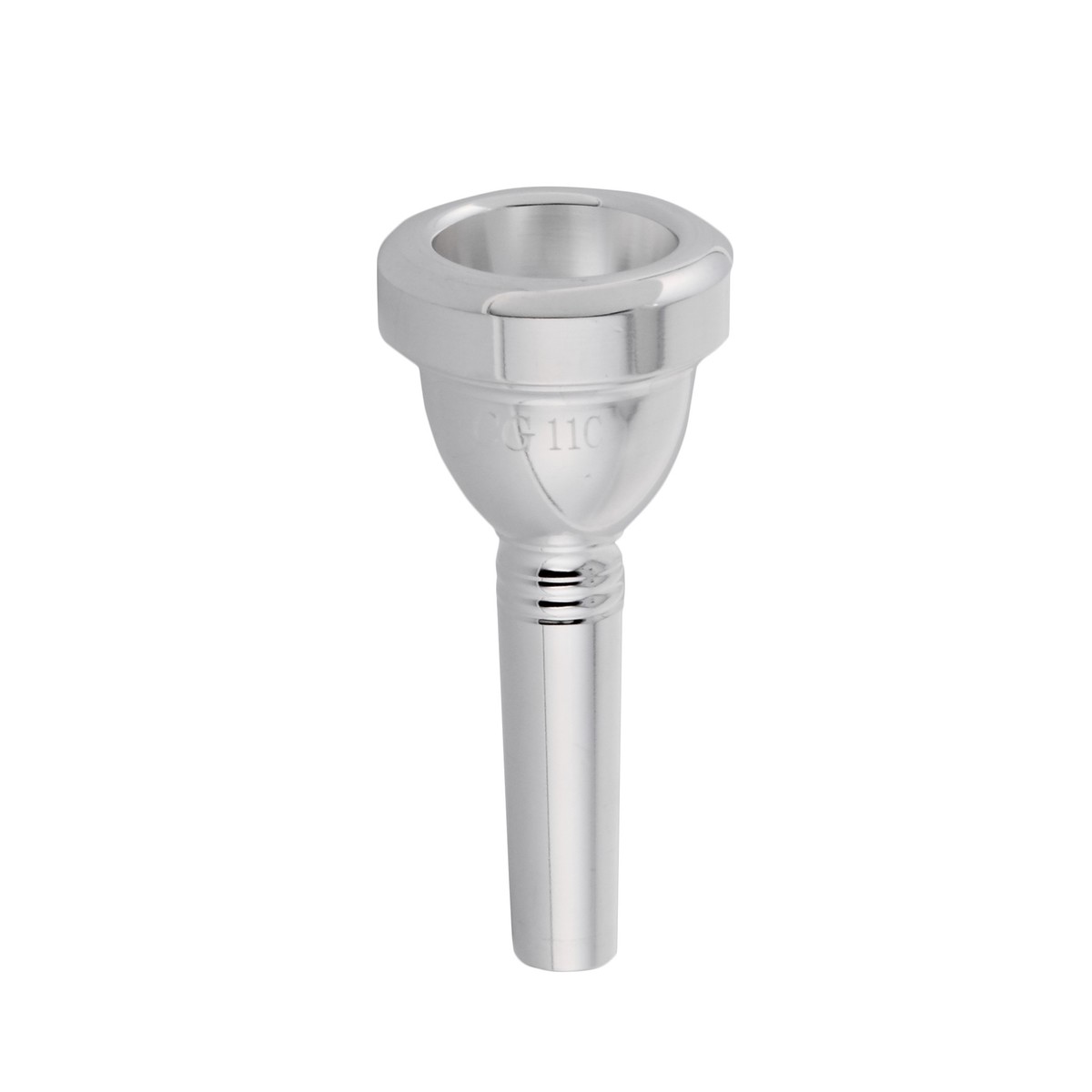 £9.99 ($13)
Gear4Music
Coppergate 11C Trombone Mouthpiece by Gear4music
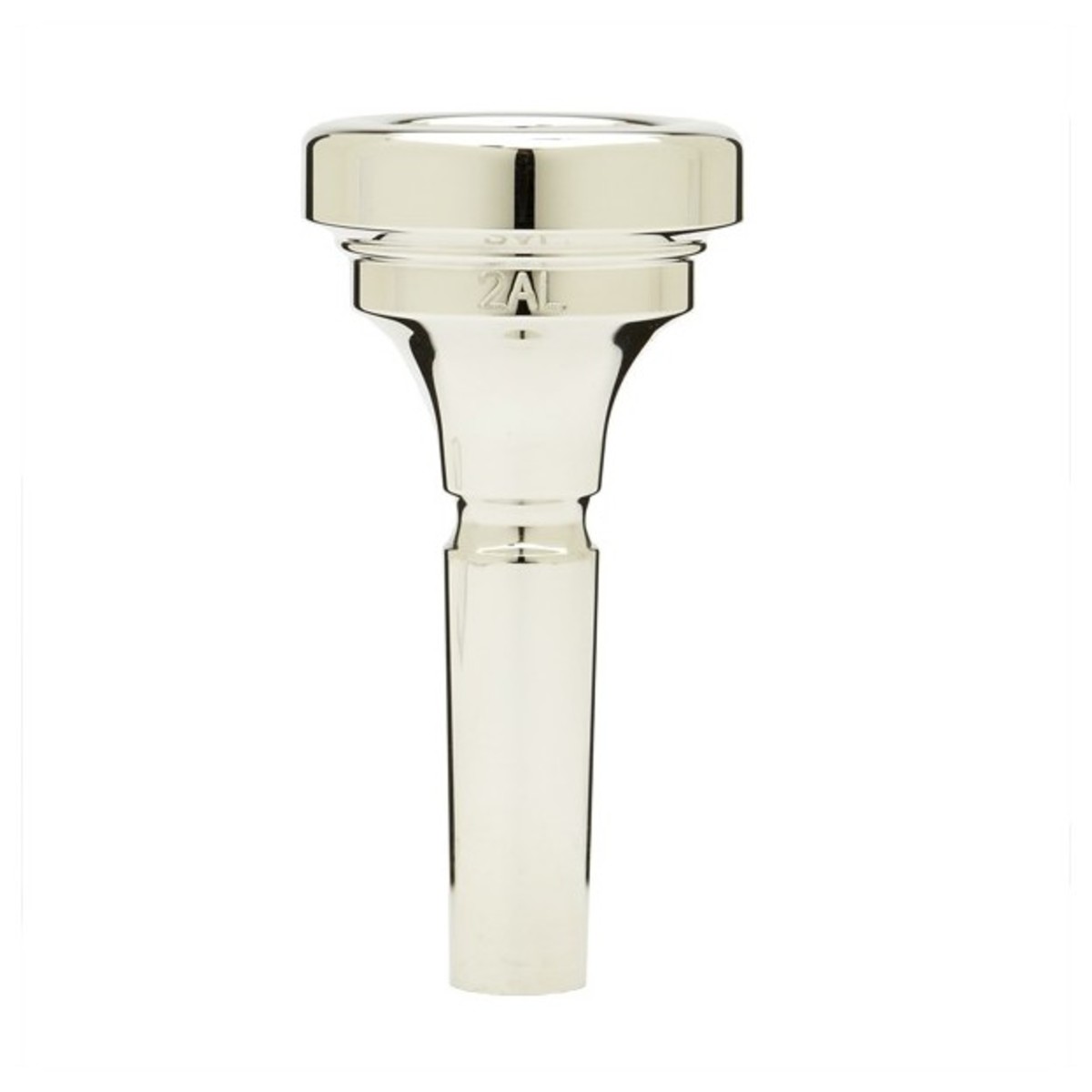 £95.80 ($122)
Denis Wick
Denis Wick Classic Bass Trombone Mouthpiece 2AL Silver Plated
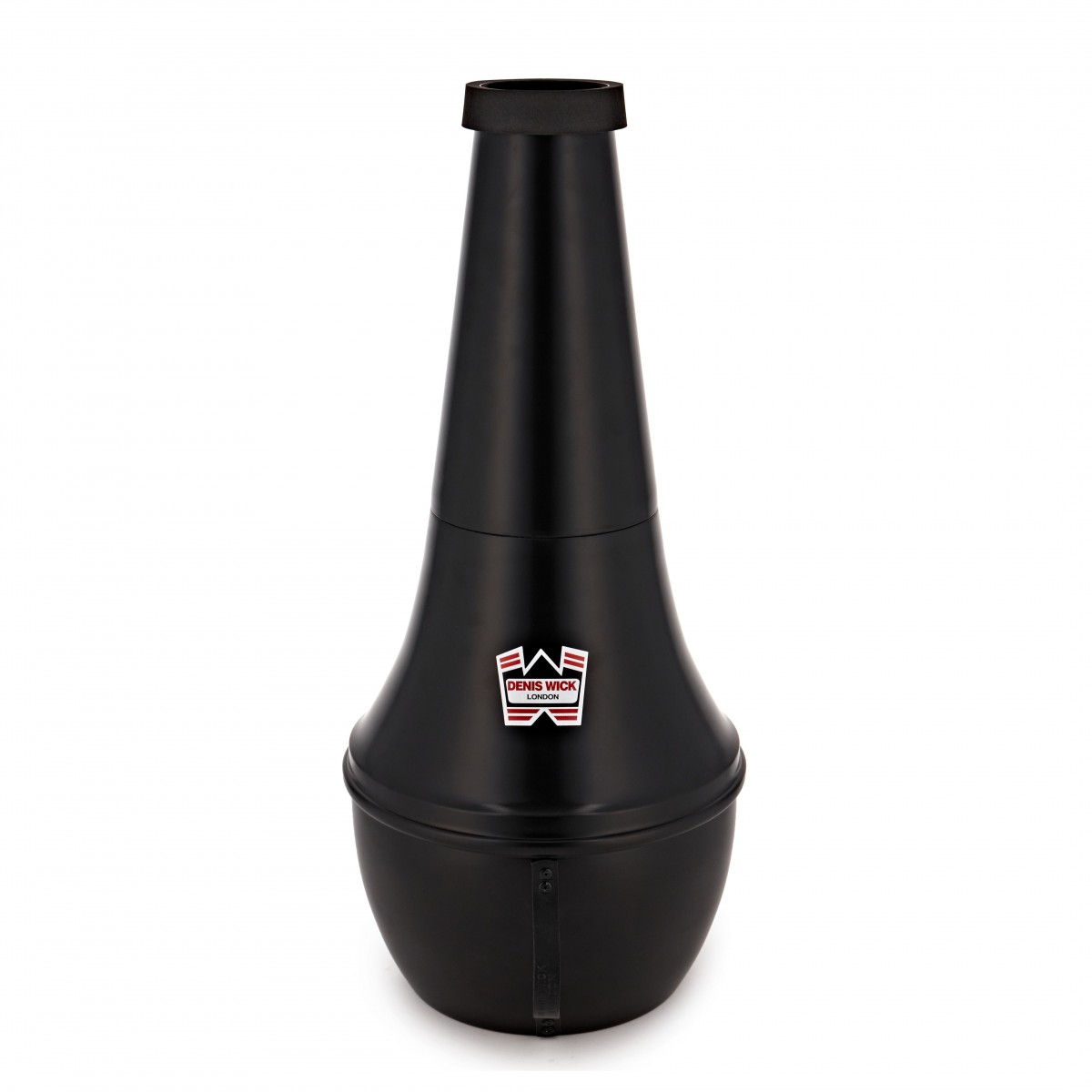 £285.50 ($363)
Denis Wick
Denis Wick Tuba Practice Mute
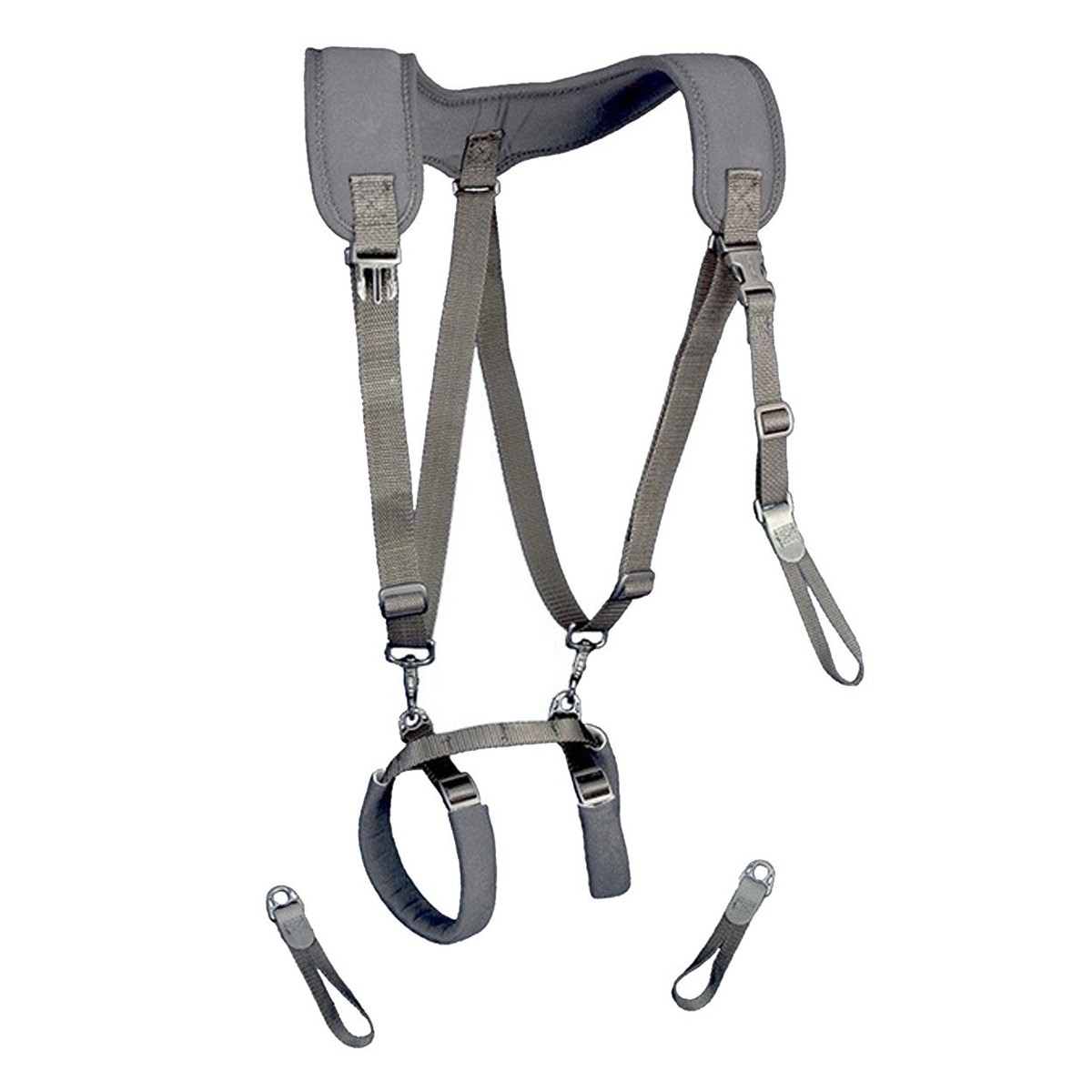 £69.00 ($88)
Neotech
Neotech Tuba Harness XL Black
 £249.00 ($316)
Grassi
Grassi STB850 School Series Tenor Trombone
 £3,480.00 ($4,420)
Conn
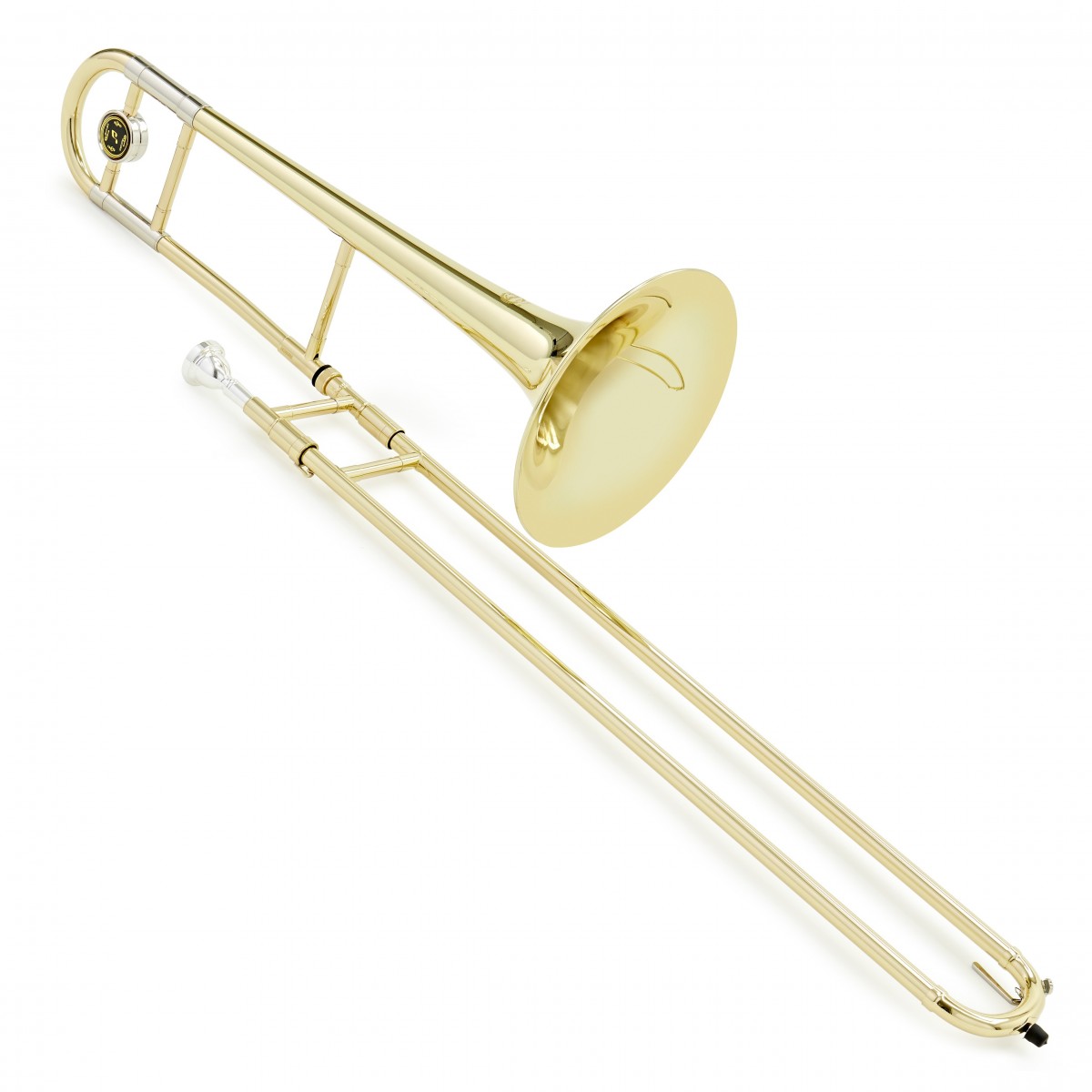
Conn 52H Bb/F Tenor Trombone Dual Bore
 £120.00 ($152)
Bach
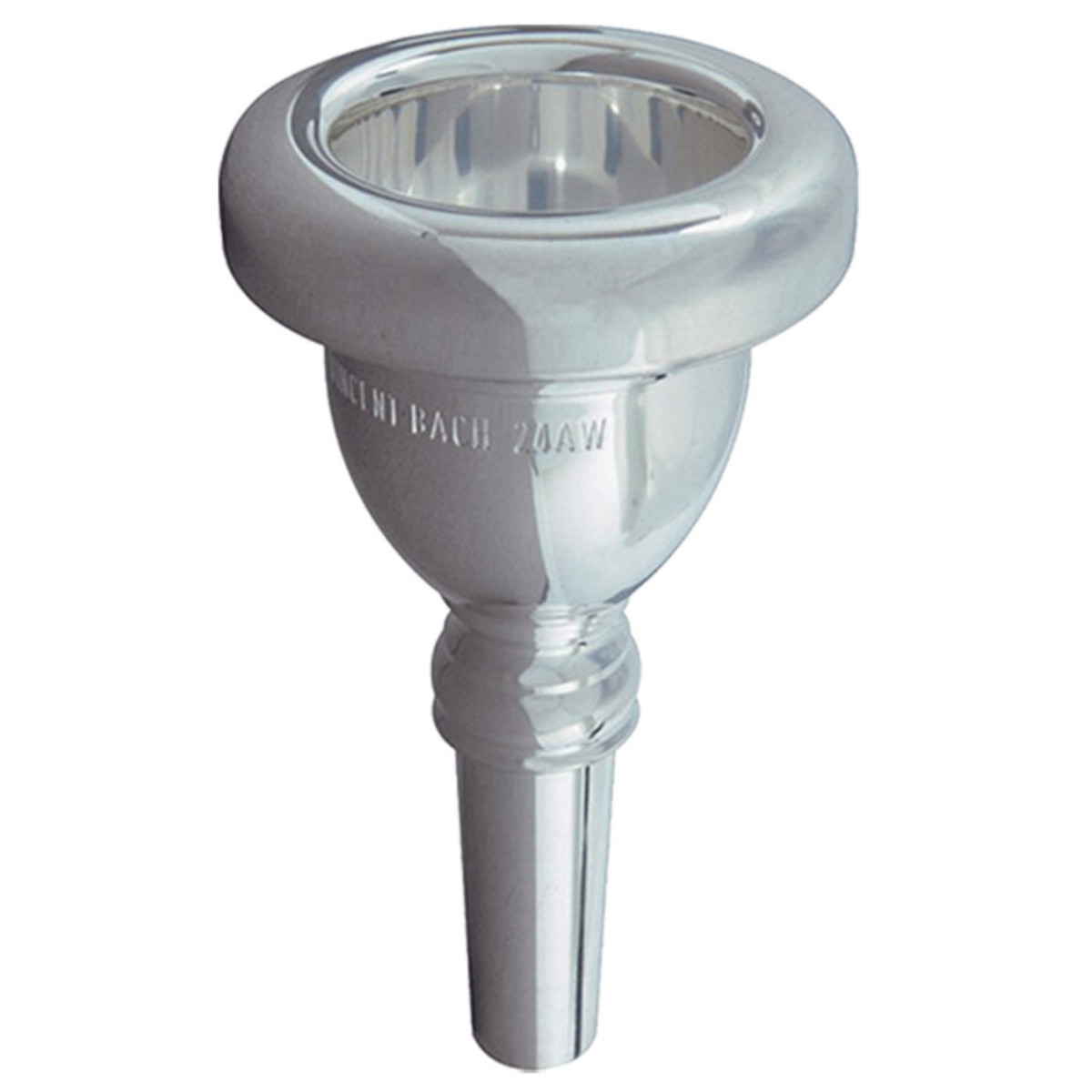
Bach Classic Tuba Mouthpiece 12 Silver Plated
 £3,245.00 ($4,121)
Conn
Conn 34H Alto Trombone
Frequently asked questions
- What is the primary purpose of the Denis Wick Bass Trombone Travel Mute?
- The primary purpose is to allow bass trombonists to practice in private by attenuating their sound to near silence. It is designed to be used in noise-sensitive environments like hotels or for warming up backstage.
- How does this mute affect the pitch of the instrument?
- Unlike many practice mutes that cause deficiencies in pitch, this model is designed to retain accurate intonation. The internal architecture ensures that the notes remain in tune even while the volume is drastically reduced.
- Does the mute create significant back-pressure?
- Denis Wick has engineered this mute to provide a perfect level of resistance that is not excessive. This prevents the player from having to strain and helps maintain a natural blowing feel during practice.
- Can I use this mute for performance?
- No, this is a practice and travel mute designed for silent practice. For musical performances, a standard straight, cup, or wah-wah mute would be used to achieve specific tonal colours.
- What instrument is this specific mute designed for?
- This mute is specifically designed for the bass trombone. Denis Wick also produces similar models for other instruments, such as the Tuba Practice Mute.
- Is the mute portable for travelling musicians?
- Yes, as a 'travel' mute, it is designed to be compact and fits within the bell of the instrument. This makes it easy to transport in most standard bass trombone cases.
- What is the typical price for this accessory?
- The typical price range for the Denis Wick Bass Trombone Travel Mute is approximately £108. Prices may vary slightly depending on the specific retailer.
- How quiet is the mute during use?
- The manufacturer describes the attenuation as bringing the sound to 'near silence.' This allows for practice at any time of day without disturbing people in adjacent rooms.
- Does using this mute change the feel of the bass trombone?
- While all practice mutes add some resistance, this model is designed to minimise that change. It aims to reproduce a natural feel so that your technique remains consistent when you switch back to open playing.
- Is this mute suitable for students?
- Yes, it is highly suitable for students, particularly those living in halls of residence or shared housing where silent practice is necessary. It ensures they can practice without compromising their intonation habits.
- How does it compare to a standard practice mute?
- Standard practice mutes often suffer from poor intonation and high resistance. The Denis Wick travel mute is a premium version designed to specifically solve those two acoustic issues.
- Can this mute be used for warming up before a concert?
- Yes, it is an ideal tool for warming up in a dressing room or backstage. It allows the player to get the air moving through the instrument without being heard by the audience or other performers.