
Gear article
Pedaltrain SST Space Saving Tuner
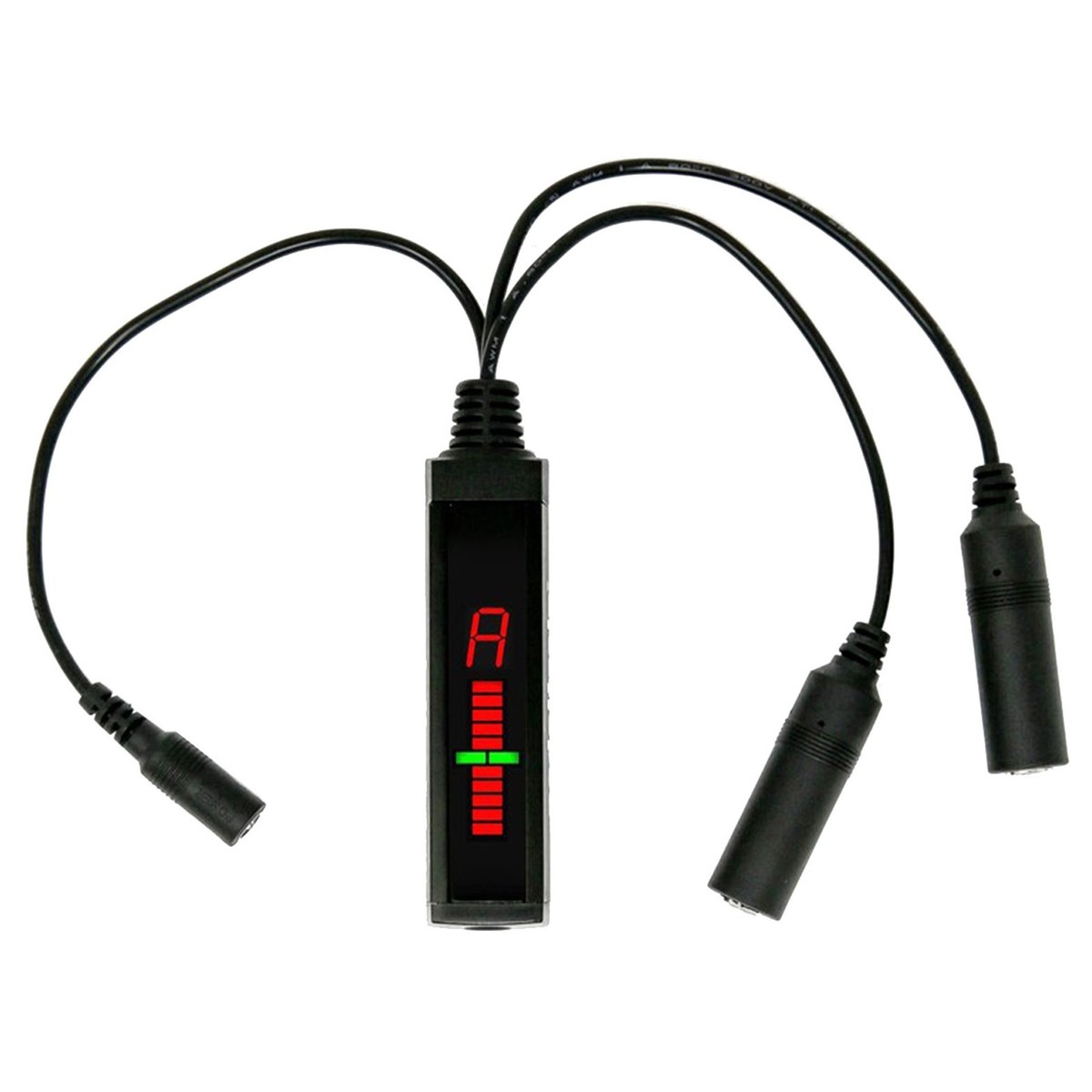
The Pedaltrain SST Space Saving Tuner is an ultra-compact chromatic tuning device designed specifically for high-density pedalboard layouts. It features a unique form factor that allows it to be positioned between larger effects pedals, effectively reclaiming valuable real estate on the board.
Background and Development
Pedaltrain, a company primarily known for its industry-standard aluminium pedalboards, developed the SST (Space Saving Tuner) to address a common logistical issue faced by guitarists and bassists: the 'tuner footprint.' While traditional pedal tuners require a dedicated slot on the mounting rails, the SST was engineered to integrate into the narrow gaps between existing hardware.
By focusing on a minimalist chassis, Pedaltrain shifted the utility of the tuner from a standalone floor unit to a supportive utility component that complements their existing range of mounting solutions.
Design and Functionality
The primary design goal of the SST is to minimise surface area usage. It utilizes a slender, vertically-oriented screen and internal circuitry that allows it to 'slot' between pedals that are already mounted. This is particularly useful for players using small-format boards like the Nano or Metro series where every square inch is critical.
Key functional features include: * High-Brightness Display: Optimized for visibility under stage lighting. * Chromatic Tuning: Provides accurate pitch detection for standard and non-standard tunings. * In-Line Connectivity: Designed to be placed in the signal chain without occupying the space of a standard 1590B or mini-pedal enclosure.
Sound Character and Performance
As a utility device, the SST is designed for transparency. Its primary role is to provide fast, accurate pitch detection without altering the tonal characteristics of the instrument signal. The display is responsive, offering real-time feedback that allows for quick adjustments between songs. Because it is an electronic tuner rather than an acoustic aid, it does not produce sound of its own but ensures the instrument remains in perfect pitch.
Market Positioning and Comparison
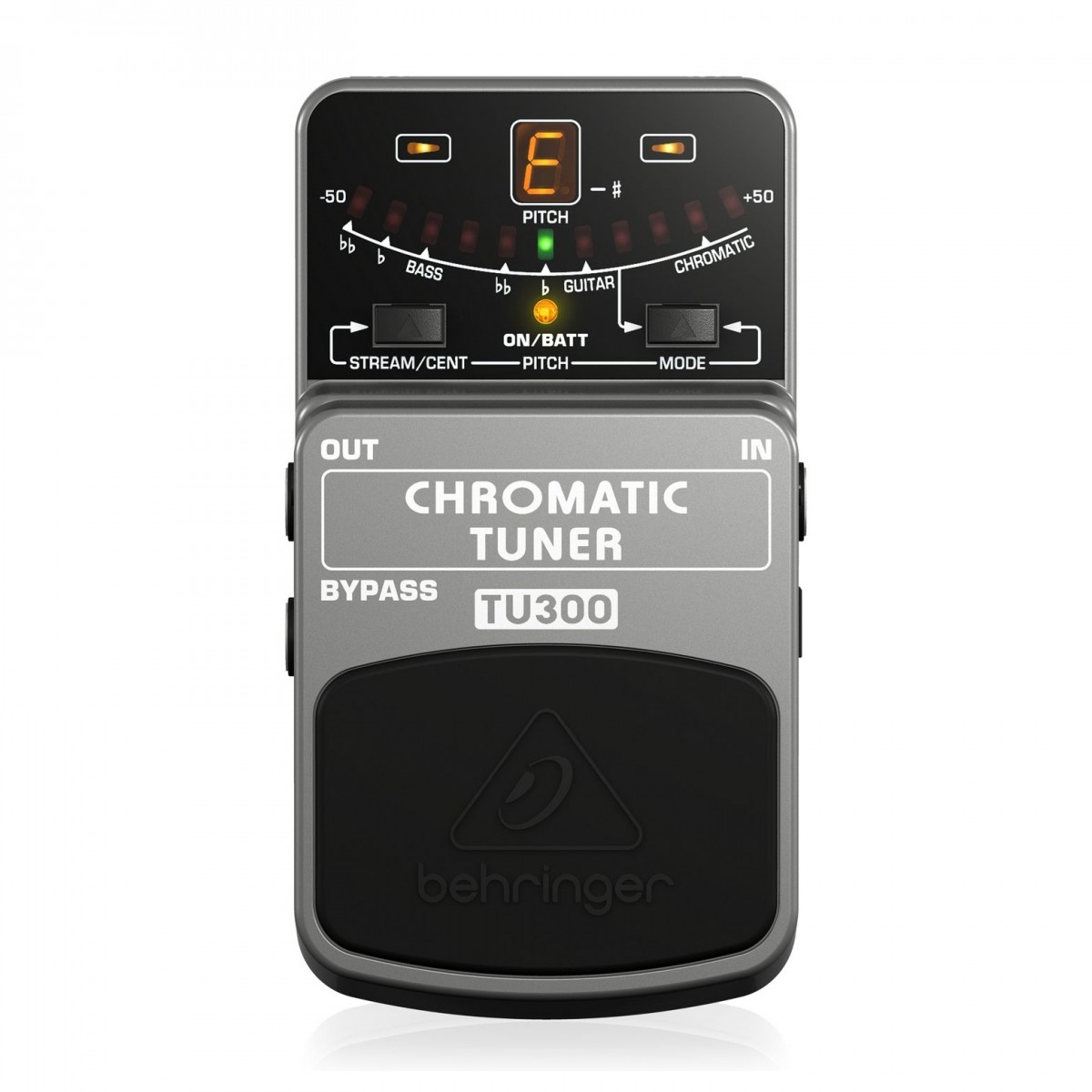
The SST occupies a unique niche compared to other tuning solutions. Unlike the Behringer TU300 or the industry-standard Boss floor tuners, which are large-format stompboxes, the SST focuses entirely on miniaturisation.
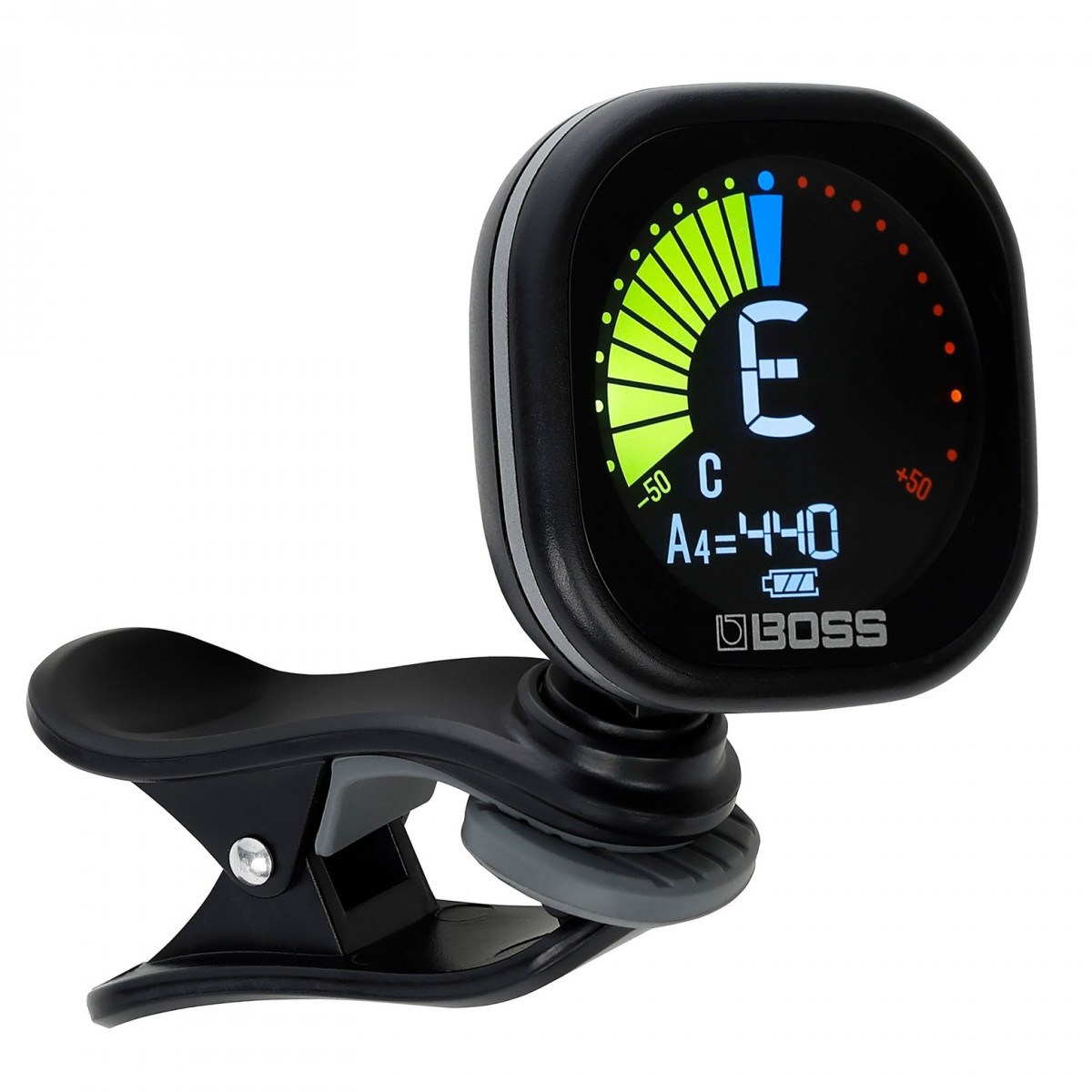
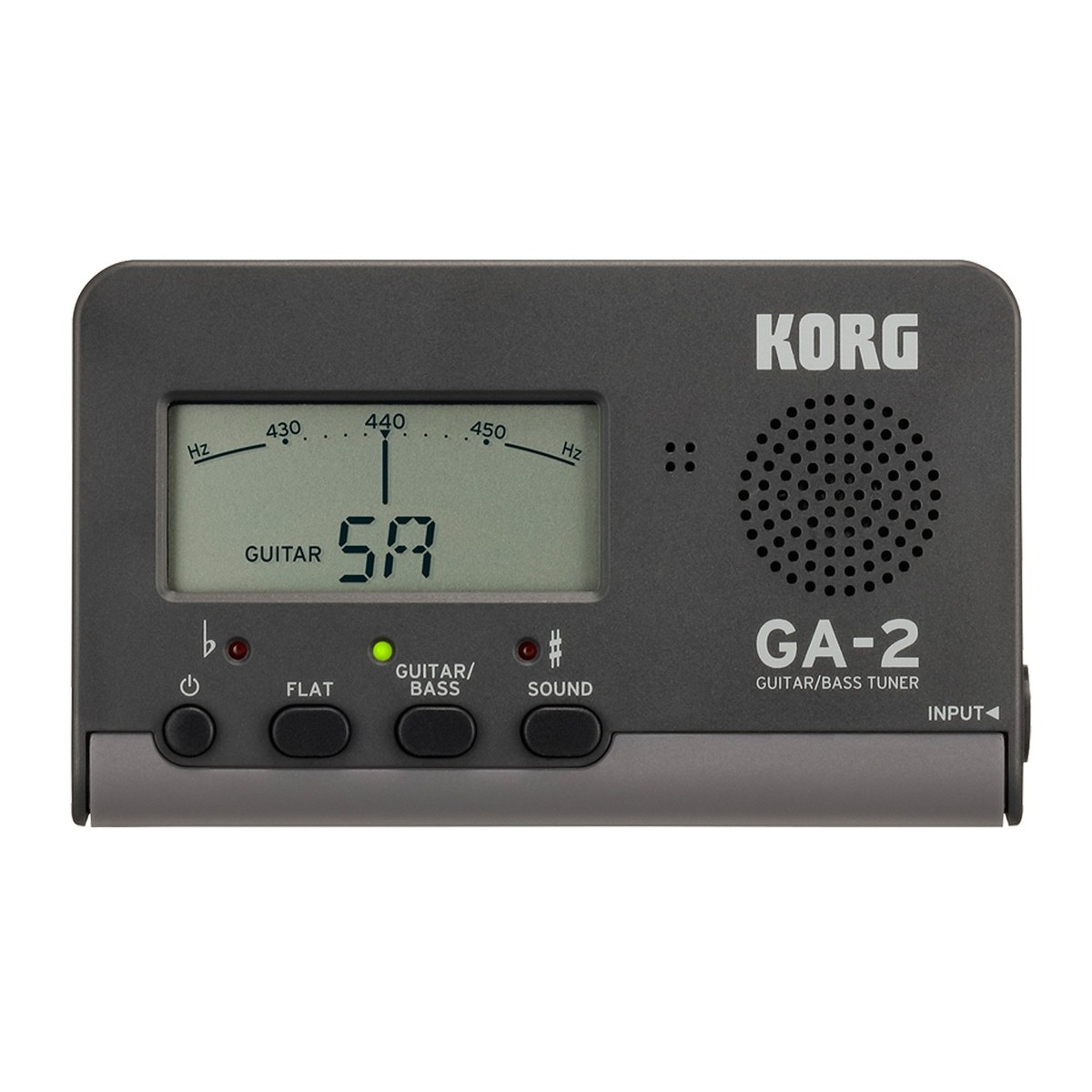
While clip-on tuners like the Korg GripTune or Boss TU-05 avoid the pedalboard entirely by attaching to the headstock, the SST provides the stability of a hard-wired connection without the bulk of a traditional pedal. It is a more permanent board solution than handheld devices like the Korg GA-2, which are generally intended for off-stage use.
Related gear
 £21.80 ($28)
Boss
Boss TU-05 Rechargeable Clip-on Guitar Tuner
 £9.99 ($13)
Tuner Fish
Tuner Fish Lug Locks Orange 8 Pack
 £229.00 ($291)
Wittner
Wittner W801 Wooden Metronome Mahogany
 £5.99 ($8)
Tuner Fish
Tuner Fish Lug Locks Red 4 Pack
 £15.50 ($20)
Korg
Korg GripTune Clip-On Tuner
 £12.50 ($16)
Korg
Korg GA-2 Guitar/Bass Tuner
 £24.99 ($32)
Gear4Music
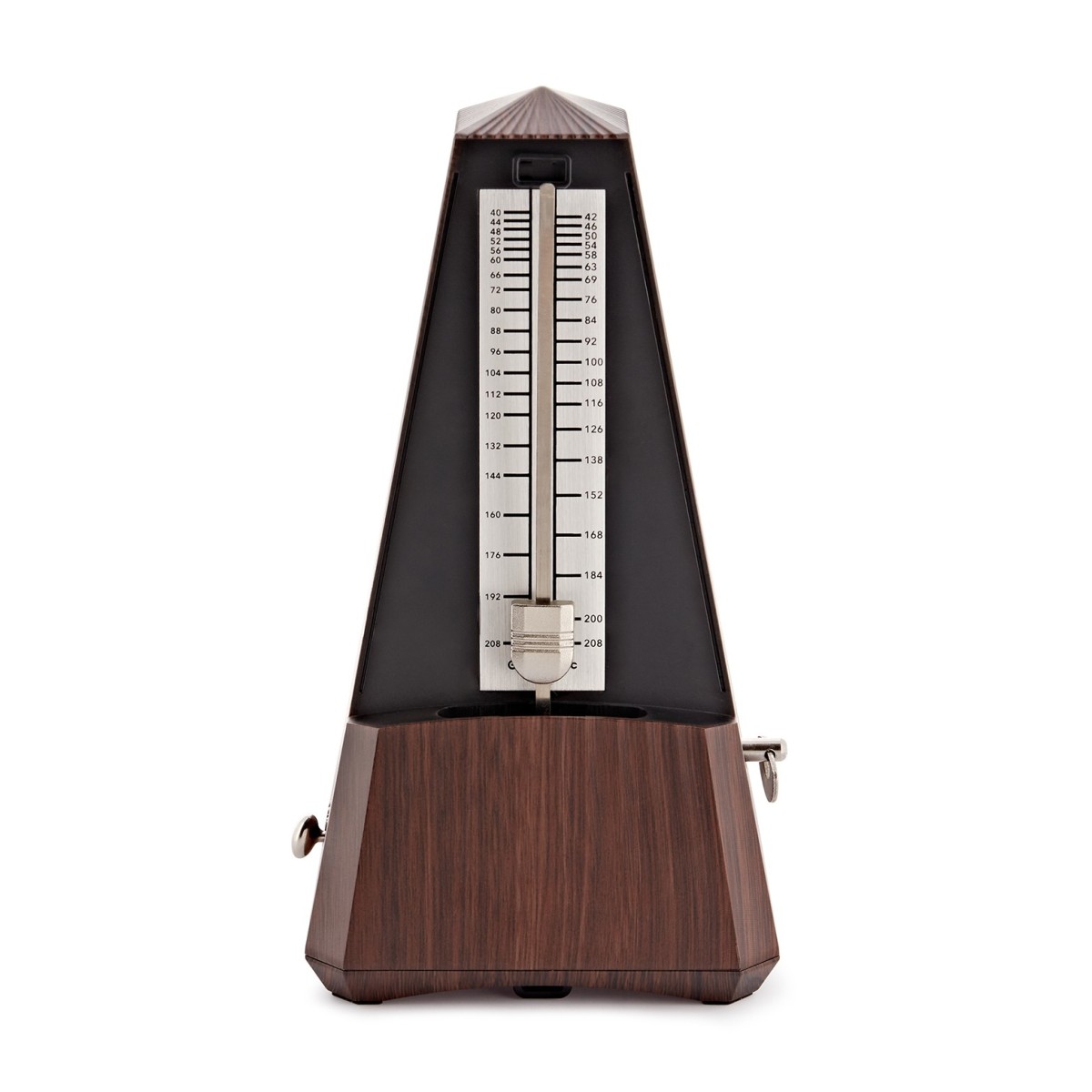
Mechanical Metronome with Thermo-Hygrometer by Gear4music
- £26.00 ($33)
Behringer
Behringer TU300 Chromatic Tuner
Frequently asked questions
- What is the main benefit of the Pedaltrain SST?
- The primary benefit is its space-saving design, which allows it to fit into narrow gaps between other pedals on a crowded board. This effectively frees up a standard pedal slot for another effect.
- How much does the Pedaltrain SST typically cost?
- The SST is typically priced at approximately £49.00, placing it in the mid-range category for compact pedalboard tuners.
- Is the SST a chromatic tuner?
- Yes, the SST is a chromatic tuner, meaning it can detect all twelve notes of the chromatic scale, making it suitable for various alternate tunings.
- Does the SST require a dedicated power supply?
- Like most pedalboard tuners, it requires a standard power input to operate, though its low profile makes it easy to integrate into existing power chains.
- How does the SST compare to the Behringer TU300?
- The Behringer TU300 is a full-sized stompbox with a foot switch, whereas the SST is a tiny, always-ready or inline display designed specifically to save space.
- Can the SST be used with a bass guitar?
- Yes, as a chromatic tuner, it is designed to handle the frequency ranges of both electric guitars and bass guitars.
- Is the display visible in bright outdoor settings?
- Pedaltrain designed the SST with a high-brightness display specifically to ensure it remains legible under various lighting conditions, including stage lights.
- Why would I choose the SST over a clip-on tuner like the Boss TU-05?
- The SST provides a hard-wired connection which some players prefer for reliability and accuracy, and it stays permanently on the board rather than needing to be clipped to the headstock.
- Does the SST come with mounting hardware?
- The SST is designed to work with Pedaltrain's existing hook-and-loop or adhesive mounting systems to secure it between pedals.
- Is the SST suitable for professional touring?
- Yes, its rugged design and reliable tuning accuracy make it suitable for professional environments where pedalboard space is at a premium.
- How does the SST differ from a Korg GA-2?
- The Korg GA-2 is a handheld tuner intended for practice or setup, while the SST is a dedicated pedalboard utility designed to be integrated into a live performance signal chain.
- Can the SST be used with acoustic instruments?
- Provided the acoustic instrument has a pickup and a 1/4 inch output jack to connect to the signal chain, the SST will function perfectly as a tuner.