
Gear article
Gear4Music DMX 3 Pin Cable 12m
The Gear4Music DMX 3 Pin Cable 12m is a high-quality, noiseless lighting control cable designed for DMX512 communication protocols. Measuring twelve metres in length, it serves as a reliable link between lighting controllers and fixtures in professional and semi-professional stage environments.
See live pricesOverview
The Gear4Music DMX 3 Pin Cable is a specialized utility cable designed for the transmission of digital lighting control signals. Unlike standard microphone cables, DMX cables are engineered with specific impedance characteristics to prevent signal reflection and data corruption over long distances. This 12-metre version provides significant reach for medium-to-large stage setups, allowing for flexible routing between DMX consoles, dimmers, and intelligent lighting fixtures.
Technical Features
The cable features 3-pin XLR connectors, which are the standard interface for a vast majority of entry-level and mid-range DMX equipment. The manufacturer highlights the 'noiseless' quality of the cable, achieved through shielding that protects the digital data stream from electromagnetic interference (EMI) and radio frequency interference (RFI). This is critical in environments with high electrical noise, such as those containing heavy power amplifiers or wireless systems like the LD Systems WS100BNC10 antenna setup.
Professional Application
In a professional lighting rig, the 12-metre length is particularly useful for spanning the distance from a control booth to a lighting truss or connecting fixtures spread across a wide stage area. While standard patch cables like the Studiospares 30cm or 60cm XLRs are suitable for close-proximity connections, the Gear4Music 12m cable ensures signal integrity over a much larger footprint without the need for multiple intermediate joins, which can introduce points of failure.
Comparative Analysis
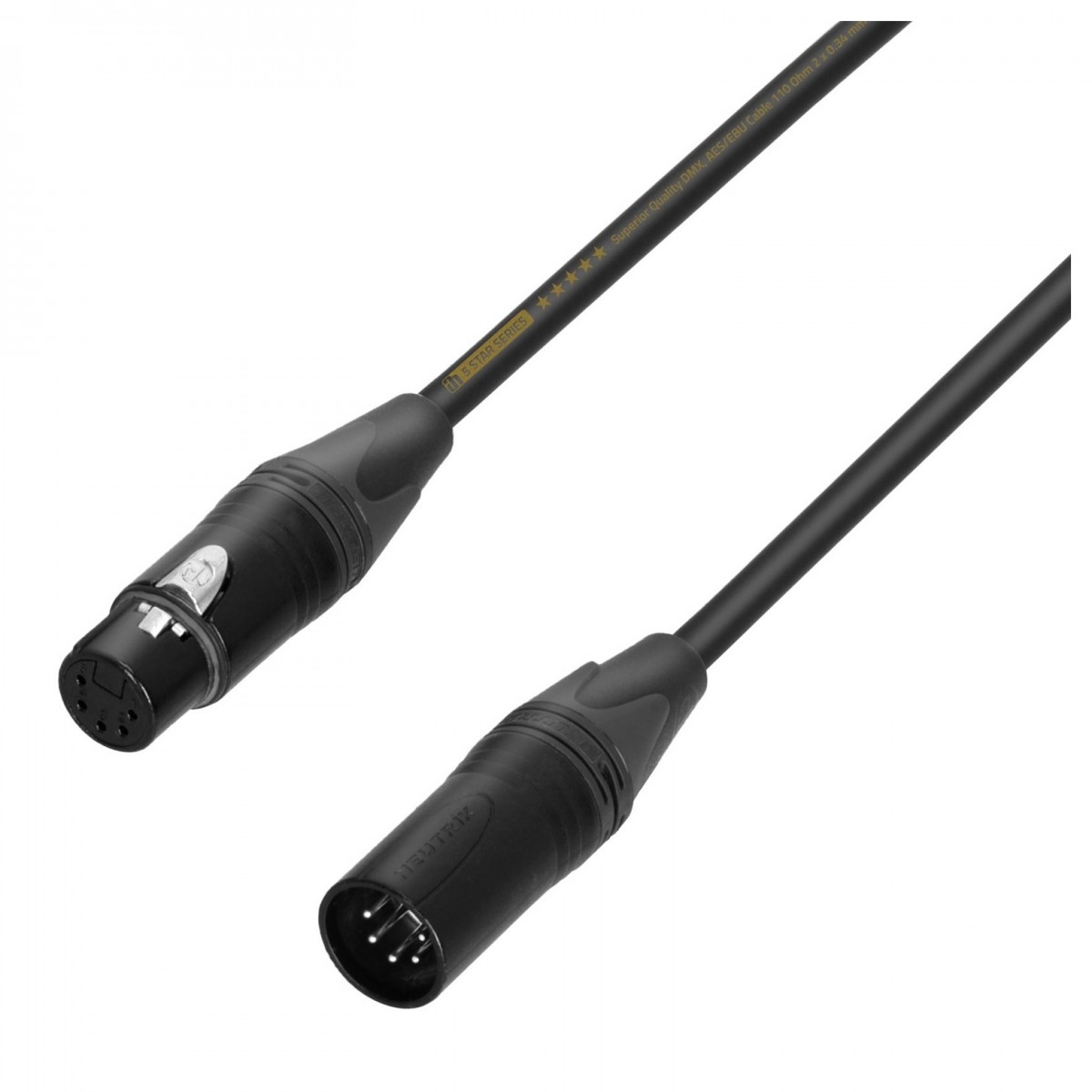
When compared to high-end alternatives like the Adam Hall 5-pin 20m DMX cable, this Gear4Music model offers a more budget-friendly solution for users who do not require the additional two pins of the 5-pin DMX standard. While 3-pin XLR connectors are physically identical to those used on instrument cables such as the Ernie Ball P06049 or Neutrik NC3FRX right-angled connectors, the internal construction of this DMX cable is specifically tailored for data rather than analogue audio, providing a more stable performance in lighting applications.
Target User
This cable is ideally suited for mobile DJs, venue technicians, and touring theatre groups who require dependable lighting control on a budget. Its length and noiseless operation make it a practical choice for those transitioning from basic analogue setups to more complex digital DMX systems.
Related gear
 £5.99 ($8)
Studiospares
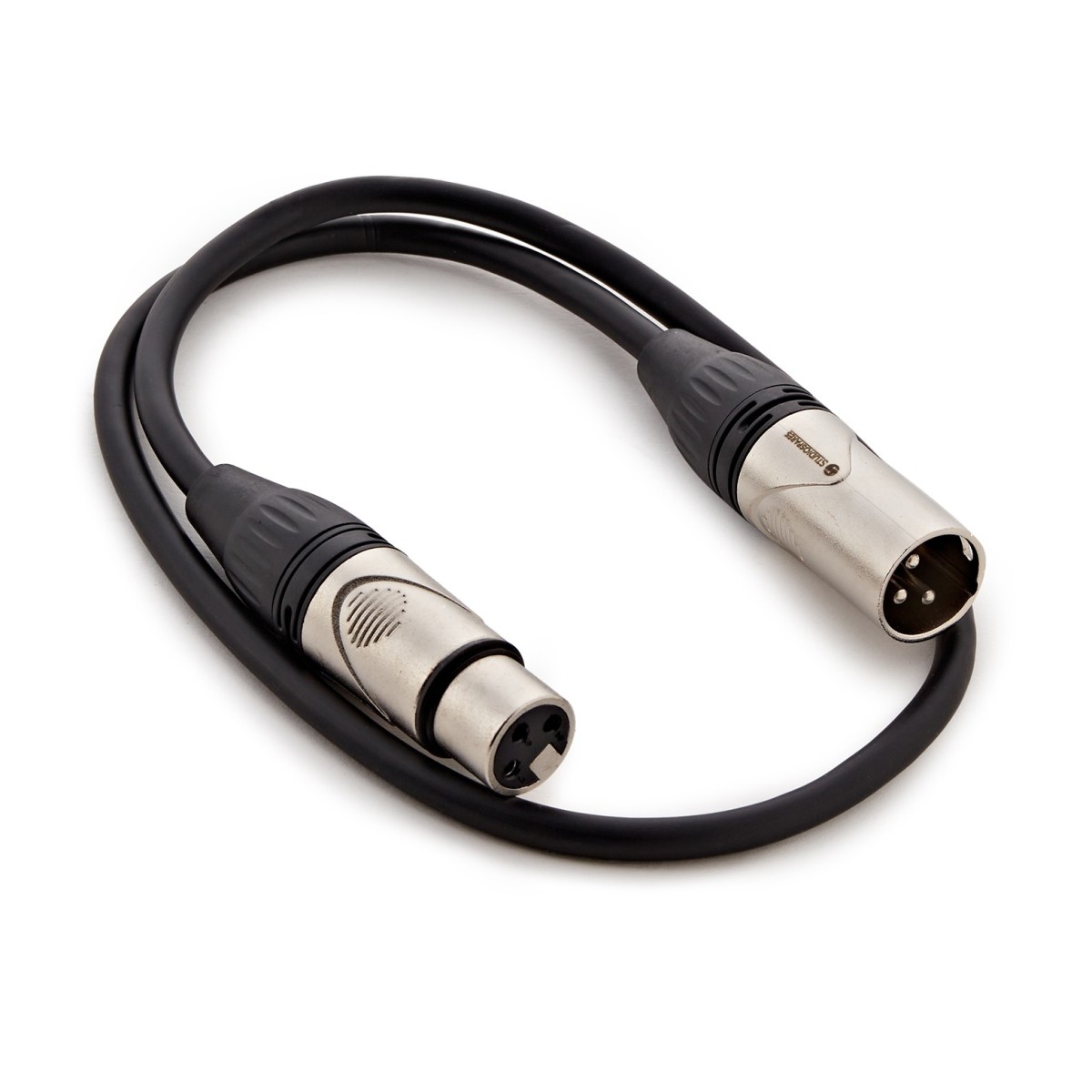
Studiospares Standard XLR (M) - XLR (F) Cable 60cm
 £17.57 ($22)
Ernie Ball
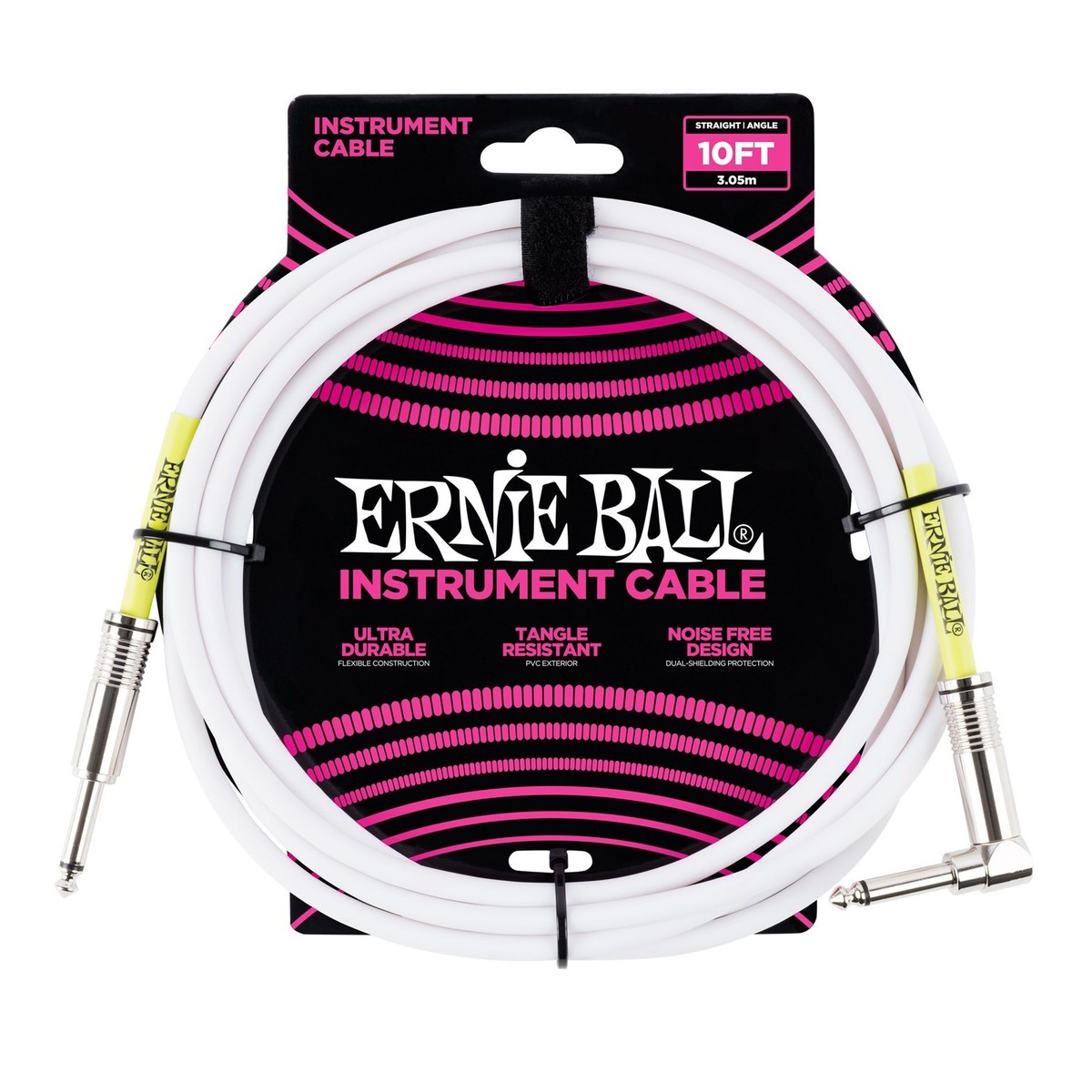
Ernie Ball P06049 10ft Straight-Angle Instrument Cable White
 £32.00 ($41)
LD Systems
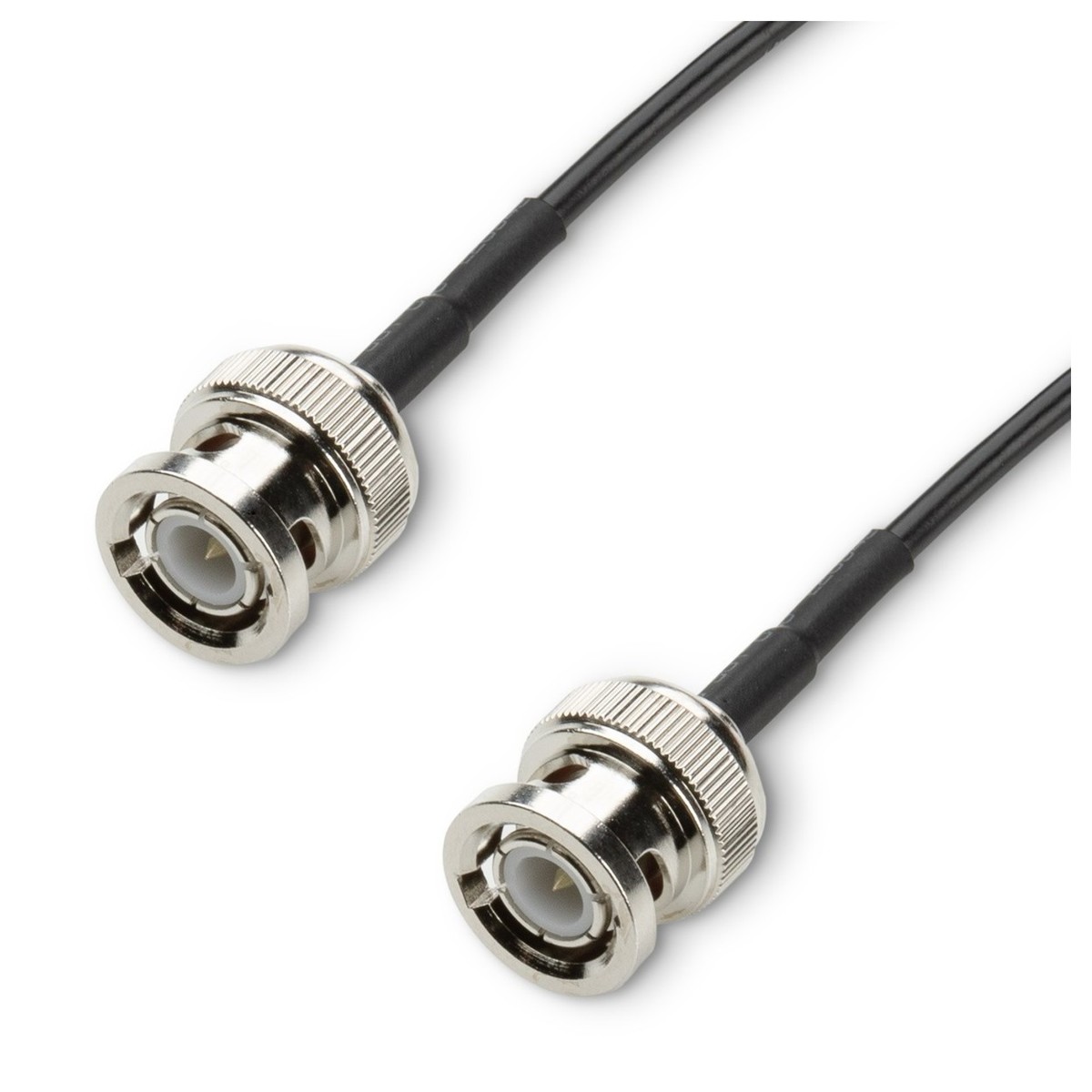
LD Systems WS100BNC10 BNC to BNC Antenna Cable 10m
 £4.99 ($6)
Gear4Music
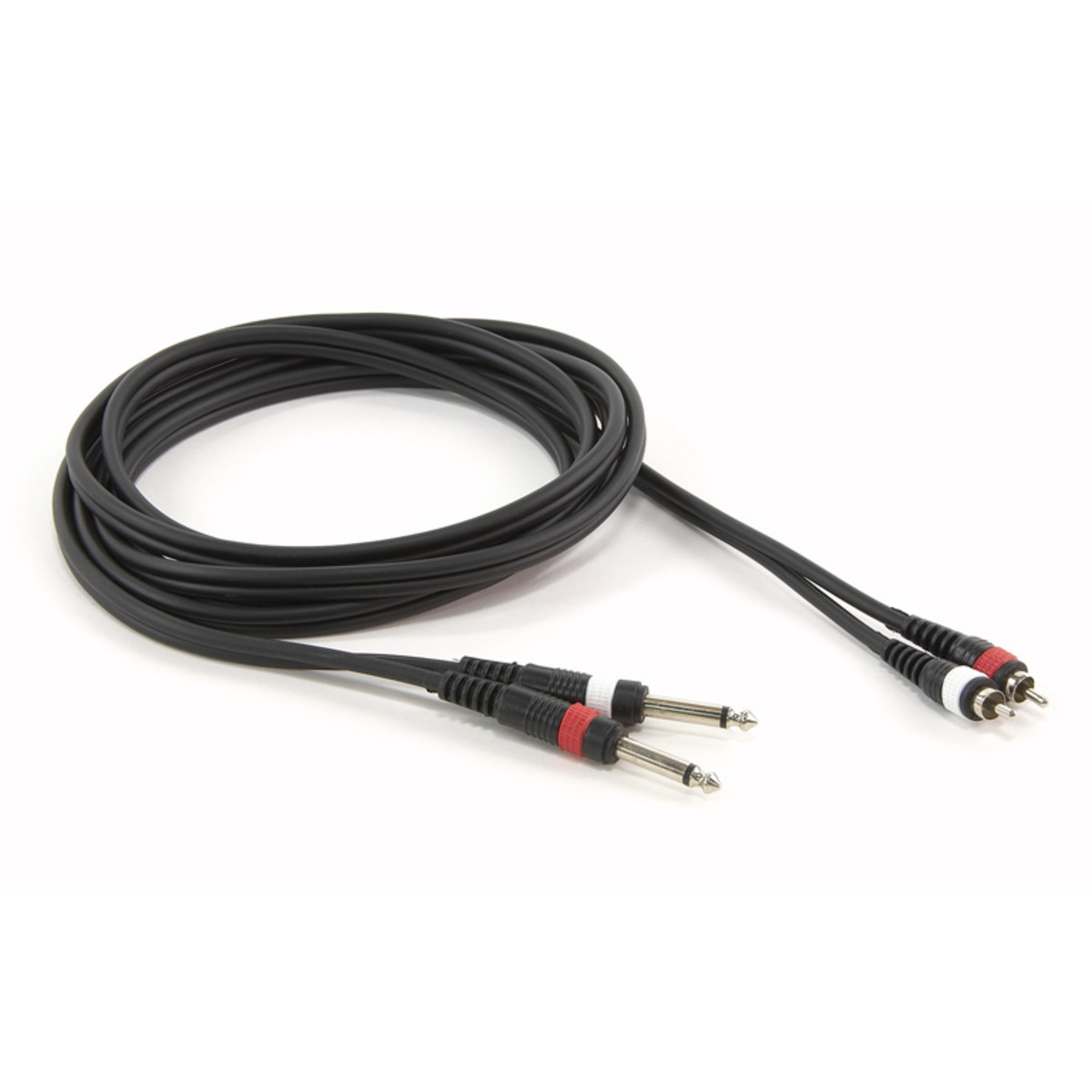
Essentials Dual Jack to RCA Phono Cable 3m
 £10.50 ($13)
Neutrik
Neutrik NC3FRX Right-Angled 3-Pole Female XLR Connector
 £19.00 ($24)
Neutrik
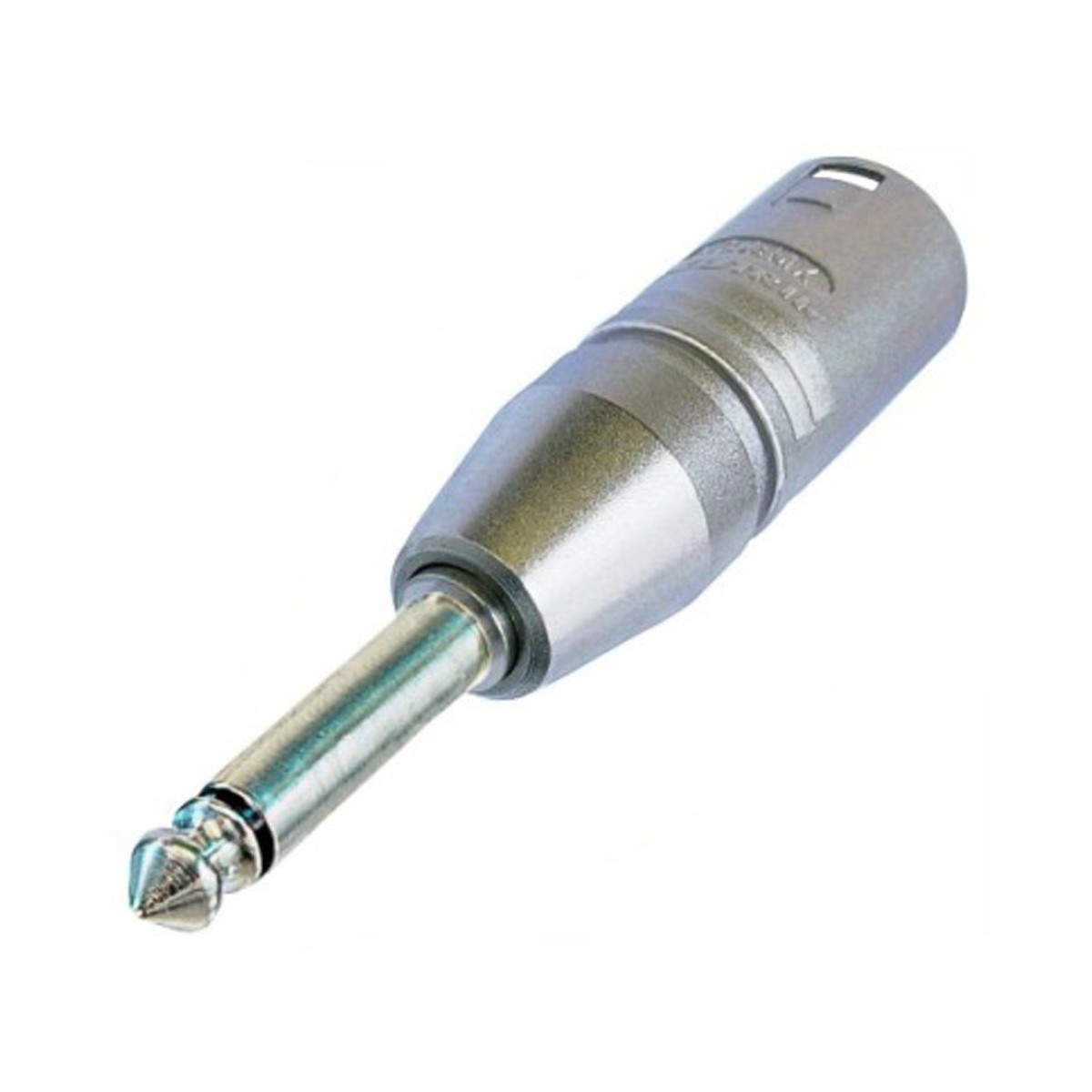
Neutrik NA2MP Male XLR - 1/4 Jack Adaptor
 £30.00 ($38)
Adam Hall
Adam Hall 5 STAR Neutrik DMX 5-Pin Lighting Cable 20m
 £4.99 ($6)
Studiospares
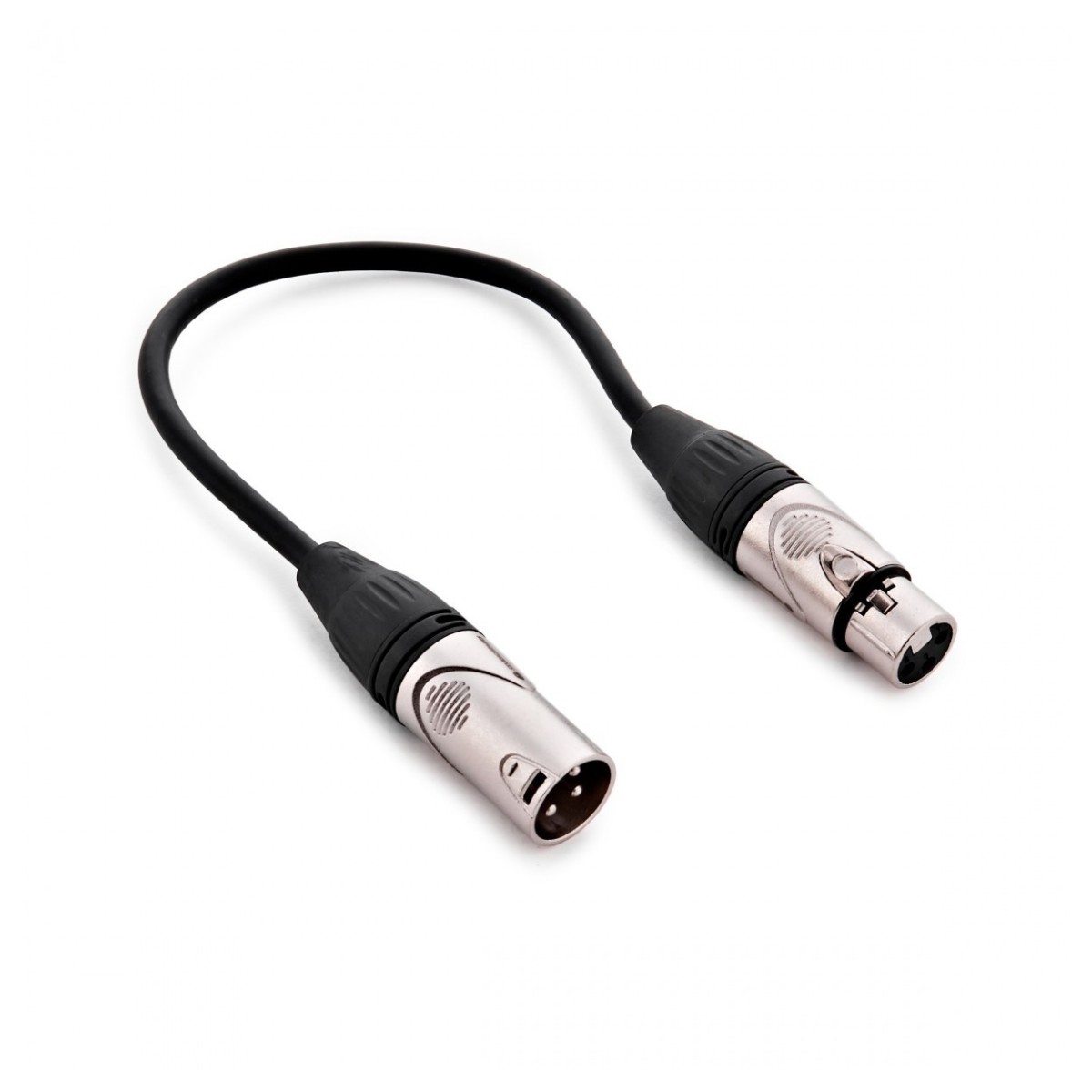
Studiospares Standard XLR (M) - XLR (F) Patch Cable 30cm
Frequently asked questions
- What is the primary use of the Gear4Music 12m DMX cable?
- It is primarily used to transmit digital DMX512 signals from a lighting controller to fixtures like moving heads, par cans, and strobe lights. It ensures that the digital instructions for dimming, colour, and movement are delivered without interference.
- Can I use a standard XLR microphone cable instead of this DMX cable?
- While a 3-pin XLR microphone cable will physically fit, it has a different impedance (usually 75 ohms) compared to DMX cables (110-120 ohms). Using mic cables can cause signal flickering or 'ghosting' in lighting fixtures, whereas this DMX cable is designed to avoid those issues.
- What does 'noiseless' mean in the context of this cable?
- Noiseless refers to the cable's ability to shield the digital signal from external electromagnetic interference. This prevents data errors that could cause lighting fixtures to behave erratically or lose connection with the controller.
- Is the 12-metre length sufficient for a standard stage?
- Twelve metres is typically sufficient for connecting a controller to a stage-side rack or for daisy-chaining fixtures across a medium-sized stage. For larger venues, multiple 12m cables can be linked together, or longer options like a 20m cable may be required.
- Does this cable work with 5-pin DMX fixtures?
- This cable uses 3-pin connectors. To use it with 5-pin fixtures, you would need a Neutrik NA2MP or similar XLR adaptor to convert the 3-pin signal to a 5-pin format.
- What is the connector configuration of this cable?
- The cable features a male 3-pin XLR connector on one end and a female 3-pin XLR connector on the other. This is the standard 'plug and socket' configuration for daisy-chaining lighting equipment.
- How does the price of this cable compare to other brands?
- At a typical price point of approximately £10, this Gear4Music cable is positioned as a highly affordable entry-level option. It offers a cost-effective alternative to premium brands while maintaining the necessary specifications for DMX control.
- Can this cable be used for audio applications?
- While it can technically carry an analogue audio signal due to its 3-pin XLR construction, it is optimized for digital data. It is generally better to use dedicated audio cables, like Gear4Music Essentials Dual Jack to RCA, for audio-specific tasks.
- Is the outer jacket of the cable durable enough for touring?
- The manufacturer describes it as a high-quality cable suitable for control environments. While it is designed for regular use, professional touring rigs might sometimes opt for heavy-duty rubberized jackets found on more expensive 5-star rated cables.
- Do I need a terminator if I use this 12m cable?
- It is always recommended to use a DMX terminator at the end of your chain, regardless of cable length. This 12m cable is part of the signal path, and a terminator helps prevent signal bounce-back at the end of that path.
- Is this cable compatible with all DMX controllers?
- It is compatible with any DMX controller that features a 3-pin XLR output port. If your controller has a 5-pin output, you will need a 5-pin to 3-pin adapter to use this cable.
- How should I store this 12-metre cable to ensure longevity?
- It should be coiled loosely using the 'over-under' method to prevent internal wire twisting. Avoid tight kinks or heavy equipment being placed on the cable to maintain its noiseless properties and signal integrity.