
Gear article
Drum Dial Precision Drum Tuner
The Drum Dial Precision Drum Tuner is a mechanical device designed for the precise, repeatable tuning of acoustic drums. Unlike traditional methods that measure tension rod torque, it measures the actual tympanic pressure of the drumhead to ensure uniform tension across all lugs.
See live pricesOverview
The Drum Dial Precision Drum Tuner is a specialised tool intended to solve the inherent inconsistencies found in traditional drum tuning. While many drummers rely on 'ear tuning' or measuring the torque applied to individual tension rods, these methods are often affected by the physical condition of the hardware. The Drum Dial bypasses these variables by measuring the physical tension of the drumhead itself via a sensitive pressure gauge.
History and Background
For decades, drum tuning remained one of the most subjective and difficult skills for percussionists to master. The development of the Drum Dial addressed the need for a scientific, measurable approach to tuning. It has become a standard tool for professional drum technicians and touring musicians who require a reliable way to return a kit to specific settings under varying environmental conditions.
Technical Operation
The device operates by measuring 'tympanic pressure'—the actual tension of the head material. By placing the Drum Dial on the head near a tension rod, the user can read the specific tension on an easy-to-read analogue gauge.
Key features include: * Direct Head Measurement: Measures the head's response rather than the lug's resistance. * Silent Tuning: Allows for accurate adjustments without the need to strike the drum. * Hardware Independence: Negates errors caused by corroded threads, worn lugs, or differing tolerances in the hoop and hardware.
Sound Character and Performance
While the Drum Dial does not produce sound itself, its use results in a more balanced and resonant drum tone. By ensuring that the head is under equal tension at every lug point, the device eliminates unwanted overtones and 'dead spots' that occur when a head is unevenly seated. This leads to a purer fundamental note and a more predictable sustain across the entire kit.
User Suitability
This tool is particularly suited for professional drummers and technicians who work in loud environments, such as during stage setup or soundchecks, where traditional audible tuning is impossible. It is also an essential accessory for recording drummers who need to maintain exact pitch consistency between takes or across multiple sessions.
Comparison to Alternatives
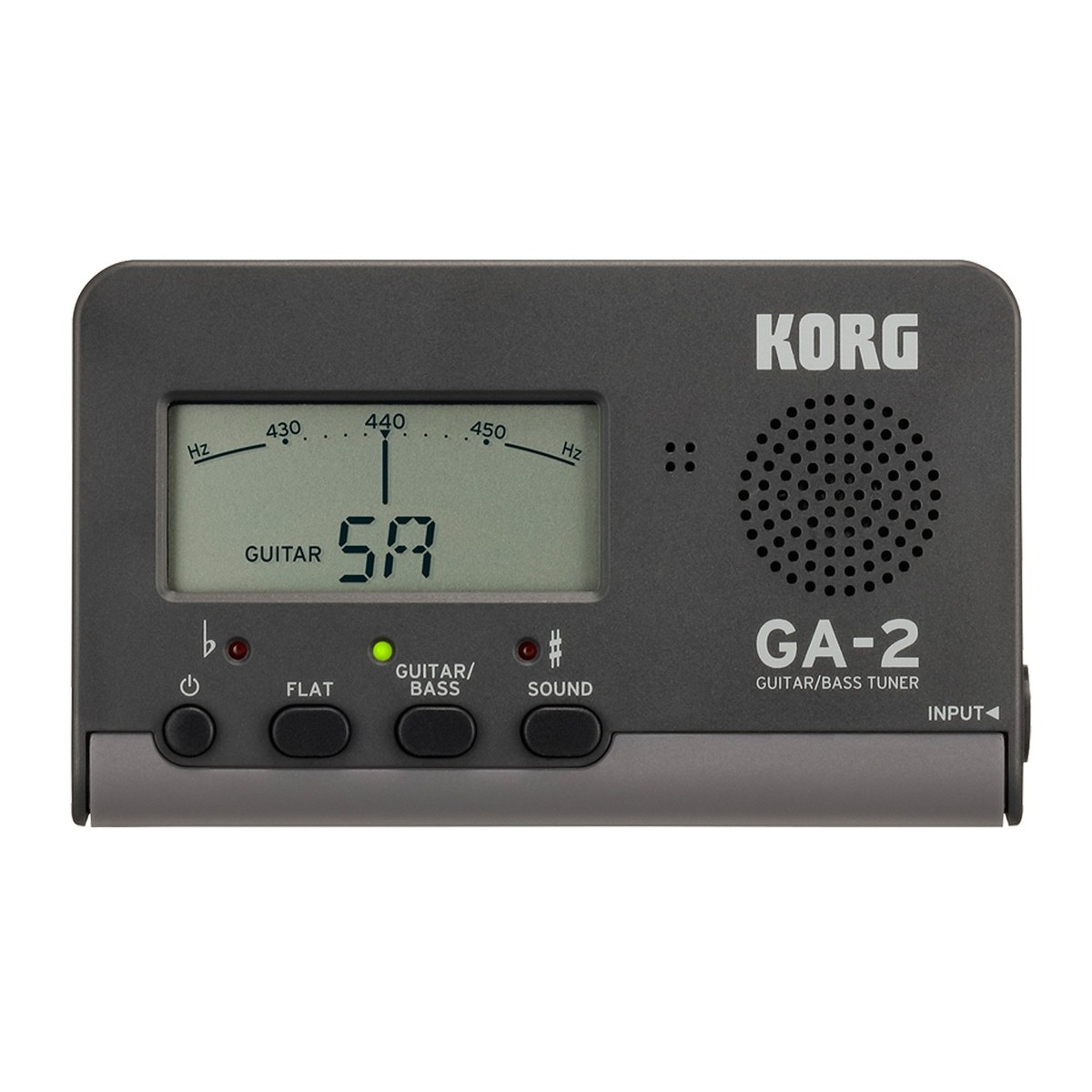
Compared to torque-based tuners, the Drum Dial is generally considered more accurate because it is not fooled by friction in the tension rods. Unlike electronic chromatic tuners like the Boss TU-05 or Korg GA-2, which are designed for stringed instruments and measure frequency, the Drum Dial measures physical pressure. While it lacks the digital convenience of a clip-on tuner, its ability to measure head tension directly makes it a more specialized tool for acoustic drums than general metronomes or digital tuners.
Related gear
 £22.00 ($28)
Boss
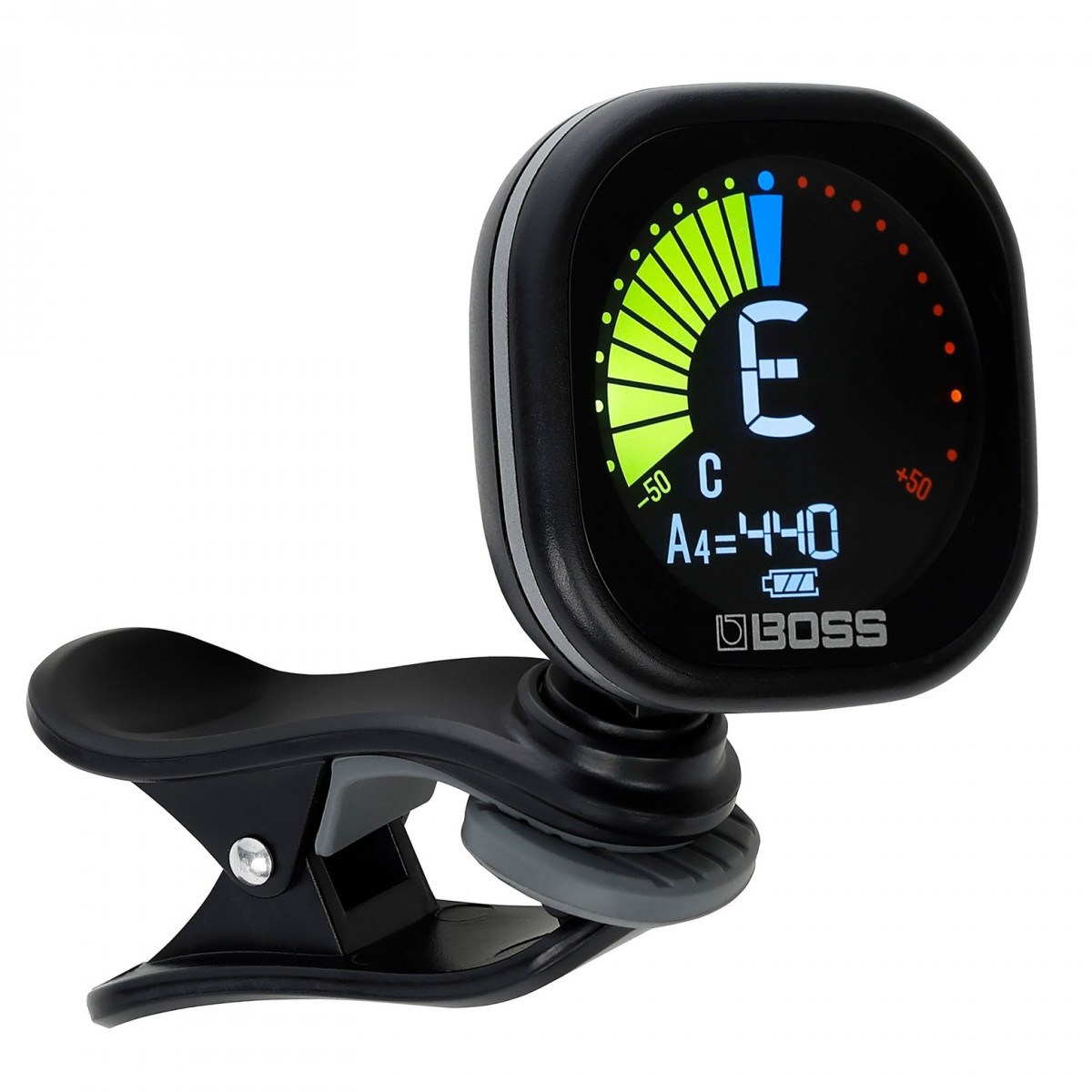
Boss TU-05 Rechargeable Clip-on Guitar Tuner
 £9.99 ($13)
Tuner Fish
Tuner Fish Lug Locks Orange 8 Pack
 £229.00 ($291)
Wittner
Wittner W801 Wooden Metronome Mahogany
 £5.99 ($8)
Tuner Fish
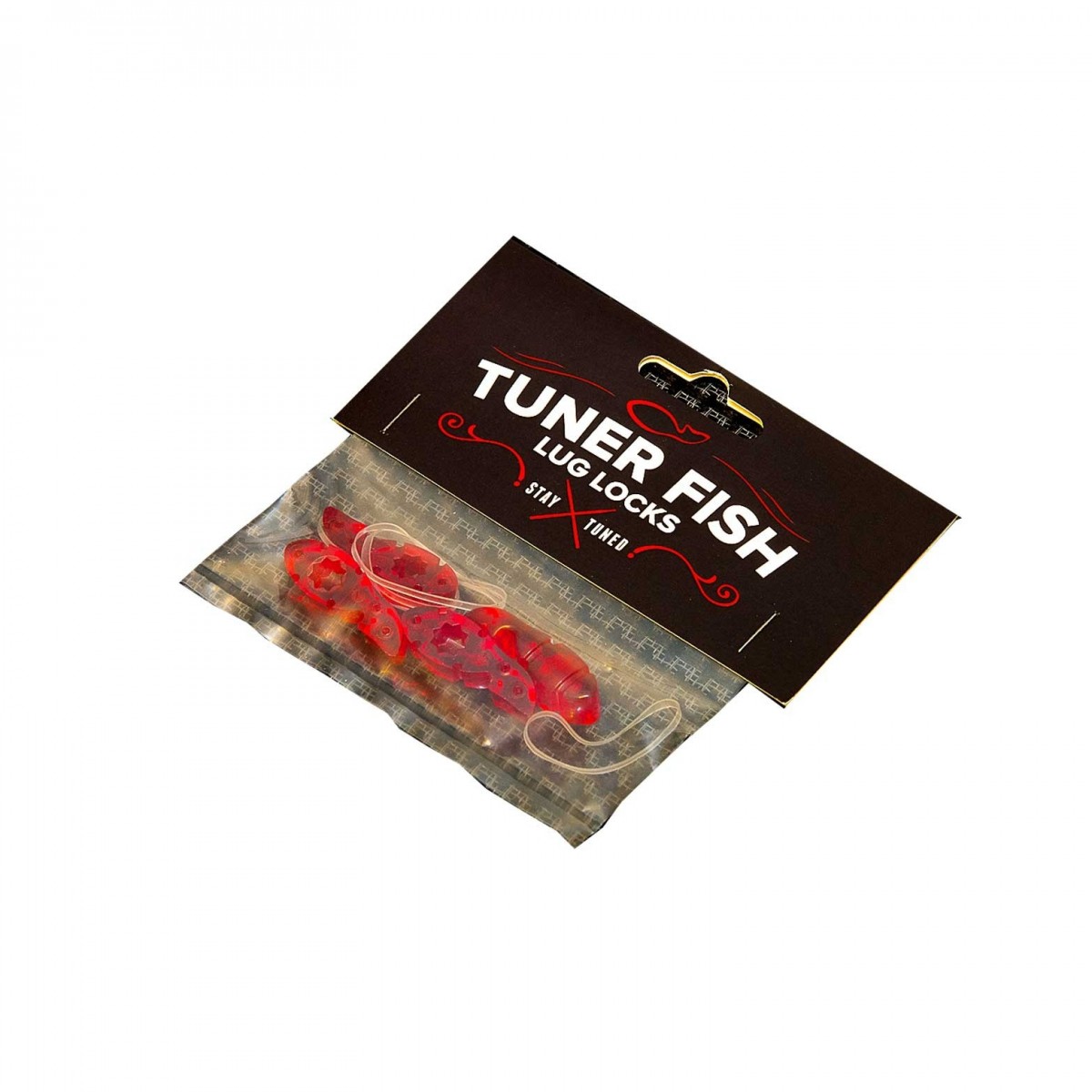
Tuner Fish Lug Locks Red 4 Pack
 £15.50 ($20)
Korg
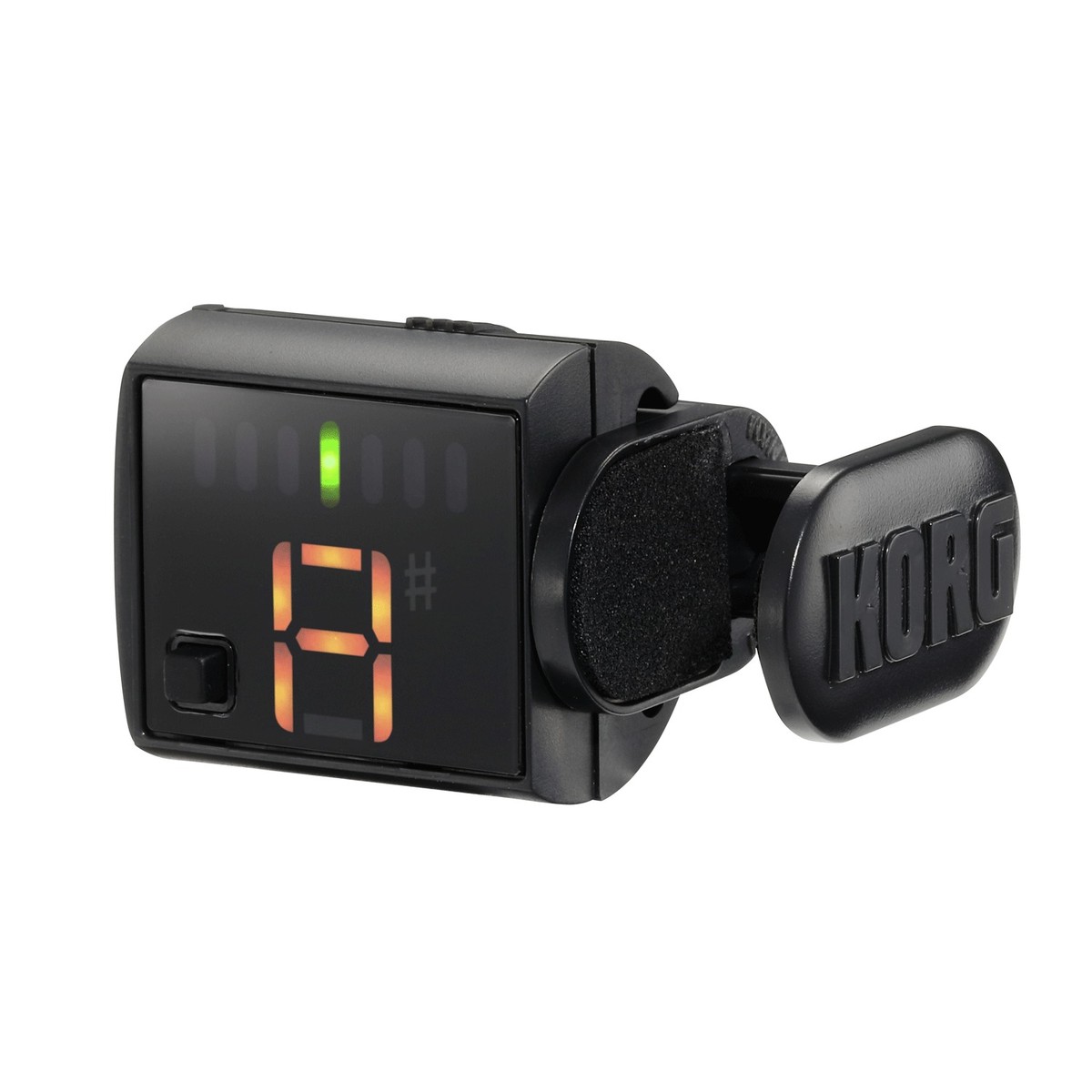
Korg GripTune Clip-On Tuner
 £12.50 ($16)
Korg
Korg GA-2 Guitar/Bass Tuner
 £29.99 ($38)
Gear4Music
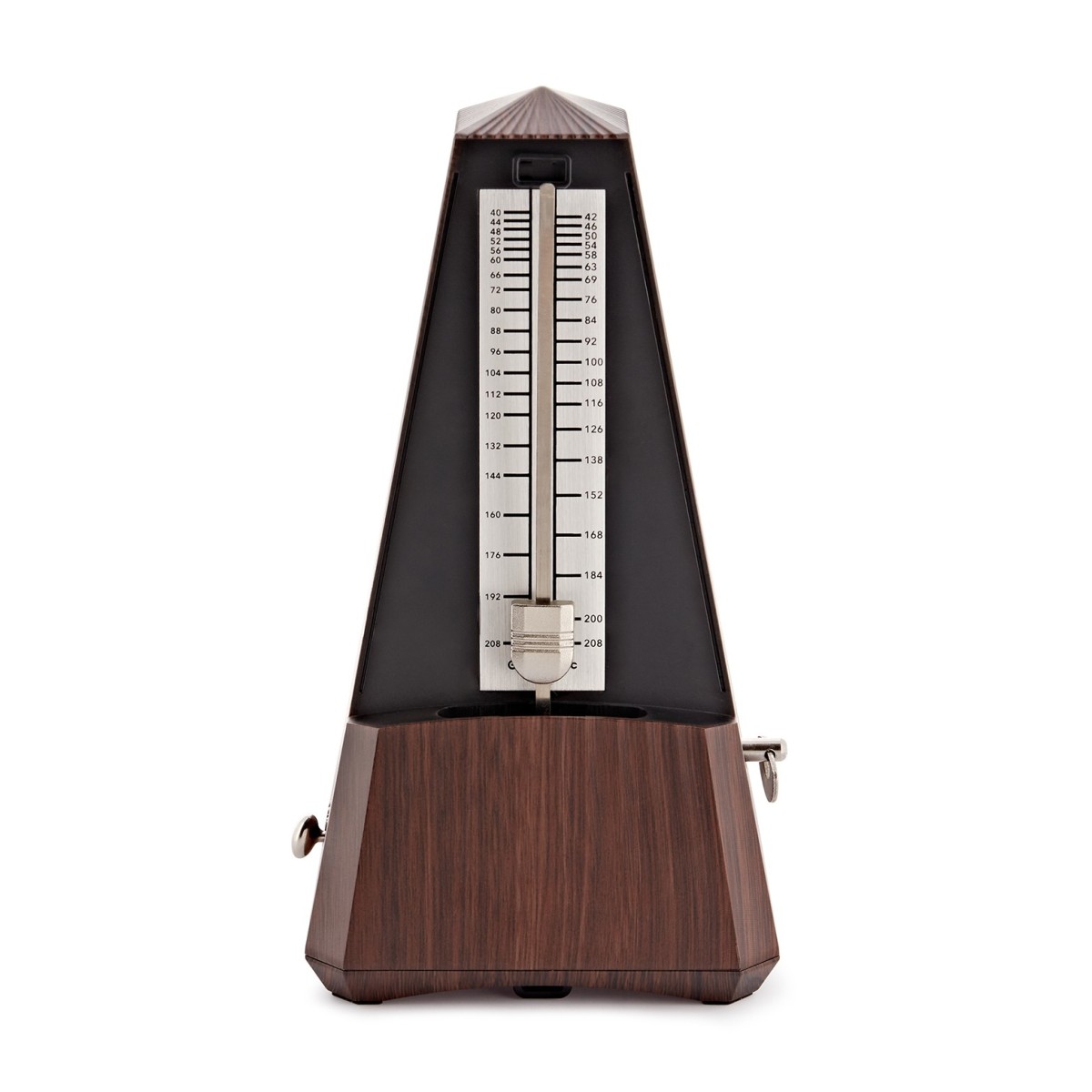
Mechanical Metronome with Thermo-Hygrometer by Gear4music
 £21.05 ($27)
Behringer
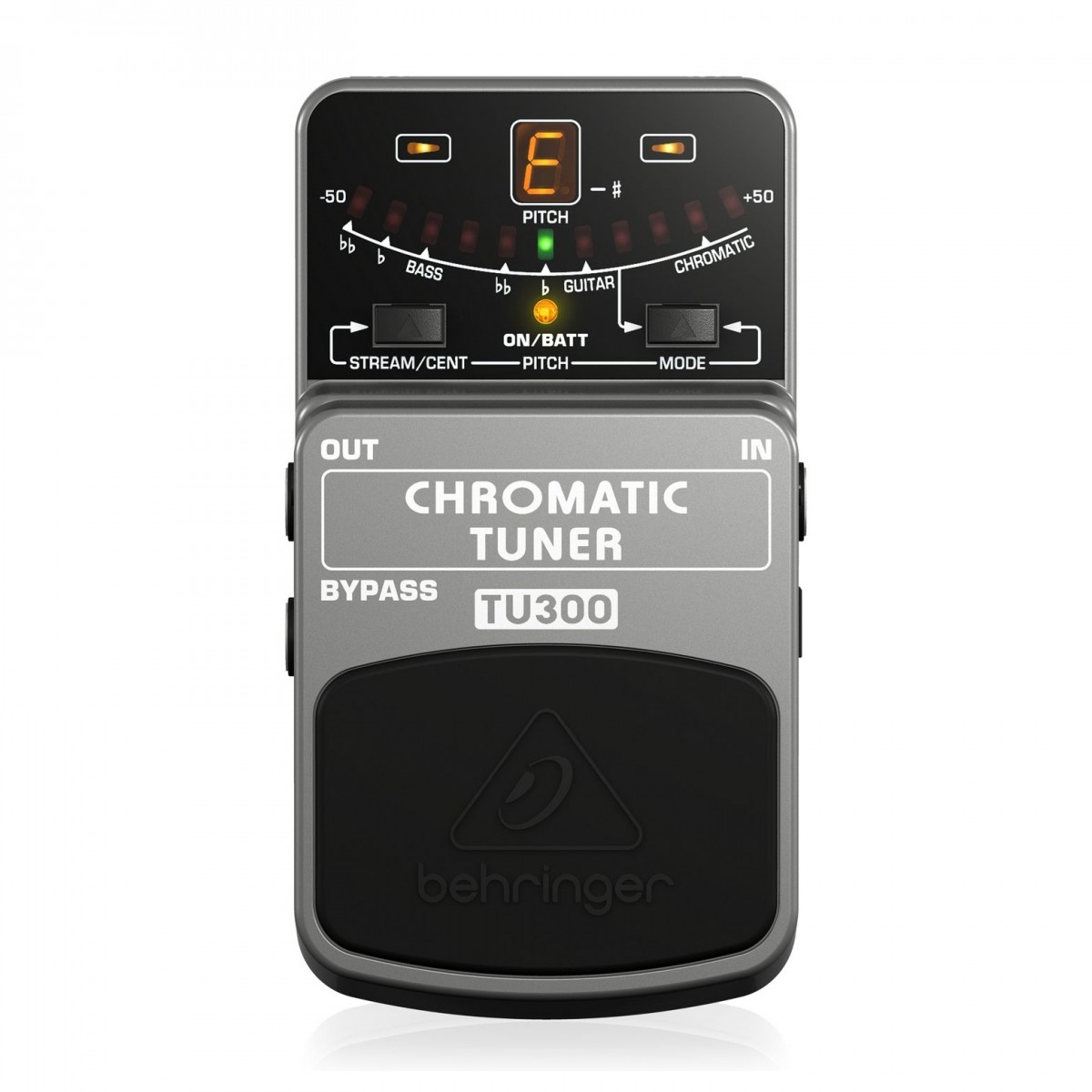
Behringer TU300 Chromatic Tuner
Frequently asked questions
- What exactly does a Drum Dial measure?
- The Drum Dial measures tympanic pressure, which is the physical tension of the drumhead at the point of contact. This is different from torque tuners that measure the resistance of the tension rod.
- Why is measuring head tension better than measuring lug torque?
- Lug torque can be affected by corrosion, thread wear, and manufacturing tolerances. Measuring the head directly ensures the tension is even regardless of the condition of the hardware.
- Can I use the Drum Dial in a loud environment?
- Yes, one of its primary benefits is that it allows for silent tuning. You can achieve an accurate, balanced head without ever hitting the drum, which is ideal for busy stages.
- Is the Drum Dial digital or analogue?
- The standard Drum Dial is a precision analogue gauge. It features a large, easy-to-read dial that displays the tension level clearly without the need for batteries.
- Do I need to hit the drum while using it?
- No, you do not need to strike the drum. You simply place the device on the head near each tension rod and adjust the rod until the gauge reaches your desired reading.
- Where should I place the Drum Dial on the drumhead?
- It should be placed approximately one inch from the edge of the hoop, directly in front of each tension rod. This provides the most accurate reading of the tension at that specific point.
- Does it work on all types of drums?
- Yes, it is effective for snare drums, tom-toms, and bass drums. It can be used on both the batter (top) and resonant (bottom) heads.
- Will the Drum Dial tell me what note to tune to?
- No, it provides a relative tension measurement rather than a musical note. Once you find a sound you like, you can record the gauge numbers to repeat that exact tuning later.
- Is the device portable?
- Yes, it is a compact and user-friendly tool. It is small enough to fit in a stick bag or hardware case, making it a favorite for touring drum techs.
- How does the Drum Dial help with overtones?
- Overtones are often caused by uneven tension across the drumhead. By using the Drum Dial to ensure every lug is at the same tension, you minimize dissonant overtones.
- Can I use it to tune between songs during a concert?
- It is designed for setup and maintenance rather than mid-song adjustments. However, its silent operation makes it very useful for quick checks between sets.
- How does it compare to a product like Tuner Fish Lug Locks?
- The Drum Dial is a tuning tool used to set the tension, whereas products like Tuner Fish Lug Locks are accessories designed to prevent the lugs from loosening once the drum is already tuned.