
Gear article
Dunlop DVP5 Volume Pedal Junior
The Dunlop DVP5 Volume Pedal Junior is a dual-function performance pedal designed to serve as both a volume attenuator and an expression controller. Developed in collaboration with Pedaltrain, it features an ergonomic footprint intended to provide full-sized rocking action within a space-saving chassis.
See live pricesBackground and Design
The DVP5 Volume Pedal Junior was developed to address a common issue among guitarists: the excessive weight and board space occupied by traditional 'rocking' chassis pedals. Large-format volume pedals have historically been cumbersome and heavy, making them difficult to integrate into modern, compact pedalboard setups.
By collaborating with the pedalboard manufacturer Pedaltrain, Dunlop engineered the DVP5 to align with the physical requirements of professional touring boards. The goal was to provide a professional-grade mechanical sweep without the physical bulk associated with standard volume pedals.
Technical Features and Functionality
The DVP5 functions as a passive volume pedal when placed in the signal chain, requiring no external power for basic volume attenuation. It features a high-quality potentiometer designed for a smooth, consistent sweep across the entire range of motion, avoiding the sudden 'jumps' in volume found in lower-quality units.
Key features include: - Dual Purpose: Works as a standard volume pedal or as an expression pedal for other effects. - Connectivity: includes dedicated Input and Output jacks, plus an Expression output. - Tuner Out: Allows for silent tuning by sending a constant signal to a tuner pedal regardless of the rocker position. - Internal Controls: Includes adjustments for minimum volume or parameter settings when used in expression mode.
Sound Character and Performance
As a passive device, the DVP5 is designed to be transparent, maintaining the integrity of the guitar's signal without adding unwanted colouration. The 'Junior' naming refers to the chassis size rather than the performance; its mechanical sweep is engineered to be as precise as larger models like the DVP3. The resistance of the rocker is calibrated to provide enough tension for precise 'swells' and dynamic control, which is essential for ambient playing styles and volume compensation.
Comparison to Alternatives
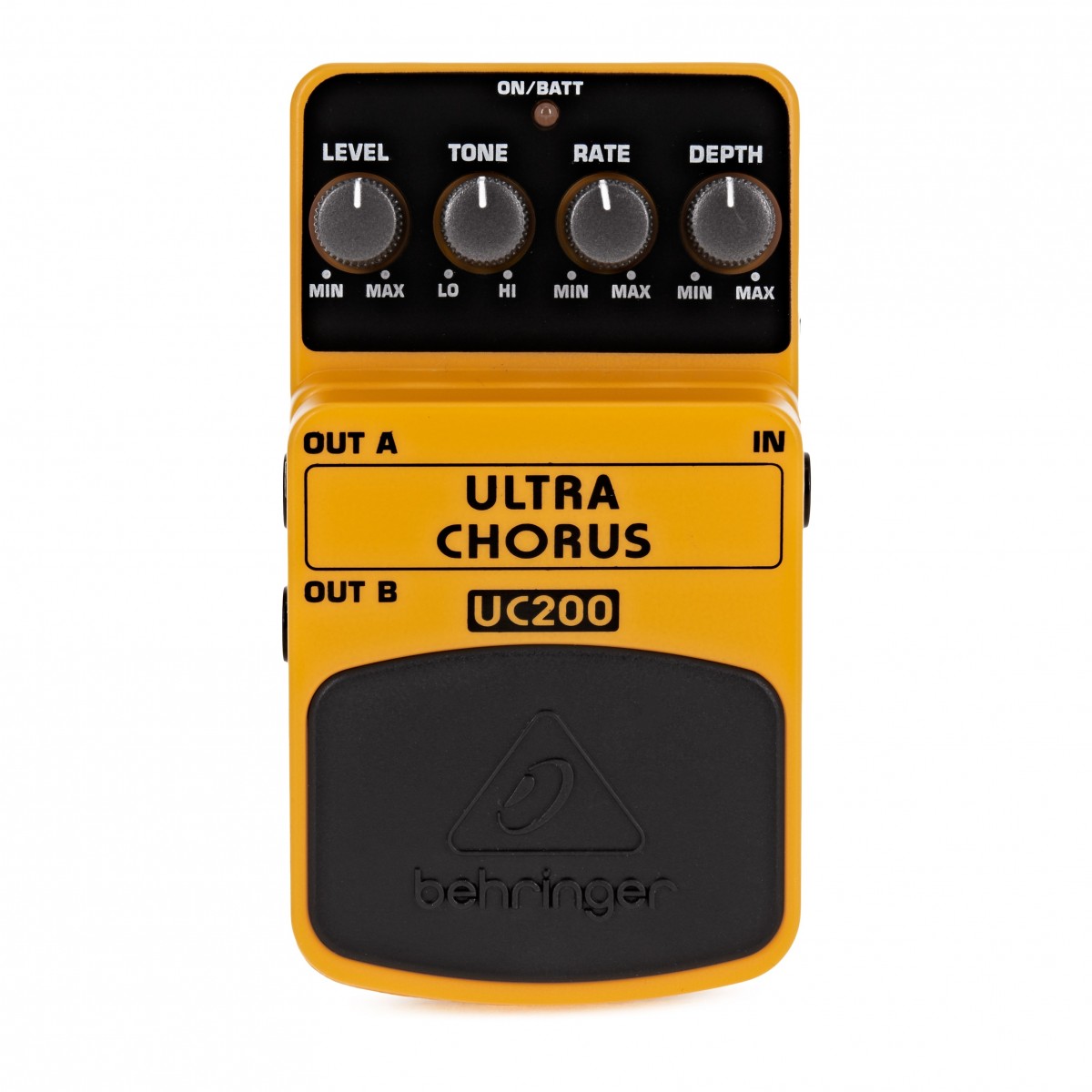
When compared to traditional expression pedals like the Yamaha FC7, the DVP5 offers a more rugged, metal-composite construction suitable for heavy stage use. Unlike basic utility pedals such as the Behringer UC200 or Boss NS-2, the DVP5 is a mechanical control interface rather than a signal processor.
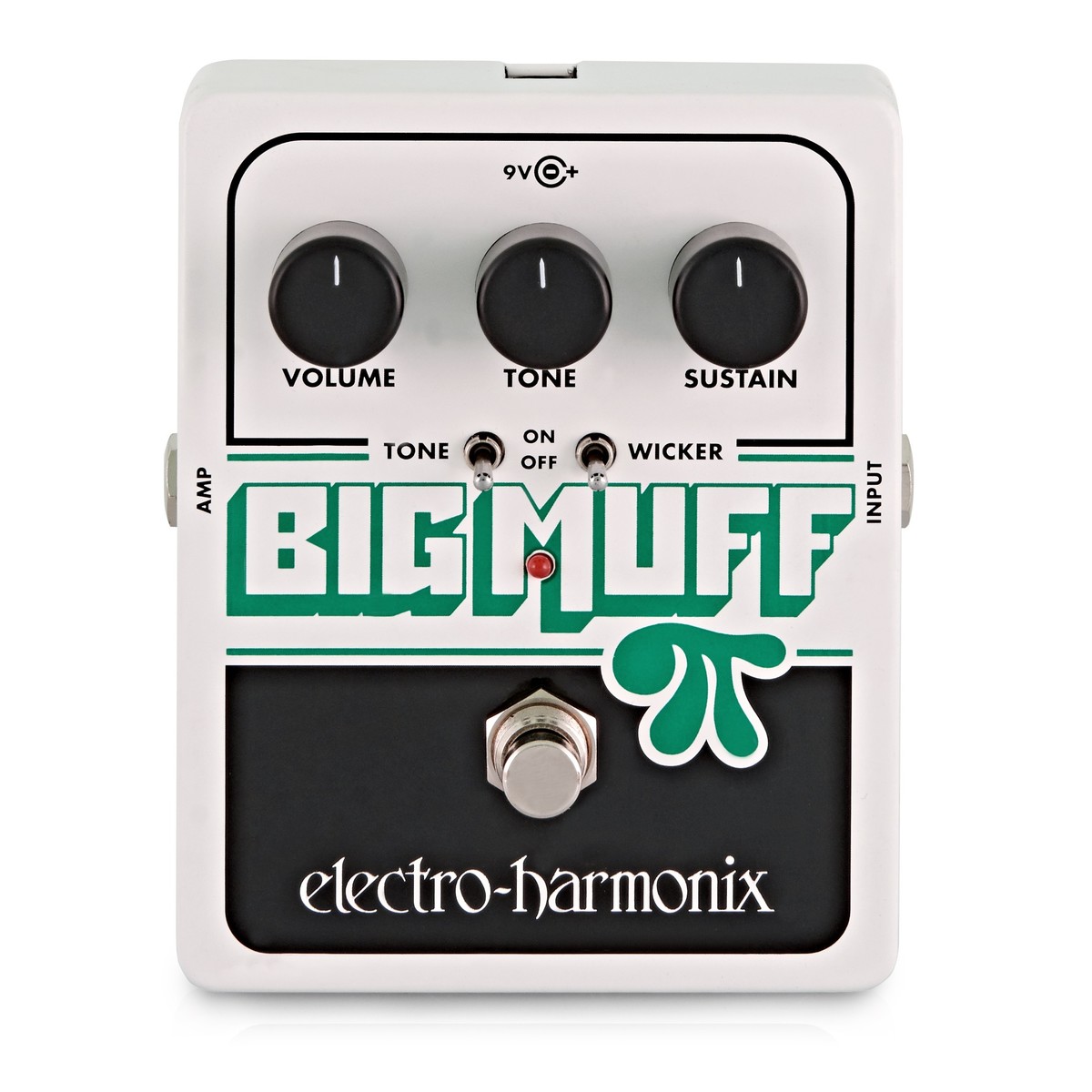
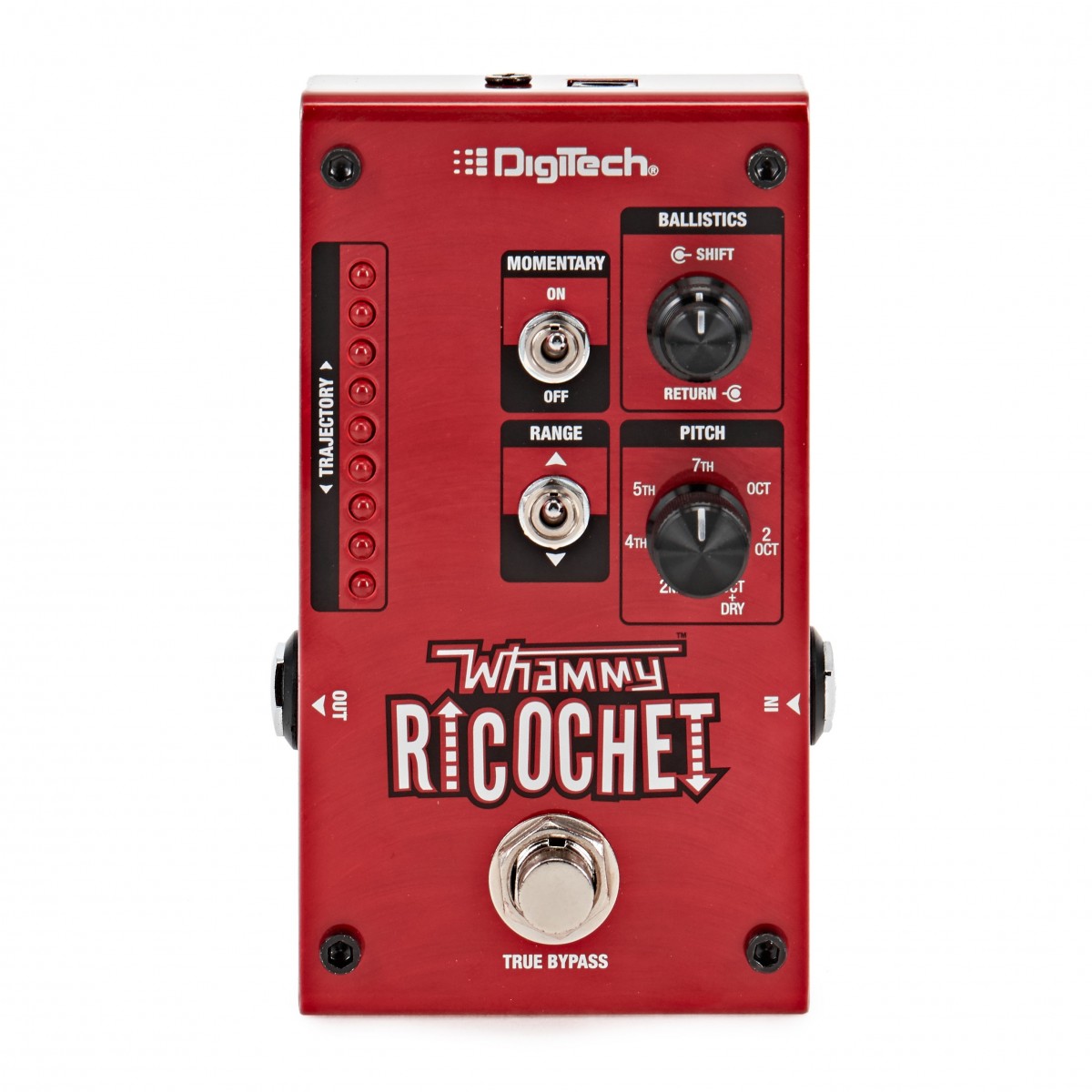
While it occupies a similar role to the Boss FV-series, its specific design collaboration with Pedaltrain gives it an edge in terms of physical integration on modern rail-style boards. It is often used alongside dynamic effects like the Digitech Whammy Ricochet or Electro-Harmonix Big Muff to manage gain stages or control external parameters via the expression output.
Related gear
 £97.00 ($123)
Electro Harmonix
Electro Harmonix Big Muff Distortion Sustainer w/ Tone Wicker
 £129.00 ($164)
Digitech
Digitech Whammy Ricochet Guitar Effects Pedal
 £85.00 ($108)
Fender
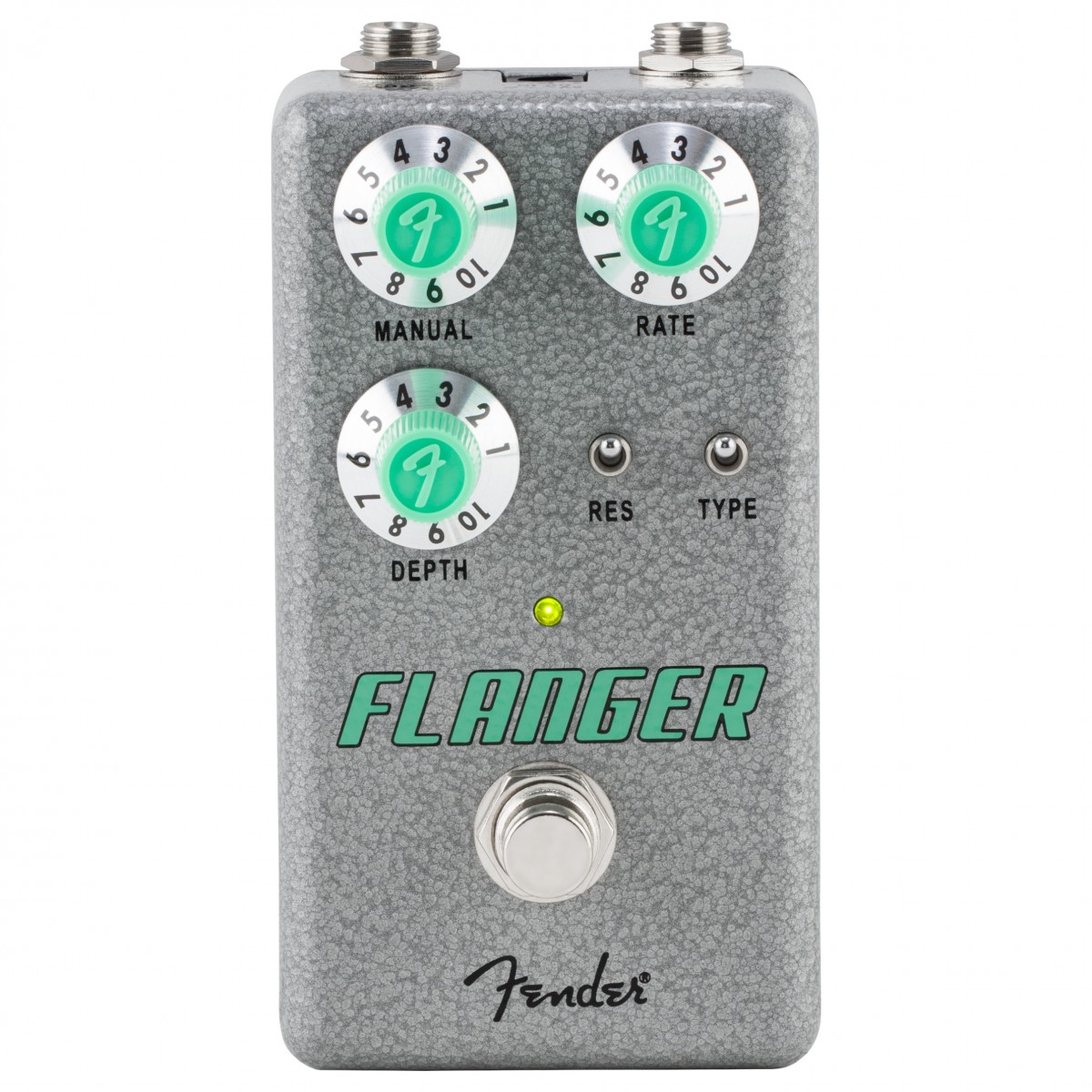
Fender Hammertone Flanger Pedal
 £19.90 ($25)
Behringer
Behringer UC200 Ultra Chorus Pedal
 £259.00 ($329)
Dunlop
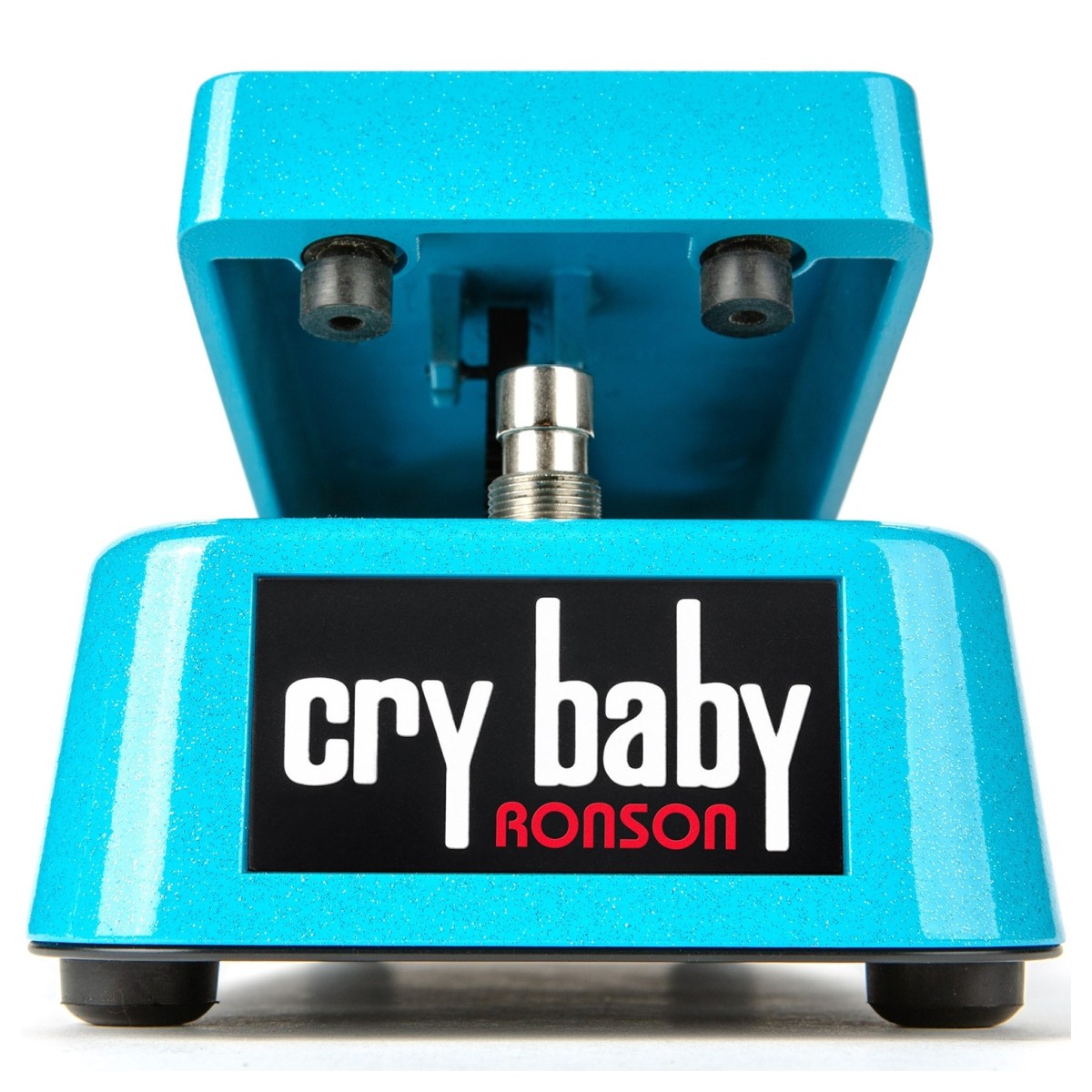
Dunlop Mick Ronson Cry Baby Wah
 £77.00 ($98)
Yamaha
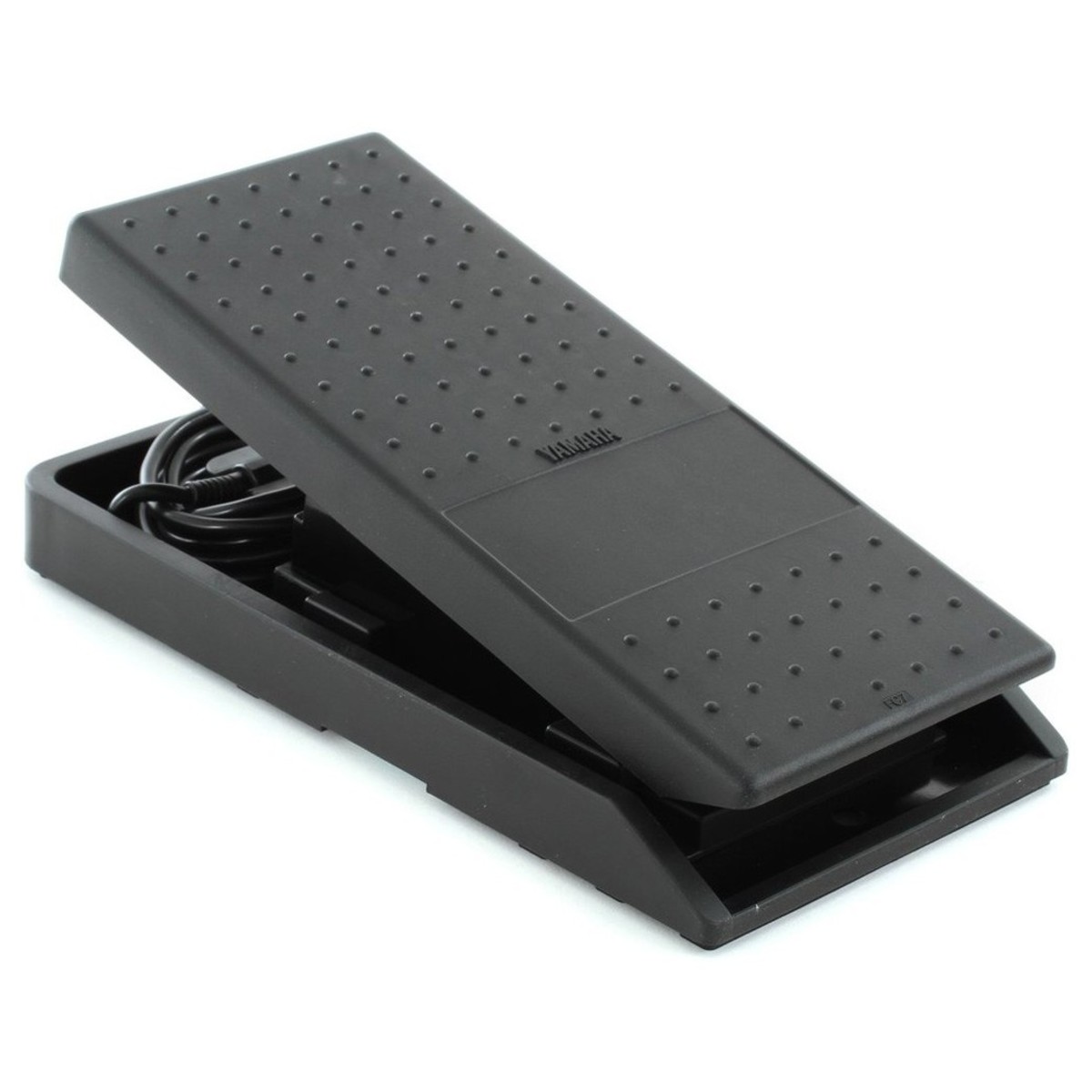
Yamaha FC7 Expression Pedal
 £175.00 ($222)
Boss
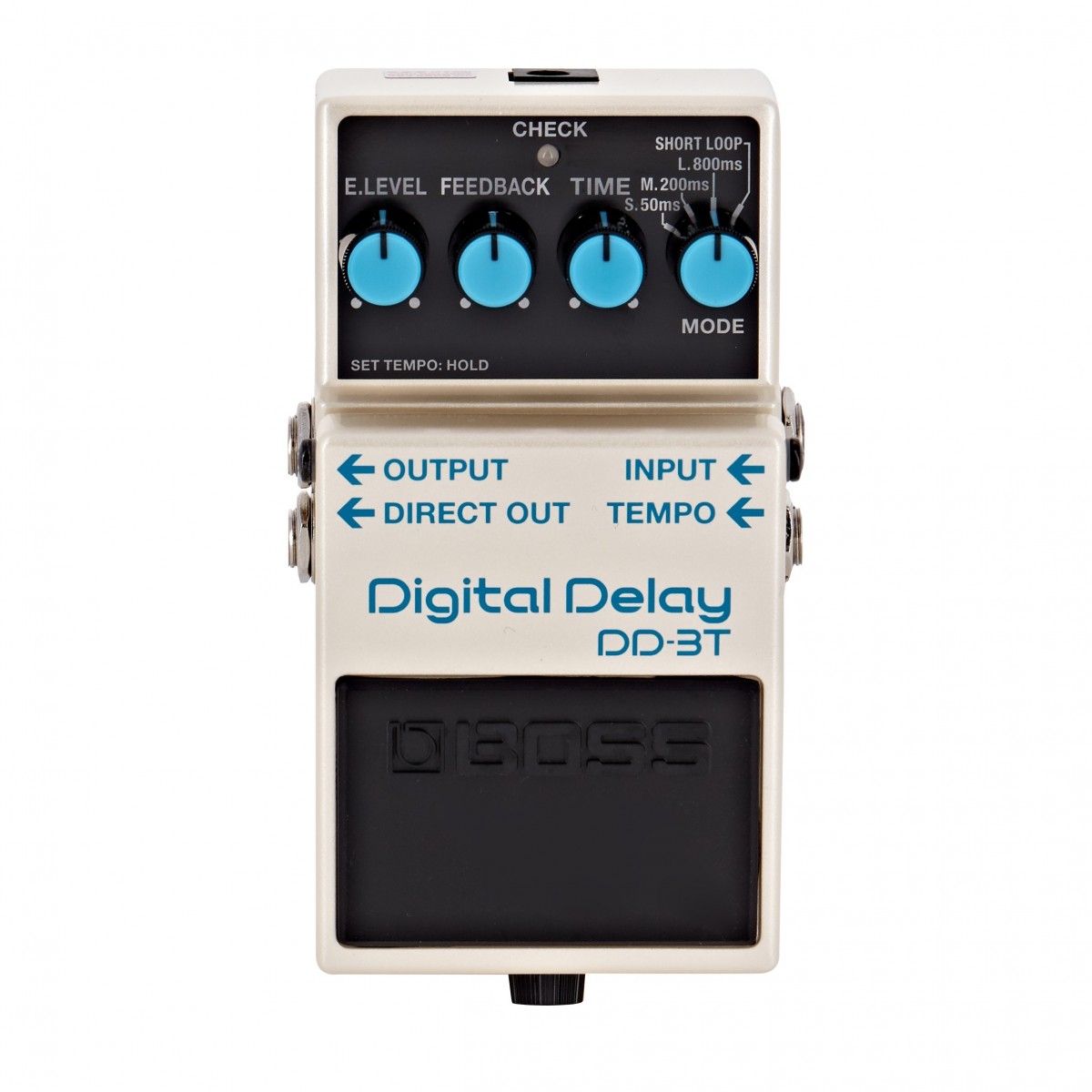
Boss DD-3T Digital Delay Pedal
 £99.10 ($126)
Boss
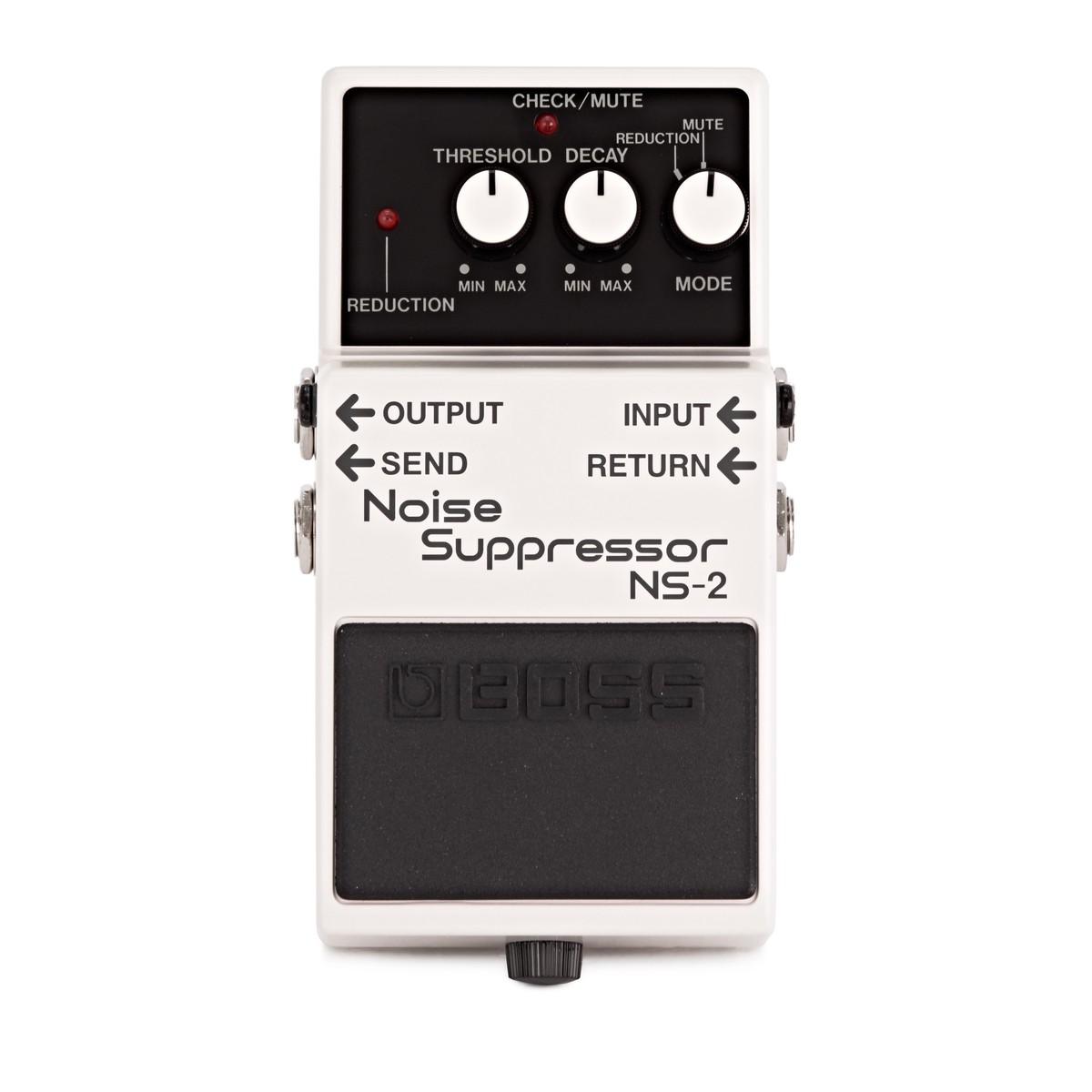
Boss NS-2 Noise Suppressor Guitar Pedal
Frequently asked questions
- What is the primary function of the Dunlop DVP5?
- The DVP5 serves two main purposes: it acts as a volume pedal to control signal level and as an expression pedal to control parameters on other compatible effects units.
- Does the DVP5 Volume Pedal Junior require a battery or power supply?
- No, the DVP5 is a passive pedal. It does not require a battery or an external power supply to function as a volume or expression controller.
- How does the 'Junior' size compare to standard volume pedals?
- The DVP5 is designed with an ergonomic footprint that is smaller and lighter than traditional full-sized rocking pedals, specifically optimized for use on Pedaltrain boards.
- Can I use the DVP5 to control the pitch on a Digitech Whammy Ricochet?
- If the specific pedal model accepts a standard TRS expression input, the DVP5 can be connected via its Expression jack to control various parameters externally.
- What is the benefit of the Tuner Out jack?
- The Tuner Out provides a dedicated signal path for your tuner, allowing you to tune your instrument silently when the volume pedal is in the 'heel-down' position.
- Is the volume sweep smooth or stepped?
- The DVP5 is engineered for a consistently smooth volume sweep across its entire range, avoiding abrupt changes in signal level.
- Who was the design partner for the DVP5?
- The pedal was designed in collaboration with Pedaltrain to ensure it meets the practical needs of modern pedalboard layouts.
- What kind of cable is needed for expression mode?
- To use the DVP5 as an expression pedal, you typically need a TRS (Tip-Ring-Sleeve) stereo cable to connect it to the 'Exp' input of another pedal.
- How much does the DVP5 typically cost?
- The typical price range for the Dunlop DVP5 Volume Pedal Junior is approximately £150.
- Can it be used with keyboards as well as guitars?
- Yes, while primarily marketed toward guitarists, it can function with any instrument signal or device that accepts standard 1/4-inch volume or expression inputs.
- Does the DVP5 affect the tone of the guitar?
- As a high-quality passive pedal, it is designed to be transparent. However, like all passive volume pedals, long cable runs after the pedal may result in some high-end loss unless a buffer is used.
- Is the chassis made of plastic or metal?
- The DVP5 features a durable, professional-grade chassis designed for heavy use, which is a significant upgrade over lightweight plastic alternatives.