
Category guide
Electro-acoustic guitars
Electro-acoustic guitars are traditional acoustic instruments equipped with internal electronic systems, such as pickups and preamps, to allow for amplification. This design enables the player to produce the natural resonance of an acoustic guitar while maintaining the ability to connect directly to amplifiers, mixing desks, or recording interfaces.
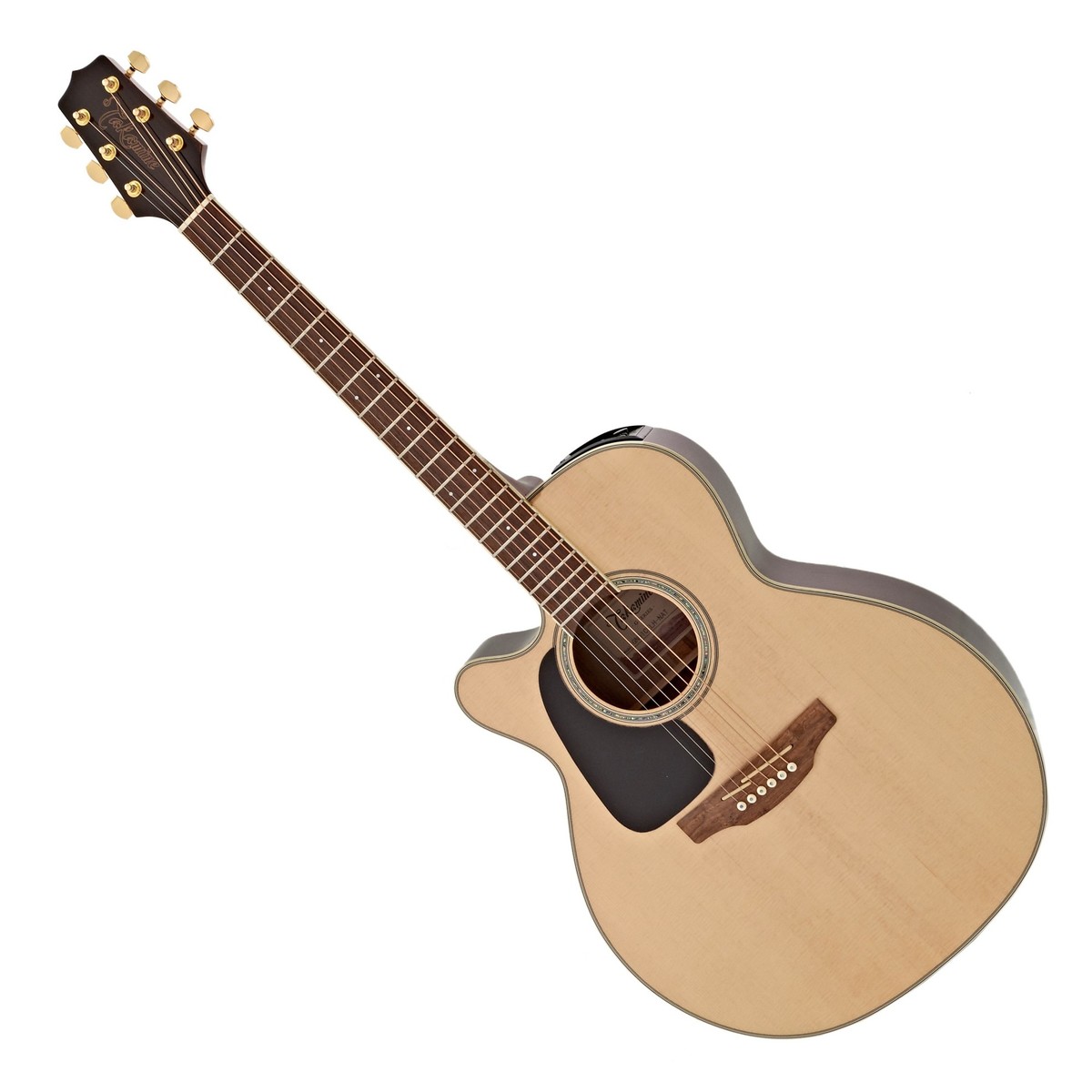
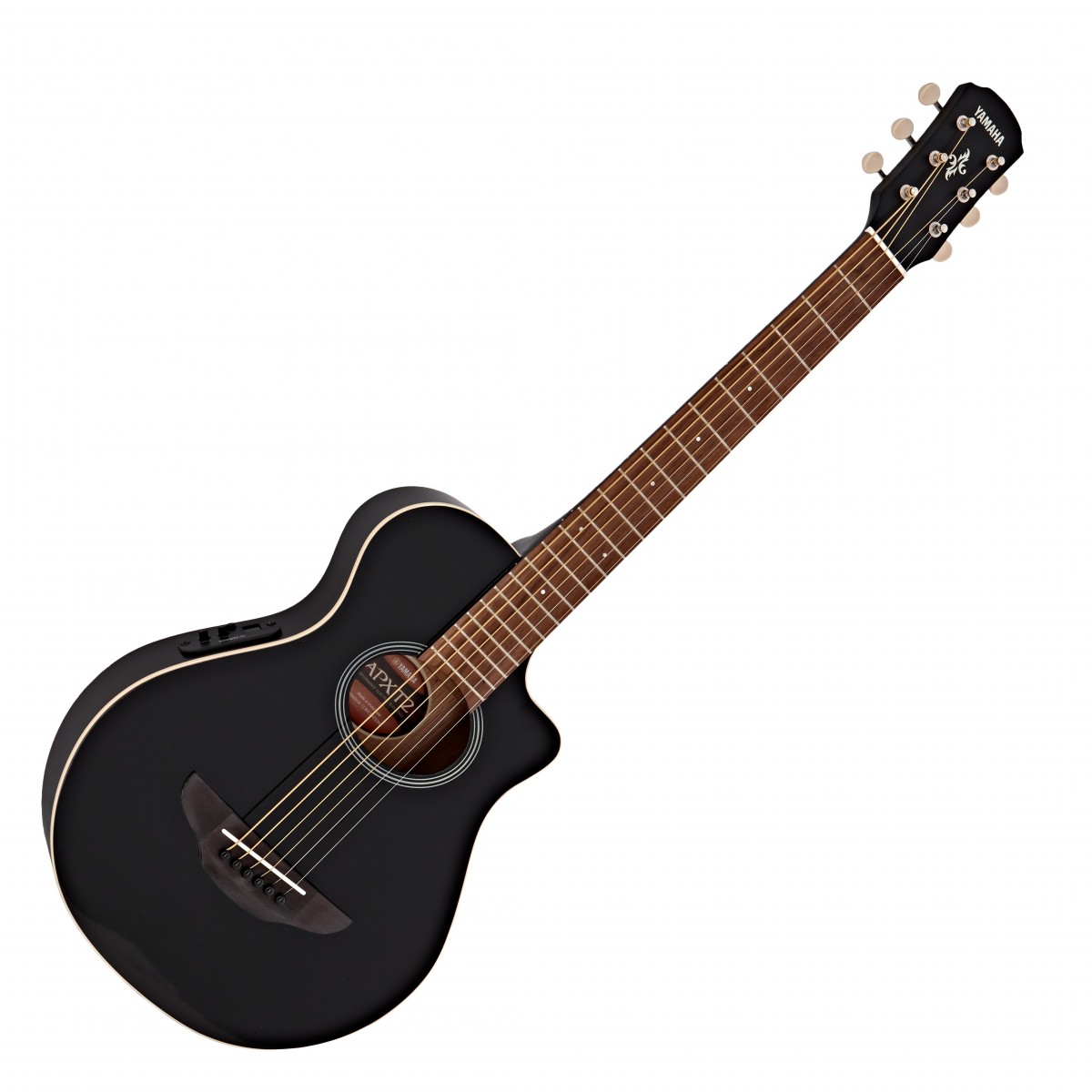
Yamaha APXT2 3/4 Electro Acoustic Black
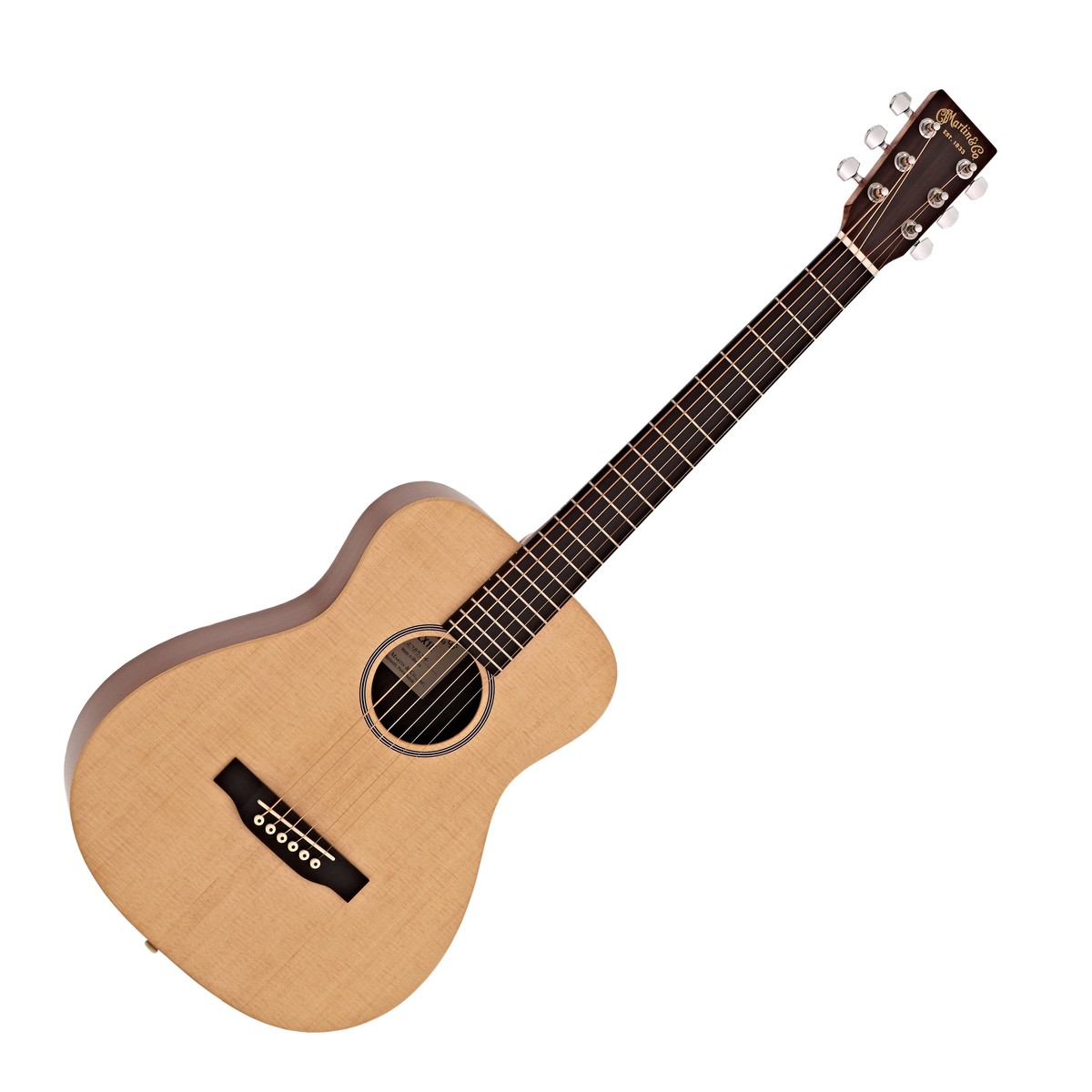
Martin LX1E Little Martin Electro Acoustic
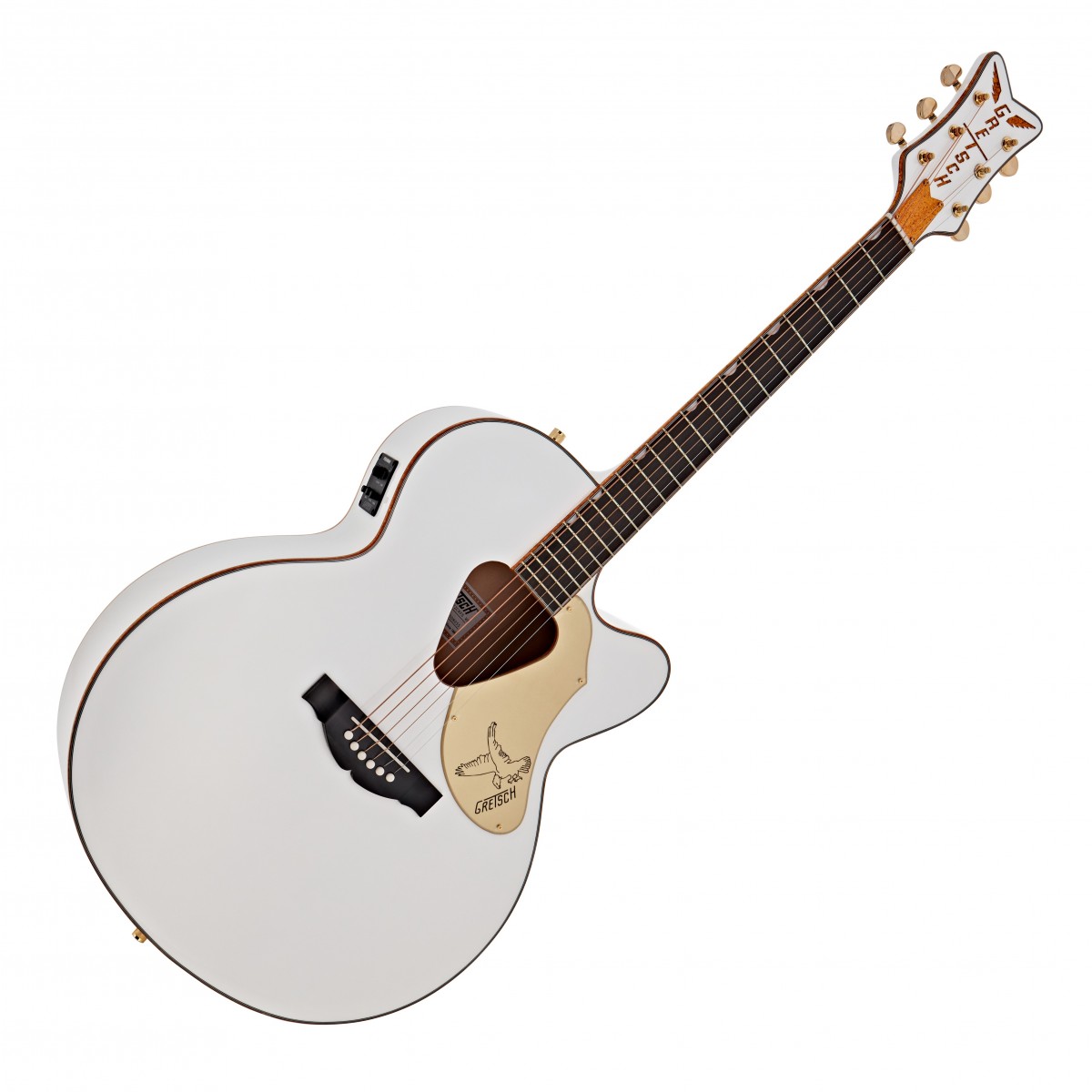
Gretsch G5022CWFE Rancher Falcon Jumbo Electro Acoustic Guitar
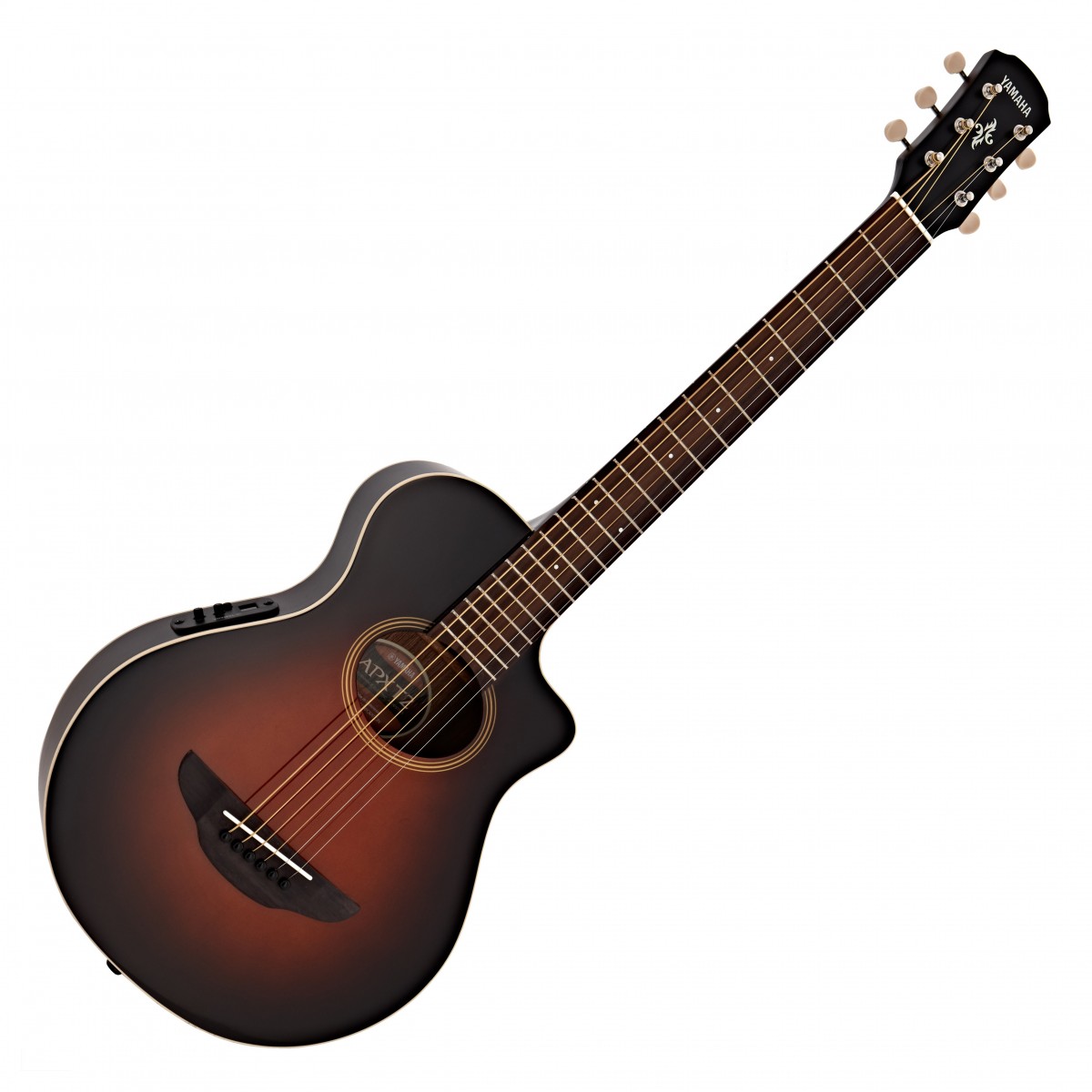
Yamaha APXT2 3/4 Electro Acoustic Old Violin Sunburst
Overview
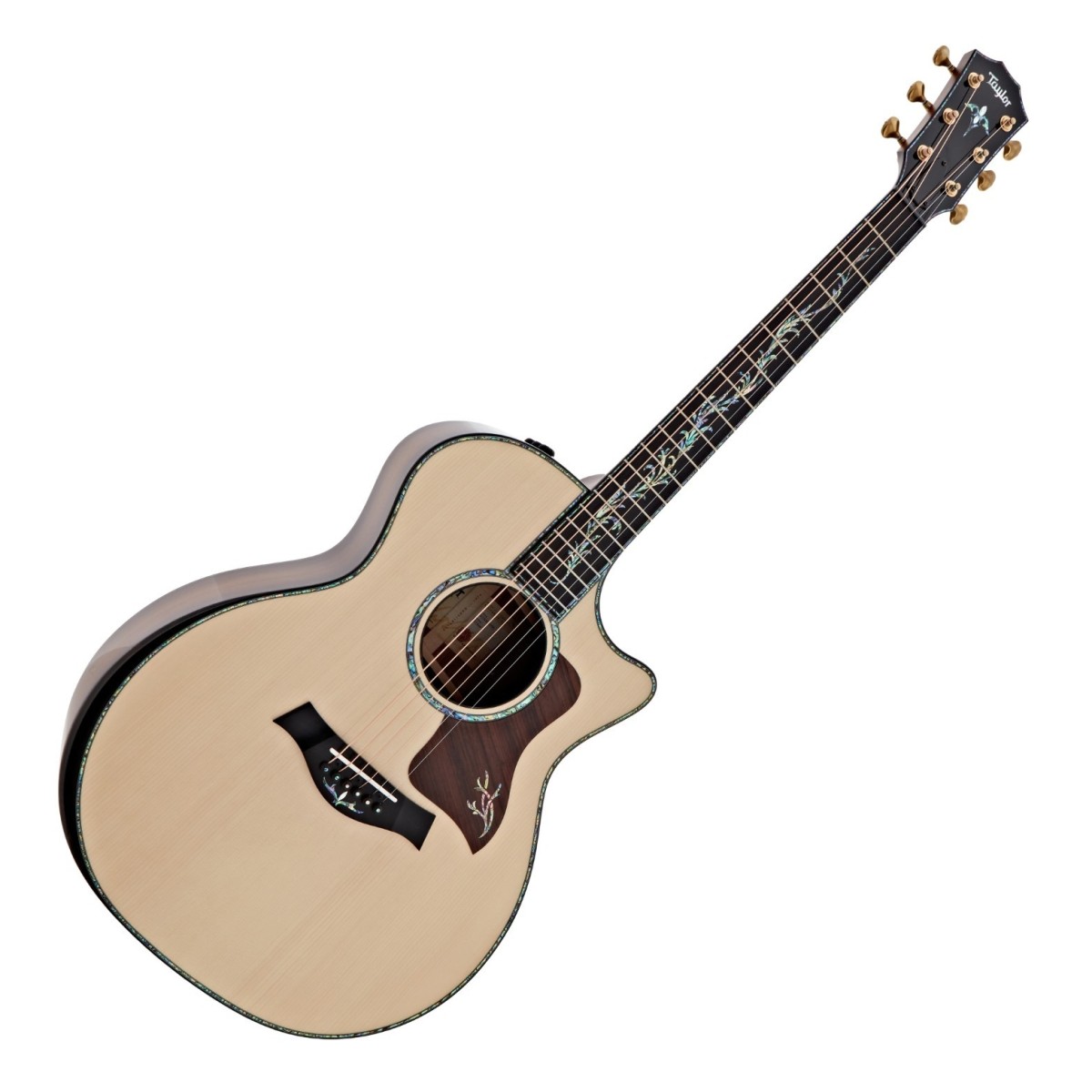
An electro-acoustic guitar functions as an acoustic instrument that can be played without power, but includes integrated hardware for electronic output. This dual-purpose design is essential for live performances where a standard microphone may be impractical due to feedback or movement constraints. The category spans a vast economic range, from entry-level travel models like the Yamaha APXT2 to high-end boutique instruments such as the Taylor Presentation PS14ce.
Anatomy and Electronics
The primary difference between a standard acoustic and an electro-acoustic is the electronics package. Most models utilize a piezo pickup located beneath the bridge saddle, which converts string vibrations into electrical signals. These signals are then processed by an onboard preamplifier (preamp), typically mounted on the side of the guitar. The preamp allows the user to adjust volume and tone (EQ) and often includes a built-in digital tuner.
Sub-types and Body Shapes
Electro-acoustic guitars are available in various sizes to suit different ergonomic and tonal preferences:
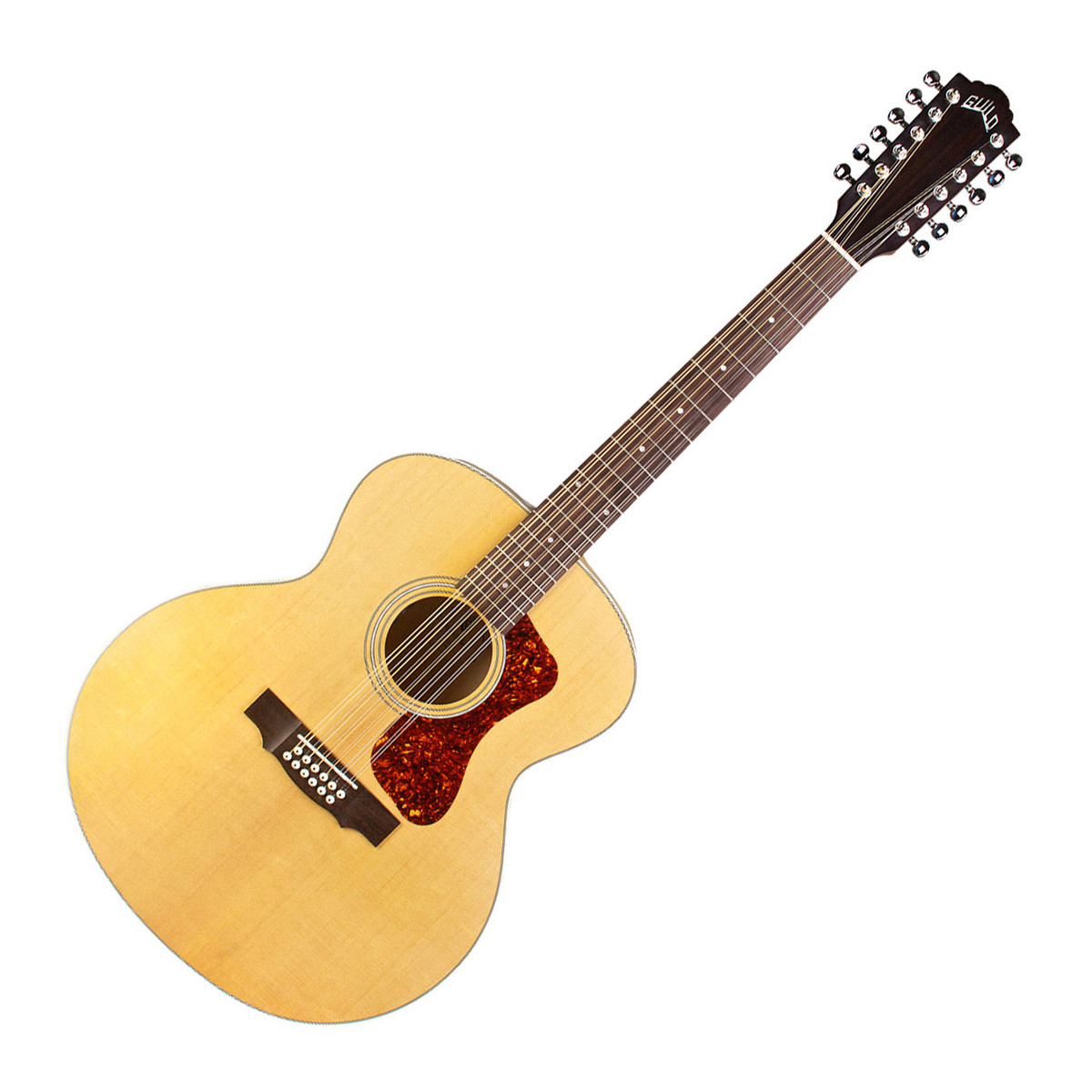
- Full-Sized Styles: Traditional shapes such as the Dreadnought (e.g., Sigma DTC-28HE) provide strong bass response, while Jumbo models (e.g., Guild F-2512E) offer maximum volume and projection.
- Compact and Travel Models: 3/4 size guitars like the Martin LX1E Little Martin or Yamaha APXT2 are designed for portability and younger players without sacrificing the ability to plug into an amplifier.
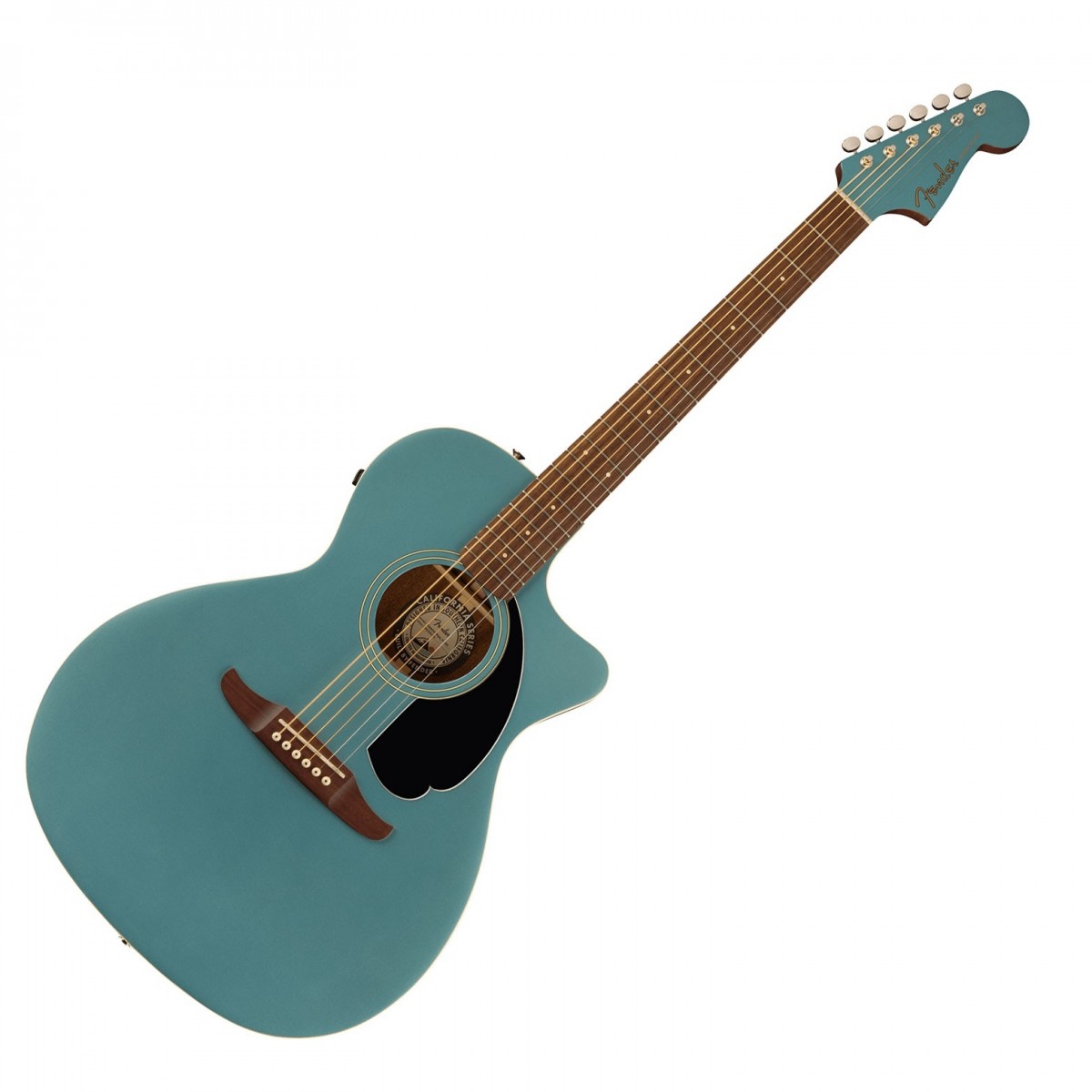
- Modern Designs: Instruments like the Fender Newporter Player feature unique aesthetic choices and narrower nut widths, often appealing to electric guitarists transitioning to acoustic.
Key Specifications for Comparison
When evaluating these instruments, buyers typically compare the following factors:
- Tonewoods: The choice of woods, such as Honduran Rosewood or Adirondack Spruce found in premium Taylor models, significantly dictates the unplugged resonance.
- Electronics Type: Some systems use internal microphones in addition to piezo pickups for a more natural sound.
- Scale Length: Shorter scales on travel models increase playability, whereas standard scales provide more tension and sustain.
- Aesthetics: High-end models like the Gretsch G5022CWFE Rancher Falcon feature ornate styling, gold hardware, and distinctive finish options.
Related gear
- £210.00 ($267)
Yamaha
Yamaha APXT2 3/4 Electro Acoustic Black
- £549.00 ($697)
Martin
Martin LX1E Little Martin Electro Acoustic
- £599.00 ($761)
Gretsch
Gretsch G5022CWFE Rancher Falcon Jumbo Electro Acoustic Guitar
- £215.00 ($273)
Yamaha
Yamaha APXT2 3/4 Electro Acoustic Old Violin Sunburst
 £515.00 ($654)
Guild
Guild F-2512E Jumbo Electro Acoustic Guitar Natural
 £339.00 ($431)
Fender
Fender Newporter Player Electro Acoustic Tidepool
 £7,399.00 ($9,397)
Taylor Guitars
Taylor Presentation PS14ce Electro Acoustic Honduran Rosewood/Adirondack Spruce #1210053075
Frequently asked questions
- What is an electro-acoustic guitar?
- It is an acoustic guitar fitted with a pickup and a preamplifier, allowing it to be connected to an external sound system or amplifier.
- Can I play an electro-acoustic guitar without an amp?
- Yes, it functions exactly like a traditional acoustic guitar and produces full volume naturally when not plugged in.
- How does the pickup work?
- Most electro-acoustics use a piezo pickup under the saddle that detects physical vibrations and converts them into an electronic signal.
- Do these guitars require batteries?
- Yes, the onboard preamplifier usually requires a 9V battery or button cells to power the EQ and tuner functions.
- What is the price range for these instruments?
- Prices typically range from approximately GBP 211 for entry-level models to over GBP 7999 for professional-grade luxury instruments.
- Are there 12-string versions available?
- Yes, models such as the Guild F-2512E are specifically designed as 12-string electro-acoustic instruments.
- What features are found on the preamp?
- Standard preamps include volume control, a 2nd or 3rd band equaliser (Bass, Middle, Treble), and often a built-in chromatic tuner.
- Are electro-acoustic guitars good for beginners?
- Yes, they are highly versatile. Travel-sized models like the Martin LX1E are particularly popular for beginners due to their smaller frames.
- What is a 'cutaway' on these guitars?
- A cutaway is an indentation in the upper bout of the body that allows the player easier access to the higher frets.
- How do I connect the guitar to a speaker?
- You use a standard 1/4-inch instrument cable to connect the guitar's output jack to an acoustic amplifier or a PA system.
- What are the common tonewoods used?
- Common woods include Spruce and Mahogany for tops, with Rosewood, Maple, or Walnut often used for the back and sides.
- What is the difference between a 3/4 size and a full size?
- A 3/4 size, such as the Yamaha APXT2, has a smaller body and shorter neck, making it easier to transport and play for those with smaller hands.