Gear article
Electro-Harmonix East River Drive
The Electro-Harmonix East River Drive is a classic overdrive pedal designed to deliver the iconic, mid-forward grit associated with vintage analogue circuitry. Built with a true bypass system, it is engineered to push amplifiers into natural saturation while maintaining the guitar's original tonal clarity.
See live pricesOverview
The East River Drive is a compact overdrive pedal from the New York-based manufacturer Electro-Harmonix. It is designed to provide a versatile range of gain, from subtle saturation to aggressive crunch. The pedal is noted for its analogue architecture, which aims to provide a transparent response that respects the player's underlying equipment and technique.
Design and Circuitry
Utilising a traditional three-knob layout (Volume, Drive, and Tone), the East River Drive allows for precise shaping of the overdriven signal. The internal circuitry is fully analogue, ensuring a warm and responsive feel. A key feature of the design is the inclusion of a true bypass switching system; this ensures that when the pedal is disengaged, the guitar signal passes through the device without any tonal degradation or 'tone suck'.
Sound Character
The sonic profile of the East River Drive is characterised by its ability to transition from a 'sweet sing' to a 'ferocious bite'. It adds a distinct grit to the signal, often described as having the rumble and rustle of New York. It is particularly effective at pushing a clean amplifier into the 'edge of breakup' territory or adding sustain and harmonic complexity to an already distorted channel.
Suitability and Use Cases
This pedal is suited for guitarists seeking a classic overdrive that does not mask their instrument's natural character. It works well across various genres, including blues, rock, and indie. Because of its clarity and definition, it is an excellent choice for players who need their lead lines to soar or their chords to maintain note separation even under heavy crunch.
Comparative Context
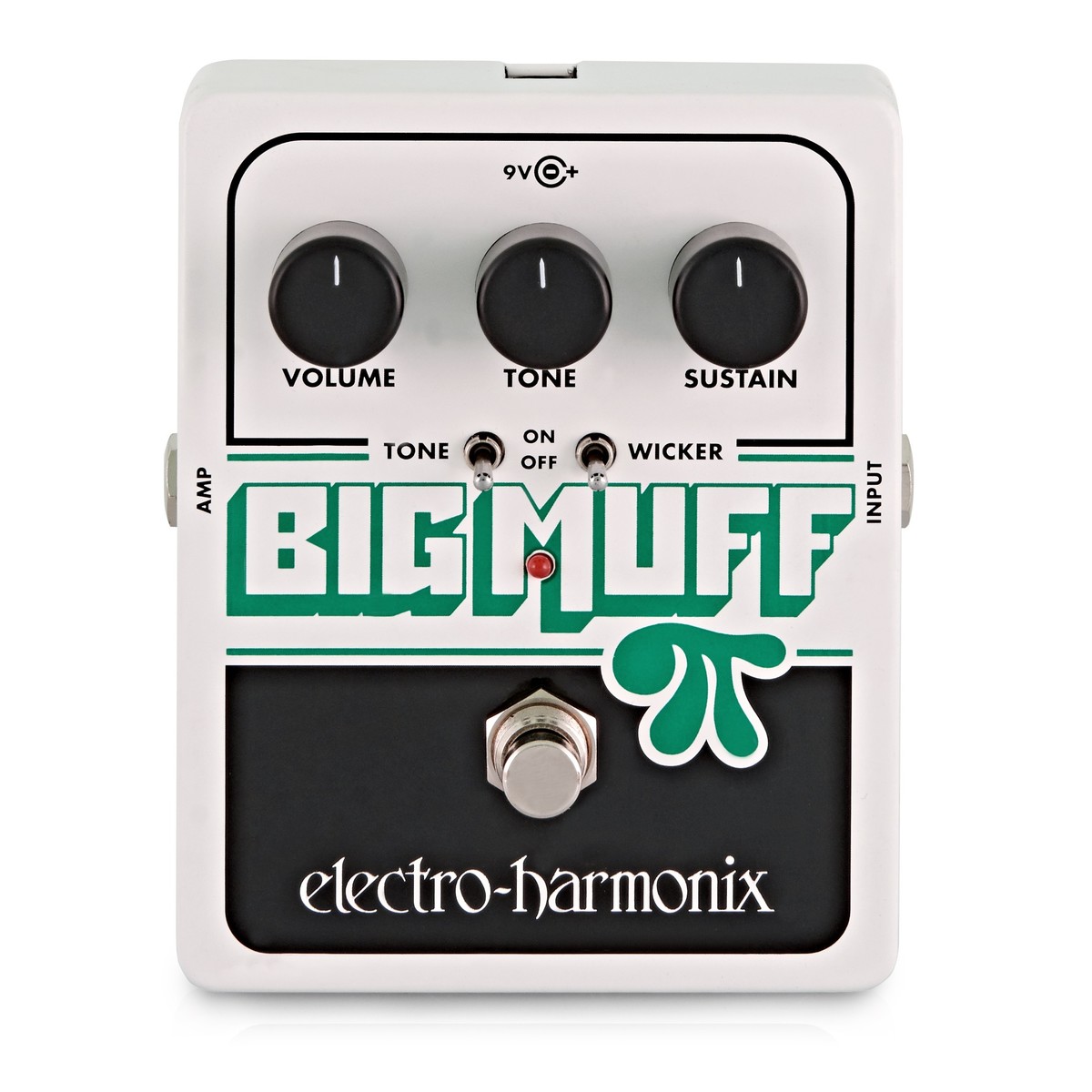
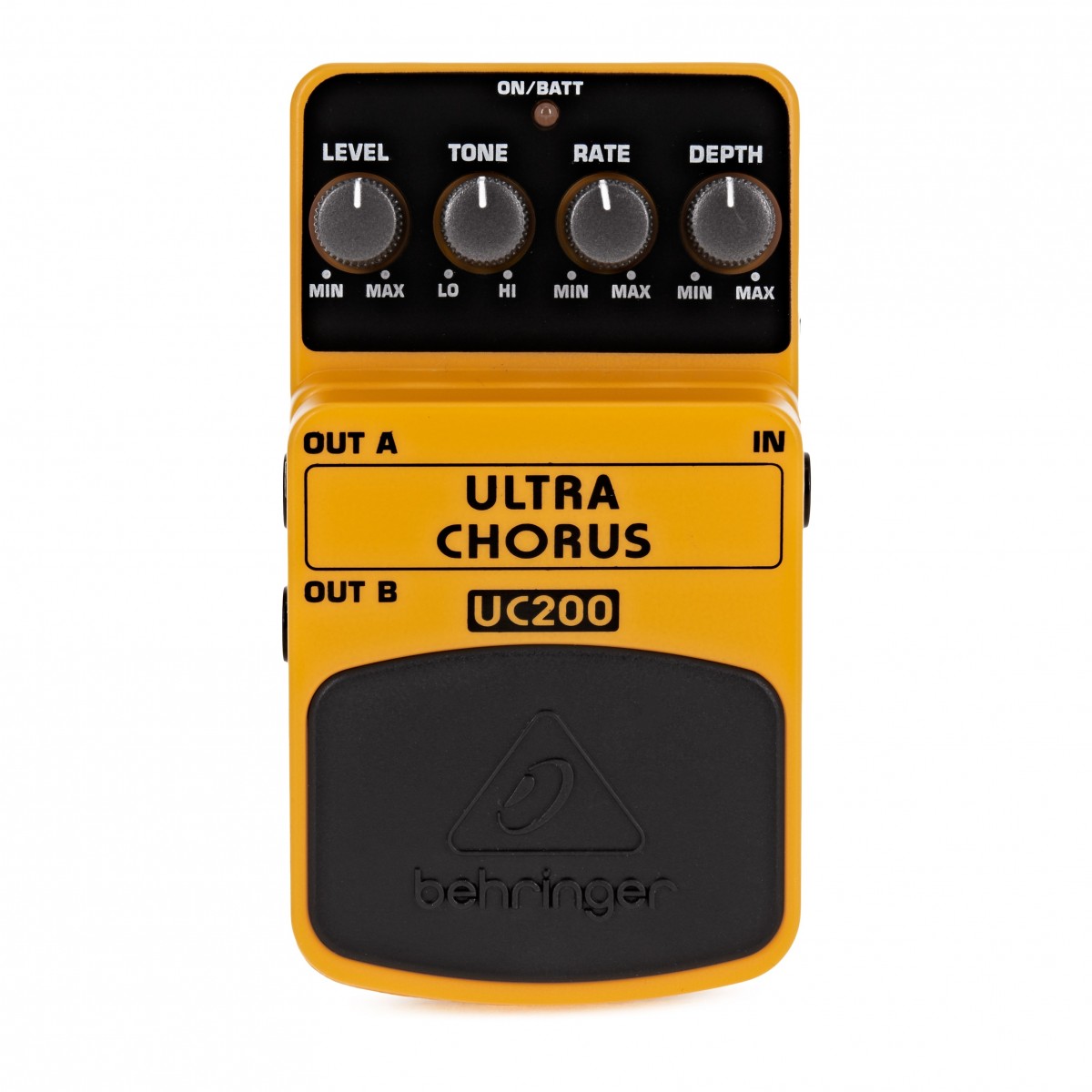
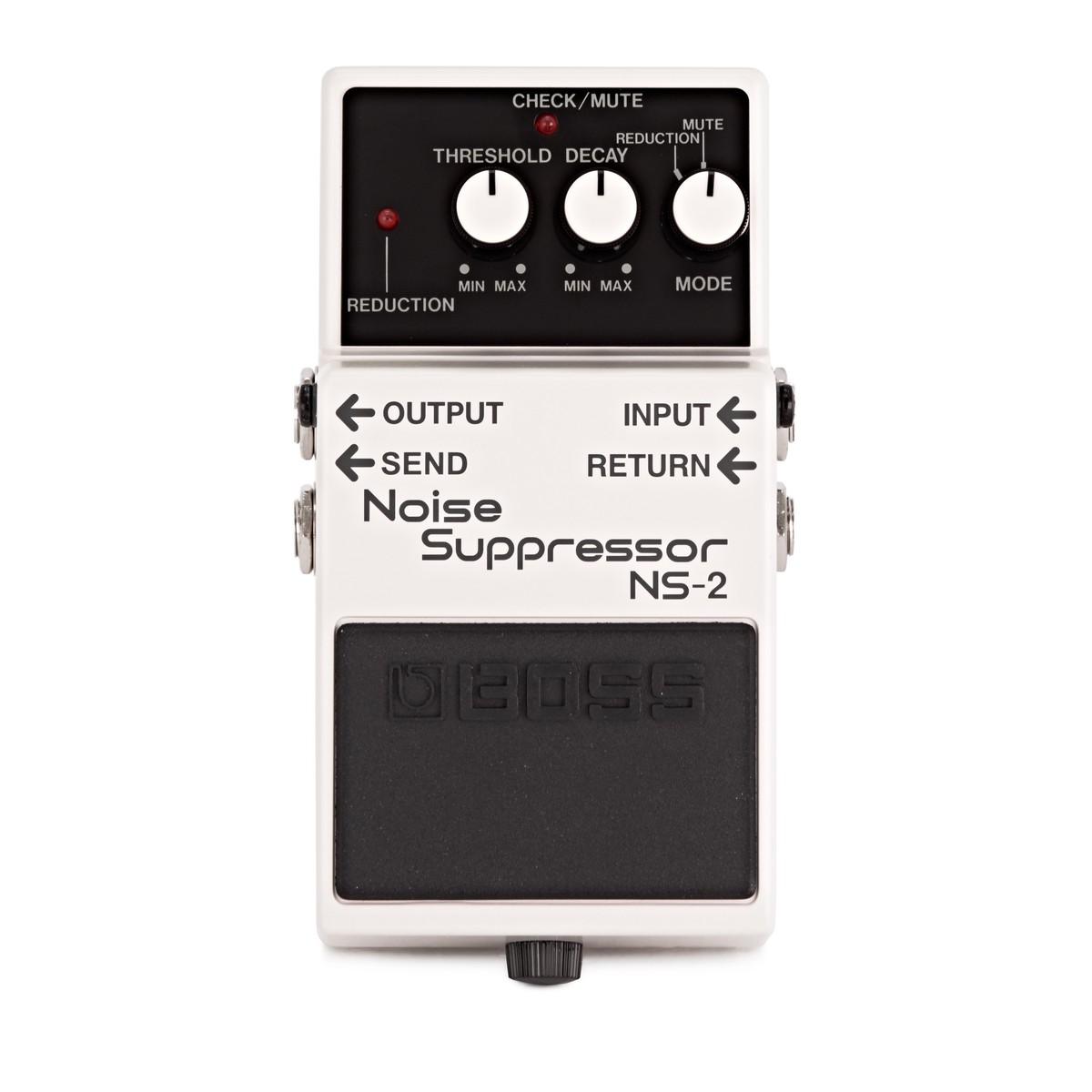
While Electro-Harmonix is also famous for more extreme saturation pedals like the Big Muff Pi w/ Tone Wicker, the East River Drive occupies a more transparent, overdrive-focused niche. In a typical signal chain, it may be used alongside utilities like the Boss NS-2 Noise Suppressor or modulation effects such as the Behringer UC200 Ultra Chorus and Fender Hammertone Flanger to create a comprehensive pedalboard setup.
Related gear
 £97.00 ($123)
Electro Harmonix
Electro Harmonix Big Muff Distortion Sustainer w/ Tone Wicker
 £129.00 ($164)
Digitech
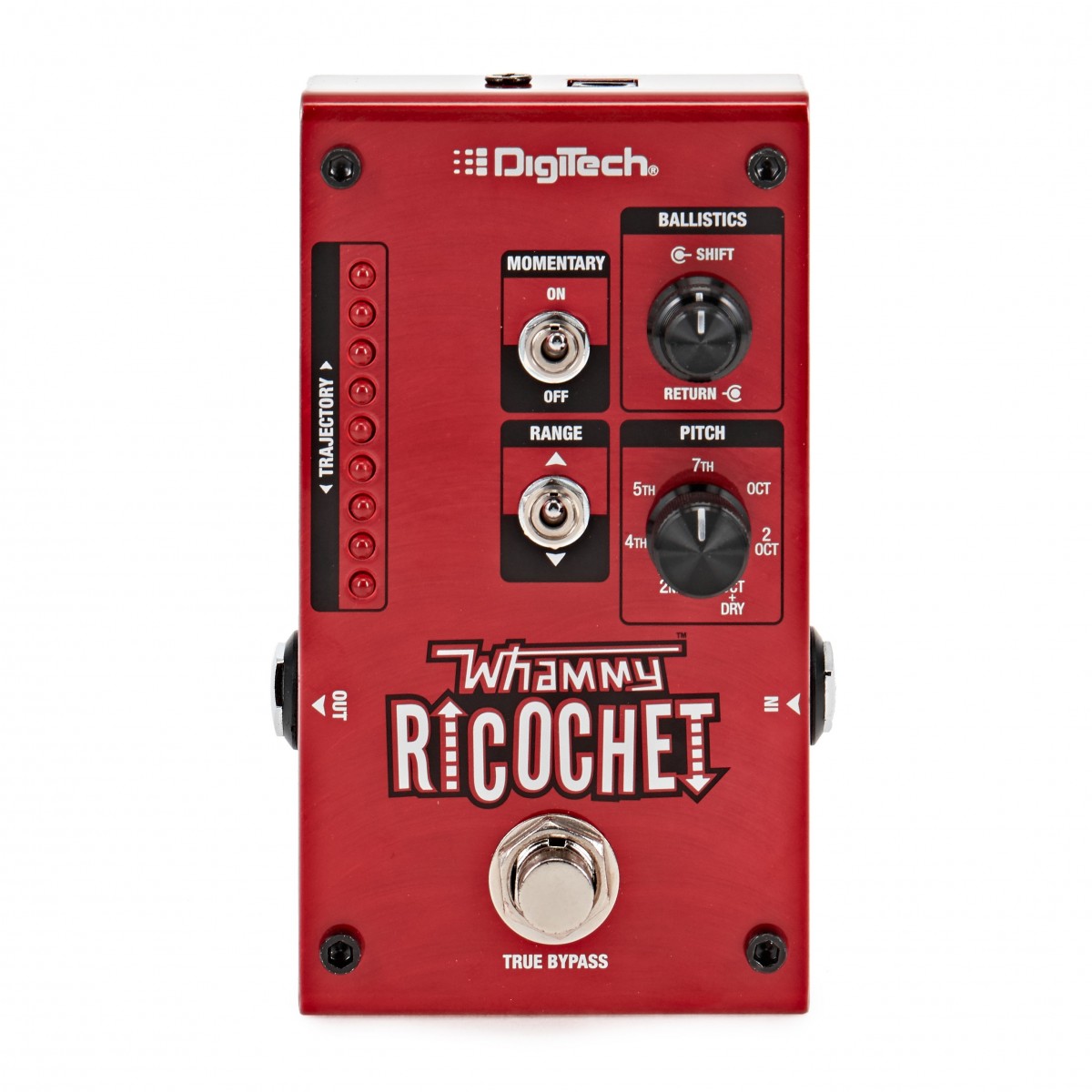
Digitech Whammy Ricochet Guitar Effects Pedal
 £85.00 ($108)
Fender
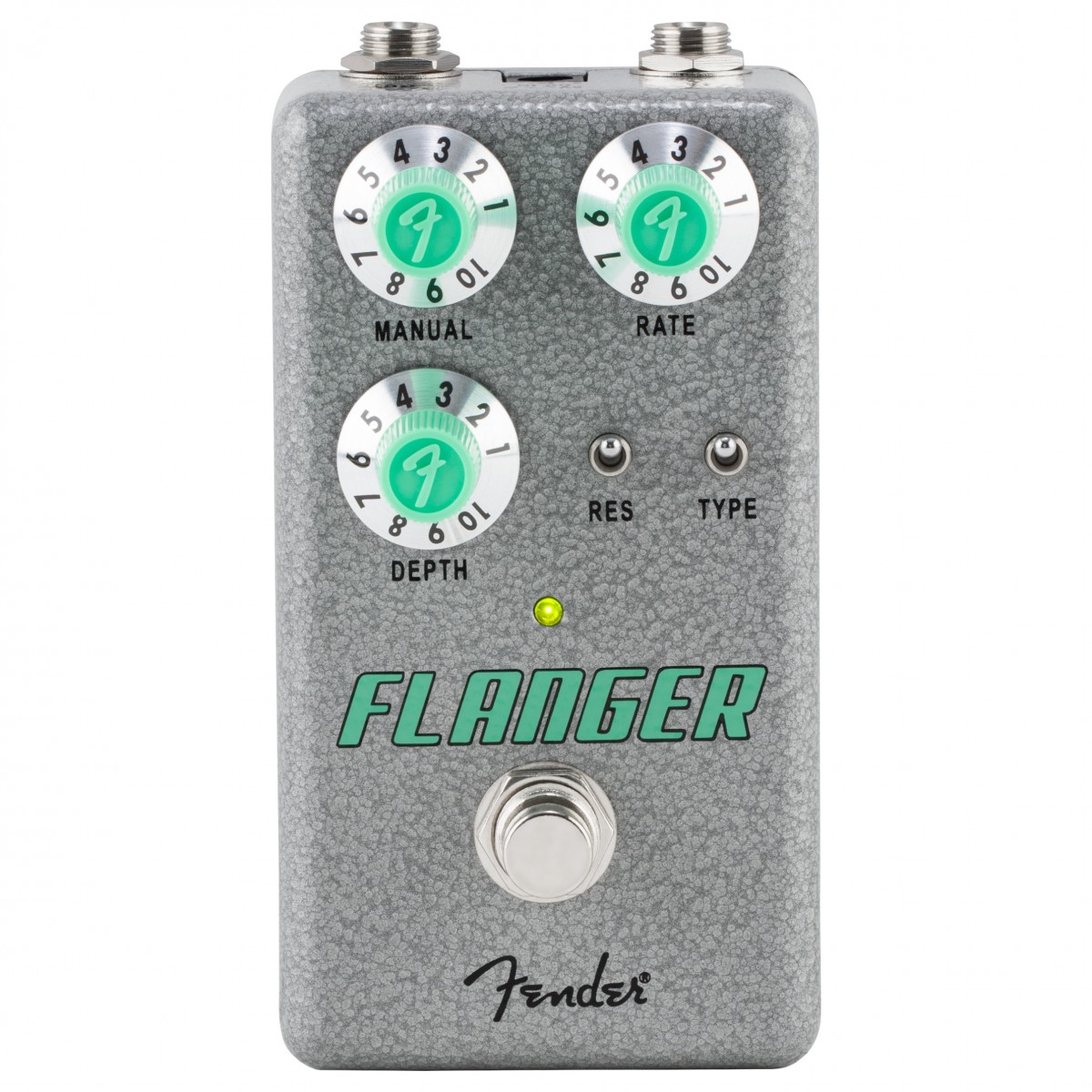
Fender Hammertone Flanger Pedal
 £19.90 ($25)
Behringer
Behringer UC200 Ultra Chorus Pedal
 £259.00 ($329)
Dunlop
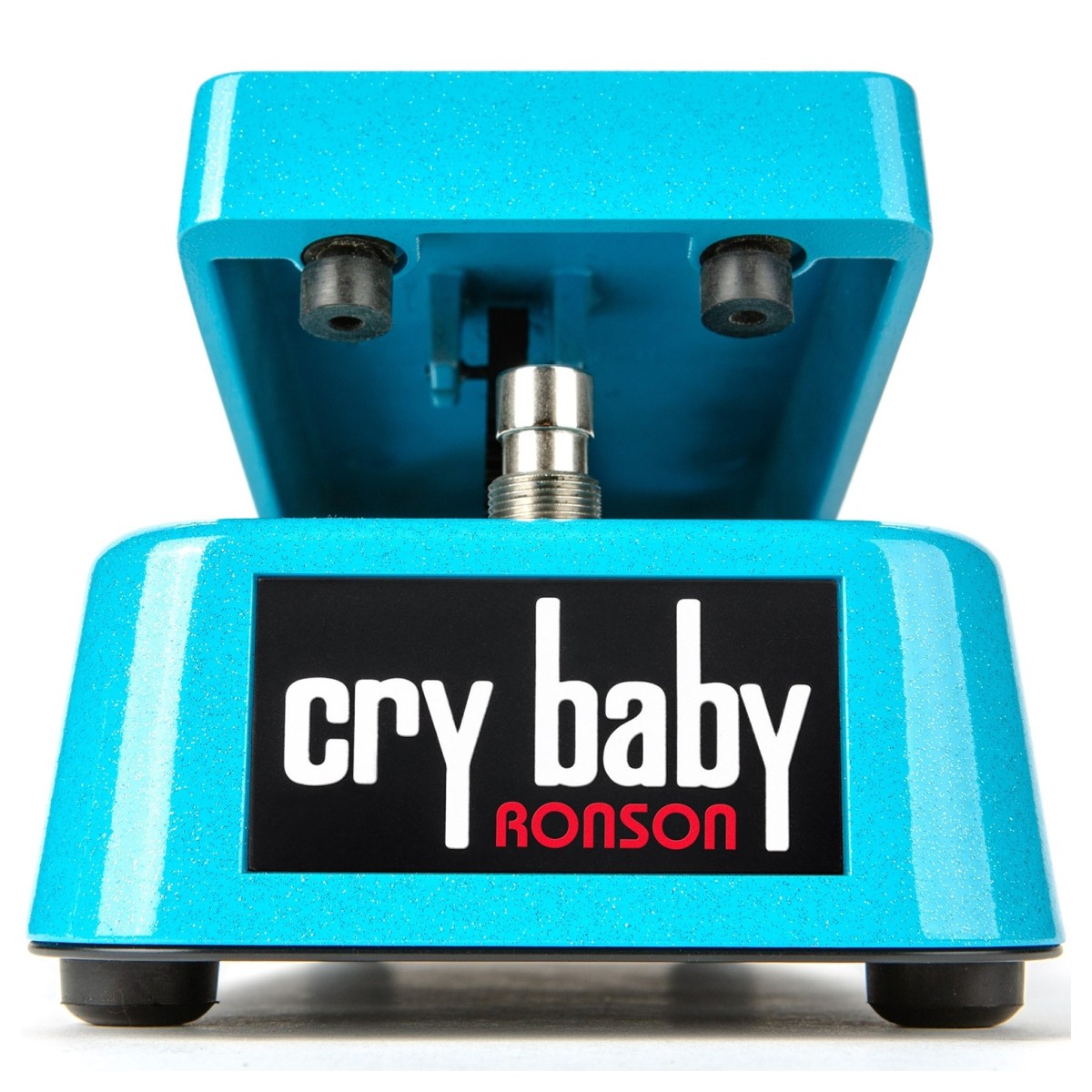
Dunlop Mick Ronson Cry Baby Wah
 £77.00 ($98)
Yamaha
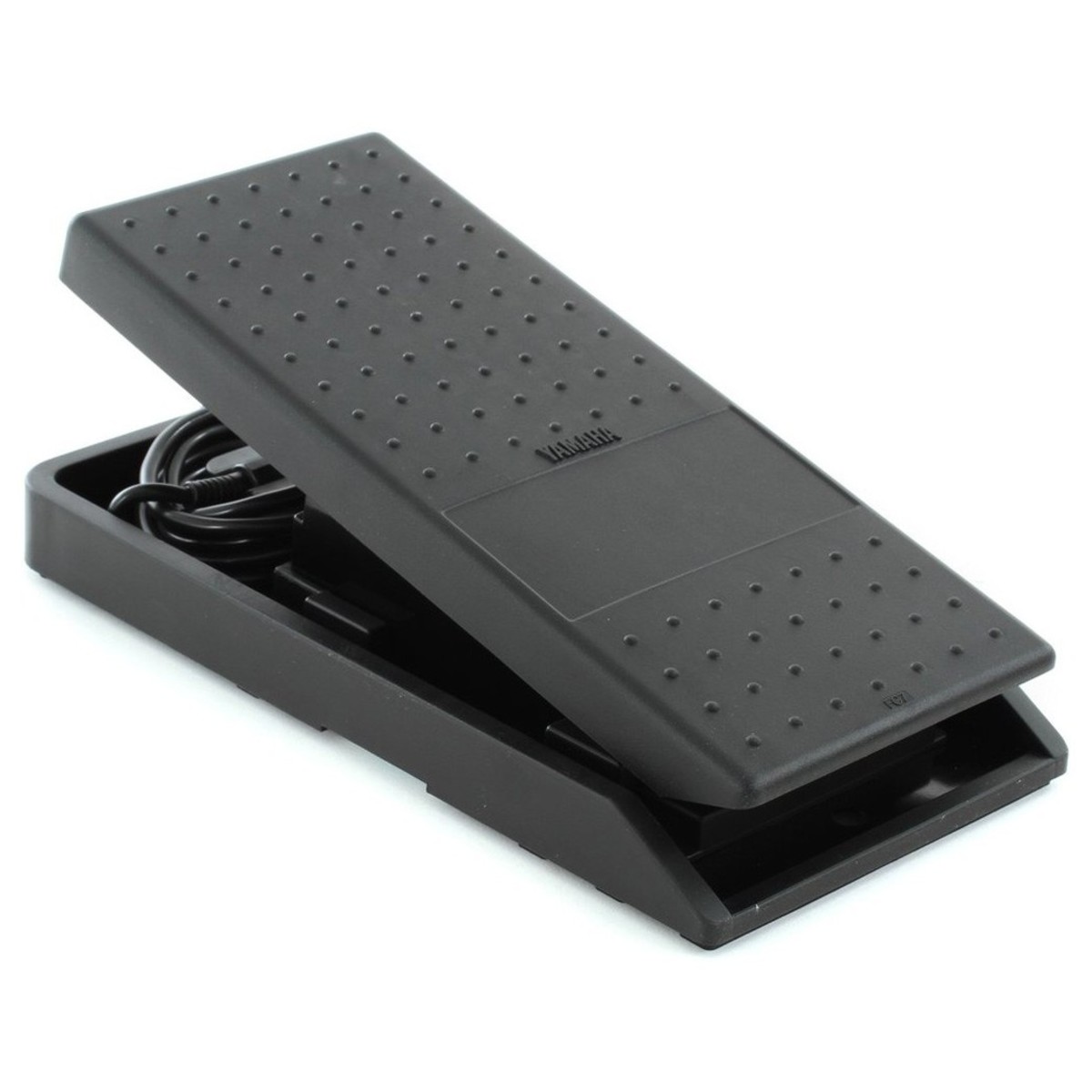
Yamaha FC7 Expression Pedal
 £175.00 ($222)
Boss
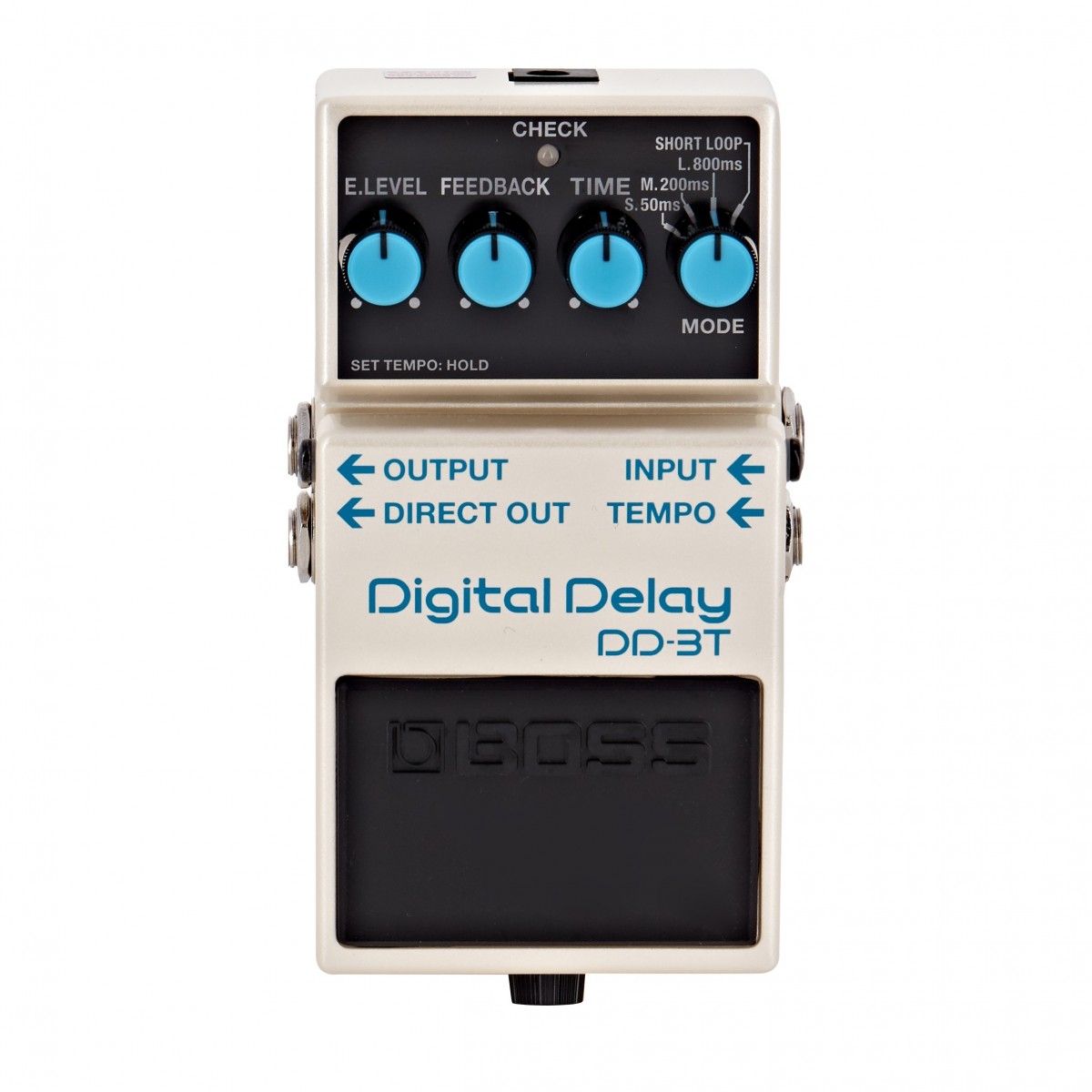
Boss DD-3T Digital Delay Pedal
 £99.10 ($126)
Boss
Boss NS-2 Noise Suppressor Guitar Pedal
Frequently asked questions
- What is the primary function of the Electro-Harmonix East River Drive?
- The primary function of the East River Drive is to provide analogue overdrive that pushes a guitar's signal from a light saturation to a crunchier tone. It is designed to enhance the natural sound of the amplifier by adding grit and sustain.
- Does the East River Drive use digital processing?
- No, the East River Drive features full analogue circuitry. This design choice is intended to provide a more natural, responsive feel and maintain the clarity of the guitar's original signal.
- What does 'True Bypass' mean for this pedal?
- True Bypass means that when the pedal is turned off, the guitar signal bypasses the internal circuitry entirely via a direct mechanical connection. This prevents the pedal from colouring the tone when it is not in use.
- What are the three control knobs on the pedal?
- The pedal features Volume, Drive, and Tone controls. Volume adjusts the output level, Drive controls the amount of gain or grit, and Tone adjusts the frequency balance of the overdriven signal.
- Can the East River Drive be used to push an already distorted amp?
- Yes, it is specifically designed to push amplifiers 'over the top'. It can add further saturation and sustain to an amp that is already distorting, providing a more perfected lead tone.
- How much does the East River Drive typically cost?
- The pedal generally retails for approximately £55. This makes it a highly accessible option for guitarists looking for a professional-grade analogue overdrive.
- Is the East River Drive suitable for heavy metal?
- While it can reach a 'ferocious bite' and 'all-out crunch', it is primarily an overdrive pedal. For high-gain metal, it might be better used as a boost in front of a high-gain amp rather than as a standalone distortion source.
- What kind of power supply does the East River Drive require?
- Like most standard Electro-Harmonix pedals, it typically requires a 9V DC power supply. It is designed to fit easily onto standard pedalboards alongside other effects.
- How does the sound character differ from a distortion pedal?
- Unlike a distortion pedal which significantly reshapes the signal, the East River Drive offers a more transparent overdrive. It focuses on adding 'rumble and rustle' while maintaining the definition of the original notes.
- Can I use this pedal with other effects like a wah or delay?
- Yes, it is designed to work within a signal chain containing other pedals. It can be paired with devices such as the Dunlop Mick Ronson Cry Baby Wah or the Boss DD-3T Digital Delay for expanded tonal options.
- Where is Electro-Harmonix based?
- Electro-Harmonix is a New York-based company. The East River Drive's marketing often references the 'Manhattan skyline' and the 'rumble' of the city as inspiration for its sound.
- Does the pedal come with an expression pedal input?
- No, the East River Drive is a straightforward overdrive pedal without expression control inputs. For expression functionality, players would typically look at pedals like the Yamaha FC7 or the Digitech Whammy Ricochet.