
Gear article
Electro Harmonix Hot Tubes Nano Distortion
The Electro Harmonix Hot Tubes Nano is a compact distortion pedal designed to replicate the response and grit of vintage valve amplifiers. It utilizes CMOS circuitry to deliver a wide range of overdrive tones, serving as a modern recreation of the original 1970s unit.
See live pricesOverview and History
The Electro Harmonix Hot Tubes Nano is a faithful reimagining of the brand's cult classic distortion pedal from the 1970s. While the original was housed in a large chassis, this modern iteration is built into a pedalboard-friendly 'Nano' housing. It is specifically engineered to provide the 'in-your-face' punch associated with early solid-state designs that successfully mimicked vacuum tube breakup.
Circuitry and Functionality
At the heart of the Hot Tubes Nano is authentic CMOS (Complementary Metal-Oxide-Semiconductor) circuitry. Unlike standard clipping diodes found in many overdrive pedals, CMOS circuitry is prized for its ability to simulate the soft-clipping and harmonic complexity of a real valve amp. The pedal features standard controls for Volume and Overdrive, but adds a specialized Tone control for shaping high-end response.
Key Features
A significant addition to the Nano version is the Tone Stack switch. This allows the user to bypass the tone control circuit entirely.
- Tone Switch ON: Enables the tone knob for precise frequency shaping.
- Tone Switch OFF: Bypasses the EQ section for a more direct, raw, and powerful sound.
- Compact Housing: Fits easily onto crowded pedalboards compared to the 1970s original.
Sound Character
The pedal is defined by its warm, vintage overdrive character. It ranges from subtle grit to a full-bodied fuzz-like distortion. Because it mimics the breakup of old valve amplifiers, it maintains a level of touch sensitivity and 'grit' that feels organic rather than sterile or overly compressed.
Target Audience and Comparison
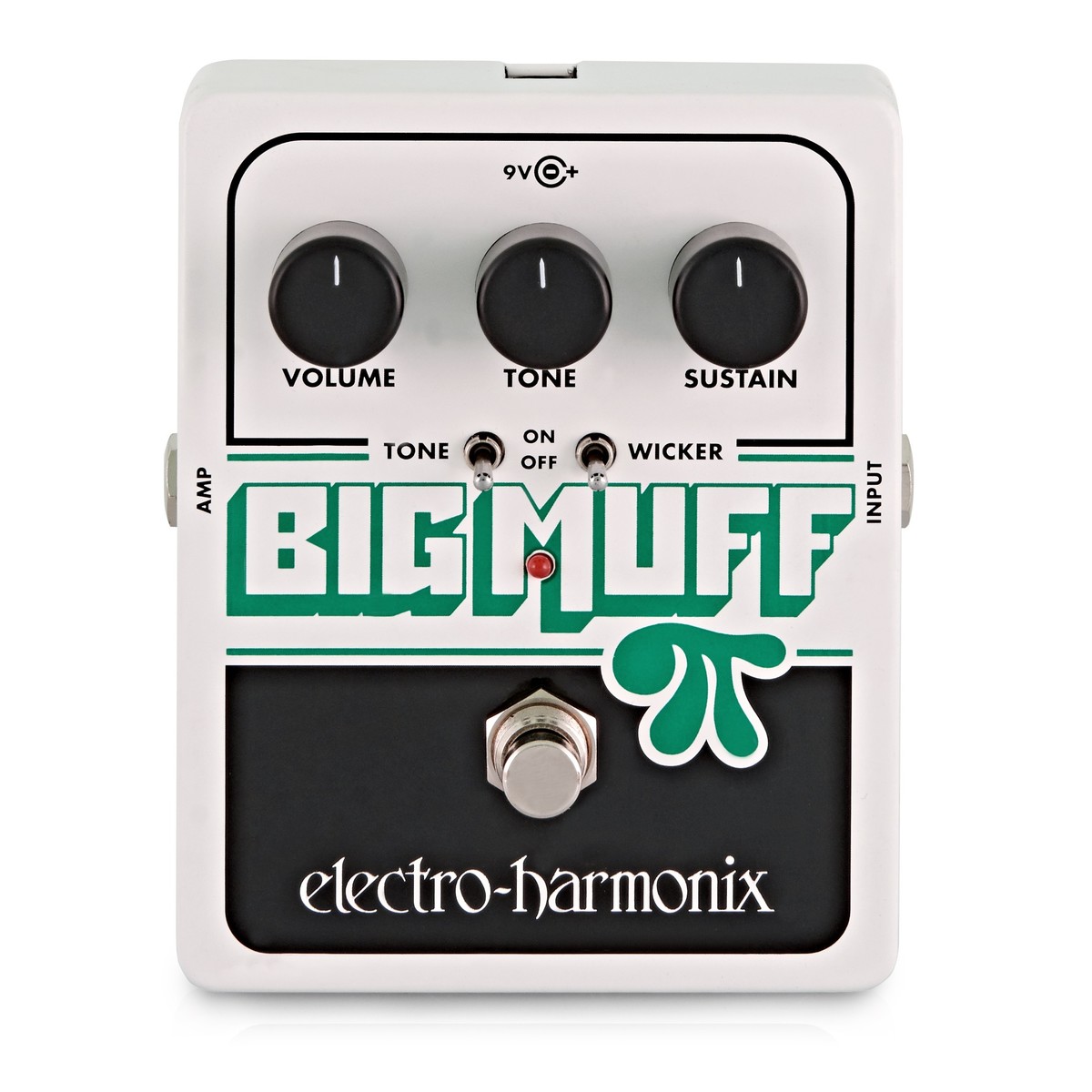
This pedal is primarily suited for guitarists seeking vintage-voiced saturation without the high cost or footprint of boutique valve-based pedals. In the Electro Harmonix catalogue, it offers a different texture than the Big Muff Distortion Sustainer; while the Big Muff provides heavy, sustaining fuzz, the Hot Tubes focuses on the transparent-to-gritty transition of a cranked amplifier.
Related gear
 £97.00 ($123)
Electro Harmonix
Electro Harmonix Big Muff Distortion Sustainer w/ Tone Wicker
 £129.00 ($164)
Digitech
Digitech Whammy Ricochet Guitar Effects Pedal
 £85.00 ($108)
Fender
Fender Hammertone Flanger Pedal
 £19.90 ($25)
Behringer
Behringer UC200 Ultra Chorus Pedal
 £259.00 ($329)
Dunlop
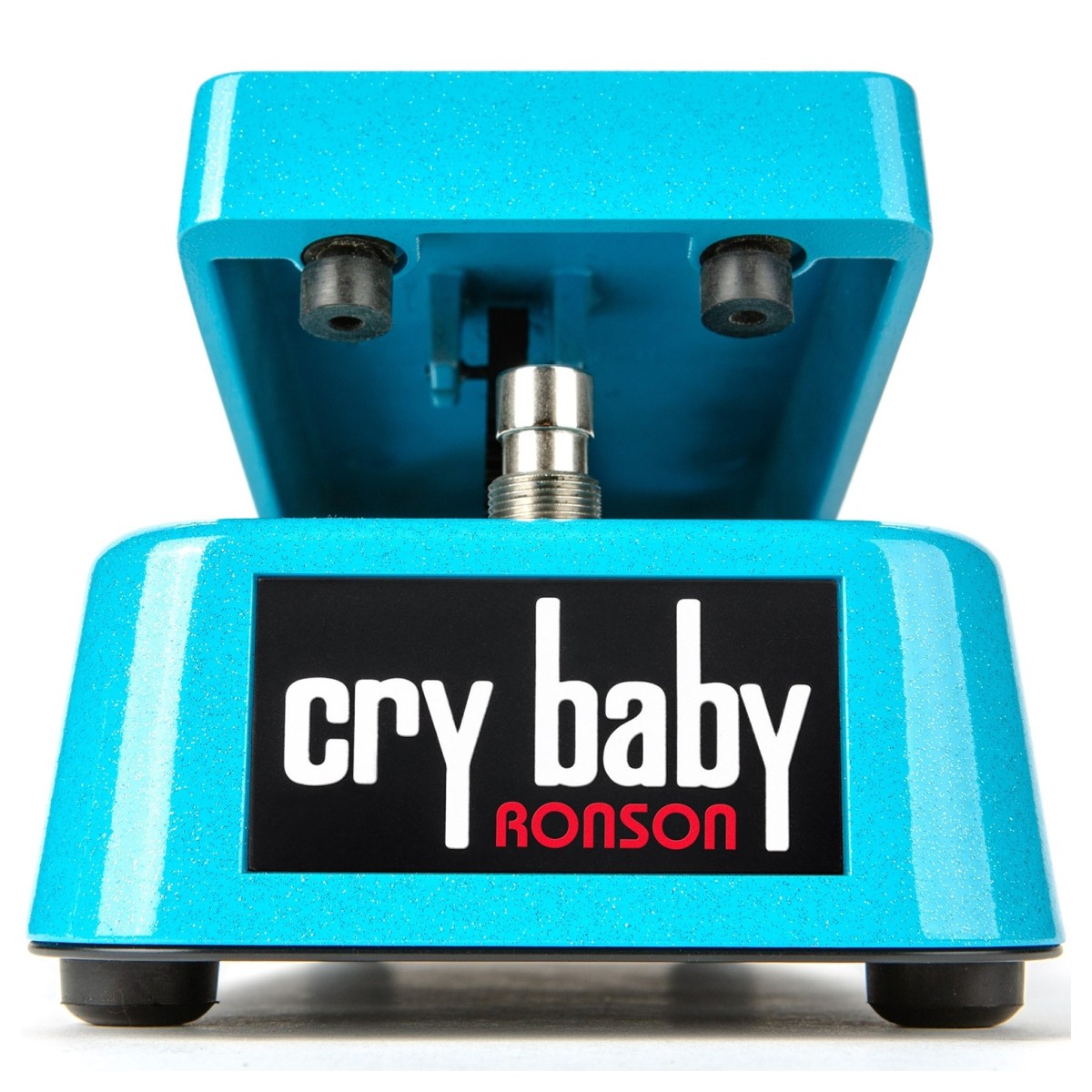
Dunlop Mick Ronson Cry Baby Wah
 £77.00 ($98)
Yamaha
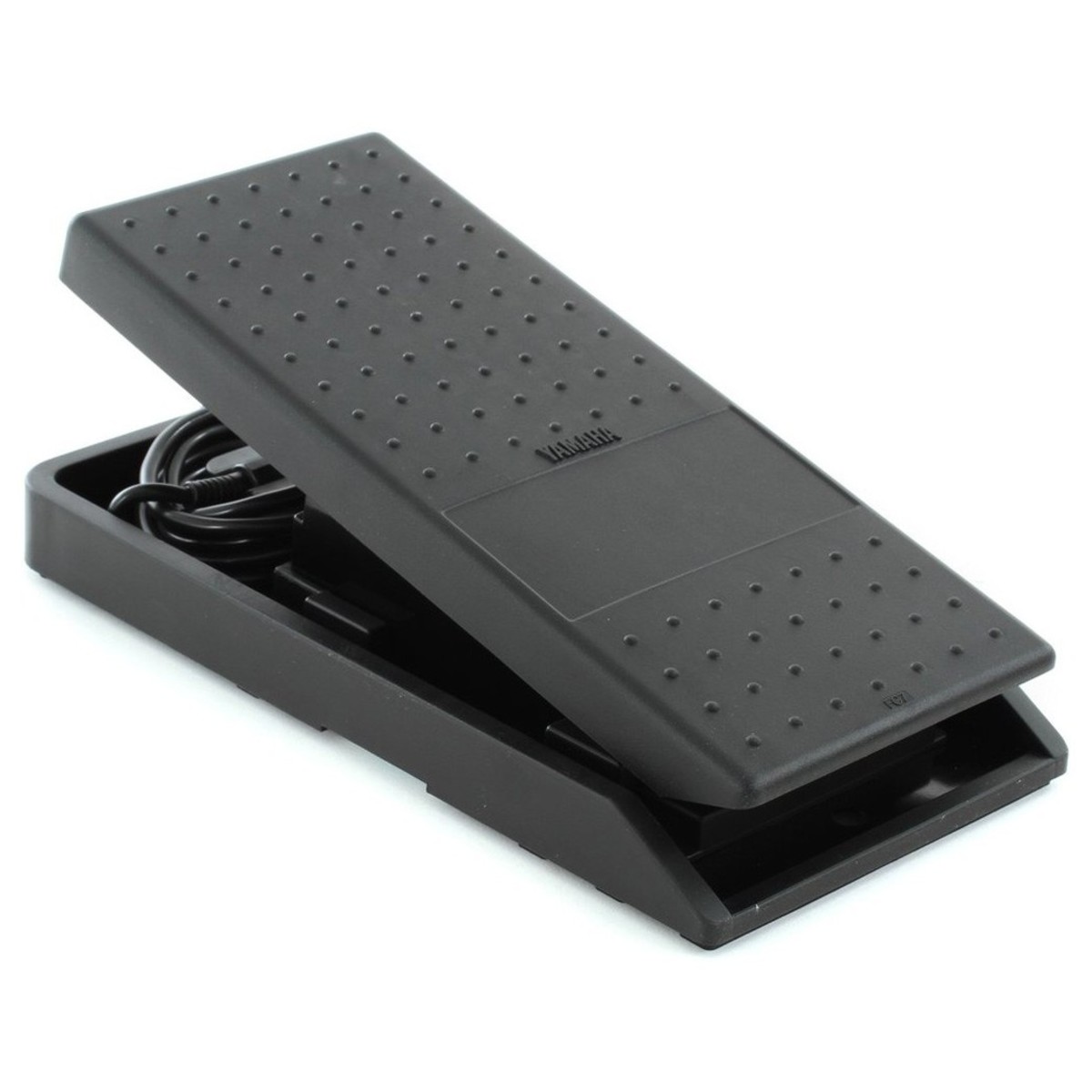
Yamaha FC7 Expression Pedal
 £175.00 ($222)
Boss
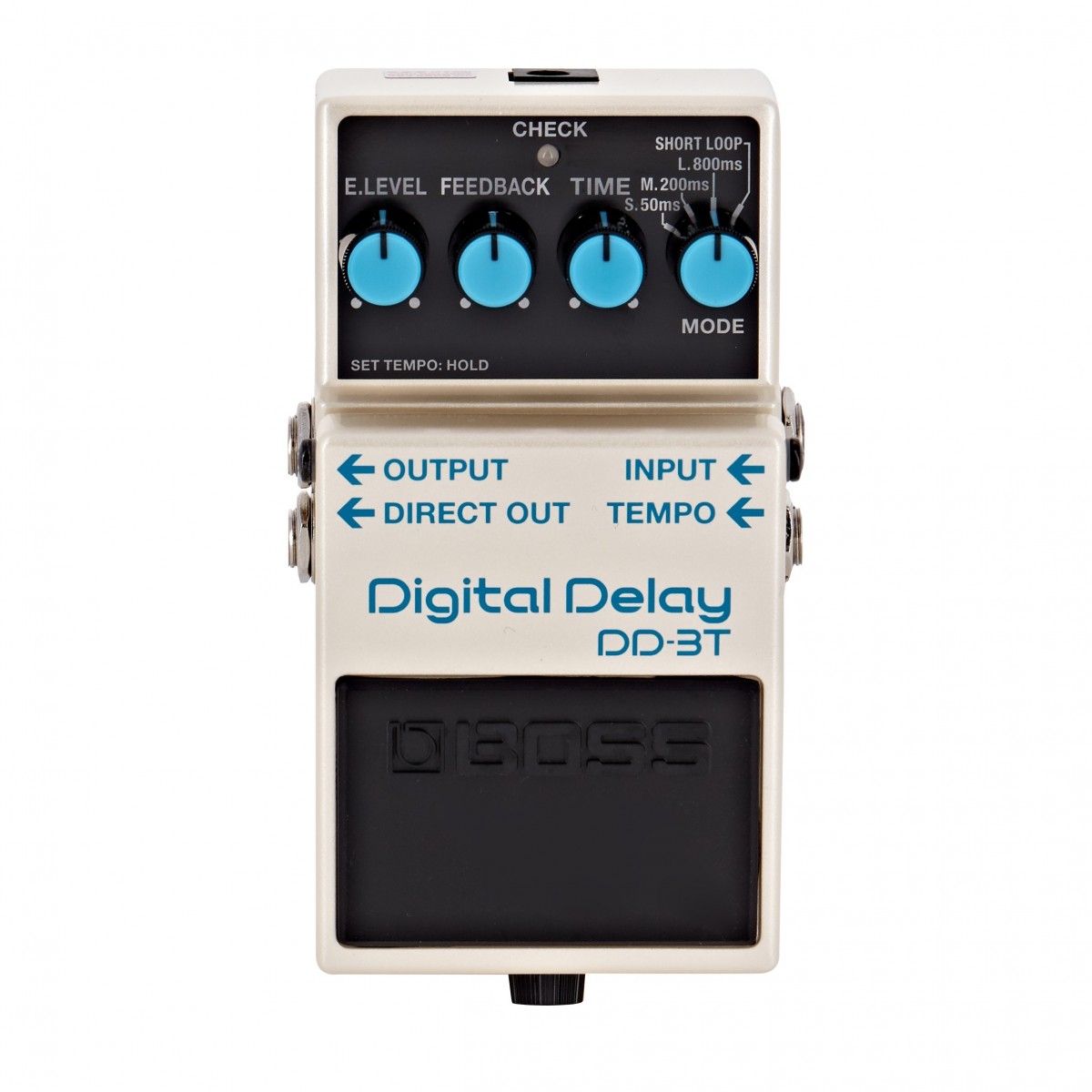
Boss DD-3T Digital Delay Pedal
 £99.10 ($126)
Boss
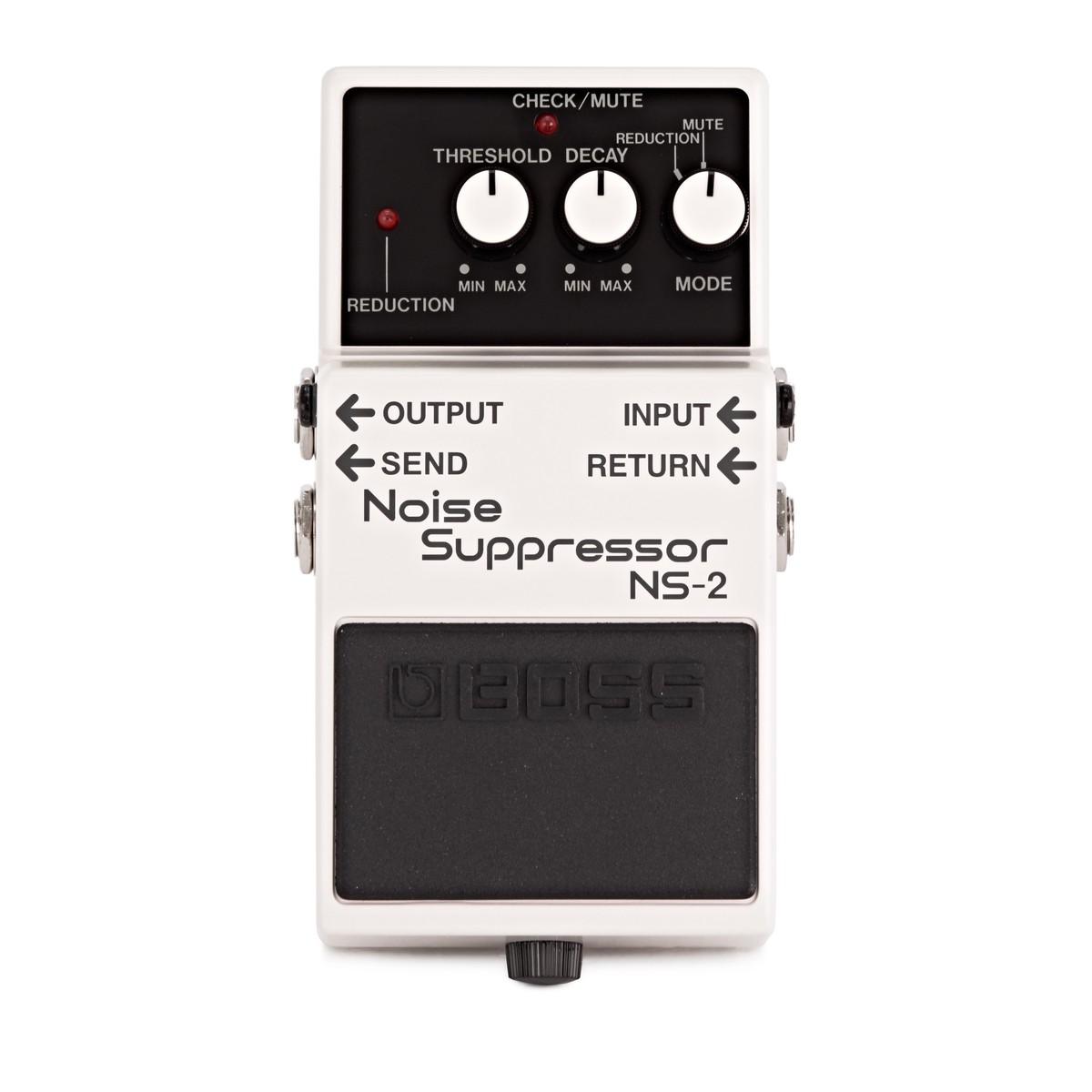
Boss NS-2 Noise Suppressor Guitar Pedal
Frequently asked questions
- What is the main purpose of the Hot Tubes Nano?
- It is designed to provide warm, vintage overdrive and distortion that mimics the natural breakup of a 1970s valve amplifier.
- What type of circuitry does this pedal use?
- The pedal uses authentic CMOS (Complementary Metal-Oxide-Semiconductor) circuitry to achieve its tube-like distortion characteristics.
- How does the Tone Stack switch work?
- The switch allows you to either use the tone knob for frequency shaping or bypass the tone circuit entirely for a rawer, more transparent signal.
- Is the Hot Tubes Nano a fuzz pedal or an overdrive?
- It sits between the two categories; it can provide light overdrive at lower settings and thick, 'in-your-face' grit and fuzz at higher gain levels.
- How does it compare to the original 1970s Hot Tubes?
- It is a 'loving homage' that recreates the original's sound and CMOS circuitry but delivers it in a much smaller, modern Nano housing.
- What controls are available on the pedal?
- The unit features three primary knobs—Volume, Overdrive, and Tone—along with a toggle switch for the Tone stack.
- Does this pedal fit on small pedalboards?
- Yes, it is housed in the Electro Harmonix Nano chassis, which is designed specifically to save space on professional and amateur pedalboards.
- What is the typical price for the Hot Tubes Nano?
- In the UK market, the pedal typically retails for approximately £66.
- Can I use this for modern high-gain metal?
- While it provides significant grit, its character is focused on vintage 'valve' warmth and fuzz, making it better suited for rock, blues, and indie than modern surgical metal.
- Does the pedal have a wide gain range?
- Yes, the Overdrive control allows for a full range of tones, from subtle harmonic enhancement to heavy, saturated distortion.
- How does it differ from a Big Muff?
- The Hot Tubes focuses on amp-like breakup and CMOS grit, whereas the Big Muff is known for its distinct, heavy sustain and smooth fuzz saturation.
- Is the power supply included with the unit?
- Typically, Electro Harmonix Nano pedals require a standard 9V DC power supply, though users should check specific retail packaging for inclusions.