
Gear article
Electro-Harmonix Nano Operation Overlord
The Electro-Harmonix Nano Operation Overlord is a versatile JFET-based overdrive pedal designed to process guitar, bass, keyboards, and other electronic instruments. It features three gain stages and a dedicated Boost mode to provide a range of tones from light crunch to saturated distortion.
See live pricesOverview
The Nano Operation Overlord is a compact version of Electro-Harmonix’s versatile overdrive circuit. It is engineered to function as a multi-instrument workstation rather than a traditional guitar-only stompbox. The pedal utilizes JFET (Junction Field-Effect Transistor) technology to emulate the responsive, harmonically rich breakup of a vacuum tube amplifier.
One of the defining characteristics of this unit is its input versatility. While many overdrive pedals are voiced strictly for electric guitar mid-range frequencies, the Nano Operation Overlord is designed to accommodate the broader frequency ranges and higher output levels of synthesisers and active bass guitars.
Circuit Design and Key Features
The core of the pedal consists of three JFET gain stages. This architecture allows the user to transition smoothly from a subtle, transparent grit to a thick, fully-saturated distortion. The pedal includes a 'Boost' button which activates an additional overdrive circuit located before the primary JFET stages, effectively functioning as an internal 'pedal-before-a-pedal' for increased gain density.
A critical feature for non-guitarists is the 'Dry Blend' control. This allows the user to mix the original unaffected signal back into the distorted output. This is particularly beneficial for bass players and keyboardists who need to maintain the fundamental low-end frequencies and initial transient articulation that can sometimes be lost during heavy clipping.
Sound and Character
The sound of the Nano Operation Overlord is described as 'explosive' yet controllable. Because it uses JFET stages, the clipping character tends to be more dynamic and touch-sensitive than standard diode-clipping pedals. At lower settings, it provides a light crunch suitable for blues or classic rock. When the Boost mode is engaged and the gain is increased, the pedal produces a heavy, saturated texture that remains articulate thanks to the ability to blend in the dry signal.
Suitability and Comparisons
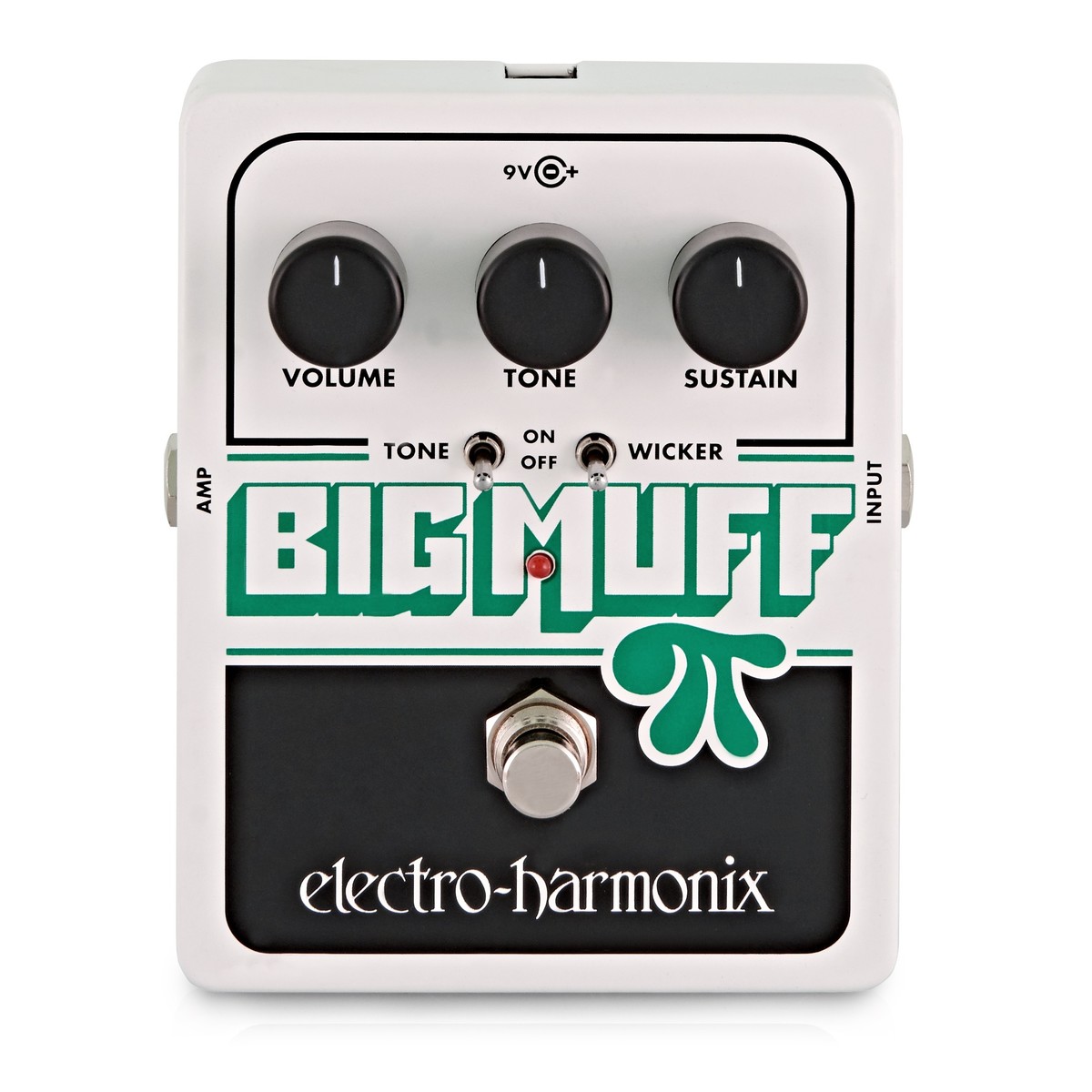
This pedal is suited for musicians who play multiple instruments and require a single, reliable dirt box that can handle various input impedances and levels. It serves as a more transparent and versatile alternative to specialised units like the Electro-Harmonix Big Muff Pi, which offers a more distinct, compressed fuzz character.
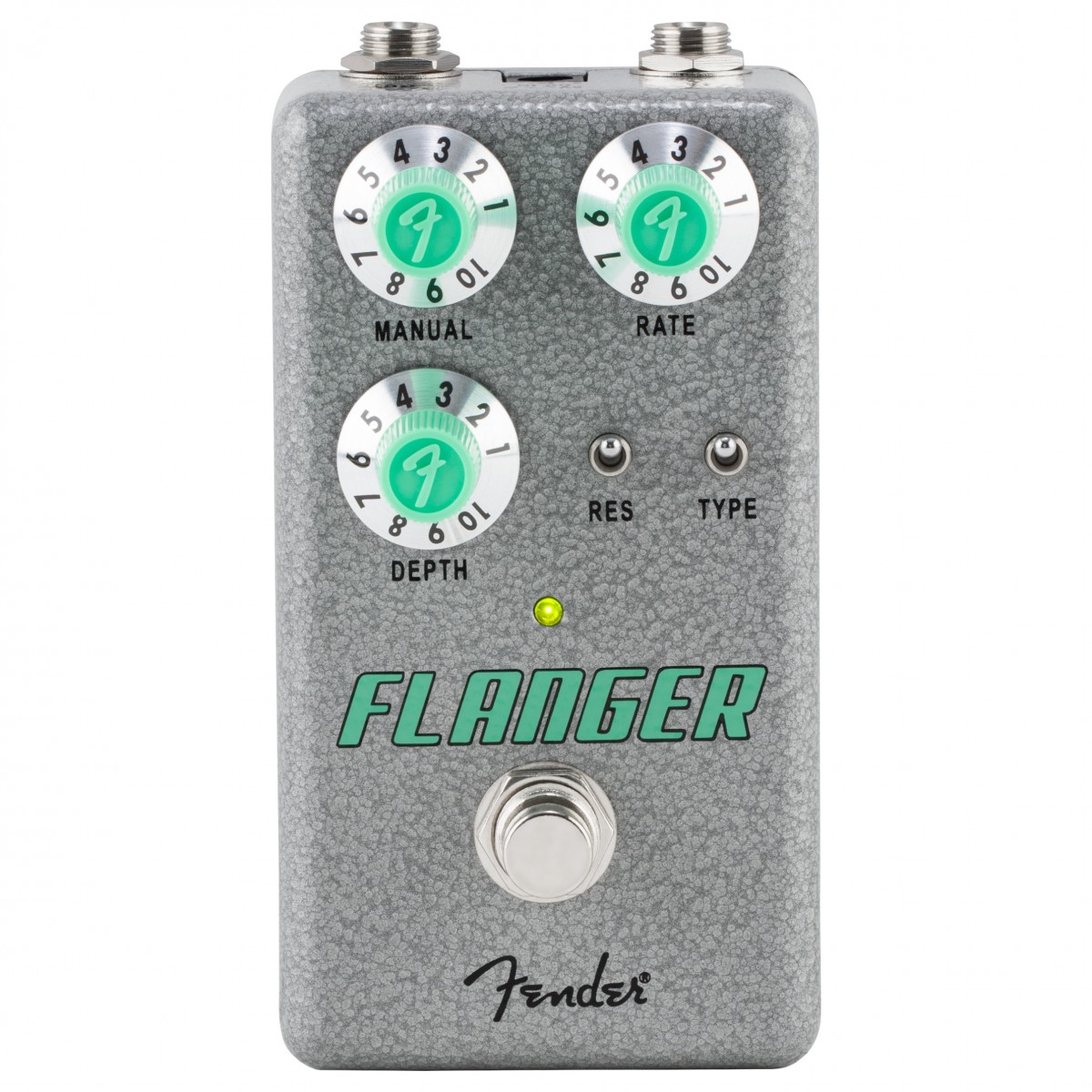
Compared to standard guitar overdrives like the Boss DD-3T or Fender Hammertone Flanger (which serve different modulation/time roles), the Overlord focuses specifically on harmonic saturation across a wide frequency spectrum. It is often paired with utilities like the Boss NS-2 Noise Suppressor to manage high-gain noise floors or expression pedals for real-time control in live settings.
Related gear
 £97.00 ($123)
Electro Harmonix
Electro Harmonix Big Muff Distortion Sustainer w/ Tone Wicker
 £129.00 ($164)
Digitech
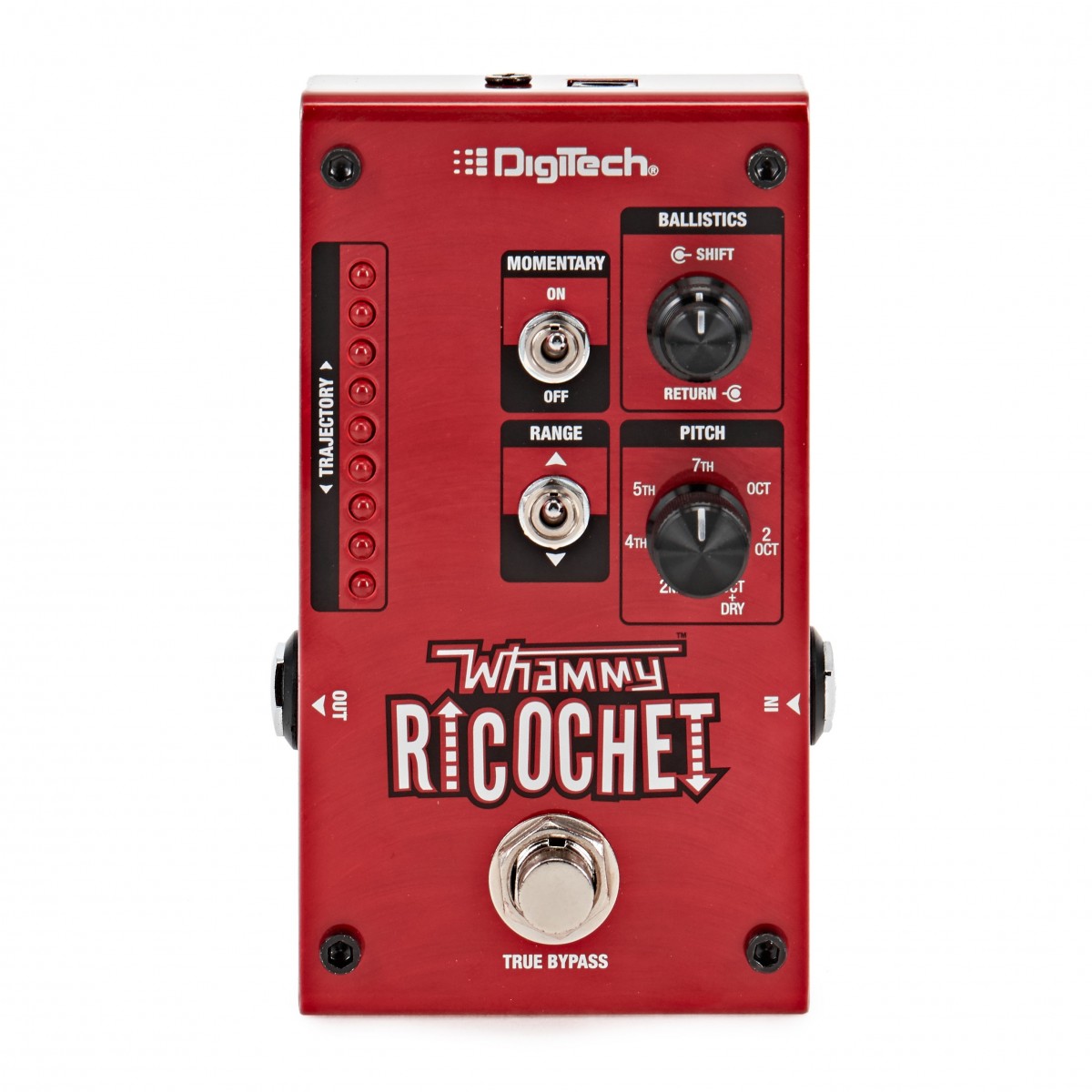
Digitech Whammy Ricochet Guitar Effects Pedal
 £85.00 ($108)
Fender
Fender Hammertone Flanger Pedal
 £19.90 ($25)
Behringer
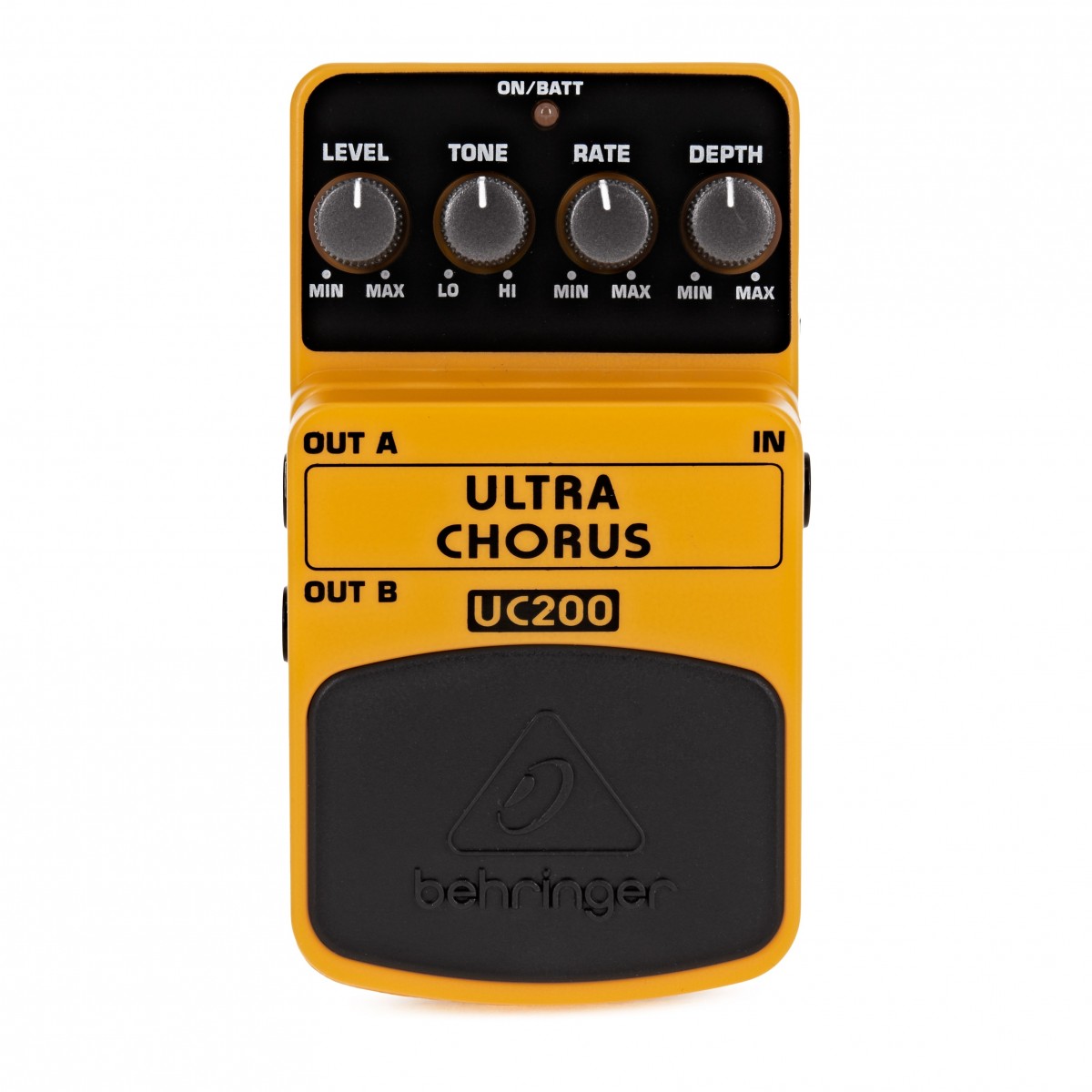
Behringer UC200 Ultra Chorus Pedal
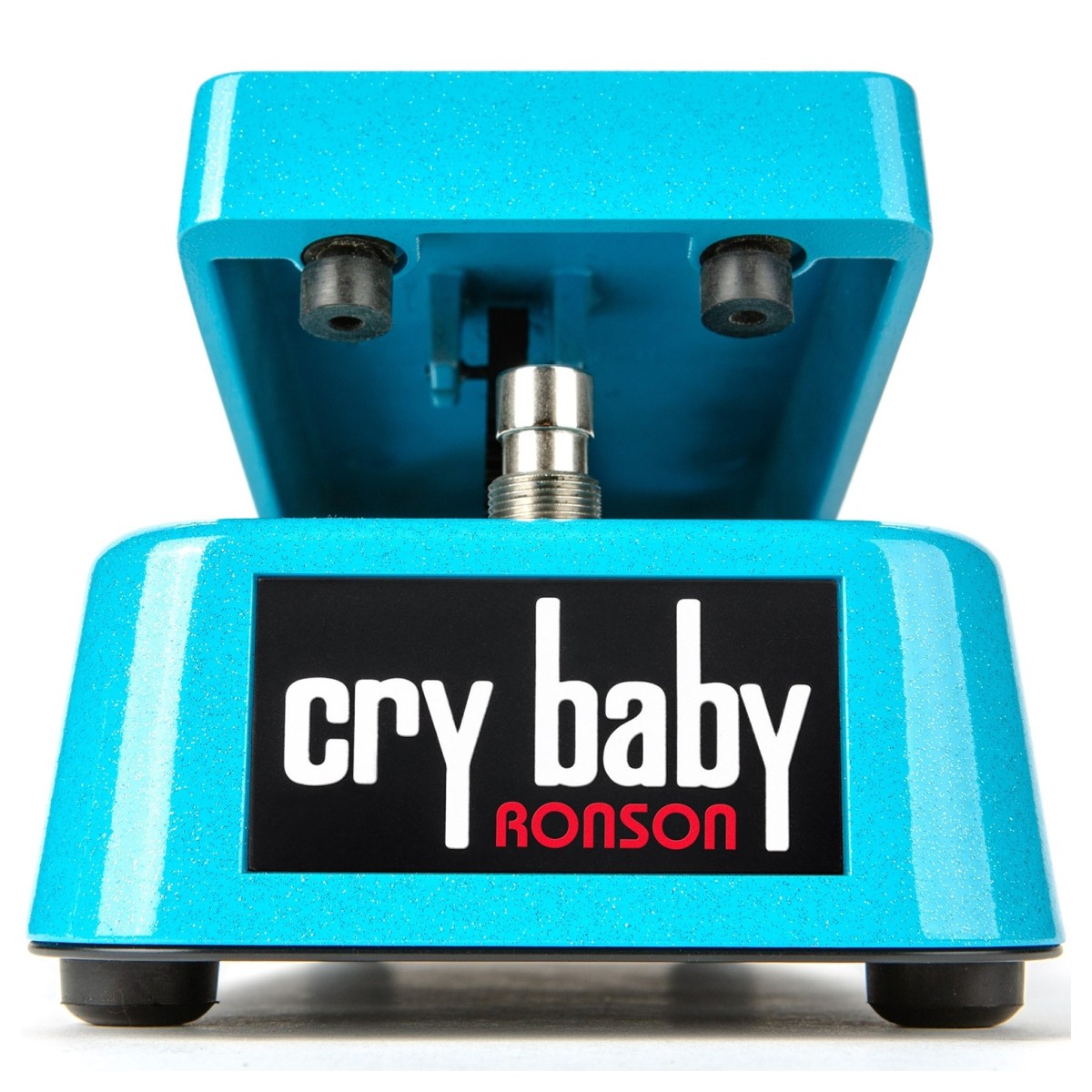 £259.00 ($329)
Dunlop
Dunlop Mick Ronson Cry Baby Wah
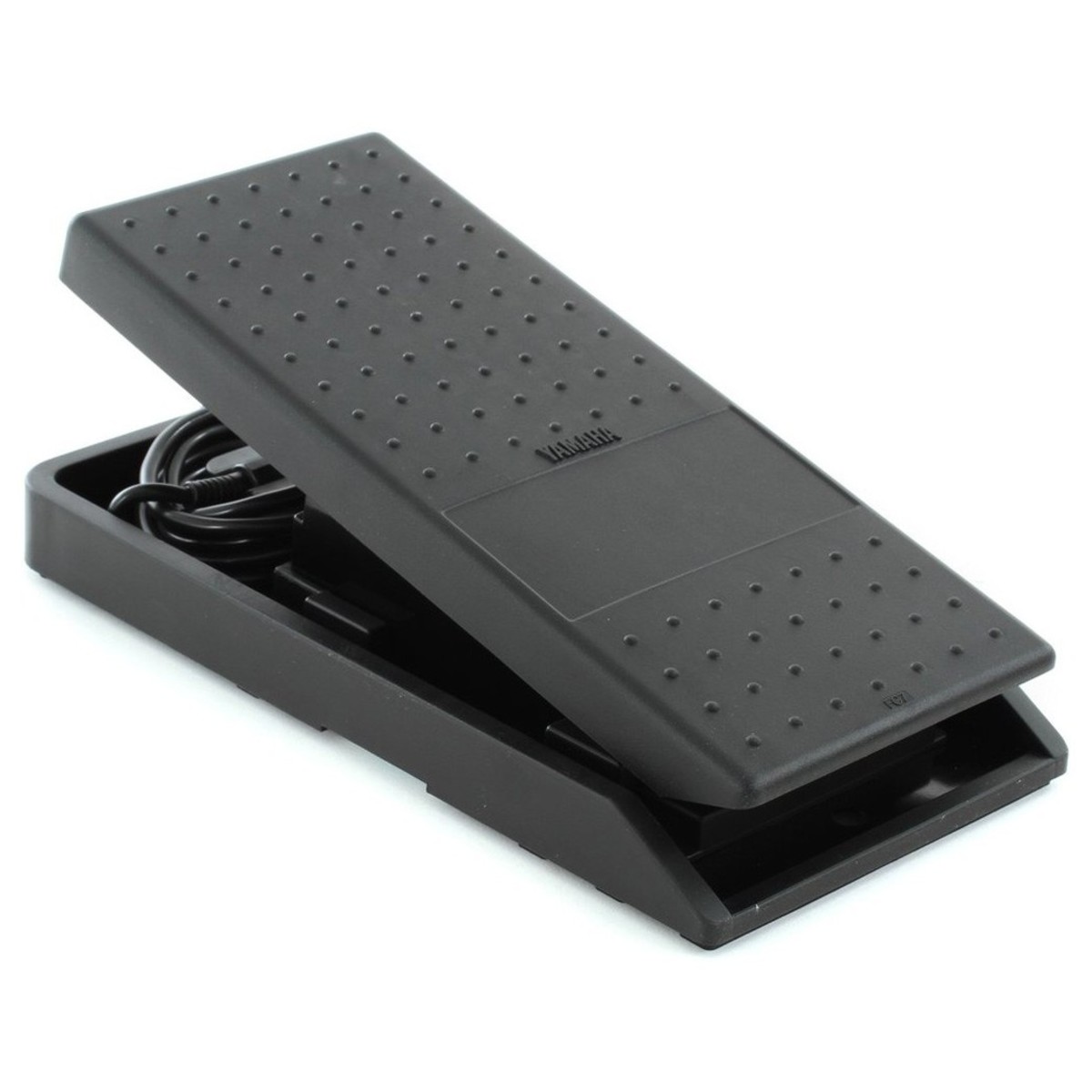 £77.00 ($98)
Yamaha
Yamaha FC7 Expression Pedal
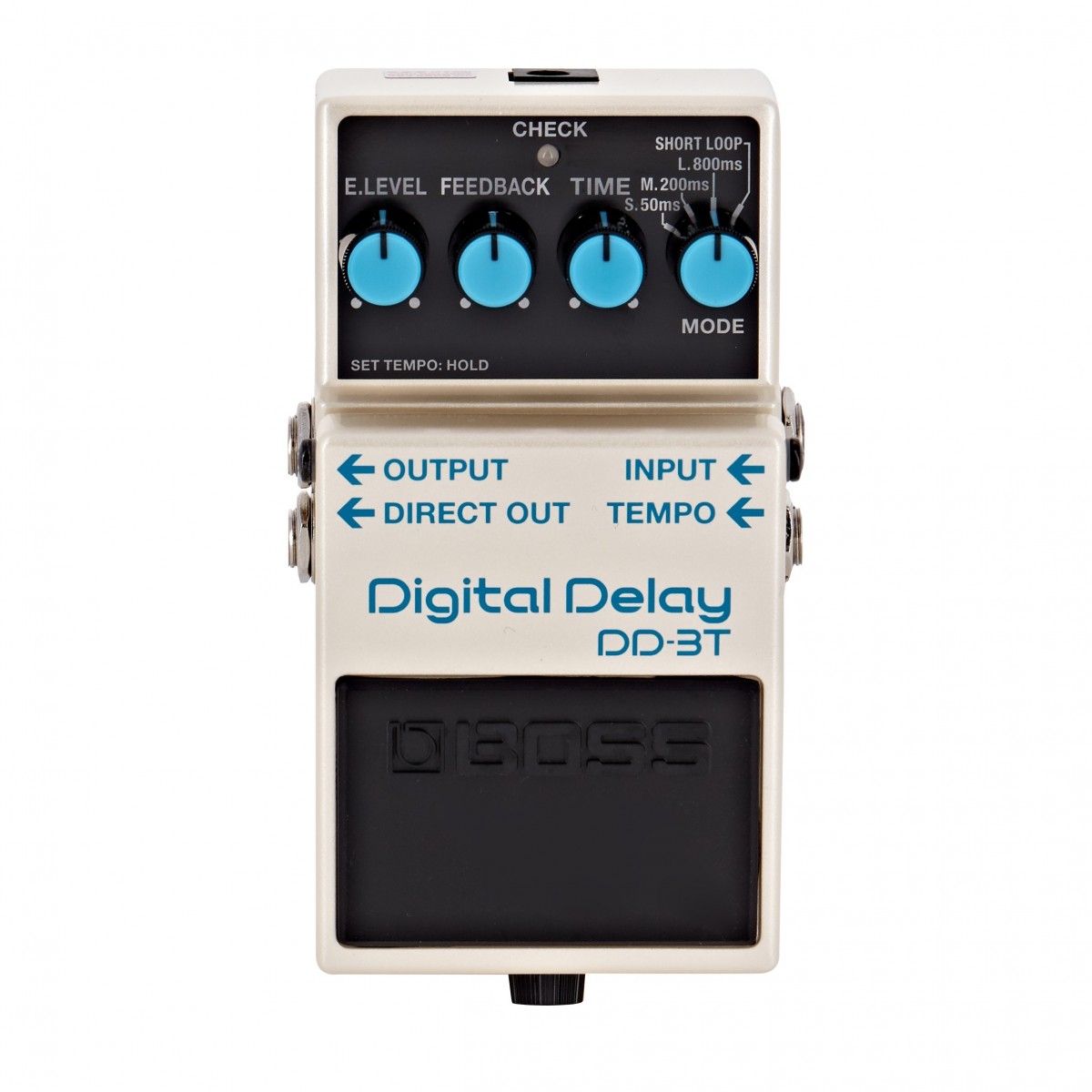 £175.00 ($222)
Boss
Boss DD-3T Digital Delay Pedal
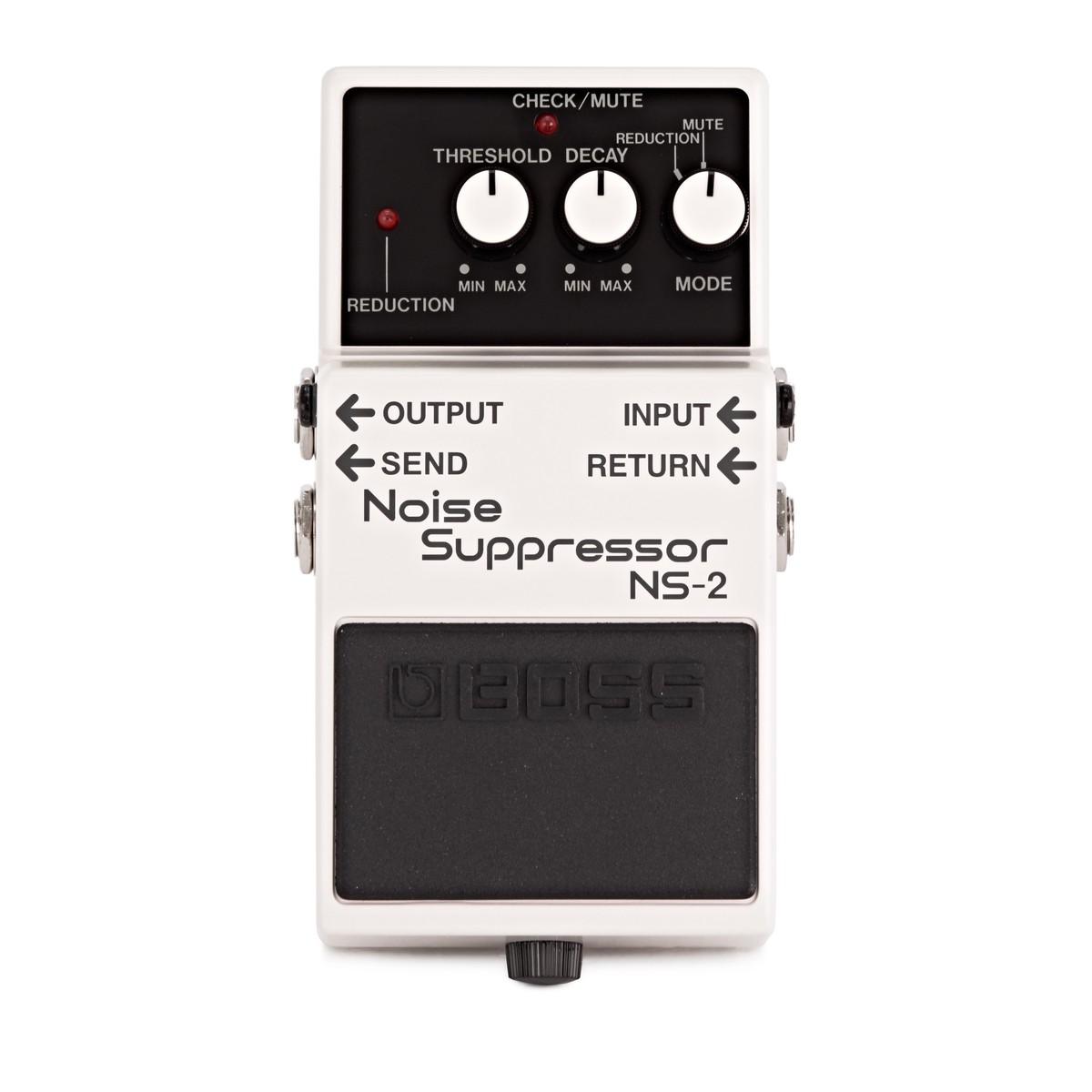 £99.10 ($126)
Boss
Boss NS-2 Noise Suppressor Guitar Pedal
Frequently asked questions
- What instruments can I use with the Nano Operation Overlord?
- It is designed for guitar, bass, keyboards, and any other electrical instruments. Its circuit is built to handle various signal levels and frequency ranges.
- What type of gain technology does the pedal use?
- The pedal uses three JFET gain stages. This design is chosen to provide a tube-like response and harmonic richness.
- What is the purpose of the 'Dry Blend' control?
- The Dry Blend allows you to mix your original clean signal with the overdriven signal. This helps maintain low-end punch for bass and note definition for keyboards.
- How does the 'Boost' mode function?
- Activating Boost turns on a full pedal-style overdrive circuit located before the JFET stages. This significantly increases the overall saturation and distortion level.
- Can it produce heavy distortion sounds?
- Yes, it can reach fully-saturated explosive distortion. By using the three gain stages in conjunction with the Boost mode, it covers a wide range of high-gain tones.
- Is the Nano Operation Overlord suitable for bass guitar?
- Yes, it is highly suitable for bass. The Dry Blend control is specifically useful for preserving the instrument's natural low-end while adding grit.
- How much does the Electro-Harmonix Nano Operation Overlord typically cost?
- The typical price range is approximately £100. Prices may vary slightly depending on the retailer and shipping costs.
- What is the difference between this and the original Operation Overlord?
- The 'Nano' version offers the same core circuit and features but in a smaller, pedalboard-friendly enclosure. It retains the multi-instrument versatility of the larger original.
- Does the pedal offer subtle overdrive tones?
- Yes, the JFET stages allow for a very light crunch. It is capable of providing subtle harmonic enhancement without moving into full distortion.
- Can this pedal be used with synthesizers?
- Yes, it is designed to work with line-level instruments like synthesizers. The input is robust enough to handle the higher output levels these instruments often produce.
- What is a JFET gain stage?
- A JFET (Junction Field-Effect Transistor) is a component that behaves similarly to a vacuum tube. It produces a natural-sounding clipping that is sensitive to the player's dynamics.
- Does the pedal require a specific power supply?
- Like most Electro-Harmonix pedals, it typically uses a standard 9V DC centre-negative power supply. You should always check the manual for specific current draw requirements.