
Gear article
Epiphone Les Paul Standard 50s Inspired by Gibson
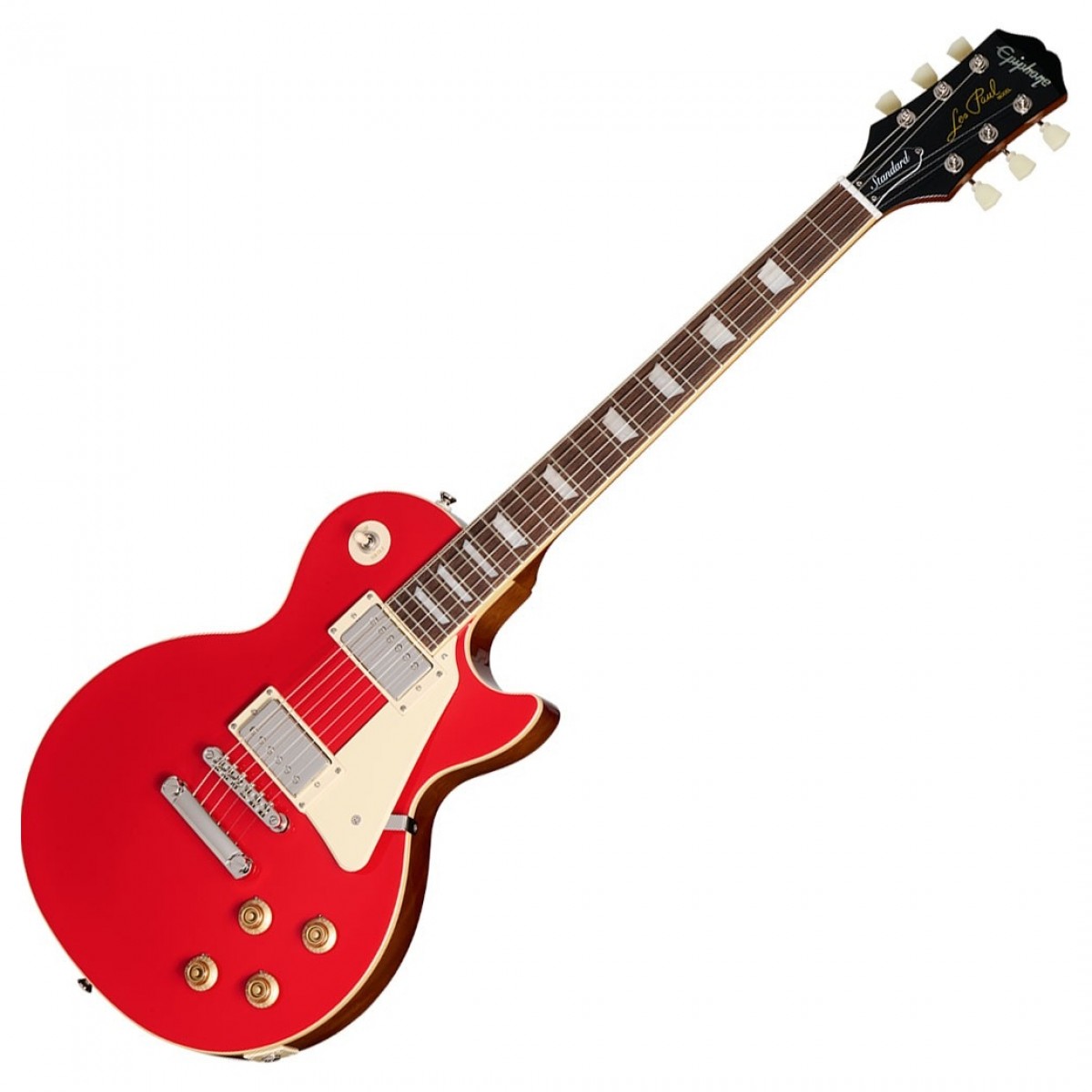
The Epiphone Les Paul Standard 50s is a solid-body electric guitar designed as a faithful tribute to the iconic 1950s Gibson Les Paul. Part of the 'Inspired by Gibson' collection, it features a mahogany body, a AAA flame maple veneer top, and vintage-accurate 50s-style wiring for authentic tonal character.
Background and Design
The Epiphone Les Paul Standard 50s is a key model in the brand's 'Inspired by Gibson' range, designed to bridge the gap between affordable entry-level instruments and high-end American-made counterparts. It seeks to replicate the specifications of the 'Golden Era' of solid-body guitar production, specifically the late 1950s.
A notable aesthetic update in this series is the 'Kalamazoo' headstock shape, which more closely resembles the classic Gibson open-book design than previous Epiphone iterations. The guitar features a traditional mahogany body paired with a maple cap and a visually striking AAA flame maple veneer, providing a premium aesthetic at a accessible price point.
Technical Specifications
The guitar is built around a mahogany neck with a 1959 Rounded Medium C profile, offering a substantial feel that appeals to players who prefer a vintage grip. The fretboard is made of laurel and is adorned with classic trapezoid inlays.
Hardware and internal components are significantly upgraded compared to older budget models. The instrument includes:
- Pickups: Epiphone ProBucker 1 (neck) and ProBucker 2 (bridge) humbuckers.
- Wiring: 50s-style wiring utilizing CTS potentiometers for improved volume and tone tapering.
- Nut: A GraphTech nut for enhanced tuning stability and resonance.
- Bridge: LockTone Tune-o-matic bridge and Stop Bar tailpiece for secure hardware placement.

Tonal Character
Equipped with ProBucker humbuckers, the Les Paul Standard 50s delivers a sound characterized by warmth and articulation. These pickups are designed to mimic the original PAF (Patent Applied For) units of the 1950s, offering a vintage output that avoids excessive harshness. The inclusion of 50s-style wiring ensures that the guitar retains high-end clarity even when the volume is rolled back, making it a versatile choice for blues, rock, and jazz.
Market Context and Comparison
Positioned at a typical price point of approximately £449, this model competes with other vintage-inspired instruments. Within the Gibson family, it serves as an alternative to the more expensive Gibson Les Paul Standard 50s P90. While Fender offers competing models like the American Professional II Stratocaster or the Eric Clapton Stratocaster, the Epiphone provides the specific sustain and weight associated with a mahogany set-neck construction that single-coil bolt-on guitars lack. For those seeking a smaller form factor, the Squier Limited Edition Mini Stratocaster or Stagg SES-30BK provide entry-level alternatives, though they do not offer the full-scale vintage specifications found here.
Artists who play it

Related gear
 £159.00 ($202)
Squier
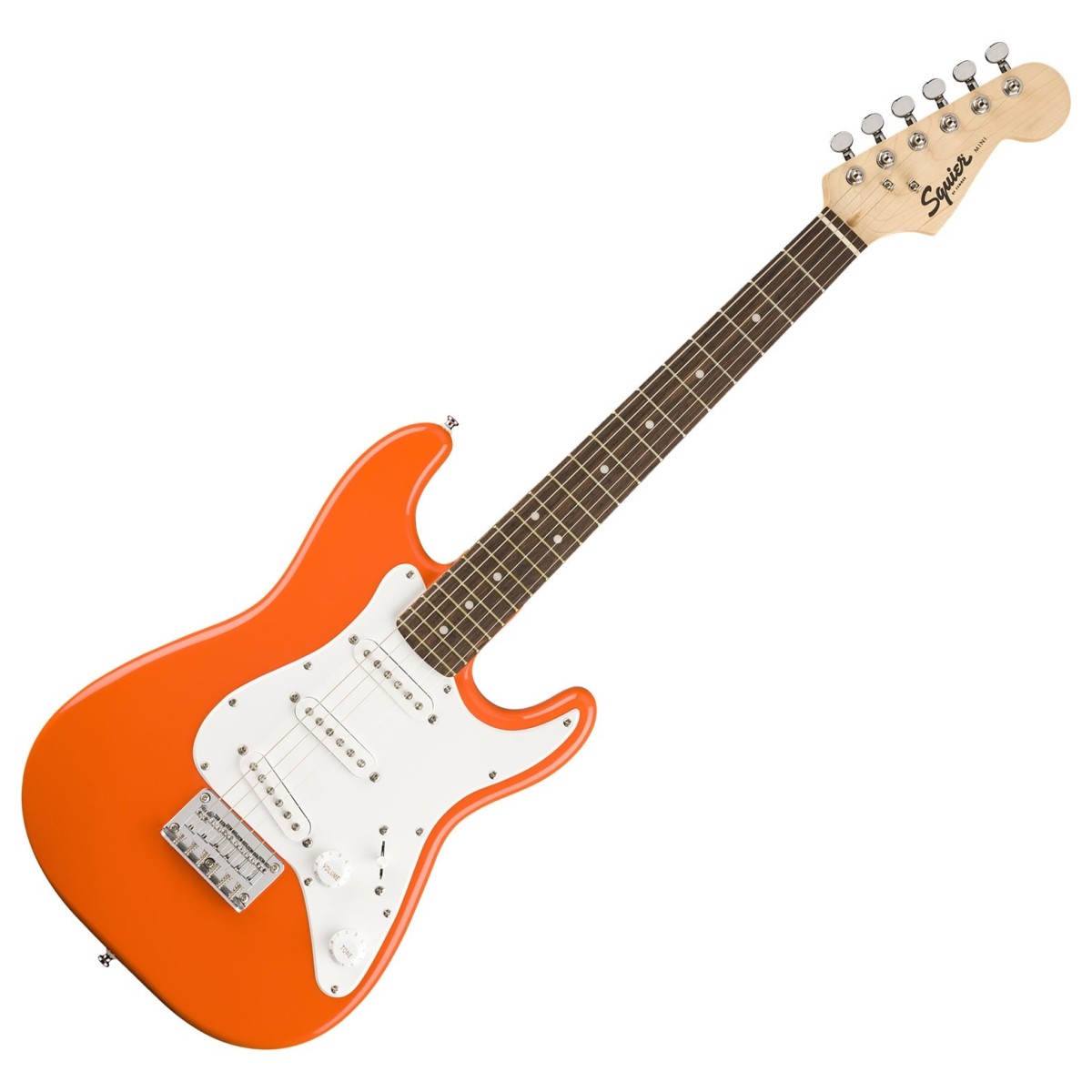
Squier Limited Edition Mini Stratocaster Competition Orange
 £2,199.00 ($2,793)
Gibson
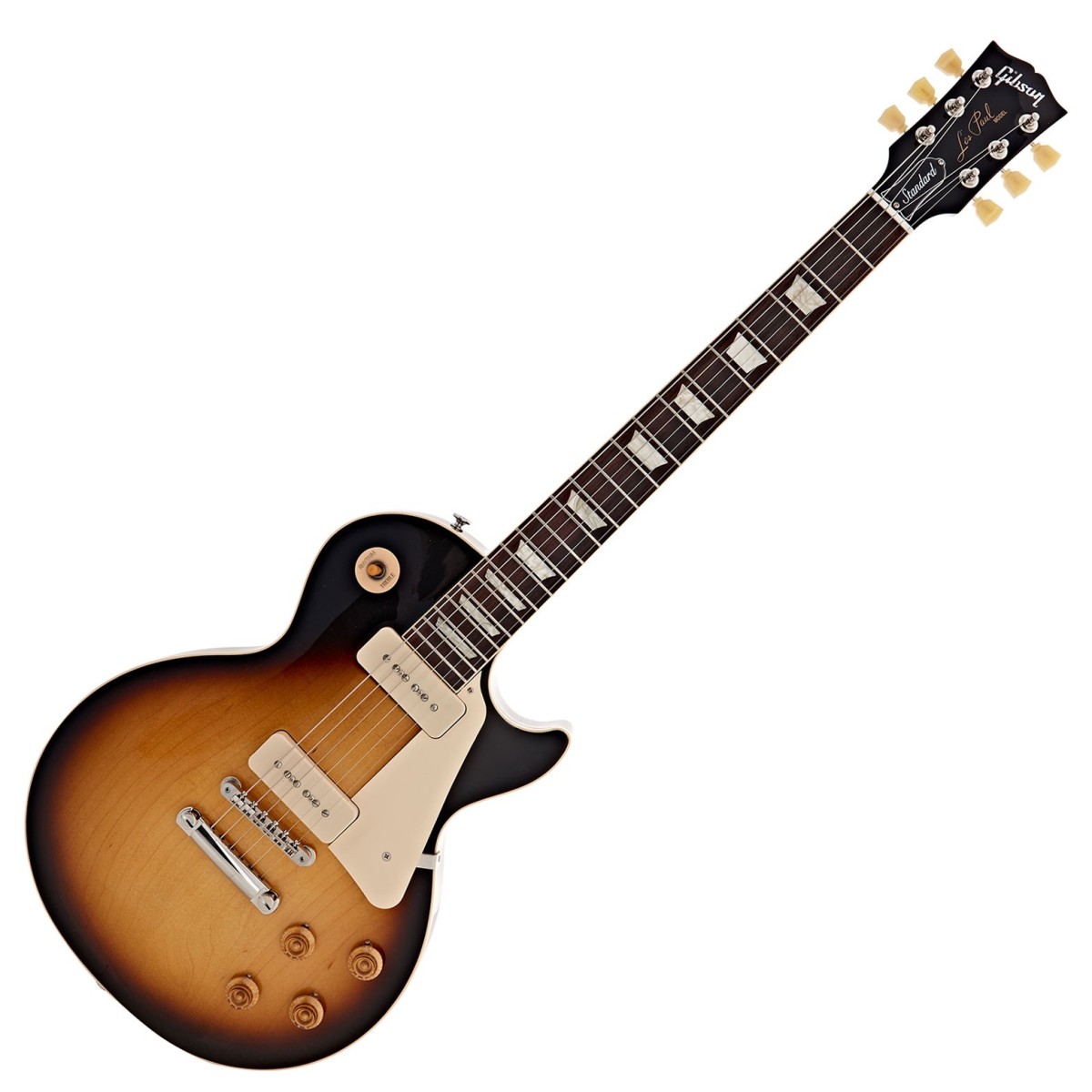
Gibson Les Paul Standard 50s P90 Tobacco Burst #208240297
 £1,599.00 ($2,031)
Fender
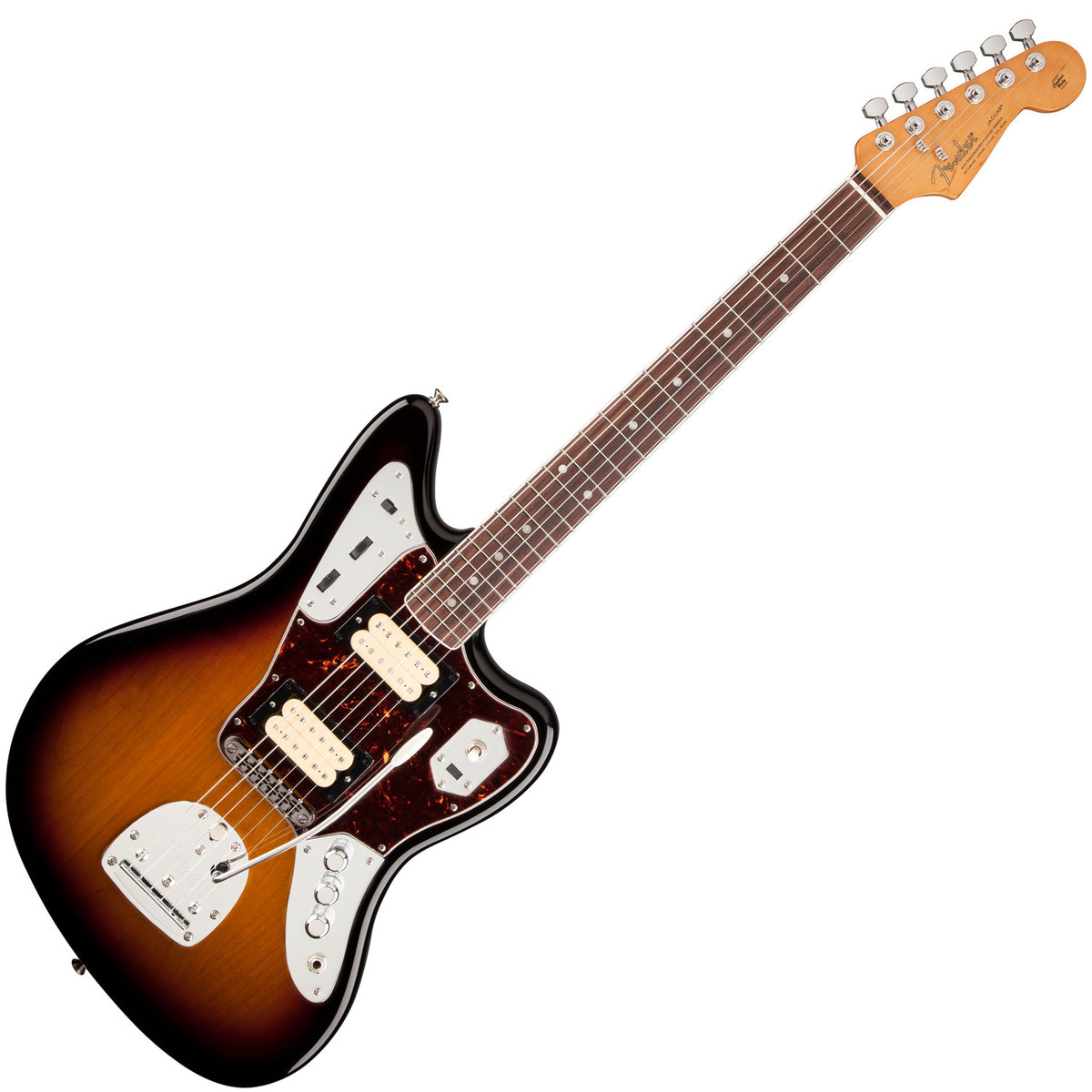
Fender Kurt Cobain Jaguar NOS 3-Tone Sunburst
 £1,499.00 ($1,904)
Fender
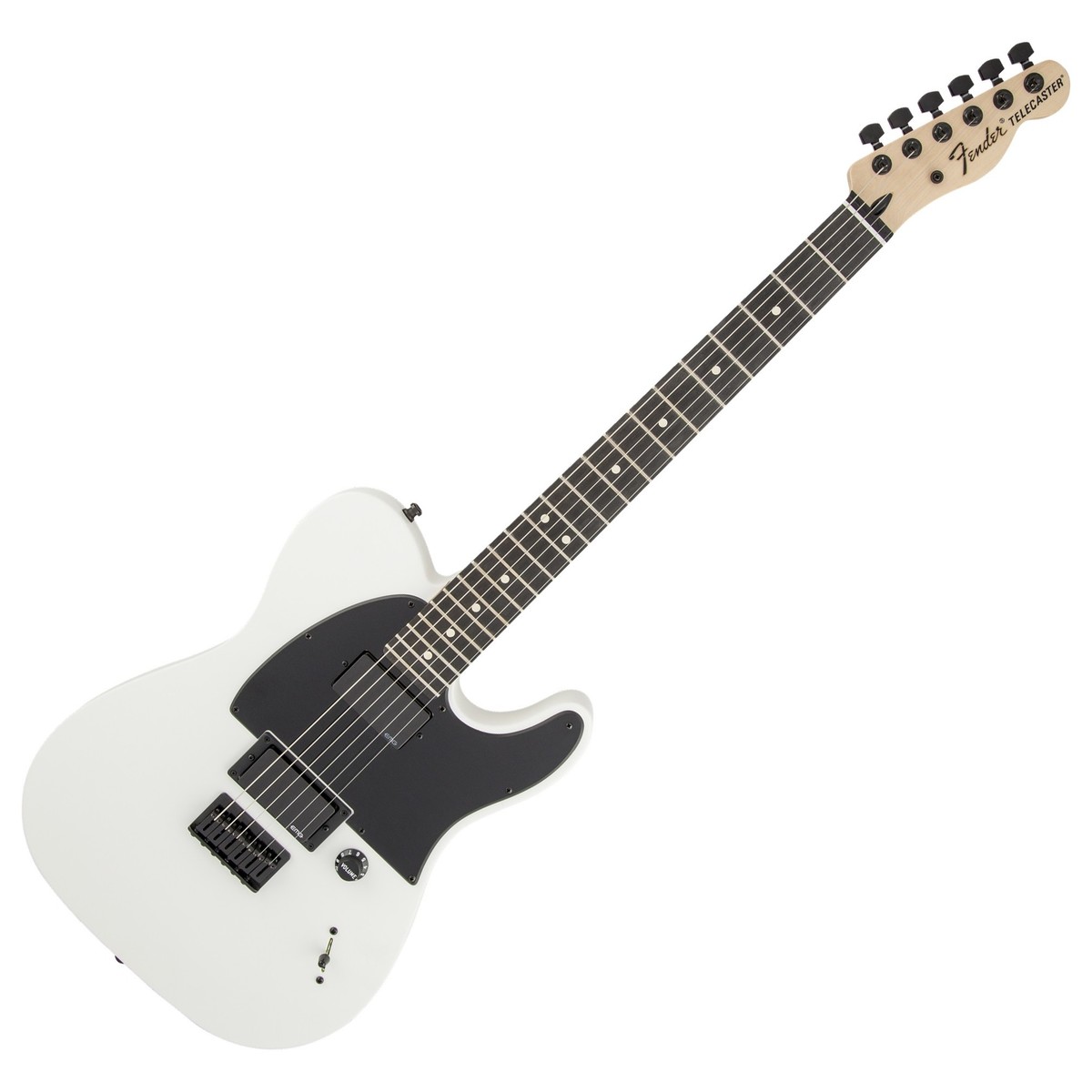
Fender Jim Root Telecaster Flat White
 £2,566.00 ($3,259)
Fender
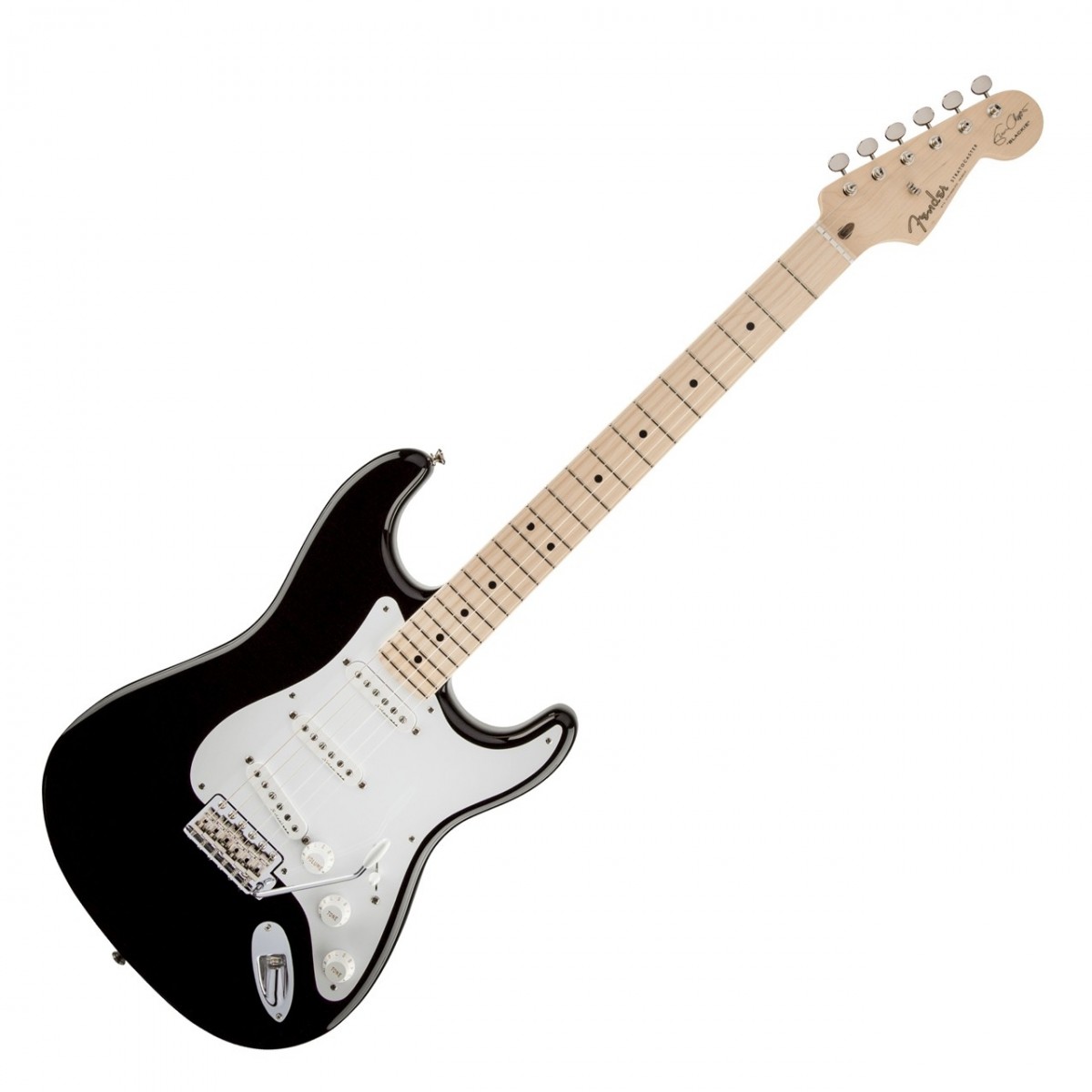
Fender Eric Clapton Stratocaster Black
Frequently asked questions
- What pickups are used in the Epiphone Les Paul Standard 50s?
- The guitar is equipped with ProBucker humbuckers, specifically a ProBucker 1 in the neck position and a ProBucker 2 in the bridge. These are designed to replicate the warm, articulate sound of vintage PAF pickups.
- What is the neck profile of this model?
- This model features a 1959 Rounded Medium C neck profile. It is thicker than the 'SlimTaper' profiles found on 60s models, providing a more substantial, vintage feel in the hand.
- Does the guitar come with a case?
- Yes, this specific 'Inspired by Gibson' model is accompanied by a premium gig bag for protection and portability. This adds value for musicians who need to transport the instrument safely.
- What materials are used for the body?
- The body is constructed from mahogany and is topped with a maple cap. It features a AAA flame maple veneer to provide the high-end look of figured wood found on vintage originals.
- What type of electronics are inside?
- The guitar uses high-quality CTS potentiometers and features 50s-style wiring. This configuration is preferred by many players for the way it preserves treble frequencies when reducing the volume.
- Is the headstock different from older Epiphone models?
- Yes, it features the 'Kalamazoo' headstock shape. This is a more vintage-correct design that closely mirrors the classic Gibson headstock silhouette.
- What is the fretboard material?
- The fretboard is made of laurel, a durable tonewood that provides a similar feel and appearance to rosewood. It is finished with traditional pearloid trapezoid inlays.
- What hardware is used for tuning stability?
- The guitar is fitted with a GraphTech nut and Epiphone Vintage Deluxe tuners. Additionally, it uses the LockTone Tune-o-matic bridge and Stop Bar tailpiece to ensure solid intonation.
- How does it compare to the 60s version?
- The 50s model has a thicker neck profile (Rounded Medium C) and 'Grover' style tuners are often replaced with vintage-style keystones. The 60s version typically features a thinner 'SlimTaper' neck and different pickup voicing.
- What is the scale length of the guitar?
- The guitar features the standard Les Paul scale length of 24.75 inches. This shorter scale length contributes to a slightly lower string tension and easier playability compared to 25.5-inch scale guitars.
- Who are some notable artists associated with the Les Paul?
- The Les Paul design was pioneered by the legendary Les Paul himself. In contemporary music, the model has been used by various high-profile artists, including Taylor Swift.
- What finish options are available for this specific model?
- This specific version is finished in Cardinal Red, providing a bold and distinctive look compared to traditional sunburst finishes while maintaining the vintage 'Inspired by Gibson' aesthetic.