Gear article
Ernie Ball 2151 Earthwood Phosphor Bronze Rock & Blues 10-52
The Ernie Ball 2151 Earthwood Phosphor Bronze Rock & Blues is a specialized set of acoustic guitar strings featuring a unique hybrid gauge of 10-52. Engineered for longevity and a mellow tonal profile, these strings are constructed from a 92% copper, 7.7% tin, and 0.3% phosphorus alloy to resist corrosion and oxidation.
See live pricesOverview
The Ernie Ball Earthwood Phosphor Bronze series represents a staple in the acoustic guitar market, designed to provide a balanced and durable playing experience. The 2151 Rock & Blues set is distinguished by its specific gauge configuration, which pairs lighter treble strings with heavier bass strings. This design allows for easier string bending—a technique common in rock and blues genres—while maintaining a full, resonant low end.
Material and Construction
These strings are manufactured using a specific alloy consisting of 92% copper, 7.7% tin, and 0.3% phosphorus. This chemical composition is chosen for its protective properties; the inclusion of phosphorus helps prevent corrosion caused by sweat and environmental humidity, thereby reducing the rate of oxidation and rust. This manufacturing standard ensures a longer lifespan compared to standard bronze strings while maintaining structural integrity over time.
Tonal Characteristics
The Earthwood Phosphor Bronze strings are known for a 'mellow' sound, contrasting with the brighter, sometimes harsher output of 80/20 bronze alternatives. Key tonal features include:
- Warmth: Rich overtones that provide a full-bodied acoustic voice.
- Clarity: Despite their warmth, they maintain a clear note definition across all six strings.
- Versatility: The tonal profile is neutral enough to suit various genres, from folk to contemporary rock.
Target Audience and Playability
The 'Rock & Blues' designation refers to the 10-52 gauge. By utilizing a .010 for the high E string, players can execute lead lines and bends with less tension than a traditional light acoustic set (.012). Conversely, the .052 low E ensures that rhythm playing and chord work remain punchy and deep. This makes the 2151 set ideal for electric guitarists transitioning to acoustic, or acoustic players who require greater flexibility for expressive techniques. High-profile users of the Earthwood Phosphor Bronze line include Sir Paul McCartney.
Comparison to Alternatives
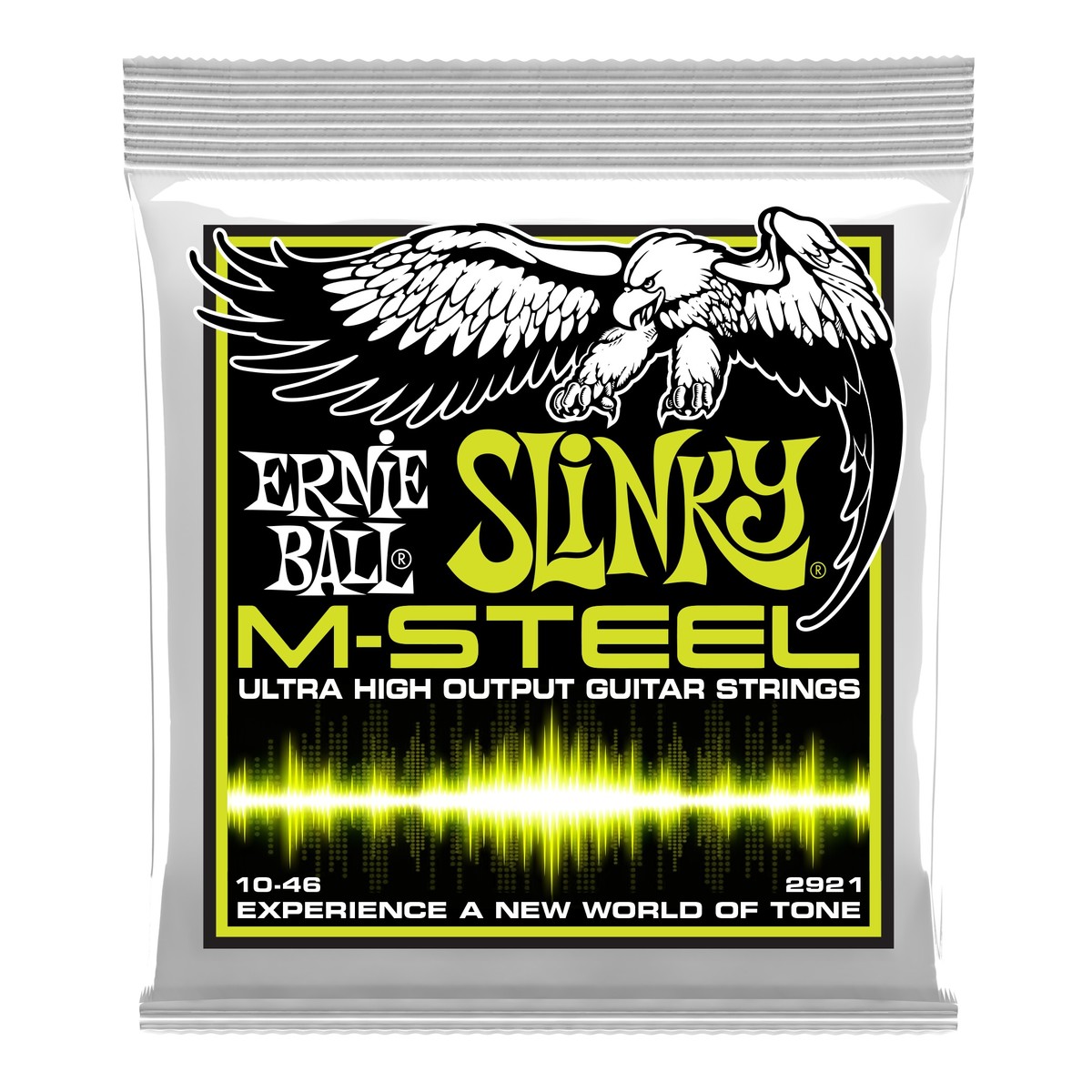
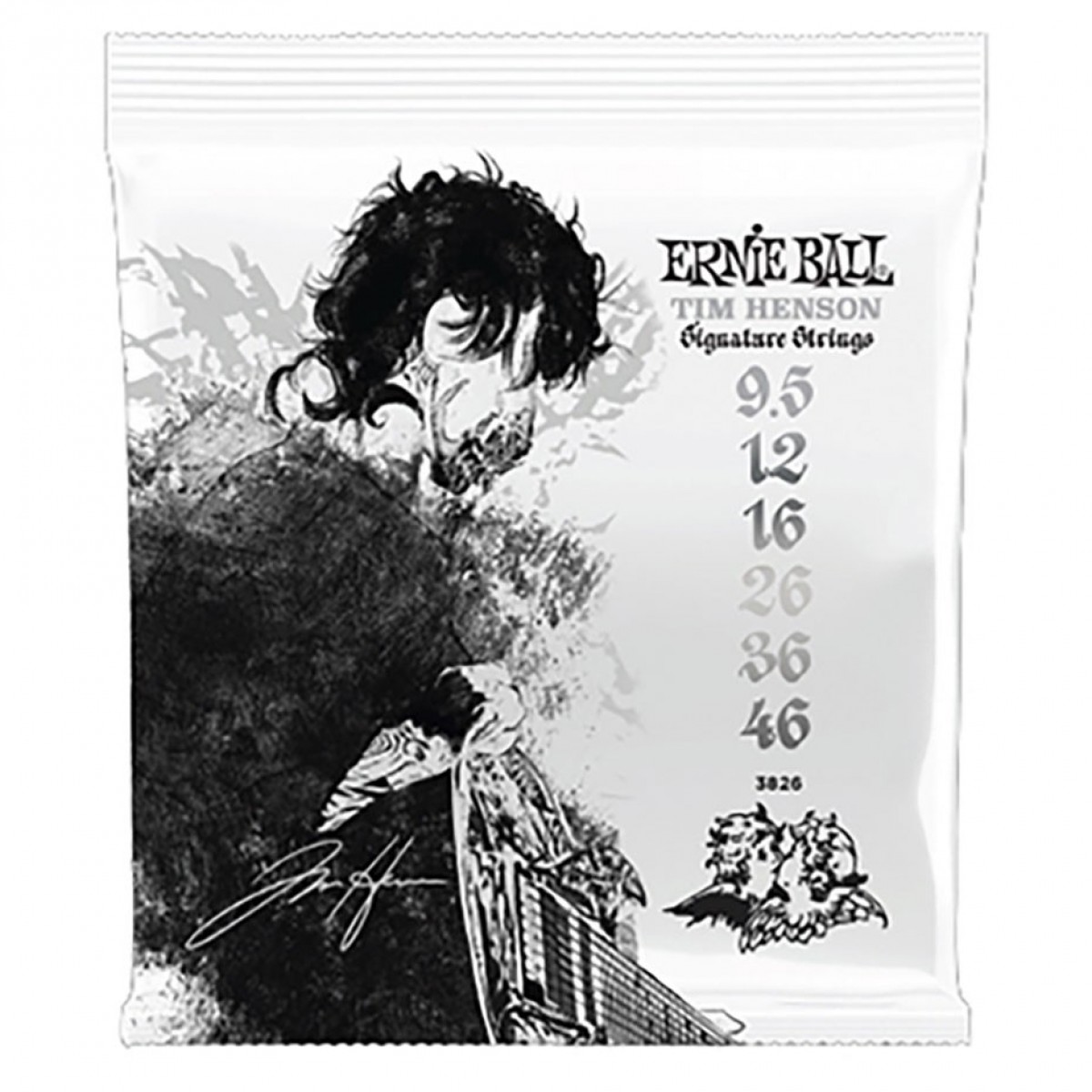
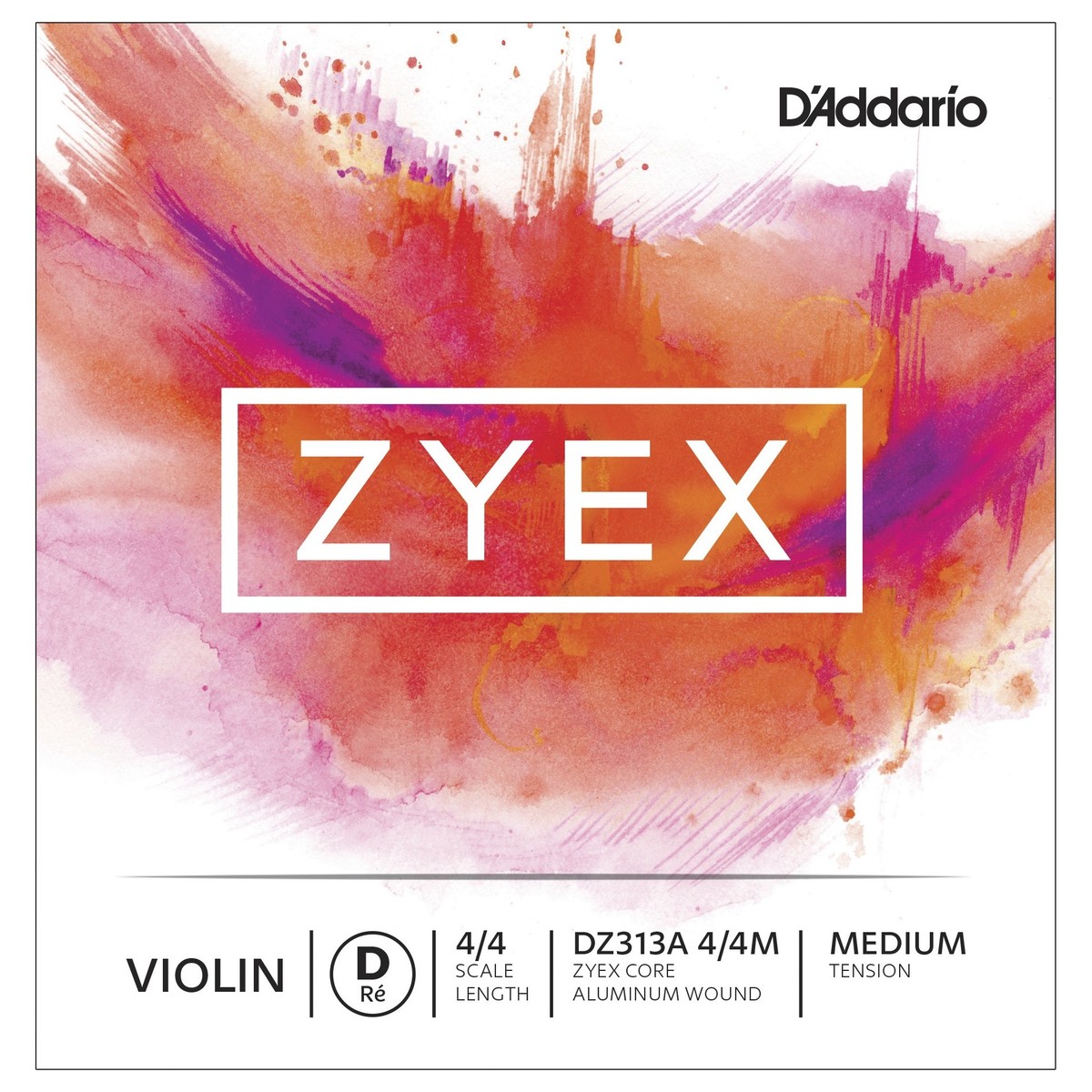
Within the Ernie Ball catalogue, these strings offer a more traditional organic warmth compared to the high-output M-Steel series or the specialized nickel-wound Tim Henson signature sets. Compared to orchestral strings like D'Addario Zyex or Thomastik Spirocore, which are designed for bowed instruments, the Earthwood series is strictly optimized for the percussive and resonant requirements of the acoustic guitar. They are competitively priced at approximately £8, making them an accessible standard for both professional and amateur musicians.
Related gear
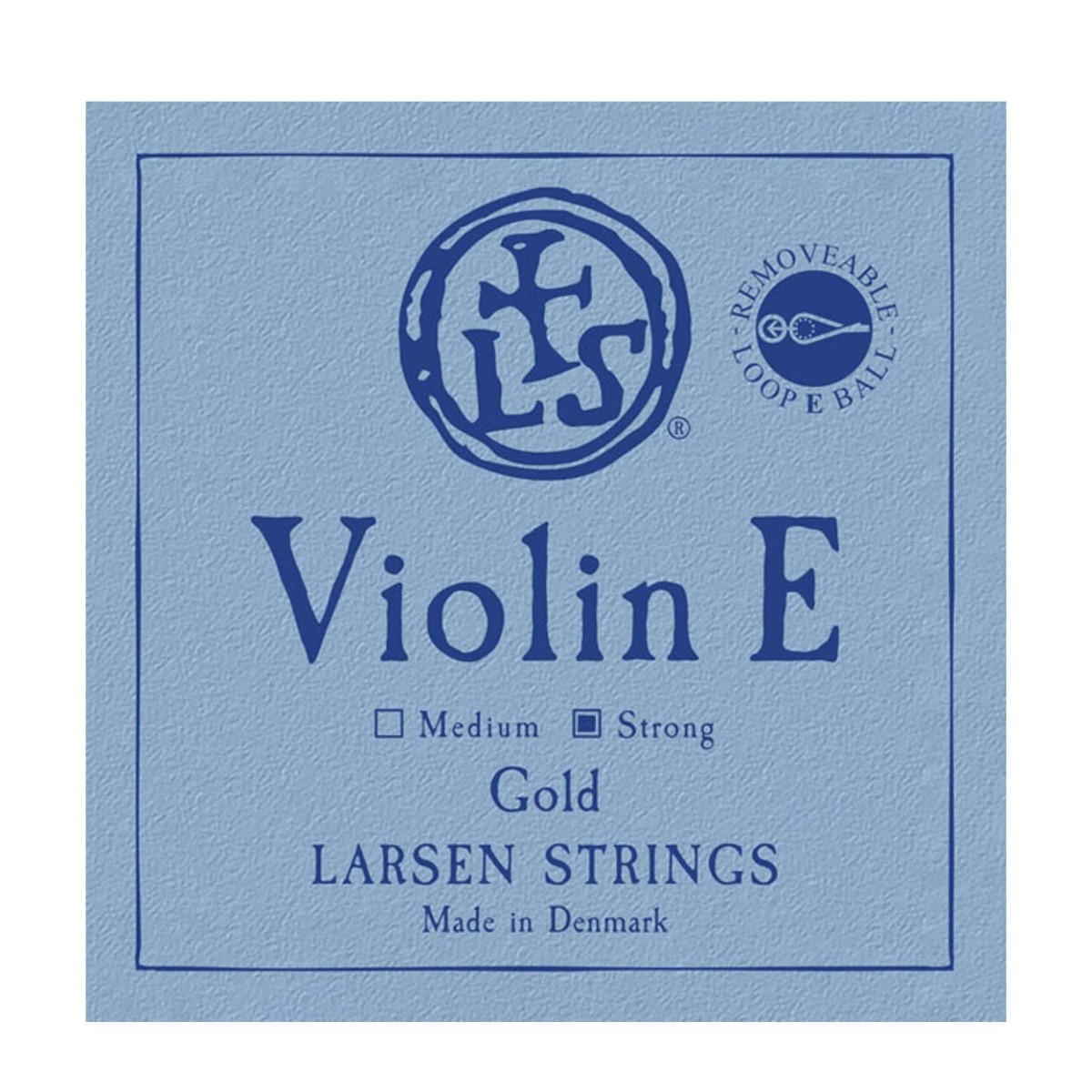 £11.40 ($14)
Larsen Strings
Larsen Violin E String Gold Plated Ball/Loop End Heavy
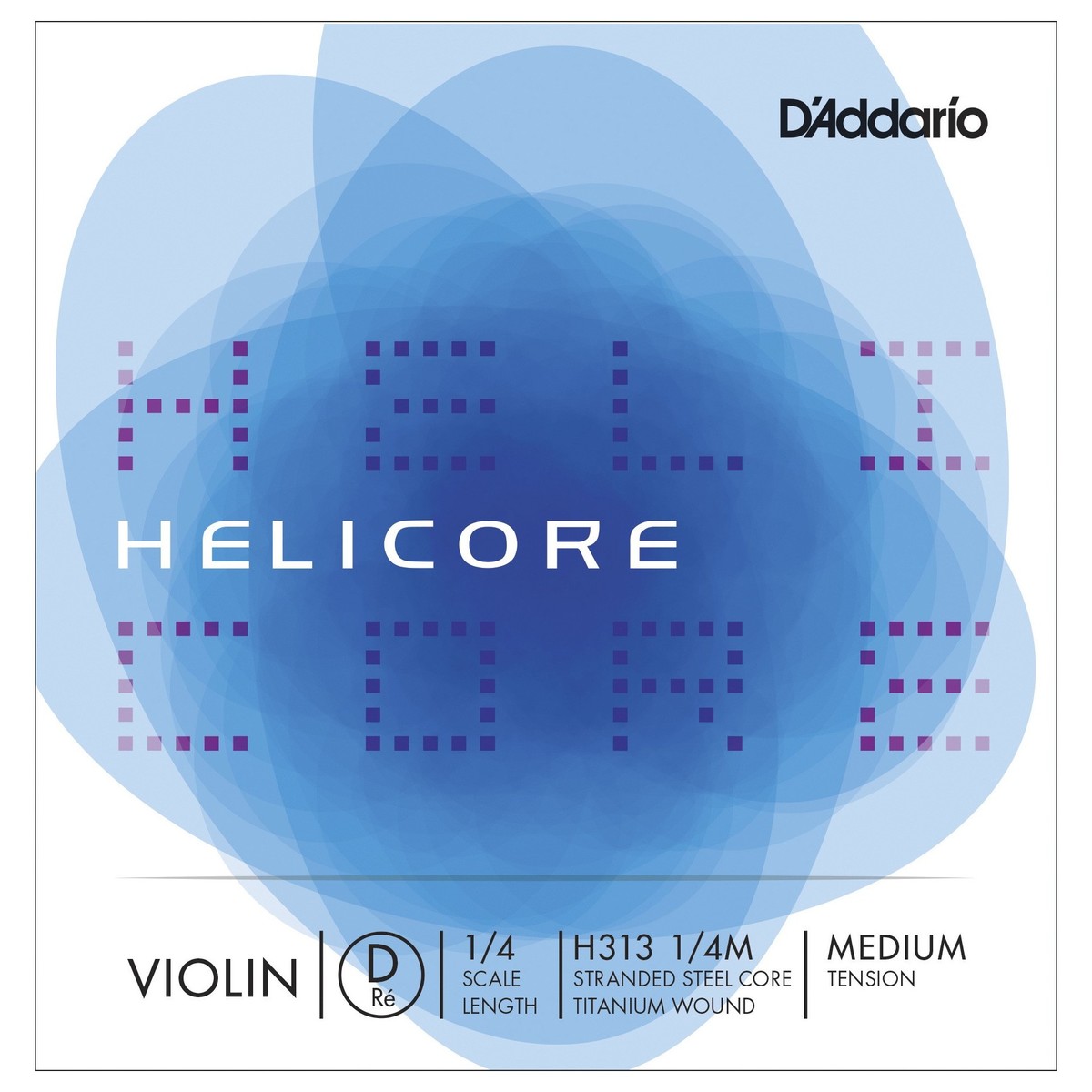 £15.40 ($20)
Daddario
DAddario Helicore Violin D String 1/4 Size Medium
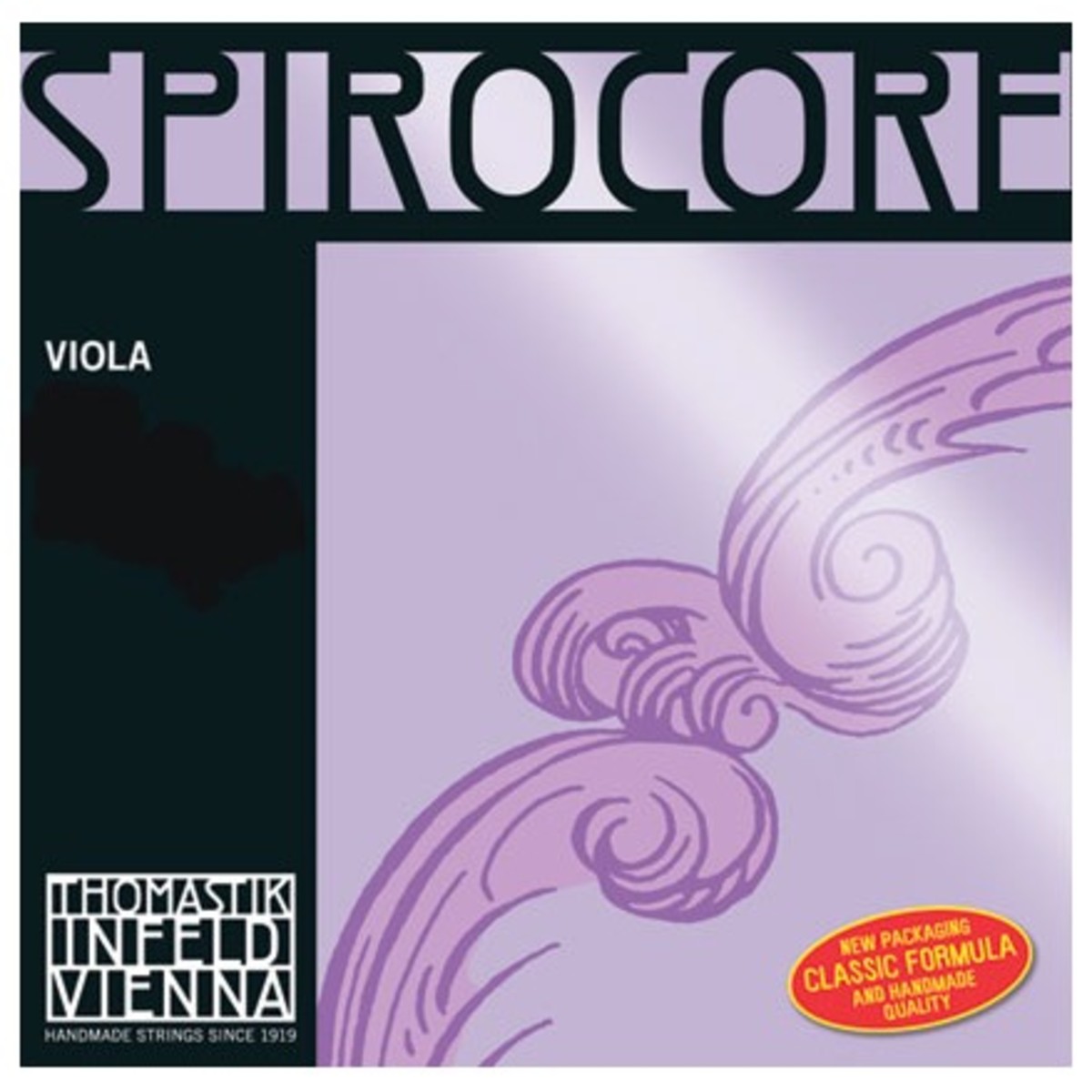 £19.00 ($24)
Thomastik
Thomastik Spirocore Viola G String Chrome Wound 4/4 Size Light
 £14.15 ($18)
Ernie Ball
Ernie Ball 2921 Regular Slinky M-Steel Set 10-46
 £14.99 ($19)
Ernie Ball
Ernie Ball 3826 Tim Henson Signture Slinky Nickel Guitar Strings Set 9.5-46
 £13.60 ($17)
Daddario
DAddario Zyex Violin Aluminum D String 4/4 Size Medium
 £7.99 ($10)
Dunlop
Dunlop Ukulele Concert Pro-4 String Set
 £34.60 ($44)
Larsen Strings
Larsen Cello D String 1/8 Size Medium
Frequently asked questions
- What is the specific alloy used in Ernie Ball Earthwood Phosphor Bronze strings?
- These strings are manufactured from an alloy comprising 92% copper, 7.7% tin, and 0.3% phosphorus. This specific blend is designed to offer a balance of durability and warm tonal characteristics.
- What gauges are included in the Rock & Blues 10-52 set?
- The set features a hybrid gauge starting at .010 for the high E and ending at .052 for the low E. This configuration provides light-gauge playability on the high strings and heavy-gauge resonance on the low strings.
- How does phosphorus affect the longevity of the strings?
- The 0.3% phosphorus content helps prevent corrosion caused by sweat and reduces oxidation. This prevents the formation of rust, which can degrade the string's feel and sound over time.
- What kind of sound can I expect from these strings?
- These strings produce a mellow sound characterized by warm and rich overtones. They are designed to provide a clear audio profile that works across various genres.
- Are these strings suitable for beginners?
- Yes, they are particularly suitable for beginners or electric guitarists because the 10-gauge high strings are easier to press down and bend than standard heavy acoustic strings. However, they still provide a full acoustic sound due to the 52-gauge low end.
- Who is a notable artist known for using Earthwood Phosphor Bronze strings?
- Paul McCartney is a notable professional musician who uses Ernie Ball Earthwood Phosphor Bronze strings. This association highlights the string's reliability for professional recording and performance.
- Can these strings be used for genres other than Rock and Blues?
- Absolutely. While the gauge is optimized for the bending techniques of rock and blues, the manufacturer states they produce a clear sound that works well with any genre and playing style.
- How do these compare to Ernie Ball M-Steel strings?
- The Earthwood Phosphor Bronze strings are designed for acoustic guitars with a focus on mellow warmth. In contrast, M-Steel strings (like the 2921 set) are electric guitar strings designed for high output and maximum volume.
- What is the typical price range for this string set?
- The Ernie Ball 2151 Earthwood Phosphor Bronze Rock & Blues set typically retails for approximately £8.00 in the UK. Prices may vary slightly depending on the retailer.
- Are these strings coated or uncoated?
- These are traditional uncoated strings, but they use their specific phosphor bronze alloy to naturally resist corrosion. They do not feature a synthetic polymer coating.
- What is the primary difference between Earthwood Phosphor Bronze and standard 80/20 bronze?
- Phosphor bronze typically offers a more mellow and warm tone with increased longevity due to the phosphorus content. 80/20 bronze strings are generally brighter and crisper initially but may lose their 'zip' faster.
- Where are Ernie Ball strings manufactured?
- Ernie Ball strings are manufactured to high standards in the United States. The brand is well-known for maintaining strict quality control across their Earthwood and Slinky product lines.