
Gear article
Ernie Ball 6180 Junior Volume Pedal
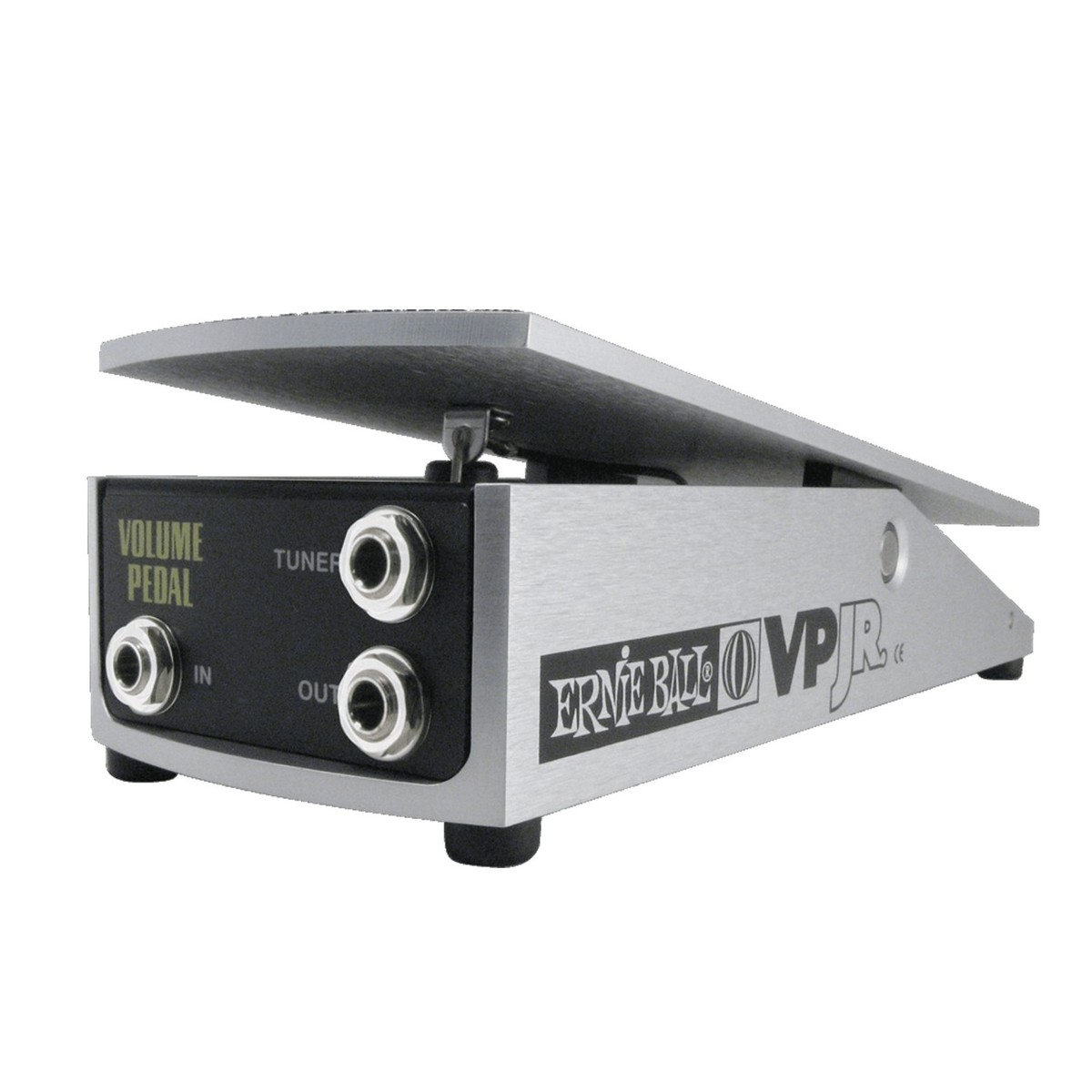
The Ernie Ball 6180 Junior Volume Pedal is a compact utility device designed for guitarists to control output levels and perform volume swells. Based on the original Ernie Ball design, it features a billet aluminium housing and is specifically voiced for passive signals.
Overview
The Ernie Ball 6180 Junior Volume Pedal is a rugged, foot-controlled attenuator designed to manage signal levels on a pedalboard. It is a reduced-footprint version of the classic Ernie Ball volume pedal, offering a 22% reduction in size to accommodate modern, crowded signal chains without sacrificing the durable build quality associated with the brand.
Design and Construction
The unit is constructed from a billet aluminium housing, making it virtually indestructible and highly suitable for professional gigging environments. The mechanical operation relies on a string-and-spring tension system, providing a smooth throw. Its compact chassis ensures it occupies less space than traditional large-format volume pedals while maintaining the same vertical travel and tactile feedback.
Key Features and Circuitry
This pedal is specifically voiced for passive signals, making it ideal for placement directly after a guitar with passive pickups. A notable internal feature is the micro taper switch, located directly behind the input jack under the footplate. This switch allows the user to toggle between two distinct volume swell rates, catering to different playing styles or musical genres.
User Suitability
The 6180 Junior is aimed at guitarists who require precise control over their dynamics and gain stages. Because it is voiced for passive signals, it is particularly effective for players who want to clean up a distorted amplifier tone by backing off the volume at the start of their signal chain. Its compact size makes it a preferred choice for musicians building medium-to-large pedalboards where space is at a premium.
Market Comparisons
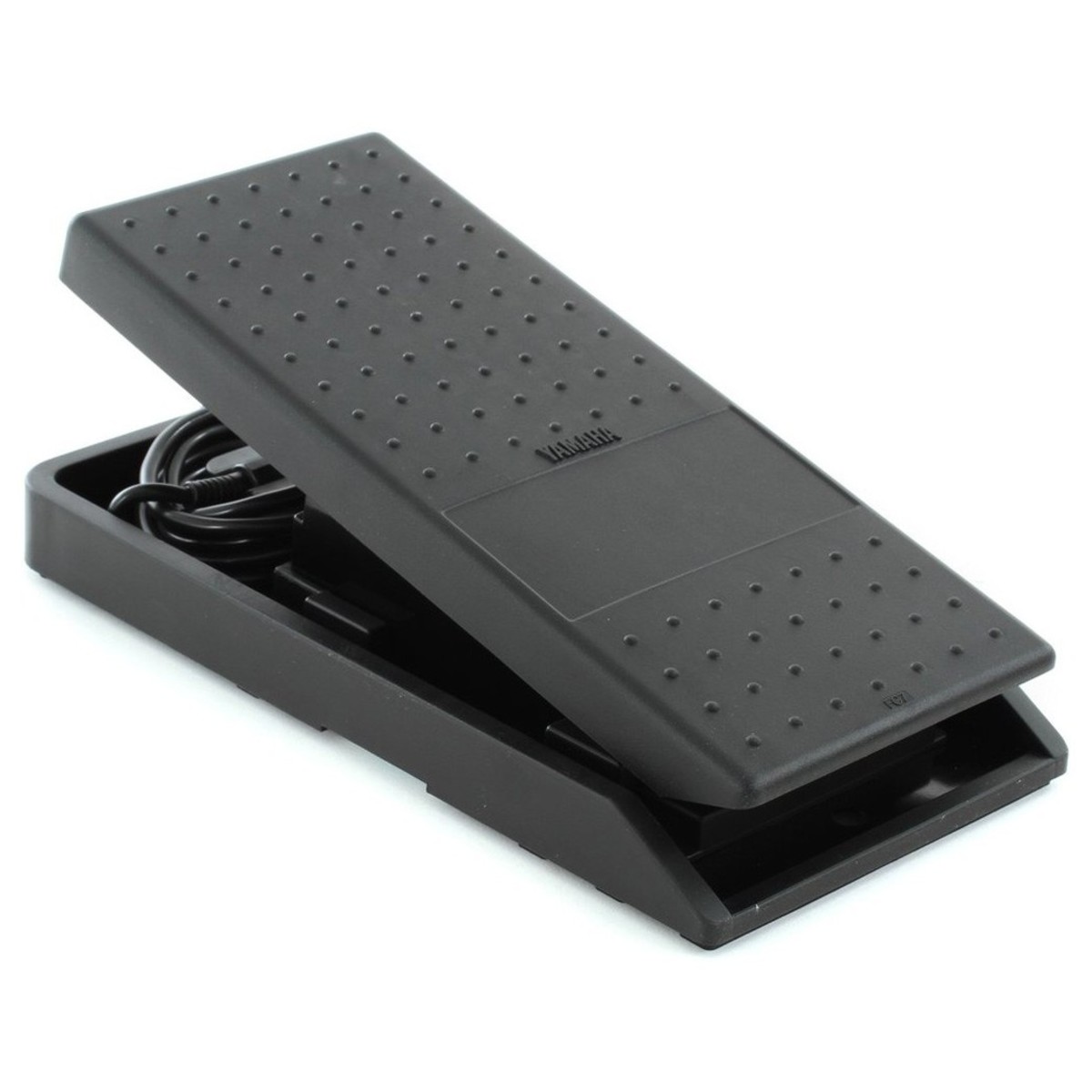
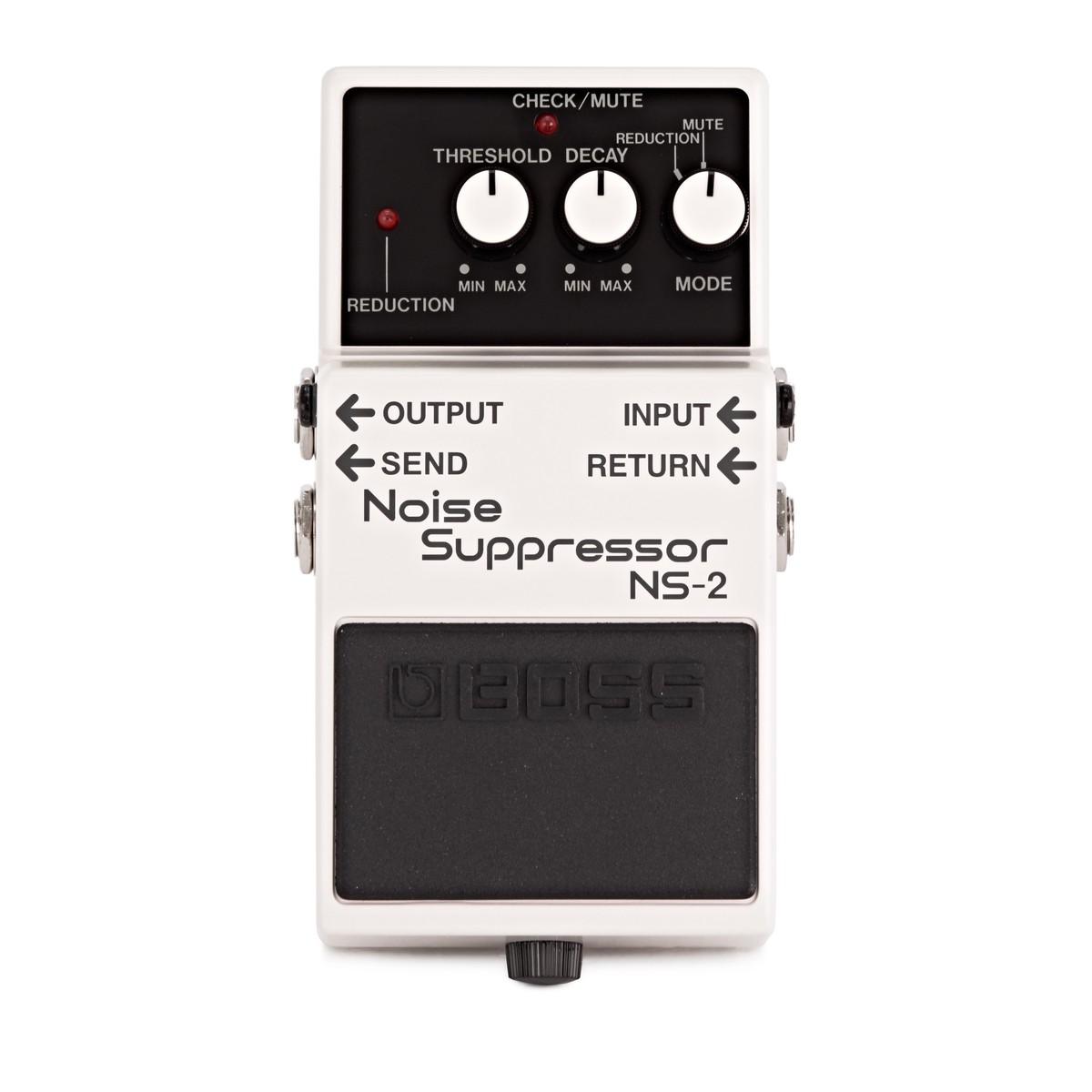
Within the market for expression and control pedals, the Ernie Ball Junior occupies a mid-to-high-tier position. While more affordable alternatives like the Behringer UC200 or specialized pedals like the Boss NS-2 Noise Suppressor serve different functions, the 6180 competes directly with robust utility pedals. Unlike the Yamaha FC7, which is primarily an expression pedal for keyboards, the Ernie Ball 6180 is a dedicated audio signal attenuator. It offers a more traditional mechanical feel compared to digital alternatives like the Digitech Whammy Ricochet's momentary switching.
Related gear
 £97.00 ($123)
Electro Harmonix
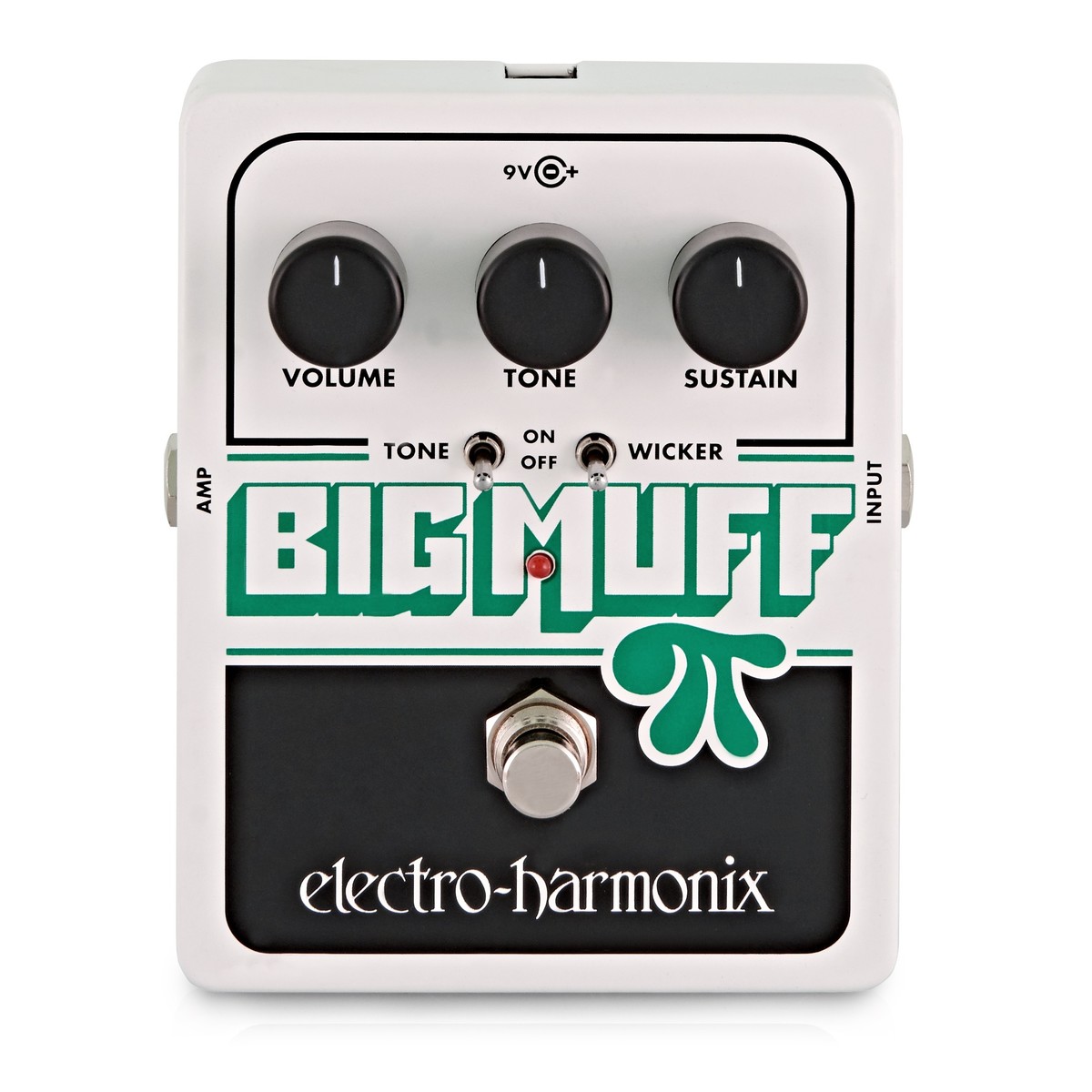
Electro Harmonix Big Muff Distortion Sustainer w/ Tone Wicker
 £119.00 ($151)
Digitech
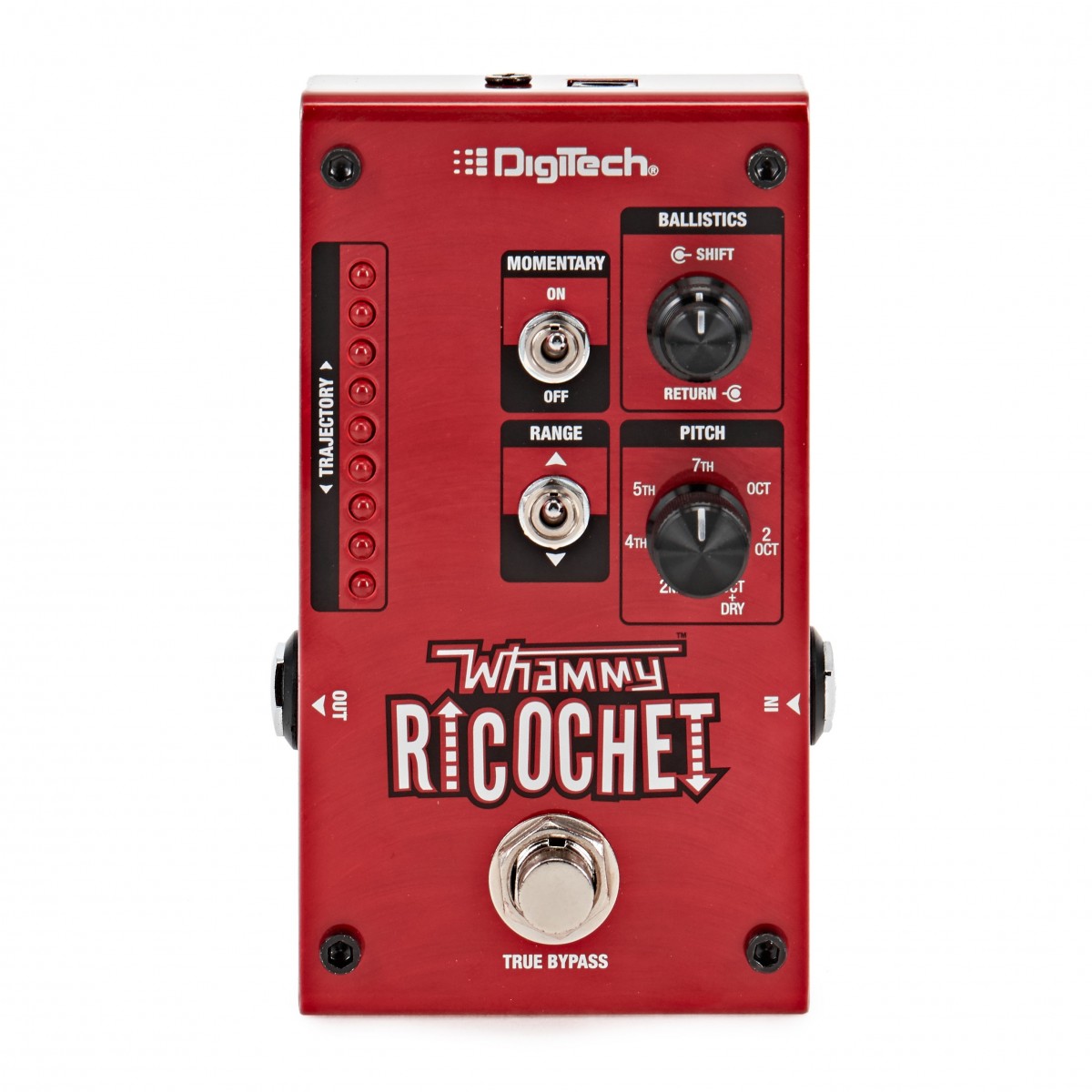
Digitech Whammy Ricochet Guitar Effects Pedal
 £85.00 ($108)
Fender
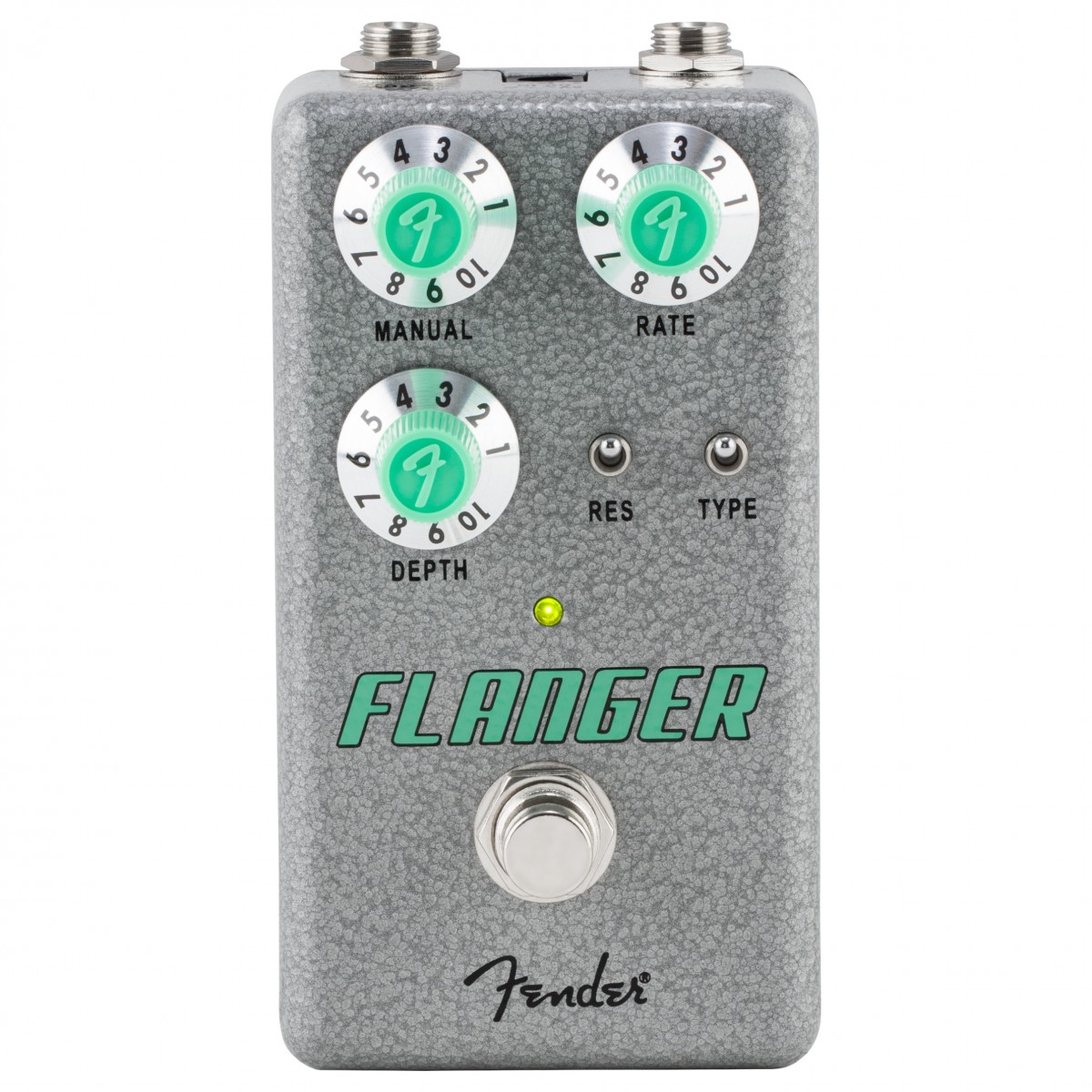
Fender Hammertone Flanger Pedal
 £23.00 ($29)
Behringer
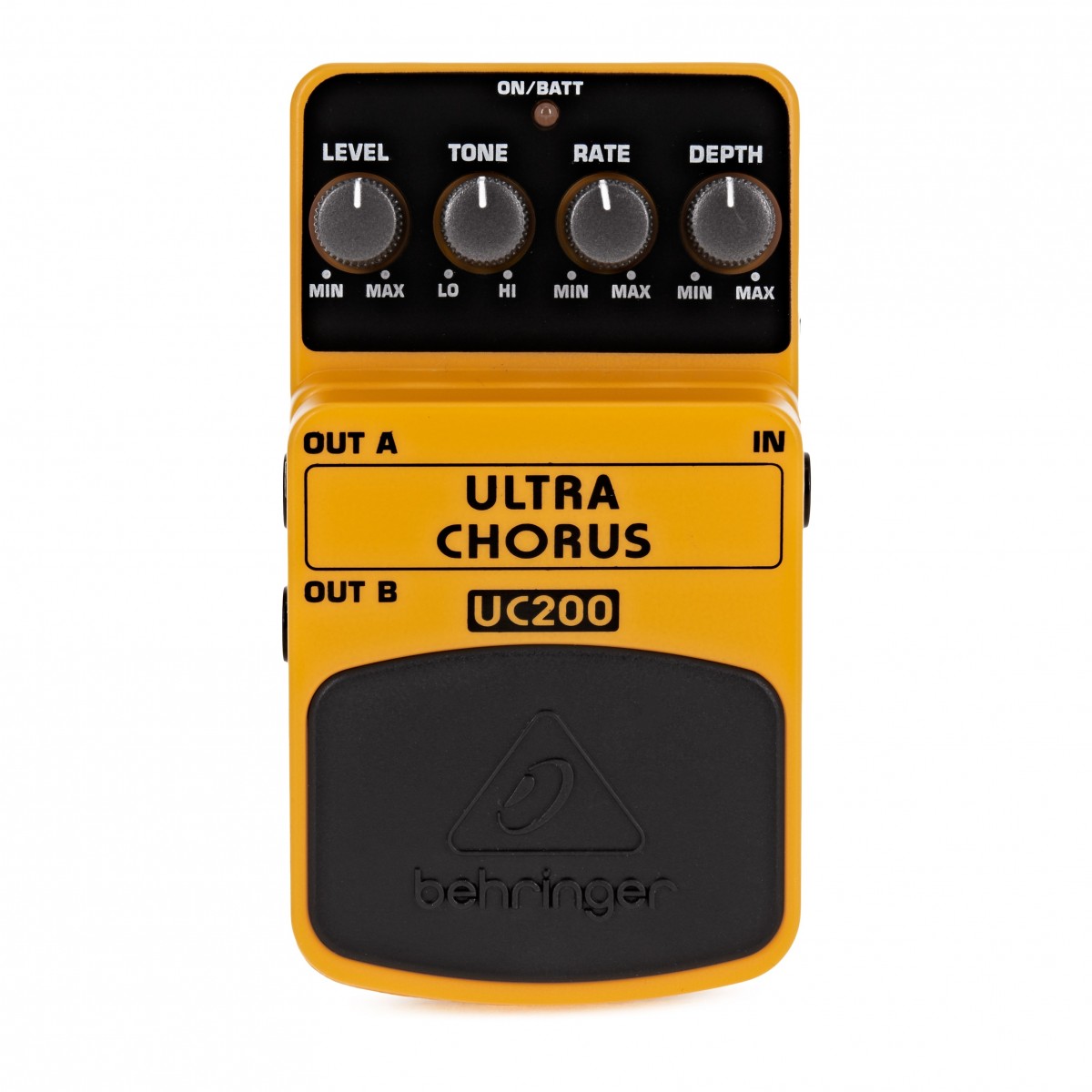
Behringer UC200 Ultra Chorus Pedal
 £259.00 ($329)
Dunlop
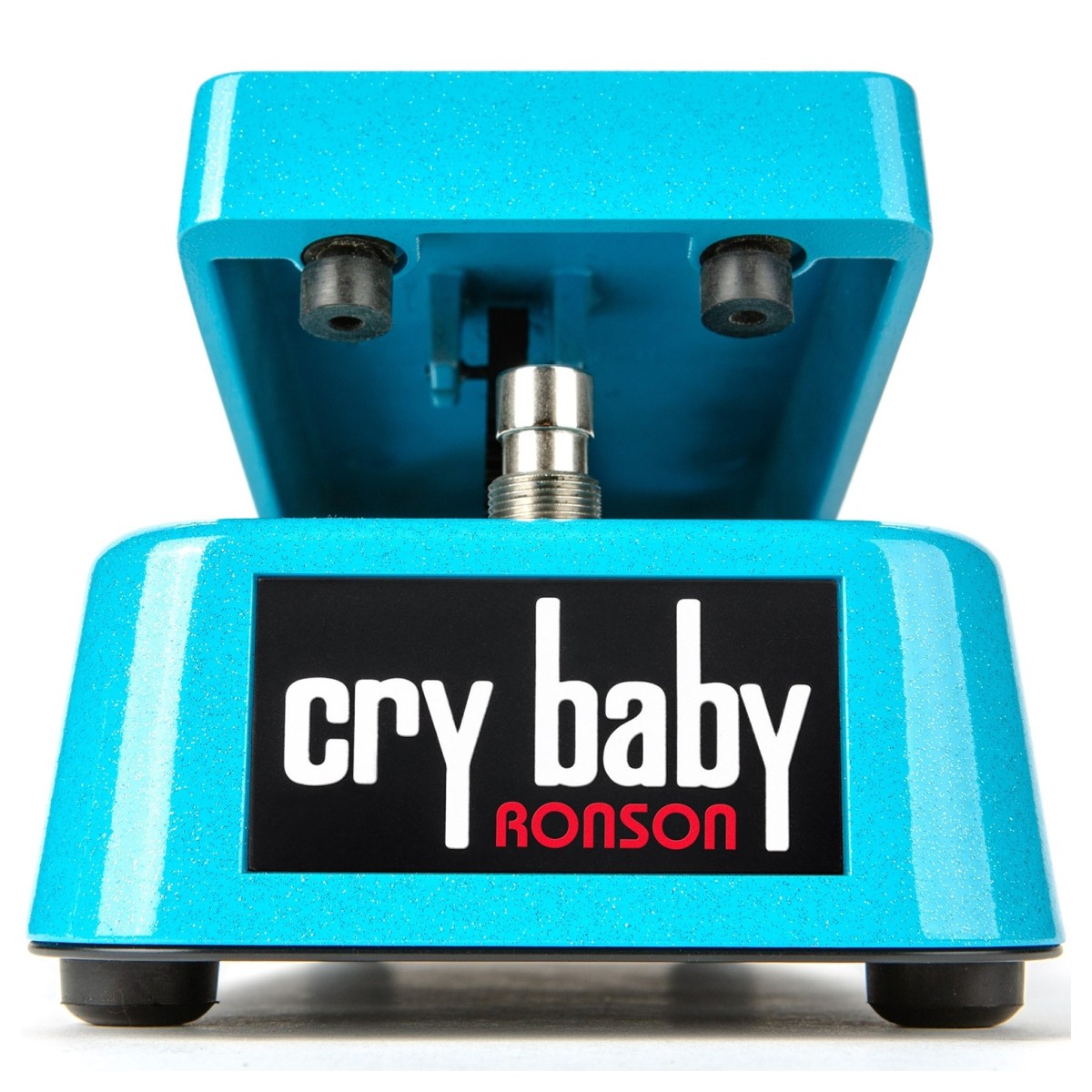
Dunlop Mick Ronson Cry Baby Wah
- £78.60 ($100)
Yamaha
Yamaha FC7 Expression Pedal
 £175.00 ($222)
Boss
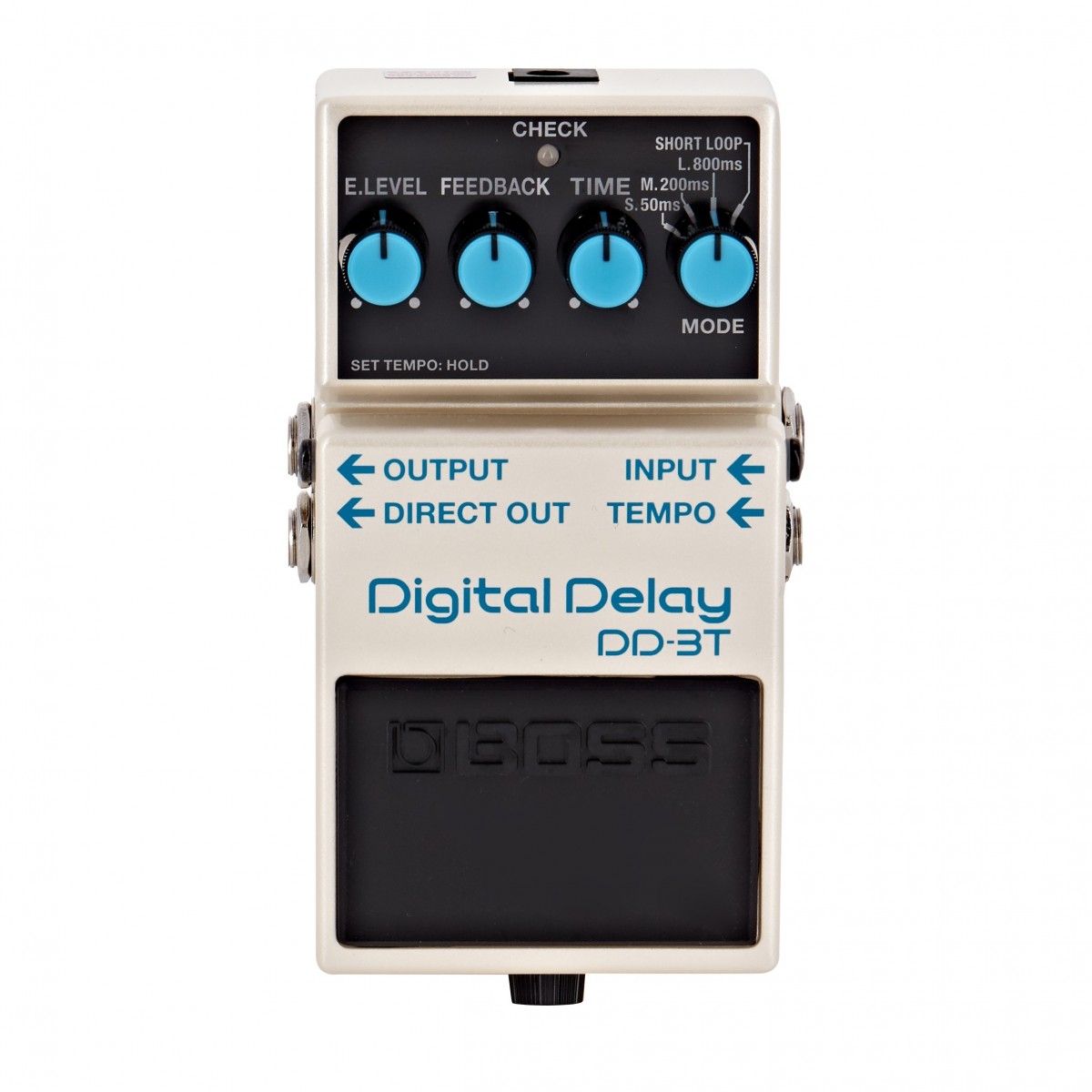
Boss DD-3T Digital Delay Pedal
 £99.10 ($126)
Boss
Boss NS-2 Noise Suppressor Guitar Pedal
Frequently asked questions
- What is the primary function of the Ernie Ball 6180 Junior?
- The primary function is to provide foot-controlled volume attenuation for guitarists. It allows for hands-free adjustment of signal levels and the creation of 'swell' effects during performance.
- How much smaller is the Junior version compared to the original Ernie Ball volume pedal?
- The Junior version features a footprint that is reduced by 22% compared to the original design. This makes it significantly more space-efficient for modern pedalboards.
- What type of signal is this pedal voiced for?
- This pedal is specifically voiced for passive signals. It is designed to work optimally with guitars that utilize passive pickups rather than active, battery-powered electronics.
- What material is the housing made from?
- The housing is made from billet aluminium. This choice of material ensures the pedal is virtually indestructible and can withstand the rigours of professional touring.
- Where is the micro taper switch located?
- The micro taper switch is located directly behind the input jack, underneath the footplate. Users must access this internal area to adjust the swell rate settings.
- What does the micro taper switch do?
- The switch provides the user with two distinct volume swell rates. This allows the player to choose between different response curves for how the volume increases as the pedal is depressed.
- Is the Ernie Ball 6180 suitable for gigging?
- Yes, its rugged design and billet aluminium construction make it ideal for gigging. It is built to be a durable 'workhorse' component of a live performance rig.
- Does this pedal require a power supply?
- As a passive volume pedal designed for passive signals, it typically does not require external power to function for volume attenuation. However, users should check their specific signal chain requirements.
- How does the size of this pedal affect pedalboard layout?
- Because it is 22% smaller than the original, it allows for more room for other effects like the Boss DD-3T Digital Delay or Electro Harmonix Big Muff. It helps maximize the available real estate on a standard board.
- Can this be used as an expression pedal for other devices?
- The 6180 is primarily a volume pedal; for dedicated expression tasks, devices like the Yamaha FC7 are often used. Using a volume pedal as an expression pedal usually requires specific cable adapters and depends on the receiving device's requirements.
- What is the typical price for this model?
- The typical price range for the Ernie Ball 6180 Junior Volume Pedal is approximately £149. Prices may vary slightly depending on the retailer and shipping costs.
- Is the pedal's action adjustable?
- While the physical tension is generally set by the spring and string mechanism, the swell rate can be adjusted via the micro taper switch to change the electronic response of the volume sweep.