Gear article
Ernie Ball Skinny Slinky 2715 Cobalt Guitar Strings
The Ernie Ball Skinny Slinky 2715 Cobalt Guitar Strings are a high-output set designed with a 10-52 gauge profile and a patented cobalt alloy wrap. These strings are engineered to provide an extended dynamic range and enhanced harmonic response compared to traditional nickel-plated steel strings.
See live pricesOverview and Construction
The Ernie Ball 2715 Cobalt Skinny Top Heavy Bottom set represents a significant departure from standard string manufacturing. While most electric guitar strings use nickel-plated steel or pure nickel for the wrap wire, these strings utilize a cobalt-iron alloy.
Cobalt is notably more magnetically active than nickel, which manufacturer data suggests creates a stronger relationship between the strings and the guitar's pickups. The 'Skinny Slinky' hybrid gauge (10-52) combines the high-end playability of a light set with the reinforced low-end tension of a heavy set, making it a popular choice for drop tunings and aggressive rhythm playing.
Sonic Characteristics
The primary design goal of the Cobalt Slinky series is to maximise output and clarity. The material properties result in a wider dynamic range and an increased harmonic response across the frequency spectrum.
- High End: Described as crisp and clear, providing more 'bite' than standard alloys.
- Low End: Features an increased bass response, which is particularly effective for the 52-gauge E-string in this set.
- Output: The magnetic properties of cobalt result in a slightly higher signal reaching the amplifier.
Target Audience
The 10-52 gauge profile is specifically suited for guitarists who find standard 10-46 sets too loose on the lower strings. This set allows for easier lead work on the top strings (10, 13, 17) while providing the stability required for heavy riffing or down-tuning on the bottom strings (30, 42, 52). Players seeking a modern, aggressive sound with enhanced clarity often prefer the Cobalt alloy over traditional alternatives.
Comparison to Alternatives
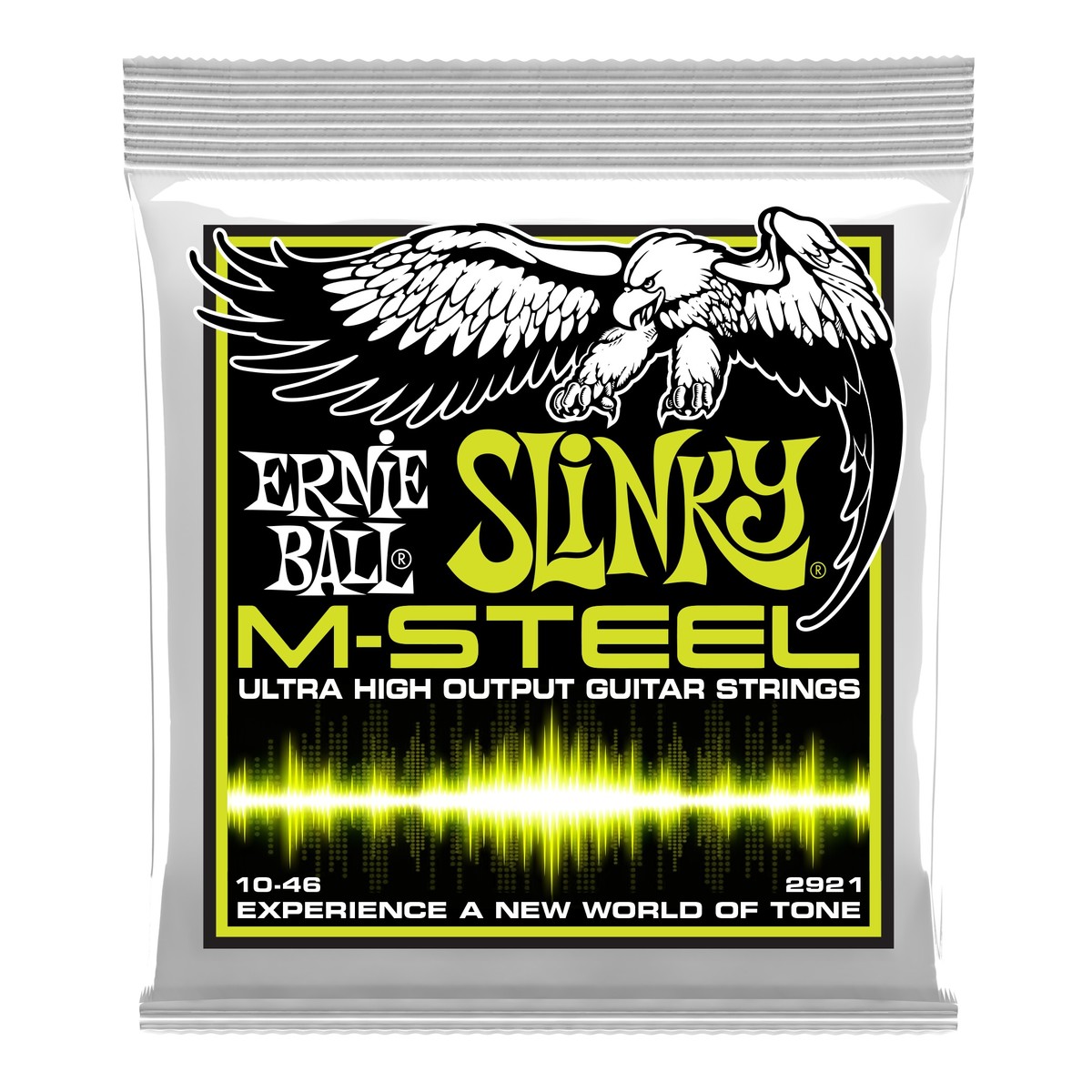
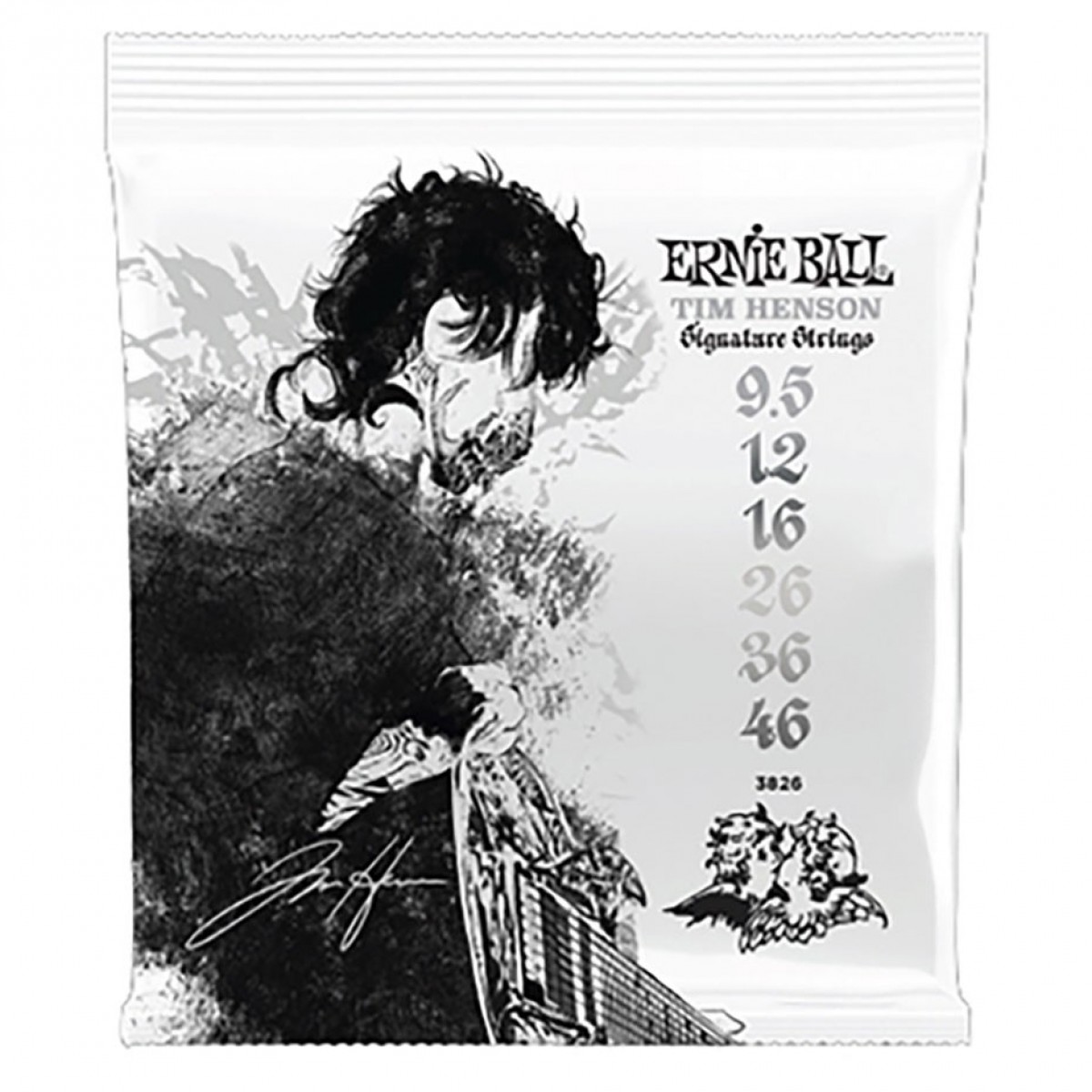
Within the Ernie Ball catalogue, the Cobalt 2715 sits alongside other premium offerings such as the 2921 M-Steel set, which uses a maraging steel core for even higher output. For players preferring a more traditional tone, the 3826 Tim Henson Signature Slinky strings provide a nickel-based alternative with a different custom gauge (9.5-46).
When compared to orchestral strings like D'Addario Zyex or Helicore violin strings, the Cobalt Slinky is strictly an electric instrument product, relying on magnetic induction rather than the acoustic resonance properties required by bowed instruments like the cello or viola.
Related gear
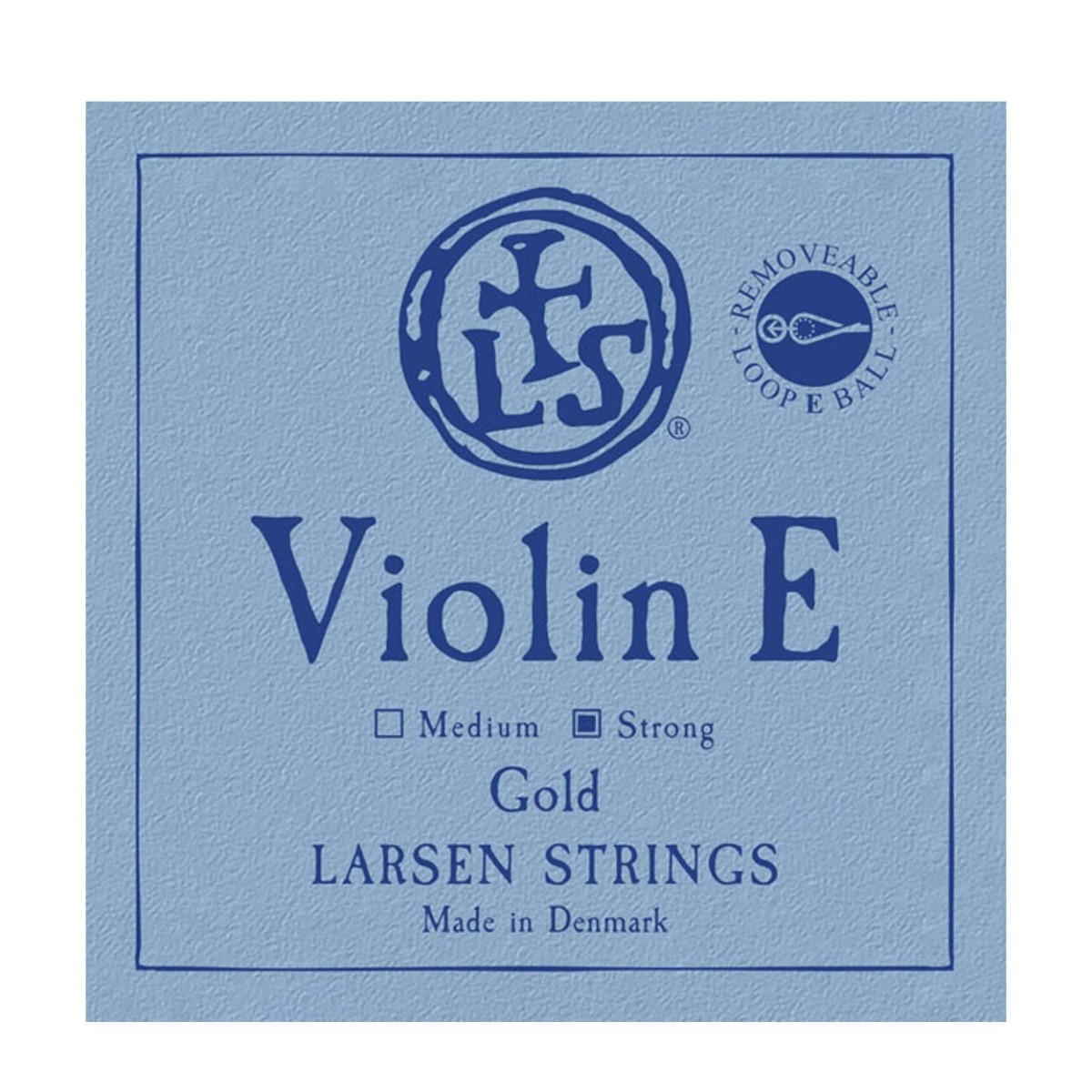 £11.40 ($14)
Larsen Strings
Larsen Violin E String Gold Plated Ball/Loop End Heavy
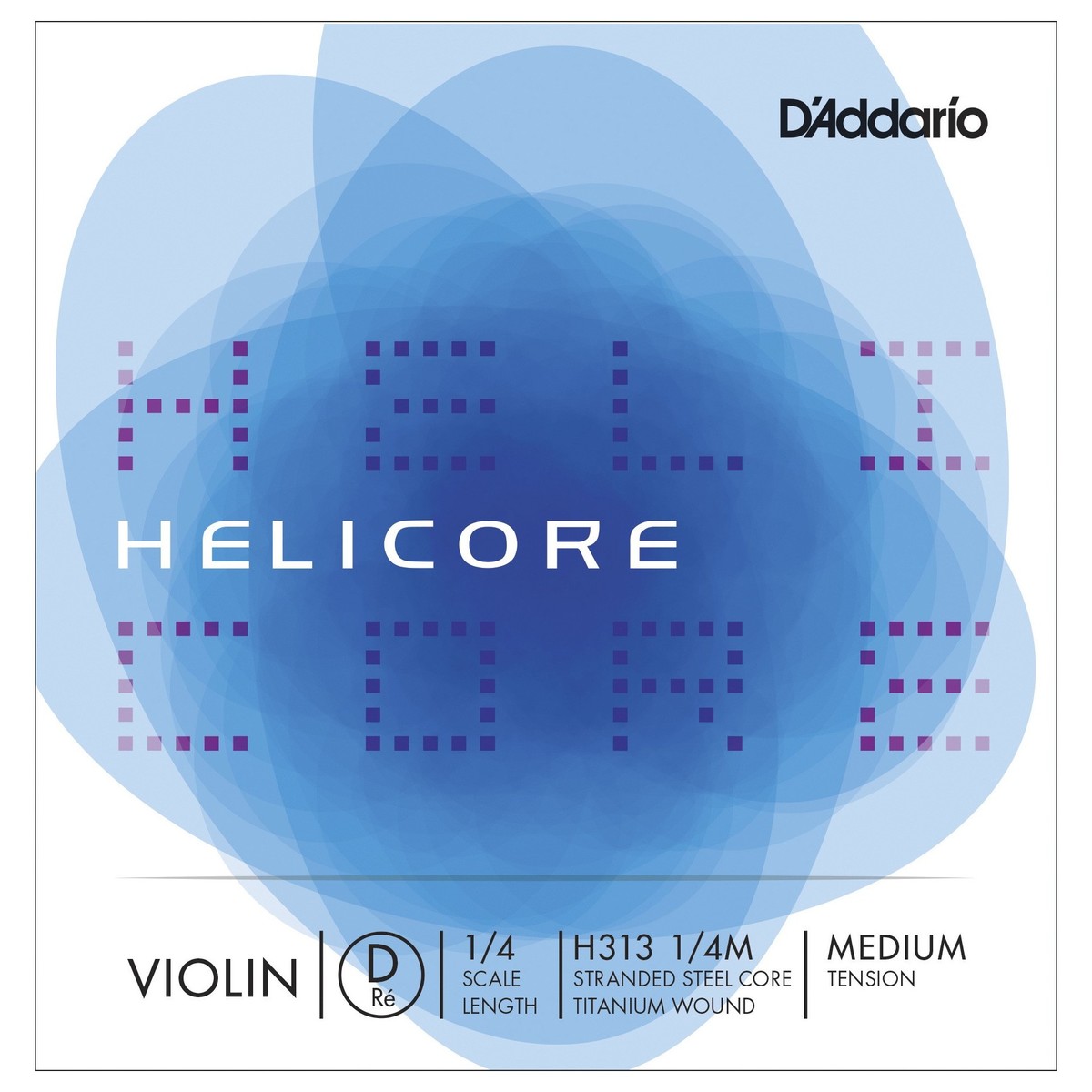 £15.40 ($20)
Daddario
DAddario Helicore Violin D String 1/4 Size Medium
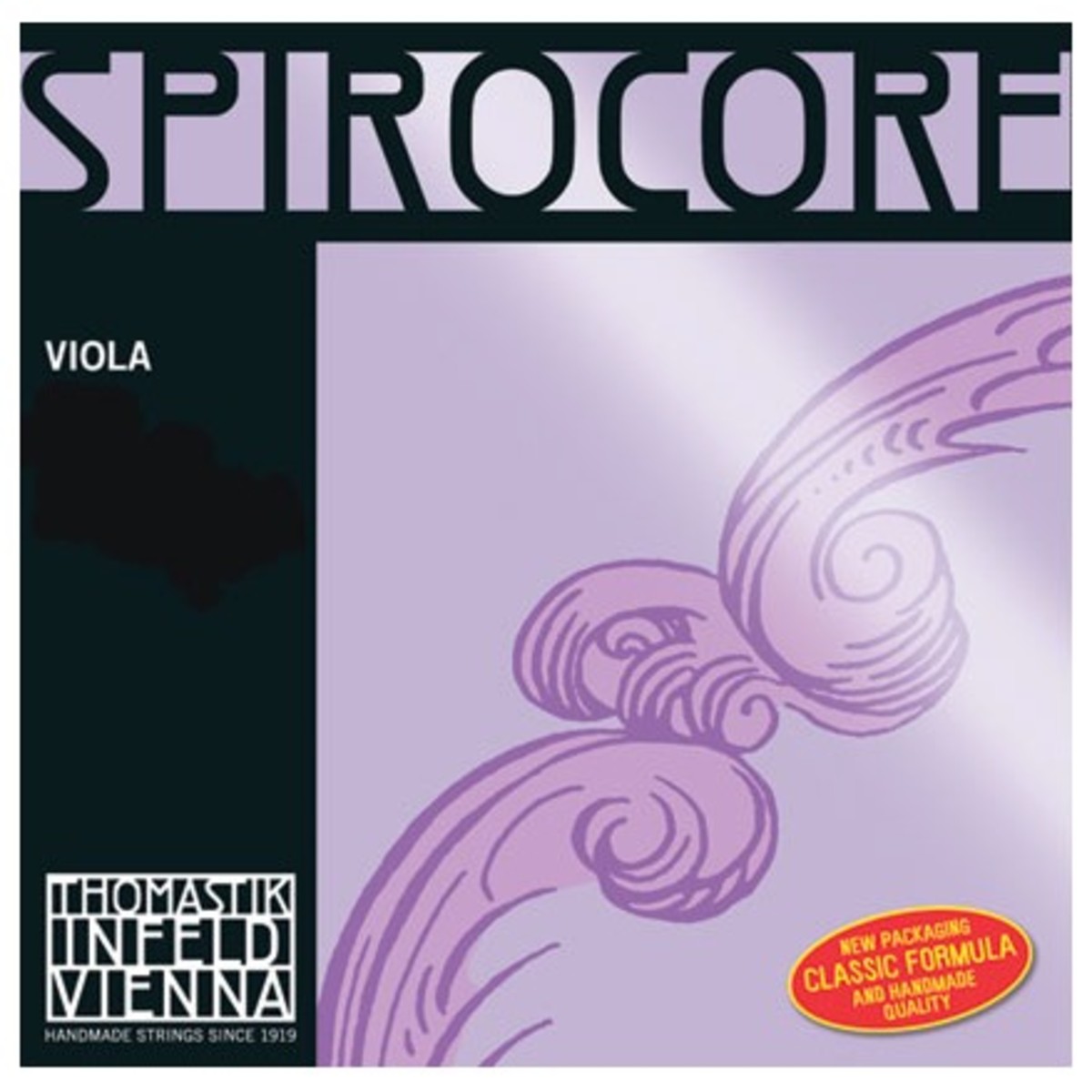 £19.00 ($24)
Thomastik
Thomastik Spirocore Viola G String Chrome Wound 4/4 Size Light
 £14.15 ($18)
Ernie Ball
Ernie Ball 2921 Regular Slinky M-Steel Set 10-46
 £14.99 ($19)
Ernie Ball
Ernie Ball 3826 Tim Henson Signture Slinky Nickel Guitar Strings Set 9.5-46
 £13.60 ($17)
Daddario
DAddario Zyex Violin Aluminum D String 4/4 Size Medium
 £7.99 ($10)
Dunlop
Dunlop Ukulele Concert Pro-4 String Set
 £34.60 ($44)
Larsen Strings
Larsen Cello D String 1/8 Size Medium
Frequently asked questions
- What are the specific gauges in the Ernie Ball 2715 set?
- The gauges for the Skinny Slinky Cobalt set are .010, .013, .017, .030, .042, and .052. This hybrid configuration provides light treble strings and heavy bass strings.
- Why is cobalt used instead of nickel for these strings?
- Cobalt provides a stronger magnetic relationship with the pickups compared to nickel. This results in increased output, extended dynamic range, and improved harmonic response.
- What does 'Skinny Top Heavy Bottom' mean?
- It refers to a hybrid gauge set where the three thinnest strings come from a standard 'Light' set (.010-.017) and the three thickest strings come from a 'Heavy' set (.030-.052).
- Are these strings suitable for drop tuning?
- Yes, the heavier .052, .042, and .030 gauges provide the necessary tension to maintain clarity and avoid 'floppiness' when tuning the guitar down to Drop D or lower.
- Do Cobalt strings feel different to the touch?
- Many players report that Cobalt strings have a slightly smoother or more 'silky' feel than standard nickel-plated steel strings. They are designed to be soft to the touch while maintaining durability.
- How does the price of Cobalt Slinkys compare to standard Slinkys?
- Cobalt Slinky strings typically retail for around £15, which is a higher price point than the standard Ernie Ball nickel-plated steel sets due to the premium materials and engineering.
- Can I use these strings on an acoustic guitar?
- These strings are specifically designed for electric guitars with magnetic pickups. While they will physically fit an acoustic, they will not provide the intended tonal benefits of a dedicated bronze acoustic string set.
- How do Cobalt strings affect pickup output?
- The high magnetic permeability of the cobalt alloy induces a stronger signal in the pickup coils. This generally results in a louder, clearer output with a broader frequency response.
- Are these strings coated for longevity?
- No, Cobalt Slinkys are not coated in the traditional sense like some other brands. The alloy itself is designed for durability and performance without the need for a polymer coating.
- What is the core material of the 2715 set?
- These strings use a high-carbon steel hex core. The hexagonal shape helps the cobalt wrap wire grip the core securely, preventing slippage and improving tuning stability.
- How does the bass response differ from standard strings?
- The manufacturer states that the Cobalt alloy provides an increased low end. This creates a fuller, more resonant bass tone that remains crisp rather than becoming muddy.
- Is the Cobalt 2715 set better for lead or rhythm playing?
- The hybrid gauge makes it suitable for both. The lighter top strings allow for easy bending during solos, while the heavy bottom strings provide the punch and tension required for rhythm parts.