
Gear article
Eventide H949 Harmonizer Plugin
The Eventide H949 Harmonizer plugin is a digital recreation of the historic 1970s hardware effects processor, renowned for being one of the first 'de-glitched' pitch shifters. It offers a suite of time-based effects including micro pitch shifting, reverse repeat, and flanging, intended for both sound design and professional mixing applications.
See live pricesOverview
The Eventide H949 Harmonizer plugin is a meticulous digital emulation of the original hardware unit, which succeeded the H910 as a staple in recording studios. It is designed to provide high-precision pitch shifting and time-domain effects through a graphical user interface that mirrors the physical controls of the vintage processor. The plugin is distributed as a bundle that includes both the standard H949 and the H949 Dual, which allows two units to run in parallel for advanced stereo processing.
Historical Context
The original H949 was a landmark in audio engineering, introducing the concept of 'de-glitched' pitch shifting. Before its release, pitch shifting often suffered from audible artifacts and instabilities. By utilizing Eventide’s unique single-sideband modulation technique, the H949 provided a level of precision that was previously unattainable in the digital domain. This plugin version preserves that specific character and technical approach for modern DAW environments.
Features and Operation
The H949 plugin features several distinct modes of operation:
- Pitch Shifting: Offers both standard and micro-pitch adjustments for fine-tuning or dramatic transposition.
- Reverse Repeat: A creative effect that captures segments of audio and plays them backwards.
- Flange and Random: Provides classic modulation effects and unpredictable variations for added texture.
- Dual Mode: The H949 Dual variant enables stereo widening and doubling effects by running two instances simultaneously, allowing for independent control over the left and right channels.
Sound Character
The sonic signature of the H949 is defined by its accuracy and vintage digital warmth. Unlike modern 'clean' pitch shifters, the H949 has a distinct tonal quality derived from its original hardware architecture. It is particularly valued for micro-pitch shifting, which adds thickness and 'sheen' to vocals and instruments without the obvious artifacts associated with early digital gear. The single-sideband modulation ensures that the pitch shifting remains sharp and phase-coherent.
Comparison to Alternatives
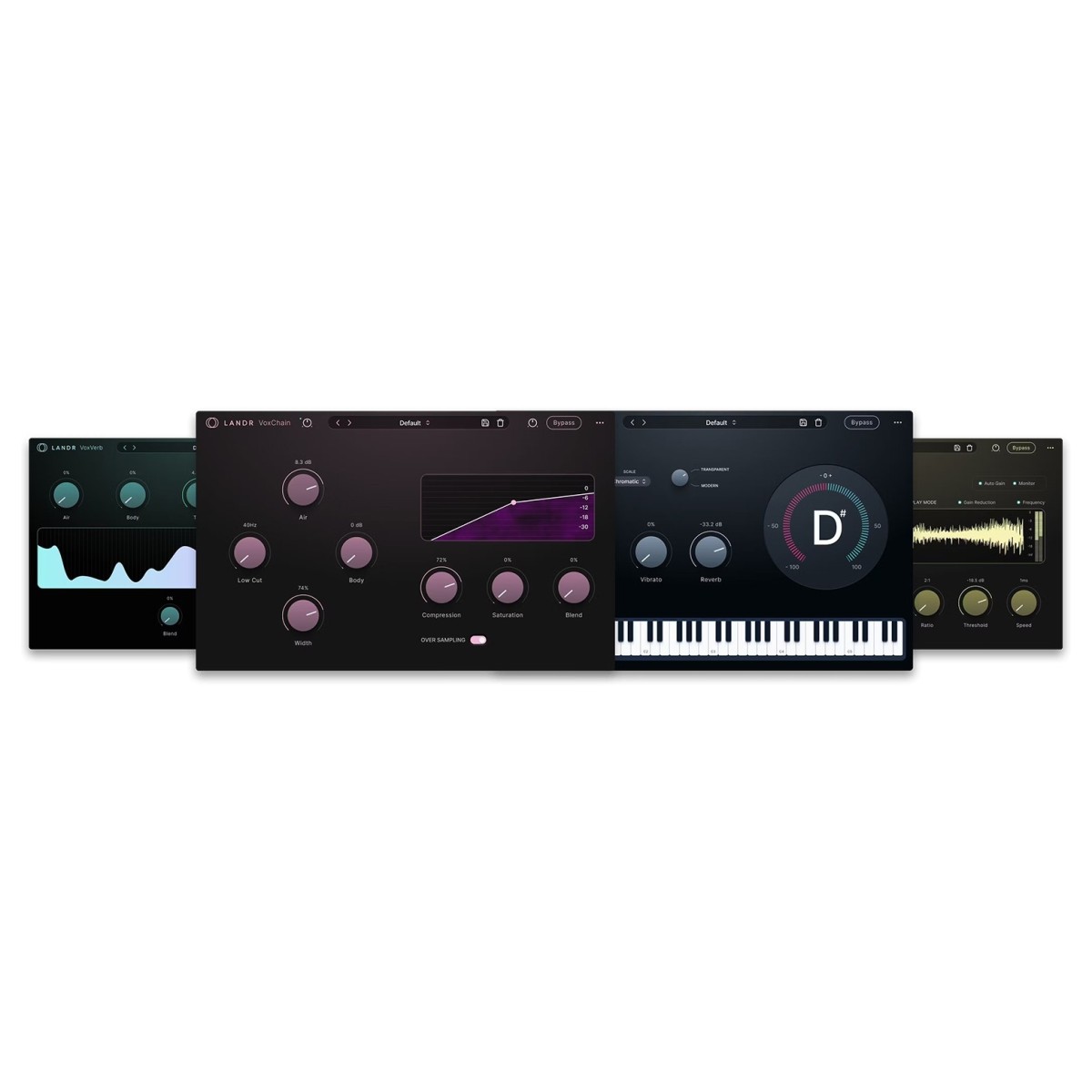
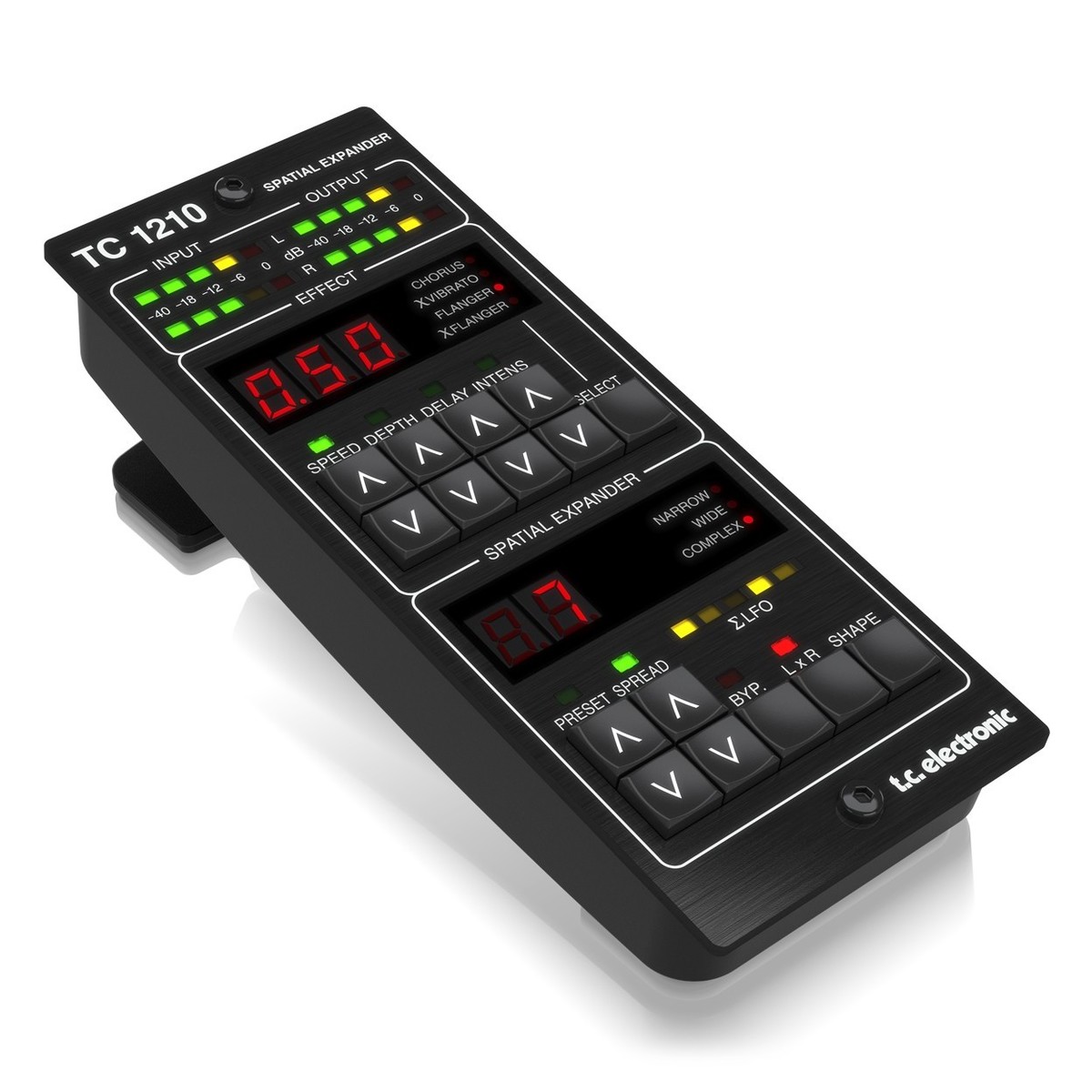
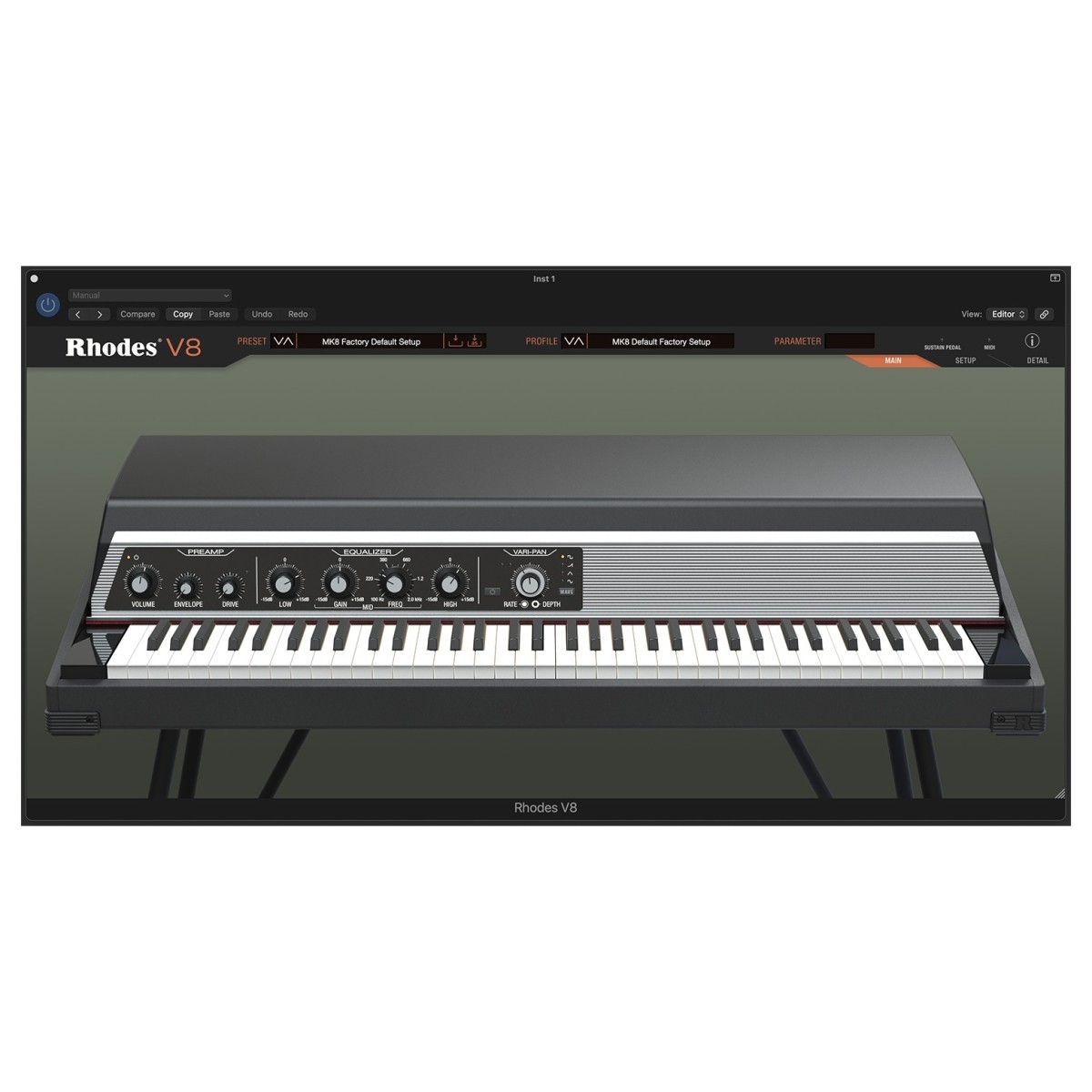
While modern plugins like the LANDR Vocal Plugin Bundle or the Rhodes V8 offer specialized processing for specific tasks, the H949 serves as a versatile utility for pitch and time manipulation. Compared to spatial expanders like the TC Electronic TC1210-DT, the H949 focuses more on the mathematical manipulation of pitch rather than purely spatial chorus effects. It remains a preferred choice for those seeking the specific 'Eventide sound' that defined records in the late 70s and 80s, offering more character than transparent modern pitch-correction tools.
Related gear
 £485.00 ($616)
ICON
iCon P1-M USB MIDI DAW Controller
 £65.00 ($83)
Eastwest
EastWest The Dark Side Plugin
 £54.99 ($70)
Klevgrand
Klevgrand DAW Cassette - Tape Deck Emulation
 £189.00 ($240)
LANDR
LANDR Vocal Plugin Bundle
 £73.00 ($93)
TC Electronic
TC Electronic TC1210-DT Spatial Expander Plug-in with Controller
 £74.00 ($94)
Garritan
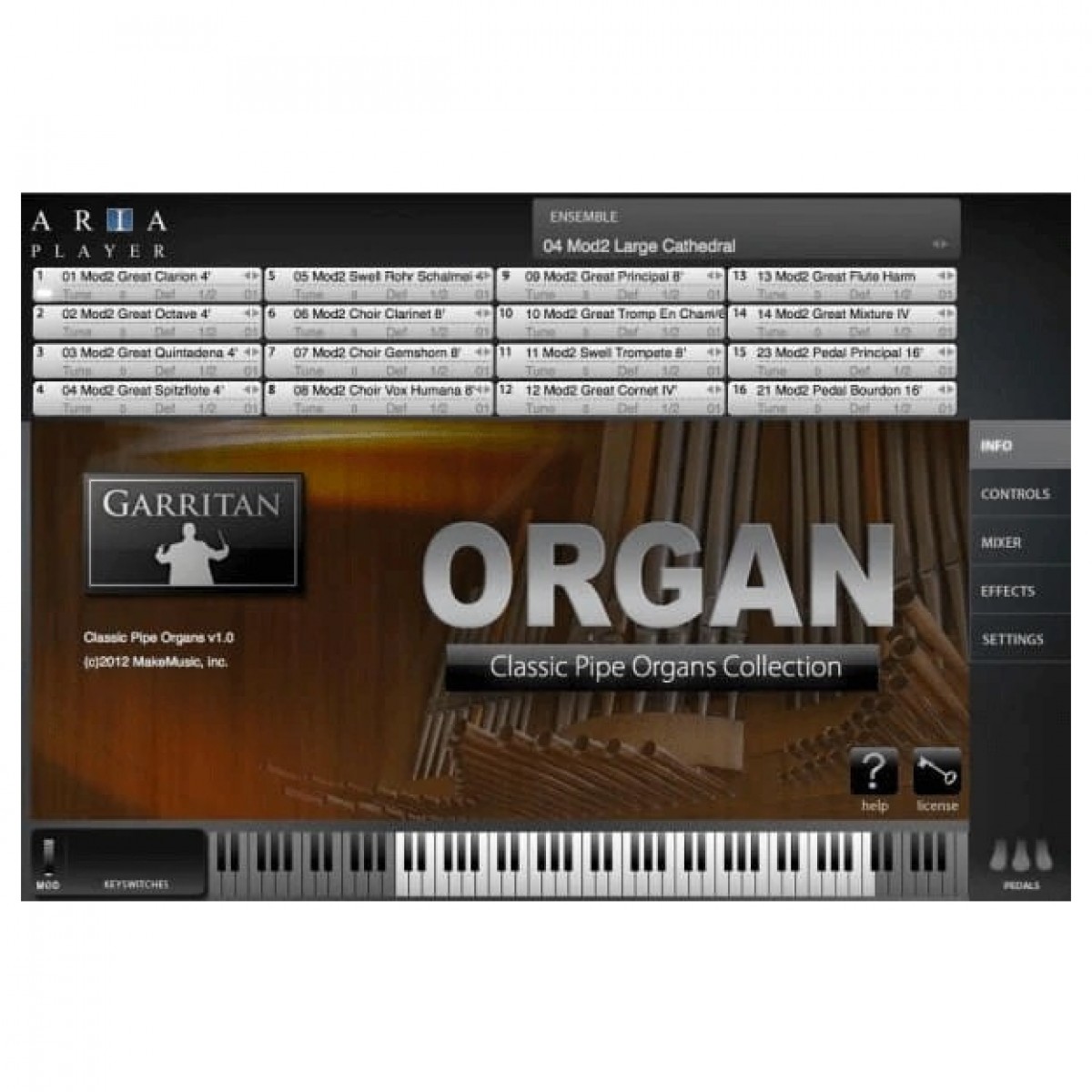
Garritan Classic Pipe Organs Plug-In
 £79.58 ($101)
Hitnmix
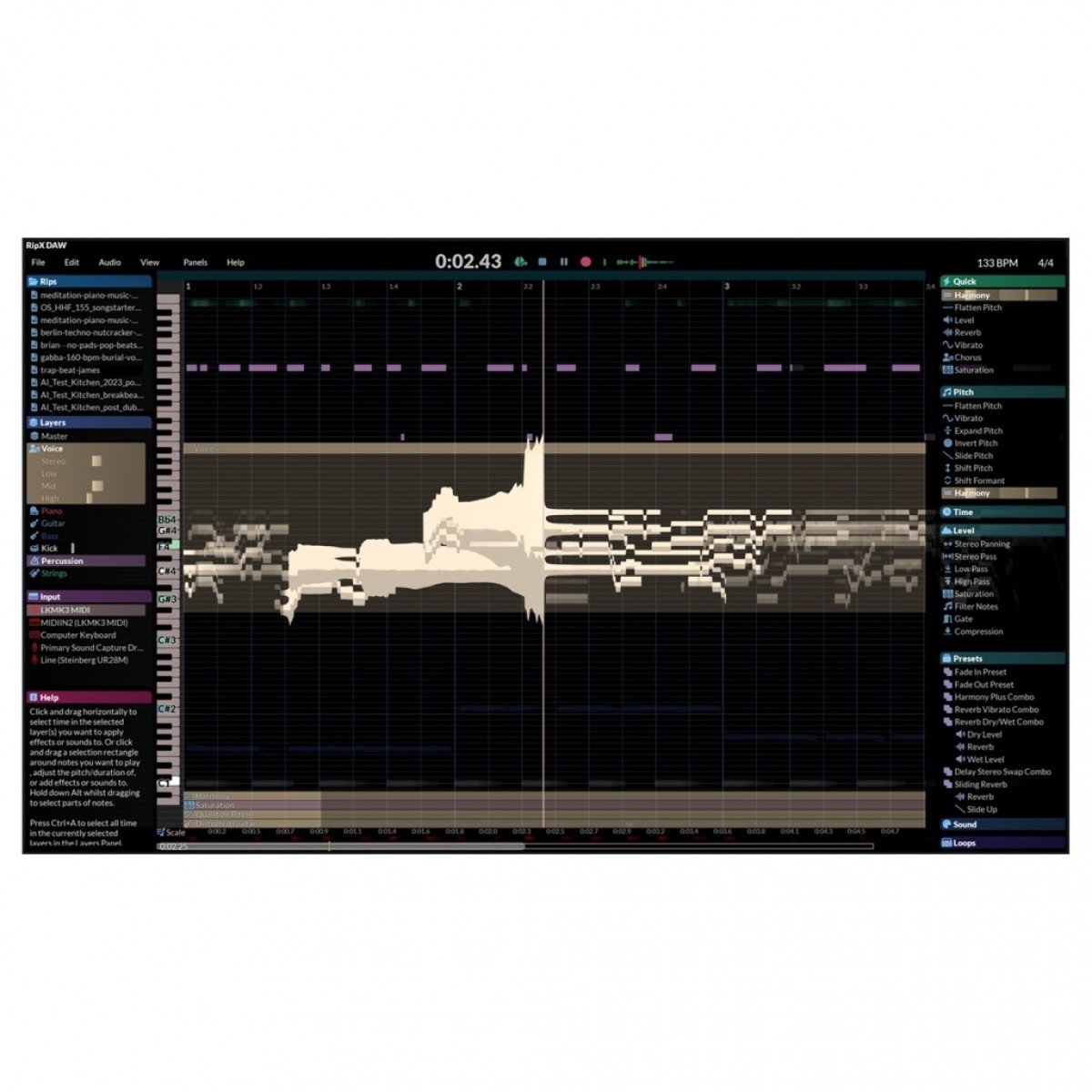
RipX DAW
 £149.95 ($190)
Rhodes
Rhodes V8 Plugin
Frequently asked questions
- What is the primary function of the Eventide H949 plugin?
- The H949 is primarily a pitch-shifting and multi-effect plugin designed to emulate the classic Eventide H949 Harmonizer hardware. It is used for tasks ranging from subtle micro-pitch shifting to creative effects like reverse delays and flanging.
- How does the 'de-glitched' pitch shifting work?
- The H949 uses Eventide's proprietary single-sideband modulation technique. This method was developed to eliminate the audible glitches and artifacts that were common in early digital pitch-shifting technology, resulting in a smoother sound.
- What is included in the H949 plugin bundle?
- The bundle includes two versions: the standard H949, which emulates a single hardware unit, and the H949 Dual. The Dual version allows two units to run in parallel for easier stereo widening and doubling effects.
- What are the specific effect modes available in the plugin?
- The plugin includes Pitch Shift, Manual, Flange, Reverse Repeat, and Random modes. These allow for a wide variety of time-based and pitch-based sonic manipulations.
- What is the typical price for the H949 plugin?
- The plugin is typically priced at approximately £59. This makes it an accessible option for engineers looking to add vintage Eventide processing to their digital workstation.
- Is the user interface similar to the original hardware?
- Yes, the plugin features a stunning GUI that mirrors the design and layout of the original effects processor. This allows users familiar with the hardware to navigate the controls intuitively.
- What makes the H949 Dual useful for mixing?
- The H949 Dual is ideal for creating stereo doubling and widening effects. By running two instances in parallel, you can apply slightly different pitch or delay settings to the left and right channels, creating a rich stereo field.
- Can the H949 be used for sound design?
- Absolutely. Features like Reverse Repeat and Random controls make it a powerful tool for sound designers looking to create unique textures or unusual rhythmic effects that go beyond standard pitch correction.
- How does it compare to the earlier H910 model?
- The H949 was the successor to the H910 and introduced significantly improved pitch-shifting algorithms. While the H910 is known for its grit, the H949 is celebrated for its 'de-glitched' precision and expanded feature set like the Reverse mode.
- Does this plugin require specific hardware controllers?
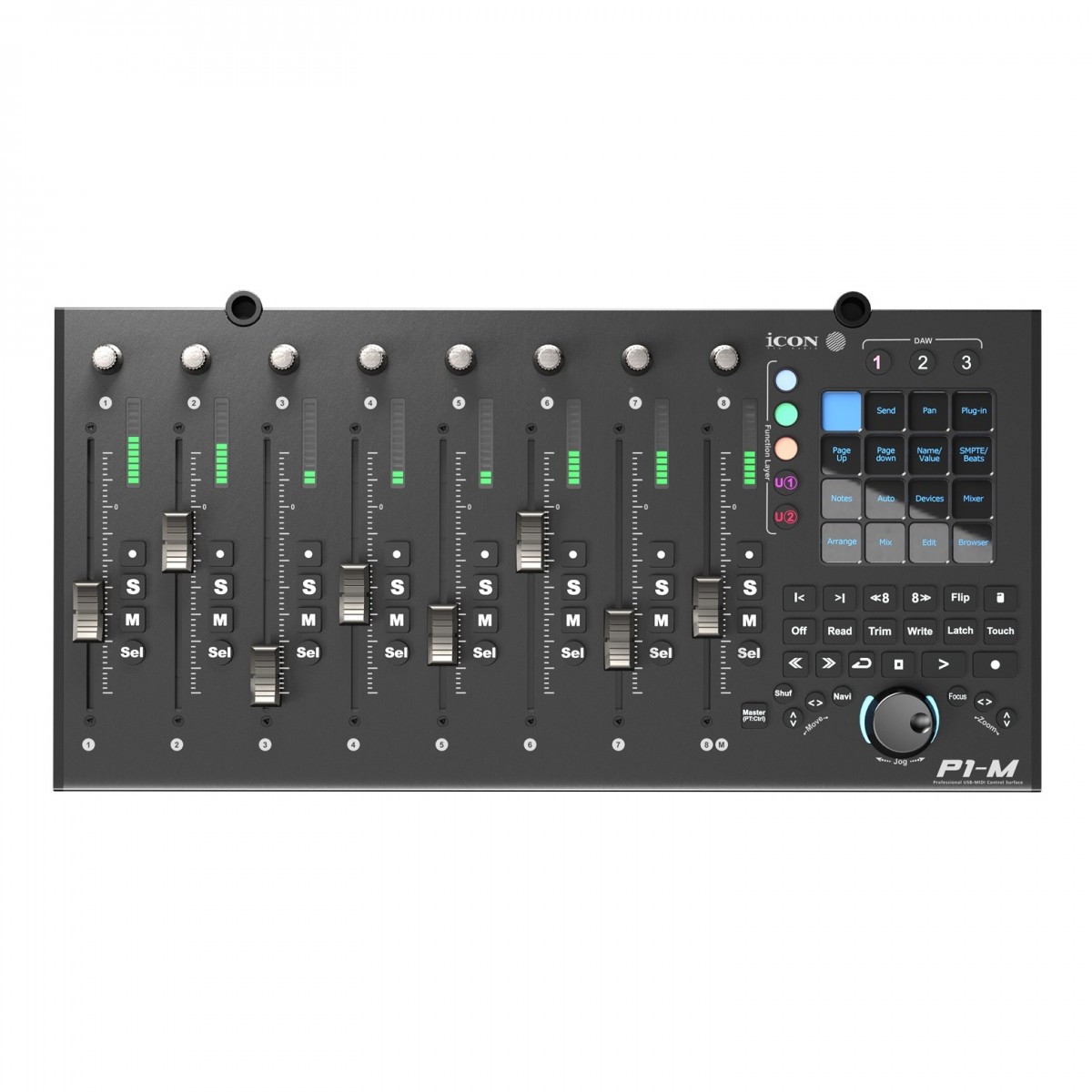
- No, the H949 plugin operates independently within a DAW. While it can be controlled by MIDI devices like the ICON iCon P1-M, no specific proprietary hardware is required to run the software.
- Is the H949 suitable for vocal processing?
- Yes, it is highly regarded for vocal processing, particularly for thickening lead vocals using micro-pitch shifting. It provides a classic 'larger-than-life' sound that is a staple in professional mixing.
- What is the 'Random' control used for?
- The Random control introduces unpredictable variations into the effect, which can add a more organic or chaotic feel to the modulation. This is useful for avoiding the static nature of some digital effects.