Gear article
Fender 150L Pure Nickel Ball End Guitar Strings 9-42
The Fender 150L is a set of light-gauge electric guitar strings manufactured from pure nickel, designed to provide a warm, vintage-inspired tone. They are characterised by their smooth feel and reduced finger noise, making them a staple choice for classic genres such as blues, jazz, and rock.
See live pricesOverview
The Fender 150L Pure Nickel strings, often referred to as 'Original 150s', are designed for guitarists seeking a traditional 1950s and 60s electric guitar sound. Unlike modern nickel-plated steel strings, these utilize pure nickel wrap wire, which offers a different magnetic response and tactile experience. The 9-42 gauge provides a light tension that facilitates easy bending and playability, particularly on 25.5-inch scale length instruments.
Construction and Feel
These strings feature a ball-end construction, ensuring compatibility with the vast majority of electric guitar bridges, including tremolo systems and hardtails. The use of pure nickel results in a physically smoother surface compared to steel-heavy alloys. This smoothness serves a functional purpose by significantly reducing the 'chirp' or sliding noise produced when moving between positions on the fretboard.
Tonal Characteristics
The primary appeal of the Fender 150L set lies in its rich and warm sonic profile. While steel-wrapped strings are known for their bright, aggressive 'snap', pure nickel is more compressed and harmonically complex. The tone is described as having abundant harmonics, providing a rounded high-end that avoids the harshness often associated with new strings.
Target Applications
Due to their warm character and smooth response, these strings are specifically marketed towards players of blues, jazz, and classic rock. In these genres, the nuanced harmonic content and reduced string noise are highly valued for both clean and slightly overdriven amplifier settings. They are less common in modern metal or high-gain genres where the clarity of steel is often preferred.
Comparison to Alternatives
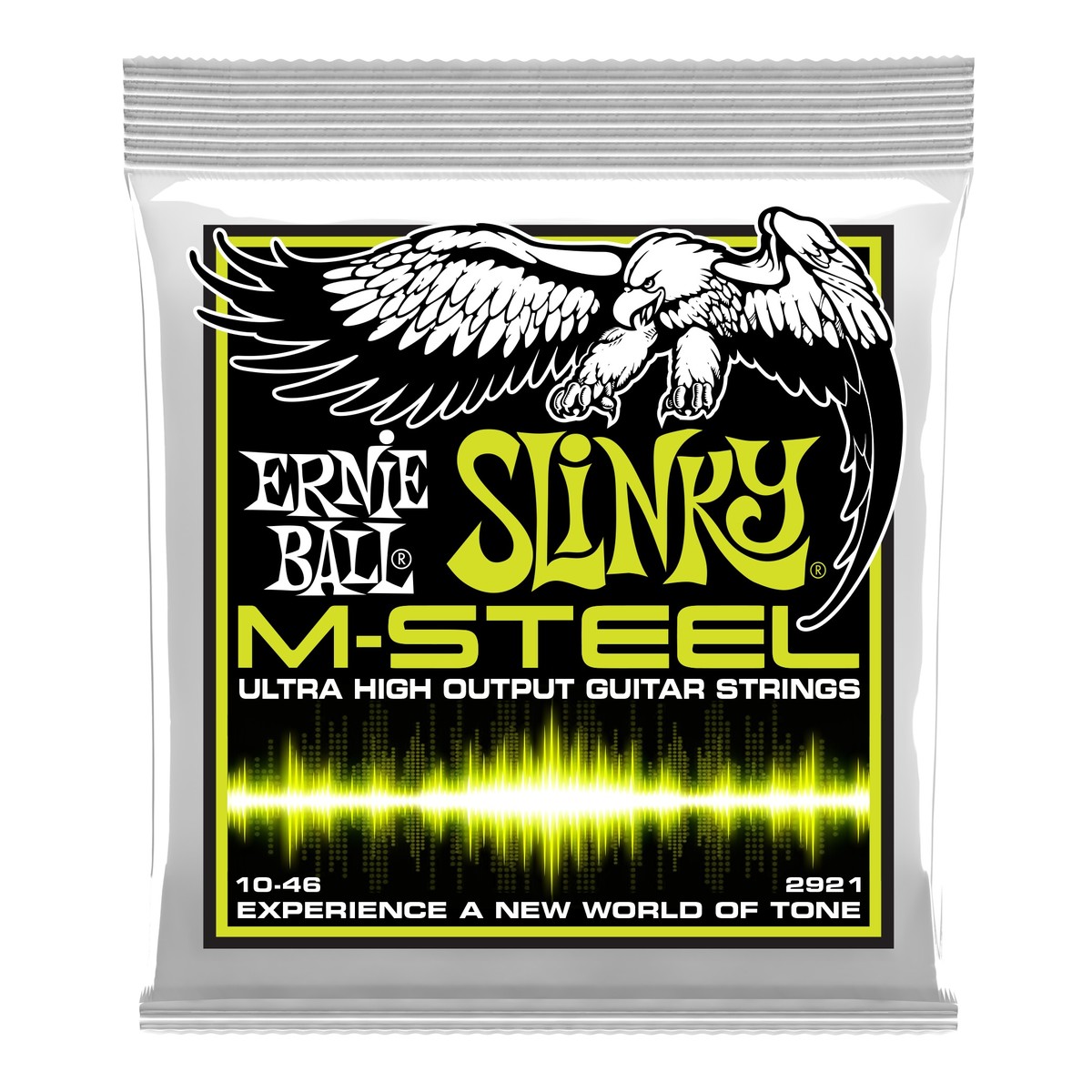
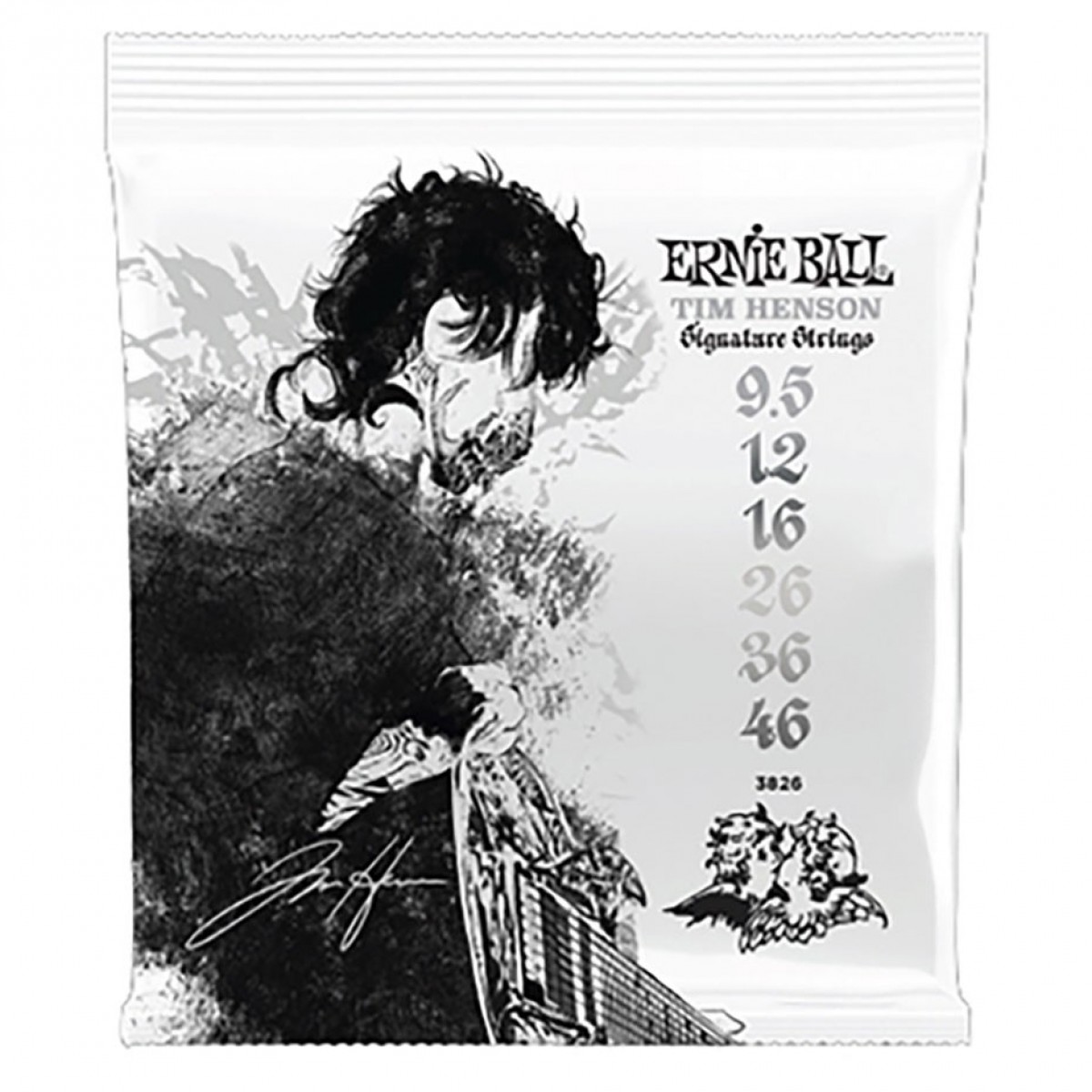
Within the Fender catalogue and the wider market, the 150L sits as a vintage-spec alternative to standard nickel-plated steel strings like the Ernie Ball Regular Slinky or M-Steel series. While products like the Ernie Ball Tim Henson Signature 9.5-46 offer modern custom gauges, the Fender 150L adheres to the classic 9-42 light configuration. Compared to high-output strings like the M-Steel, the 150L provides a lower output but a more 'organic' and vintage-appropriate texture.
Related gear
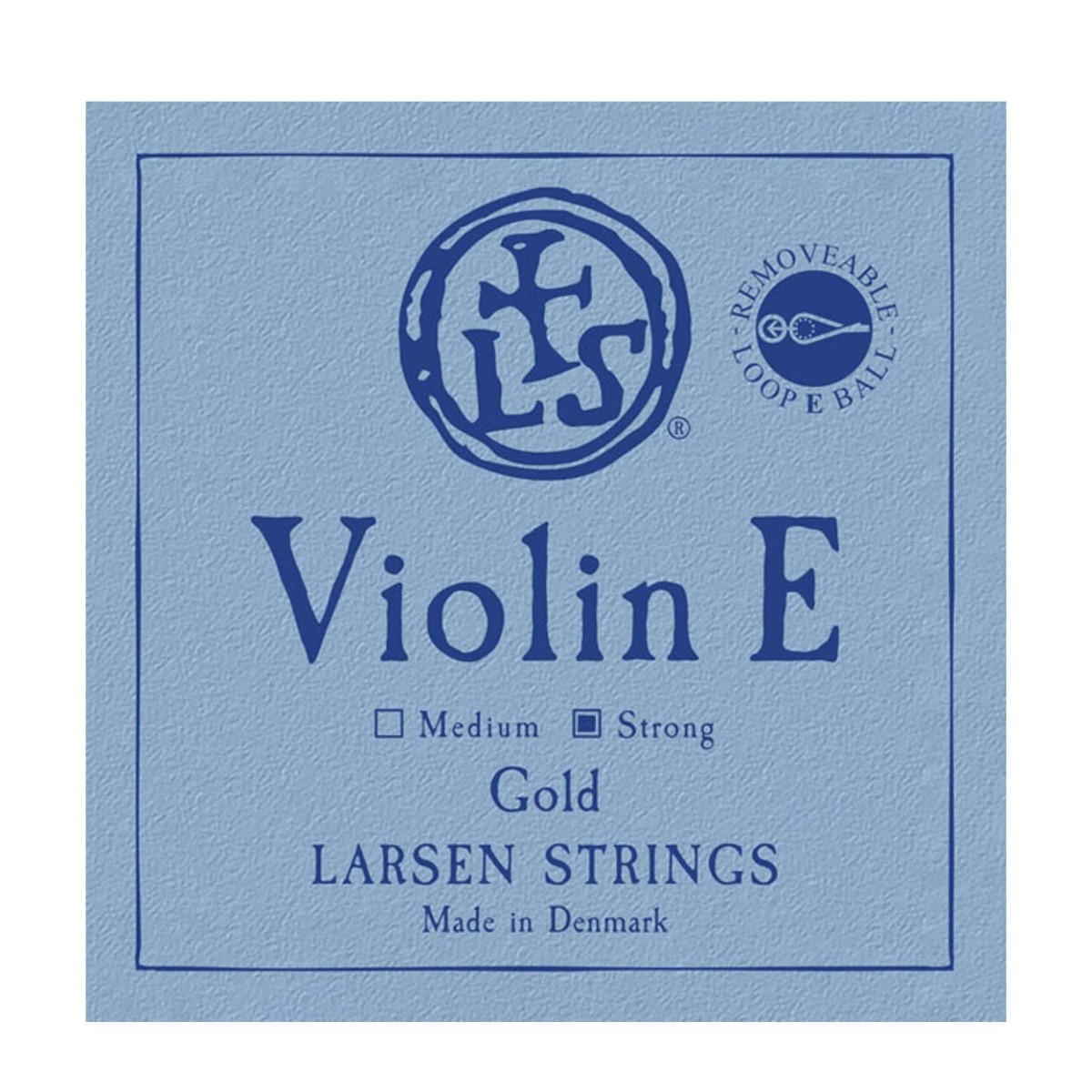 £11.40 ($14)
Larsen Strings
Larsen Violin E String Gold Plated Ball/Loop End Heavy
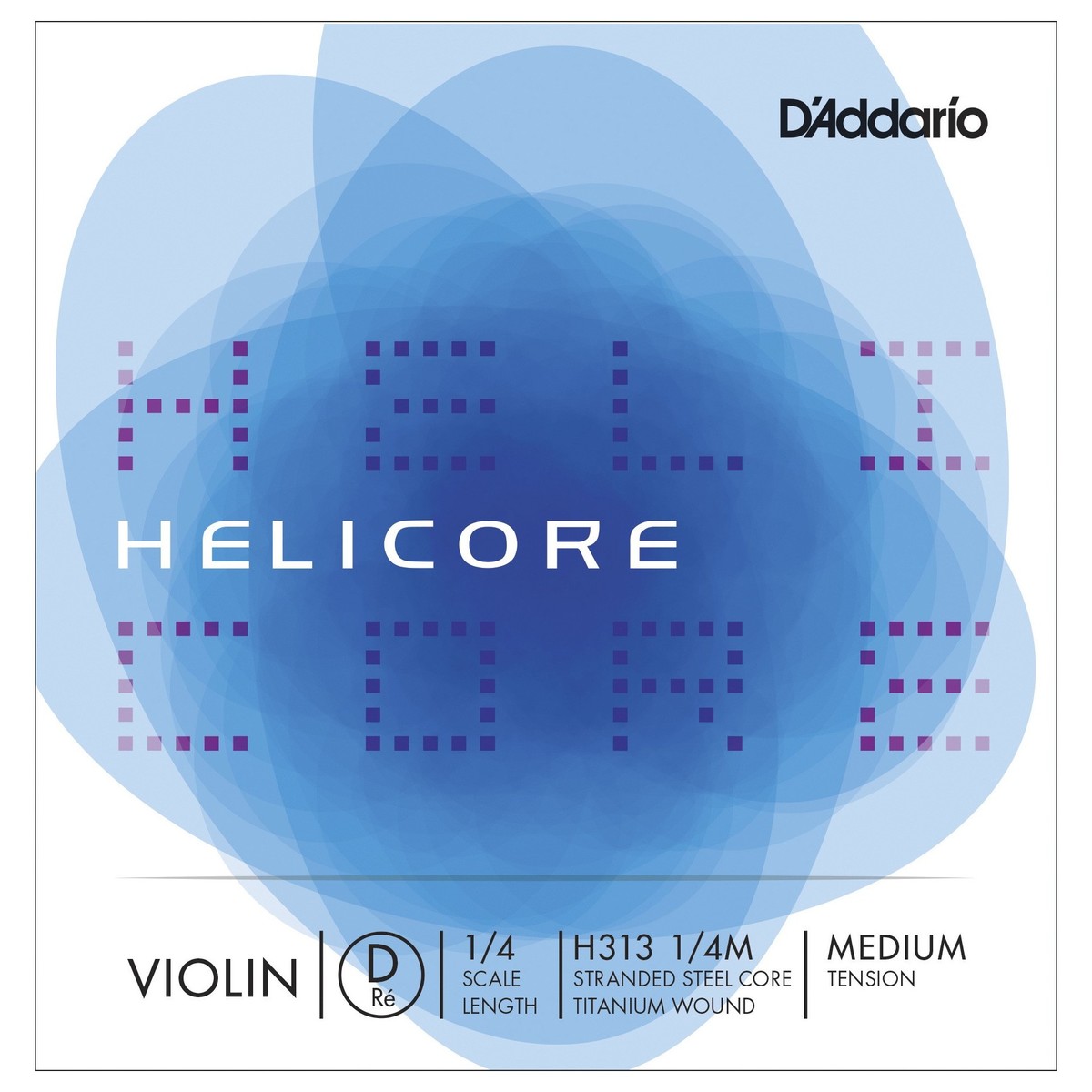 £15.40 ($20)
Daddario
DAddario Helicore Violin D String 1/4 Size Medium
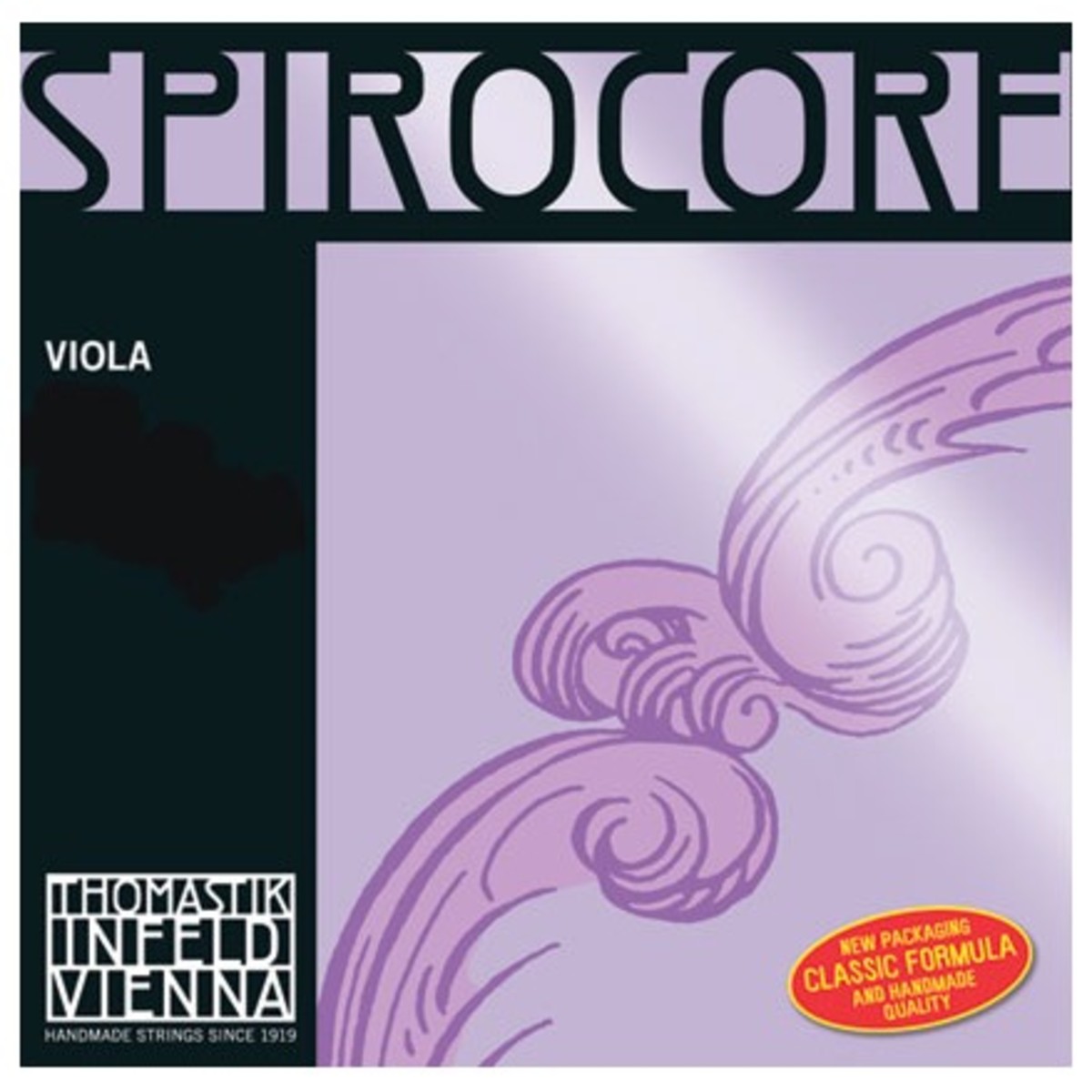 £19.00 ($24)
Thomastik
Thomastik Spirocore Viola G String Chrome Wound 4/4 Size Light
 £14.15 ($18)
Ernie Ball
Ernie Ball 2921 Regular Slinky M-Steel Set 10-46
 £14.99 ($19)
Ernie Ball
Ernie Ball 3826 Tim Henson Signture Slinky Nickel Guitar Strings Set 9.5-46
 £13.60 ($17)
Daddario
DAddario Zyex Violin Aluminum D String 4/4 Size Medium
 £7.99 ($10)
Dunlop
Dunlop Ukulele Concert Pro-4 String Set
 £34.60 ($44)
Larsen Strings
Larsen Cello D String 1/8 Size Medium
Frequently asked questions
- What is the primary material used in Fender 150L strings?
- These strings are made from pure nickel wrap wire wound around a steel core. This differs from standard strings which typically use nickel-plated steel for the outer wrap.
- What are the specific gauges included in the 150L set?
- The 150L set is a light gauge set ranging from .009 to .042. The specific string thicknesses are .009, .011, .016, .024, .032, and .042.
- How does pure nickel affect the feel of the strings?
- Pure nickel provides a smoother, softer feel under the fingers compared to nickel-plated steel. This result is a more comfortable playing experience and a noticeable reduction in finger sliding noise.
- What genres of music are these strings best suited for?
- Fender recommends these strings for blues, jazz, and classic rock. The warm, harmonically rich tone complements the expressive playing styles found in these musical categories.
- How does the tone of the Fender 150L compare to steel strings?
- The 150L strings produce a warmer and richer tone with more abundant harmonics. They lack the piercing brightness of steel strings, providing a more vintage-correct sound.
- What is the typical price for a set of Fender 150L strings?
- In the UK market, these strings typically retail for approximately £7.00 per set. This makes them an affordable option for players seeking a vintage tone.
- Do these strings have ball ends or loop ends?
- These are ball-end strings, which are the standard for most electric guitars. They are not compatible with instruments requiring loop-end strings, such as certain banjos or mandolins.
- Are Fender 150L strings suitable for high-gain metal music?
- While they can be used for any genre, they are generally not preferred for modern metal. Their warm, vintage character may lack the 'bite' and aggressive attack required for high-gain applications.
- How do these compare to Ernie Ball Slinky strings?
- Fender 150L strings use pure nickel, whereas standard Ernie Ball Slinkys use nickel-plated steel. The Fender strings will generally sound warmer and feel smoother, while the Slinkys will sound brighter.
- Do these strings help with fret wear?
- Nickel is a softer material than steel. Because the outer wrap is pure nickel, these strings are often considered to be slightly gentler on nickel-silver frets over long periods of time.
- Can I use these on a Fender Stratocaster?
- Yes, these are excellent for Stratocasters, especially for players wanting to emulate the tones of the 1950s and 60s. The light gauge is well-suited for the standard Stratocaster tremolo system.
- What is the difference between Fender 150L and Fender 150R?
- The 'L' stands for Light (9-42), while the 'R' stands for Regular (10-46). Both use the same pure nickel construction but differ in thickness and tension.