Gear article
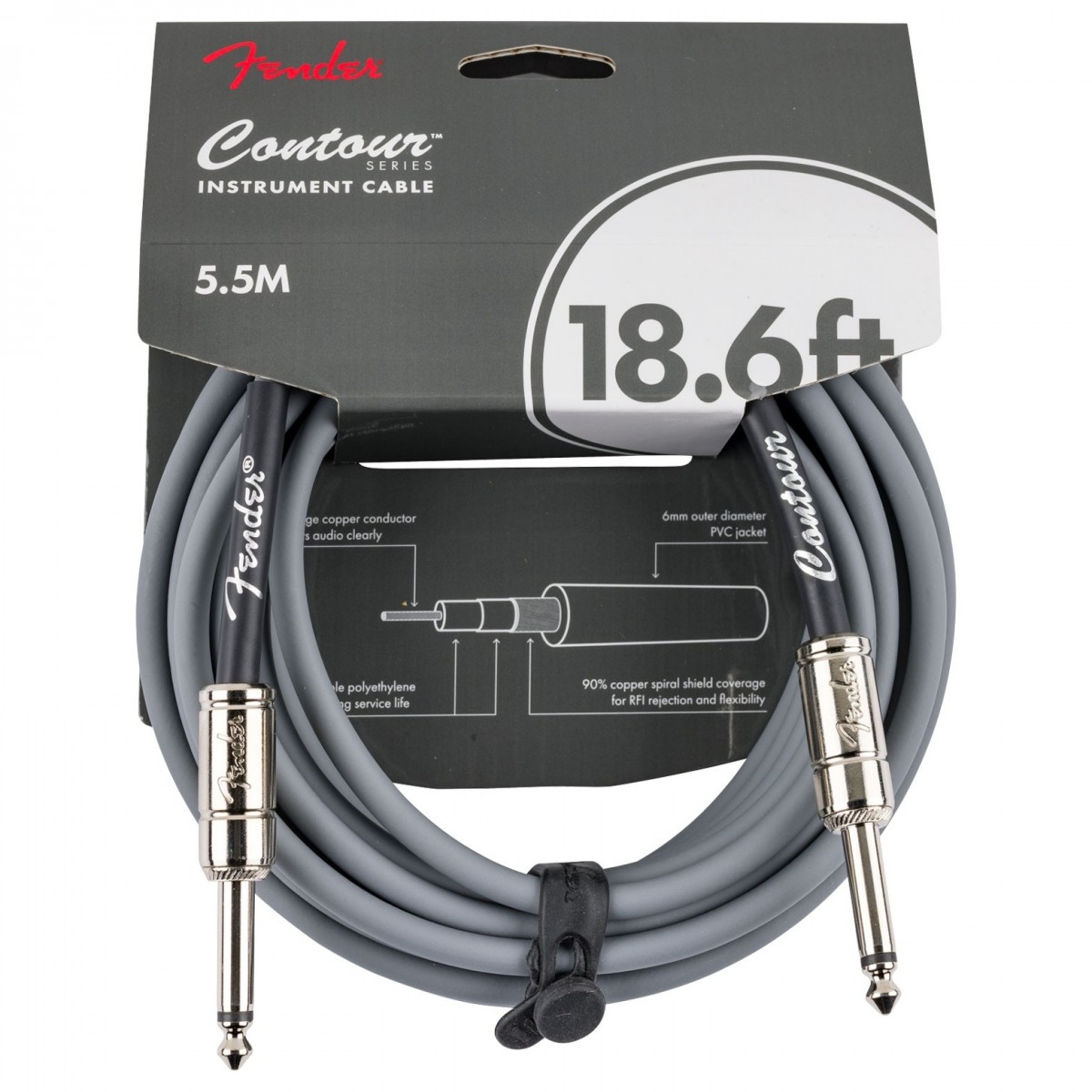
Fender Contour 18.6 Instrument Cable
The Fender Contour 18.6 is a high-performance instrument cable designed to provide a reliable signal path for guitars, basses, and other electronic instruments. It features 24-gauge conductors and oxygen-free copper shielding, housed in a flexible 6mm jacket with a metallic Inca Silver finish.
Overview
The Fender Contour 18.6 Cable is an instrument lead engineered for both stage and studio environments. It serves as a mid-tier connectivity solution within the Fender accessories catalogue, balancing professional specifications with an accessible price point of approximately £14. The 'Inca Silver' designation refers to the cable's metallic aesthetic, which is intended to complement classic Fender guitar finishes and provide a professional appearance on stage.
Technical Construction
At its core, the cable utilizes a 24-gauge conductor designed to ensure a robust signal path. To combat the electromagnetic interference (EMI) and radio frequency interference (RFI) common in performance settings, it employs a 90 percent oxygen-free copper (OFC) spiral shield. This shielding method provides high coverage while maintaining the cable's physical flexibility. The assembly is protected by a durable 6mm outer jacket that is specifically formulated to prevent kinking while offering resistance against physical wear.
Connectivity and Durability
The cable is terminated with nickel-plated connectors. Nickel is selected for its balance of conductivity and long-term durability, as it is highly resistant to the tarnishing and corrosion that can lead to signal degradation over time. These connectors are designed to provide a secure, tight fit into standard 6.35mm (1/4 inch) instrument jacks, reducing the likelihood of accidental disconnection or crackling during movement.
Performance Character
Due to its oxygen-free copper construction and high-percentage shielding, the Fender Contour 18.6 is designed for transparency. The 24-gauge conductor allows for a strong signal transfer, which helps in maintaining the high-frequency clarity of the instrument. The design focuses on 'quiet' operation, meaning it minimizes the handling noise that can occur when a cable is moved across a stage floor or handled by the musician.
Market Comparison
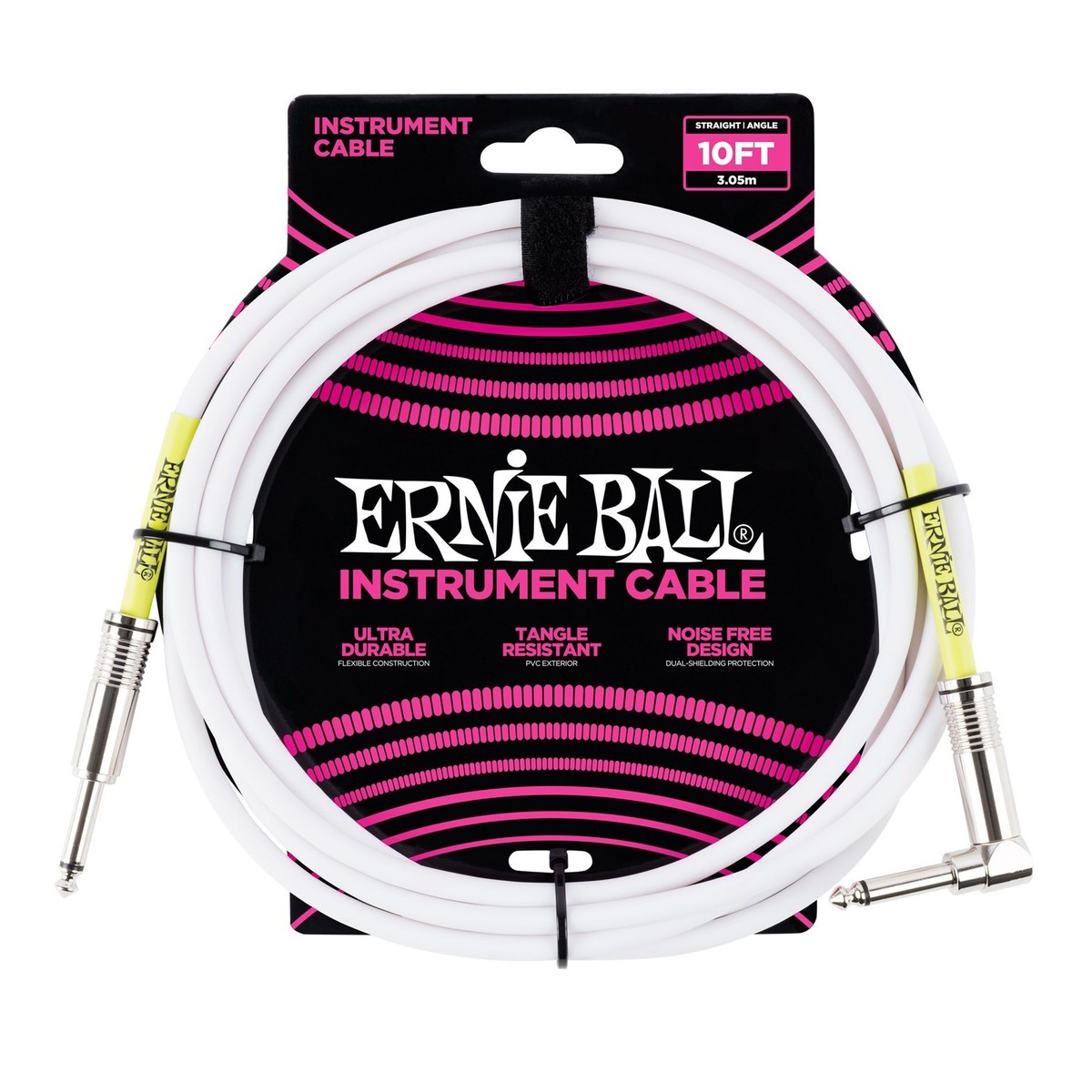
In the broader market for instrument cables, the Fender Contour 18.6 competes with other well-known options such as the Ernie Ball P06049 10ft Straight-Angle cable. While both offer professional-grade shielding, the Fender Contour is often chosen for its specific aesthetic appeal and its 6mm jacket thickness. Compared to entry-level options like the Gear4Music Essentials series, the Contour offers higher-spec 24-gauge conductors and superior OFC spiral shielding, making it more suitable for users who require higher signal fidelity and better interference rejection.
Related gear
- £5.99 ($8)
Studiospares
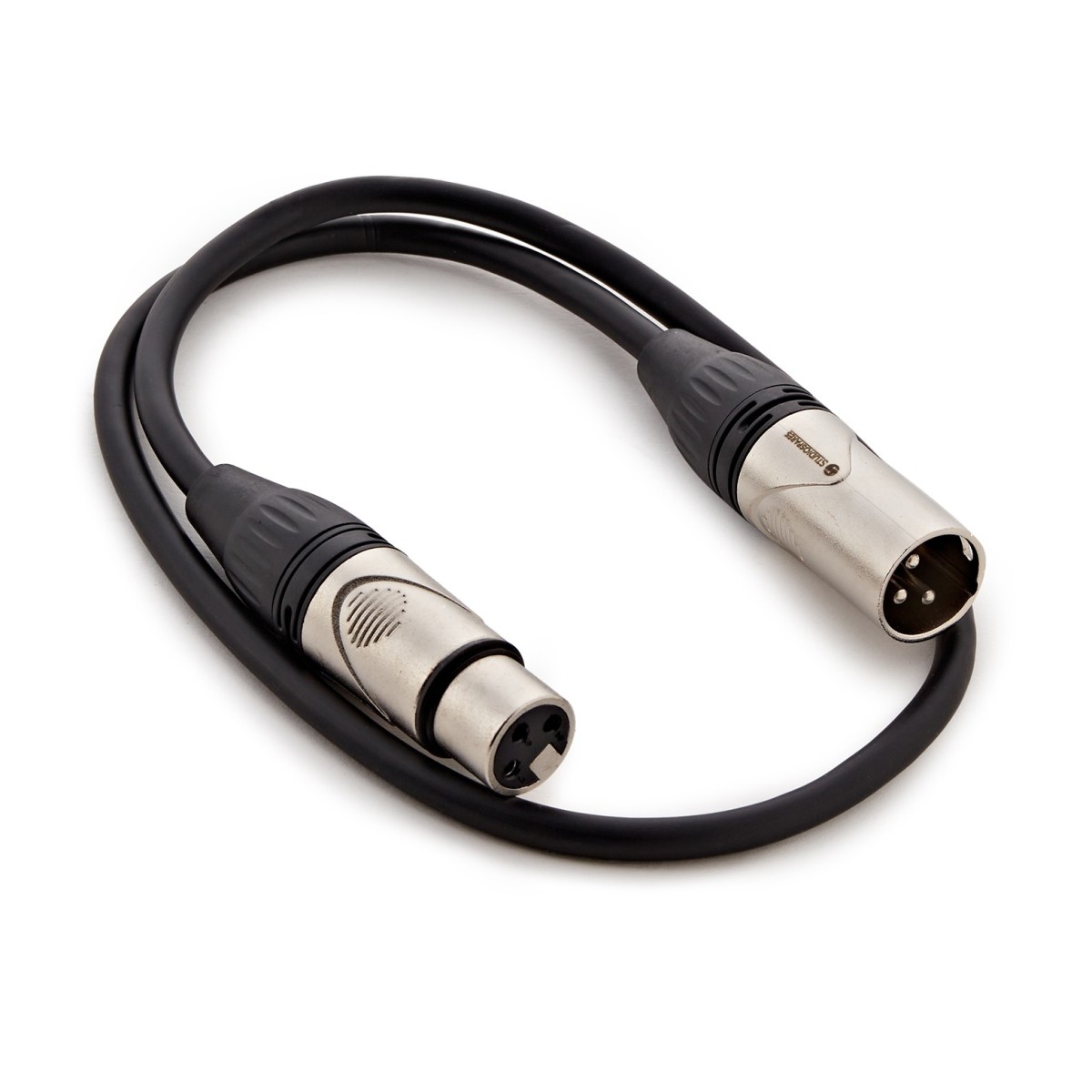
Studiospares Standard XLR (M) - XLR (F) Cable 60cm
 £17.57 ($22)
Ernie Ball
Ernie Ball P06049 10ft Straight-Angle Instrument Cable White
 £32.00 ($41)
LD Systems
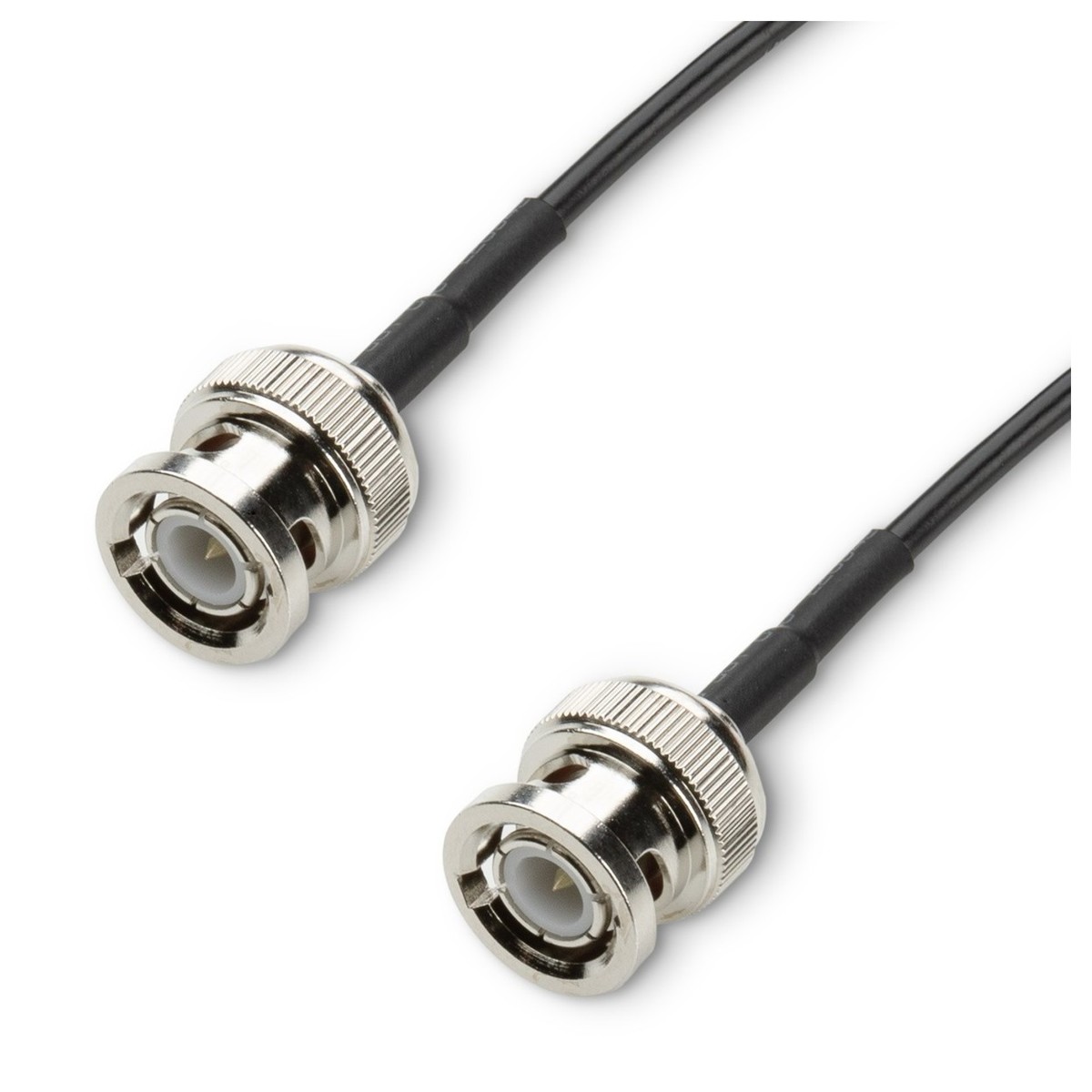
LD Systems WS100BNC10 BNC to BNC Antenna Cable 10m
 £4.99 ($6)
Gear4Music
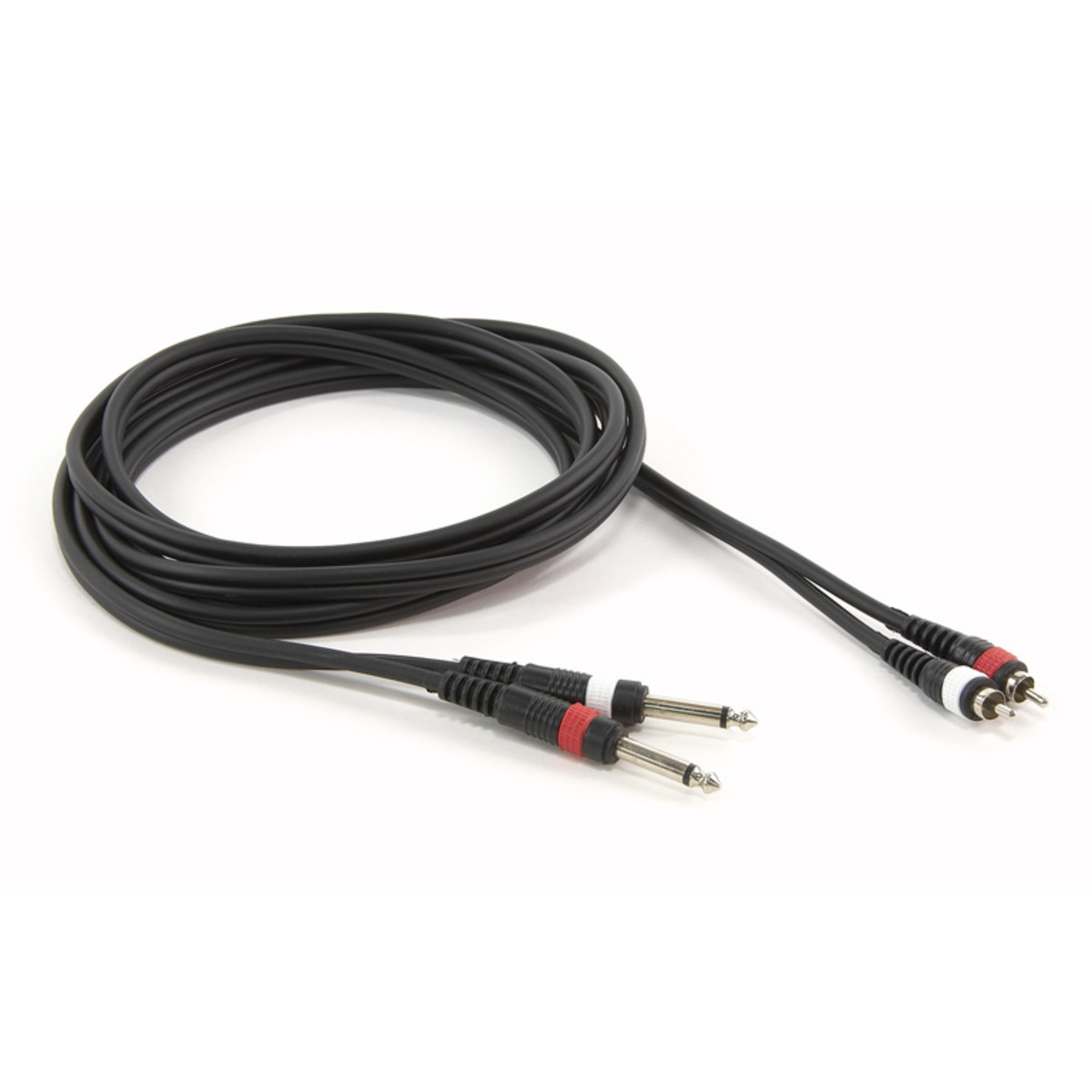
Essentials Dual Jack to RCA Phono Cable 3m
 £10.50 ($13)
Neutrik
Neutrik NC3FRX Right-Angled 3-Pole Female XLR Connector
 £56.00 ($71)
Adam Hall
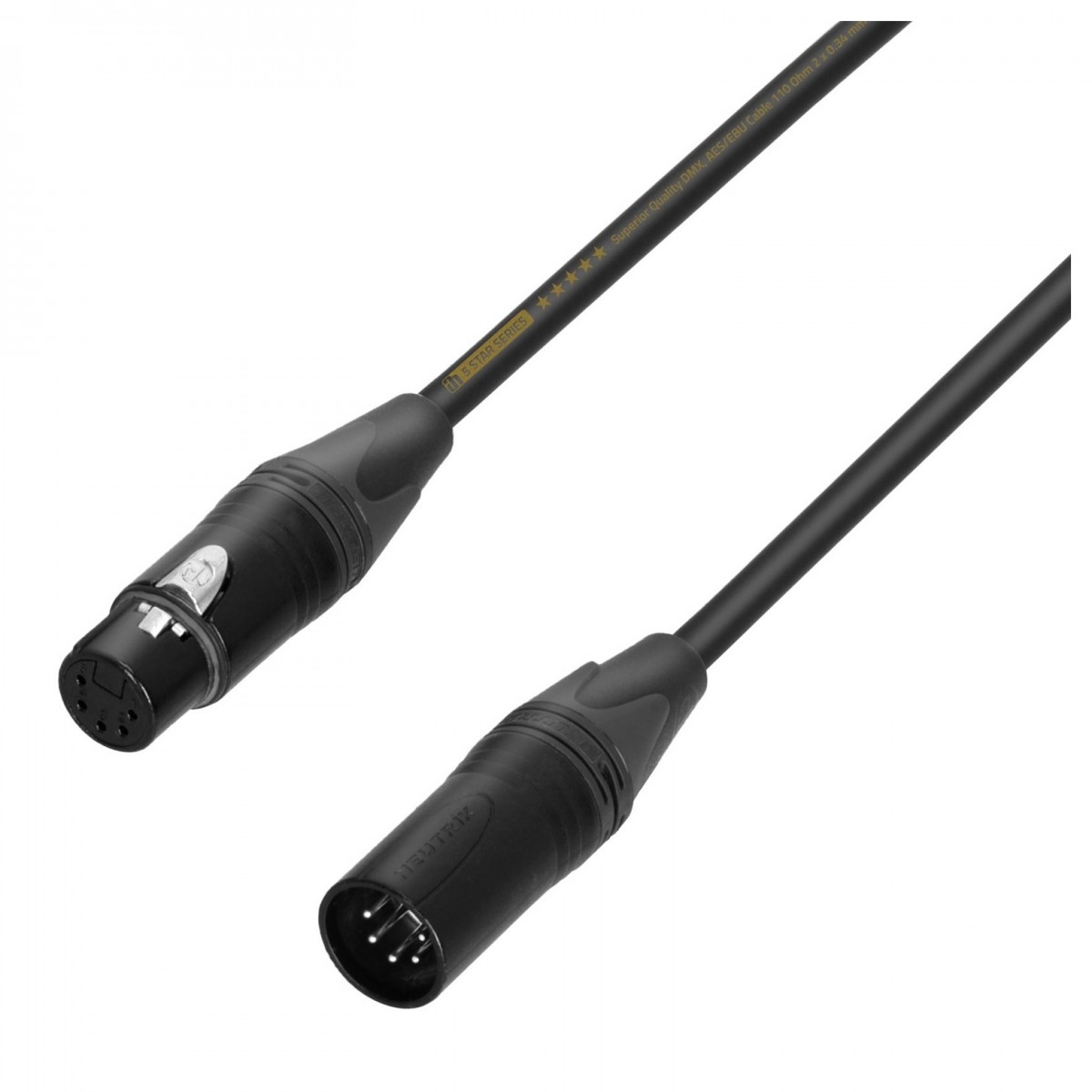
Adam Hall 5 STAR Neutrik DMX 5-Pin Lighting Cable 20m
 £4.99 ($6)
Studiospares
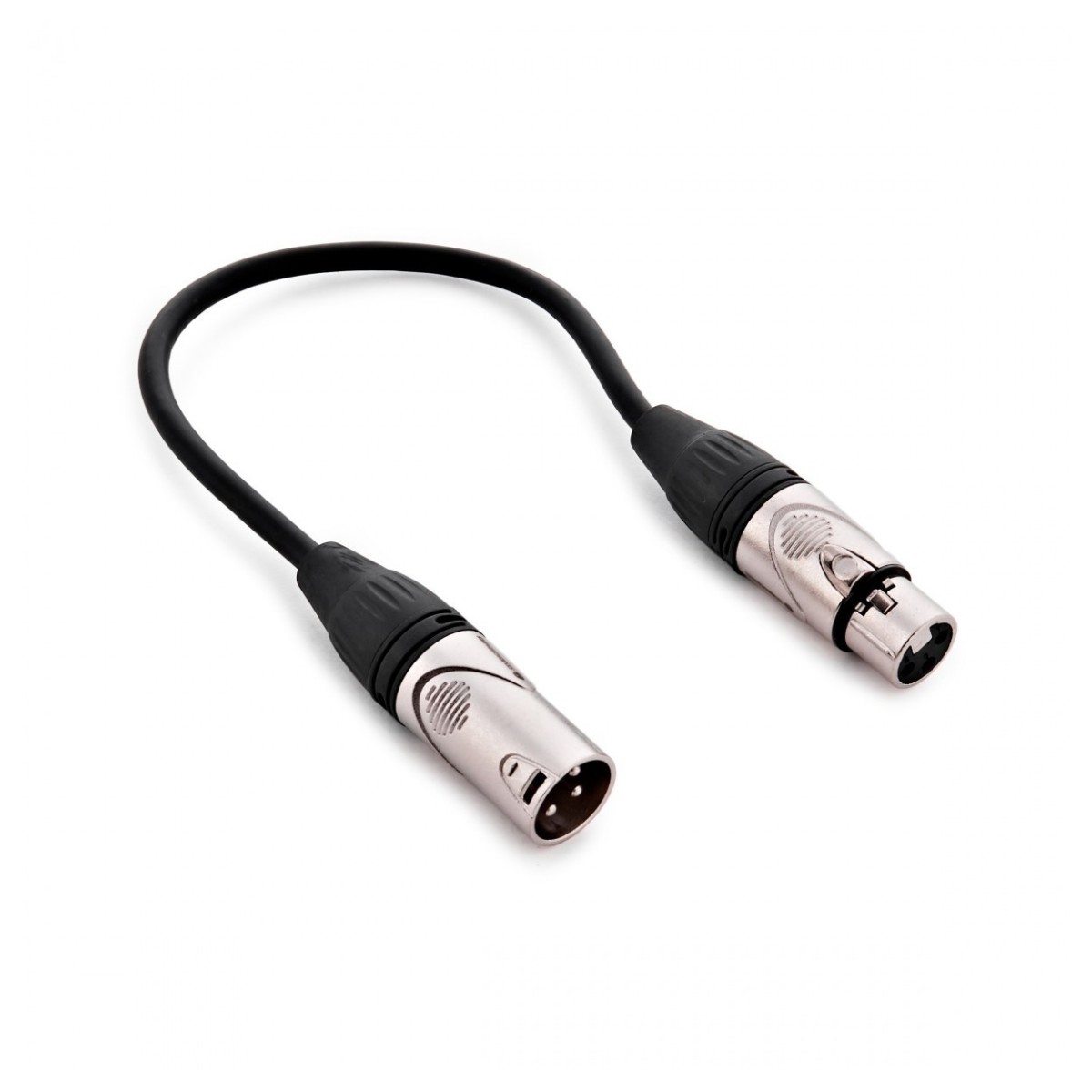
Studiospares Standard XLR (M) - XLR (F) Patch Cable 30cm
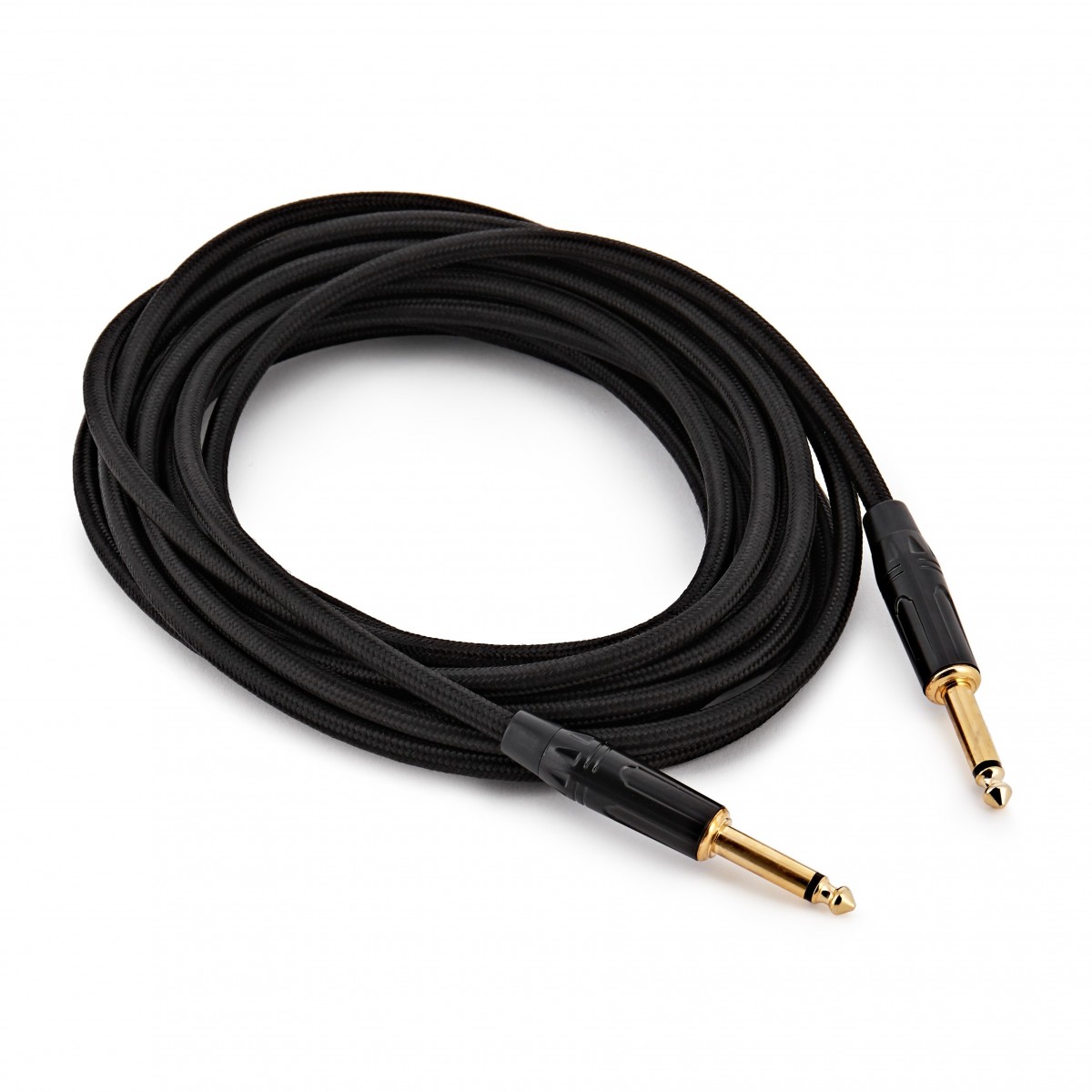 £8.99 ($11)
Gear4Music
6.35mm TS Jack - 6.35mm TS Jack Braided Pro Cable 6m
Frequently asked questions
- What is the primary use for the Fender Contour 18.6 cable?
- It is primarily used as an instrument cable to connect electric guitars, bass guitars, or keyboards to amplifiers, pedals, or audio interfaces. Its 18.6-foot length makes it suitable for medium-to-large stage setups.
- What gauge is the internal conductor?
- The cable features a 24-gauge conductor. This gauge is chosen to provide a reliable and strong signal path while maintaining the overall flexibility of the lead.
- How does the shielding affect audio quality?
- The 90 percent oxygen-free copper spiral shielding minimizes external interference and noise. This ensures that the audio signal remains clear and free from unwanted buzz or hum in electrically noisy environments.
- What is 'Inca Silver' in the context of this product?
- Inca Silver is a classic Fender metallic colour used for the outer jacket of the cable. It is designed to offer a stylish, professional aesthetic that matches or complements various instrument finishes.
- What type of plating is used on the connectors?
- The connectors are nickel-plated. This material provides a durable, corrosion-resistant surface that ensures a secure and consistent electrical connection over long-term use.
- How thick is the outer jacket of the cable?
- The outer jacket has a diameter of 6mm. This thickness provides a balance between protecting the internal components from damage and allowing the cable to remain flexible for stage use.
- Is this cable suitable for studio recording?
- Yes, the high-clarity oxygen-free copper and strong shielding make it a dependable choice for studio applications. It helps maintain signal integrity when capturing direct instrument takes.
- Will this cable work with a bass guitar?
- Absolutely. It is designed to handle the full frequency range of standard electronic instruments, including the low-end frequencies produced by bass guitars.
- How does it compare to the Ernie Ball P06049?
- Both are high-quality instrument cables, but the Fender Contour 18.6 features a specific metallic aesthetic and 24-gauge wire. The choice often comes down to preferred cable length and visual style.
- Does the spiral shielding help with flexibility?
- Yes, spiral shielding is generally more flexible than braided shielding. This allows the Fender Contour cable to coil easily and lie flat on the ground without stiffening or kinking.
- What is the typical price for this cable?
- The Fender Contour 18.6 is typically priced around £14.00, placing it in the mid-range category of instrument accessories.
- Can this cable be used with microphones?
- No, this is a TS (Tip-Sleeve) instrument cable. Microphones typically require XLR cables, such as the Studiospares Standard XLR series, to accommodate balanced signals and phantom power.