
Gear article
Fender Roasted Maple Telecaster Neck (21 Frets, Maple Fretboard)
The Fender Roasted Maple Telecaster Neck is a genuine replacement part manufactured at Fender's Ensenada factory in Mexico. Featuring a heat-treated construction for increased stability and sustain, it is designed to provide a modern 'C' profile playability for Telecaster enthusiasts and custom builders.
See live pricesOverview and Manufacturing
The Fender Roasted Maple Telecaster Neck is a high-quality replacement component designed to fit standard Fender and Squier Telecaster bodies. Manufactured in Fender’s Ensenada, Mexico factory, this neck undergoes a specialized roasting process—also known as torrefaction—where the maple is heated in a kiln to remove moisture and impurities. This process results in a darker, caramel-hued aesthetic and a more stable wood structure.
Playability and Profile
This neck is designed with a modern 'C' shape profile, providing a comfortable and fast feel suitable for various playing styles, including high-speed 'shredding'. It features a maple fingerboard equipped with 21 narrow-tall frets. This specific fret wire size is noted for facilitating precise intonation and making 'spine-tingling' string bends easier to execute compared to vintage-style frets.
Stability and Sonic Character
One of the primary advantages of the roasting process is its resistance to humidity shifts. By reducing the wood's moisture content, the neck is less prone to warping or bowing when moved between different climates. Sonically, the roasted maple adds a desirable amount of sustain and a unique, distinctive character to the guitar's voice, often described as having a more 'broken-in' or resonant quality.
Target Audience and Application
This neck is ideal for guitarists looking to upgrade a Mexican-made or Squier Telecaster, or for builders creating a custom instrument from the ground up. Its combination of modern playability and vintage-inspired aesthetics makes it a versatile choice. It offers an alternative to premium American Professional II components or Custom Shop builds, providing a professional-grade feel at a mid-range price point.
Related gear
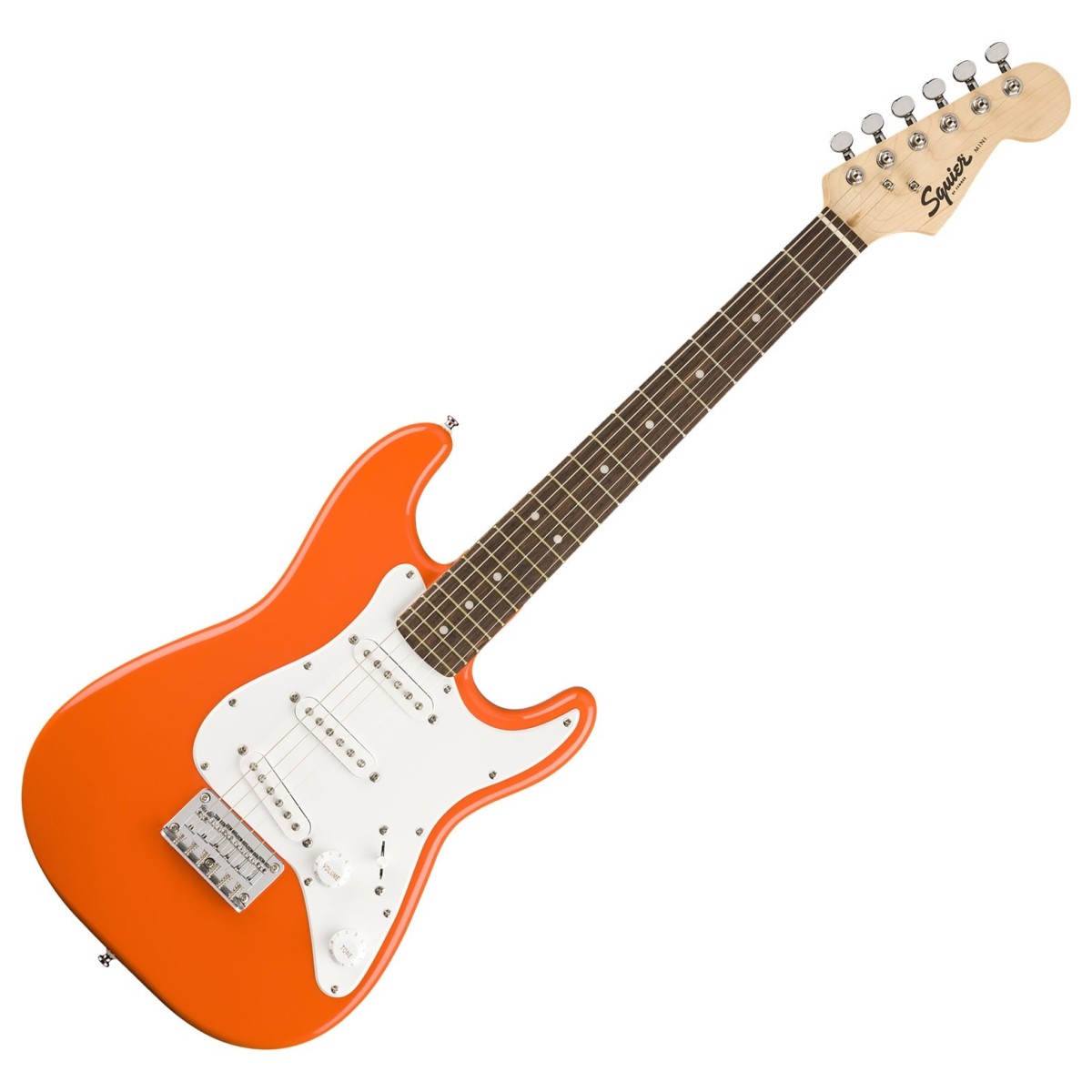 £159.00 ($202)
Squier
Squier Limited Edition Mini Stratocaster Competition Orange
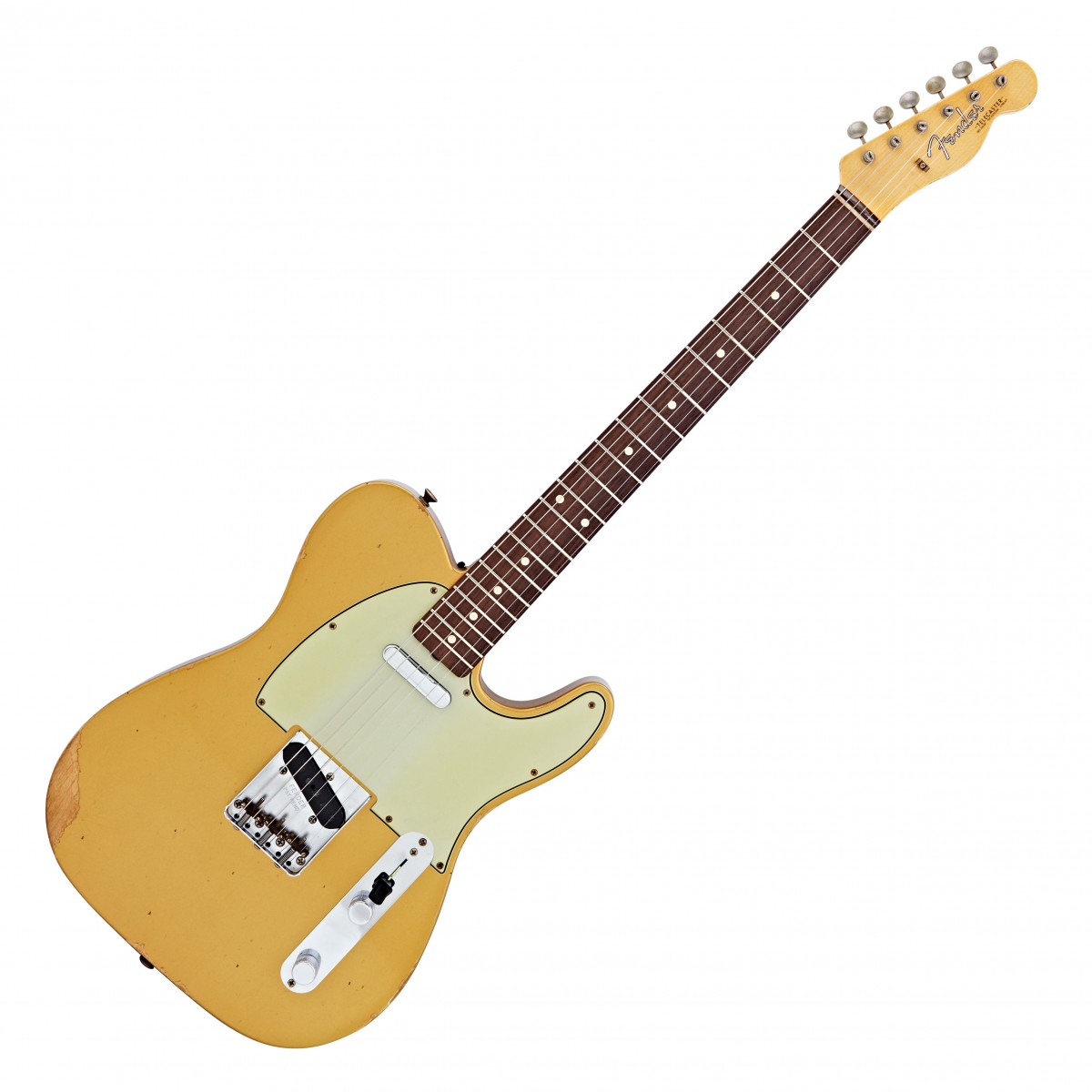 £3,499.00 ($4,444)
Fender Custom Shop
Fender Custom Shop 61 Telecaster Relic Aged Aztec Gold #R125242
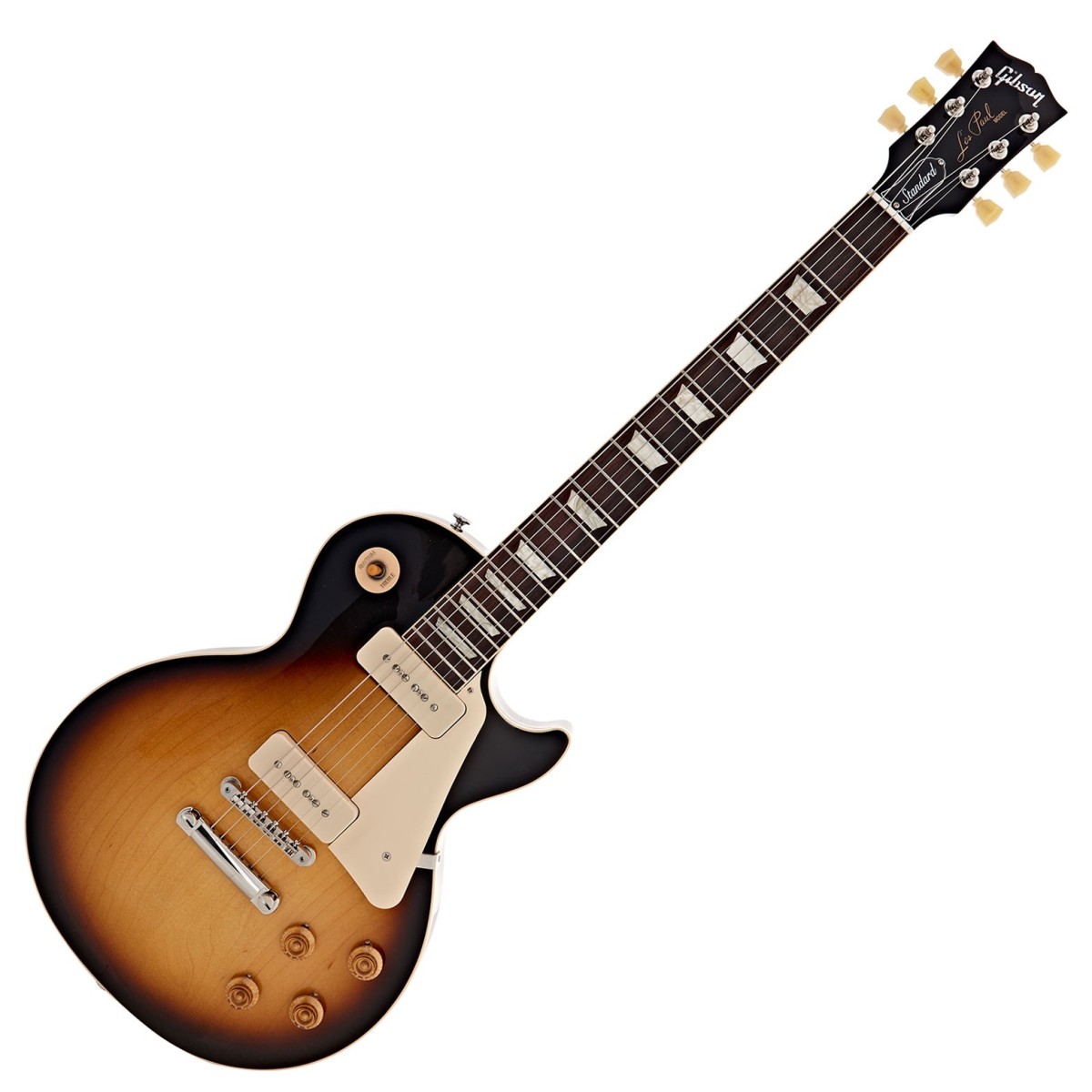 £2,199.00 ($2,793)
Gibson
Gibson Les Paul Standard 50s P90 Tobacco Burst #208240297
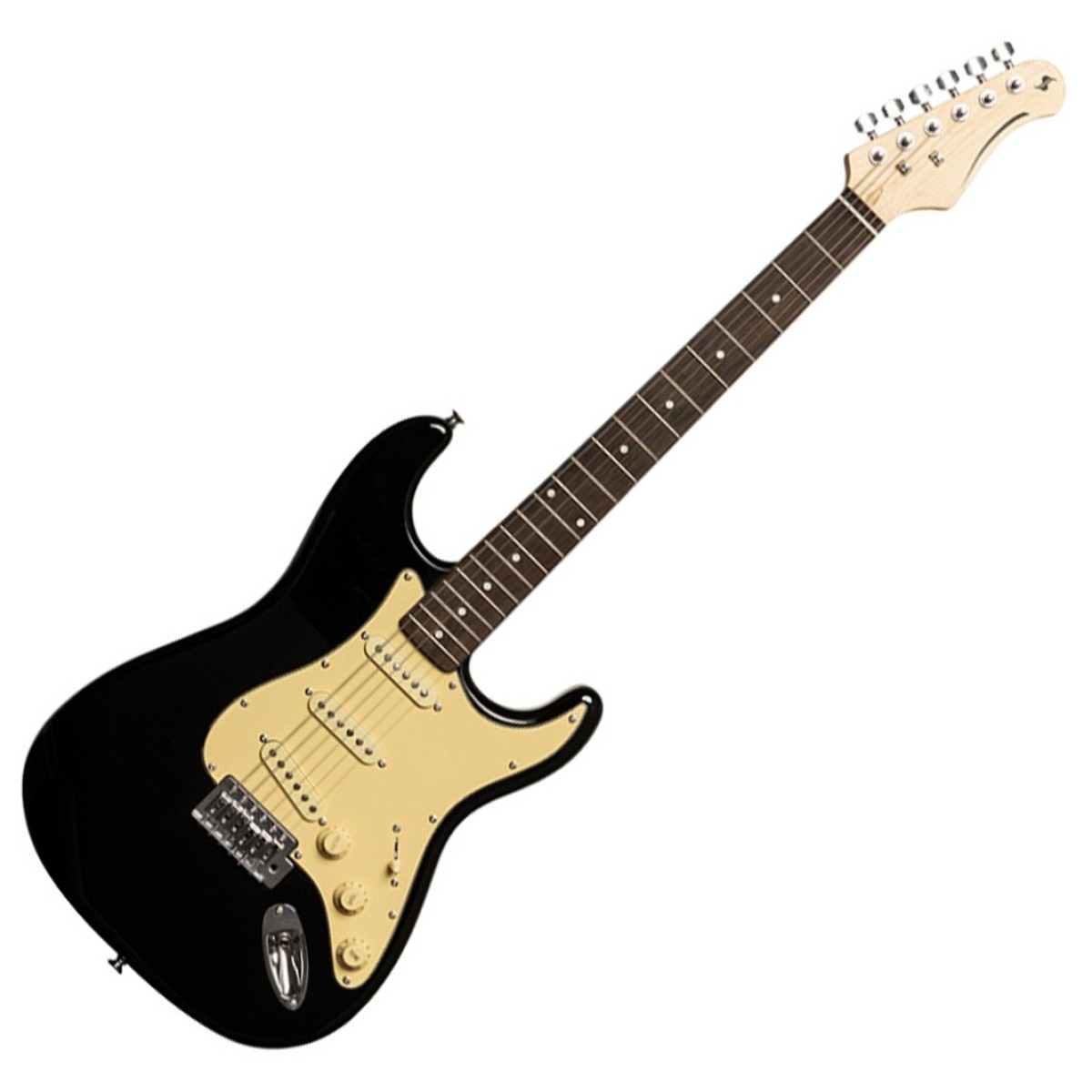 £79.00 ($100)
Stagg
Stagg SES-30BK 3/4 Electric Guitar Black
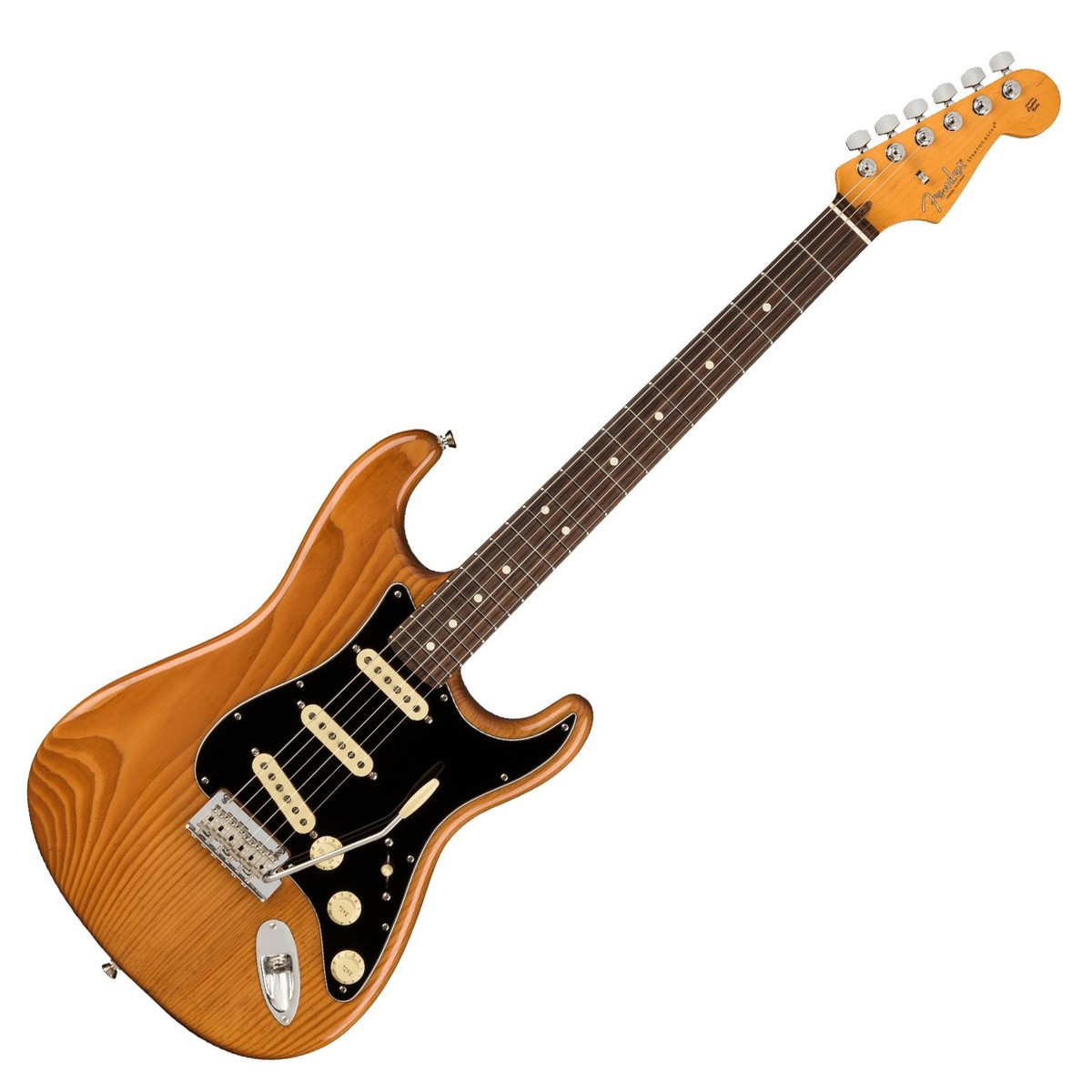 £1,849.00 ($2,348)
Fender
Fender American Professional II Stratocaster RW Roasted Pine
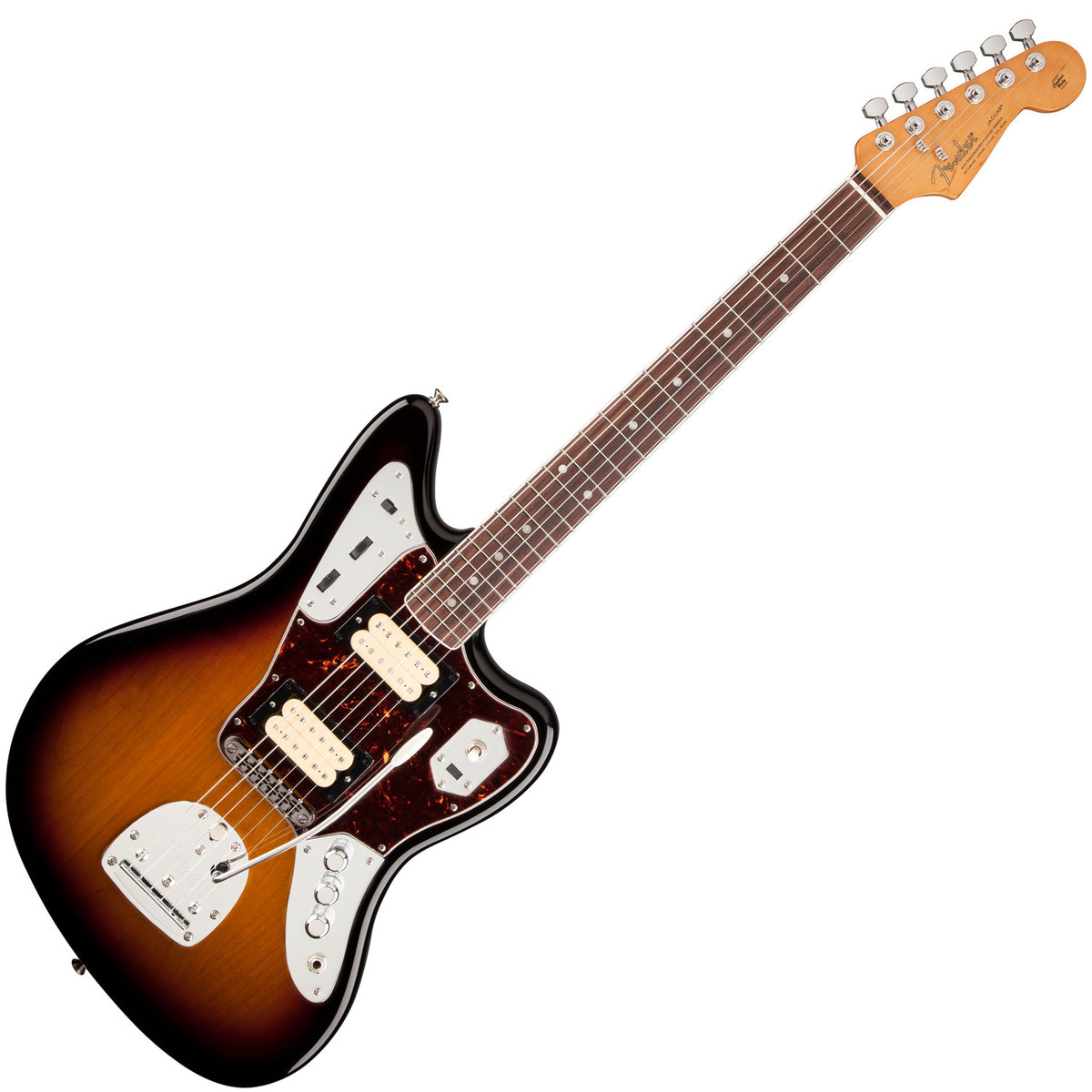 £1,599.00 ($2,031)
Fender
Fender Kurt Cobain Jaguar NOS 3-Tone Sunburst
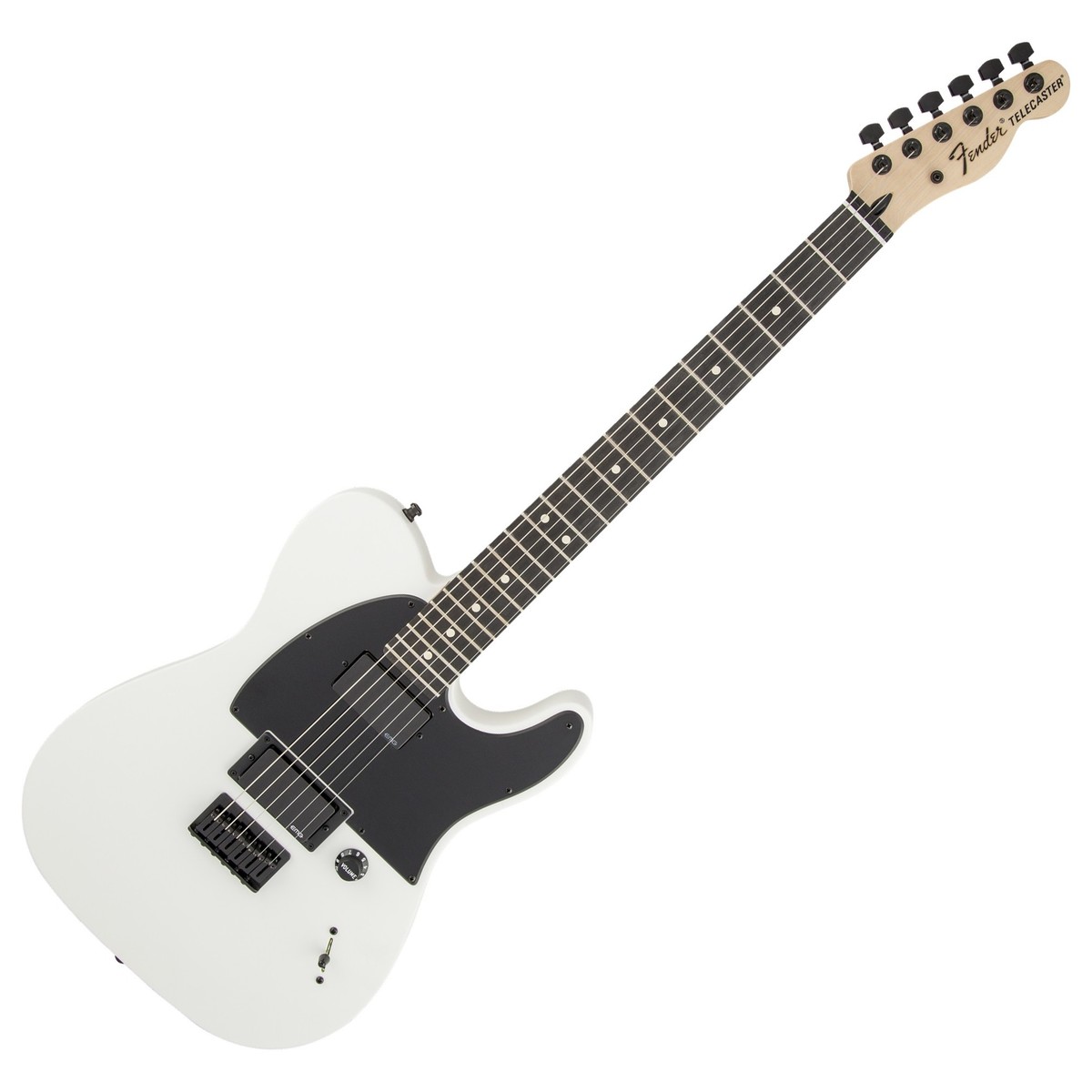 £1,499.00 ($1,904)
Fender
Fender Jim Root Telecaster Flat White
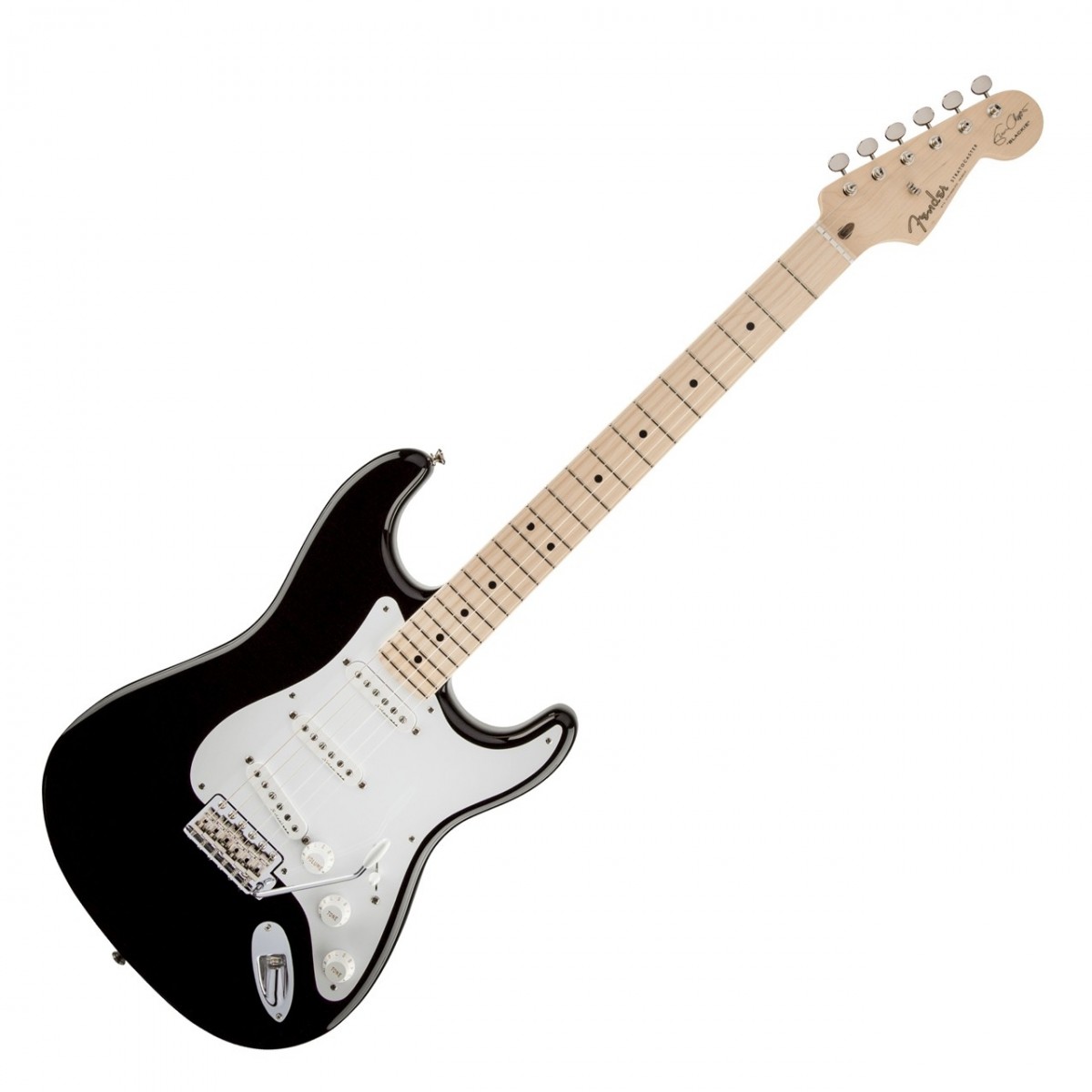 £2,599.00 ($3,301)
Fender
Fender Eric Clapton Stratocaster Black
Frequently asked questions
- What is the primary benefit of a roasted maple neck?
- The primary benefit is increased stability and resistance to humidity changes. The roasting process removes moisture, making the wood less likely to warp or require frequent truss rod adjustments.
- Where is this specific Fender neck manufactured?
- This neck is produced at Fender’s manufacturing facility in Ensenada, Mexico. It maintains the quality standards associated with Fender's Player and Vintera series components.
- How many frets does this Telecaster neck have?
- This specific model features 21 frets. This is a classic configuration for Telecaster guitars, providing a traditional look and feel.
- What type of fret wire is used on this neck?
- The neck is equipped with narrow-tall frets. These are taller and narrower than medium-jumbo frets, allowing for easier string bending and improved clarity.
- What is the neck profile of this model?
- It features a 'C' shaped profile. This is a modern, ergonomic shape designed to be comfortable for the majority of hand sizes and playing styles.
- Does this neck include a nut?
- While the neck typically comes with pre-slotted pilot grooves, a final nut filing and setup are usually required for optimal playability. Check specific packaging for the included synthetic bone nut.
- Is the fretboard a separate piece of wood?
- This specific model features a maple fingerboard. In this configuration, the fingerboard is often the same roasted maple material as the neck itself.
- Does roasting the maple change the sound of the guitar?
- Yes, roasting is known to add a desirable amount of sustain. It gives the guitar a unique sonic character that is often described as more resonant and mature.
- Will this neck fit a Squier Telecaster body?
- In most cases, yes, as it uses standard Fender neck pocket dimensions. However, some minor sanding or shimming may be required depending on the specific Squier model's tolerances.
- What is the typical price for this replacement neck?
- The typical price range for this Fender Roasted Maple Telecaster Neck is approximately GBP 339. This places it in the mid-to-high range for genuine replacement parts.
- Does the roasted finish require a heavy lacquer?
- Roasted maple is often finished with a thin satin urethane or oil to maintain the feel of the wood. This contributes to the 'fast' playing feel described by the manufacturer.
- How does this neck compare to a standard maple neck?
- Compared to standard maple, the roasted version is more stable, has a darker aesthetic, and typically offers increased sustain. It is less affected by environmental factors like heat and moisture.