
Gear article
Fender Stratocaster Lacquer 21 Vintage Fret "V" Profile Maple Neck
The Fender Stratocaster Lacquer 21 Vintage Fret "V" Profile Maple Neck is a premium replacement component designed for custom guitar builds and instrument restoration. Featuring a vintage-inspired nitrocellulose lacquer finish and a soft "V" profile, it provides the tactile feel and aesthetic of classic mid-century Fender instruments.
See live pricesOverview
The Fender Stratocaster Maple Neck Lacquer is an official replacement part intended for use with Fender or Squier guitar bodies. It is constructed from a single piece of maple, featuring an integrated maple fingerboard that offers both a smooth playing surface and a classic aesthetic. The neck is finished in nitrocellulose lacquer, a traditional material that allows the wood to breathe and age naturally over time, unlike modern polyurethane or polyester finishes.
Design and Profile
A defining feature of this neck is the 'Soft V' profile. This shape provides a stable and comfortable playing experience, particularly for guitarists who prefer to wrap their thumb around the top of the fretboard or who find modern 'C' shapes too shallow. The neck is equipped with 21 vintage-style frets and a vintage-style heel-adjust truss rod, maintaining the structural integrity and historical accuracy required for vintage-spec Stratocasters.
Construction Details
To ensure tuning stability, the neck is fitted with a synthetic bone string nut. The mounting system utilizes a standard four-bolt pattern, making it compatible with a wide range of Fender and Squier Stratocaster bodies. The heel-adjust truss rod design ensures that once the neck is relief-set and secured, it remains firmly in place for long-term performance.
Sound and Character
The use of maple for both the neck and fingerboard contributes to a bright, punchy tonal character with excellent note definition. The lacquer finish is often preferred by purists for its distinct feel, which can become less 'sticky' than gloss urethane as it wears in. The combination of materials and the 'V' mass results in a resonant component that complements the natural sustain of a Stratocaster body.
Target Audience
This neck is primarily suited for two types of users: those performing a high-quality restoration or upgrade on an existing Fender guitar, and luthiers building a custom 'Partscaster.' Its vintage specifications make it an ideal choice for players who demand the ergonomic feel of 1950s-era instruments combined with the reliability of modern manufacturing.
Compatibility and Alternatives
While designed for Fender Stratocasters, this neck can also be fitted to Squier bodies, though some minor adjustments may be required depending on the specific model. It is often compared to the American Professional series necks, which typically feature 'Deep C' profiles and satin finishes, or the Player Series necks which use modern 'C' profiles and 22 frets. This lacquer version stands out for its specific vintage dimensions and traditional finish.
Related gear
 £20.35 ($26)
EVANS
Evans MS3 Clear Marching Snare Side Drum Head 14"
 £24.99 ($32)
Tama
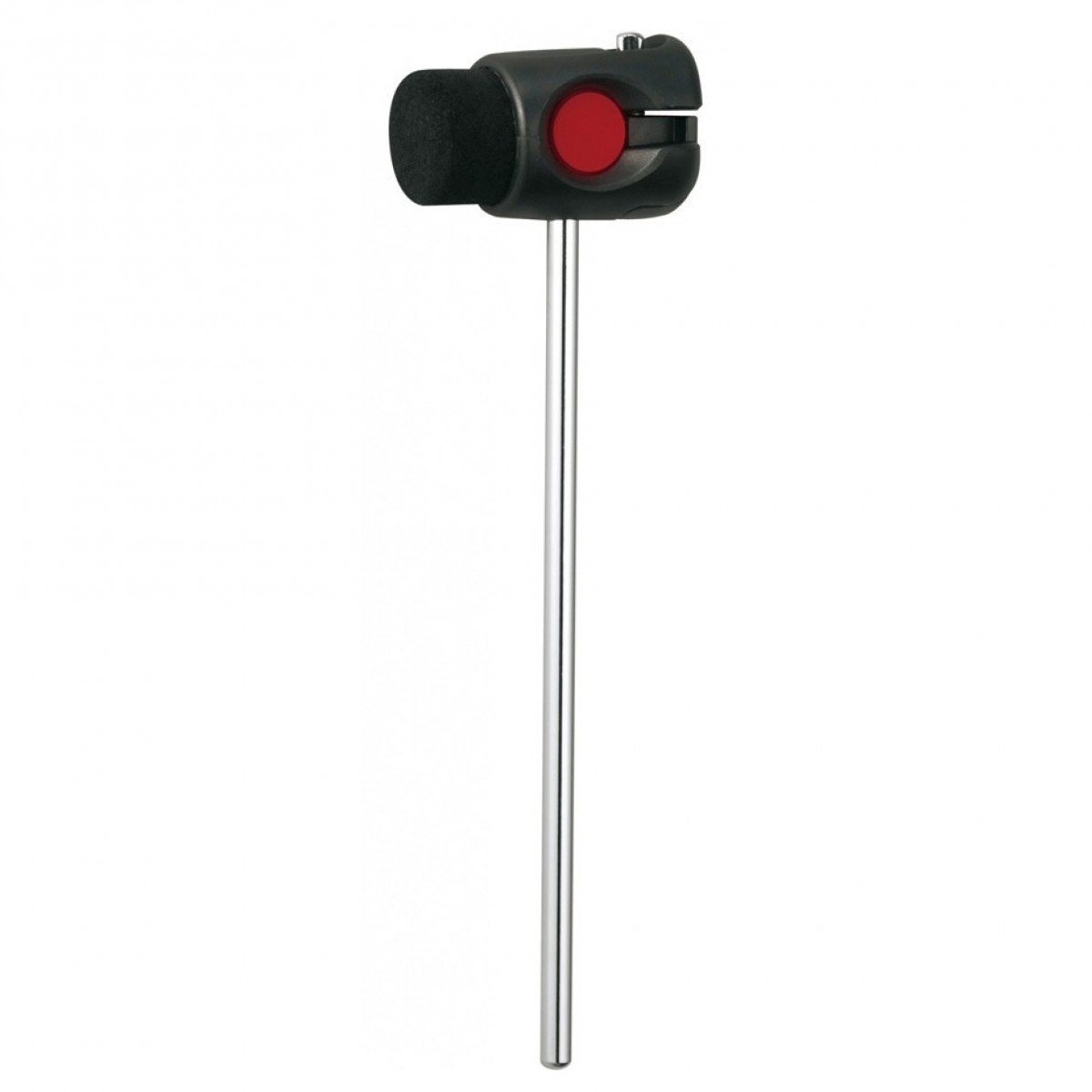
Tama CB900PS Accu-Strike Iron Cobra Beater
 £29.00 ($37)
Gotoh
Gotoh 203B-4 Bass Bridge Chrome
 £54.00 ($69)
Fender
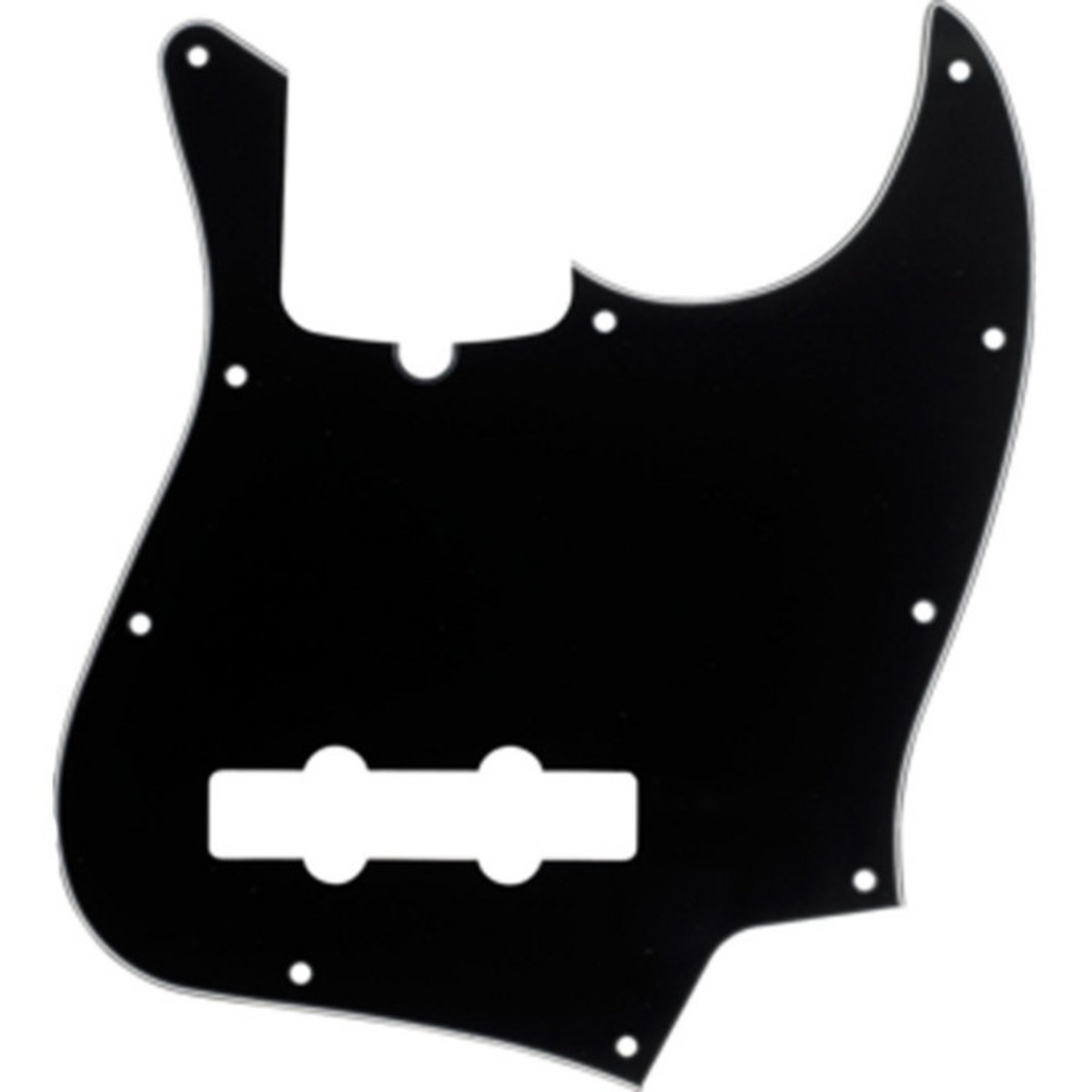
Fender 10-Hole Contemporary Jazz Bass Pickguard 3-Ply Black
 £11.49 ($15)
Fender
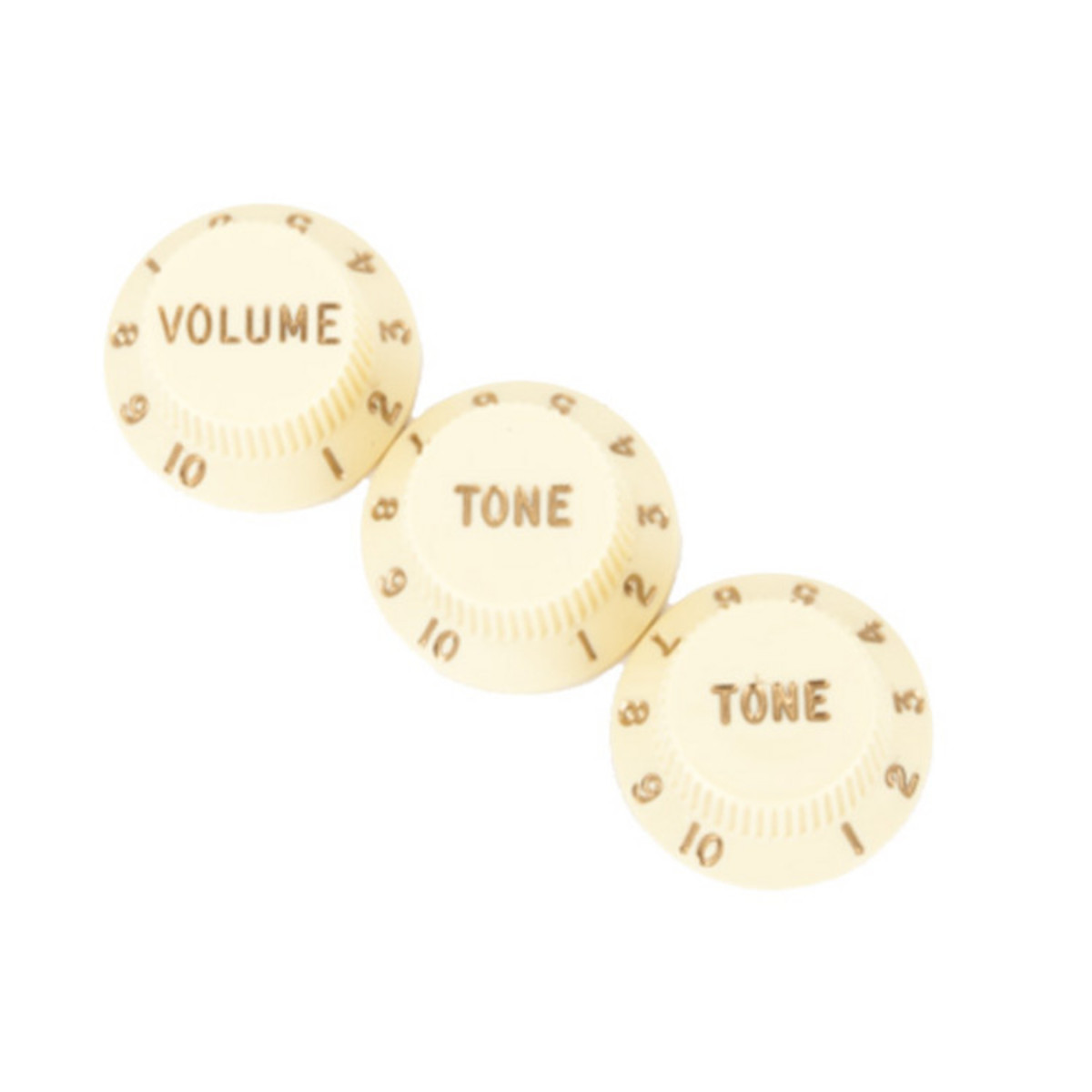
Fender Stratocaster Knobs 1 Volume 2 Tone Aged White
 £2.49 ($3)
Gear4Music
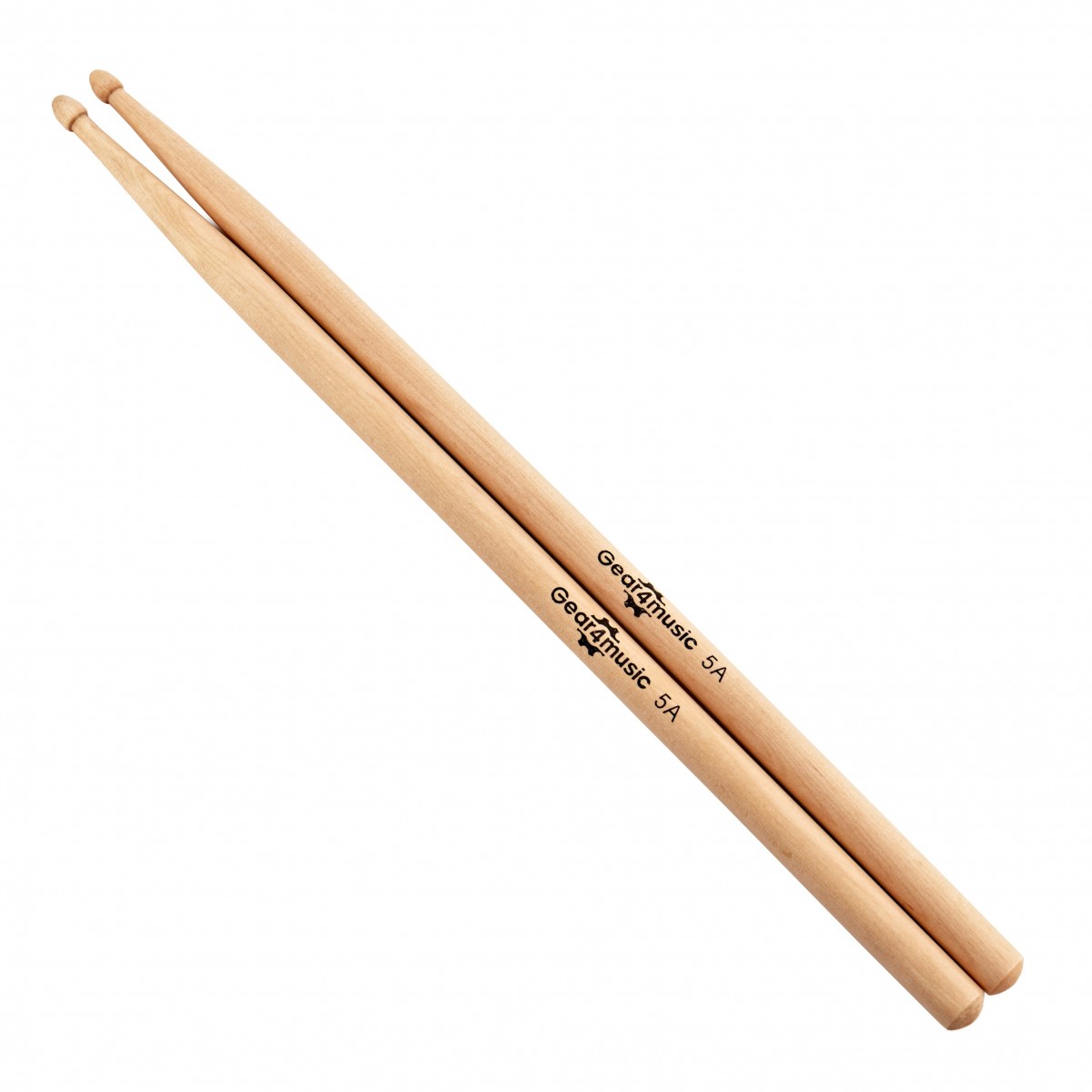
5A Wood Tip Maple Drumsticks by Gear4music
 £158.00 ($201)
Fender
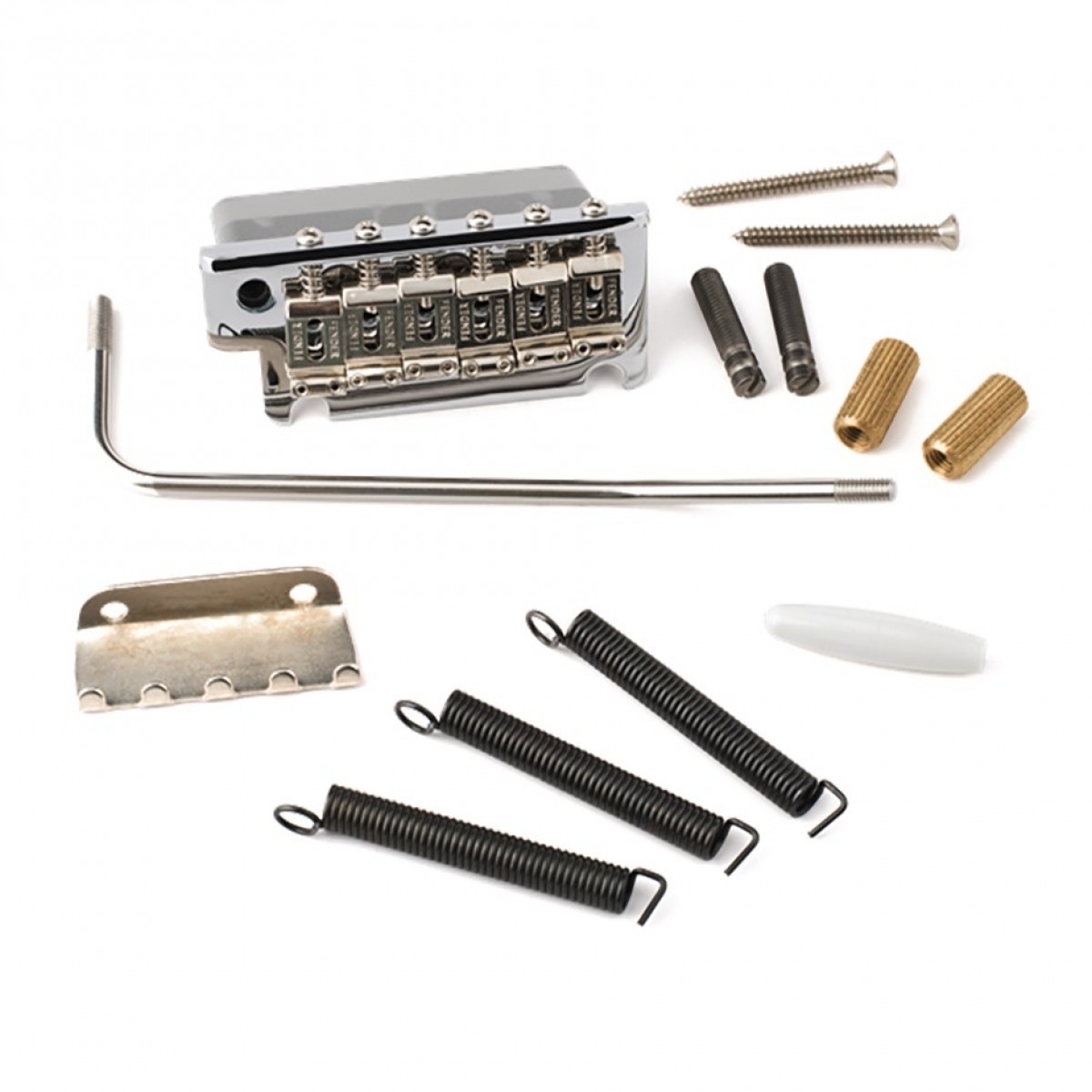
Fender American Standard Stratocaster Tremolo Bridge Assembly Chrome
 £7.99 ($10)
Fender
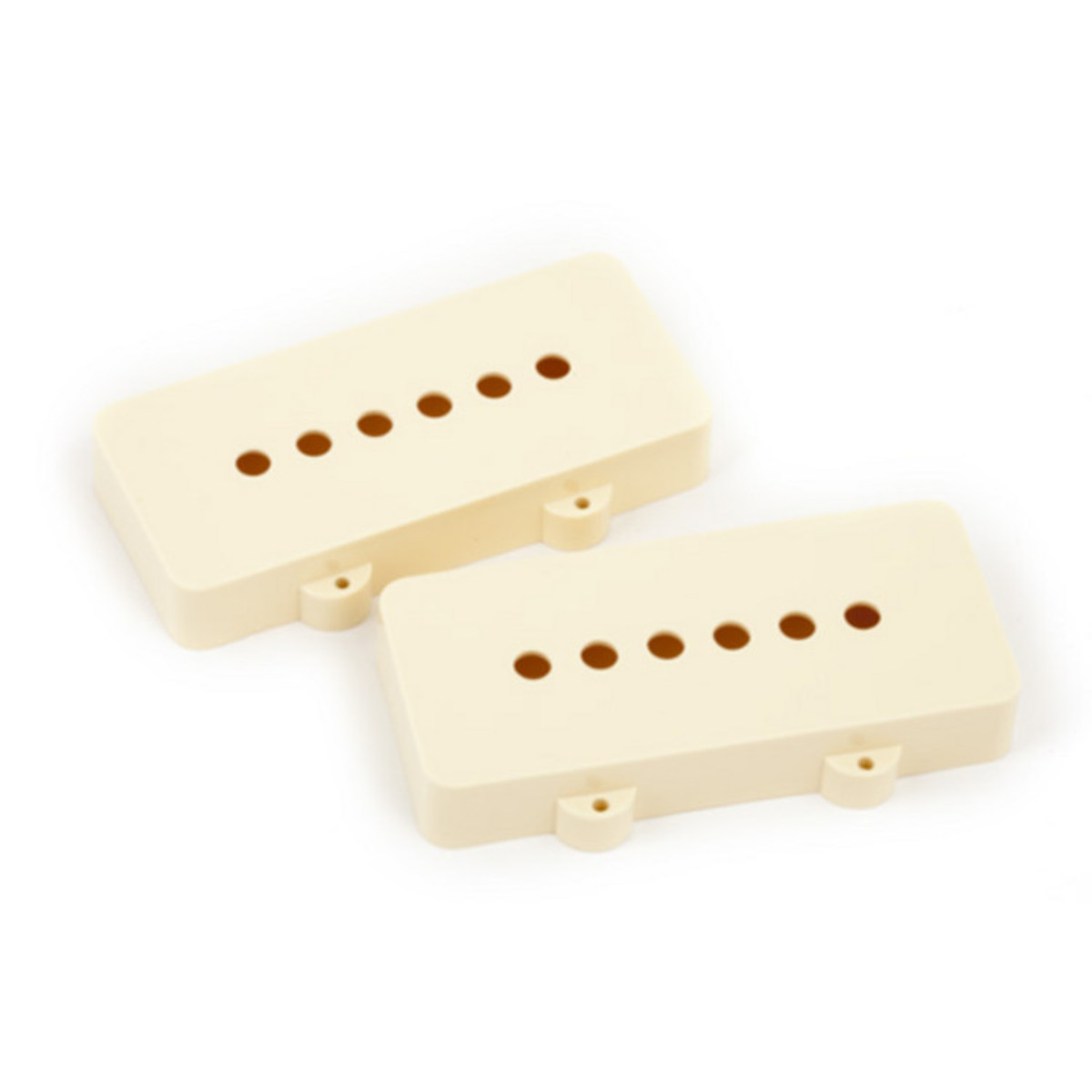
Fender Jazzmaster Pickup Covers Aged White
Frequently asked questions
- What is a 'Soft V' neck profile?
- A 'Soft V' profile is a neck shape that has a slightly pointed apex at the back, though it is rounded off to be less sharp than a true 'Hard V'. It is designed to fit comfortably in the palm while providing a solid anchor for the thumb.
- What are the benefits of a nitrocellulose lacquer finish?
- Nitrocellulose lacquer is a thinner finish than modern polyester, which many players believe allows the wood to resonate more freely. Over time, it wears and develops a unique patina, giving the guitar a vintage look.
- Will this neck fit a Squier Stratocaster?
- Yes, this neck is designed to be compatible with both Fender and Squier Stratocaster bodies. However, due to minor variations in manufacturing tolerances, some light sanding or shimming may be necessary for a perfect fit.
- Where is the truss rod adjustment located on this neck?
- This neck features a vintage-style heel-adjust truss rod. This means the adjustment nut is located at the base of the neck where it meets the body, rather than at the headstock.
- What material is the nut made from?
- The neck comes equipped with a synthetic bone string nut. This material is chosen for its ability to provide stable tuning and consistent string vibration transfer.
- How many frets does this neck have?
- This specific model features 21 vintage-style frets. This is consistent with the specifications of historical Stratocasters from the 1950s and 1960s.
- Is the fingerboard a separate piece of wood?
- This is a one-piece maple neck, meaning the fingerboard is part of the same piece of wood as the neck itself. This is a classic Fender construction method known for its stability and bright tone.
- What mounting system does this neck use?
- It uses a standard four-bolt neck mounting system. This ensures the neck stays firmly secured to the body for long-lasting performance and sustain.
- What is the typical price for this replacement neck?
- The typical price range for this Fender replacement neck is approximately GBP 399. Prices may vary slightly depending on the retailer and current availability.
- Can I use this neck for a custom guitar build?
- Absolutely; it is marketed as both a replacement part for existing guitars and a primary component for those building their own custom instruments from scratch.
- What kind of tuners will fit this neck?
- The headstock is typically drilled for vintage-style tuning machines. If you wish to use modern die-cast tuners, you may need to enlarge the holes or use adapter bushings.
- Does the lacquer finish feel different from polyurethane?
- Yes, lacquer generally has a smoother, more 'organic' feel. While it can feel slightly tacky when brand new, it quickly breaks in to provide a very fast and comfortable playing surface.