
Gear article
Fender Tim Armstrong Hellcat Electro-Acoustic
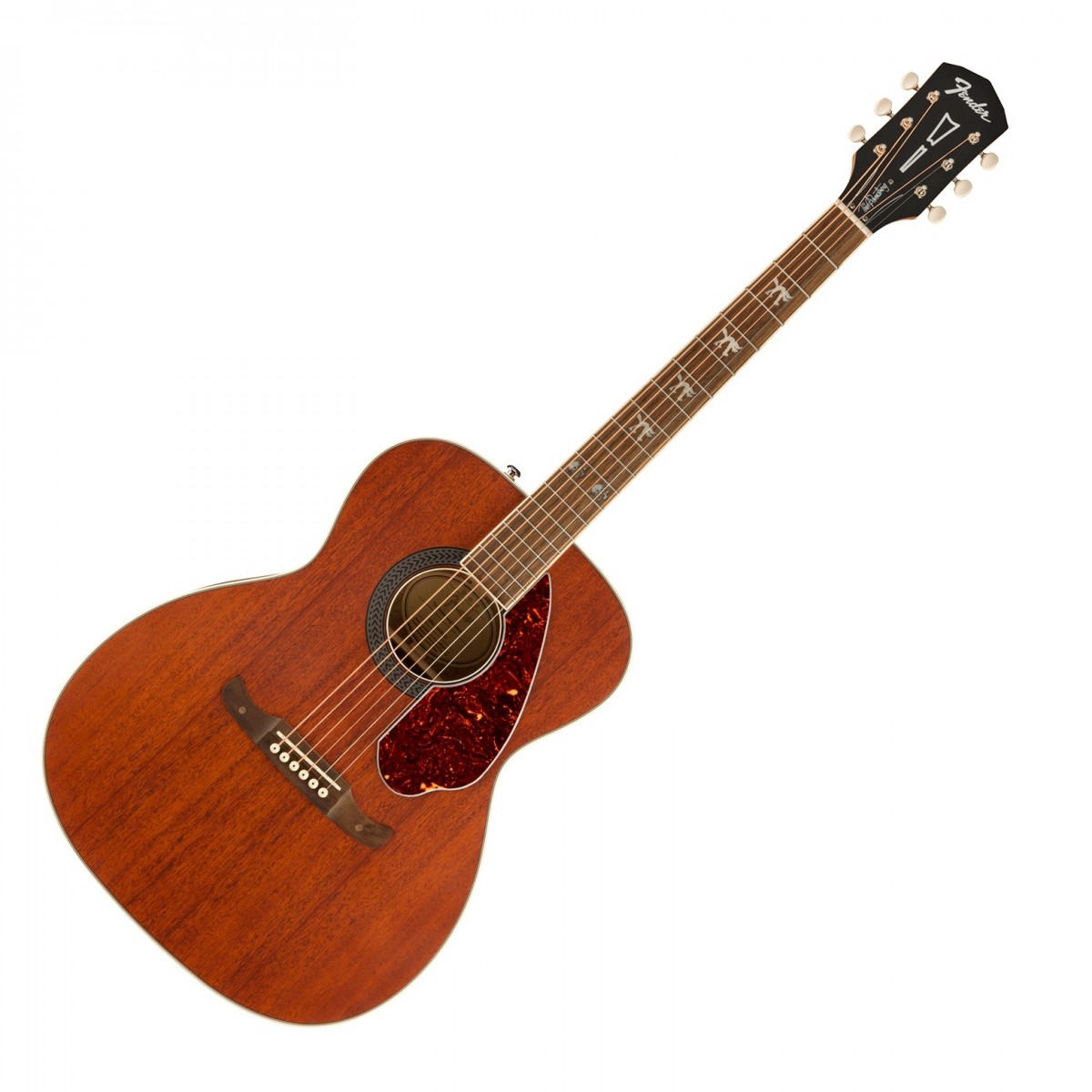
The Fender Tim Armstrong Hellcat is a signature electro-acoustic guitar based on the Rancid founder's personal 1960s songwriting instrument. It features a solid mahogany top and a concert-style body, designed to provide a balance of vintage warmth and modern playability for both stage and studio use.
Overview
The Fender Tim Armstrong Hellcat is a distinctive electro-acoustic guitar that occupies a unique space in Fender's acoustic lineup. Unlike standard production models, this instrument is a direct recreation of the 1960s acoustic guitar Tim Armstrong used to write songs for his influential punk rock band, Rancid. It combines a compact concert body shape with a dark, mahogany-driven aesthetic that sets it apart from traditional spruce-topped acoustics.
History and Background
Tim Armstrong is widely recognised as a pivotal figure in the 1990s punk revival. For decades, his primary tool for composition was a vintage 1960s Fender acoustic. To make this specific sound and feel accessible to the public, Fender collaborated with Armstrong to produce the 'Hellcat' signature model. The guitar is adorned with visual cues that reference Armstrong's history, including the namesake 'Hellcat' logo inlays on the fretboard and double-skull emblems at the 12th fret.
Design and Key Features
The instrument is constructed with a solid mahogany top, supported by laminated mahogany back and sides. This choice of materials is central to the guitar's identity. The concert body size is smaller and more ergonomic than a standard dreadnought, making it more manageable for smaller players or those accustomed to electric guitars.
Key features include: * Solid Mahogany Top: Provides a rich, compressed tonal character that improves as the wood ages. * Ergonomic Neck: Designed for comfort during long songwriting sessions or live performances. * Onboard Electronics: The guitar is equipped with a preamp system, allowing it to be plugged directly into an amplifier or PA system. * Unique Inlays: Signature Hellcat and skull graphics give the instrument a distinct punk-rock aesthetic.
Sound and Tonal Character
Due to its all-mahogany construction, the Hellcat produces a sound that is described as 'warm' and 'woody.' While spruce-topped guitars often have a bright, piercing high-end, the Hellcat leans into the mid-range frequencies. This makes it particularly effective for accompanying vocals, as it sits in a frequency range that does not compete with the singer's voice. The solid top ensures that the resonance is more complex than entry-level all-laminate instruments, offering a richness that develops further with regular play.
User Suitability and Comparisons
The Hellcat is primarily suited for players who prefer a darker tone and a smaller body profile. It is an excellent choice for fans of Tim Armstrong, but its versatile electronics and comfortable neck also make it a viable tool for folk, blues, and indie musicians.
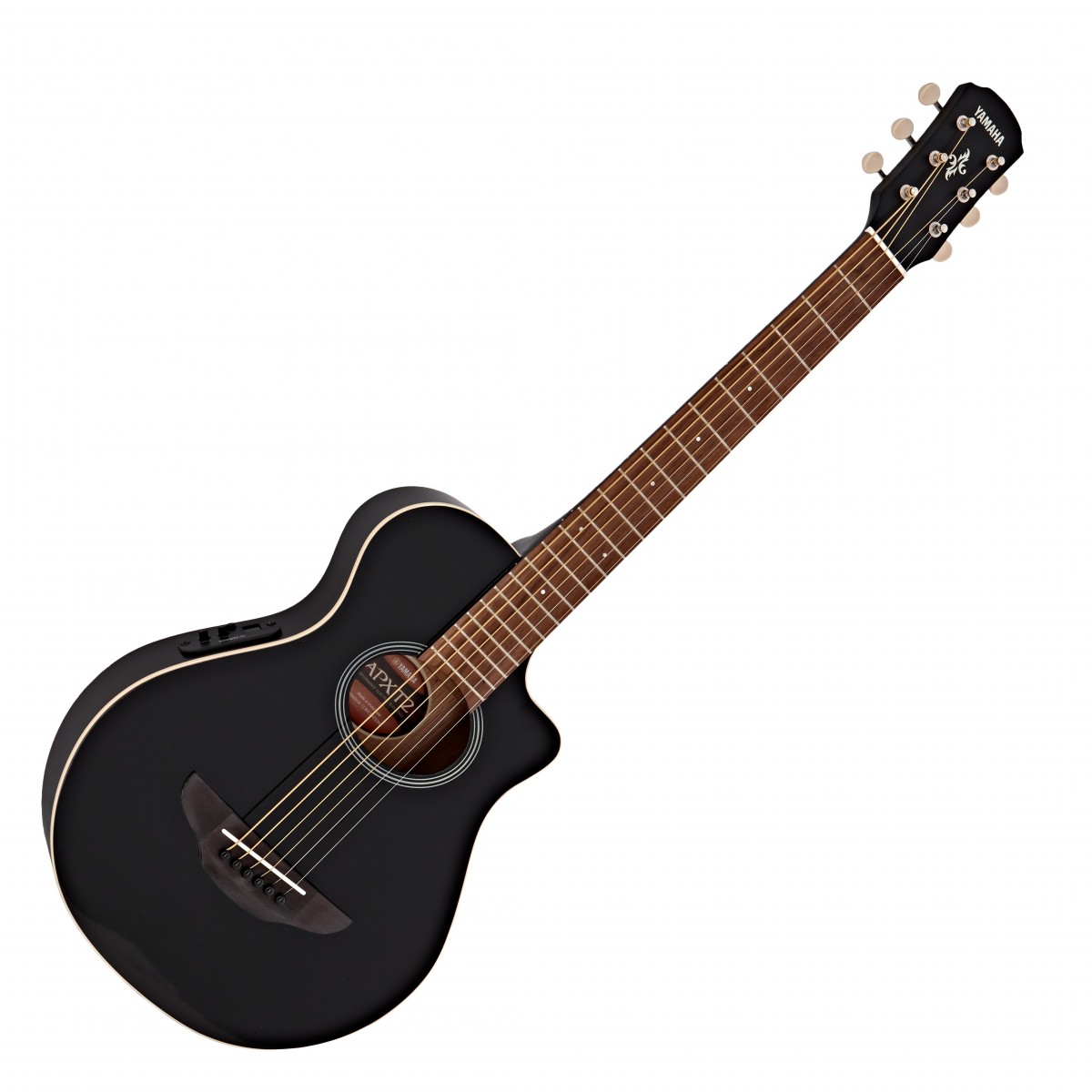
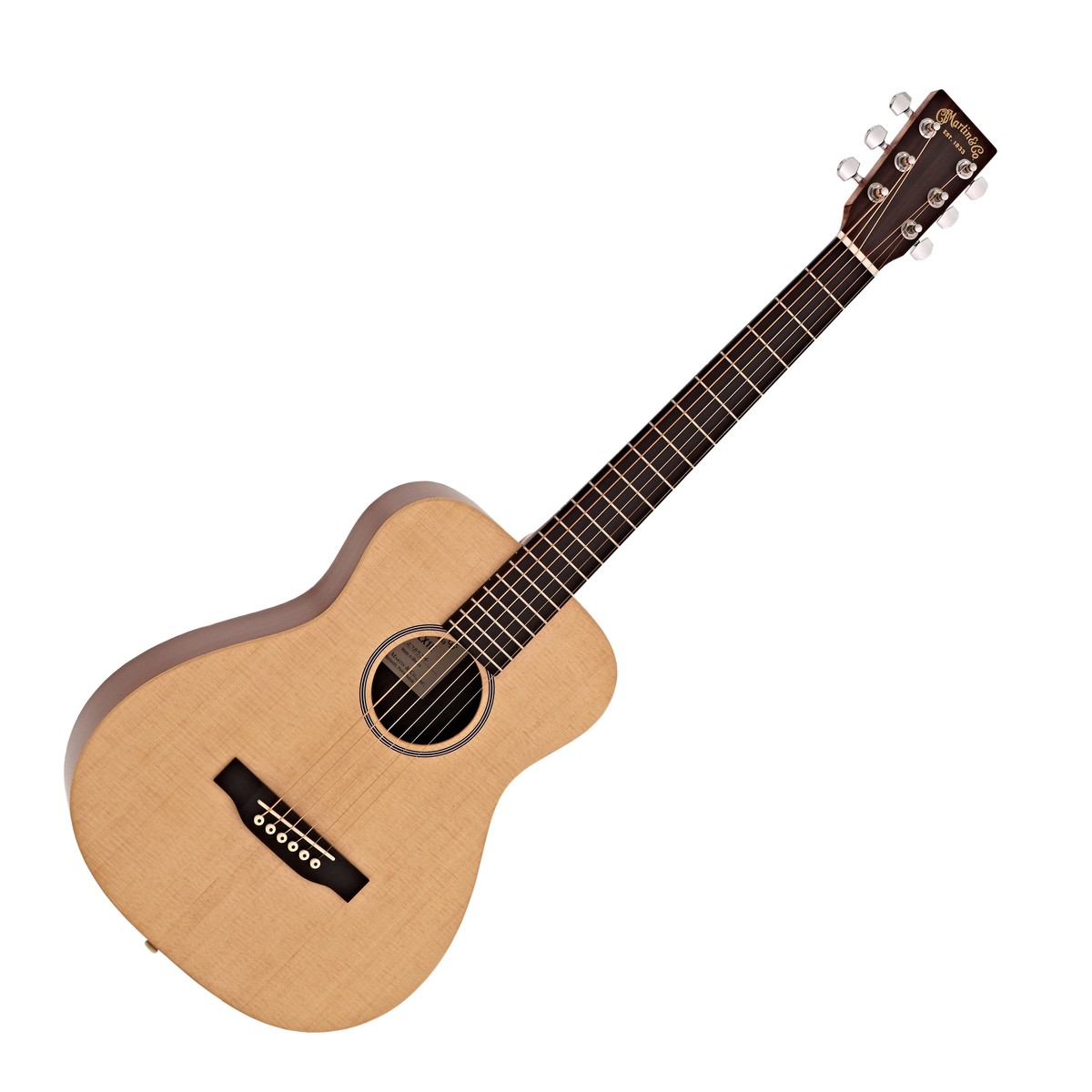
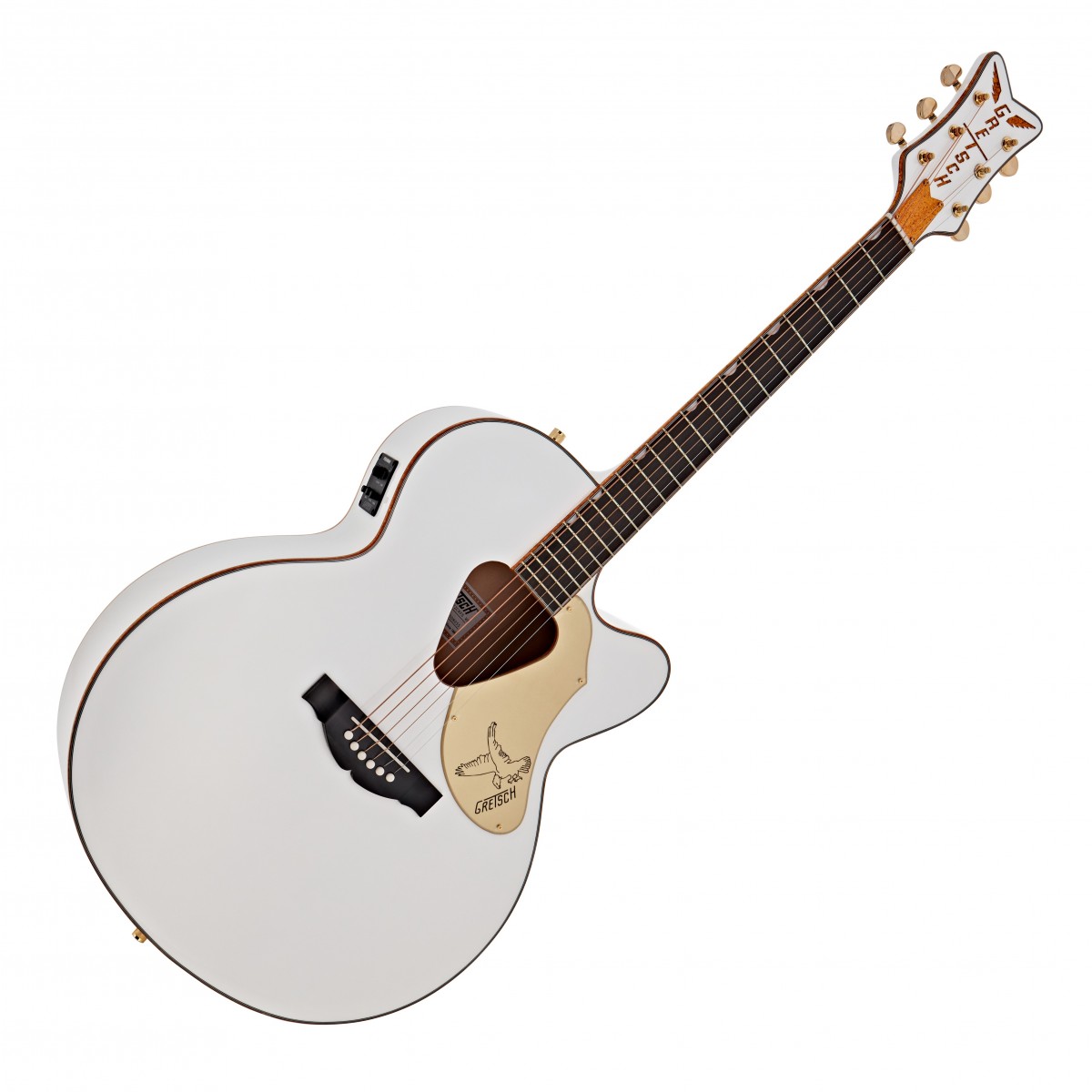
When compared to alternatives like the Martin LX1E Little Martin or Yamaha APXT2, the Hellcat offers a larger, more resonant body than these 3/4 scale models, while remaining more compact than jumbo alternatives such as the Gretsch G5022CWFE Rancher Falcon or the Guild F-2512E. For those seeking a more traditional 'bright' acoustic sound, the Fender Newporter Player or Sigma DTC-28HE may be preferable due to their different bracing or top-wood configurations.
Related gear
- £210.00 ($267)
Yamaha
Yamaha APXT2 3/4 Electro Acoustic Black
 £549.00 ($697)
Martin
Martin LX1E Little Martin Electro Acoustic
 £599.00 ($761)
Gretsch
Gretsch G5022CWFE Rancher Falcon Jumbo Electro Acoustic Guitar
 £215.00 ($273)
Yamaha
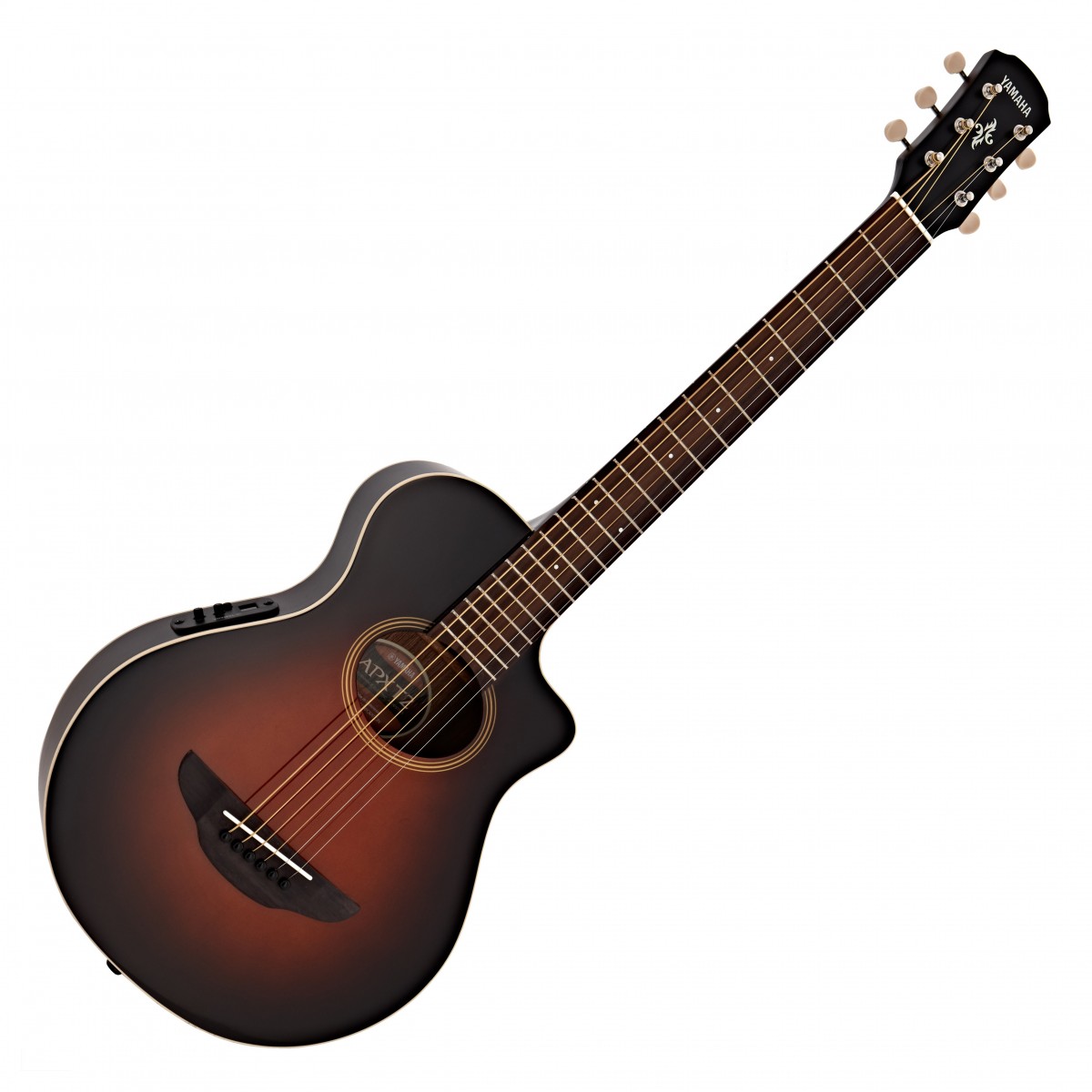
Yamaha APXT2 3/4 Electro Acoustic Old Violin Sunburst
 £515.00 ($654)
Guild
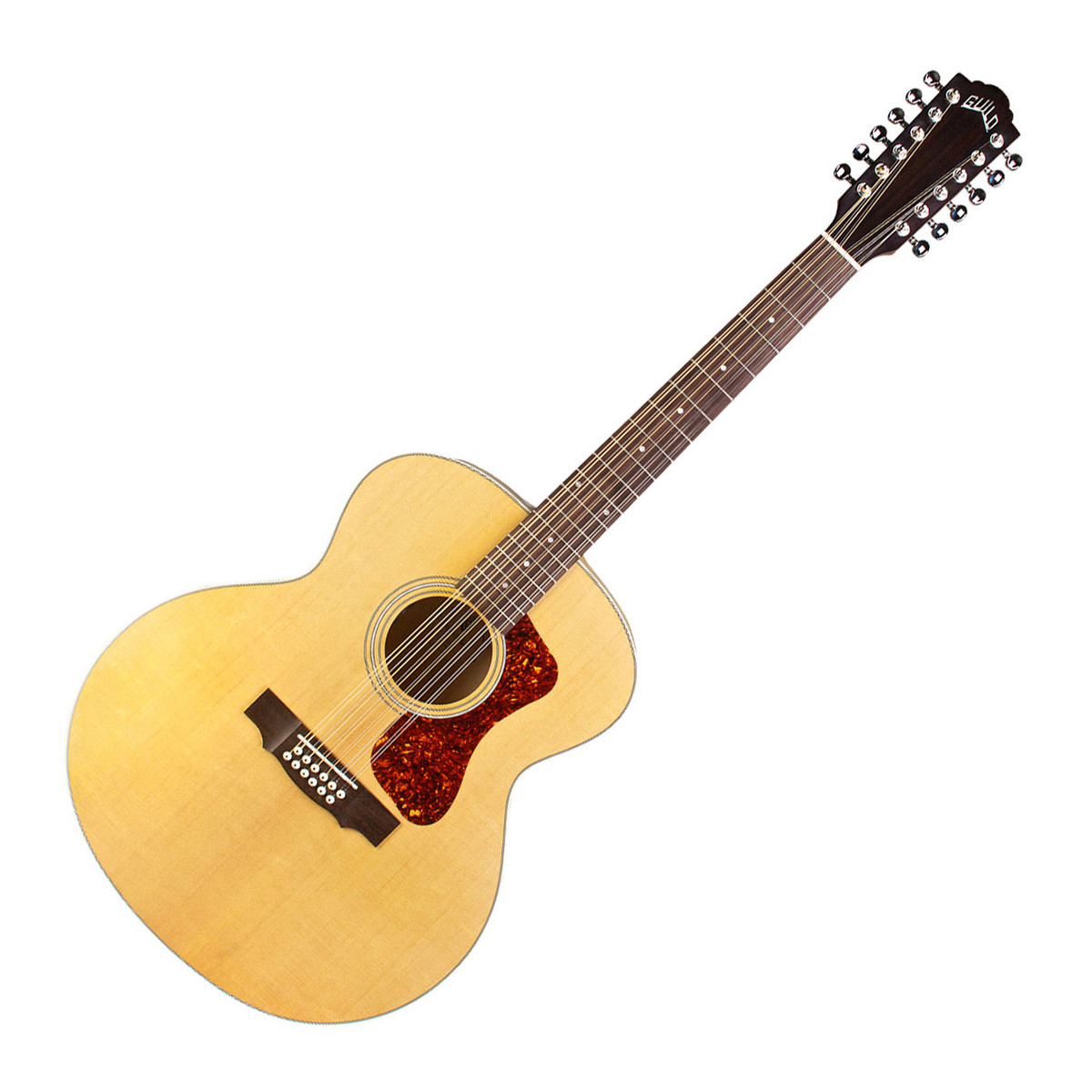
Guild F-2512E Jumbo Electro Acoustic Guitar Natural
 £339.00 ($431)
Fender
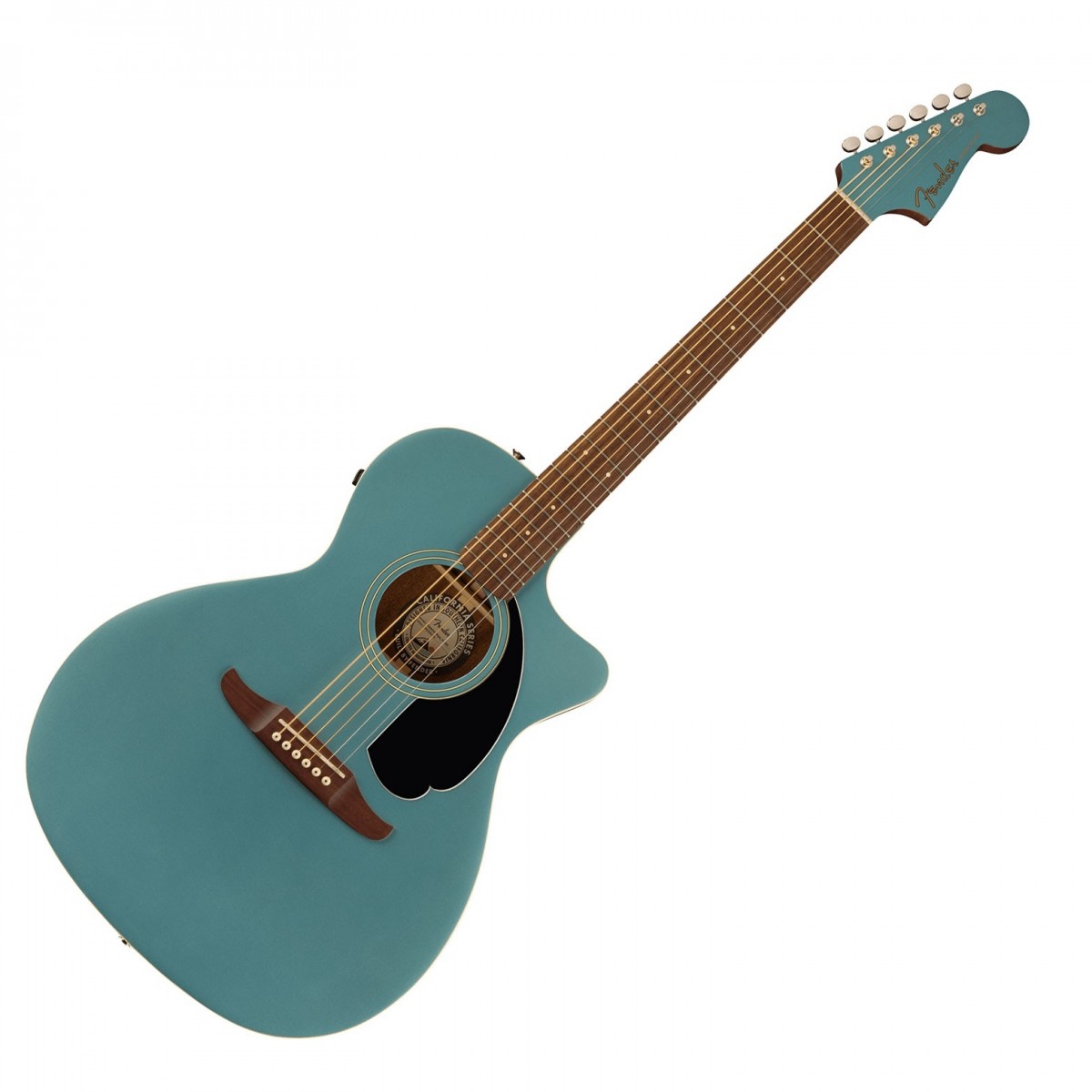
Fender Newporter Player Electro Acoustic Tidepool
 £7,399.00 ($9,397)
Taylor Guitars
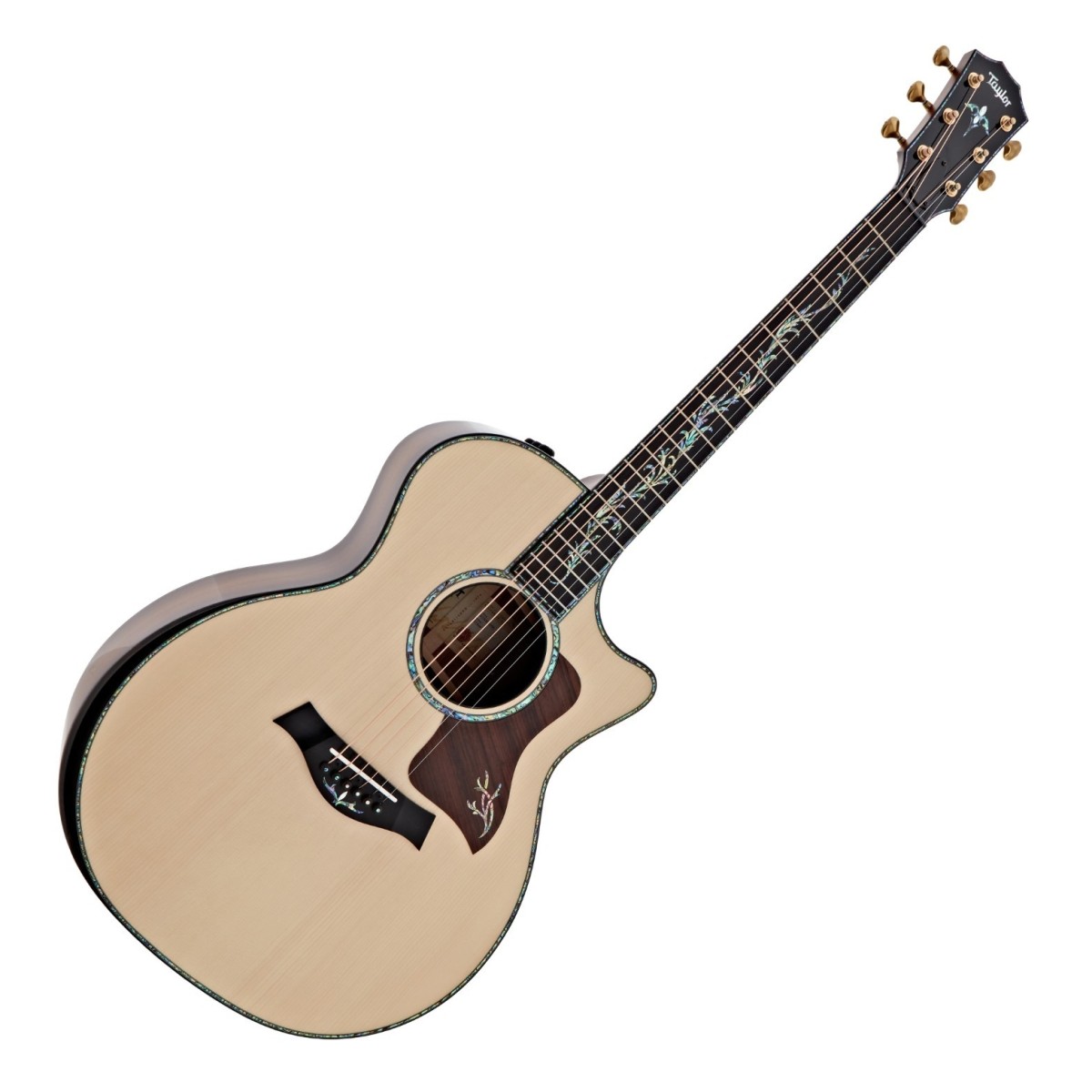
Taylor Presentation PS14ce Electro Acoustic Honduran Rosewood/Adirondack Spruce #1210053075
Frequently asked questions
- What wood is used for the top of the Fender Tim Armstrong Hellcat?
- The guitar features a solid mahogany top. This provides a warm, rich sound that matures and becomes more resonant over time with regular use.
- What is the body shape of this guitar?
- The Hellcat uses a concert body style. This shape is slightly smaller and more curved than a dreadnought, offering improved comfort and a more focused mid-range response.
- Who is Tim Armstrong?
- Tim Armstrong is the Grammy-winning founder and guitarist for the punk rock band Rancid. This signature model is based on his personal 1960s Fender acoustic.
- Is the Fender Hellcat an electro-acoustic guitar?
- Yes, it is equipped with an internal preamp system. This allows the player to plug the guitar into an amplifier or soundboard for live performances.
- Does the guitar have a built-in tuner?
- Yes, the integrated electronics system includes a built-in tuner. This allows for quick and accurate tuning adjustments without the need for external devices.
- What are the unique fretboard inlays on this model?
- The fretboard features custom 'Hellcat' logos as position markers. There are also double-skull inlays located at the 12th fret to reflect Tim Armstrong's style.
- How does the mahogany top affect the sound?
- Mahogany produces a warmer, mellower tone compared to spruce. It emphasizes the middle frequencies and offers a natural compression that is ideal for blues and folk styles.
- Is this guitar suitable for beginners?
- Yes, its ergonomic neck profile and smaller concert body make it very approachable. It is easier to hold and play than a larger jumbo or dreadnought guitar.
- What is the typical price for this model?
- The Fender Tim Armstrong Hellcat is typically priced at approximately £419. This places it in the mid-range category of electro-acoustic instruments.
- How does it compare to the Fender Newporter Player?
- While both are Fender acoustics, the Hellcat has a solid mahogany top for warmth, whereas the Newporter often features different aesthetics and body contours. The Hellcat is specifically designed to Tim Armstrong's vintage specifications.
- Is the back and sides made of solid wood?
- No, while the top is solid mahogany, the back and sides are made of laminated mahogany. This construction helps with durability and keeps the instrument within an affordable price range.
- What kind of music is best played on the Hellcat?
- While inspired by punk rock songwriting, its warm tone suits a variety of genres. It is particularly effective for acoustic rock, folk, blues, and indie music.