
Gear article
Future Sound Systems Cric
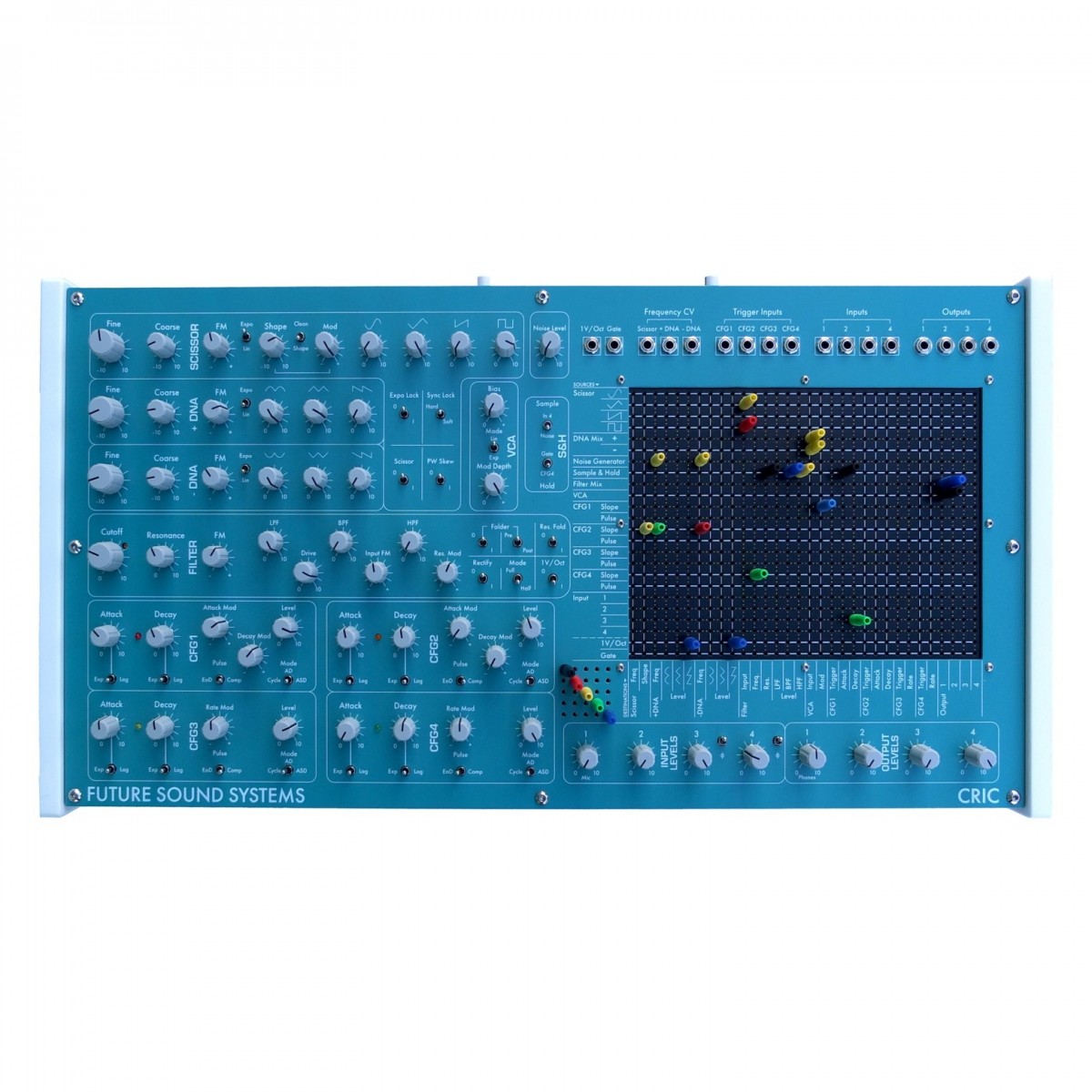
The Future Sound Systems Cric is a versatile analogue matrix synthesizer designed for extensive sound design and experimental patching. It features three voltage-controlled oscillators, a flexible filter section, and a distinctive pin matrix system that allows for monophonic, paraphonic, or percussive configurations.
Overview
The Future Sound Systems Cric is an advanced analogue synthesizer built for musicians and sound designers who require a high degree of customisation. At its core, the instrument utilizes a pin matrix patching system, reminiscent of classic British synthesizers, which allows users to route signals without the need for external cables. This architecture makes the Cric an adaptable tool capable of functioning as a traditional monophonic lead synth, a paraphonic instrument, or a dedicated analogue drum machine.
Core Architecture and Features
The instrument is powered by three high-quality Voltage Controlled Oscillators (VCOs) that provide the primary sound sources. These are complemented by a flexible filter section capable of both subtle tonal shaping and extreme sonic transformation.
A key feature of the Cric is its quartet of function generators. These units are highly versatile and can be configured to act as standard envelopes, Low Frequency Oscillators (LFOs), or even additional audio-rate VCOs. This flexibility provides the user with the tools necessary to craft intricate, evolving textures and complex rhythmic patterns.
Connectivity and External Processing
Unlike many standalone desktop synthesizers, the Cric offers extensive integration capabilities for studio environments. It features four dedicated inputs and four outputs, allowing it to function as a powerful signal processor. Users can feed external audio through the Cric's analogue filters and modulation tools, effectively using the synthesizer as an outboard effects unit or a complex processing hub for other gear.
Sound Character and Application
The sound character of the Cric is defined by its purely analogue signal path, offering a range from warm, classic tones to aggressive, experimental timbres. Because of its patchable nature, it suits enthusiasts who enjoy 'west-coast' style experimentation or those who require a non-linear workflow. Its ability to be reconfigured as a drum machine or a paraphonic unit makes it a central piece for live performance and studio composition alike.
Comparison to Alternatives
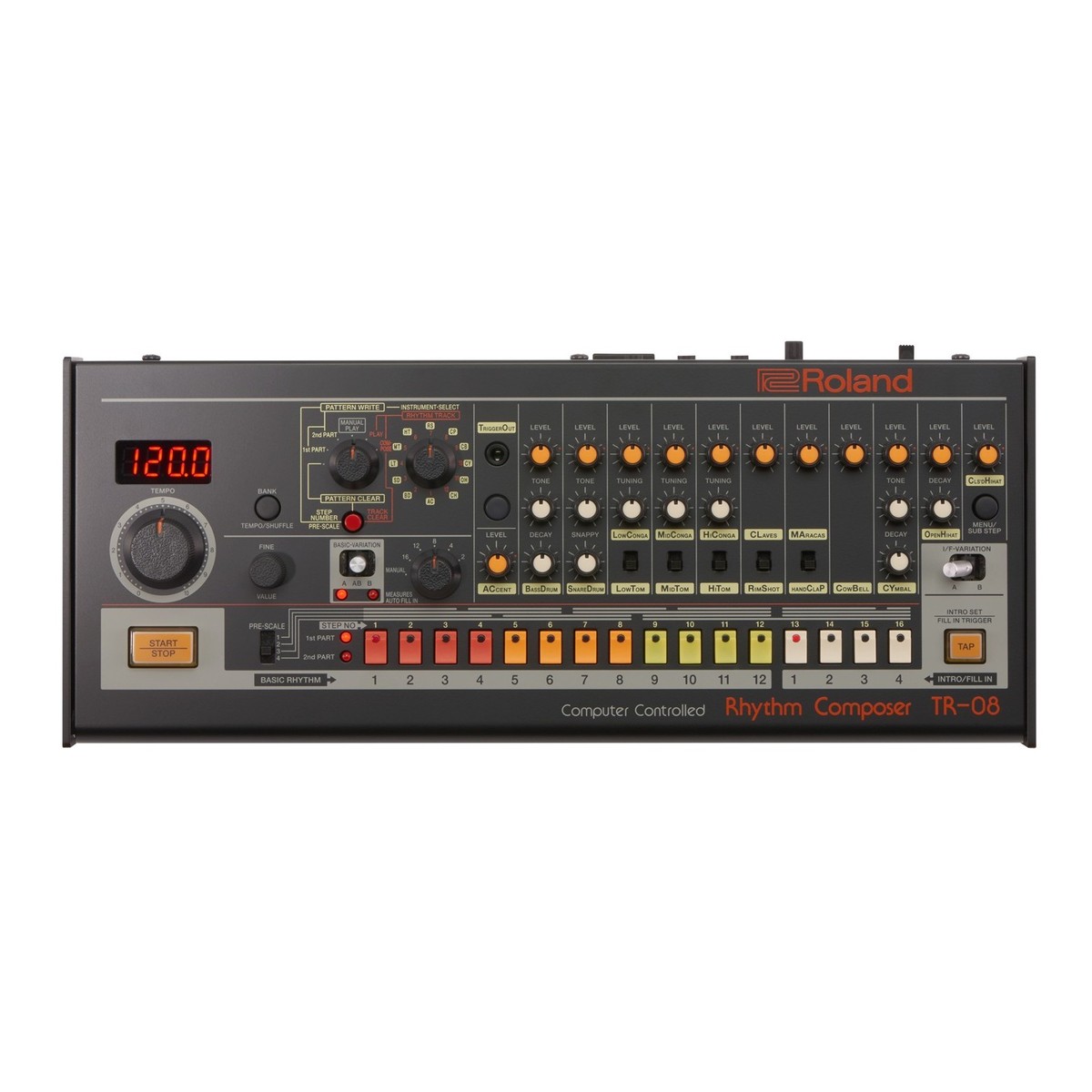
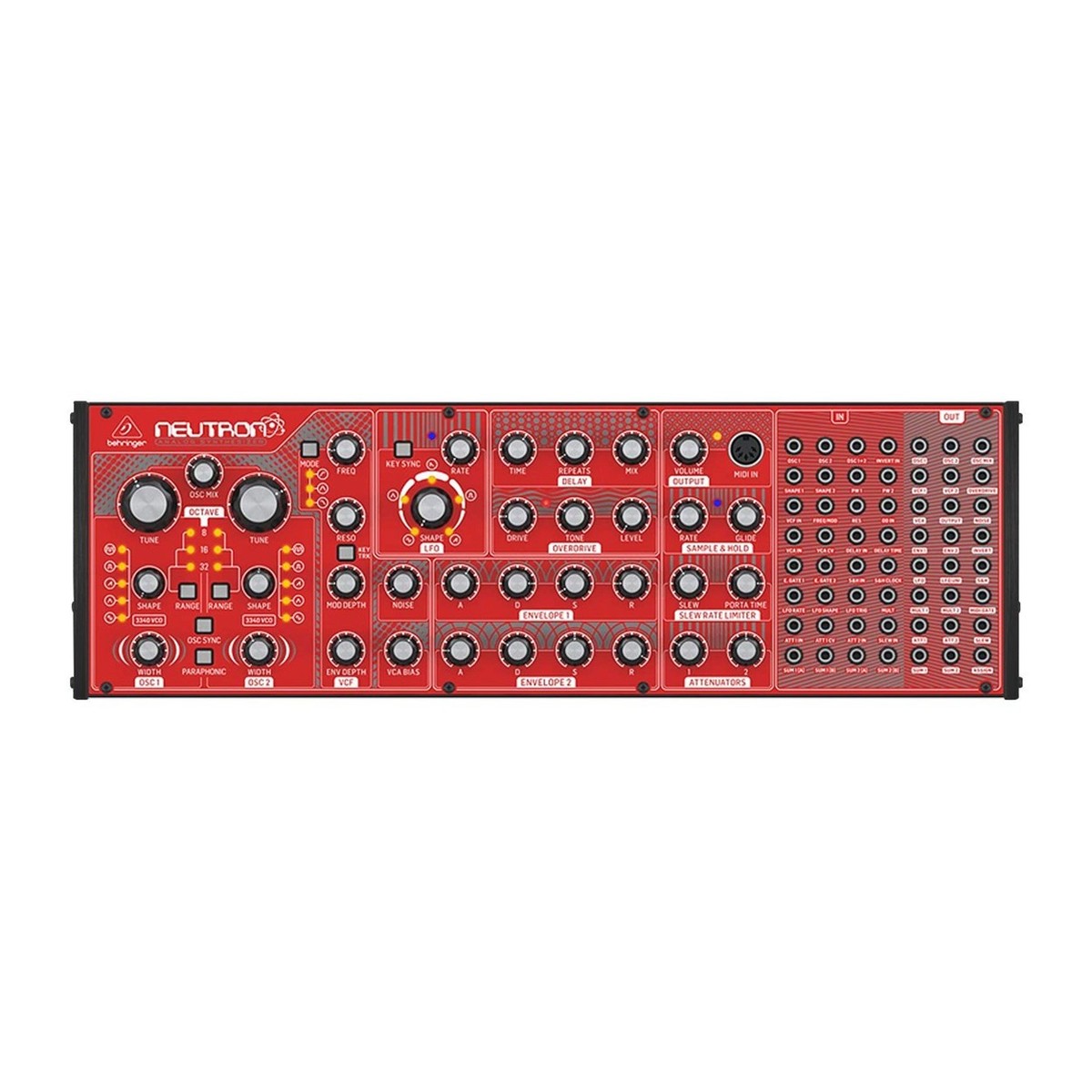
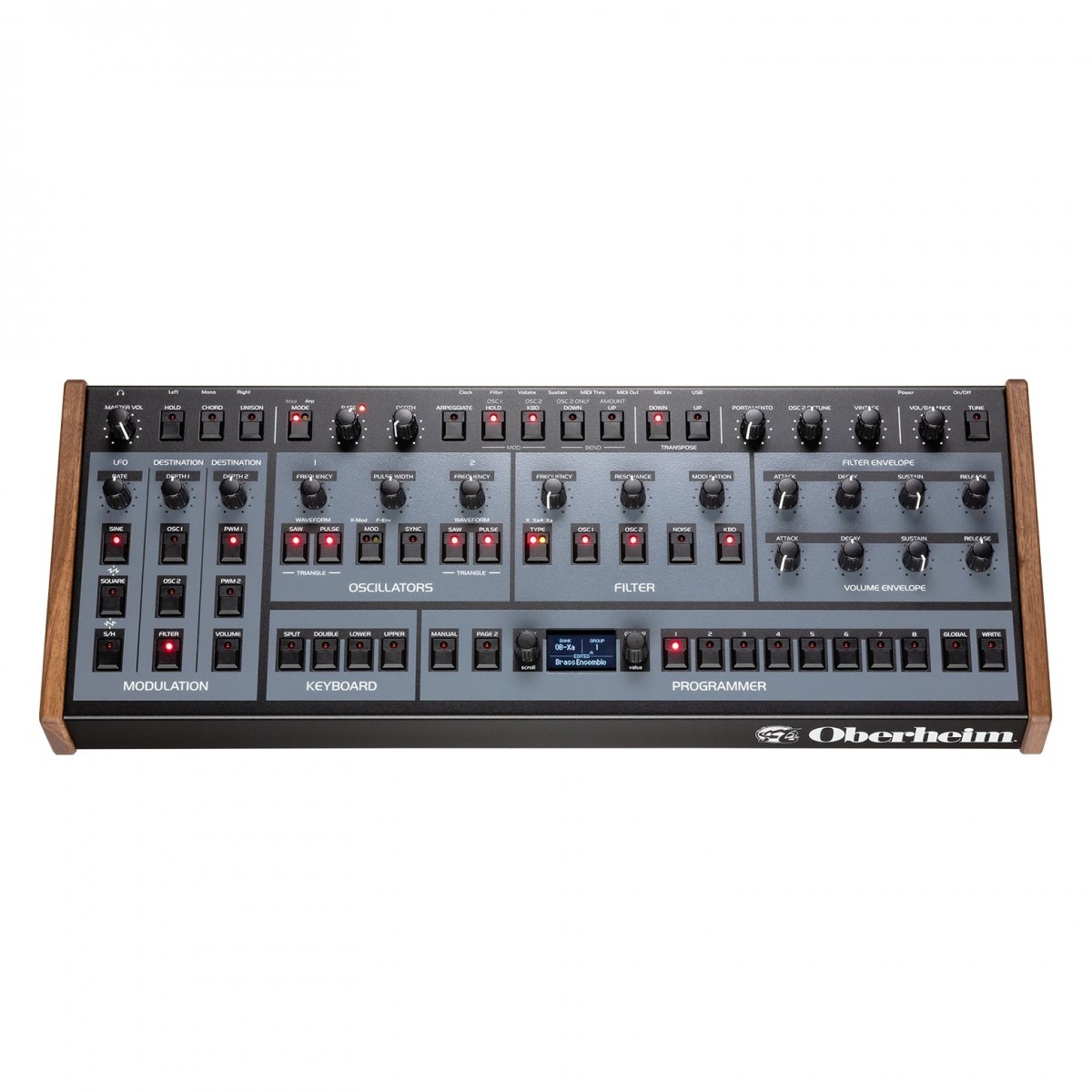
While there are many analogue synthesizers on the market, the Cric occupies a niche distinct from fixed-architecture units. Compared to the Roland Boutique TR-08, which is a dedicated digital recreation of a drum machine, the Cric offers true analogue percussion through modular patching. Unlike the Behringer Neutron, which uses a standard 3.5mm patch bay, the Cric utilizes a pin matrix for a different tactile and visual workflow. For users seeking a more traditional polysynth experience, an Oberheim OB-X8 might be preferred, but the Cric offers deeper custom routing and external audio processing capabilities that traditional subtractive synths often lack.
Related gear
- £374.00 ($475)
Roland
Roland Boutique TR-08 Rhythm Composer Drum Machine
 £281.50 ($358)
Behringer
Behringer Neutron Semi-Modular Synthesizer
 £3,699.99 ($4,699)
Oberheim
Oberheim OB-X8 Analog Synthesizer Desktop Module
 £527.01 ($669)
Yamaha
Yamaha MX49 II Music Production Synthesizer Blue
 £125.00 ($159)
Electro Harmonix
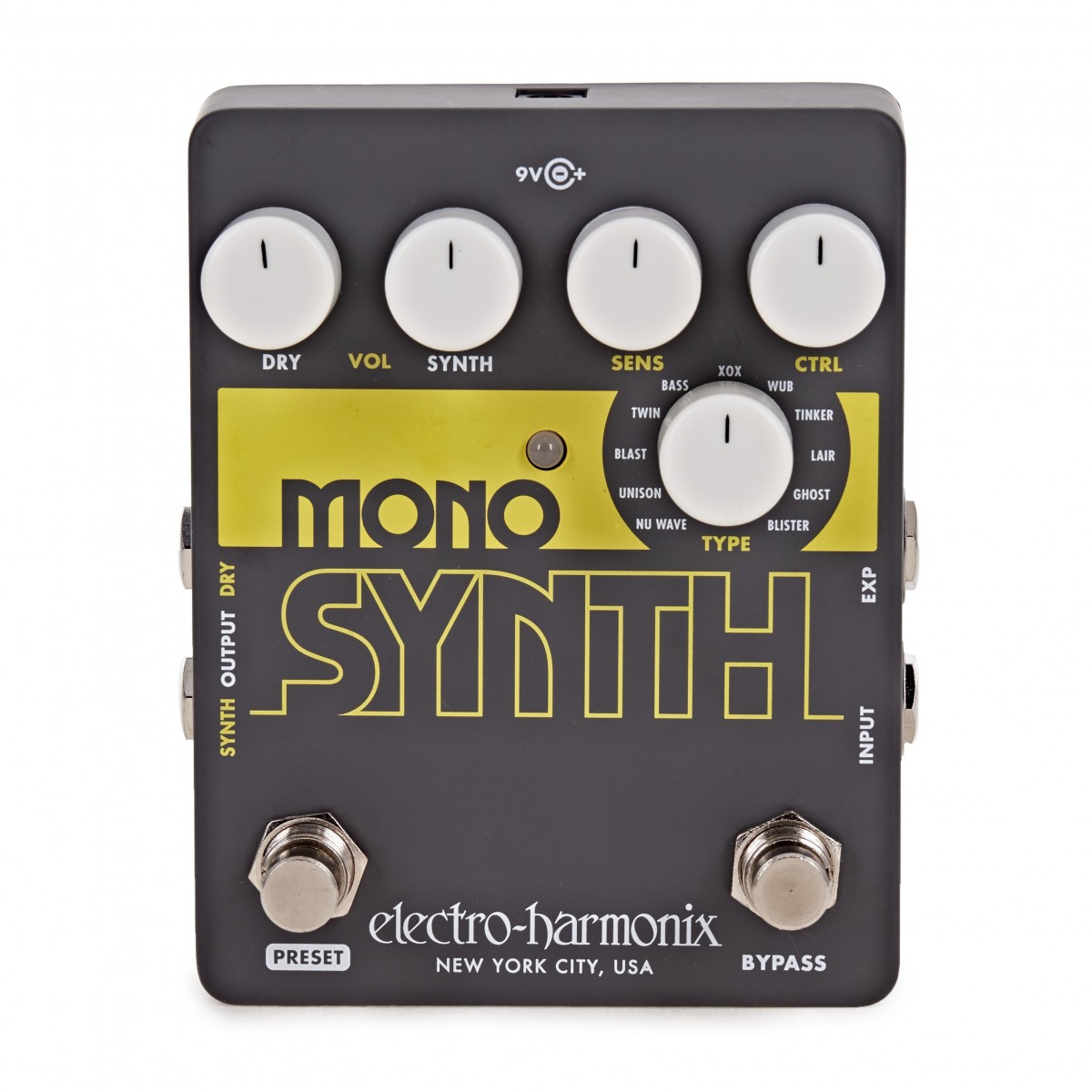
Electro Harmonix Mono Synth Guitar Synthesizer
 £2,247.69 ($2,855)
Viscount Organs
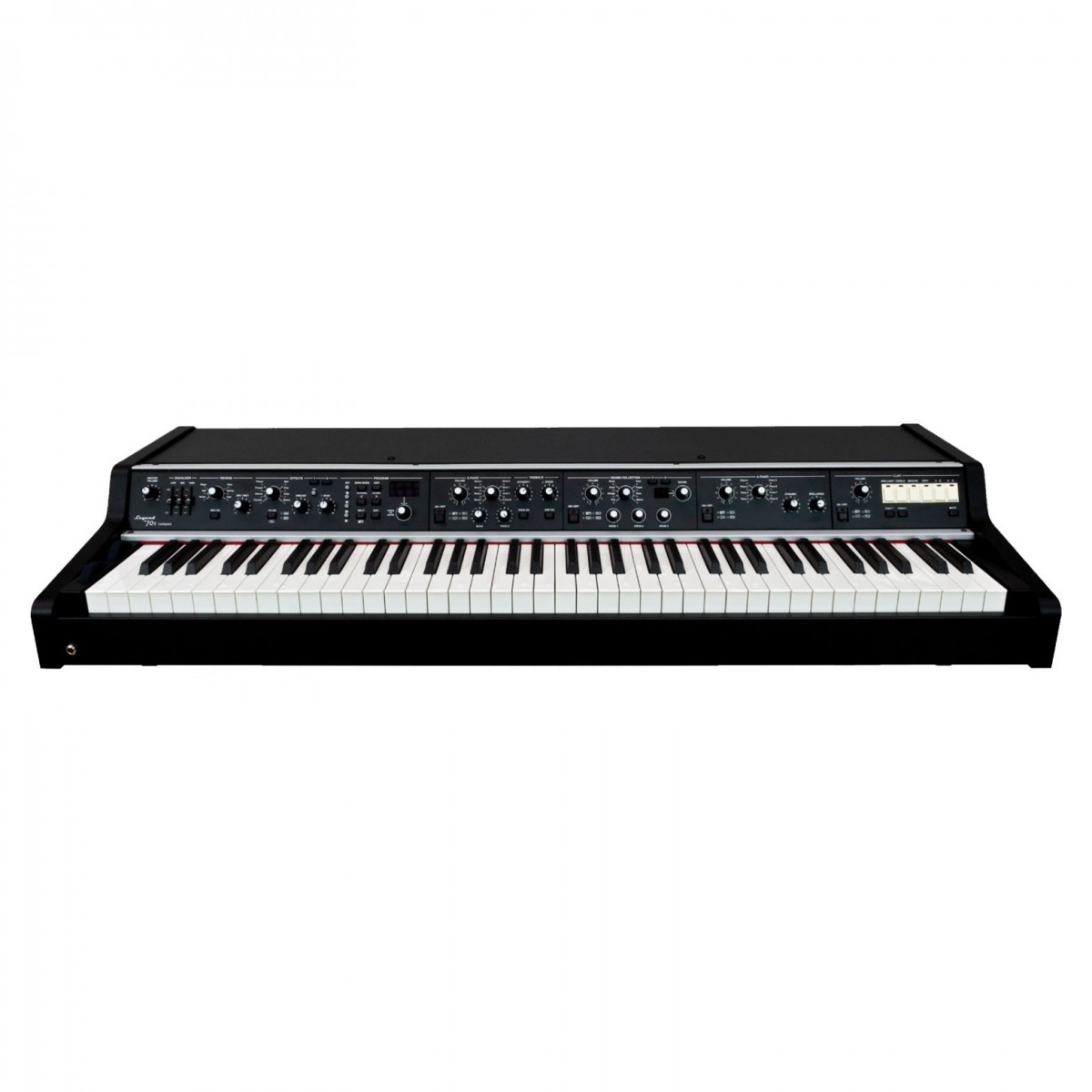
Viscount Legend 70s Compact EX Modular Stage Piano
 £645.81 ($820)
Yamaha
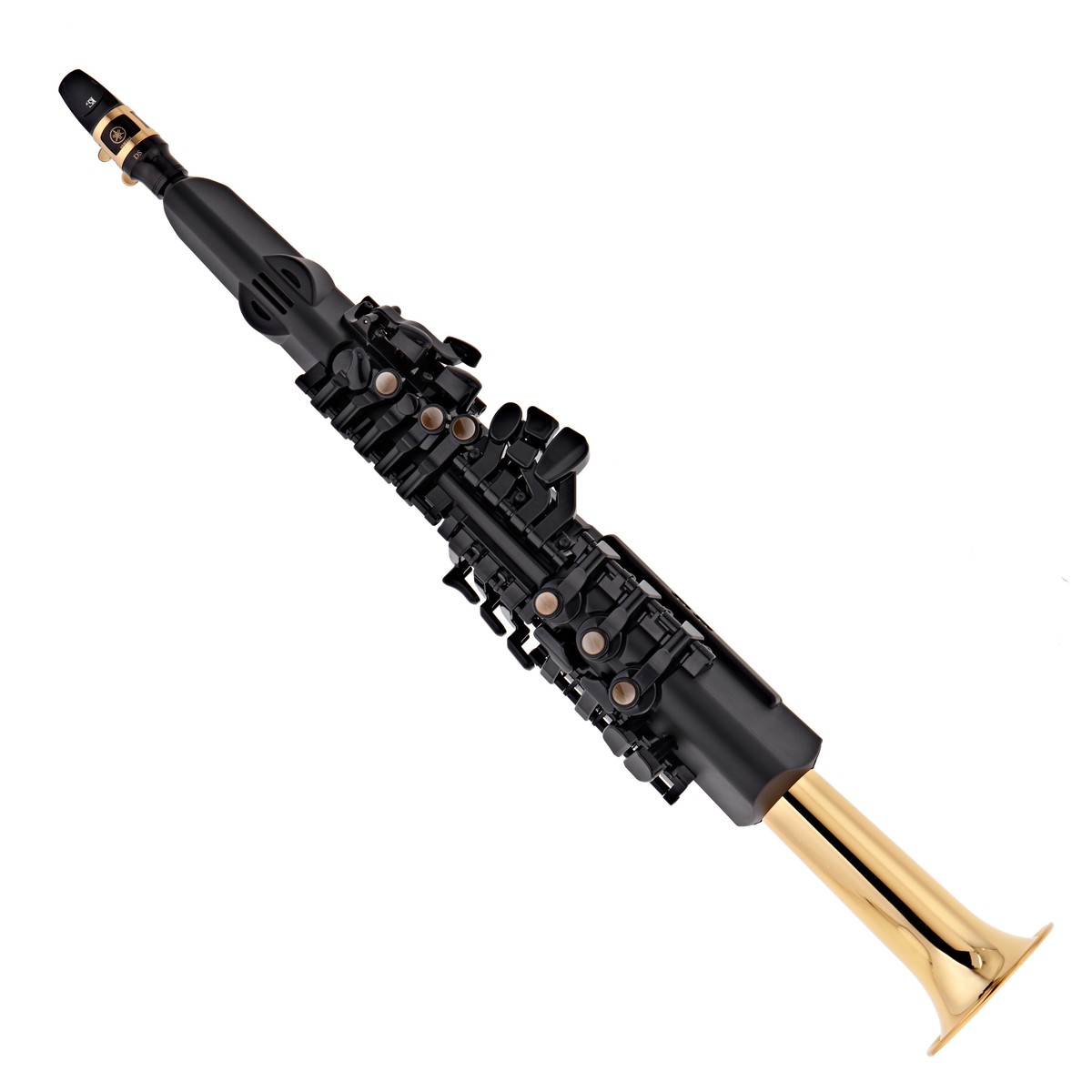
Yamaha YDS 150 Digital Wind Synthesizer
 £499.99 ($635)
Gear4Music
modul Modular Complete Studio System Black
Frequently asked questions
- What is the primary synthesis method of the Future Sound Systems Cric?
- The Cric uses a fully analogue synthesis engine. It features three primary voltage-controlled oscillators (VCOs) and a flexible filter section for subtractive and experimental sound design.
- How many oscillators does the Cric have?
- The device is equipped with three high-quality analogue VCOs. However, its four function generators can also be used as additional audio-rate oscillators if required.
- What is the purpose of the pin matrix?
- The pin matrix is the central patching hub of the synthesizer. It allows the user to route modulation sources to destinations and connect audio signals internally without using traditional patch cables.
- Can the Cric be used as a drum machine?
- Yes, the Cric is highly adaptable and can be configured via its matrix to operate as a drum machine. Its analogue oscillators and function generators are well-suited for creating percussive hits.
- Is the Cric monophonic or polyphonic?
- The Cric is primarily designed as a mono-synth, but it can be configured for paraphonic operation. In paraphonic mode, multiple oscillators can be triggered independently through a single filter and amp signal path.
- What functions do the function generators perform?
- The four function generators are multi-purpose tools. They can be assigned to act as envelope generators, LFOs, or additional oscillators, depending on the needs of the patch.
- Can I process external audio through the Cric?
- Yes, the Cric features four external inputs specifically for this purpose. You can route external signals through the onboard filters and modulation tools for advanced processing.
- How many outputs does the Cric provide?
- The synthesizer features four dedicated outputs. This allows for complex routing to mixers, audio interfaces, or other modular gear in a studio setup.
- What is the typical price for a Future Sound Systems Cric?
- The Cric is positioned as a high-end boutique instrument with a typical retail price of approximately £2,499. This reflects its complex analogue circuitry and specialized matrix design.
- Does the Cric require external patch cables for basic operation?
- Basic routing is handled via the internal pin matrix, which reduces the need for external cables. However, external cables are used to connect the unit's inputs and outputs to other studio equipment.
- How does the Cric compare to a Behringer Neutron?
- While both are semi-modular analogue synths, the Cric uses a pin matrix rather than a standard patch bay. The Cric also offers more oscillators, more function generators, and a higher-end boutique build quality.
- Is the Cric suitable for beginners in synthesis?
- The Cric is best suited for synth enthusiasts and sound designers who have some experience with signal routing. Its open-ended matrix architecture offers significant depth that may be challenging but rewarding for a novice.