
Gear article
G4M HDP-1 Upright Digital Piano
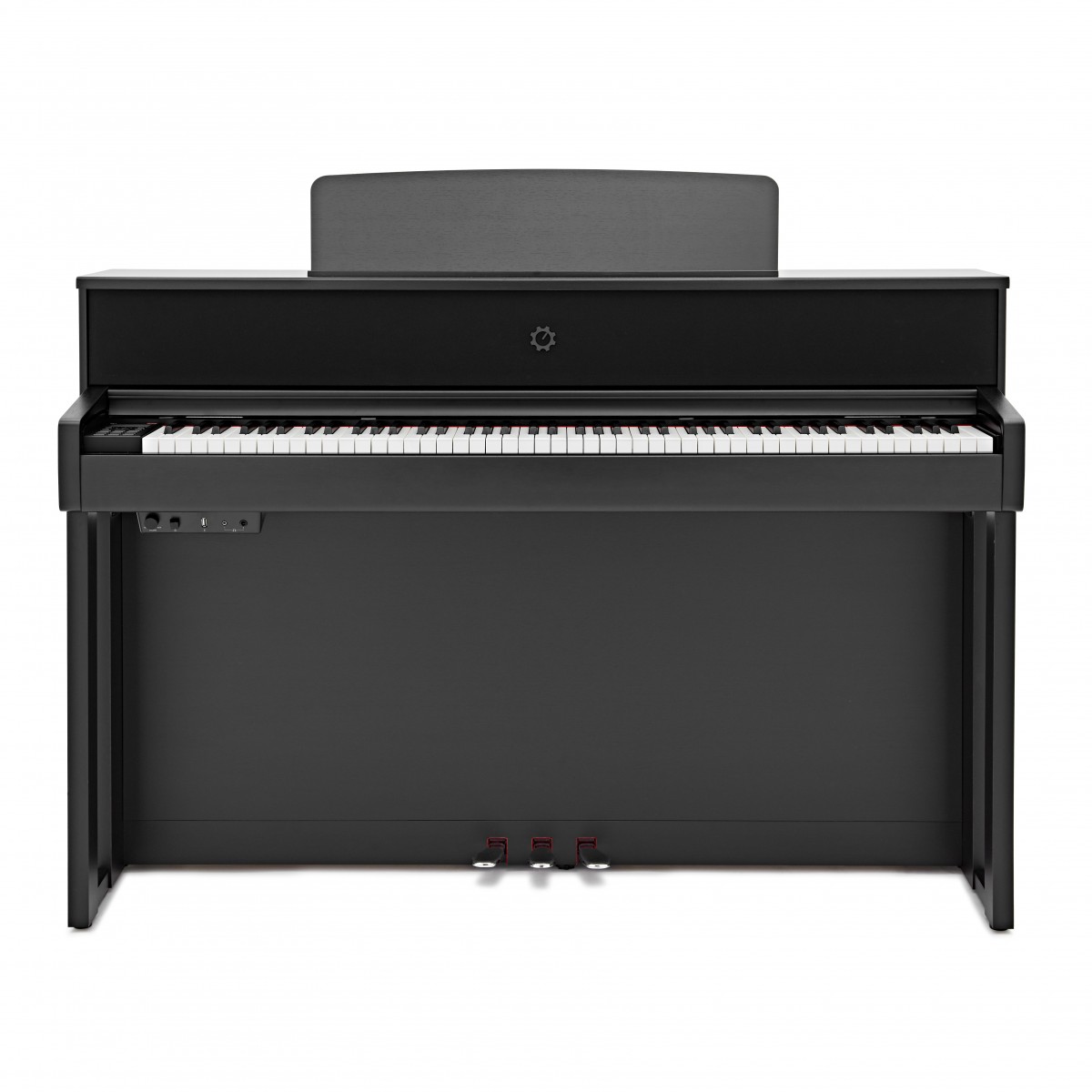
The G4M HDP-1 is a high-performance upright digital piano designed to blend traditional aesthetic craftsmanship with advanced digital sound technology. It features 88 tri-sensor hammer action keys and a significant 256-note polyphony, catering to players who require the expressive response of a grand piano in a domestic or studio setting.
Overview
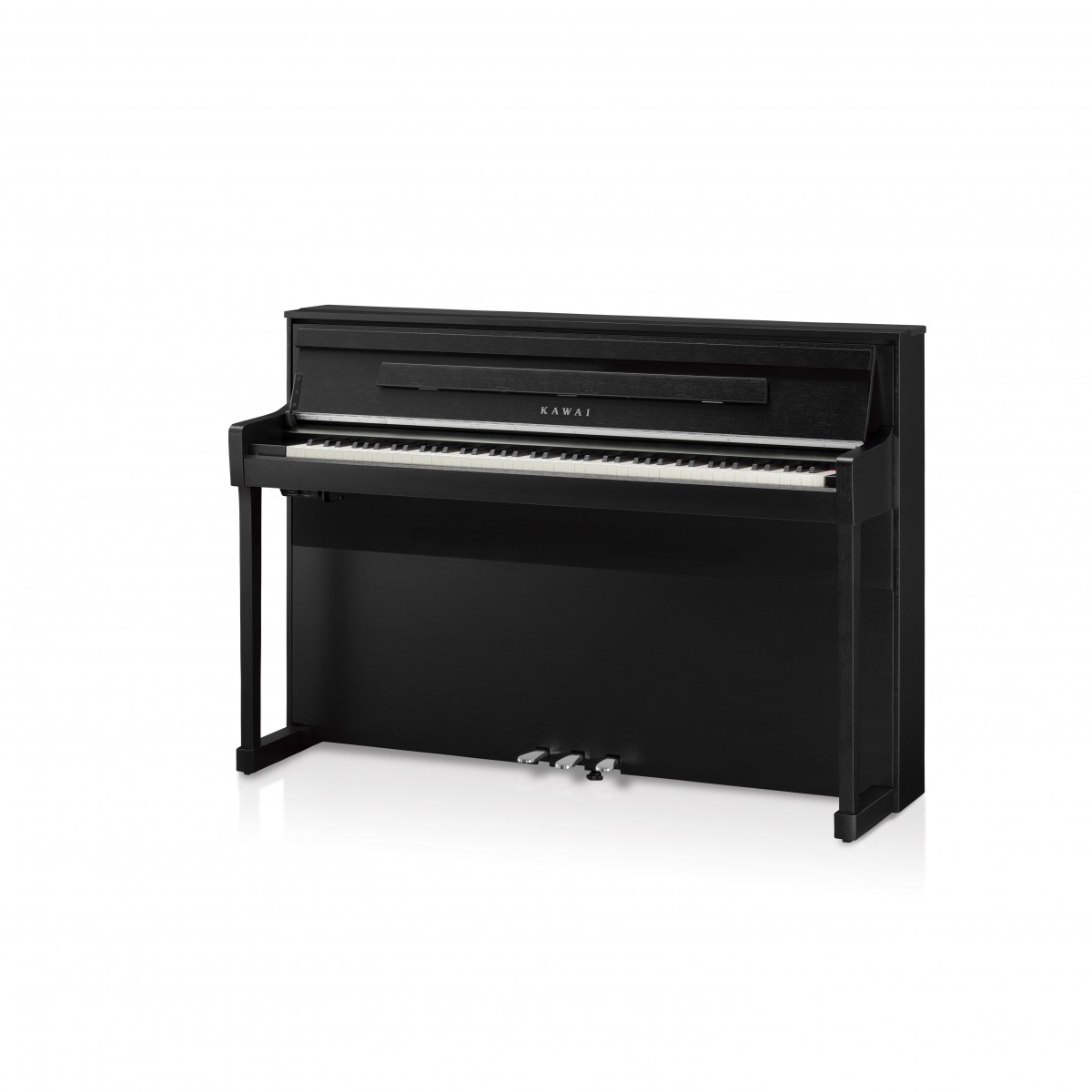
The G4M HDP-1 is an upright digital piano that prioritises the tactile experience of the performer. Finished in a sophisticated black, it is designed to function as both a high-quality musical instrument and a piece of furniture that complements modern living spaces. The instrument bridges the gap between entry-level digital pianos and professional-grade consoles by offering a high polyphony count and a nuanced key action usually found in more expensive models.
Key Action and Touch
A primary feature of the HDP-1 is its 88-note tri-sensor hammer action keybed. Unlike standard dual-sensor systems, the tri-sensor configuration allows for more accurate repetition of notes and better detection of velocity, providing a playing experience that closely mimics the mechanical response of a traditional grand piano. This responsive touch ensures that the instrument can translate the subtle nuances of a performer's technique into a wide range of dynamic expressions.
Sound Engine and Library
The HDP-1 boasts an expansive sound library consisting of 127 different instruments. This selection covers a broad spectrum of musical genres, including:
- Pianos: Rich, sampled grand pianos and upright variations.
- Ensemble Sounds: Expressive strings for orchestral arrangements.
- Classic Keys: A variety of organs and electric pianos for jazz and contemporary styles.
To support complex performances, the piano features a 256-note polyphony. This high capacity prevents note 'dropout' during intricate passages or when using sustained pedal techniques, ensuring every harmonic layer remains audible.
Suitability and Comparisons
The HDP-1 is positioned as a versatile instrument suitable for intermediate to advanced players who require a realistic touch and a large library of sounds. Within the market, it occupies a space alongside established models such as the Kawai CN301 and CA501, or the Roland HP704. While it shares the high-polyphony capabilities of these premium competitors, the HDP-1 offers a distinct value proposition by providing 127 voices, allowing for greater experimentation compared to some more conservatively voiced alternatives like the Roland RP701 or Casio AP-300.
Related gear
- £2,539.00 ($3,225)
Roland
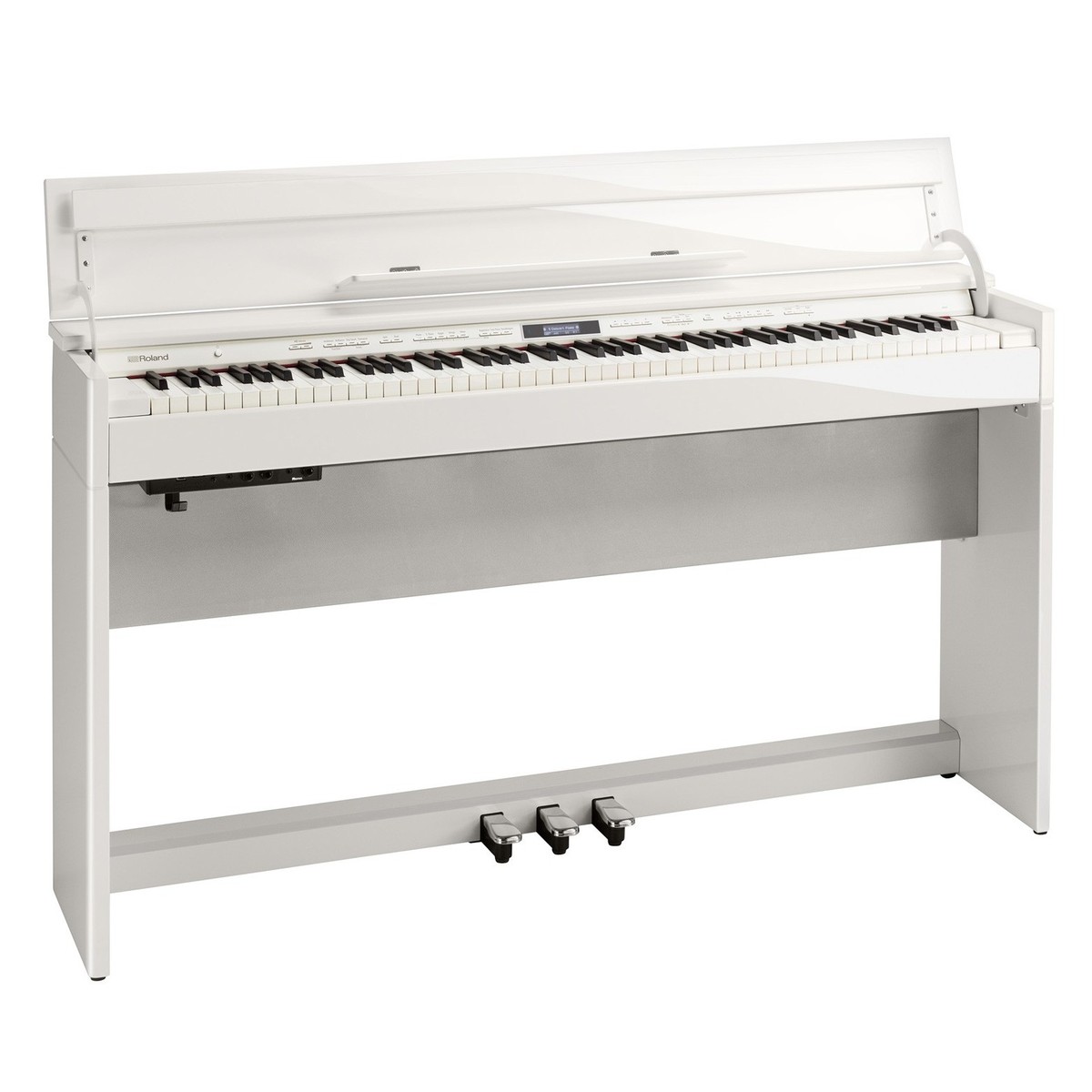
Roland DP603 Digital Piano Polished White
 £2,016.22 ($2,561)
Roland
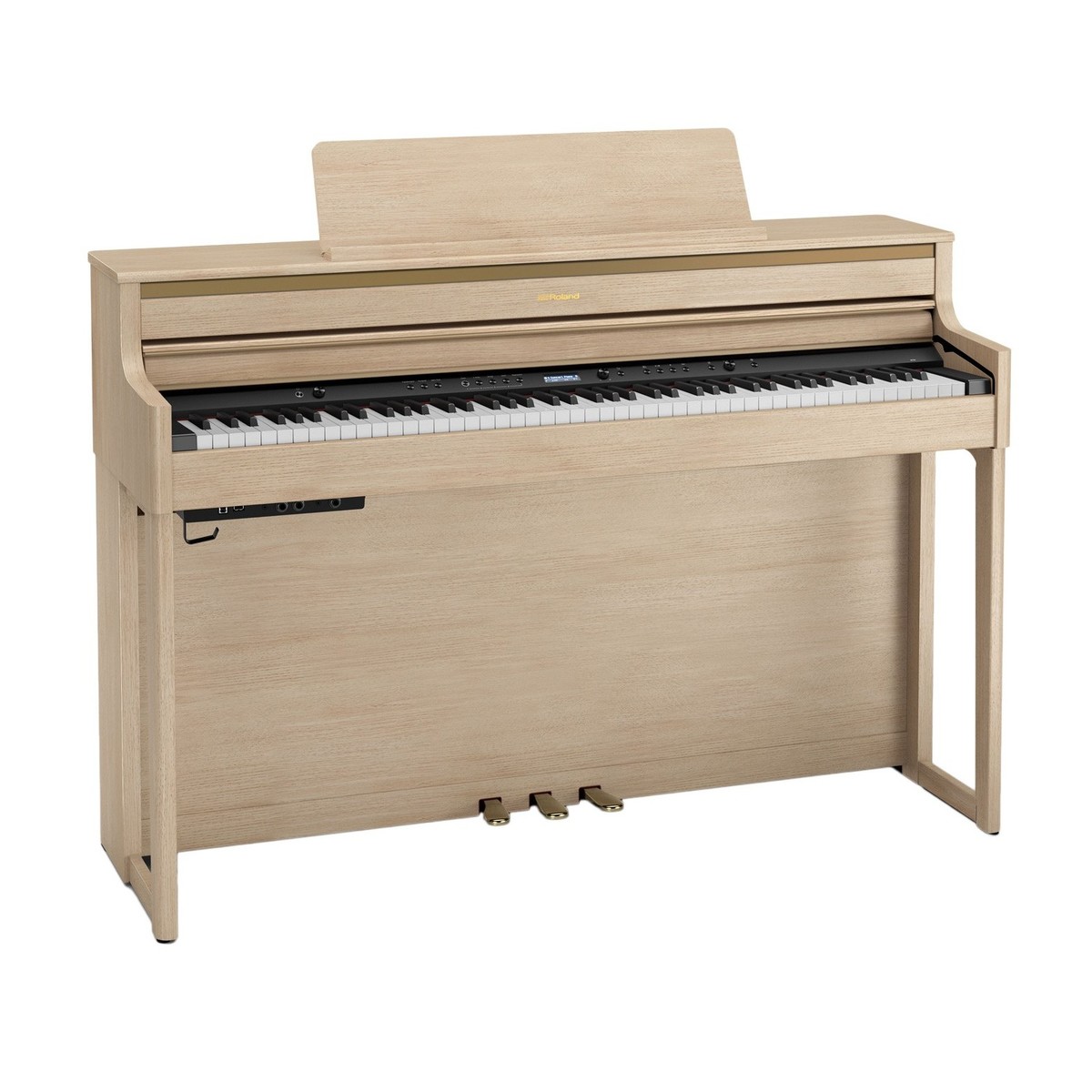
Roland HP704 Digital Piano Light Oak
 £1,636.71 ($2,079)
Kawai
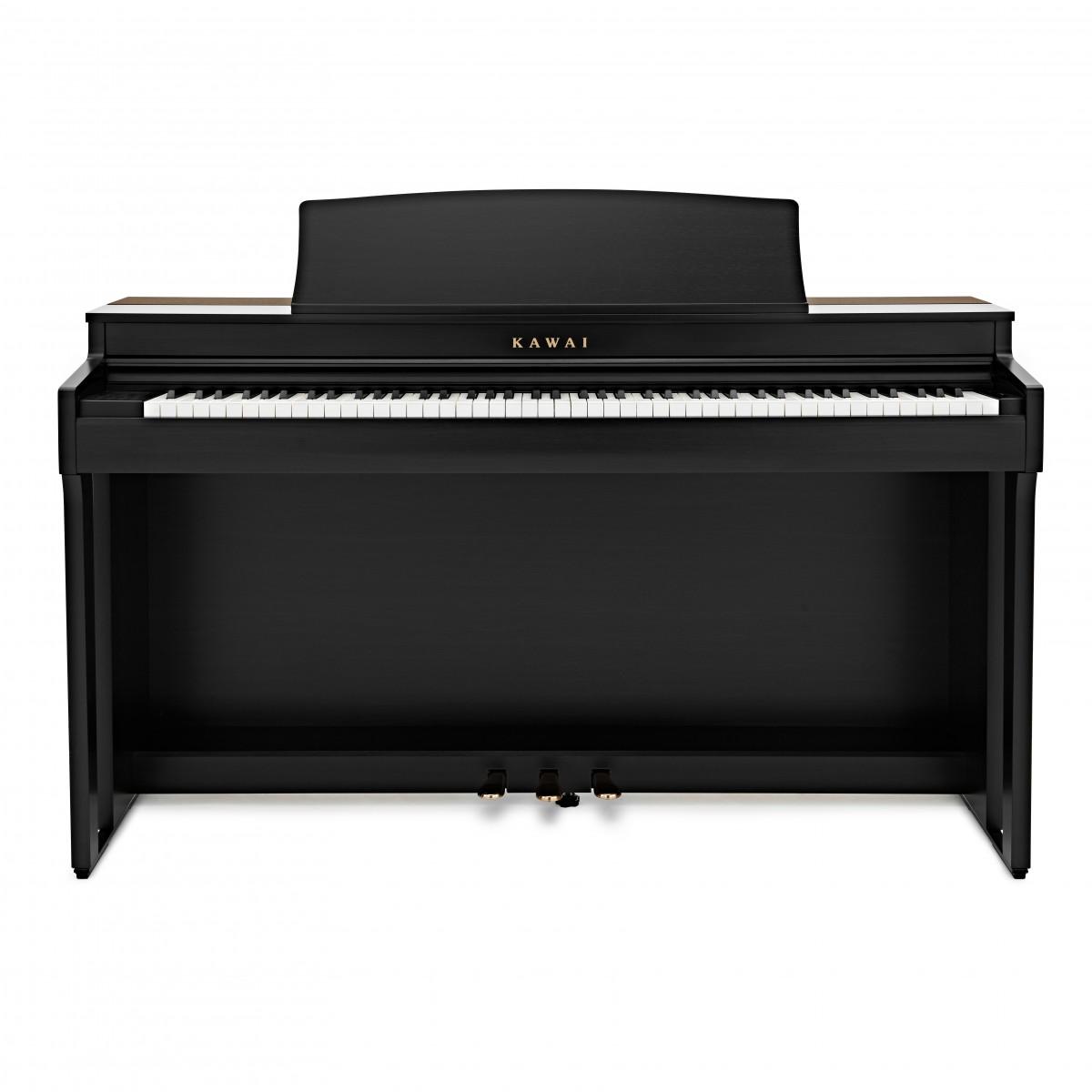
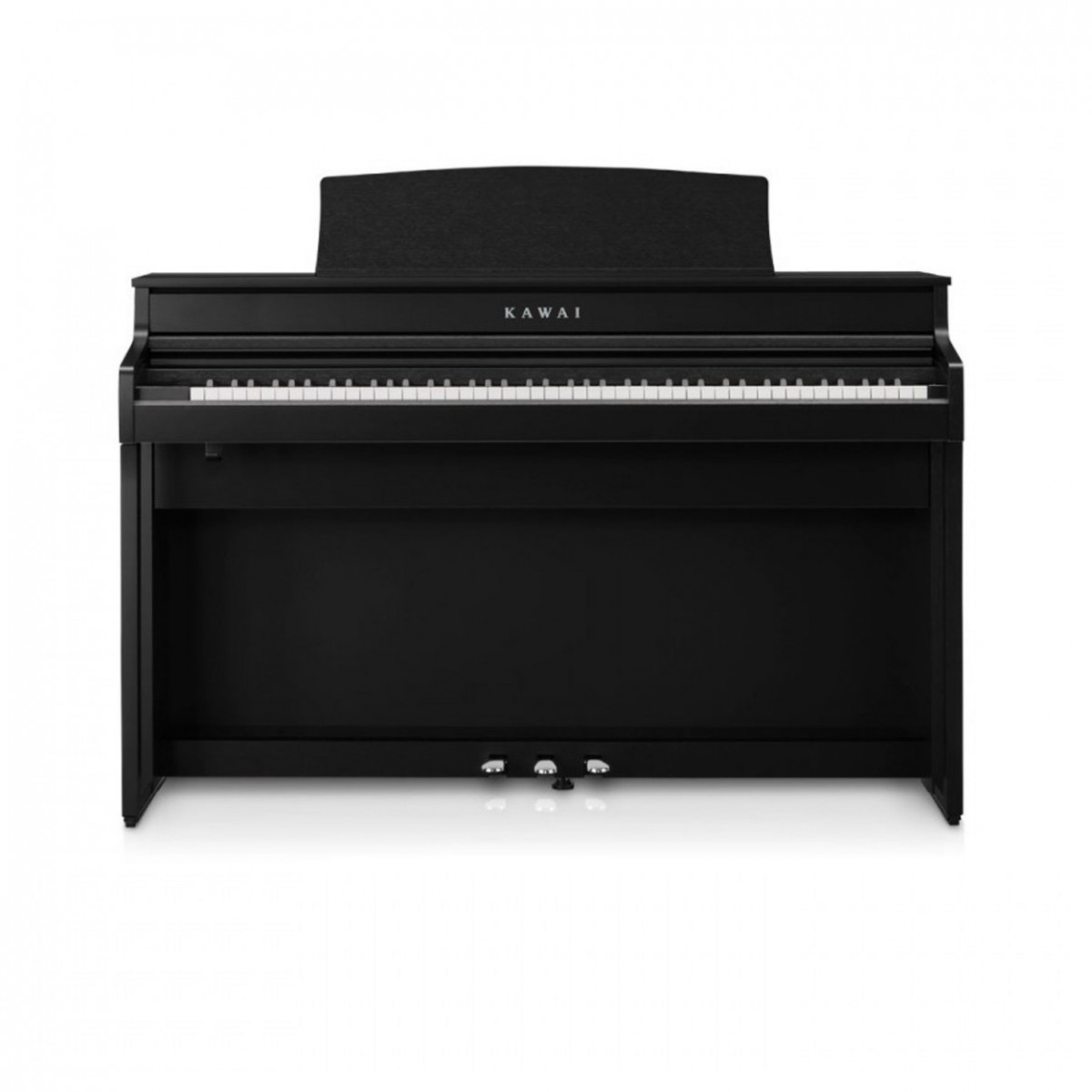
Kawai CN301 Digital Piano Satin Black
 £2,218.83 ($2,818)
Kawai
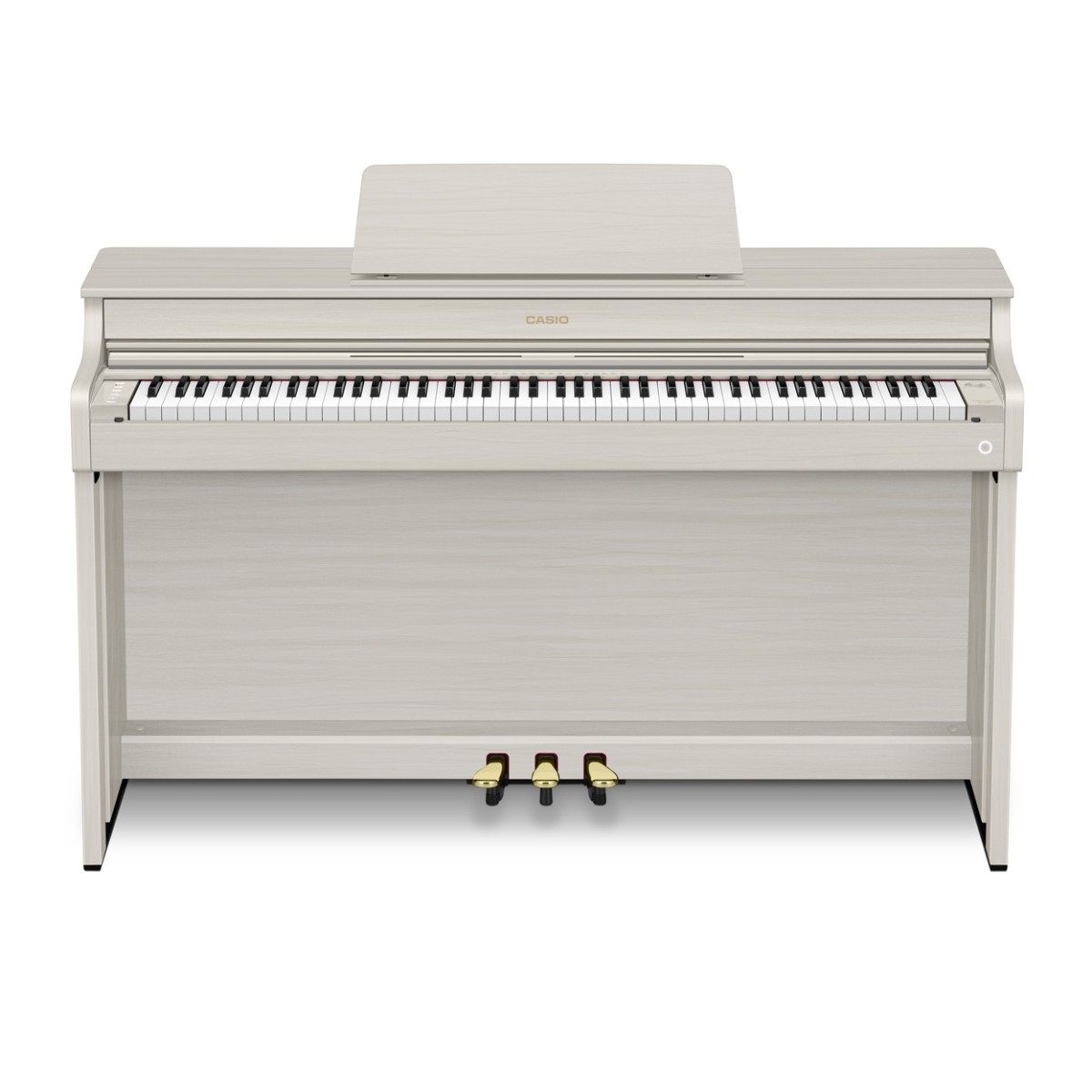
Kawai CA501 Digital Piano Satin Black
 £1,025.00 ($1,302)
Casio
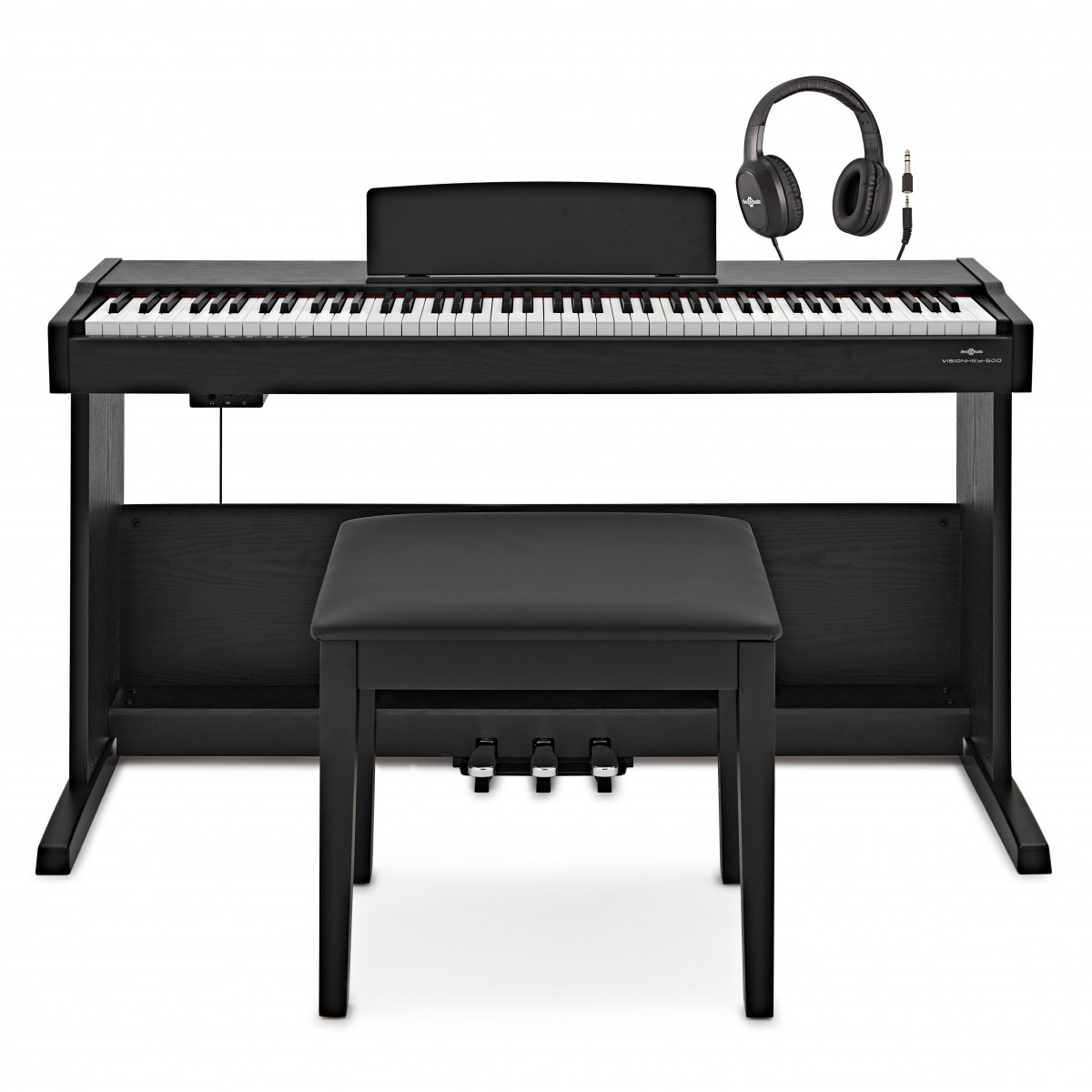
Casio AP-300 Digital Piano Grey Beige
 £329.99 ($419)
Gear4Music
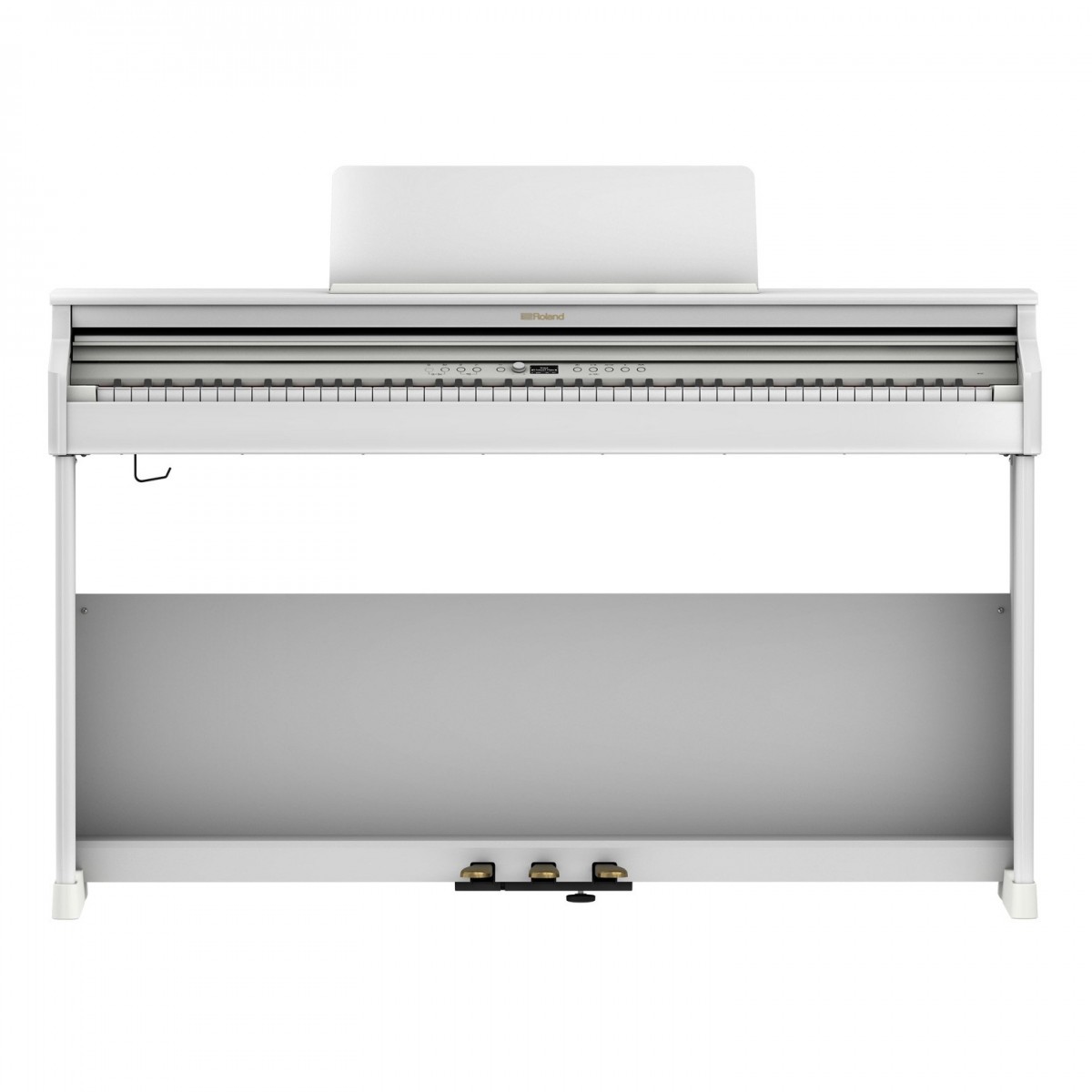
VISIONKEY-500 Digital Piano Bench Pack Black
 £1,249.00 ($1,586)
Roland
Roland RP701 Digital Piano White
 £3,211.80 ($4,079)
Kawai
Kawai CA901 Digital Piano Satin Black
Frequently asked questions
- What type of key action does the G4M HDP-1 use?
- The HDP-1 utilizes 88 Tri-Sensor Hammer Action keys. This design is intended to provide an authentic, responsive feel that replicates the weight and mechanical feedback of a traditional grand piano.
- How many voices are included in the HDP-1 sound library?
- The instrument features a comprehensive library of 127 instruments. These include various grand pianos, electric pianos, organs, and strings to suit diverse musical styles.
- What is the polyphony count of the G4M HDP-1?
- The piano offers a 256-note polyphony. This high limit allows for complex musical arrangements and heavy use of the sustain pedal without notes being cut off prematurely.
- Does the HDP-1 have a traditional piano appearance?
- Yes, it is designed as a sleek and elegant upright piano. The black finish and traditional console shape allow it to serve as a sophisticated addition to any home or studio setting.
- How does the tri-sensor system benefit the player?
- The tri-sensor system improves the accuracy of note repetition and dynamic response. It allows the piano to detect keystrokes more precisely than standard two-sensor systems, especially during fast passages.
- Is the G4M HDP-1 suitable for advanced classical pieces?
- Yes, the combination of 256-note polyphony and hammer action keys makes it capable of handling intricate classical repertoire. The hardware ensures that nuanced dynamics and complex pedalling are accurately reflected.
- How much does the G4M HDP-1 typically cost?
- The HDP-1 is typically priced around £1,300. This places it in the mid-to-high range of digital pianos, reflecting its advanced sensor technology and high polyphony.
- Can I use the HDP-1 for genres other than classical music?
- Absolutely, the inclusion of 127 instrument voices makes it highly versatile. It features specific sounds for jazz organs, pop electric pianos, and orchestral strings.
- How does the HDP-1 compare to the Roland HP704?
- While both offer premium features and upright cabinets, the HDP-1 provides a specific set of 127 voices and tri-sensor action. The Roland HP704 is a notable alternative in the same category of high-quality digital consoles.
- Does the piano include a matching bench?
- The standard HDP-1 unit is the piano itself; however, some retailers may offer it in bundles. For example, the VISIONKEY-500 is often seen in bench packs, but users should check specific HDP-1 retail listings for included accessories.
- What are some comparable models from Kawai?
- Comparable models from Kawai include the CN301, CA501, and the higher-end CA901. These models also focus on realistic hammer action and high-fidelity piano samples.
- Is the black finish the only color available?
- Based on the manufacturer description, the HDP-1 is highlighted for its sleek and elegant black design. Other colors may vary by market, but black is the primary aesthetic for this model.