
Gear article
Gamechanger Audio MOTOR Synth Voice and Harmony Pedal
The Gamechanger Audio MOTOR Pedal is an electro-mechanical synthesizer effect that utilizes a physical brushed DC motor as its primary sound engine. By tracking input pitch in real time, the device generates raw electric tones and metallic overtones through magnetic pickups rather than digital modelling.
See live pricesOverview
The Gamechanger Audio MOTOR Pedal represents a departure from traditional synthesizer pedals by employing a physical, mechanical sound source. At its core, the pedal features a brushed DC motor that responds to the player's input pitch. This motor creates a sound engine that avoids digital modelling or standard analogue oscillators, instead relying on the raw electromagnetic energy of a spinning component.
Mechanical Operation
The device tracks the incoming signal's pitch and adjusts the motor's speed accordingly. The sound is captured via magnetic pickups, resulting in a characteristically 'alive' response. A standout feature is the pressure-sensitive, spring-loaded foot pedal. This hardware interface allows the user to manually accelerate, brake, or swell the motor's speed, enabling a level of physical expression similar to a mechanical instrument.
Sound Character
The output of the MOTOR Pedal is described as raw and glitchy, defined by metallic overtones and imperfect harmonics. Because it relies on a physical spinning object, the tracking produces unique sonic artefacts that differ from clean digital pitch shifters. It is capable of generating thick synth growls and doubling guitar lines with distinct mechanical textures, or twisting signals into unrecognisable industrial tones.
Modes and Versatility
Far from being a limited effect, the pedal includes multiple modes to expand its utility. These modes leverage the magnetic pickup system and incorporate cross-modulation and multi-voice capabilities. Users can dial in anything from a subtle harmonic accompaniment to complex, shifting textures that utilize the motor's natural inertia for unique pitch-drift effects.
Comparison to Alternatives
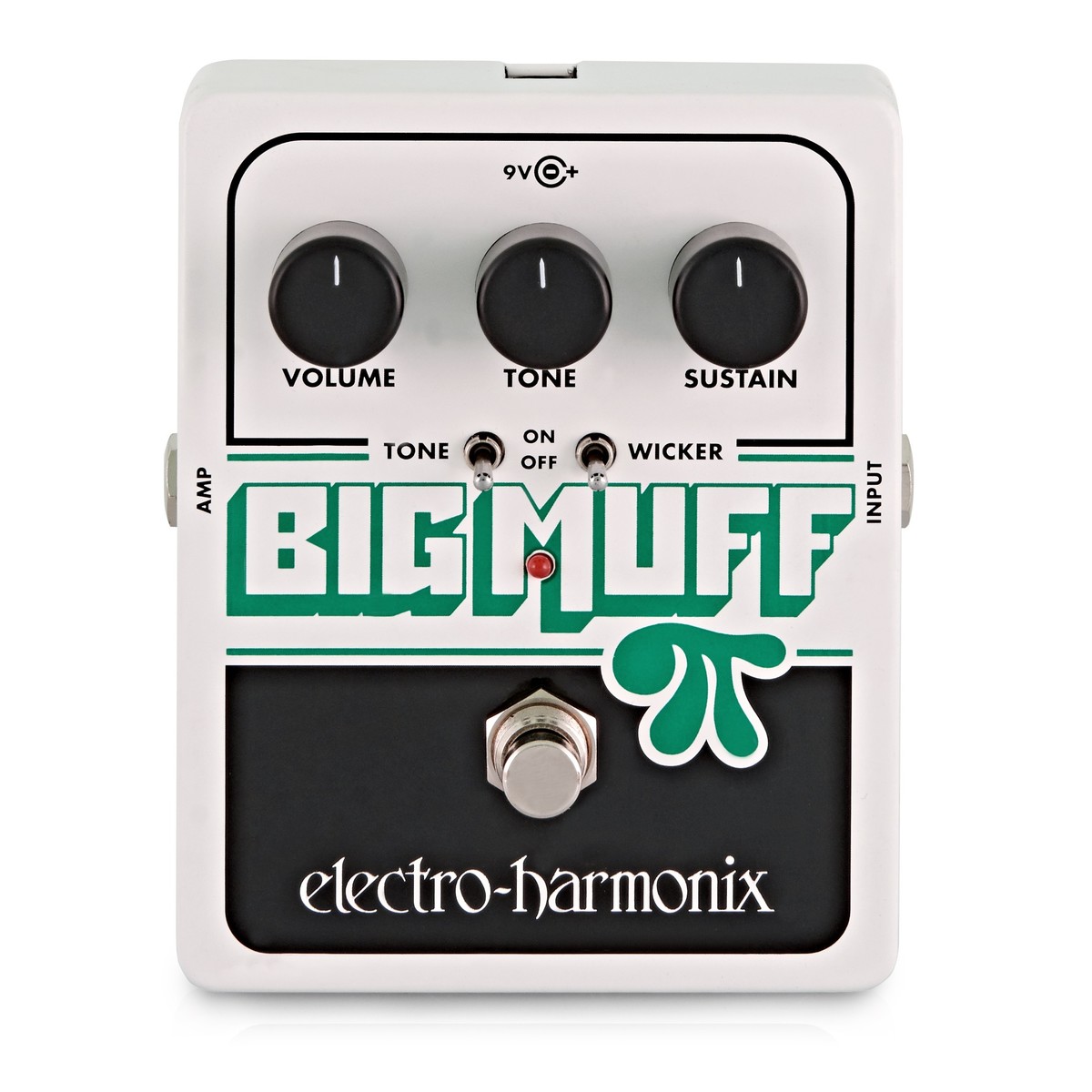
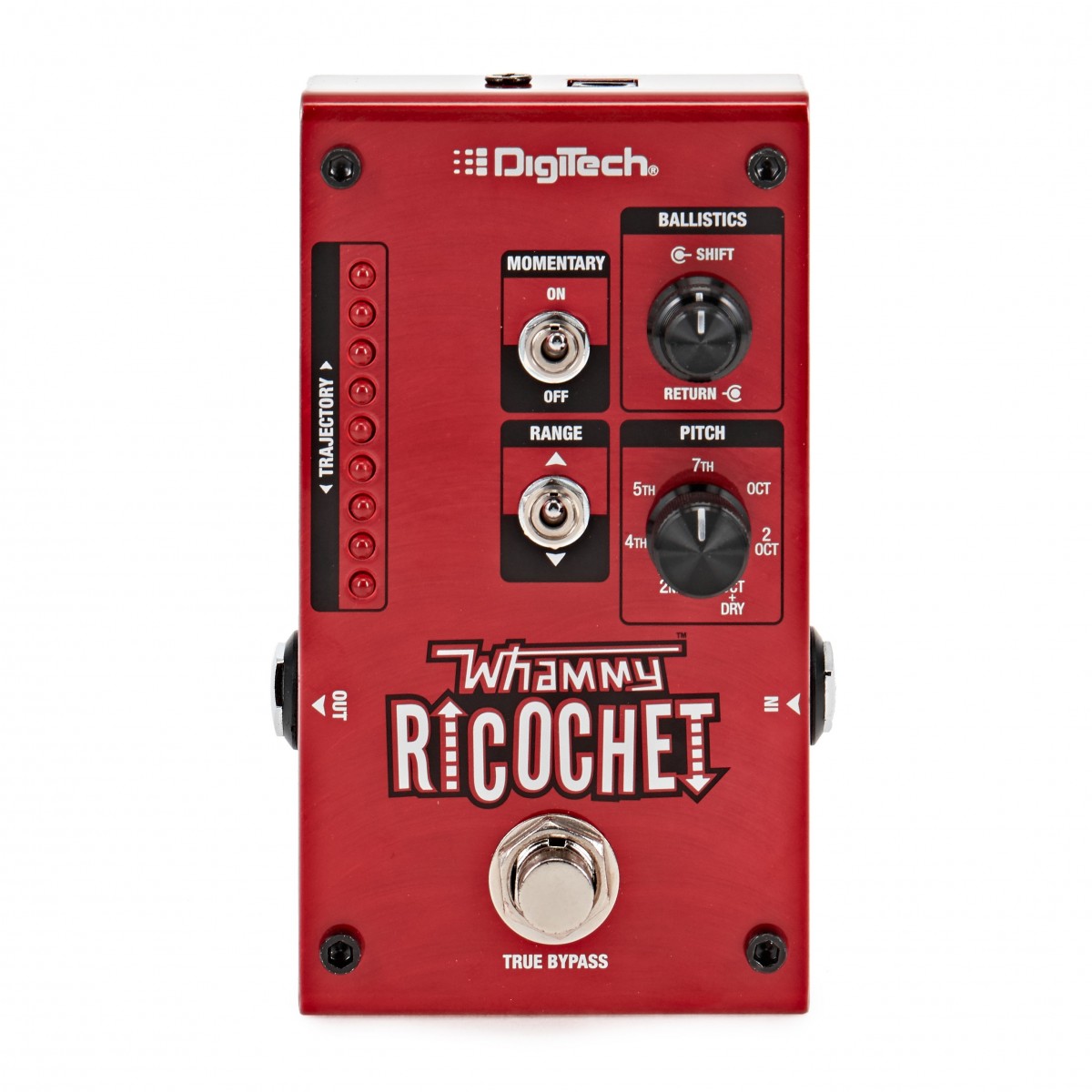
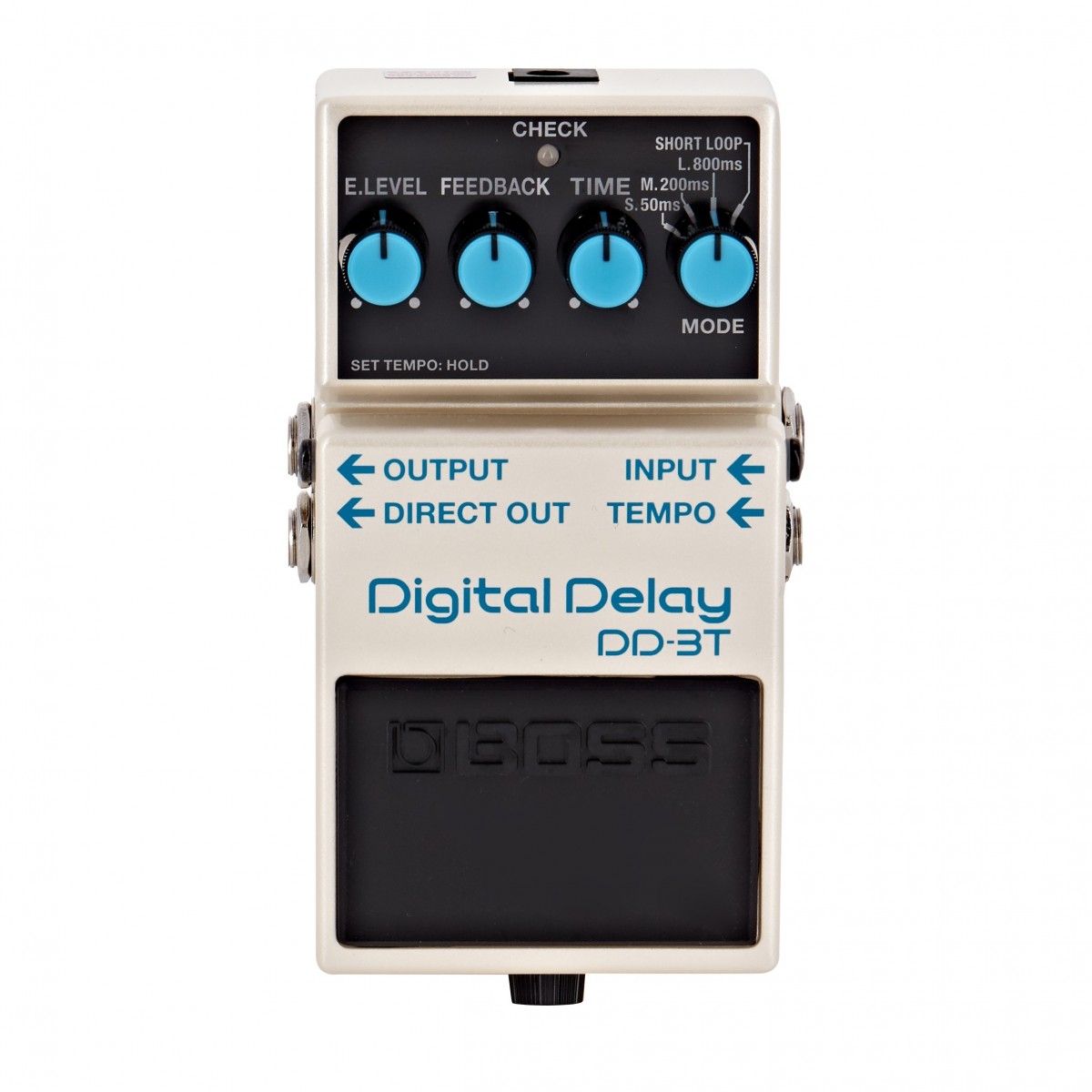
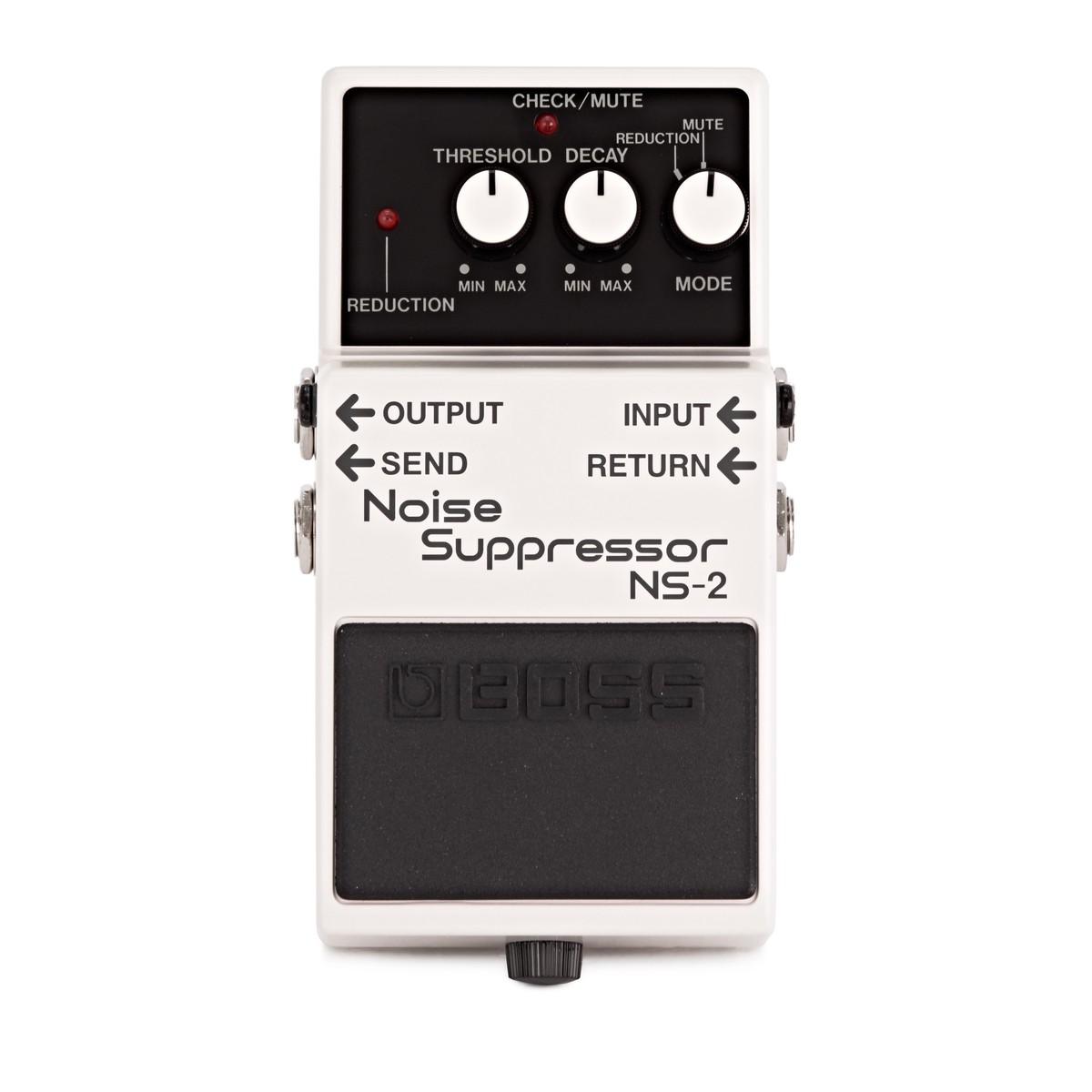
When compared to traditional synth pedals like the Boss SY series or digital pitch shifters like the Digitech Whammy Ricochet, the MOTOR Pedal offers a more tactile and unpredictable response. While a pedal like the Electro Harmonix Big Muff with Tone Wicker provides saturated sustain, the MOTOR Pedal provides a specific 'electric' timbre that is purely mechanical in origin. It occupies a niche similar to high-concept experimental gear rather than standard utility pedals like a Boss NS-2 or DD-3T.
Related gear
 £97.00 ($123)
Electro Harmonix
Electro Harmonix Big Muff Distortion Sustainer w/ Tone Wicker
 £129.00 ($164)
Digitech
Digitech Whammy Ricochet Guitar Effects Pedal
 £85.00 ($108)
Fender
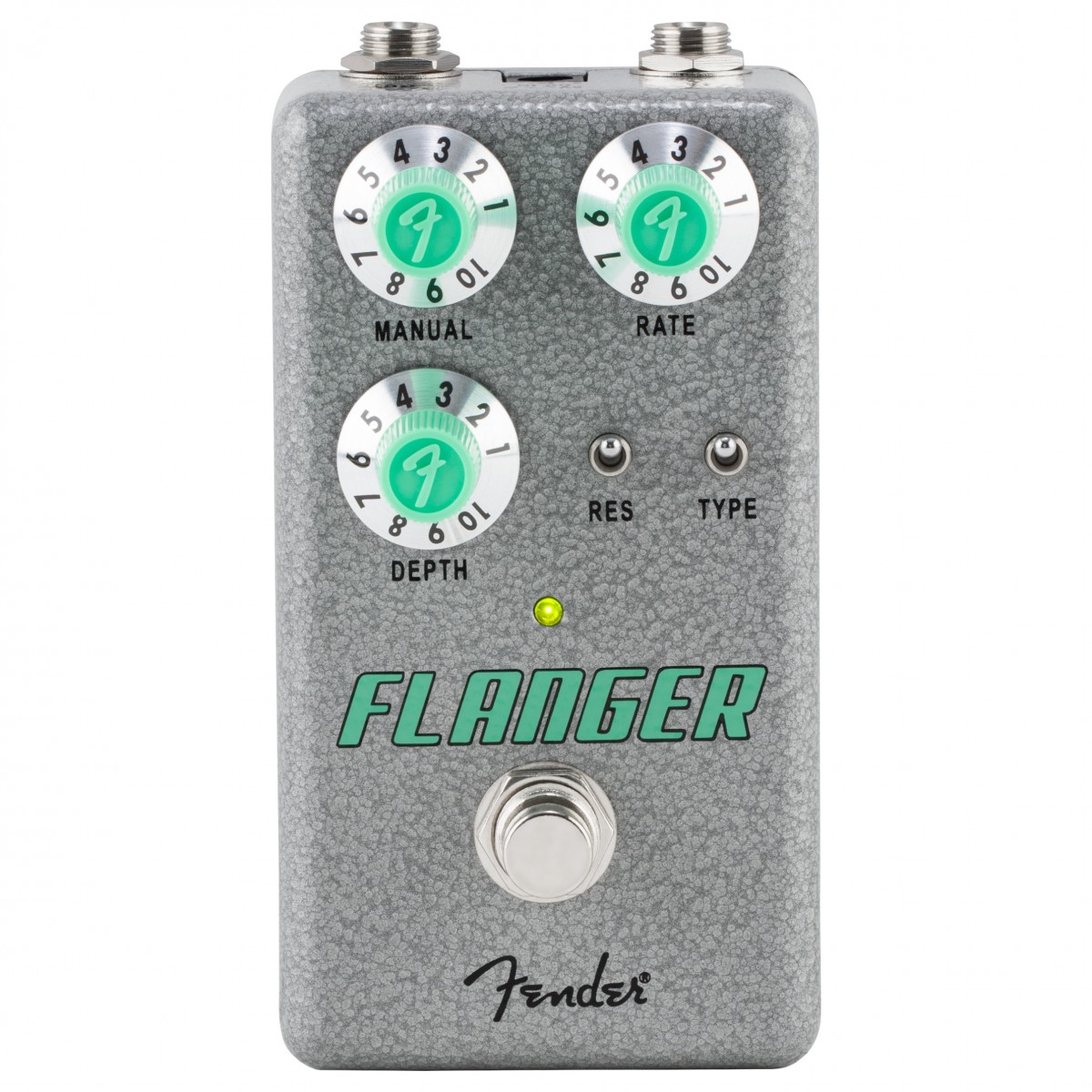
Fender Hammertone Flanger Pedal
 £19.90 ($25)
Behringer
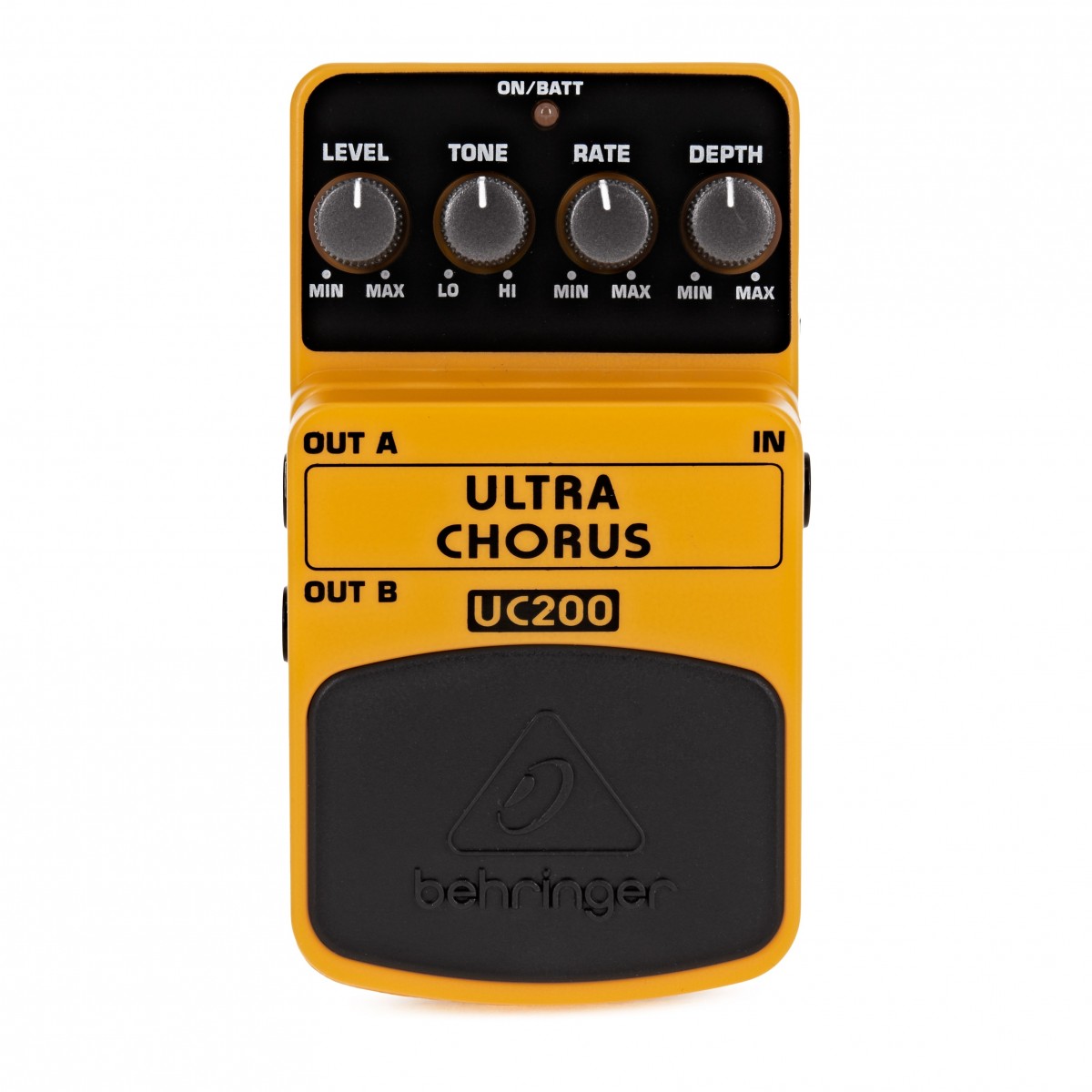
Behringer UC200 Ultra Chorus Pedal
 £259.00 ($329)
Dunlop
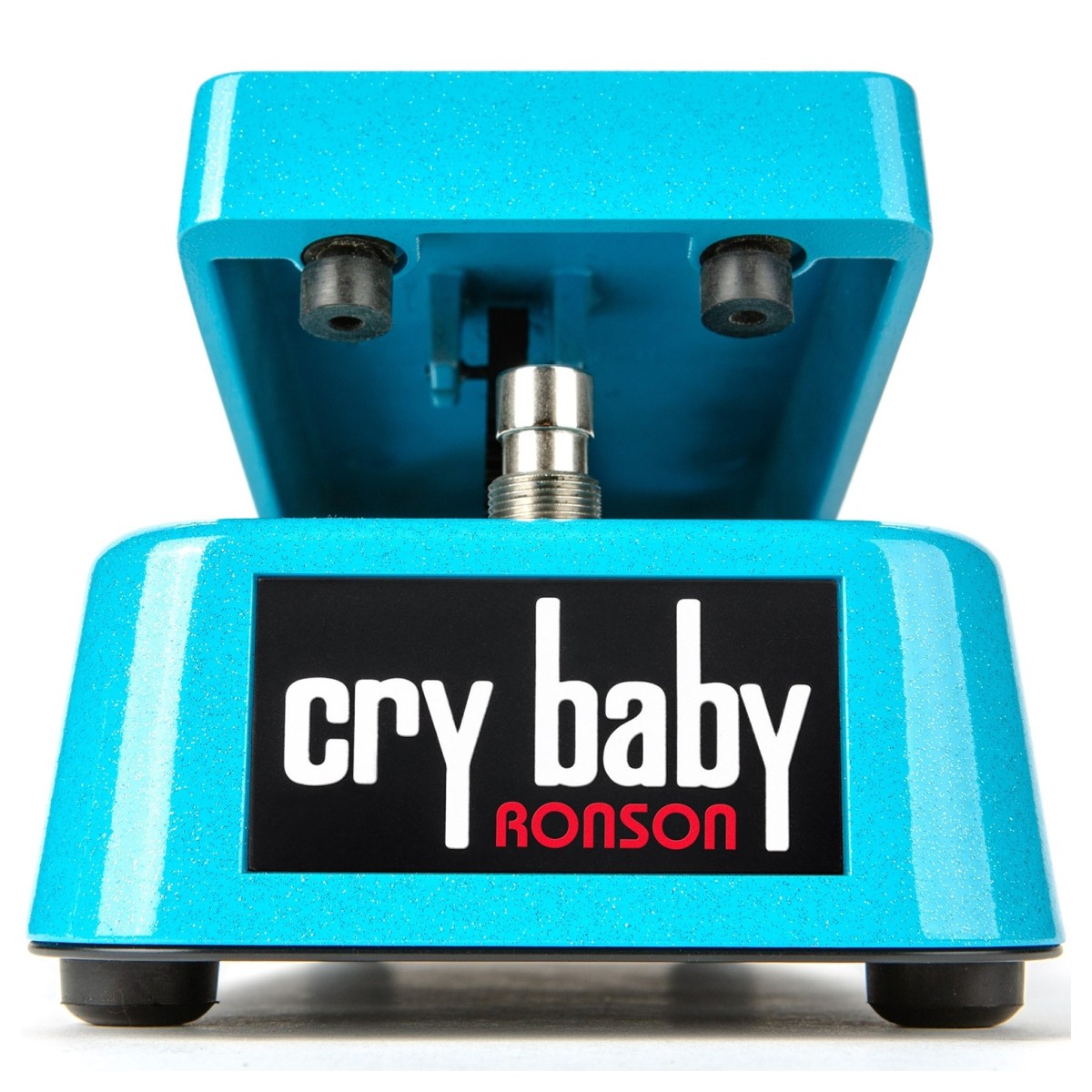
Dunlop Mick Ronson Cry Baby Wah
 £77.00 ($98)
Yamaha
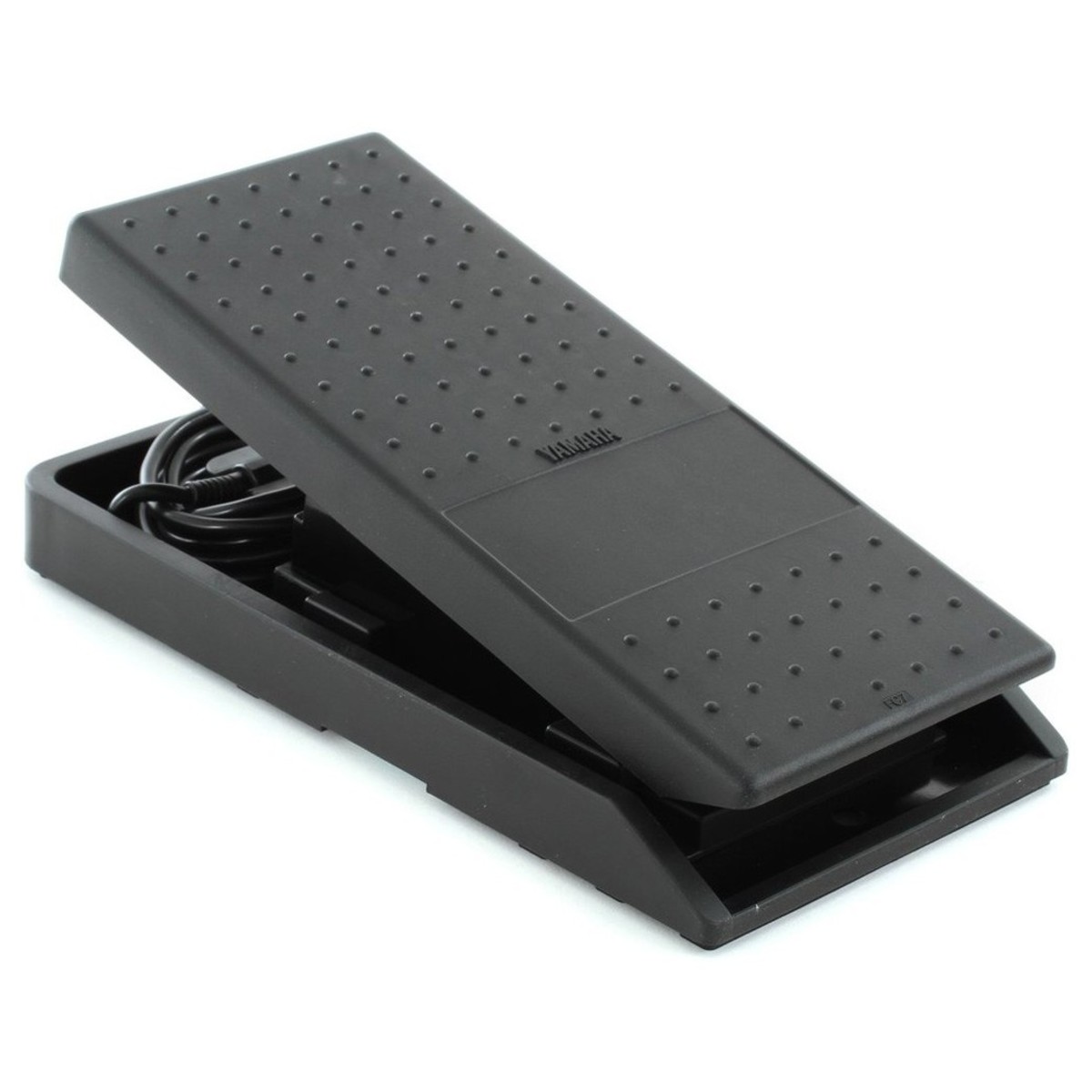
Yamaha FC7 Expression Pedal
 £175.00 ($222)
Boss
Boss DD-3T Digital Delay Pedal
 £99.10 ($126)
Boss
Boss NS-2 Noise Suppressor Guitar Pedal
Frequently asked questions
- What is the primary sound source of the MOTOR Pedal?
- The pedal uses a physical, brushed DC motor as its core sound engine. This motor spins at varying speeds to match the input pitch, which is then captured by magnetic pickups.
- Does the MOTOR Pedal use digital modelling?
- No, the pedal avoids digital modelling and standard oscillators. It relies on the real-time mechanical rotation of a motor to generate its synth-like tones.
- How does the foot pedal work?
- The unit features a pressure-sensitive, spring-loaded foot pedal. This allows the player to physically influence the motor's speed to create swells, drifts, or braking effects.
- What kind of sound character should I expect?
- The sound is raw, metallic, and often glitchy. It produces imperfect harmonics and growls that feel more mechanical and 'alive' than traditional digital synthesizers.
- Can the MOTOR Pedal produce harmonies?
- Yes, the pedal is designed as a synth voice and harmony tool. It can track your lines to provide doubling or generate intervals that follow your playing.
- Is the MOTOR Pedal suitable for standard guitar rigs?
- While it is a wild and experimental effect, it is designed to be integrated into a standard rig. It functions as a guitar effect pedal but offers a much more industrial and synthetic texture than traditional drives or modulations.
- How much does the MOTOR Pedal typically cost?
- The pedal is generally priced around £359 in the UK market. This reflects its complex electro-mechanical construction compared to standard mass-produced pedals.
- What are the key features of the motor engine?
- Key features include real-time pitch tracking, magnetic pickup sound capture, and cross-modulation modes. The physical inertia of the motor also contributes to its unique pitch-shifting characteristics.
- Can I use an external expression pedal with it?
- The device features its own integrated spring-loaded pedal for control. However, in a larger rig, users often pair such unique synth effects with utility pedals like the Yamaha FC7 for further modulation if the specific setup allows.
- How does it compare to a Digitech Whammy Ricochet?
- The Whammy Ricochet is a digital pitch shifter that provides clean, precise intervals. The MOTOR Pedal is electro-mechanical, providing a noisier, more textured sound with physical motor artefacts.
- Does it require a noise gate?
- Because the MOTOR Pedal produces raw, high-gain mechanical tones, some users may choose to pair it with a utility pedal like the Boss NS-2 Noise Suppressor to manage the signal chain.
- Who is the ideal user for this pedal?
- It suits experimental musicians, industrial rockers, and players looking for 'unrecognisable' tones. It is ideal for those who prefer tactile, physical gear over menu-diving or digital software simulations.