
Gear article
Genelec 8020D Professional Studio Monitor
The Genelec 8020D is a compact, active nearfield studio monitor designed for precise audio reproduction in space-constrained environments. It features a die-cast aluminium Minimum Diffraction Enclosure and delivers 4dB higher sound pressure levels than its predecessor models.
See live pricesOverview
The Genelec 8020D is a small-format professional studio monitor that serves as a staple in broadcast, mobile production, and home studio environments. Despite its diminutive physical footprint, the unit is engineered to provide high-fidelity audio reproduction with a focus on accuracy and reliability. It is the fourth generation of the popular 8020 series, introducing improved power management and higher output capabilities.
Design and Engineering
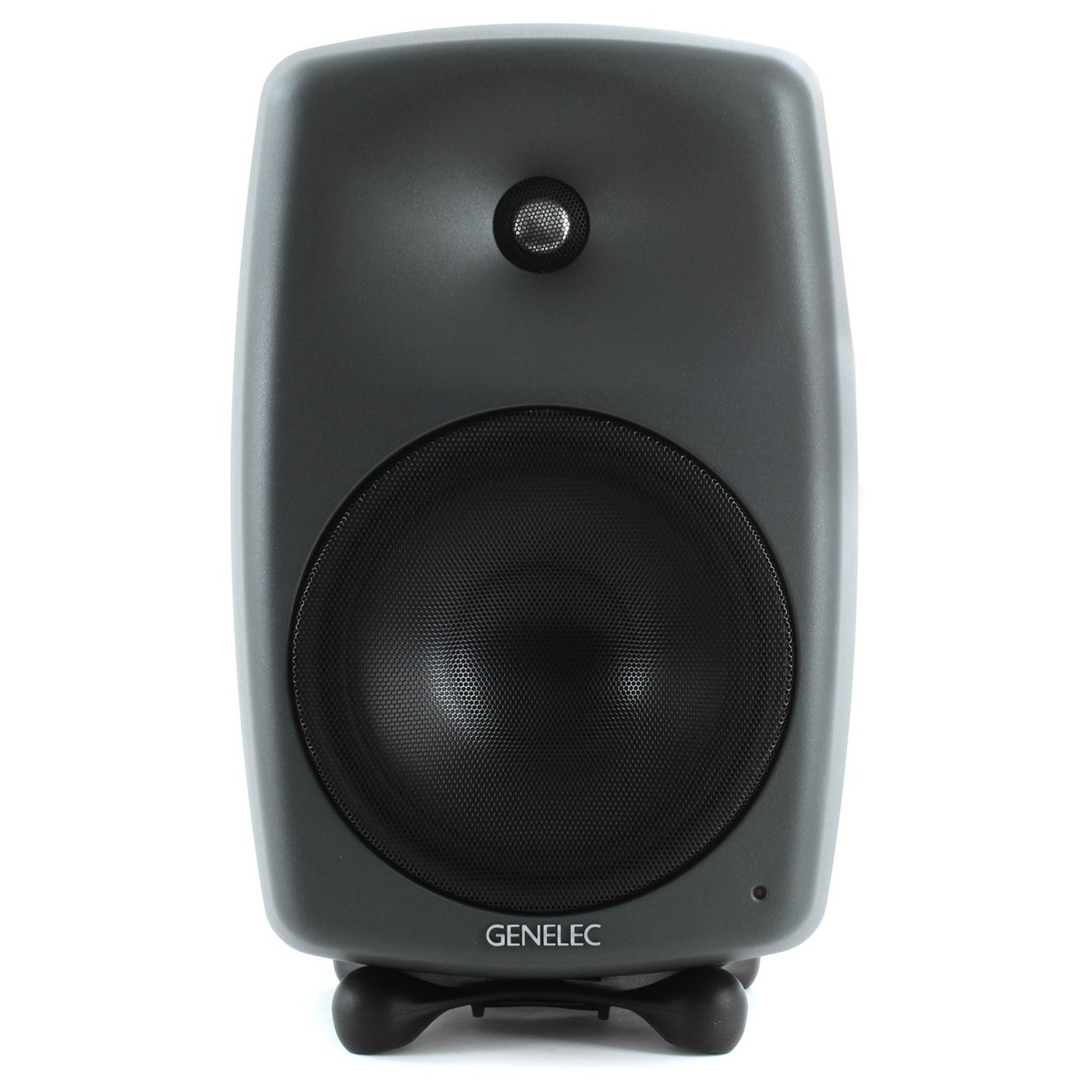
The monitor is housed in Genelec's signature Minimum Diffraction Enclosure (MDE), which is constructed from die-cast aluminium. This material choice allows for a sturdy, low-resonance cabinet with a large internal volume relative to its external dimensions. The curved edges of the enclosure are designed to minimise cabinet-edge diffraction, resulting in improved frequency response and imaging accuracy.
Central to its performance is the Directivity Control Waveguide (DCW) technology. This design helps to control the dispersion of sound, ensuring a wide and consistent sweet spot while reducing early reflections from nearby surfaces like desks or mixing consoles.
Performance and Sound Character
The 8020D is characterised by its ability to deliver 4dB higher sound pressure levels (SPL) compared to previous 8020 versions. The sound character is typically neutral and transparent, intended to reveal the true nature of a recording without artificial coloration. Because of its compact size, it excels in nearfield applications where the listener is positioned close to the speakers, providing a clear representation of the stereo image and transient detail.
Applications and Suitability
This monitor is particularly suited for:
- Small project studios and home recording setups where space is limited.
- Outside broadcast (OB) vans and mobile recording rigs.
- Surround sound installations where it may serve as a satellite speaker.
- Precise editing suites and post-production facilities.
It is ideal for users who require professional-grade monitoring but lack the room for larger units like the Genelec 8050B or the Neumann KH 120-II.
Comparison to Alternatives
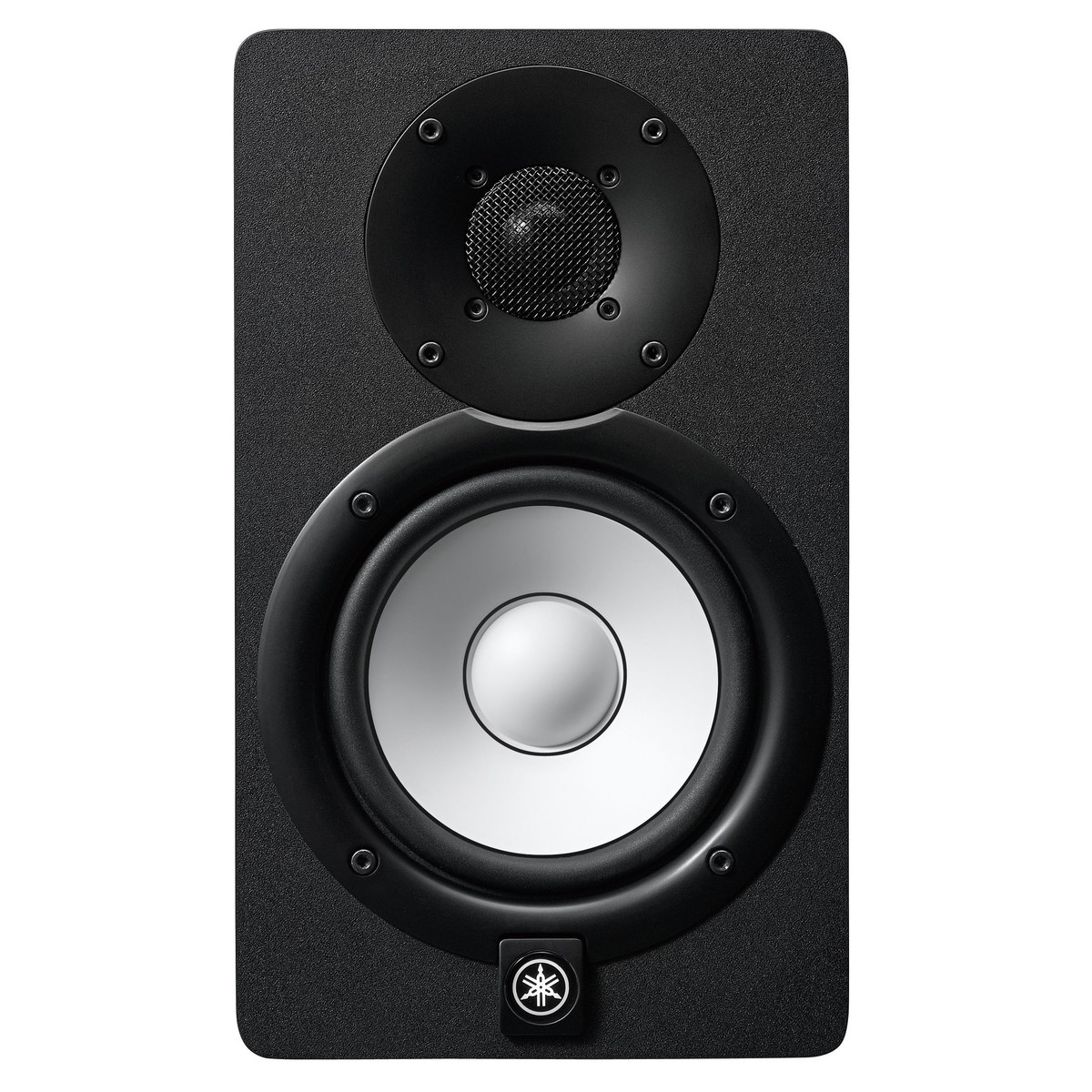
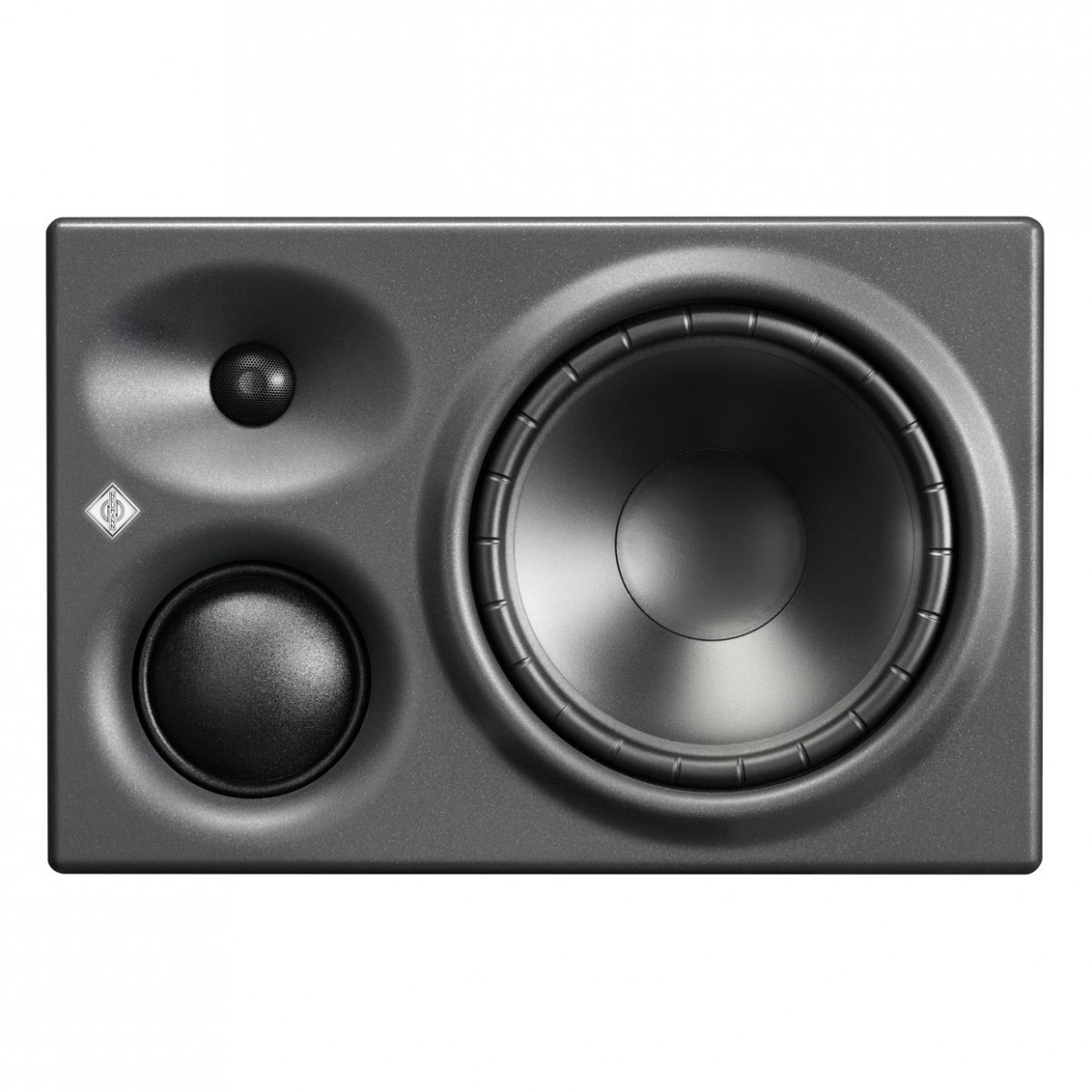
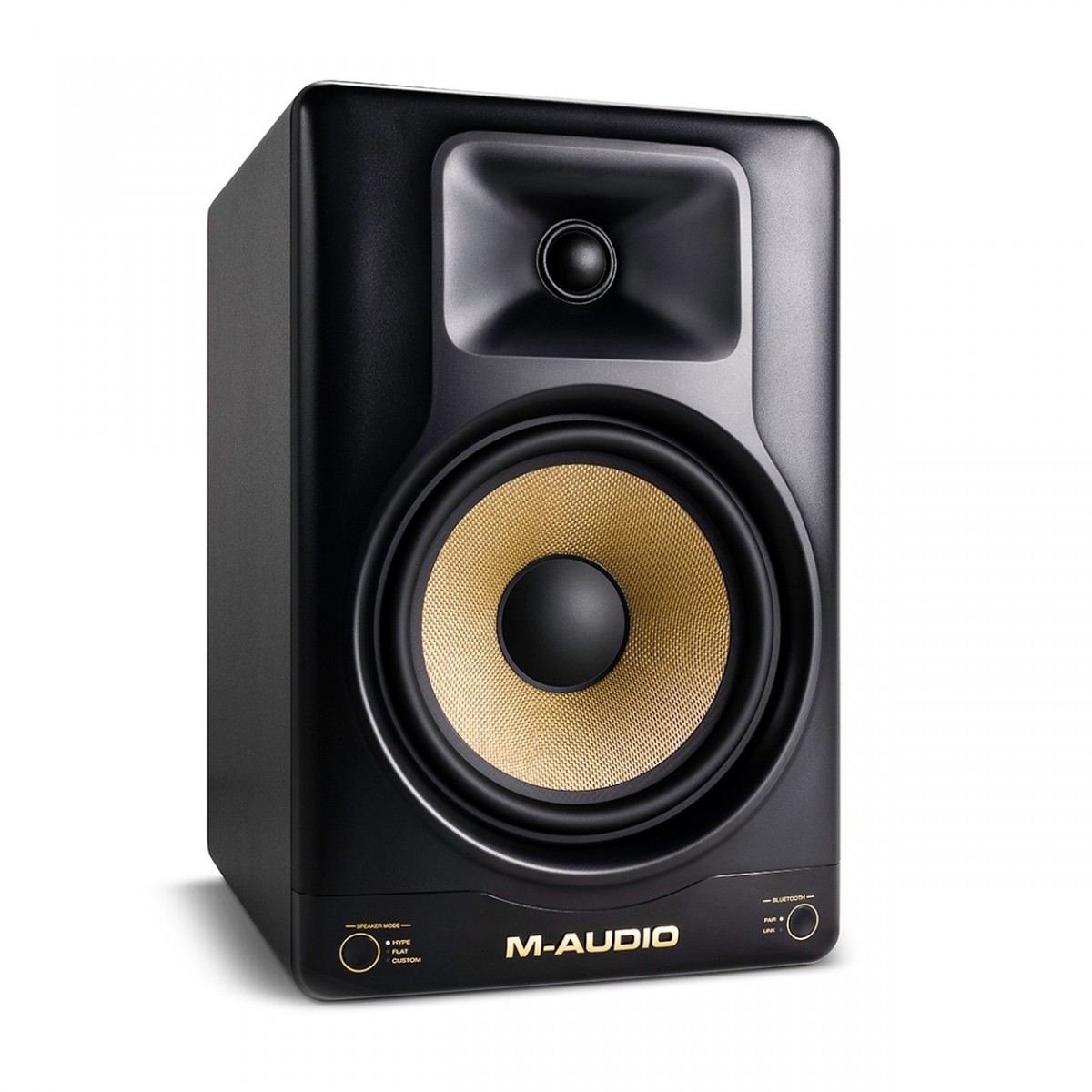
Within the Genelec ecosystem, the 8020D sits below the larger 8050B and the sophisticated DSP-driven 8341AMM. When compared to market rivals, it offers a more compact and rugged aluminium build than the Yamaha HS5 or the M-Audio Forty Eighty. While units like the Neumann KH310A offer a three-way design for more critical full-range monitoring, the 8020D provides a more portable and affordable solution for nearfield work. It represents a significant step up in build quality and precision from entry-level options such as the Behringer 1C-BK.
Related gear
 €1,424.00 ($1,538)
Genelec
Genelec 8050B Bi-Amped Studio Monitor Dark Grey (Single)
 £152.00 ($193)
Yamaha
Yamaha HS5 Active Studio Monitor
 £1,864.92 ($2,368)
Neumann
Neumann KH310A Active Three Way Nearfield Studio Monitor Left
 £156.00 ($198)
M-Audio
M-Audio Forty Eighty Active Studio Monitor with DSP
 £89.60 ($114)
Behringer
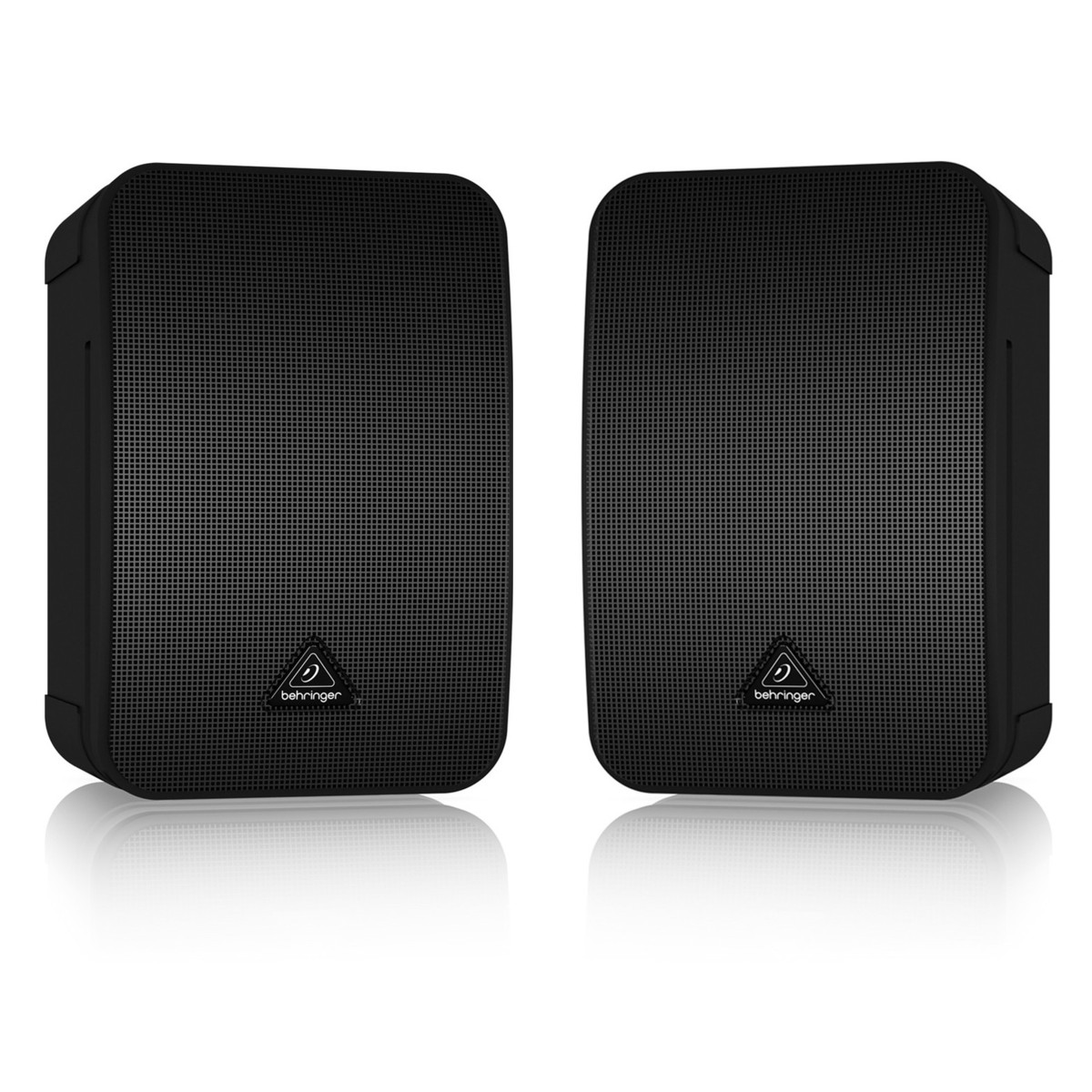
Behringer 1C-BK Studio Monitors Black
 £230.00 ($292)
Genelec
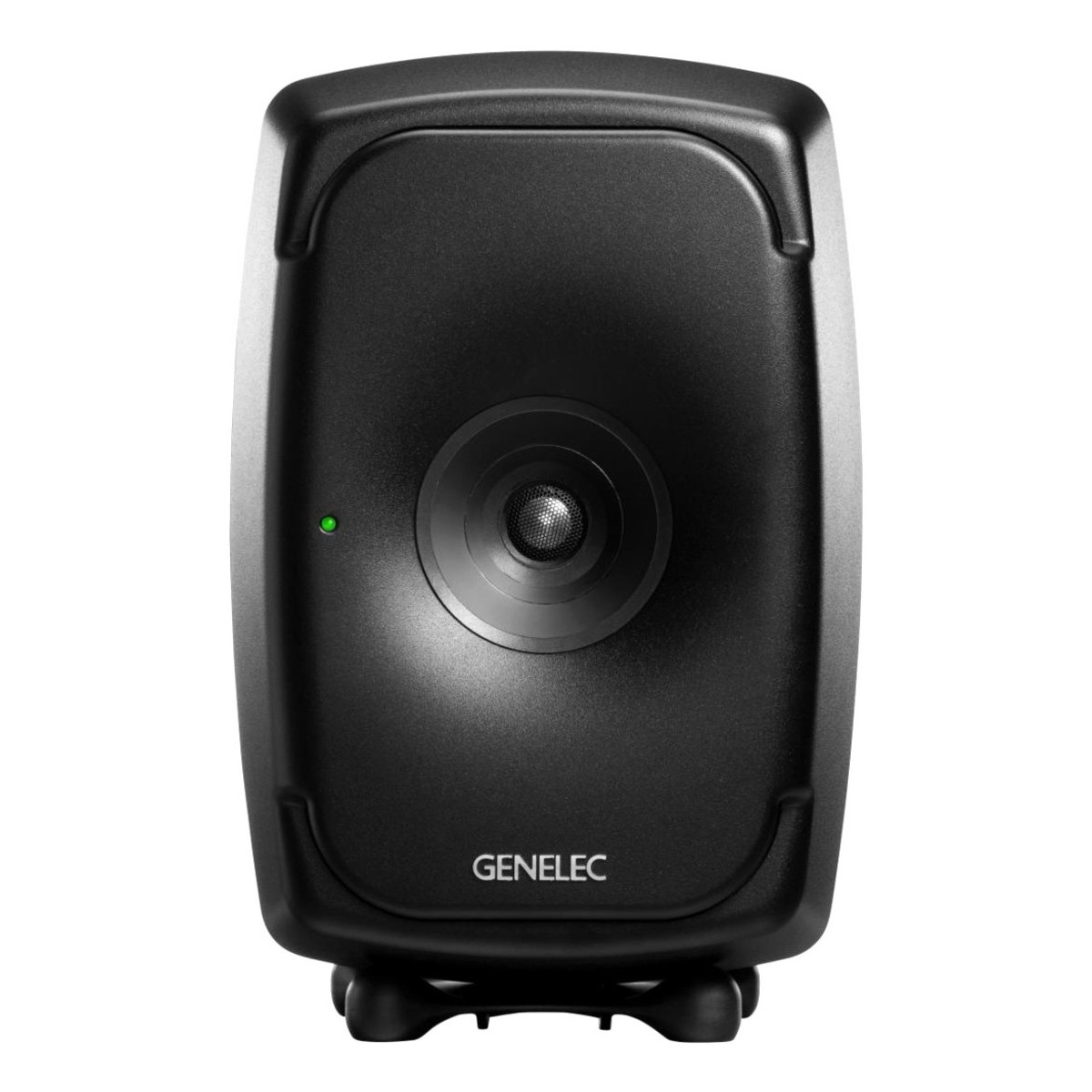
Genelec 8341AMM Professional Studio Monitor Black
 £699.00 ($888)
Neumann
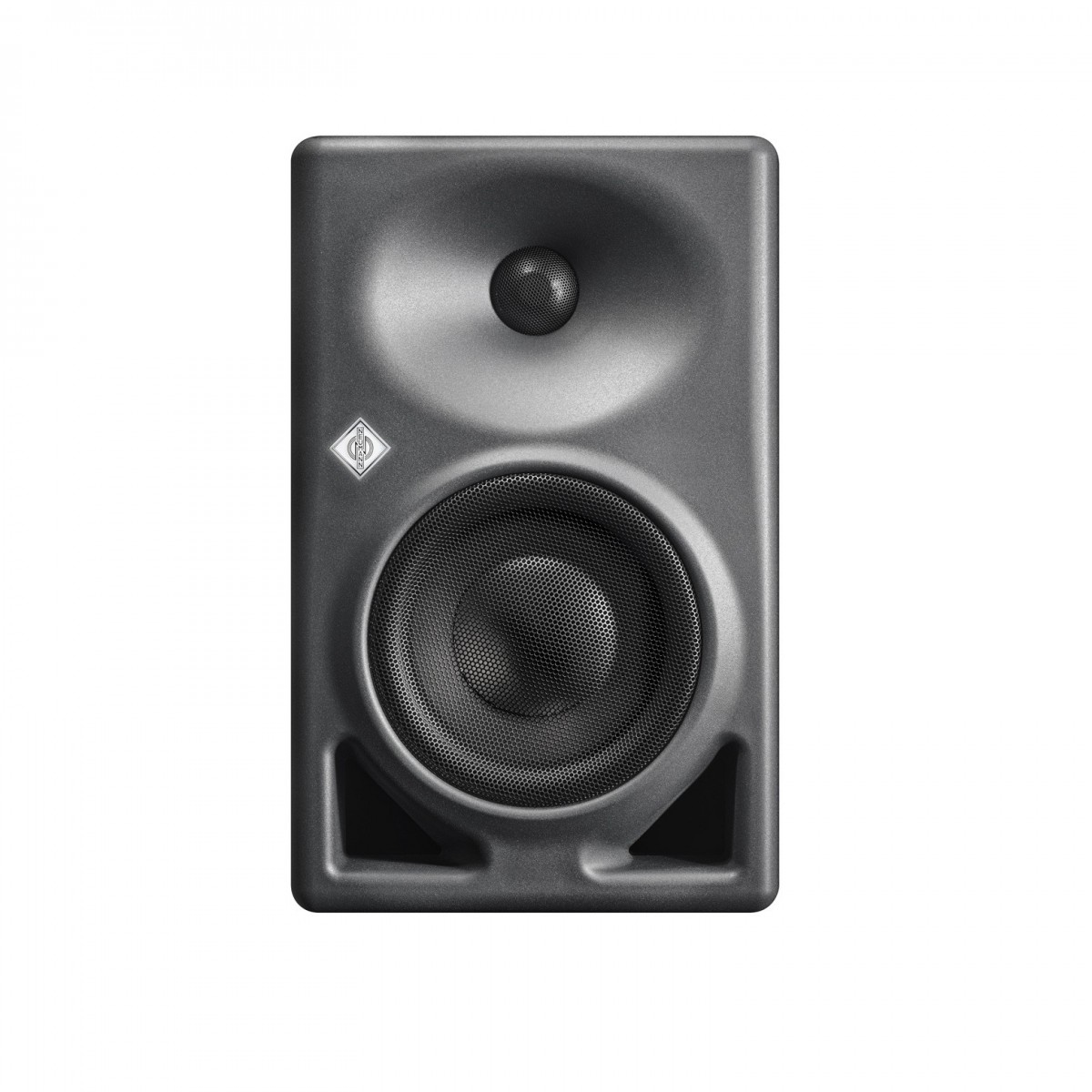
Neumann KH 120-II Active Studio Monitor Black
 £604.00 ($767)
Focal Professional
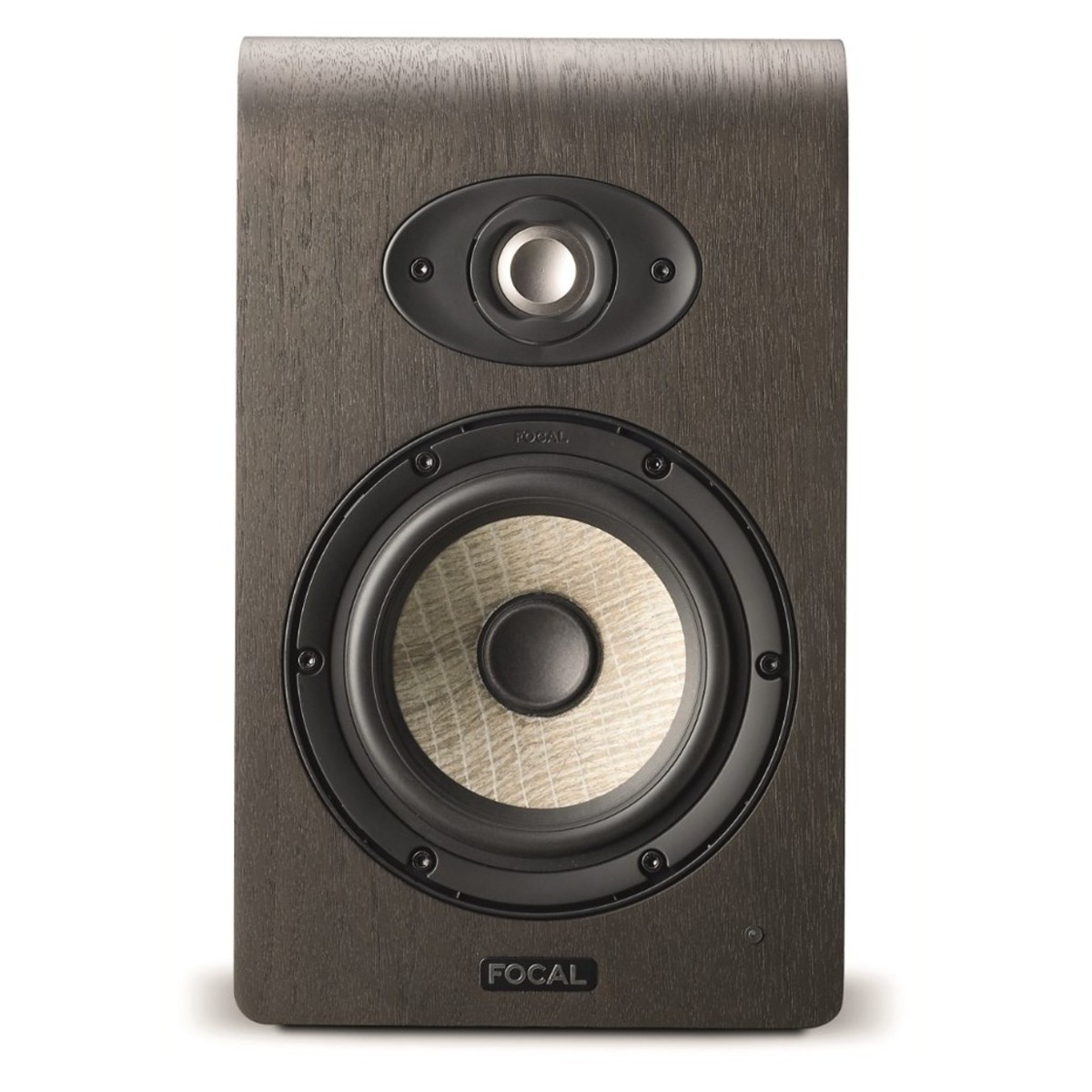
Focal Shape 65 Studio Monitor (Single)
Frequently asked questions
- What is the primary material used for the Genelec 8020D enclosure?
- The 8020D uses a Minimum Diffraction Enclosure (MDE) made from die-cast aluminium. This material provides high strength and internal volume while reducing resonance compared to traditional wooden cabinets.
- How does the 8020D compare in volume to earlier 8020 models?
- The 8020D is capable of delivering 4dB higher sound pressure levels (SPL) than its predecessors. This allows for greater headroom and louder playback without sacrificing accuracy.
- What is Directivity Control Waveguide (DCW) technology?
- DCW is a Genelec innovation that shapes the area around the drivers to control sound dispersion. It ensures a flat frequency response both on and off-axis, providing a wider and more consistent listening area.
- Is the Genelec 8020D an active or passive monitor?
- The Genelec 8020D is an active studio monitor, meaning it features built-in power amplifiers tailored specifically to its drivers. It does not require an external power amplifier to operate.
- What environments is the 8020D best suited for?
- It is designed for space-constrained environments such as small home studios, mobile broadcast vans, and nearfield editing suites. Its compact size makes it ideal for situations where desk space is at a premium.
- Does the 8020D include any mounting accessories?
- The monitor typically comes with an Iso-Pod (Isolation Positioner/Decoupler), which is a rubber stand that allows for tilting the monitor while reducing vibrations transferred to the mounting surface.
- How does the 8020D differ from the Genelec 8341AMM?
- The 8020D is a traditional analogue active monitor, whereas the 8341AMM is a 'The Ones' series monitor featuring coaxial drivers and sophisticated DSP room calibration capabilities. The 8020D is significantly more compact and affordable.
- Can the 8020D be used in a surround sound setup?
- Yes, due to its consistent directivity and compact size, the 8020D is frequently used as a satellite speaker in multi-channel surround sound configurations, often paired with a Genelec subwoofer.
- What is the typical price range for a single 8020D unit?
- The typical price for a single Genelec 8020D unit is approximately £461. Note that monitors are often sold individually, so a pair would double this cost.
- How does the 8020D compare to the Yamaha HS5?
- The 8020D is generally considered a higher-end professional tool with a more compact, rugged aluminium enclosure compared to the larger, wooden-framed Yamaha HS5. The Genelec offers more advanced waveguide technology for improved off-axis response.
- What does the 'Minimum Diffraction Enclosure' do?
- The MDE features a curved shape designed to prevent sound waves from 'catching' on the edges of the cabinet. This results in a smoother frequency response and more precise stereo imaging.
- Is the 8020D suitable for critical mixing?
- Yes, it is specifically designed for professional monitoring where accuracy is paramount. However, because of its small woofer size, users may want to pair it with a subwoofer for mixing genres that require deep sub-bass extension.