
Gear article
GEWA Carbon Student Cello Bow 1/16
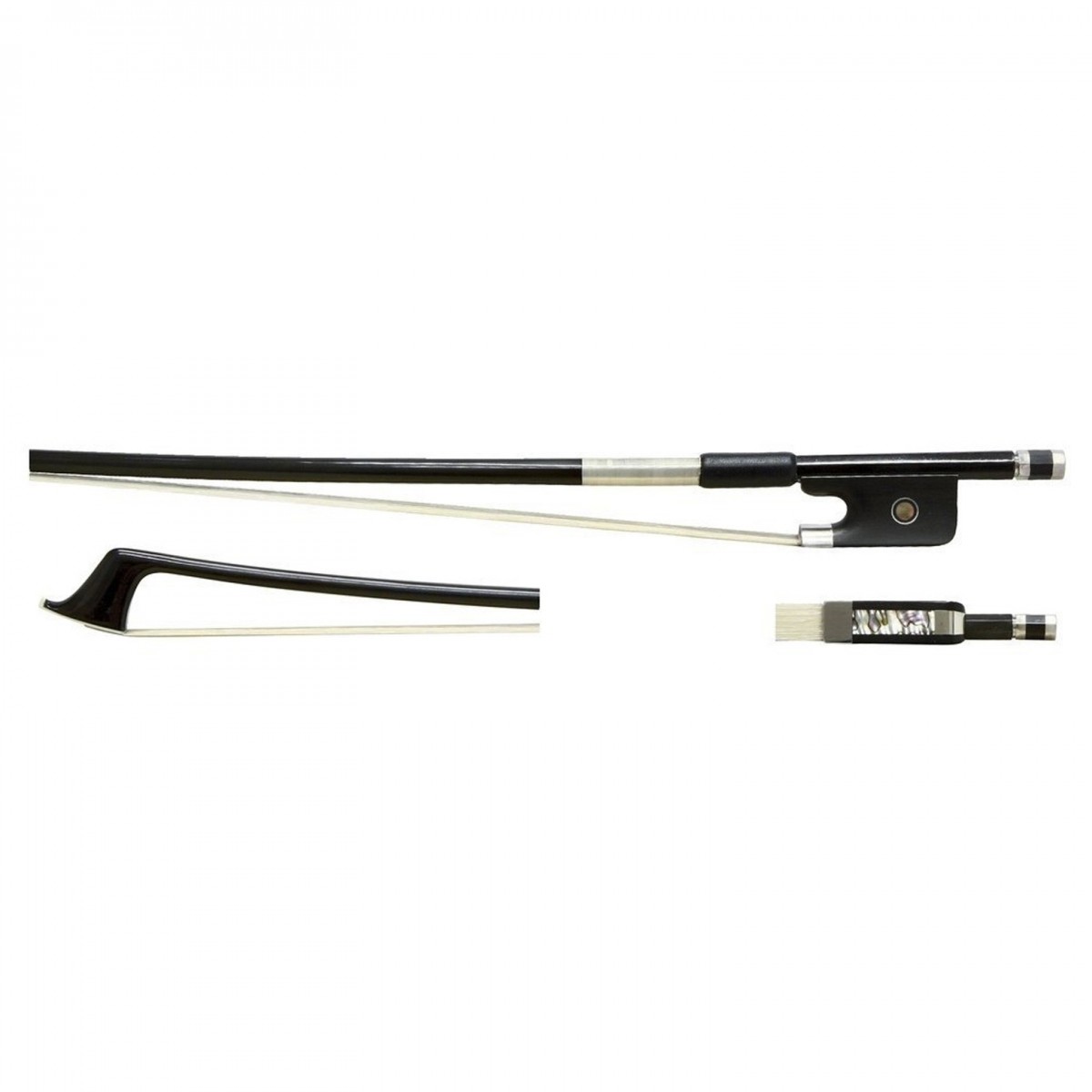
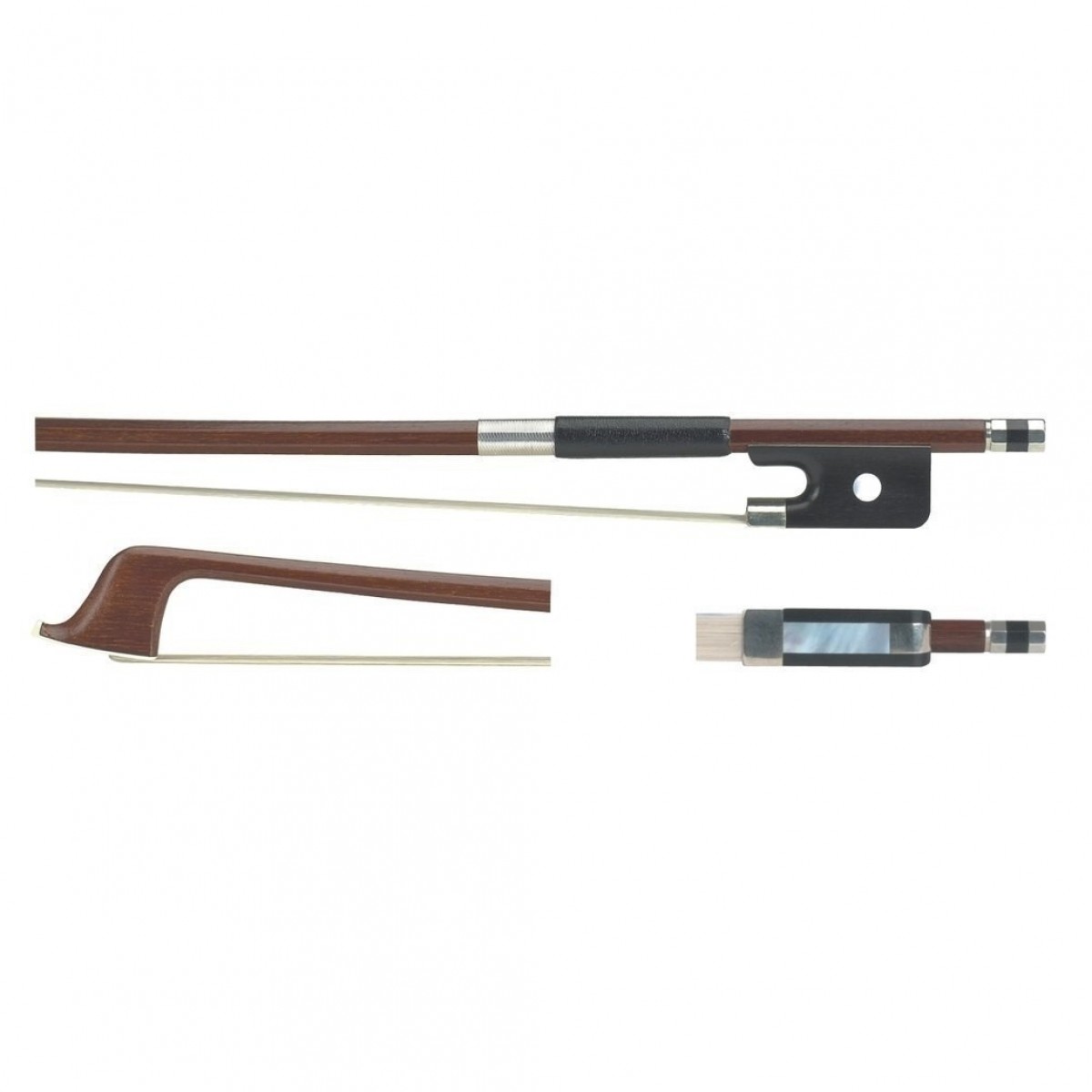
The GEWA Carbon Student Cello Bow 1/16 is a high-durability synthetic bow designed specifically for very young cellists. Utilising a carbon fibre construction, it offers a modern alternative to traditional wood bows, focusing on structural resilience and consistent playability at a student-tier price point.
Overview
The GEWA Carbon Student Cello Bow in 1/16 size is engineered for longevity and reliability, addressing the specific needs of early-stage learners. Unlike traditional pernambuco or brazilwood bows, which can be prone to warping or snapping under the physical demands of student use, the carbon fibre stick provides a robust architecture that is resistant to atmospheric changes and mechanical stress. The bow is finished with a sleek, modern aesthetic that has increasingly become a standard in both educational and professional settings.
Design and Key Features
A defining feature of this model is its ebony frog. Ebony is chosen for its high natural oil content, which eliminates the need for varnish; this provides a stable, non-slip surface for the thumb, facilitating better bow control during extended practice sessions. The aesthetic details include a mother-of-pearl eye and slide, providing a sophisticated appearance usually associated with higher-tier equipment. The carbon material itself offers a high strength-to-weight ratio, ensuring the bow remains straight and retains its tension over time.
Performance and Sound
In terms of character, the GEWA Carbon Student bow provides a reliable and consistent response. The stiffness inherent in carbon fibre allows for a clear attack and helpful feedback for students learning to control their articulation. While wooden bows may offer more varied tonal colours, this carbon model focuses on stability and ease of use, ensuring that the student can focus on technique without struggling against the limitations of a low-quality wooden stick.
Target Audience
This 1/16 size bow is specifically tailored for the youngest students who require an instrument scaled to their physical proportions. It is ideal for those who need a dependable tool that can withstand the rigours of school environments and frequent transport. Its design suits beginners who want a professional-looking aesthetic combined with the practical benefits of modern synthetic materials.
Market Comparison
Compared to alternatives like the Primavera Composite Cello Bow or the Jaeger Germany Premium Bulletwood Student Cello Bow, the GEWA Carbon Student model prioritises the structural integrity of carbon over composite or wood blends. While bulletwood bows like the Jaeger offer a traditional octagonal feel, the GEWA carbon stick provides greater resistance to cracking. It sits in a competitive price bracket alongside specialised options like the Coruss Carbon Bow, though it is specifically sized for 1/16 instruments, whereas many competitors focus on larger fractional or full sizes.
Related gear
- £12.38 ($16)
Pirastro
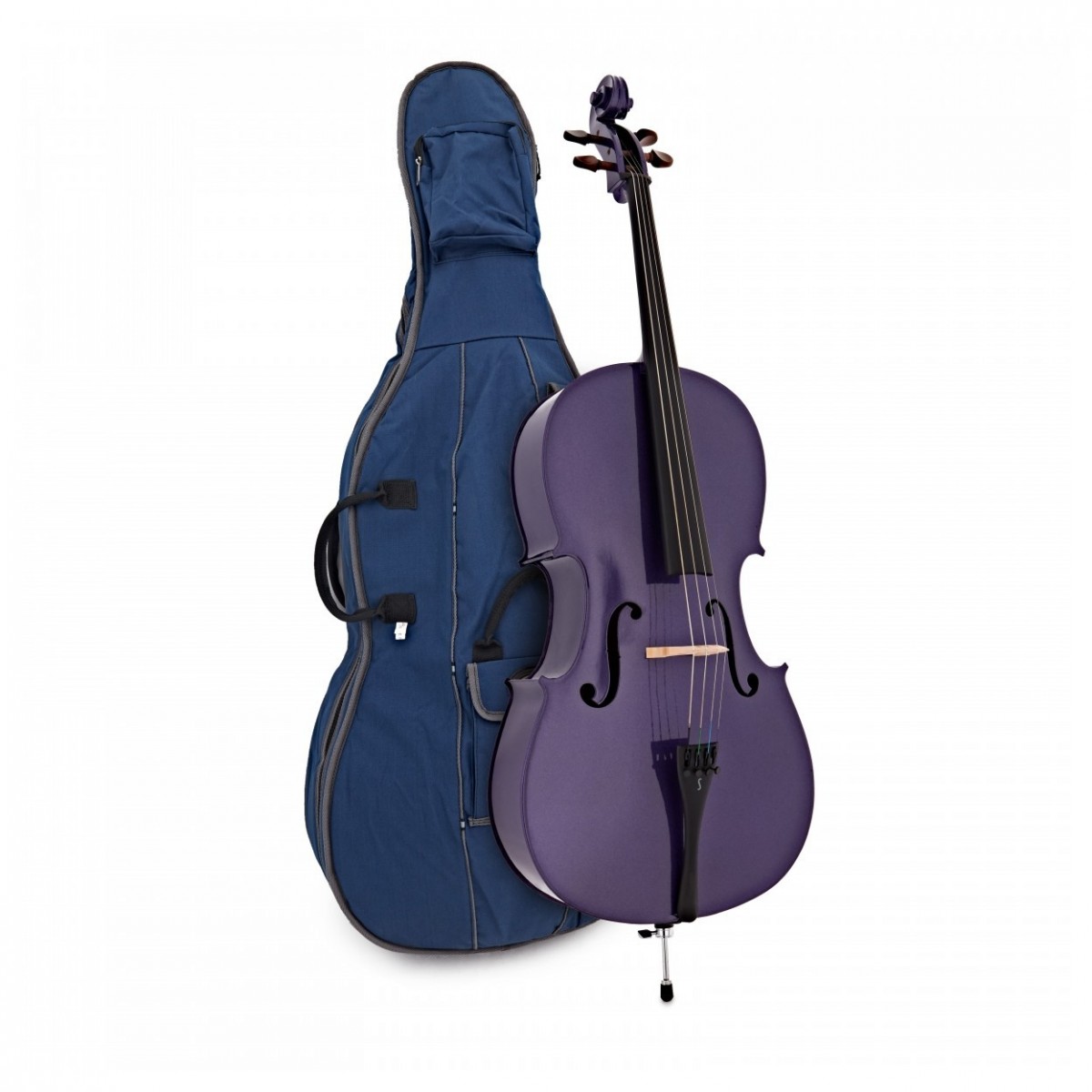
Pirastro Cellisto Cello Rosin
 £429.00 ($545)
Stentor
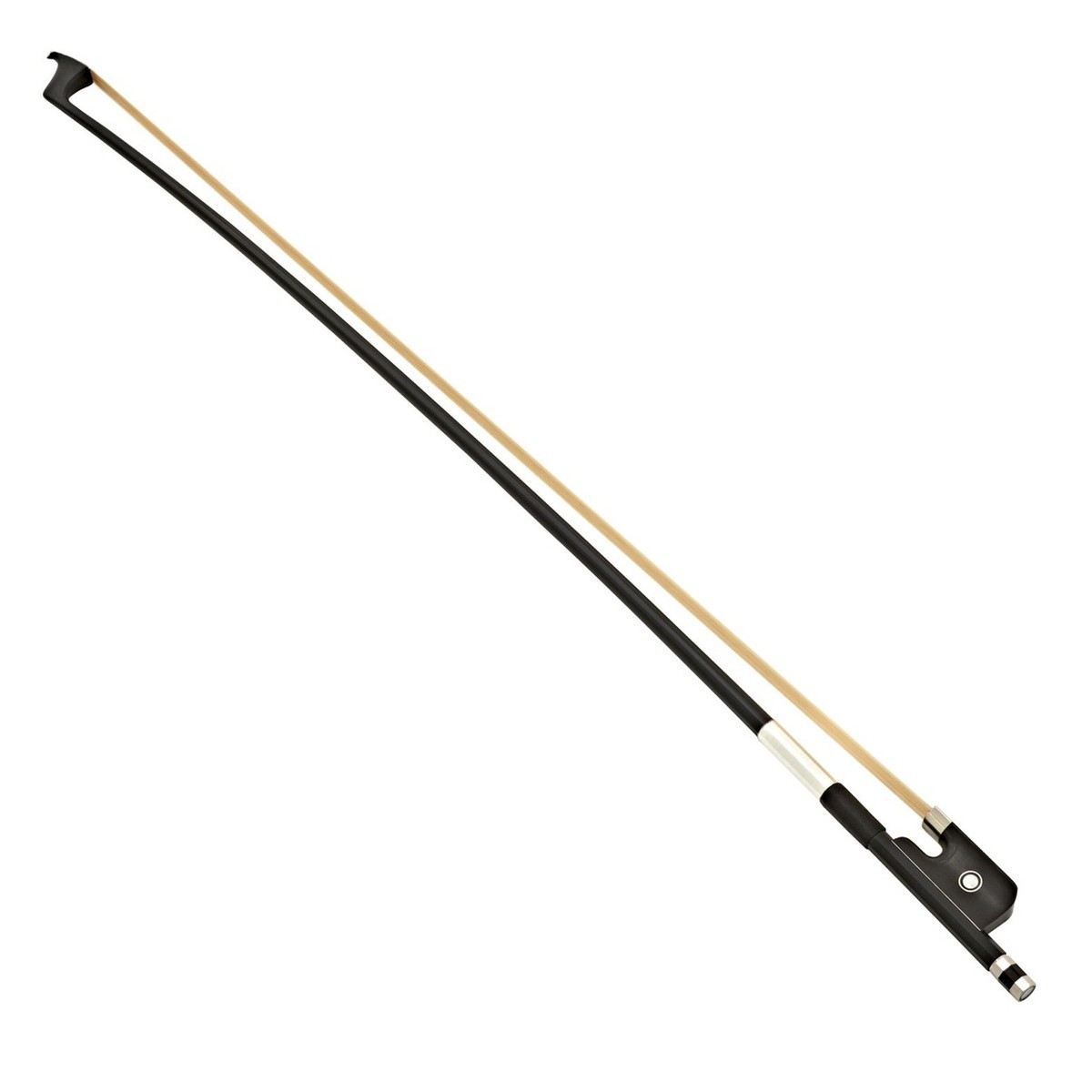
Stentor Harlequin Cello Outfit Purple 1/2
 £53.70 ($68)
Primavera
Primavera Composite Cello Bow Round 1/4
 £205.00 ($260)
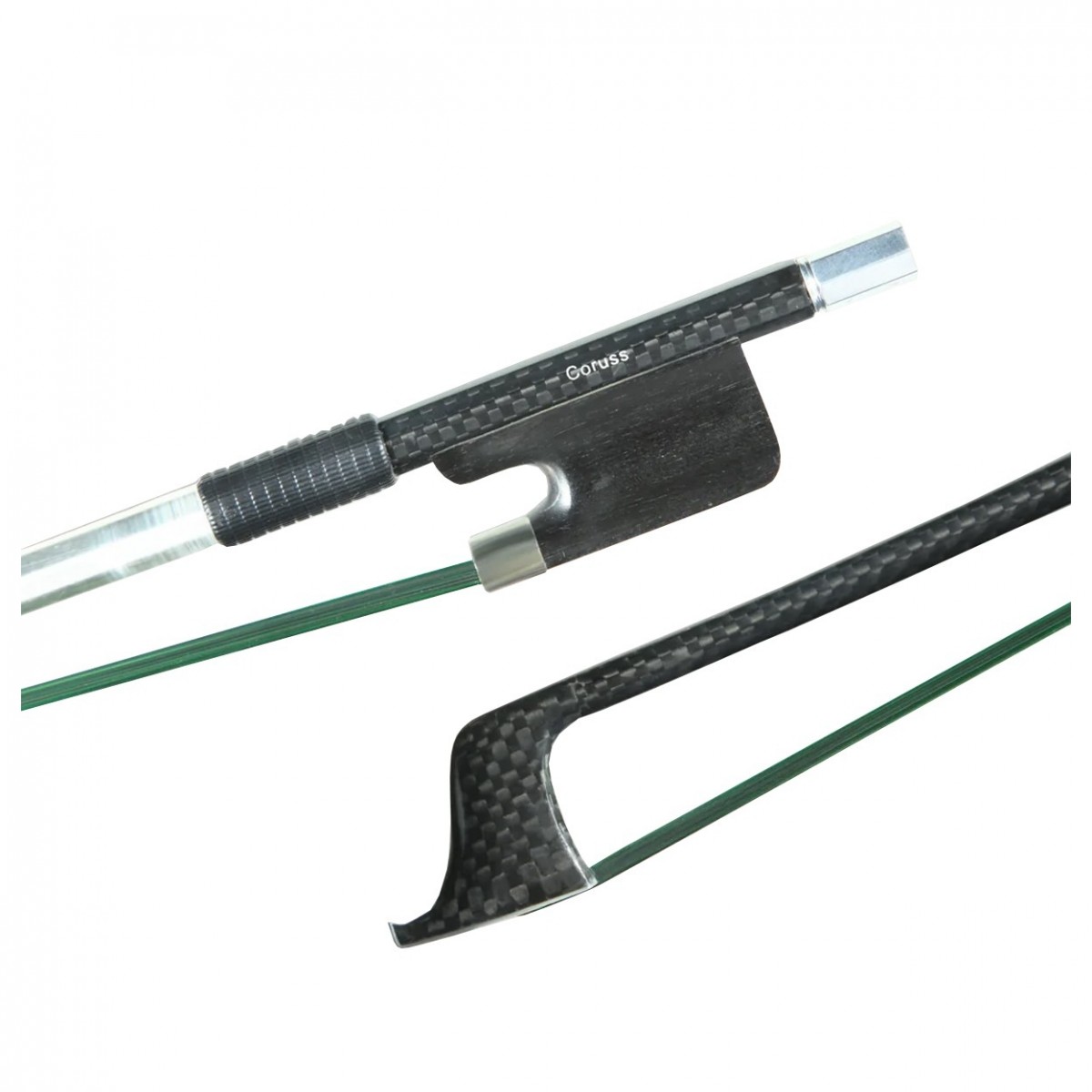
Coruss Bows
Coruss Carbon Bow for Cello 3/4 Green Hair
 £199.99 ($254)
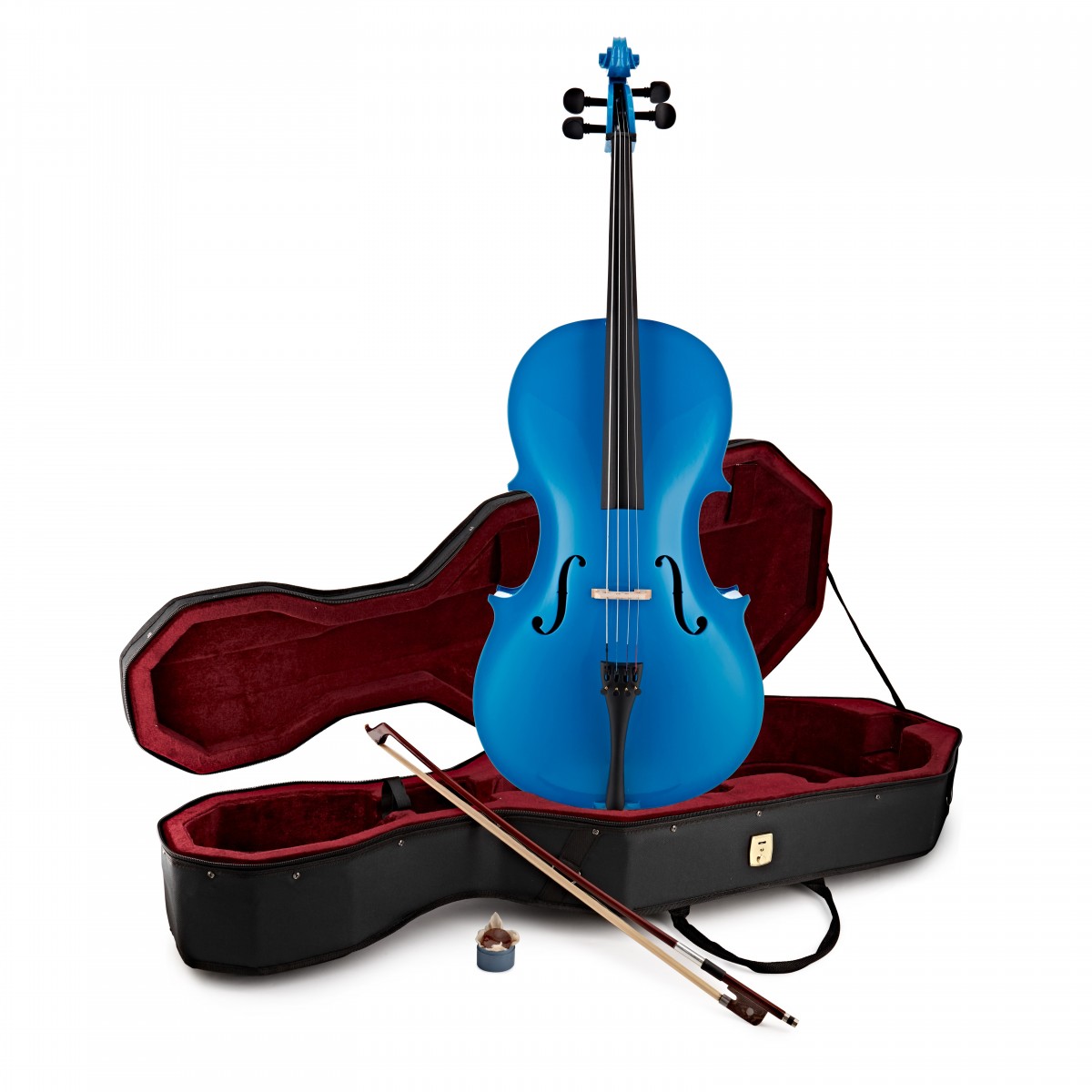
Gear4Music
Student 1/2 Size Cello by Gear4music Blue
 £229.99 ($292)
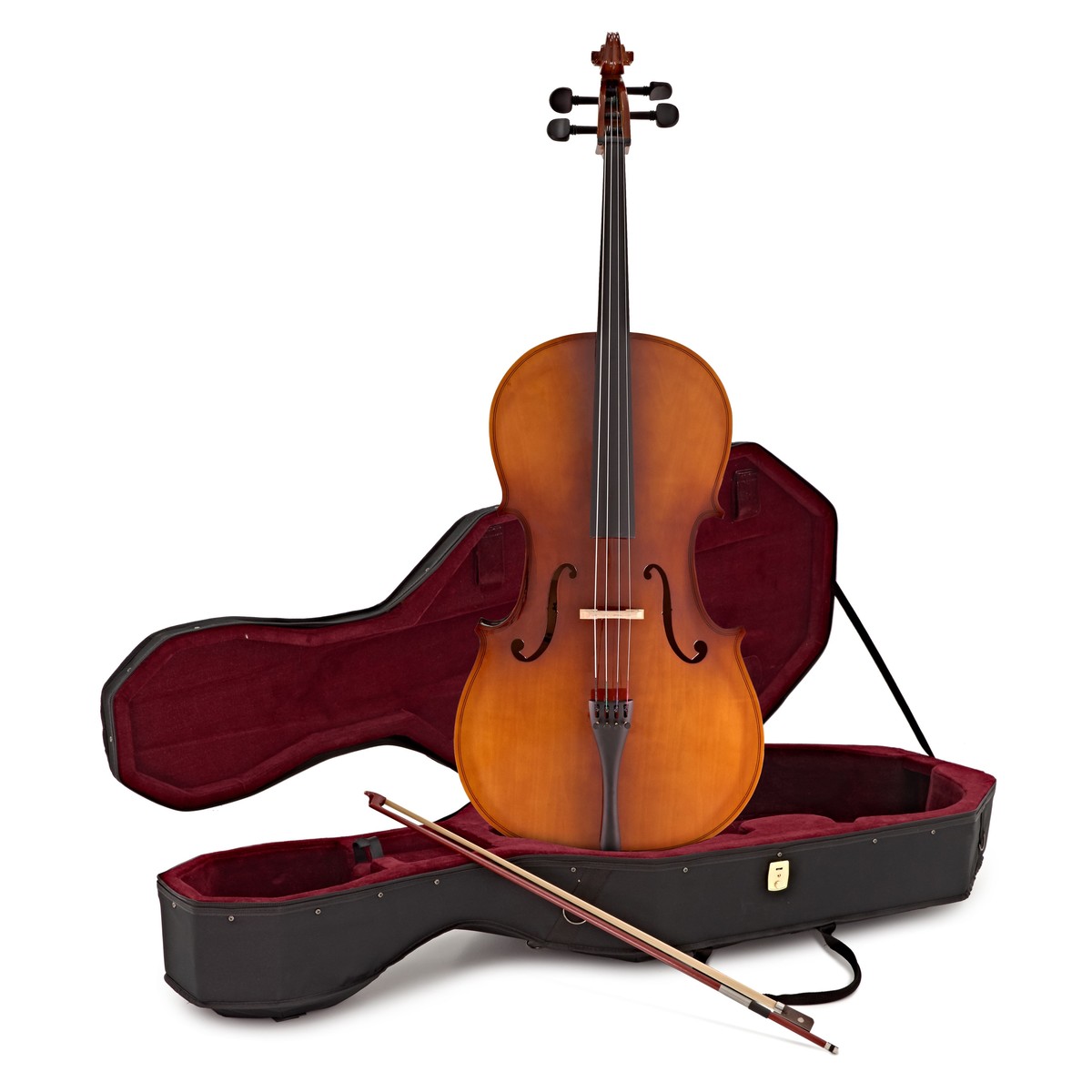
Gear4Music
Student Full Size Cello by Gear4music Antique Fade
 £2,189.00 ($2,780)
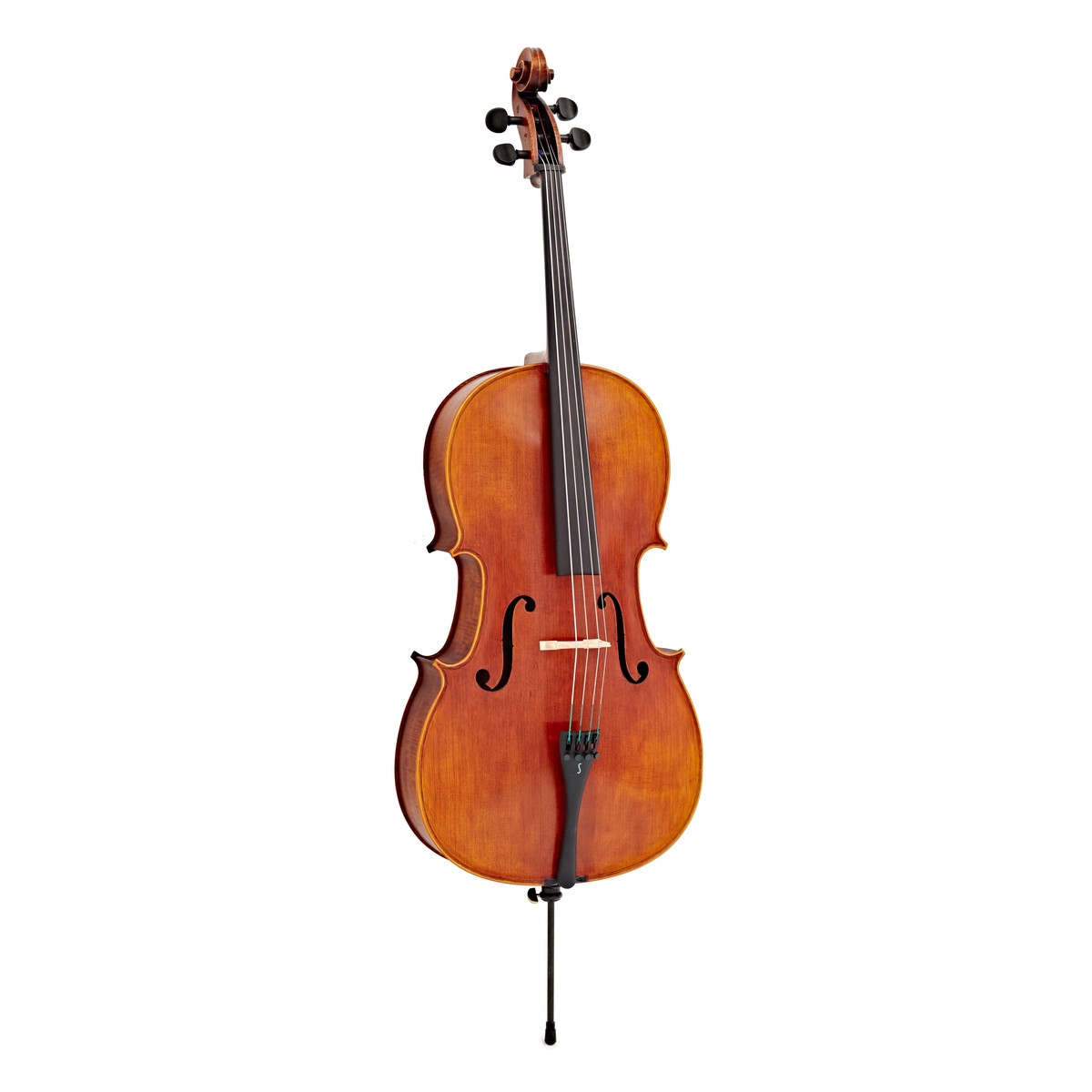
Stentor
Stentor Messina Cello Full Size Instrument Only
 £146.00 ($185)
Gewa
Jaeger Germany Premium Bulletwood Student Cello Bow Octagonal 3/4
Frequently asked questions
- What is the main advantage of carbon fibre over wood for a student bow?
- Carbon fibre is significantly more durable than wood, as it is less likely to crack, snap, or warp. This makes it ideal for students who may be less experienced in handling delicate equipment.
- What size cello is this bow designed for?
- This specific model is a 1/16 size bow, which is intended for the smallest student cellos used by very young children.
- What material is used for the frog on this GEWA bow?
- The frog is made from ebony, a dense wood that is naturally oily and does not require varnish, providing a non-slip surface for the player's thumb.
- Are there any decorative elements on the bow?
- Yes, the bow features a mother-of-pearl eye and slide on the frog, giving it a sophisticated and professional appearance.
- How does the weather affect a carbon fibre bow?
- Unlike wood, carbon fibre is largely unaffected by changes in humidity and temperature, meaning the bow will not warp in different climates.
- Does the ebony frog require special maintenance?
- Ebony is very durable due to its natural oils, but it should be kept clean of rosin build-up to maintain its non-slip properties.
- Is this bow suitable for professional use?
- While designed for students, carbon fibre bows are popular among professionals for their modern look and reliability, though this specific size is only for 1/16 instruments.
- How much does the GEWA Carbon Student Cello Bow typically cost?
- The typical price range for this model is approximately £85, making it an accessible entry-point for a high-quality synthetic bow.
- Will the GEWA Carbon bow snap easily?
- No, one of its primary design features is its strength; the carbon material is built to last and is unlikely to snap during normal student play.
- What rosin is recommended for use with this bow?
- While many brands work well, products like Pirastro Cellisto Cello Rosin are frequently used with student cello setups to ensure good grip on the strings.
- How does this compare to the Primavera Composite bow?
- The GEWA Carbon bow uses pure carbon fibre for higher durability and a modern look, whereas composite bows often mix materials and may have different weight distributions.
- Is the hair on the bow synthetic or natural?
- The GEWA Carbon Student bow typically uses standard horsehair to ensure a traditional sound and proper grip on the cello strings.