
Gear article
GEWA EViolin Electric Violin Outfit
The GEWA EViolin is a performance-oriented electric violin featuring a sculpted hollow frame design and a traditional ebony fingerboard. Designed to bridge the gap between acoustic and electric performance, it utilizes an integrated piezo pickup system to deliver a clear signal suitable for stage amplification and signal processing.
See live pricesOverview and Design
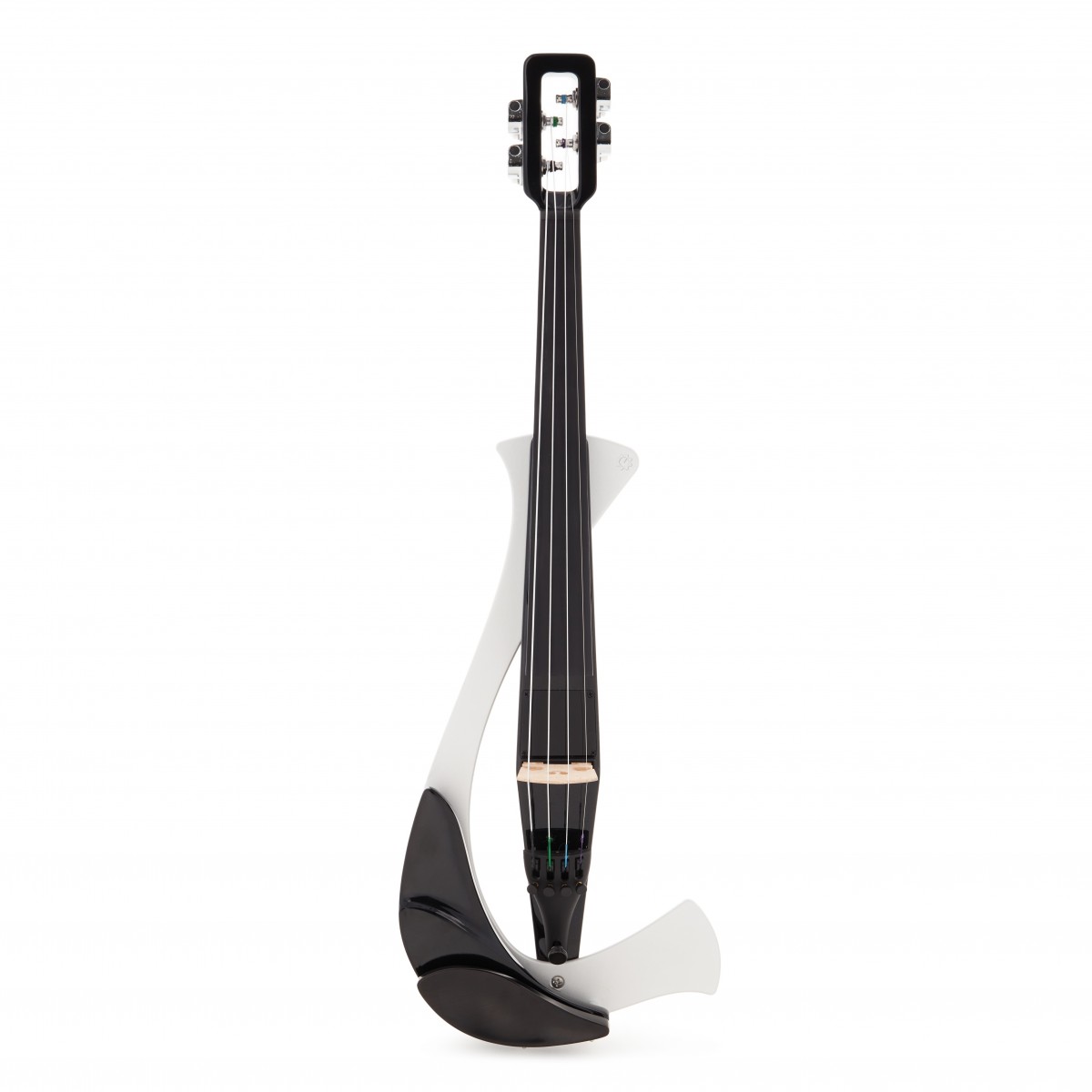
The GEWA EViolin Electric Violin Outfit is engineered for players who require the volume and versatility of an electric instrument without sacrificing the tactile feel of an acoustic violin. The instrument features a distinctive sculpted hollow frame that reduces weight and acoustic volume, making it an effective tool for silent practice. Despite its modern aesthetics, the EViolin maintains a familiar silhouette, ensuring that the transition for traditional players is seamless.
The hardware appointments follow classical standards, incorporating a traditional bridge, tailpiece, and tuning pegs. This adherence to standard dimensions means the instrument can be serviced by any professional luthier, a significant advantage over proprietary electric violin designs that use non-standard components.
Technical Features and Electronics
At the core of the EViolin's sound production is an integrated piezo pickup located directly under the bridge. This placement is deliberate, as it captures the direct vibration of the strings and bridge with high fidelity. The output is a clean, transparent signal that serves as a neutral foundation for further audio processing.
The neck is finished in a traditional style, complemented by a genuine ebony fingerboard. This choice of materials provides the density and smoothness expected by intermediate and professional players, facilitating standard techniques such as shifting and vibrato without the friction associated with synthetic alternatives.
Tonal Character and Performance
The sonic profile of the GEWA EViolin is defined by clarity and precision. Because the hollowed frame produces minimal natural resonance, the piezo pickup captures a dry signal that is highly resistant to feedback on loud stages. This makes it an ideal choice for performers playing in amplified bands or using effects pedals.
The tone is described as clean and transparent, providing a 'blank canvas' for musicians. While it lacks the complex harmonic overtones of a solid-wood acoustic instrument, its ability to be manipulated via EQ and external effects units allows for significant tonal experimentation, from crystalline cleans to heavily saturated lead sounds.
Suitability and Applications
This instrument is particularly suited for two types of violinists:
- The Stage Performer: Musicians who need to compete with drums and electric guitars will benefit from the high feedback resistance and easy amplification.
- The Silent Practicer: The reduced acoustic output allows for late-night practice sessions without disturbing others, especially when used with headphones via an external interface.
Its traditional neck profile also makes it a strong candidate for students who are accustomed to acoustic violins but wish to explore electronic music genres.
Comparison to Alternatives
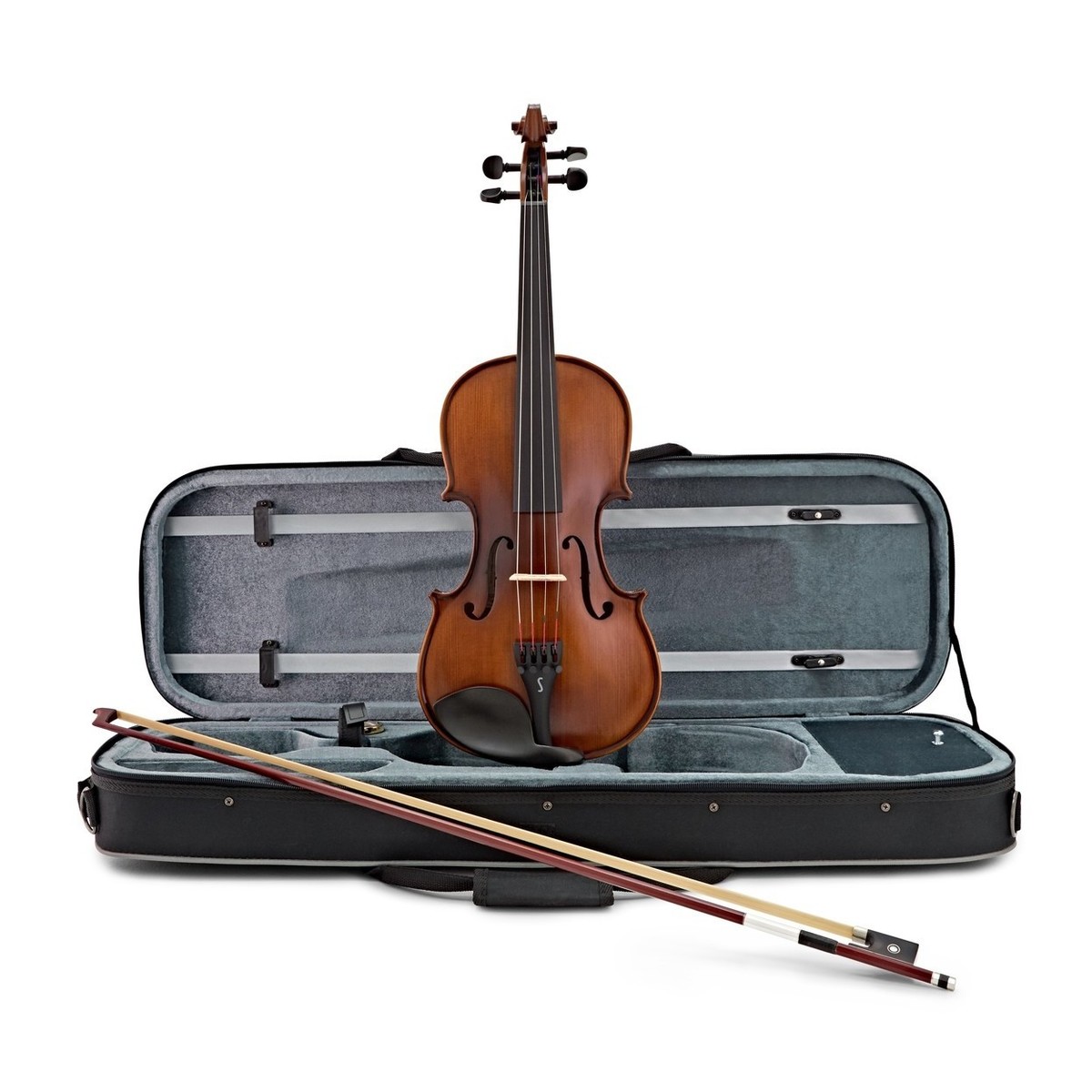
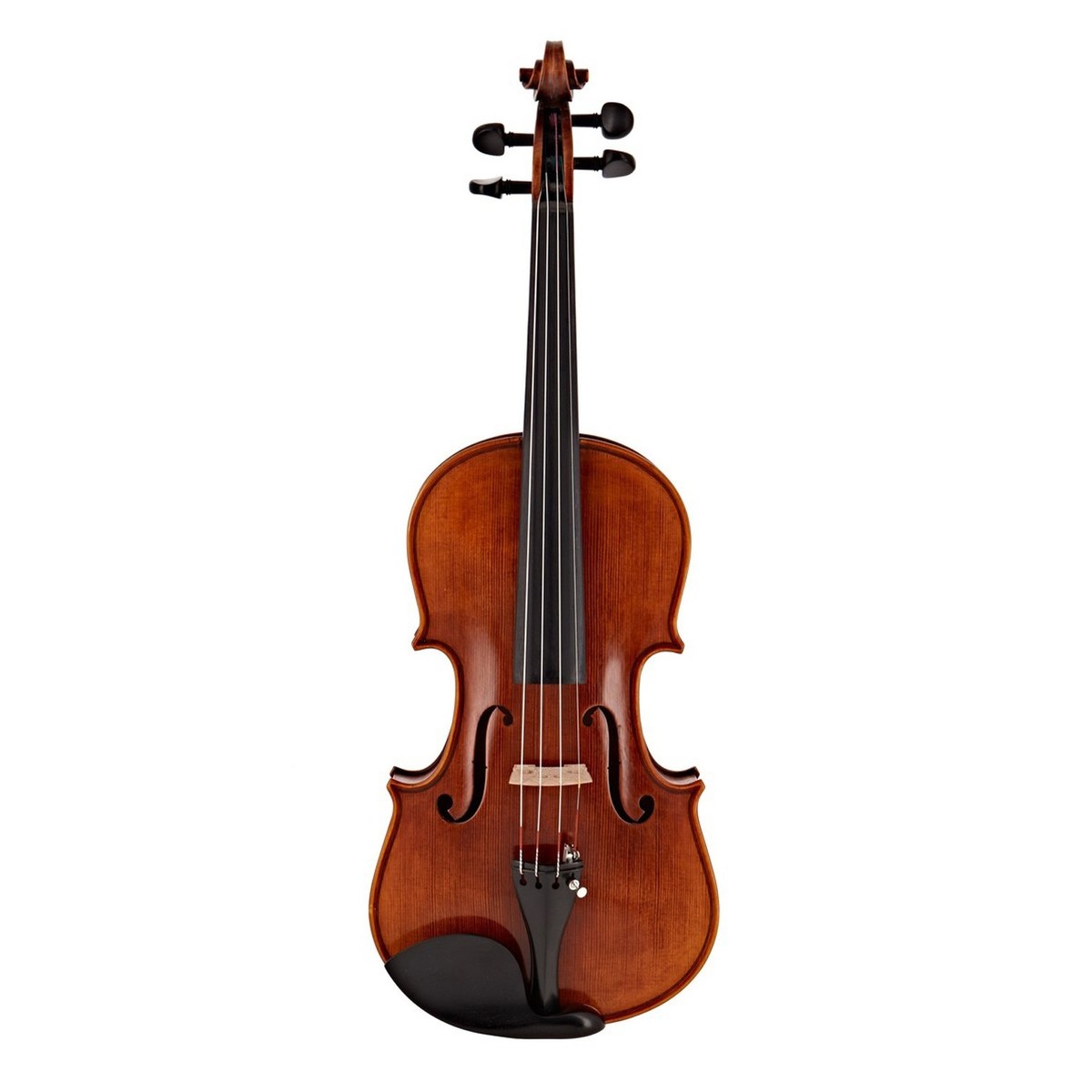
When compared to entry-level electric options like the G4M Solus, the GEWA EViolin distinguishes itself through its traditional servicing capabilities and the inclusion of an ebony fingerboard. While acoustic models like the Stentor Graduate or Messina focus on natural resonance and wood selection, the EViolin prioritises electronic output and modern frame ergonomics.
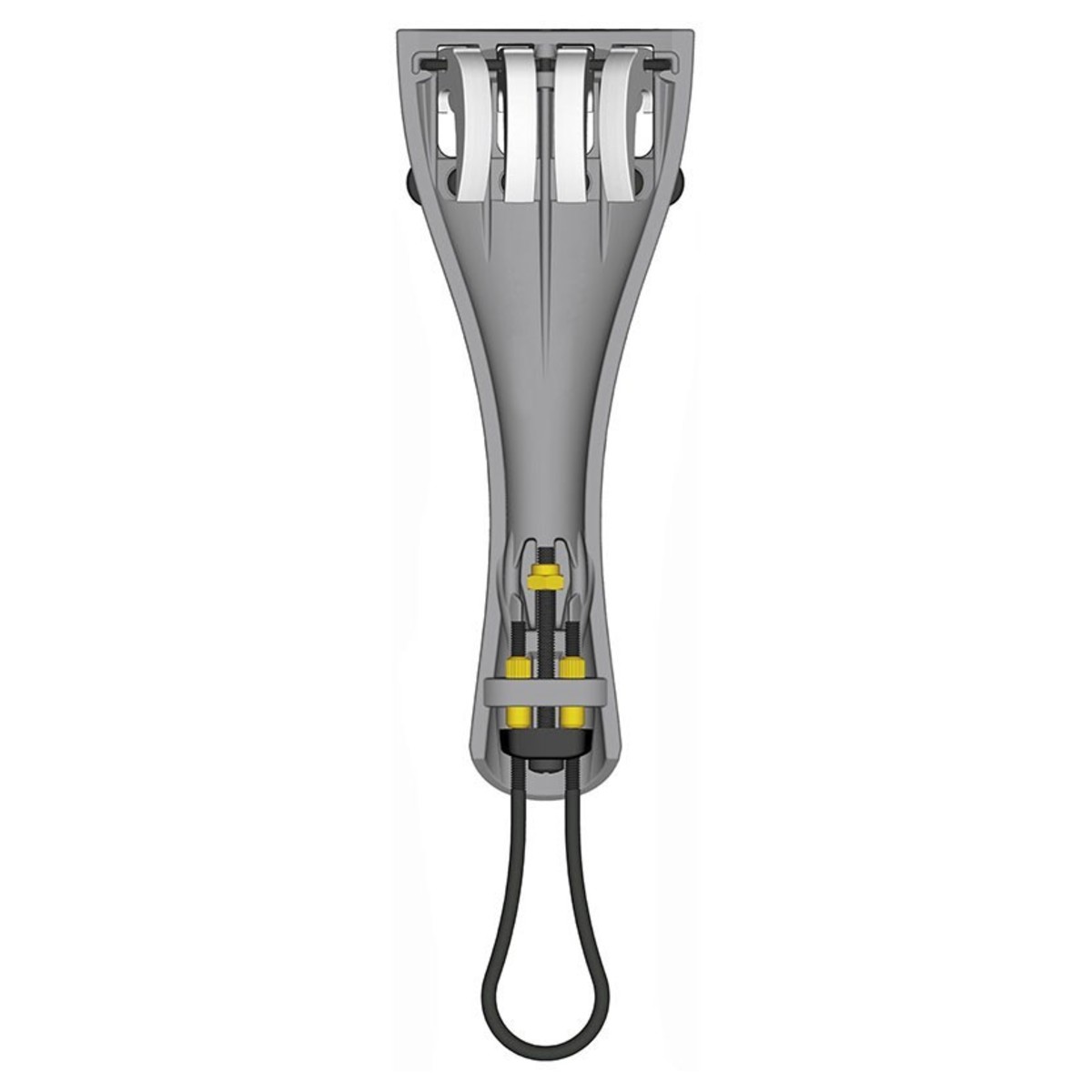
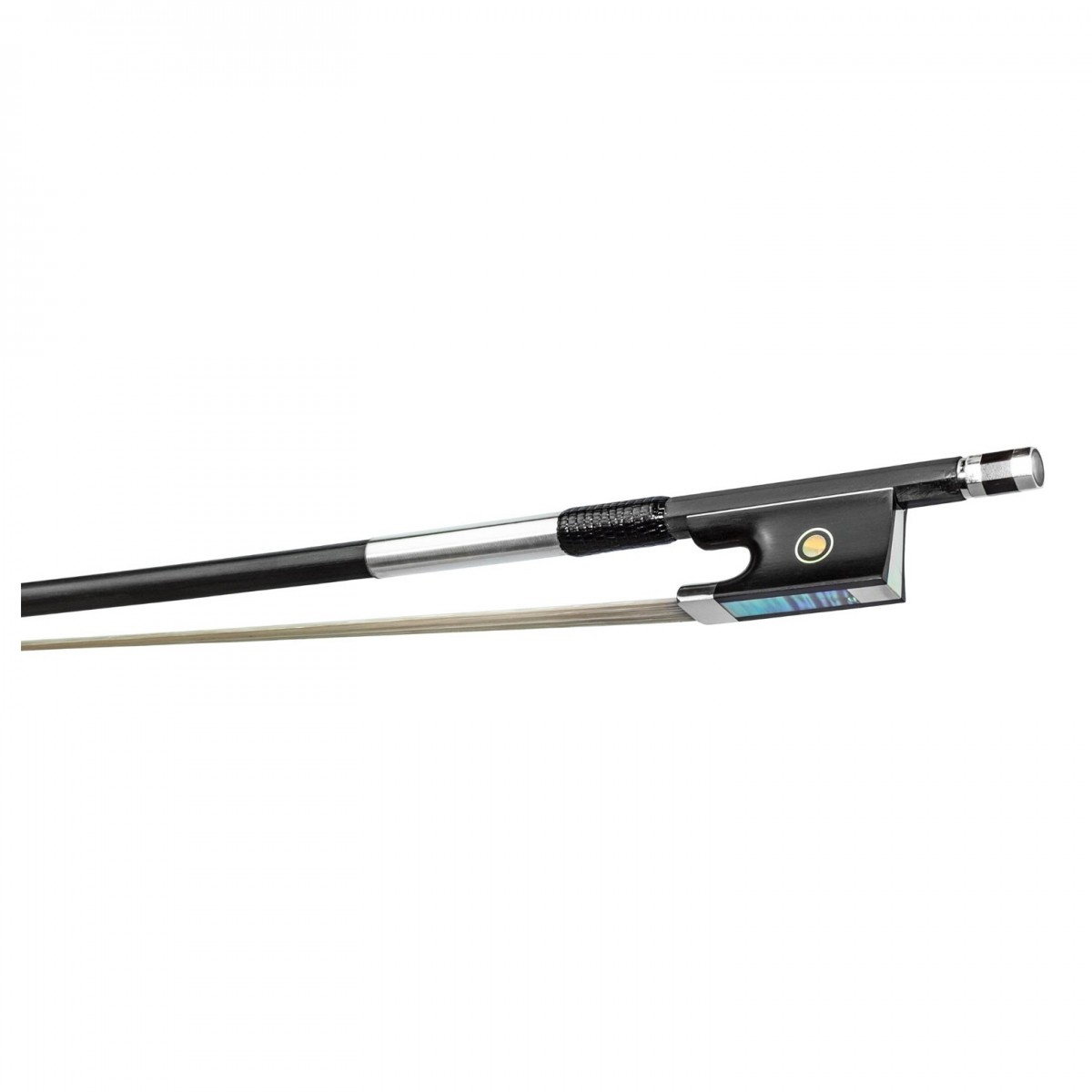
In terms of customisation, players often pair this instrument with high-quality accessories. For instance, while it comes as an outfit, advanced players may upgrade to a Hidersine Carbon Violin Bow for better response, or swap the chinrest for specialized options like the Goetz Kaufmann or Stuber styles to match their specific ergonomic needs.
Related gear
 £299.99 ($381)
G4M
G4M Solus Electric Violin Midnight Ebony
 £227.00 ($288)
Stentor
Stentor Graduate Violin Outfit 1/8
 £453.00 ($575)
Stentor
Stentor Messina Violin 3/4 Instrument Only
 £25.00 ($32)
Wittner
Wittner Violin Tailpiece Position Adjustable 4/4 Size
 £205.00 ($260)
Hidersine
Hidersine Premium Unidirectional Carbon Violin Bow 4/4
 £44.00 ($56)
Conrad Goetz
Goetz Kaufmann Style Viola Chinrest Boxwood Gold Hill Screws
 £69.00 ($88)
Conrad Goetz
Goetz Stuber Style Violin Chinrest Boxwood Titanium Screws
 £19.60 ($25)
P&H Bows
P&H Viola Bowhair Hank 15-16 Inch
Frequently asked questions
- What type of pickup does the GEWA EViolin use?
- The GEWA EViolin features an integrated piezo pickup positioned directly under the bridge. This design allows for a direct and clean capture of string vibrations for amplification.
- Is the GEWA EViolin silent when unplugged?
- It is not completely silent, but because it has a sculpted hollow frame rather than a resonant soundbox, the acoustic volume is significantly lower than a standard violin. This makes it suitable for quiet practice.
- Can a standard luthier repair this instrument?
- Yes. Because the bridge, tailpiece, and tuning pegs follow traditional designs, they can be adjusted or serviced by a professional luthier using standard tools and techniques.
- What material is the fingerboard made of?
- The fingerboard is made of genuine ebony. This provides a traditional feel and a durable surface that is familiar to acoustic violinists.
- Does the GEWA EViolin come with a bow?
- Yes, it is sold as an 'outfit,' which generally includes the instrument and necessary accessories to begin playing. However, some players choose to upgrade to carbon fibre bows for professional use.
- What is the typical price for the GEWA EViolin?
- The instrument is typically priced around £448 in the UK market. This positions it as a mid-range option between entry-level electrics and professional custom builds.
- Is the neck shape different from an acoustic violin?
- No, the EViolin is designed with a traditional neck style. This ensures that the instrument feels natural under the hand for players who are used to acoustic instruments.
- Can I use standard violin accessories with this model?
- Yes, standard accessories such as Wittner tailpieces or Goetz chinrests are compatible due to the traditional dimensions of the fitting areas.
- Is this violin suitable for beginners?
- Yes, it is a great instrument for those who are used to an acoustic instrument but want to transition to electric. Its familiar shape helps maintain proper technique during the transition.
- How does the tone compare to an acoustic violin?
- The tone is cleaner and clearer, lacking the natural woody resonance of an acoustic. It is specifically designed to be processed through amplifiers or effects units.
- What finish is available for this model?
- This specific outfit is provided in a Black finish, highlighting its modern, sculpted frame design.
- Does it require batteries?
- Most piezo systems are passive, but if the instrument includes an active preamp, it would require a battery. The primary output is a standard jack for connection to an amplifier.