
Gear article
GEWA Massaranduba Violin Bow Octagonal 1/2
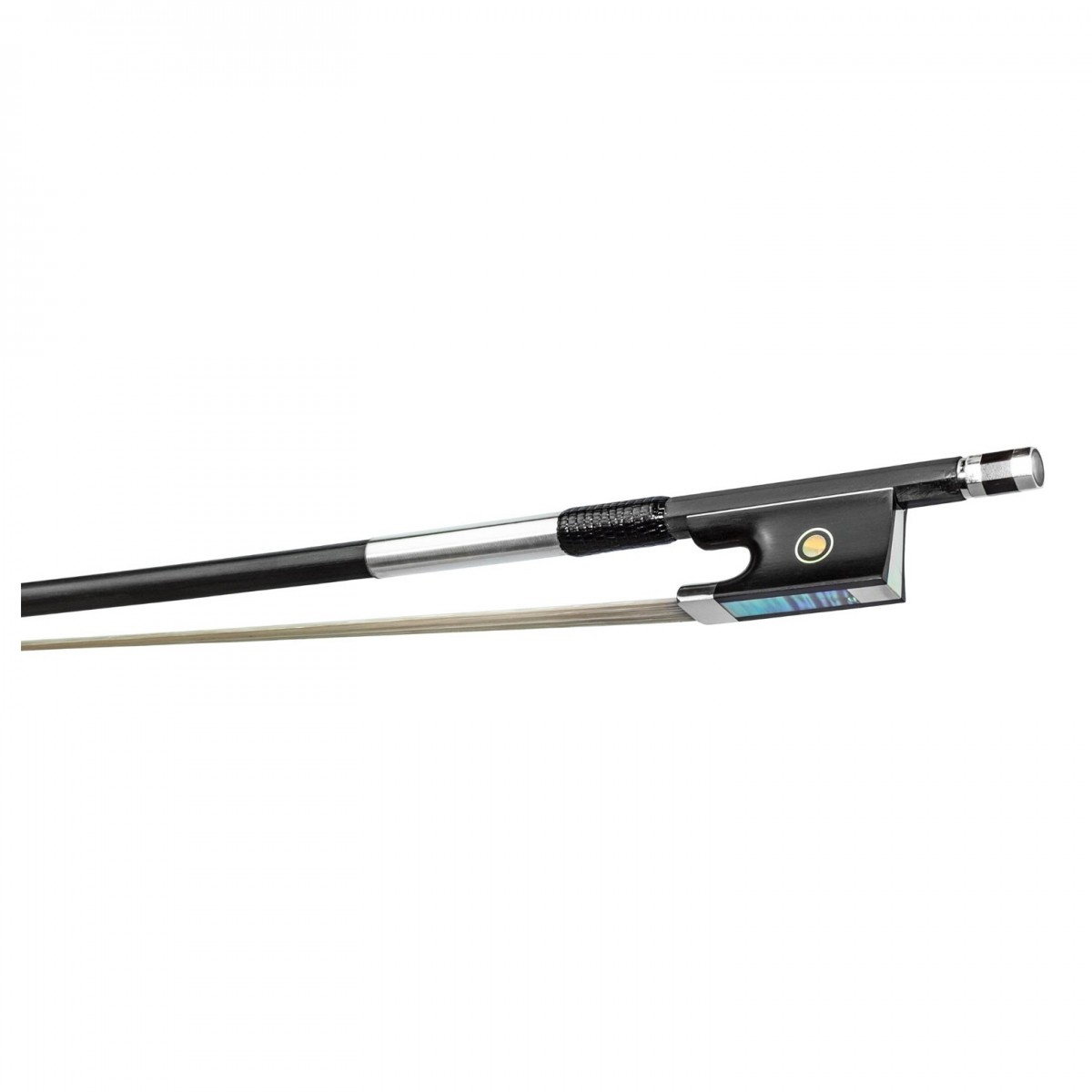
The GEWA Massaranduba Violin Bow is a 1/2-size octagonal wood bow designed for developing students and intermediate performers. Constructed from resilient Massaranduba wood, it combines traditional aesthetics with functional durability to support evolving technique in younger players.
See live pricesOverview
The GEWA Massaranduba violin bow is positioned as a reliable tool for students transitioning from entry-level equipment to more refined wooden bows. It is crafted from Massaranduba, a hardwood noted for its strength and light weight, which provides a balance suitable for half-size instruments. The octagonal stick profile offers increased stiffness compared to round alternatives, assisting in precision during varied bowing techniques.
Construction and Aesthetics
The bow features a rich brown finish characteristic of natural Massaranduba wood. It is adorned with an imitation whalebone winding, which serves the dual purpose of protecting the wood and fine-tuning the balance of the stick. The frog is decorated with a Parisian eye and a pearl-effect slide, providing a classic appearance. The use of natural hair ensures consistent contact with the strings for authentic tone production.
Sound and Playability
Players using the GEWA Massaranduba bow typically experience a richer sound profile than that provided by basic synthetic or low-grade fiberglass alternatives. The inherent density of the wood allows for better vibration transfer. Its octagonal shape provides a degree of rigidity that aids in control, making it an appropriate choice for students who are beginning to explore dynamics and articulation.
Target Audience and Comparisons
This bow is specifically sized at 1/2, making it suitable for young performers whose arm length requires a smaller instrument. While synthetic options like the Hidersine Premium Unidirectional Carbon bow offer extreme durability, the GEWA Massaranduba provides the traditional feel and acoustic warmth of real wood. It is a logical step up for students using outfits such as the Stentor Graduate or Messina series who require a more sophisticated bow to match their progress.
Related gear
 £299.99 ($381)
G4M
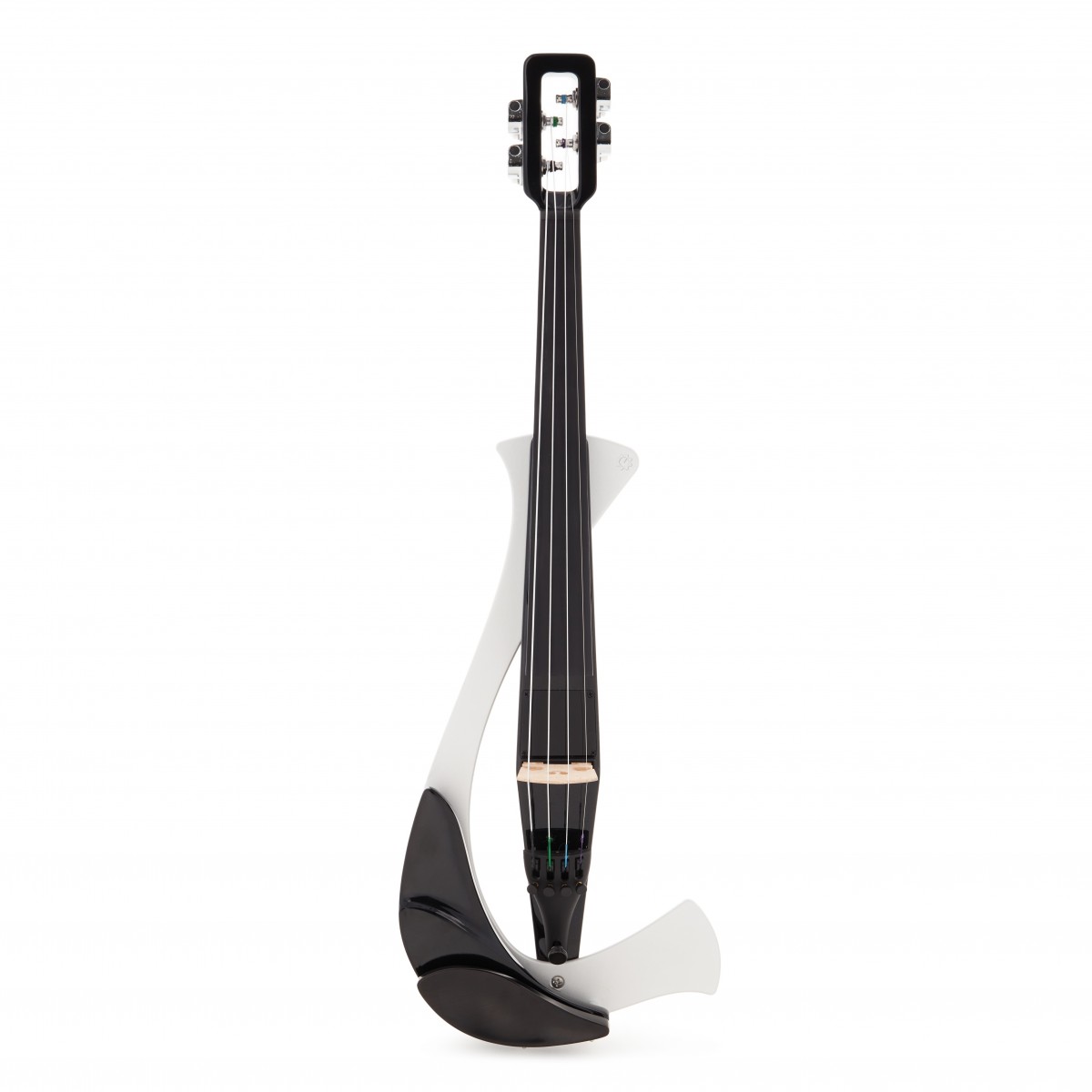
G4M Solus Electric Violin Midnight Ebony
 £227.00 ($288)
Stentor
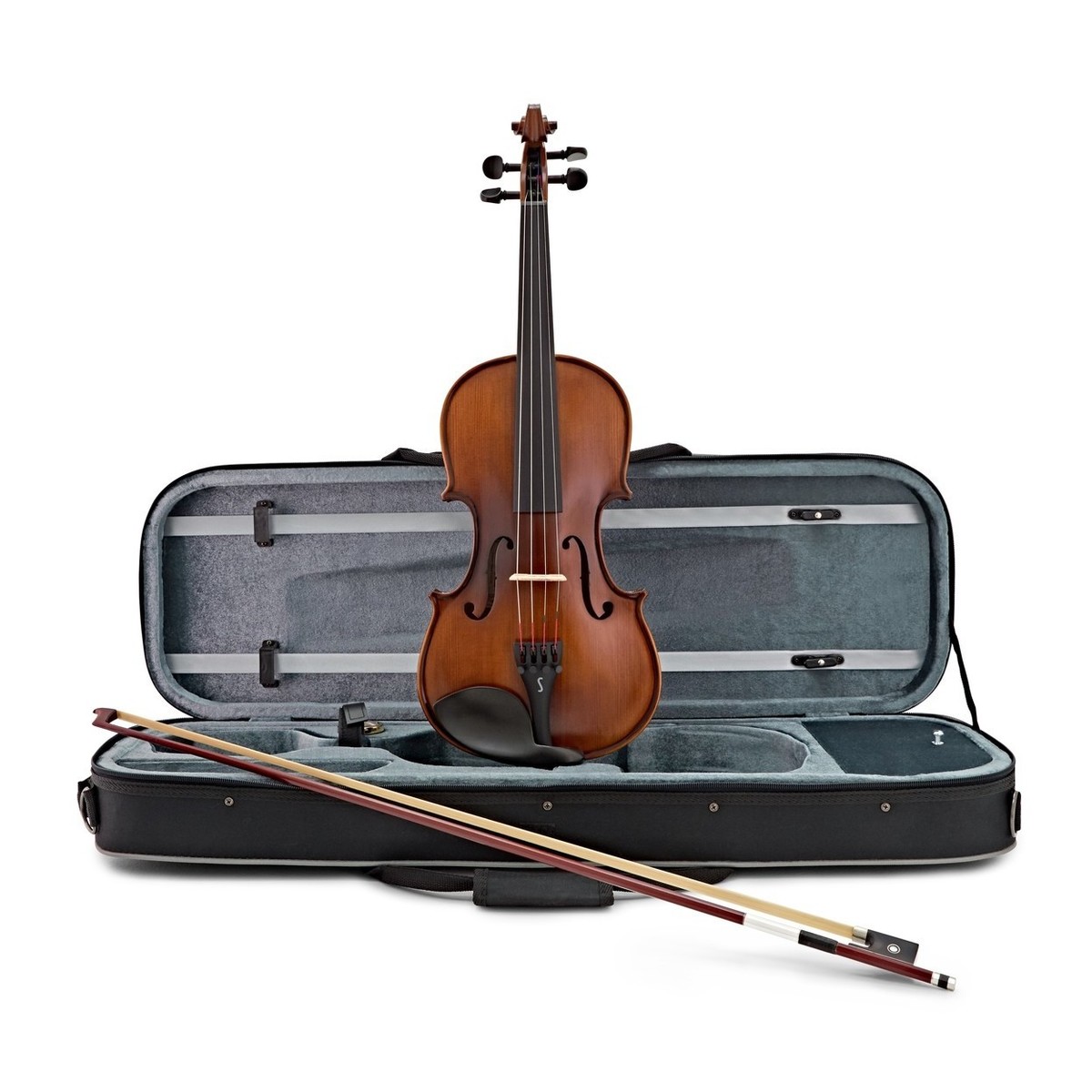
Stentor Graduate Violin Outfit 1/8
 £453.00 ($575)
Stentor
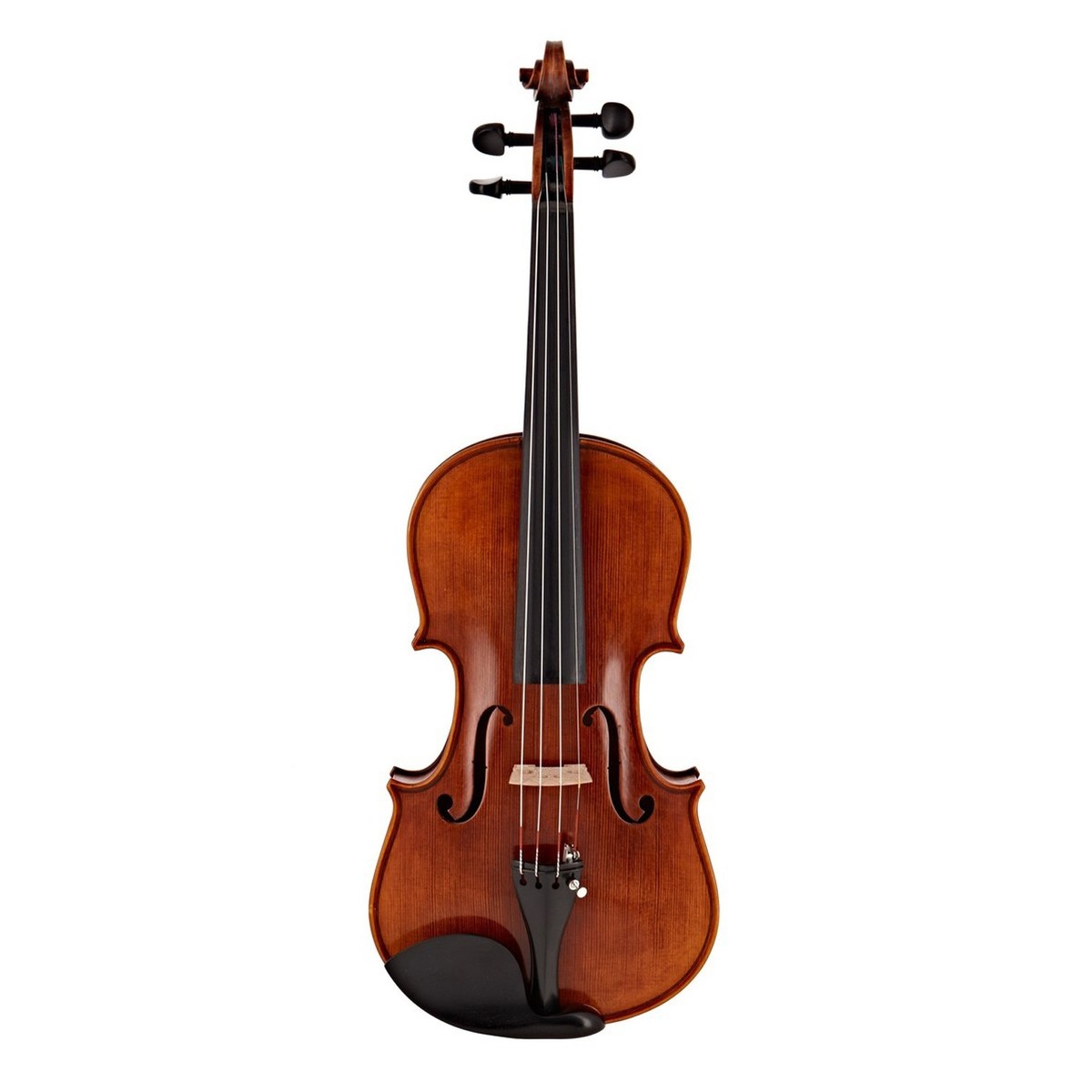
Stentor Messina Violin 3/4 Instrument Only
 £25.00 ($32)
Wittner
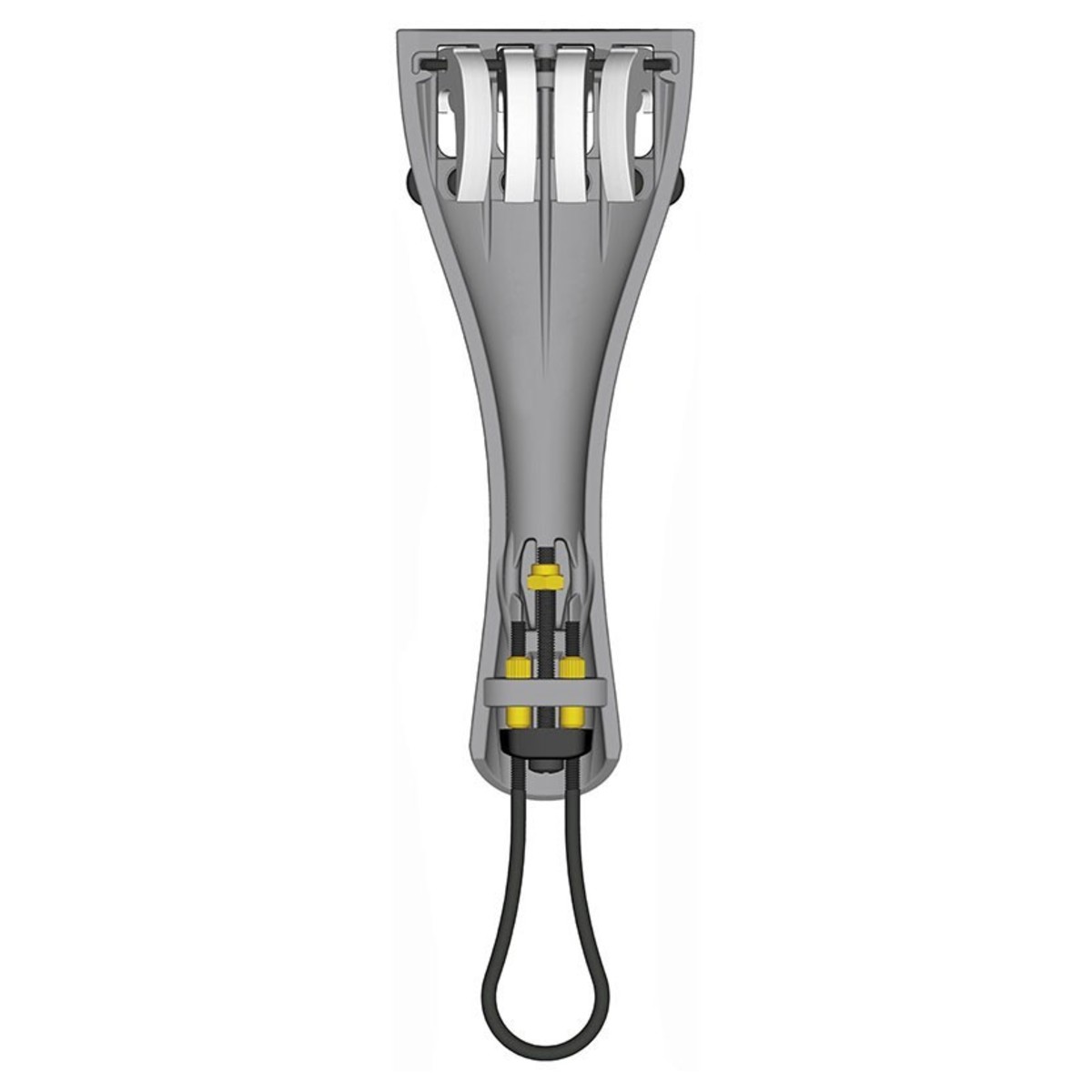
Wittner Violin Tailpiece Position Adjustable 4/4 Size
 £205.00 ($260)
Hidersine
Hidersine Premium Unidirectional Carbon Violin Bow 4/4
 £44.00 ($56)
Conrad Goetz
Goetz Kaufmann Style Viola Chinrest Boxwood Gold Hill Screws
 £69.00 ($88)
Conrad Goetz
Goetz Stuber Style Violin Chinrest Boxwood Titanium Screws
 £19.60 ($25)
P&H Bows
P&H Viola Bowhair Hank 15-16 Inch
Frequently asked questions
- What is Massaranduba wood and why is it used for bows?
- Massaranduba is a dense hardwood known for its strength, durability, and relatively light weight. In bow making, it serves as a high-quality alternative to Brazilwood or Pernambuco, offering good resilience for student-level performance.
- What are the benefits of an octagonal stick shape?
- An octagonal stick is generally stiffer than a round stick of the same material. This added rigidity can provide the player with a more stable feel and improved control over the bow's bounce and pressure.
- What size violin is this bow compatible with?
- This specific GEWA bow is a 1/2 size model. It is designed to be used with 1/2-sized violins, typically played by children aged 7 to 9, depending on their arm length.
- What type of hair is used on the GEWA Massaranduba bow?
- The bow is strung with natural hair. Natural horsehair is preferred by musicians for its ability to hold rosin effectively and produce a nuanced, warm tone compared to synthetic substitutes.
- What is the purpose of the imitation whalebone winding?
- The imitation whalebone winding provides a comfortable grip for the player's index finger while protecting the wood of the stick. It also acts as a counterweight to help achieve the correct balance point.
- What decorative elements are included on the frog?
- The frog features a Parisian eye and a pearl-effect slide. these elements provide a 'classic style' and a touch of aesthetic elegance common in traditional bow making.
- How does the price of this bow compare to carbon fibre alternatives?
- At approximately £66, this bow is priced competitively for the student market. While carbon fibre bows like the Hidersine Premium models may be more expensive, the GEWA Massaranduba offers the traditional wooden feel at an accessible price point.
- Is this bow suitable for professional orchestral use?
- This bow is primarily designed for students and developing performers. While it offers a rich sound and high-quality wood construction, professional players generally move toward full-size (4/4) Pernambuco or high-end carbon fibre bows.
- How should I maintain the GEWA Massaranduba bow?
- To maintain the bow, you should always loosen the hair after playing to prevent the stick from warping. Regularly applying rosin to the natural hair is also necessary to ensure proper grip on the strings.
- Does the bow come with rosin?
- The manufacturer description does not specify the inclusion of rosin. It is standard practice to purchase rosin separately to suit the player's preference for grip and tone.
- How does this bow assist a developing student?
- The combination of the octagonal strength and the natural wood's responsiveness helps students develop a 'rich sound.' It provides a more authentic playing experience than basic beginner bows, aiding in the mastery of technical nuances.
- Can the hair on this bow be replaced?
- Yes, because it uses natural hair and a standard frog construction, it can be rehaired by a professional luthier. However, for student bows in this price range, users often evaluate the cost of rehairing against the cost of a new bow.