
Gear article
GEWA Massaranduba Violin Bow Octagonal 4/4
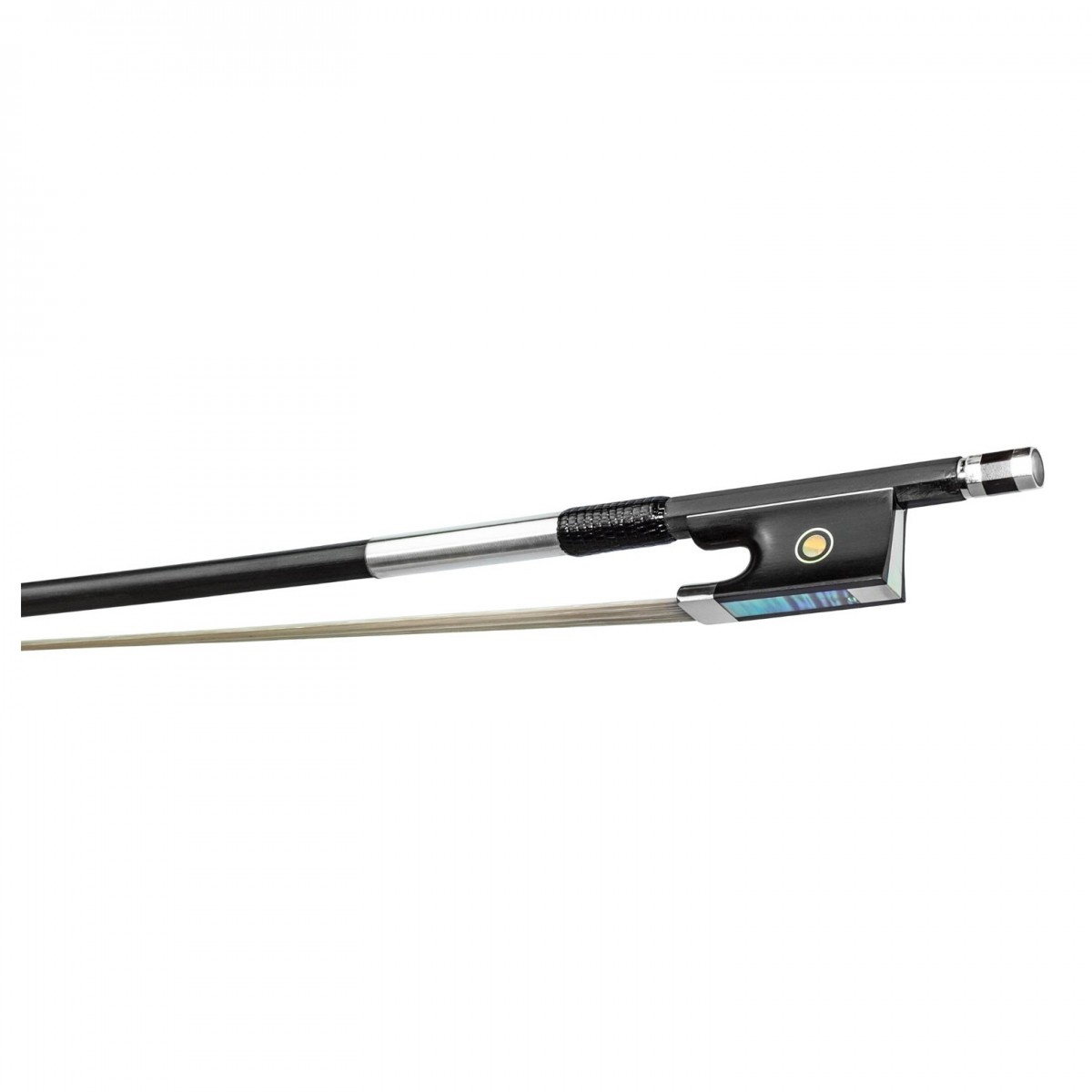
The GEWA Massaranduba Violin Bow is an octagonal 4/4 scale bow designed for students and developing performers. Constructed from high-density Massaranduba wood, it offers a traditional wooden aesthetic and natural hair response at a competitive price point.
See live pricesOverview and Construction
The GEWA Massaranduba Violin Bow is a full-size (4/4) accessory aimed at the intermediate and student market. It is crafted from Massaranduba, a tropical hardwood known for its density, strength, and durability. The stick features an octagonal profile, which is traditionally favoured by many players for providing a stiffer feel and more precise control compared to round sticks.
The bow is finished with several aesthetic and functional appointments, including an imitation whalebone winding. This winding serves a dual purpose: it protects the wood from wear where the player's fingers rest and helps to fine-tune the overall balance of the bow. The frog is decorated with a Parisian eye and a pearl-effect slide, adding a touch of traditional luthier styling.
Performance and Handling
Designed to support players as they develop their technique, the Massaranduba wood provides a combination of light weight and structural integrity. This balance is intended to make the bow comfortable to hold for extended practice sessions while remaining responsive to varied bowing strokes.
The use of natural horsehair is a critical feature, as it provides the necessary friction and grip on the violin strings to produce a clear tone. The natural hair ensures that the bow responds predictably to rosin application, allowing for a range of dynamics and articulation.
Tonal Character
Unlike synthetic or carbon fibre alternatives, the real wood construction of the GEWA Massaranduba bow is designed to produce a 'rich' sound. Wood bows are often preferred for their organic resonance and their ability to dampen certain harsh frequencies. This particular model aims to provide a classic tonal profile that complements the natural acoustic properties of a wooden violin.
Market Position and Comparisons
At a price point of approximately £66, this bow sits between basic entry-level fibreglass bows and professional-grade Pernambuco sticks. It offers a more traditional feel than the Hidersine Premium Unidirectional Carbon Violin Bow, which prioritises modern durability and consistency.
While it is a standalone accessory, it is frequently paired with student instruments such as those from Stentor or GEWA's own violin range. For players requiring specific ergonomic adjustments, it may be used alongside third-party accessories like Wittner adjustable tailpieces or Goetz chinrests to further refine the playing experience.
Related gear
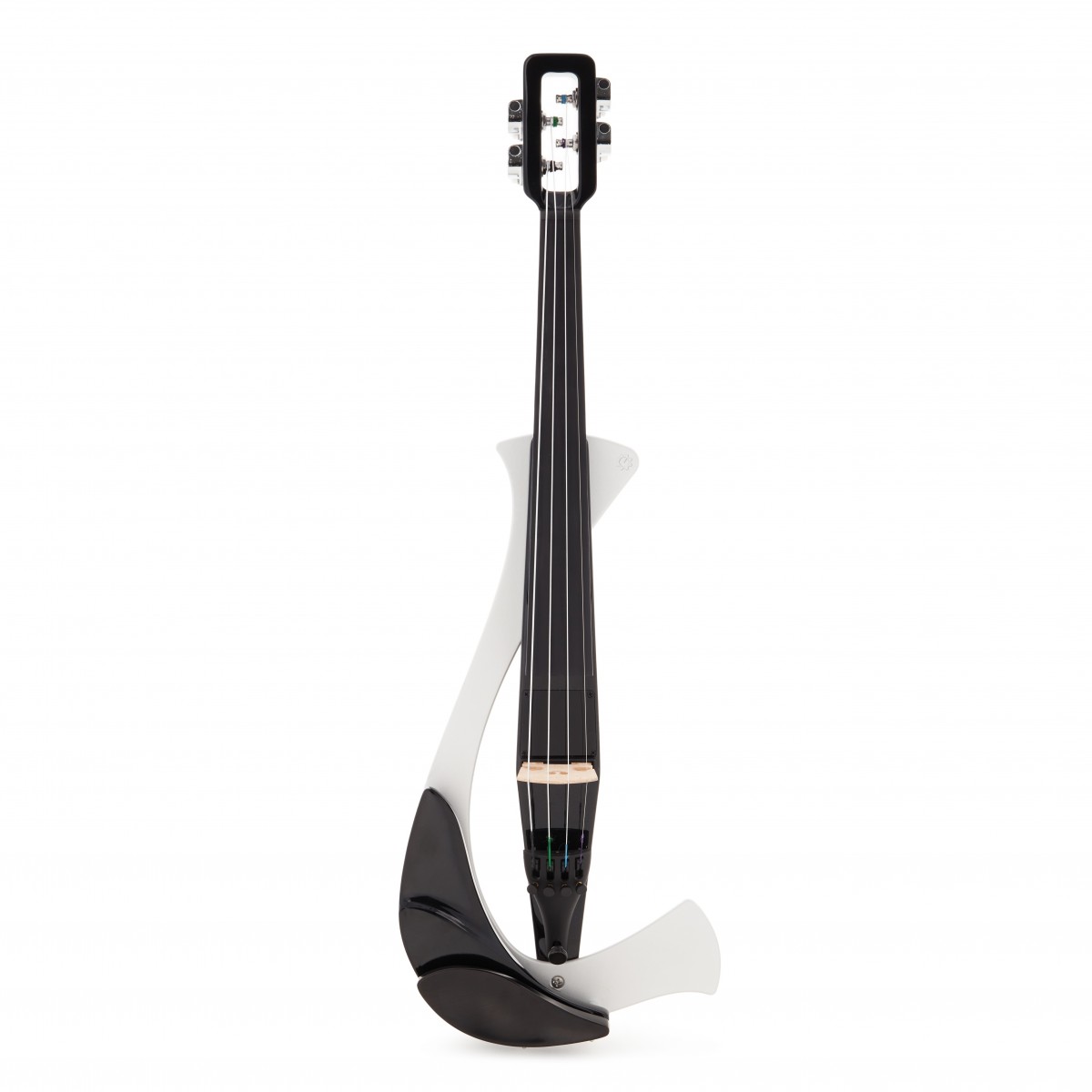 £299.99 ($381)
G4M
G4M Solus Electric Violin Midnight Ebony
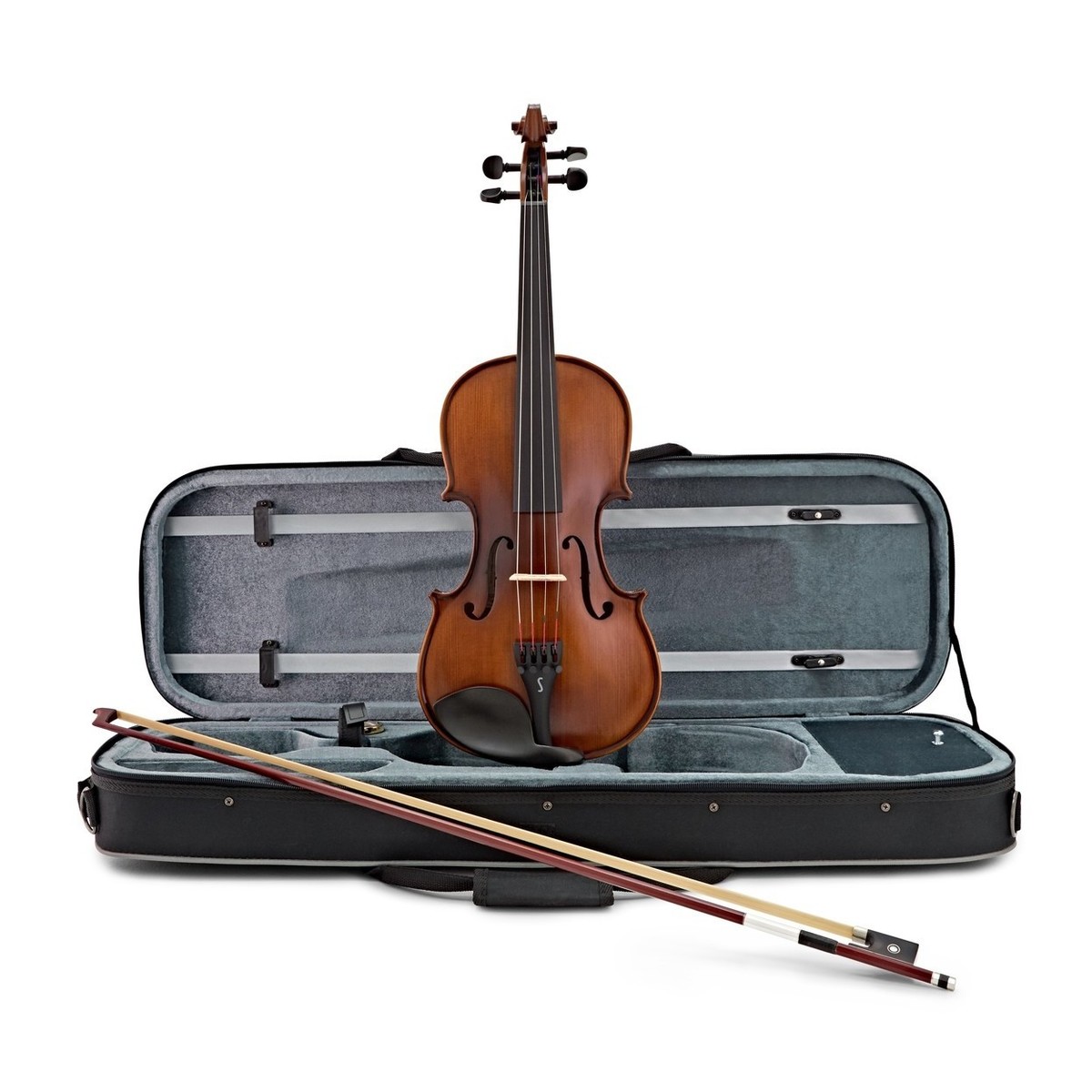 £227.00 ($288)
Stentor
Stentor Graduate Violin Outfit 1/8
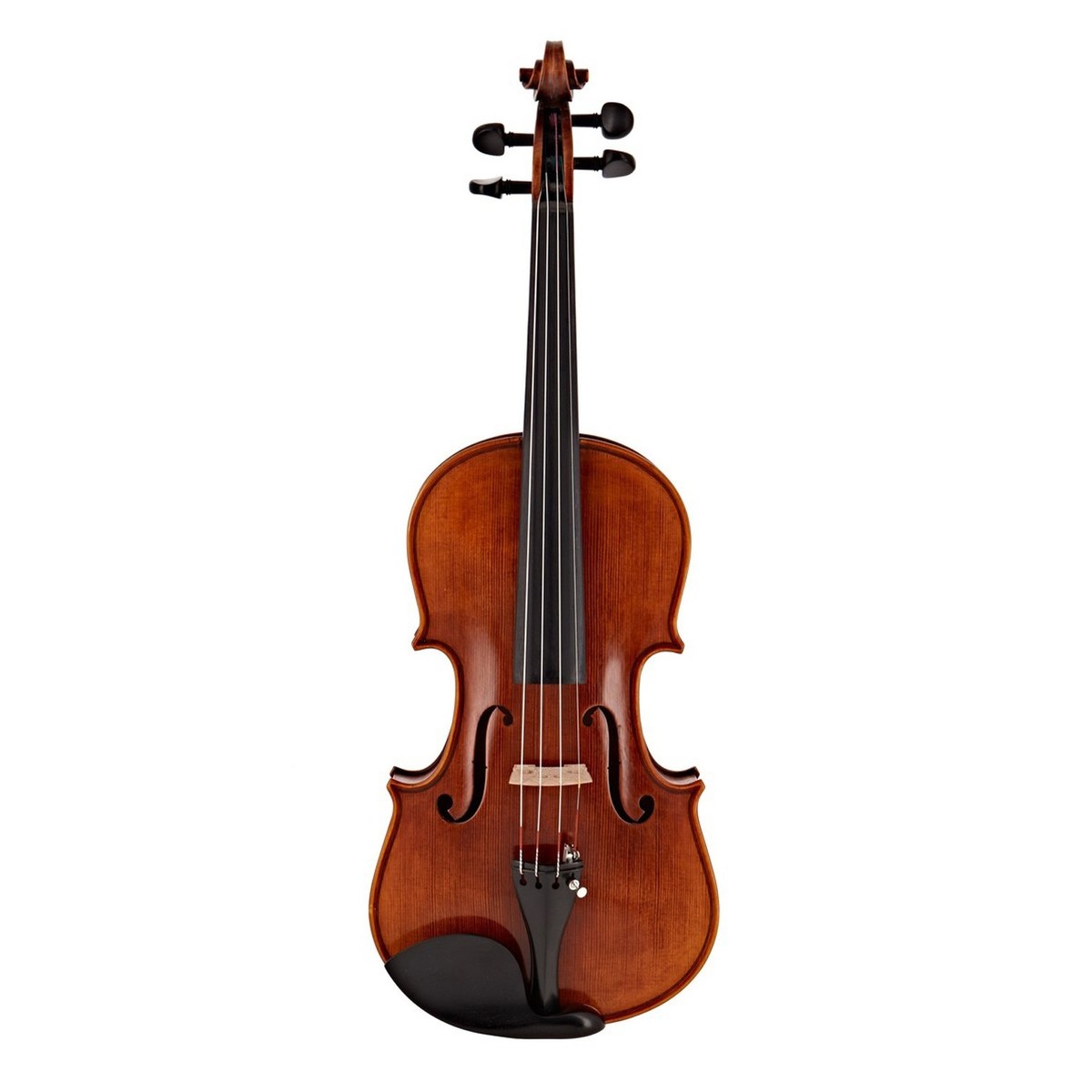 £453.00 ($575)
Stentor
Stentor Messina Violin 3/4 Instrument Only
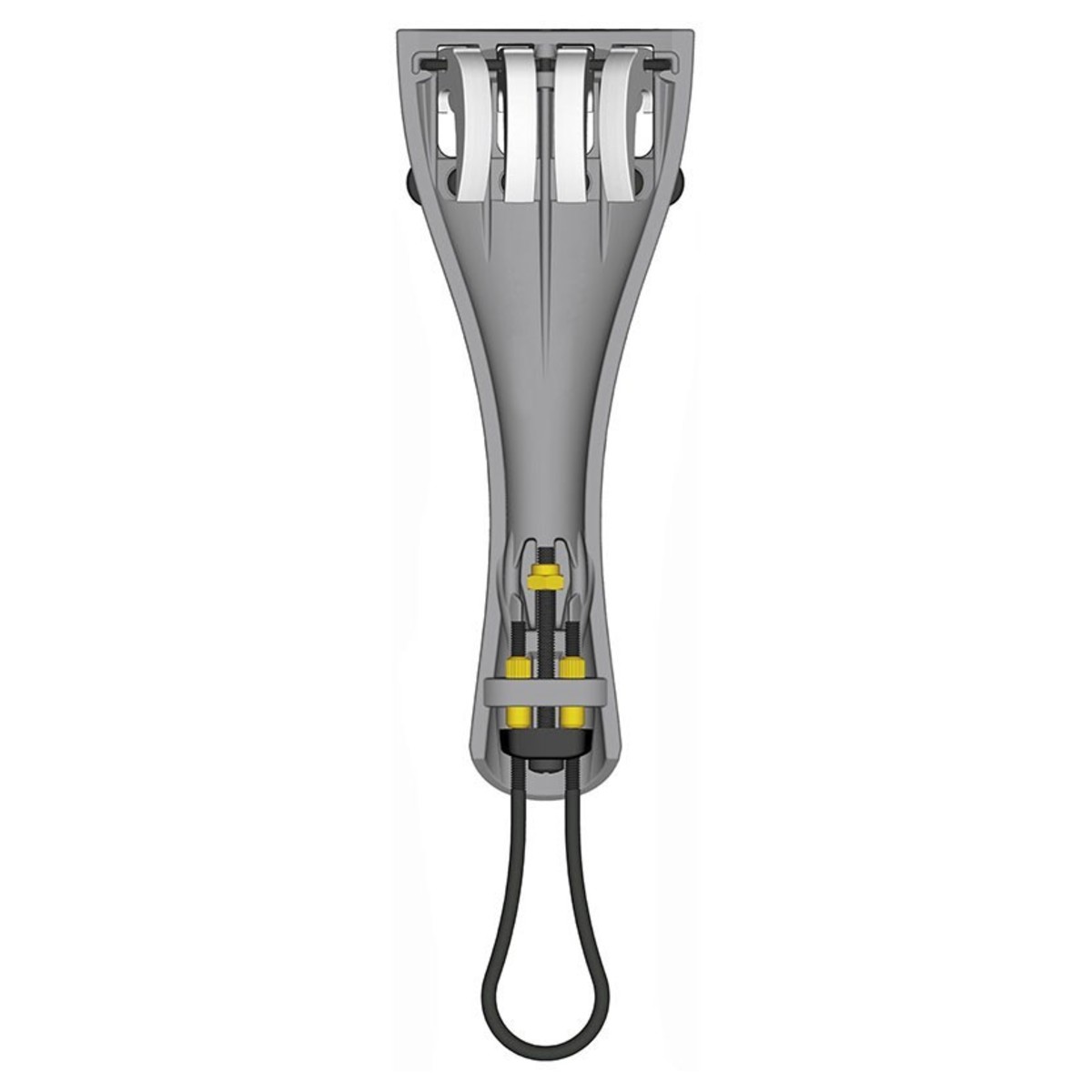 £25.00 ($32)
Wittner
Wittner Violin Tailpiece Position Adjustable 4/4 Size
 £205.00 ($260)
Hidersine
Hidersine Premium Unidirectional Carbon Violin Bow 4/4
 £44.00 ($56)
Conrad Goetz
Goetz Kaufmann Style Viola Chinrest Boxwood Gold Hill Screws
 £69.00 ($88)
Conrad Goetz
Goetz Stuber Style Violin Chinrest Boxwood Titanium Screws
 £19.60 ($25)
P&H Bows
P&H Viola Bowhair Hank 15-16 Inch
Frequently asked questions
- What is Massaranduba wood?
- Massaranduba is a dense, strong tropical hardwood often used in bow making as a more affordable but high-quality alternative to Pernambuco. It is known for its rich brown colour and excellent durability.
- What are the benefits of an octagonal stick?
- An octagonal stick is generally stiffer than a round one, which many players find provides more stability and a quicker response. It can help developing students maintain better control over their bowing technique.
- Does this bow come with natural or synthetic hair?
- The GEWA Massaranduba bow features natural horsehair. Natural hair is preferred by most violinists because it holds rosin more effectively and provides a superior tonal quality compared to synthetic filaments.
- What size violin is this bow suitable for?
- This specific model is a 4/4 size, which is the standard 'full size' for adults and older children. It is not suitable for fractional instruments like 3/4 or 1/2 size violins.
- What is the purpose of the imitation whalebone winding?
- The winding provides a protective layer for the wood stick and helps balance the weight of the bow. Historically, real whalebone was used, but modern bows use high-quality imitations to achieve the same look and feel sustainably.
- How does the price of this bow compare to others?
- At roughly £66, this is considered a mid-range student bow. It is more expensive than basic wood or fibreglass bows but significantly more affordable than professional Pernambuco or high-end carbon fibre models.
- What decorative features does the frog include?
- The frog features a classic Parisian eye and a pearl-effect slide. These elements provide a traditional aesthetic often found on higher-priced artisan bows.
- Is this bow suitable for professional performers?
- While the manufacturer states it is loved by 'students and performers alike,' it is primarily positioned as a high-quality developmental tool. Professionals might use it as a reliable backup bow.
- How does this bow compare to the Hidersine Carbon Violin Bow?
- The GEWA is made of natural Massaranduba wood, offering a more traditional look and organic feel. The Hidersine Carbon bow is made from synthetic material, which is generally more resistant to changes in temperature and humidity.
- What brand manufactures this bow?
- This bow is manufactured by GEWA, a well-established German company known for producing a wide range of musical instruments and accessories for various skill levels.
- Can the hair be replaced on this bow?
- Yes, because it is a standard wood bow construction with a traditional frog, it can be re-haired by a professional luthier when the original natural hair wears out.
- Does the bow include rosin?
- The product listing describes the bow and its features but does not include rosin as a standard accessory. Rosin must usually be purchased separately to prepare the natural hair for playing.