
Gear article
GEWA Violin Practice Mute Chrome
The GEWA Violin Practice Mute is a heavy-duty, chrome-plated metal accessory designed to provide maximum volume reduction for stringed instruments. It is specifically engineered to allow violinists and violists to practice in noise-sensitive environments by significantly dampening the bridge's vibrations.
See live pricesOverview
The GEWA Violin Practice Mute, often referred to as a 'hotel mute', is a specialised accessory used to reduce the acoustic output of a violin or viola to a whisper. Unlike standard orchestral mutes that merely alter the timbre of the instrument for artistic purposes, this metal practice mute is designed for maximum sound suppression. It is constructed from solid metal with a durable chrome finish, ensuring longevity and resistance to wear during frequent transport.
Design and Functionality
The mute works through the application of mass. By attaching a heavy metal object directly to the bridge, the energy transmitted from the strings to the soundboard is significantly restricted. The GEWA model features a comb-like design that slides over the top of the bridge.
Key features include: * Solid Heavy Quality: The density of the metal provides the highest possible level of dampening compared to rubber or plastic alternatives. * Chrome Plating: This finish protects the mute from corrosion and gives it a professional appearance. * Portability: Its compact size allows it to fit easily into accessory pockets in standard violin cases, such as those provided with Stentor Graduate or Messina outfits.
Sound Character
When applied, the GEWA Practice Mute fundamentally alters the instrument's sound profile. It does not just lower the decibel level; it removes the resonance and 'projection' of the violin. The resulting tone is thin and metallic, which is ideal for technical drills and repetitive scale work where the player needs to hear their intonation without disturbing others. While it lacks the natural warmth of a Wittner tailpiece-equipped acoustic setup, it is more effective for quiet practice than many standard silent violin configurations.
User Suitability
This mute is particularly suited for students and professionals who reside in shared housing, apartments, or hotels. It allows for late-night practice sessions without the risk of noise complaints. It is a common accessory for players using high-quality instruments, such as the Stentor Messina, who wish to maintain their technical proficiency during travel or in environments where full-volume projection is inappropriate.
Comparison to Alternatives
Compared to standard rubber 'Tourte' mutes, the GEWA Chrome mute offers substantially more dampening. Rubber mutes are generally used for orchestral colour, whereas this metal mute is purely for volume reduction. While dedicated electric instruments like the G4M Solus can be played through headphones, the GEWA mute offers a more cost-effective solution for players who prefer the feel of their existing acoustic instrument. However, users should be cautious when applying the heavy metal mute to avoid scratching the bridge or damaging the instrument top if dropped.
Related gear
 £299.99 ($381)
G4M
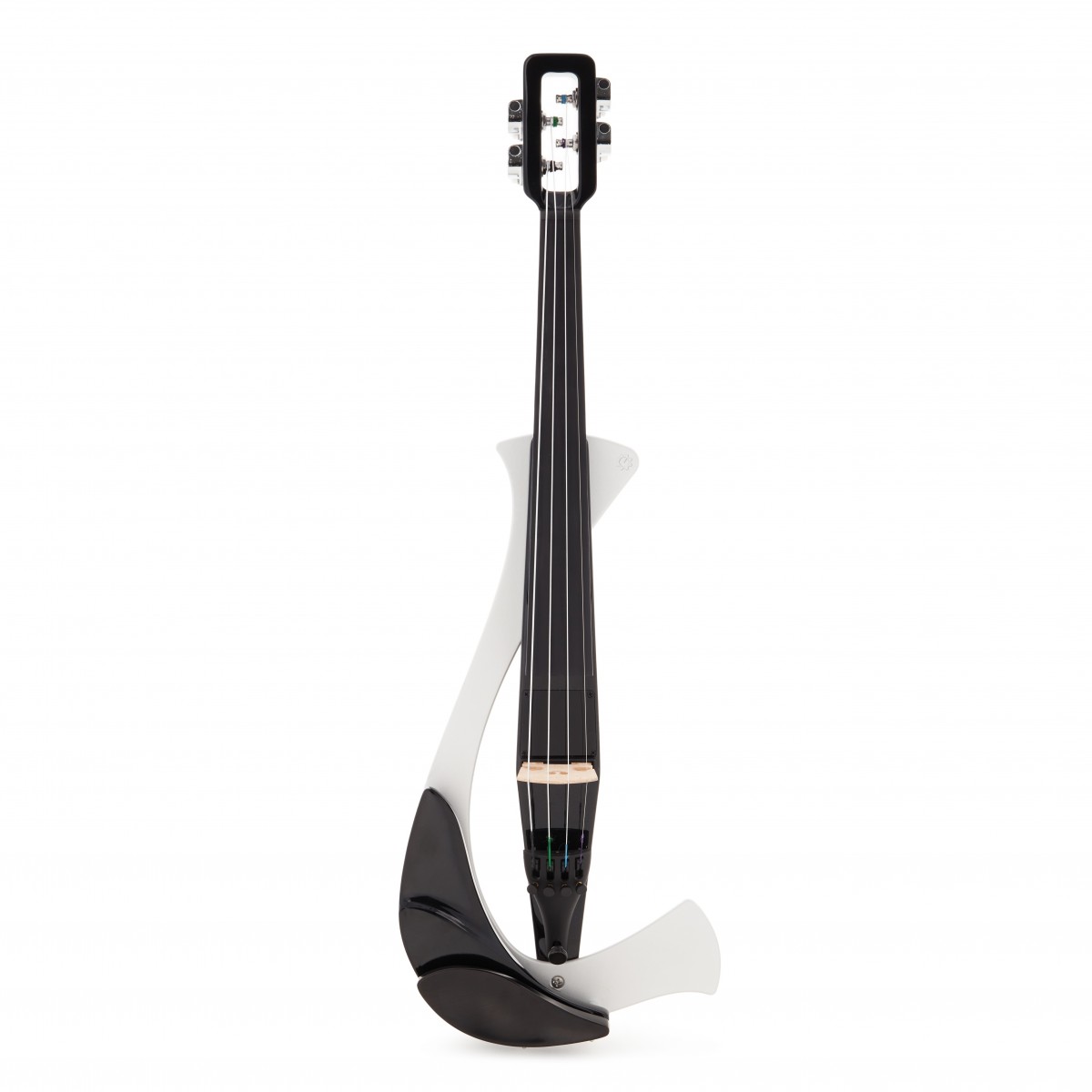
G4M Solus Electric Violin Midnight Ebony
 £227.00 ($288)
Stentor
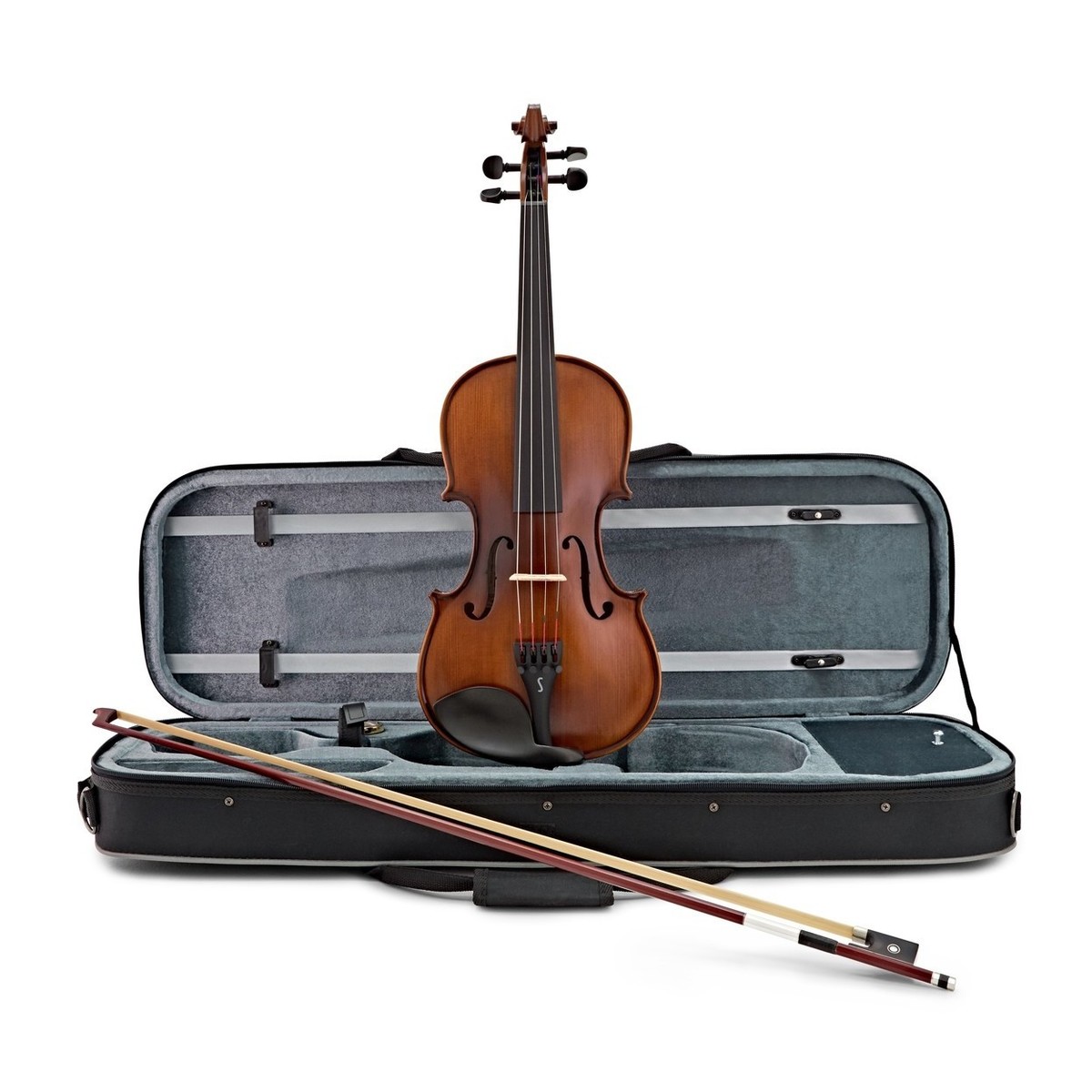
Stentor Graduate Violin Outfit 1/8
 £453.00 ($575)
Stentor
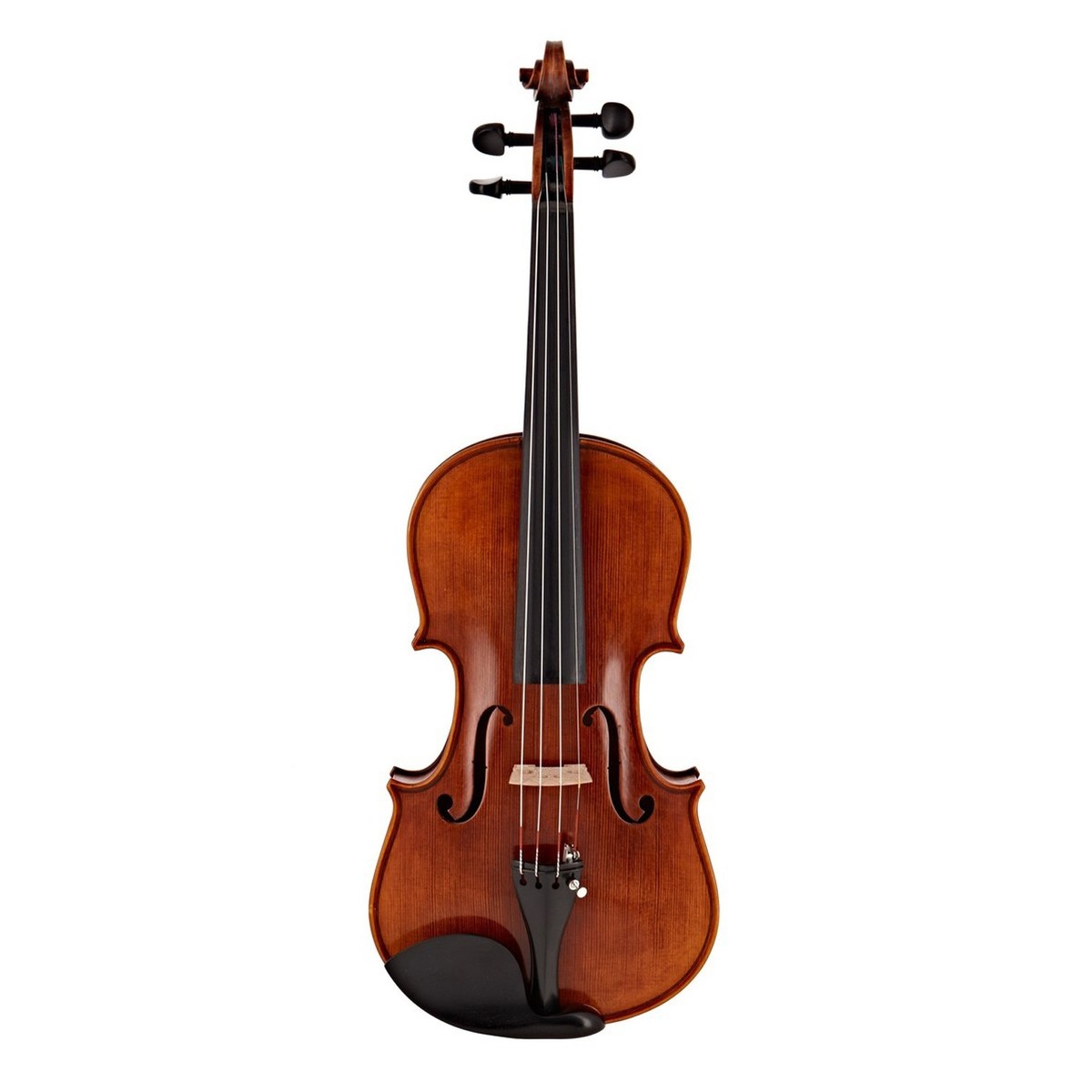
Stentor Messina Violin 3/4 Instrument Only
 £25.00 ($32)
Wittner
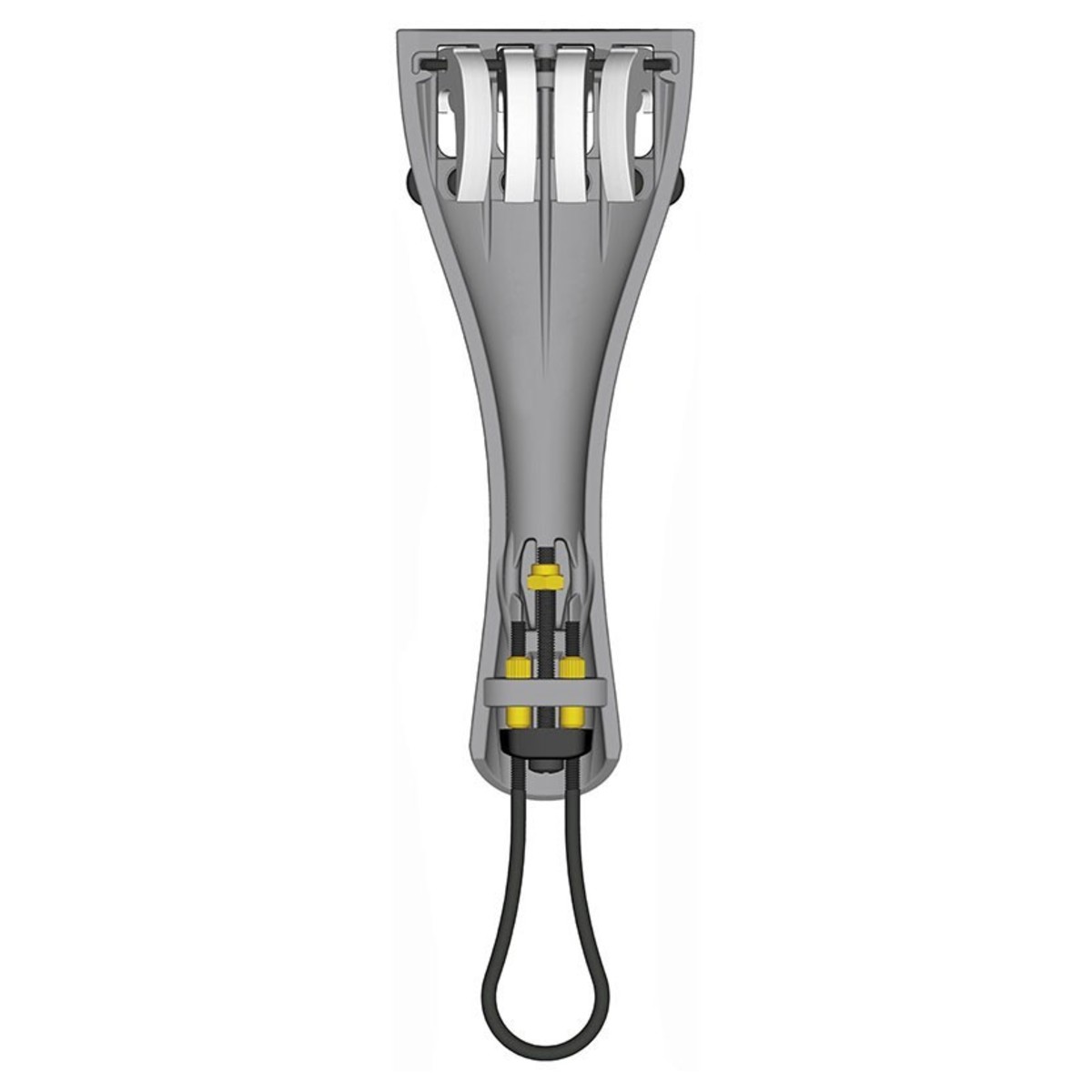
Wittner Violin Tailpiece Position Adjustable 4/4 Size
 £205.00 ($260)
Hidersine
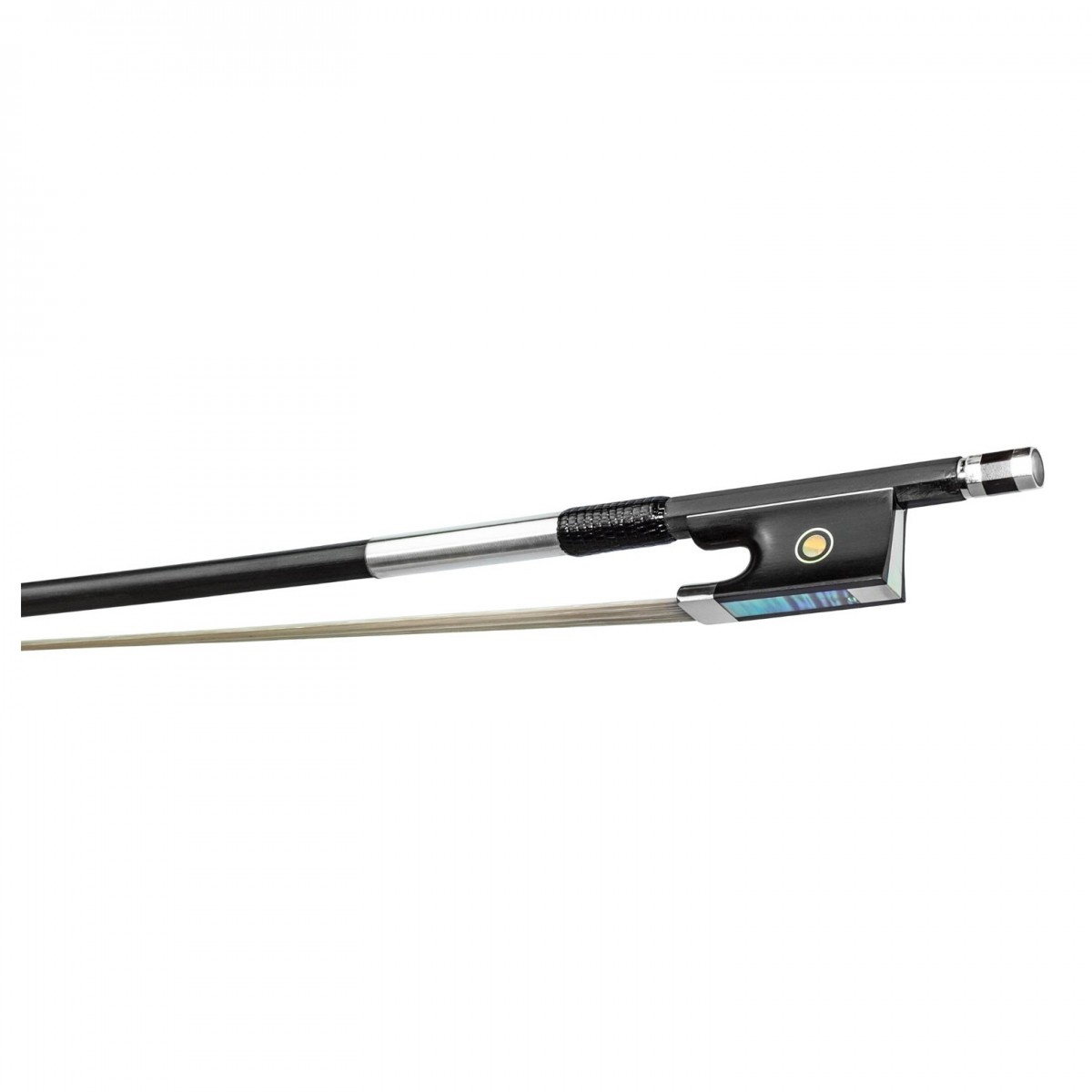
Hidersine Premium Unidirectional Carbon Violin Bow 4/4
 £44.00 ($56)
Conrad Goetz
Goetz Kaufmann Style Viola Chinrest Boxwood Gold Hill Screws
 £69.00 ($88)
Conrad Goetz
Goetz Stuber Style Violin Chinrest Boxwood Titanium Screws
 £19.60 ($25)
P&H Bows
P&H Viola Bowhair Hank 15-16 Inch
Frequently asked questions
- What is the primary purpose of the GEWA Violin Practice Mute?
- The primary purpose is to provide maximum volume dampening, allowing a violinist to practice quietly in noise-sensitive environments like hotels or shared apartments.
- What material is this mute made from?
- It is made from solid, heavy metal that has been chrome-plated for durability and a polished finish.
- How does the weight of the metal affect the sound?
- The heavy weight of the metal adds mass to the bridge, which restricts its vibration. This results in a significantly quieter sound and a more muted tone compared to plastic or rubber alternatives.
- Can I use this mute on a viola?
- Yes, while specifically marketed for violin, the design of this practice mute is generally compatible with viola bridges due to its comb-like structure.
- Will this mute fit in my violin case?
- Yes, the mute is compact and designed to be portable, fitting easily into the standard accessory pockets found in most violin cases.
- How do you install the GEWA Practice Mute?
- The mute is installed by sliding the 'prongs' of the metal comb over the top of the bridge, between the strings. It should sit securely but not be forced down.
- Does this mute change the tone of the instrument?
- Yes, it creates a thin, metallic, and very quiet tone. It is designed for technical practice rather than for producing a high-quality performance sound.
- Is the chrome plating durable?
- Yes, the chrome-plated finish is designed to be durable and long-lasting, protecting the underlying metal from moisture and wear during travel.
- How much does the GEWA Violin Practice Mute typically cost?
- The typical price range for this specific chrome-plated metal mute is approximately £13.00.
- Is this mute better than a rubber practice mute?
- For maximum noise reduction, metal mutes are generally superior to rubber ones because their higher density provides greater dampening of bridge vibrations.
- Are there any risks to using a metal mute?
- Because it is heavy, players must be careful not to drop it on the instrument's face. It should also be placed gently on the bridge to avoid causing indentations in the wood.
- Can I use this for orchestral performances?
- No, this is a practice mute designed for maximum silence. For orchestral 'con sordino' passages, a smaller rubber or ebony mute is typically required.