
Gear article
Gibson Custom Shop Murphy Lab 1959 Les Paul Standard Reissue
The Gibson Custom Shop Murphy Lab 1959 Les Paul Standard Reissue is a high-end electric guitar designed to replicate the specific tone, aesthetics, and construction of the late 1950s originals. Hand-crafted with historical accuracy, this model features 'Light Aged' treatment from the Murphy Lab to simulate the patina of a well-preserved vintage instrument.
See live pricesOverview
The Gibson Custom Shop Murphy Lab 1959 Les Paul Standard Reissue represents the pinnacle of Gibson's historical recreation efforts. This specific model, finished in Royal Teaburst, aims to provide players and collectors with an experience nearly identical to owning a genuine 1959 Les Paul. It utilizes premium tonewoods and period-correct assembly techniques to ensure the response and resonance meet vintage standards.
Design and Construction
The instrument is built around a lightweight one-piece mahogany body paired with a carved figured maple top. To ensure maximum vibration transfer and sustain, Gibson employs a long tenon neck joint and traditional hide glue construction. The neck is crafted from solid mahogany and carved into a '50s Rounded Medium C' profile, which provides a substantial grip without being overly cumbersome. The fingerboard is made of Indian rosewood, contributing to the instrument's overall warmth and smooth tactile response.
Murphy Lab Light Ageing
A defining feature of this model is the work of the Murphy Lab, a specialised division of the Gibson Custom Shop led by Tom Murphy. The 'Light Aged' treatment applied to this guitar involves subtle wear patterns and a specific lacquer checking patina. Unlike 'Heavy Aged' models, this finish is designed to look like a 'closet classic'—an instrument that has been played sparingly and cared for over several decades, avoiding significant wood exposure or heavy distressing.
Comparison to Alternatives
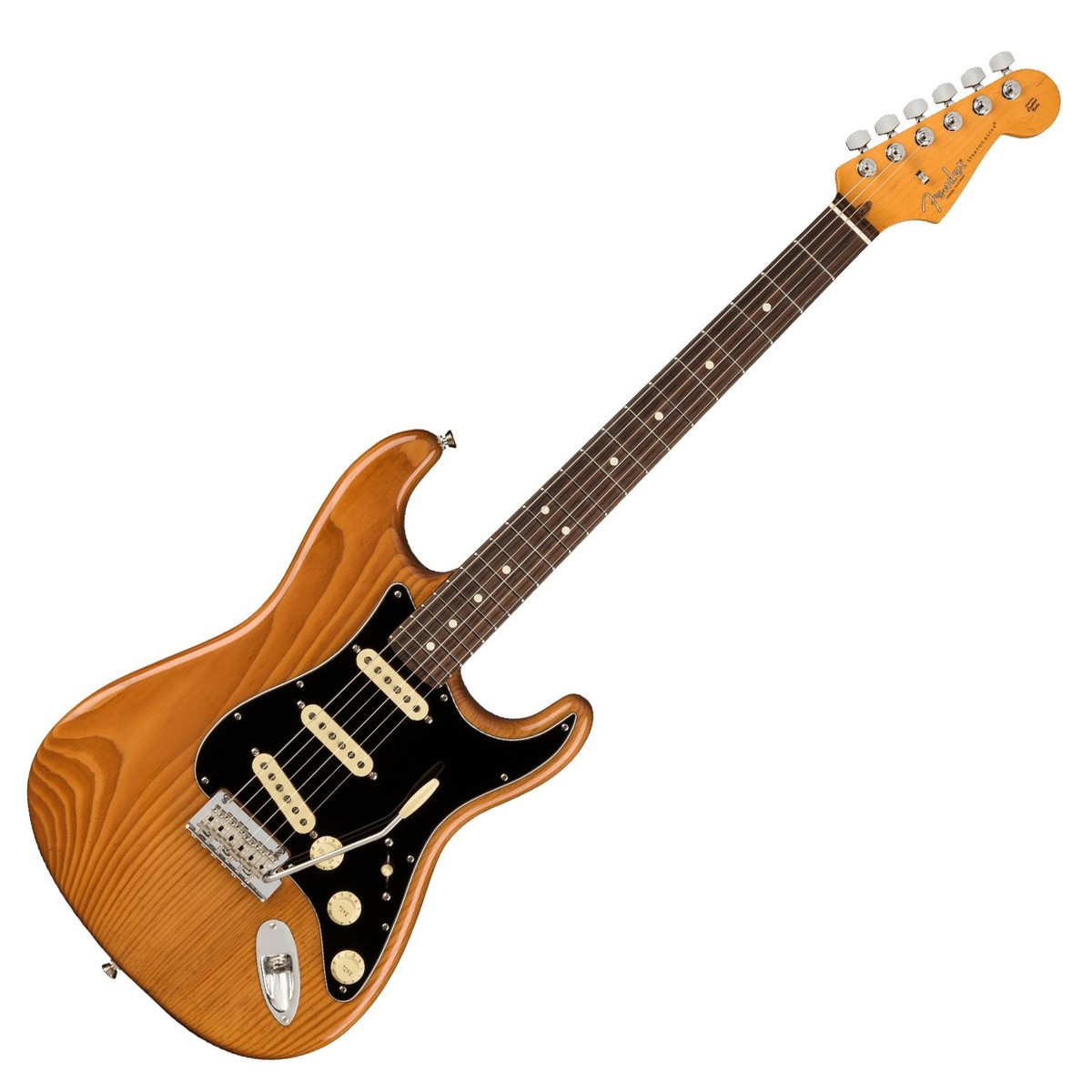
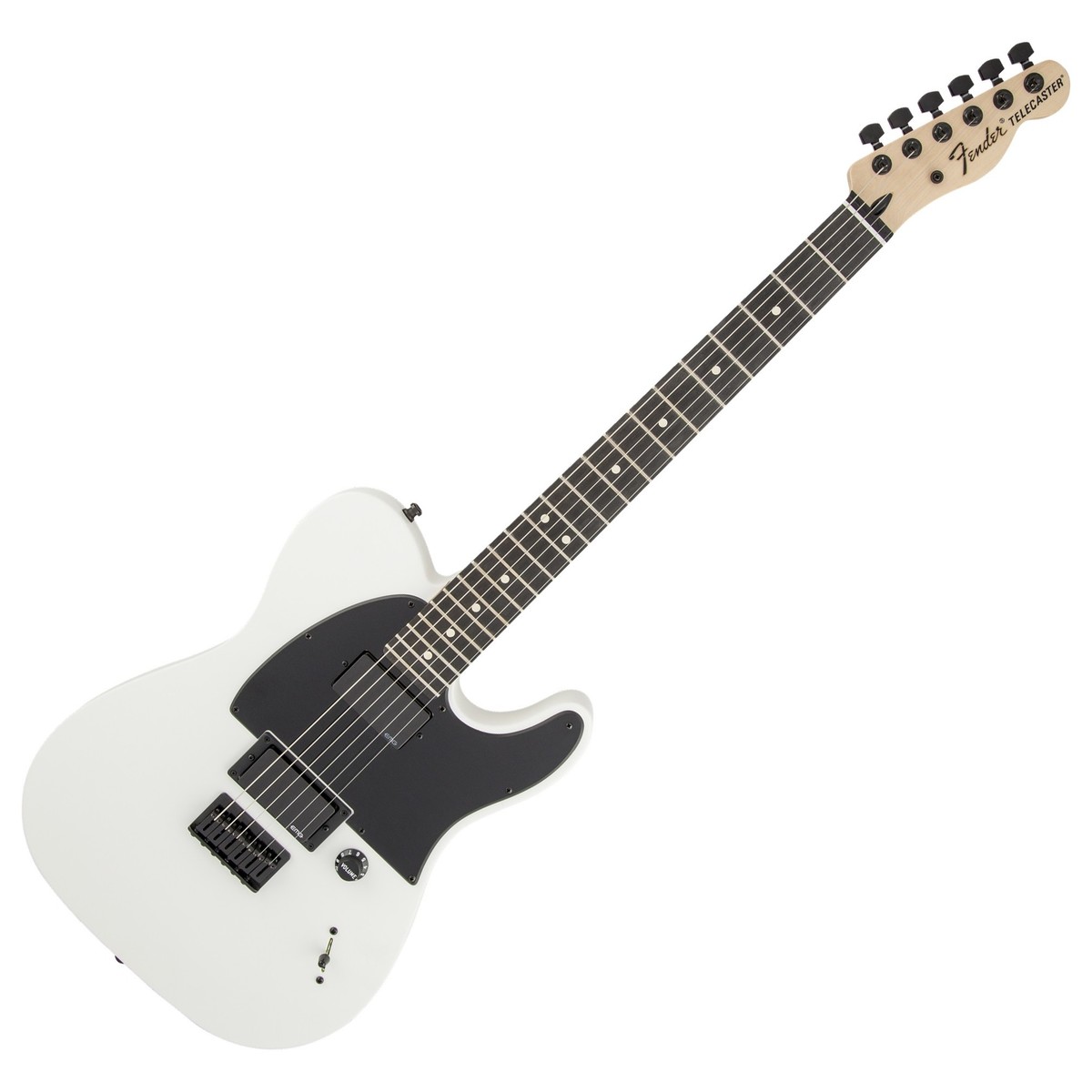
Compared to the standard Gibson Les Paul Standard 50s, the Murphy Lab Reissue offers significantly higher historical accuracy in terms of glue types, neck joints, and wood selection. While a Fender Custom Shop '61 Telecaster Relic offers a different tonal palette and a more distressed aesthetic, the 1959 Reissue focuses on the thick, resonant humbucking sound synonymous with the late fifties. For players seeking a more modern feel or different configurations, models like the Fender American Professional II or the Jim Root Telecaster provide contemporary features that contrast with the 1959 Reissue's vintage-specific specifications.
Related gear
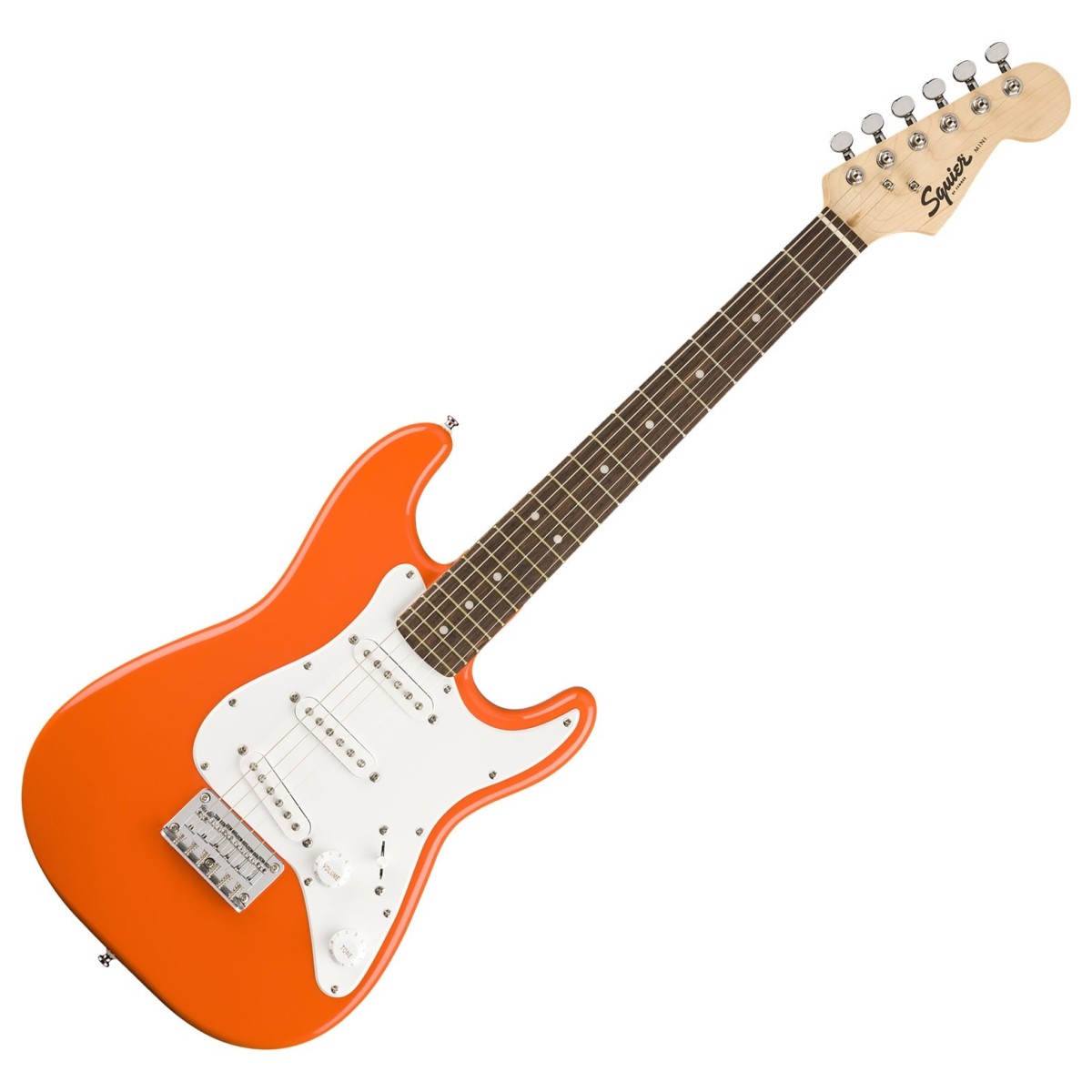 £159.00 ($202)
Squier
Squier Limited Edition Mini Stratocaster Competition Orange
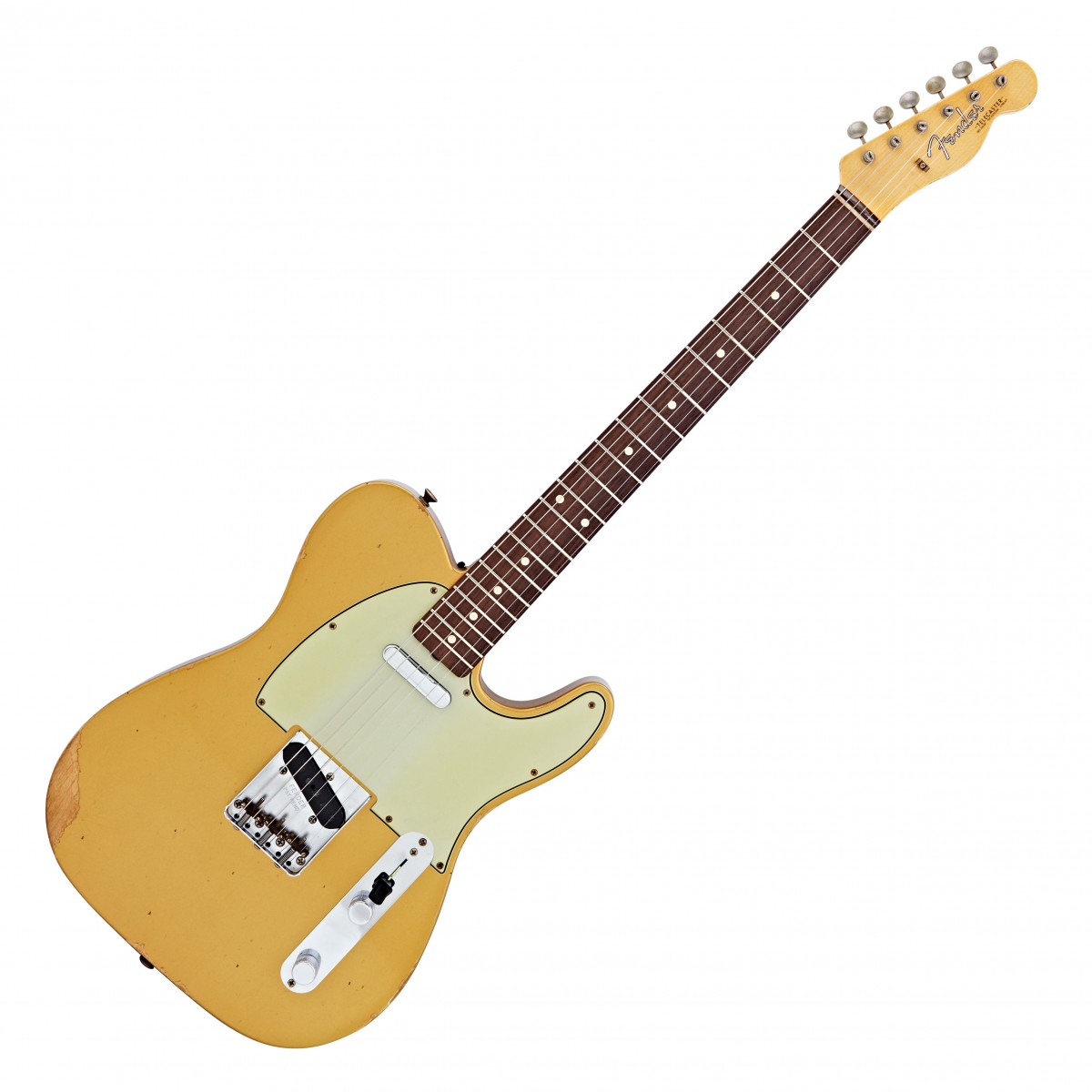 £3,499.00 ($4,444)
Fender Custom Shop
Fender Custom Shop 61 Telecaster Relic Aged Aztec Gold #R125242
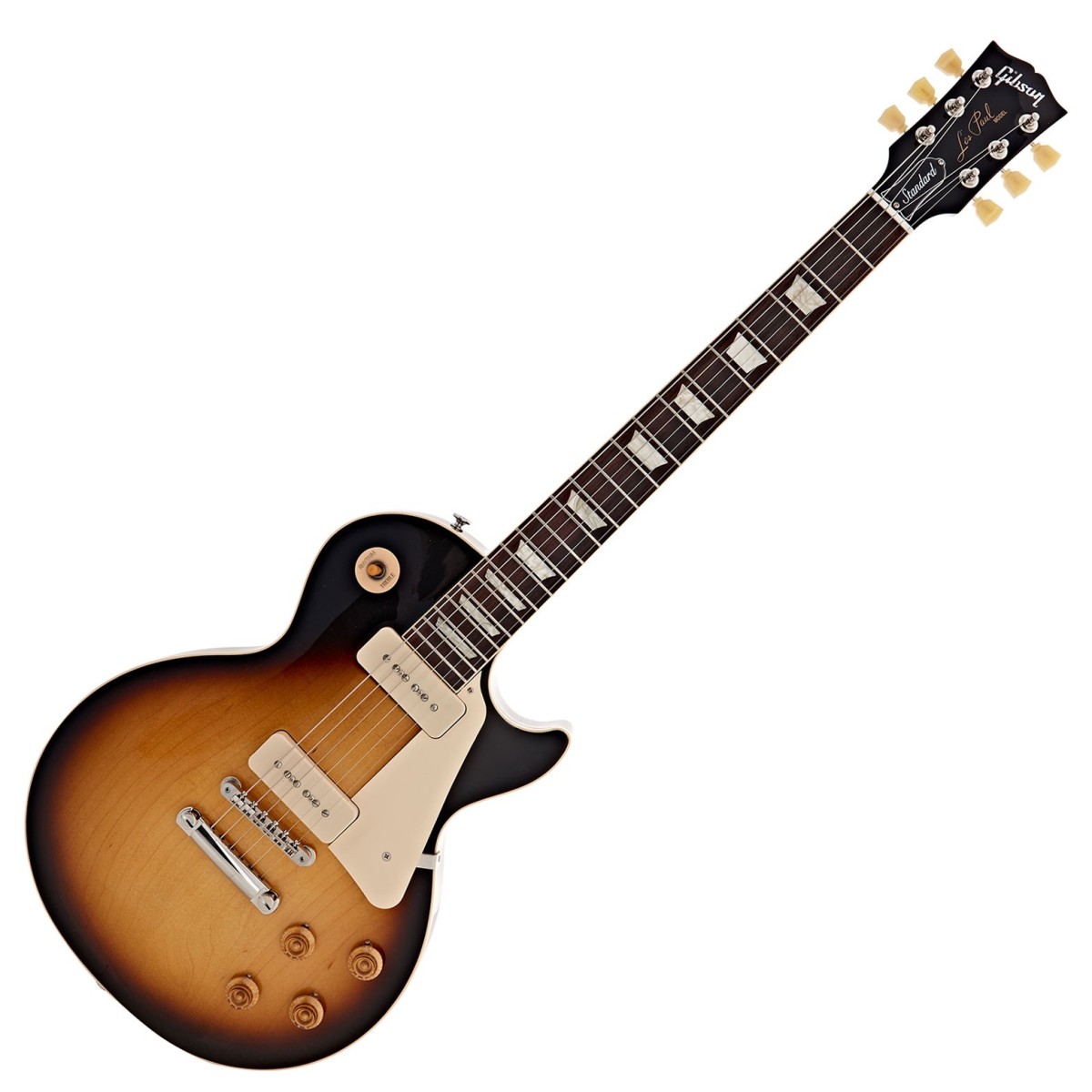 £2,199.00 ($2,793)
Gibson
Gibson Les Paul Standard 50s P90 Tobacco Burst #208240297
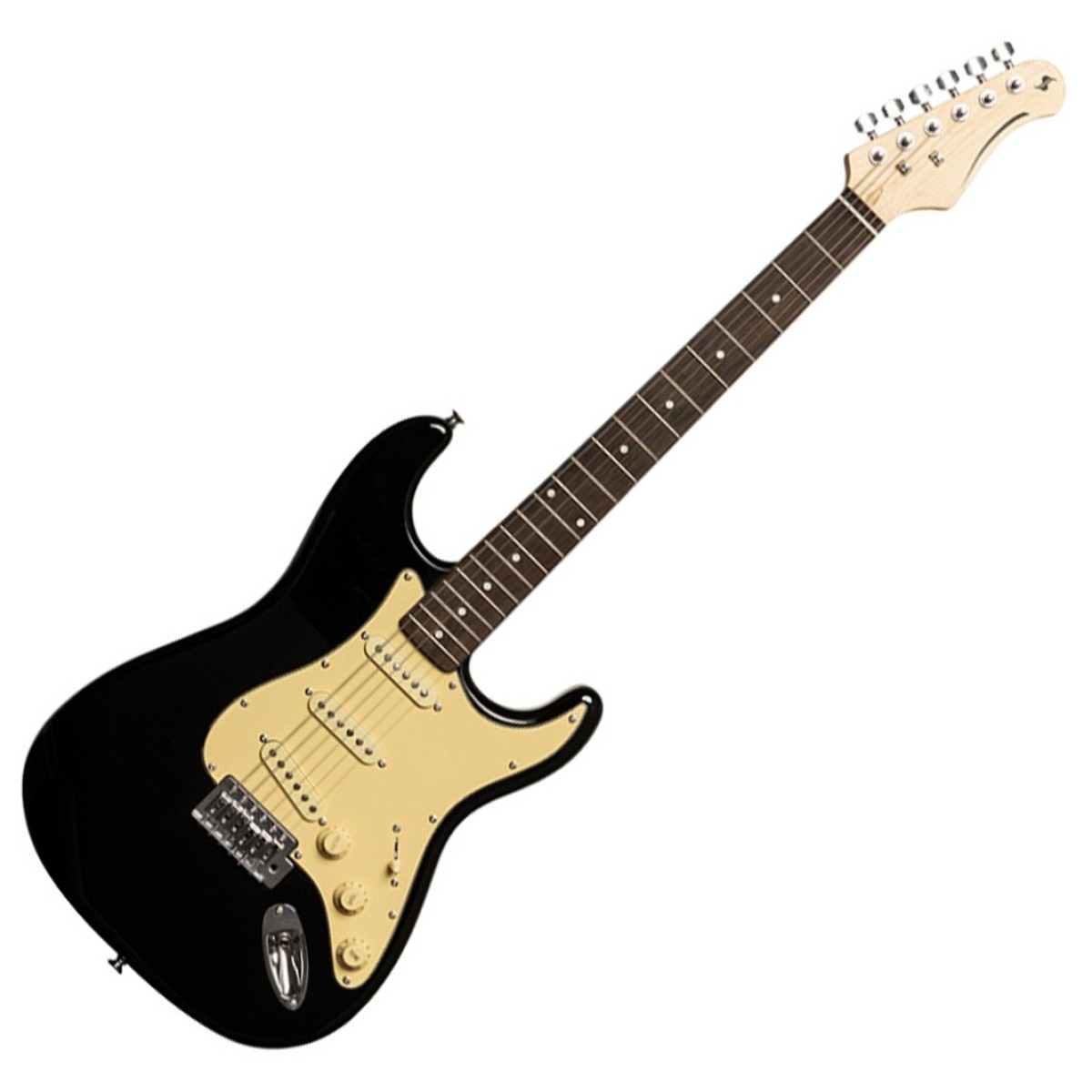 £79.00 ($100)
Stagg
Stagg SES-30BK 3/4 Electric Guitar Black
 £1,849.00 ($2,348)
Fender
Fender American Professional II Stratocaster RW Roasted Pine
 £1,599.00 ($2,031)
Fender
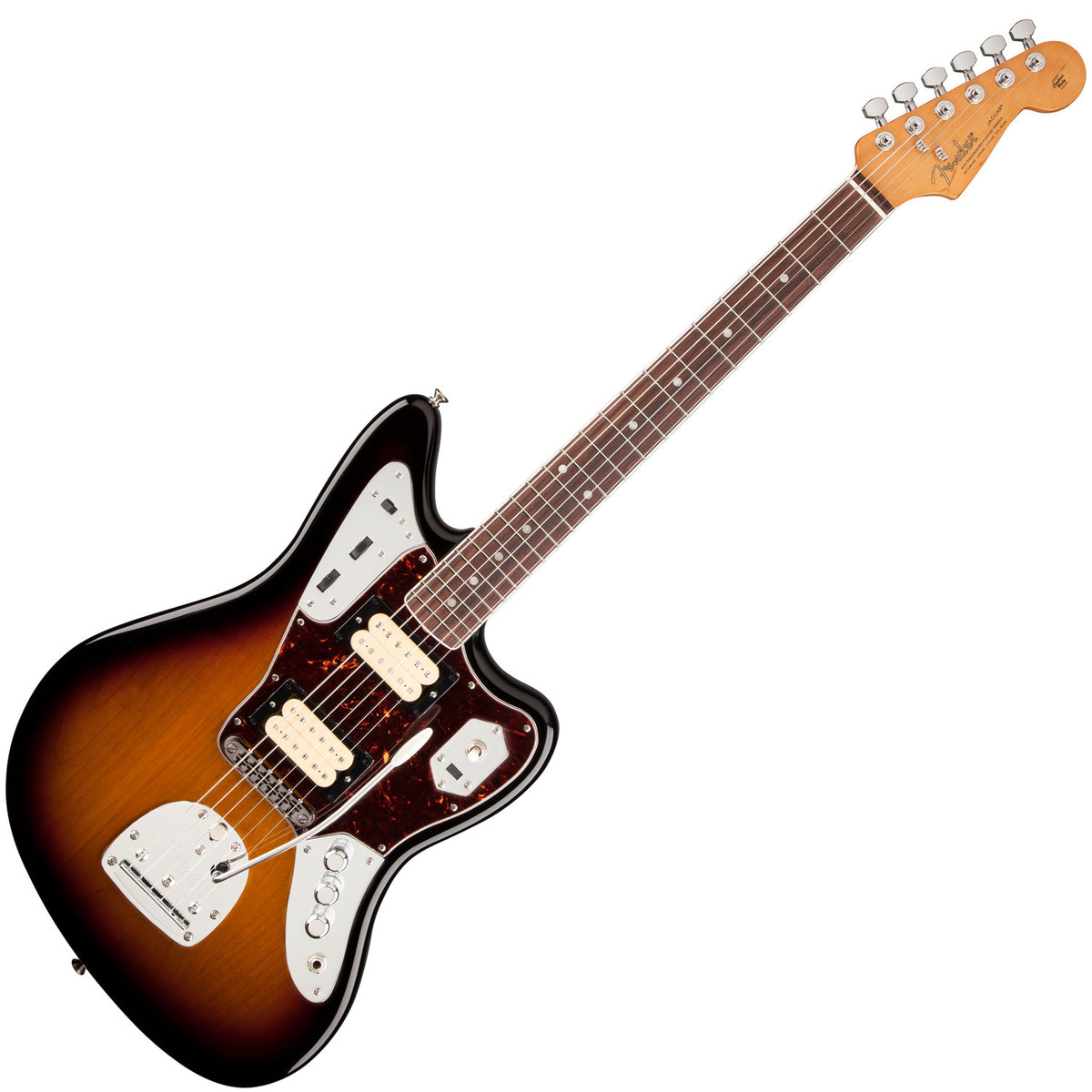
Fender Kurt Cobain Jaguar NOS 3-Tone Sunburst
 £1,499.00 ($1,904)
Fender
Fender Jim Root Telecaster Flat White
 £2,599.00 ($3,301)
Fender
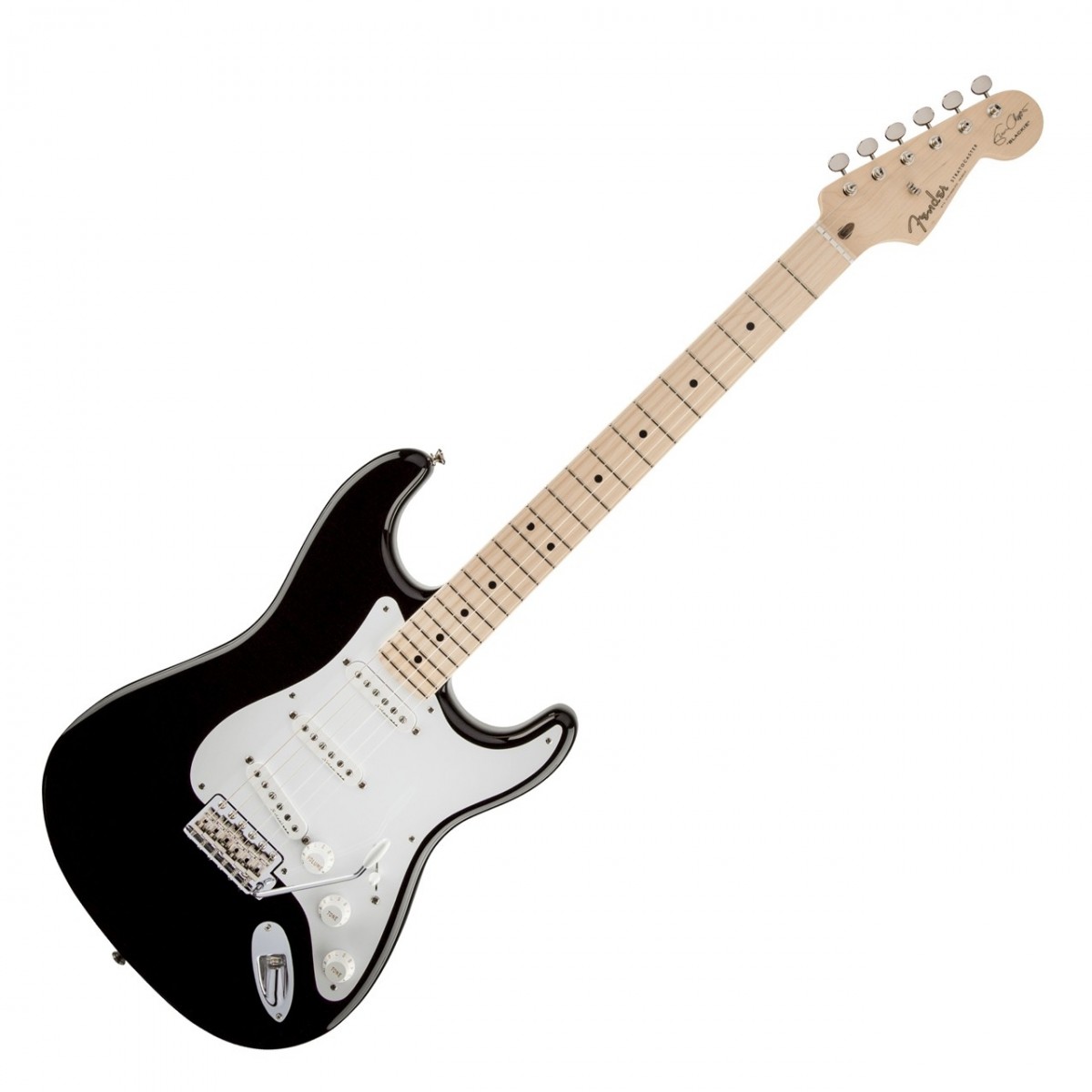
Fender Eric Clapton Stratocaster Black
Frequently asked questions
- What is the specific finish on this model?
- This guitar features a Royal Teaburst finish, which replicates the faded sunburst aesthetic common on surviving 1959 instruments.
- What does 'Light Aged' mean in the Murphy Lab context?
- Light Aged refers to a finish with subtle lacquer checking and minor patina, simulating a vintage guitar that has been well-preserved rather than heavily abused.
- What neck shape does this 1959 Reissue have?
- It features a 50s Rounded Medium C profile, designed to be substantial and historically accurate to the period.
- What type of wood is used for the fretboard?
- The guitar uses an Indian rosewood fretboard, chosen for its warmth and smooth playability.
- Why is hide glue construction important?
- Hide glue is a traditional adhesive that hardens into a glass-like state, which many players believe enhances the resonance and vibration transfer between the wood components.
- What is a long tenon neck joint?
- A long tenon neck joint extends further into the body cavity than modern joints, providing more surface area for the glue bond and improving sustain.
- How does the body weight compare to standard models?
- This reissue uses a lightweight one-piece mahogany body, specifically selected to match the weight characteristics of original 1950s Les Pauls.
- Is the top of the guitar flat or carved?
- The guitar features a carved figured maple top, which is a signature aesthetic and structural element of the Les Paul Standard.
- What is the typical price for this Gibson Custom Shop model?
- In the UK market, this specific model typically retails for approximately GBP 6999.
- How does this compare to a Squier Mini Stratocaster?
- These are vastly different instruments; the Gibson is a full-scale, premium professional reissue, while the Squier Mini is a 3/4 size entry-level guitar.
- Does the Murphy Lab treatment affect the wood or just the finish?
- The Murphy Lab treatment primarily focuses on the nitrocellulose finish and hardware to create an aged appearance, though it also influences the physical 'feel' of the instrument.
- Who is this guitar intended for?
- This model is designed for serious collectors and professional musicians who require the highest level of historical accuracy and vintage-style performance.