Gear article
Hartwood Santa Fe Fuzz Pedal
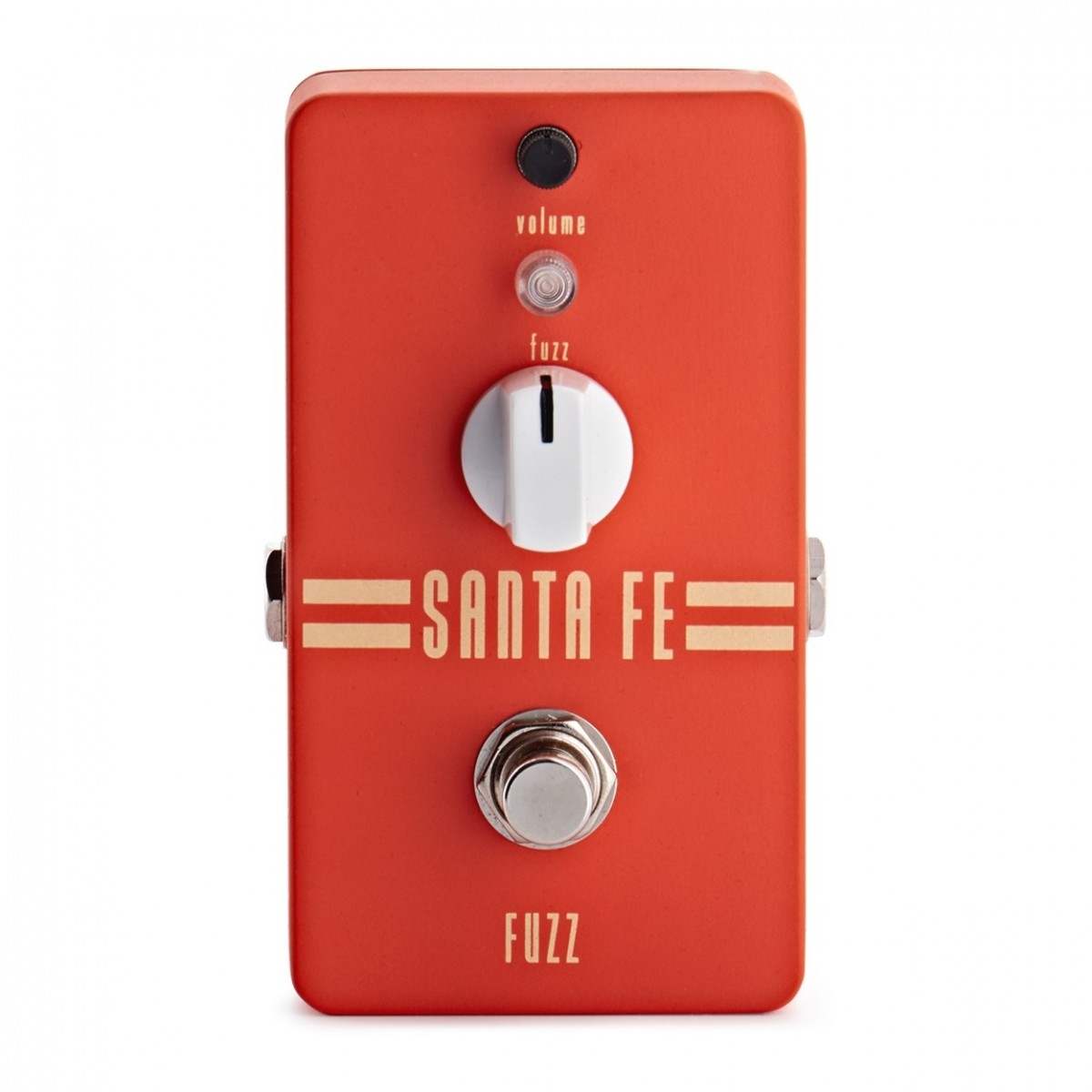
The Hartwood Santa Fe Fuzz is a guitar effects pedal designed to emulate the saturated, gritty tones of 1960s classic rock. It offers a blend of vintage-inspired saturation and modern construction, catering to guitarists seeking high-gain harmonic distortion at an entry-level price point.
Overview and History
The Hartwood Santa Fe Fuzz Pedal is positioned as an accessible entry into the world of fuzz effects. Manufactured by Hartwood, a brand often associated with a balance of traditional aesthetics and modern reliability, the Santa Fe focuses on delivering the raw, soulful grit associated with early rock and roll. While many boutique fuzz pedals command high prices, the Santa Fe is designed for durability and utility within a budget-friendly market segment.
Circuitry and Operation
The pedal functions by heavily clipping the guitar signal, resulting in a harmonically rich square-wave distortion. It is built to bridge the gap between vintage 1960s fuzz circuits and contemporary innovation. The enclosure is designed for longevity, ensuring it can withstand the rigours of live performance and studio use. The internal circuitry is tuned to provide a balance between aggressive saturation and touch-sensitive dynamics.
Sonic Character
The Santa Fe is characterised by its 'raw power' and 'soulful grit'. Its tonal profile ranges from the thin, biting textures of 1960s garage rock to the thick, sustain-heavy saturation required for modern experimental music. Unlike standard distortion pedals, this fuzz provides a more compressed and textured output that reacts significantly to the guitar's volume pot and the player's attack.
Target User
This pedal is primarily suited for guitarists who require a reliable, no-nonsense fuzz effect without a significant financial investment. It appeals to beginners exploring different gain stages, as well as experienced players who need a secondary fuzz for their pedalboard. Its versatility makes it appropriate for genres ranging from psychedelic rock to contemporary indie and alternative styles.
Comparative Analysis
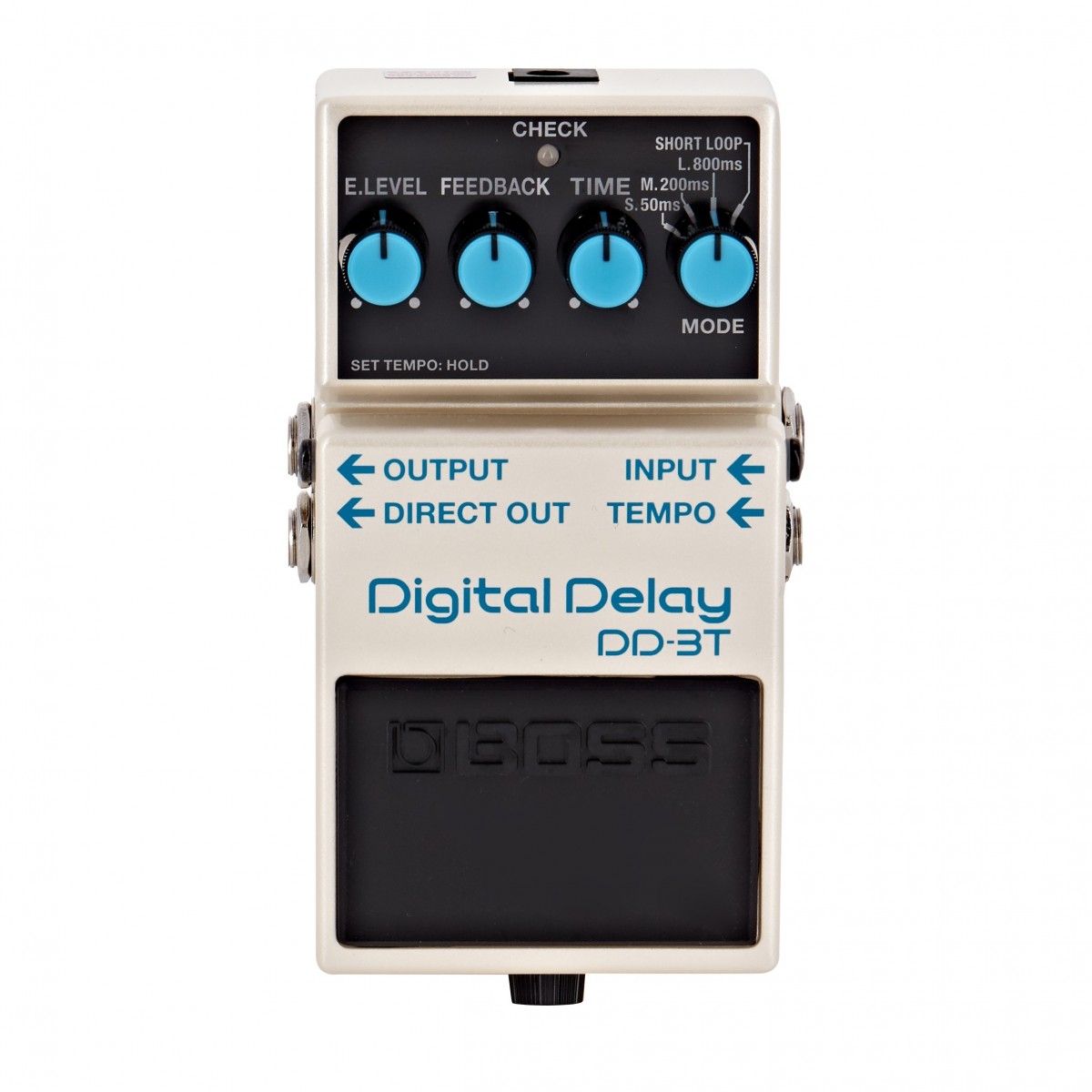
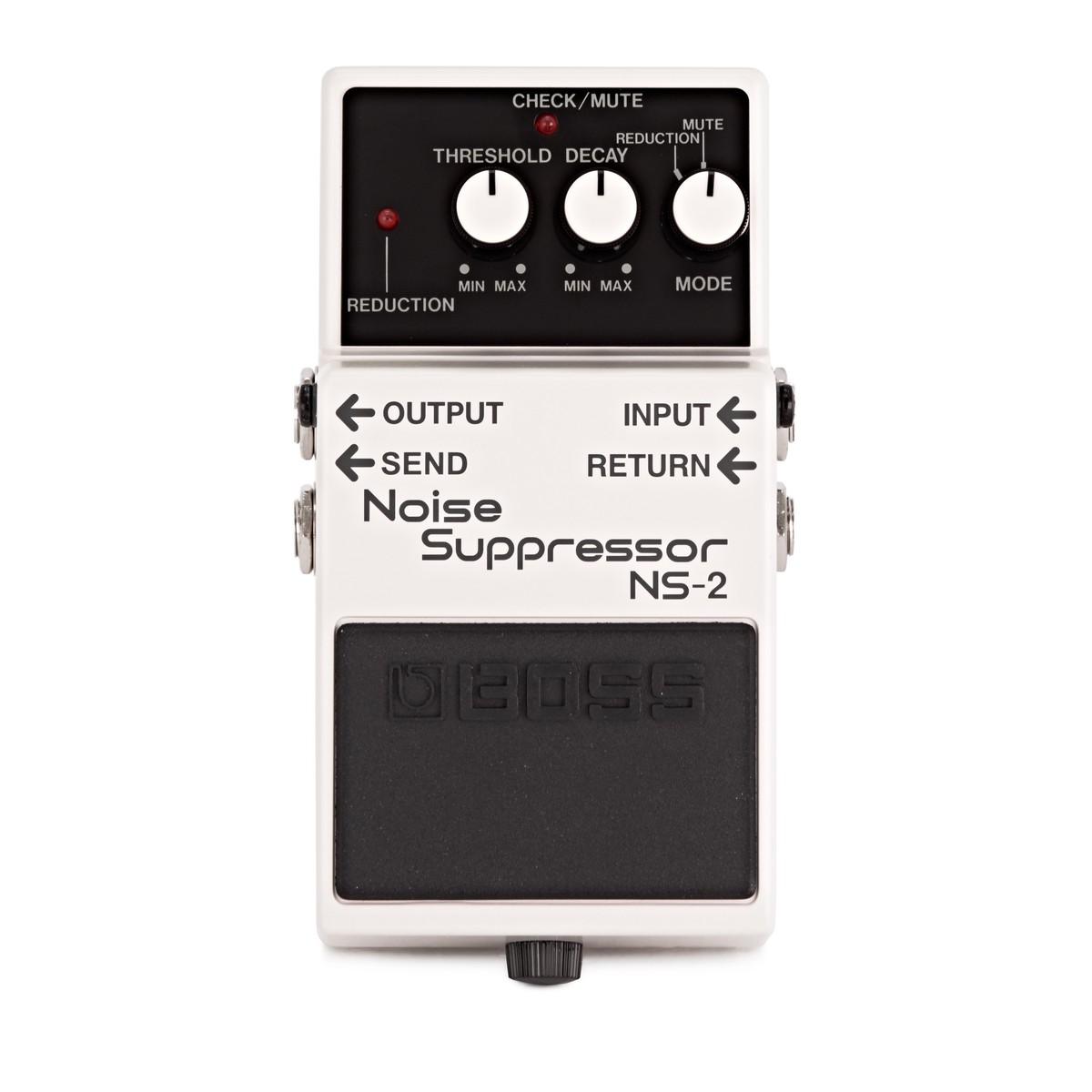
When compared to other pedals in the market, the Santa Fe occupies a similar utility space to the Behringer UC200 or the Fender Hammertone series in terms of being a dedicated, single-effect unit. While it lacks the specific tone-shaping toggles of the Electro Harmonix Big Muff Tone Wicker, its focused design provides a straightforward user experience. It serves as a gritty alternative to the cleaner modulation of pedals like the Boss DD-3T or the Boss NS-2, focusing entirely on harmonic saturation rather than time-based or noise-reduction processing.
Related gear
 £97.00 ($123)
Electro Harmonix
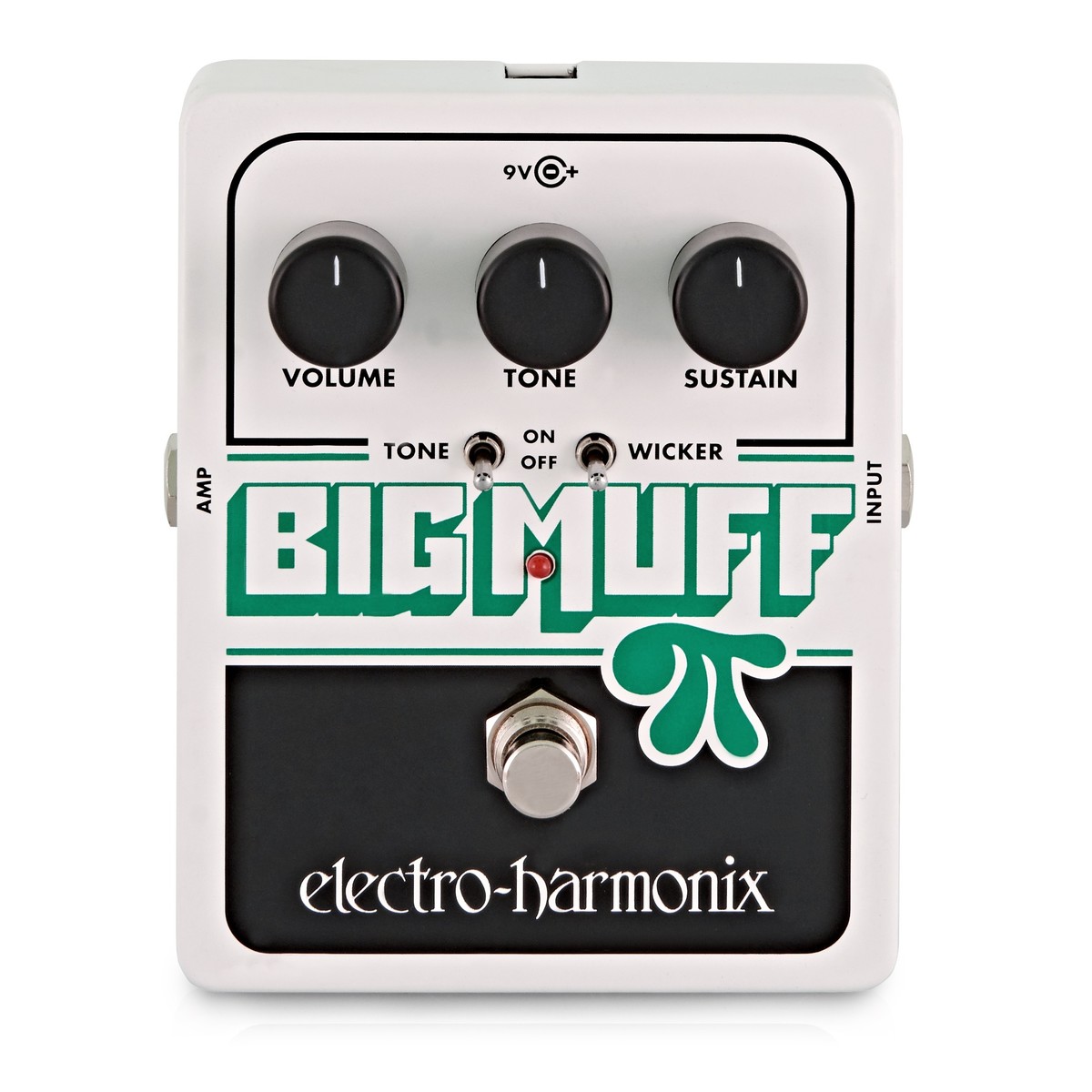
Electro Harmonix Big Muff Distortion Sustainer w/ Tone Wicker
 £119.00 ($151)
Digitech
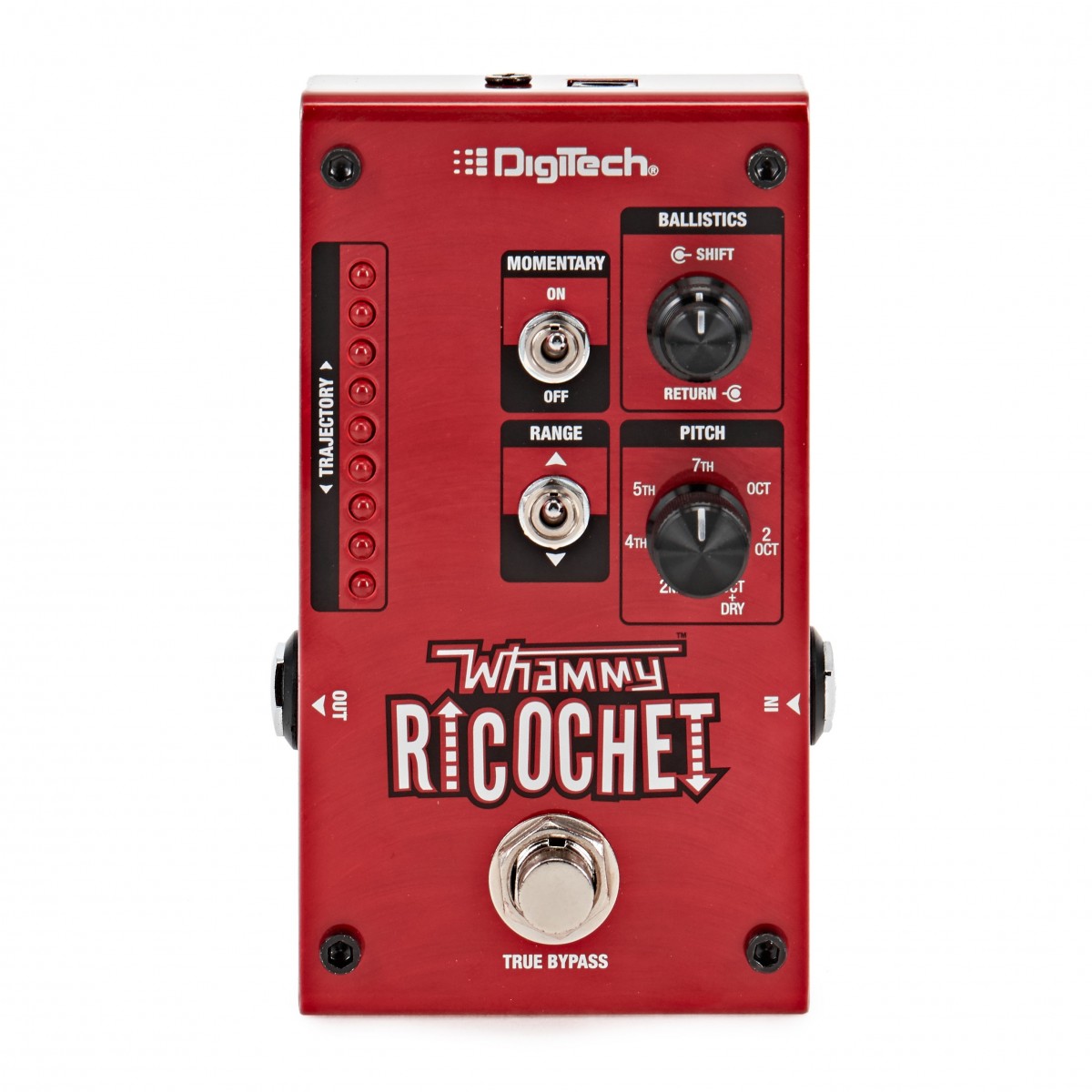
Digitech Whammy Ricochet Guitar Effects Pedal
 £85.00 ($108)
Fender
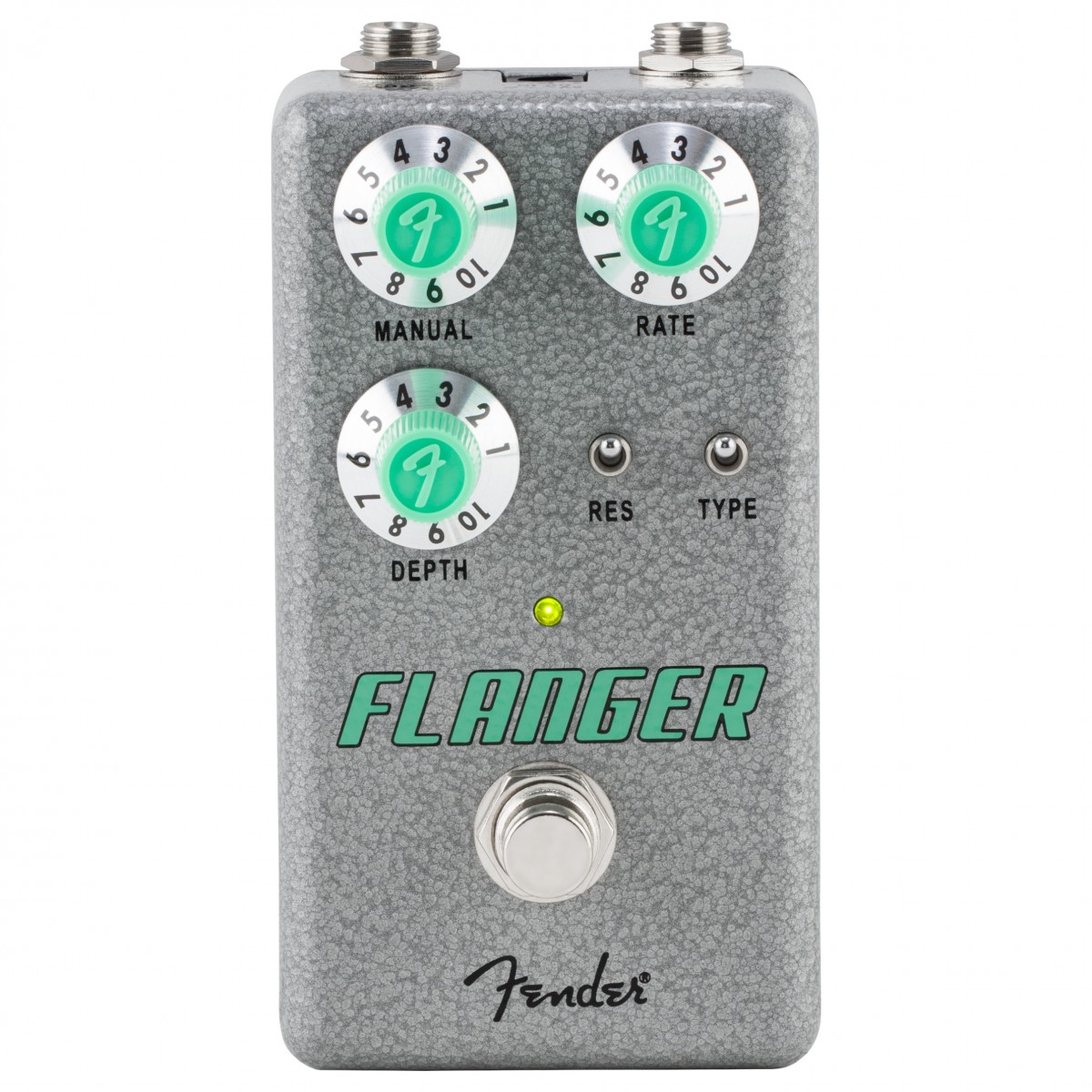
Fender Hammertone Flanger Pedal
 £23.00 ($29)
Behringer
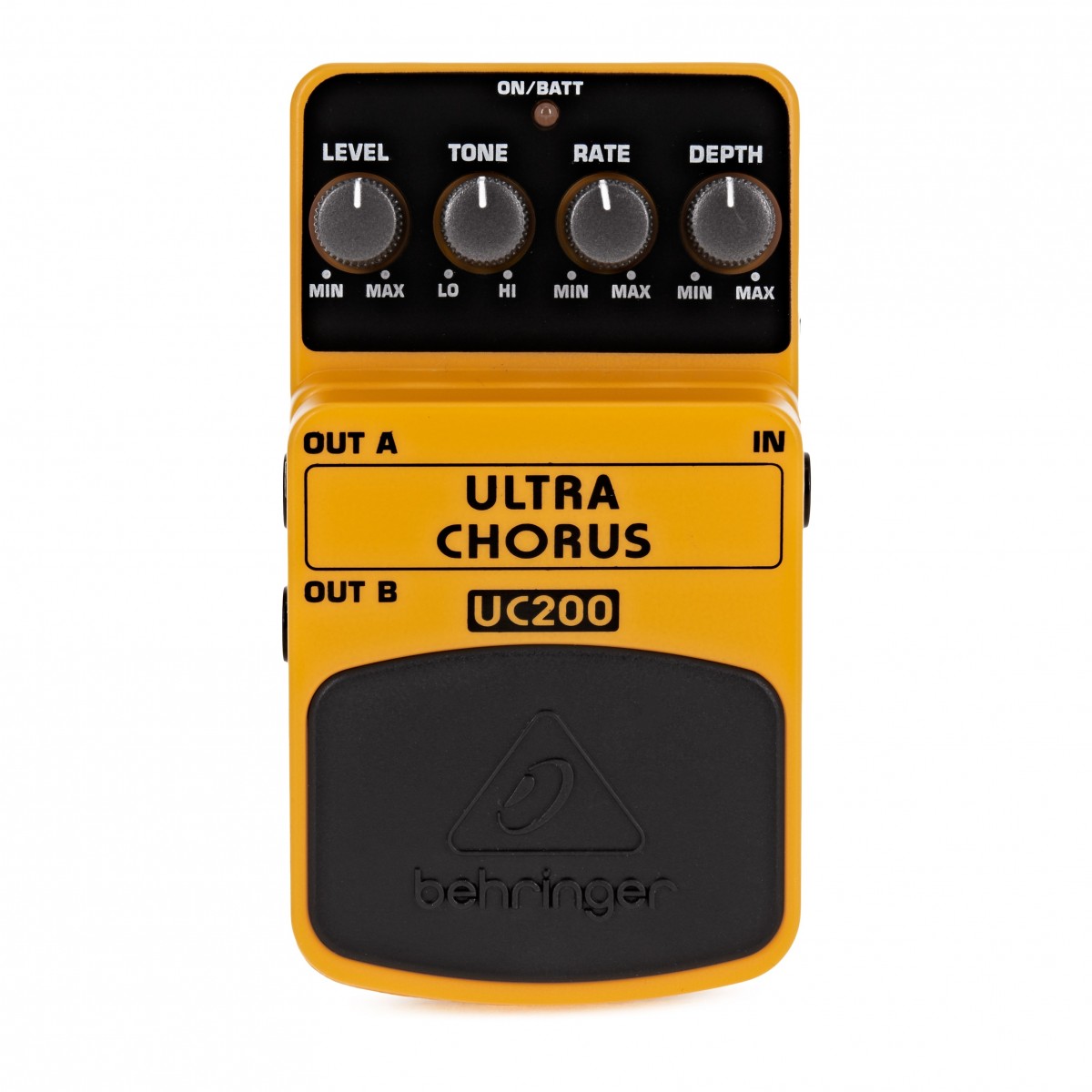
Behringer UC200 Ultra Chorus Pedal
 £259.00 ($329)
Dunlop
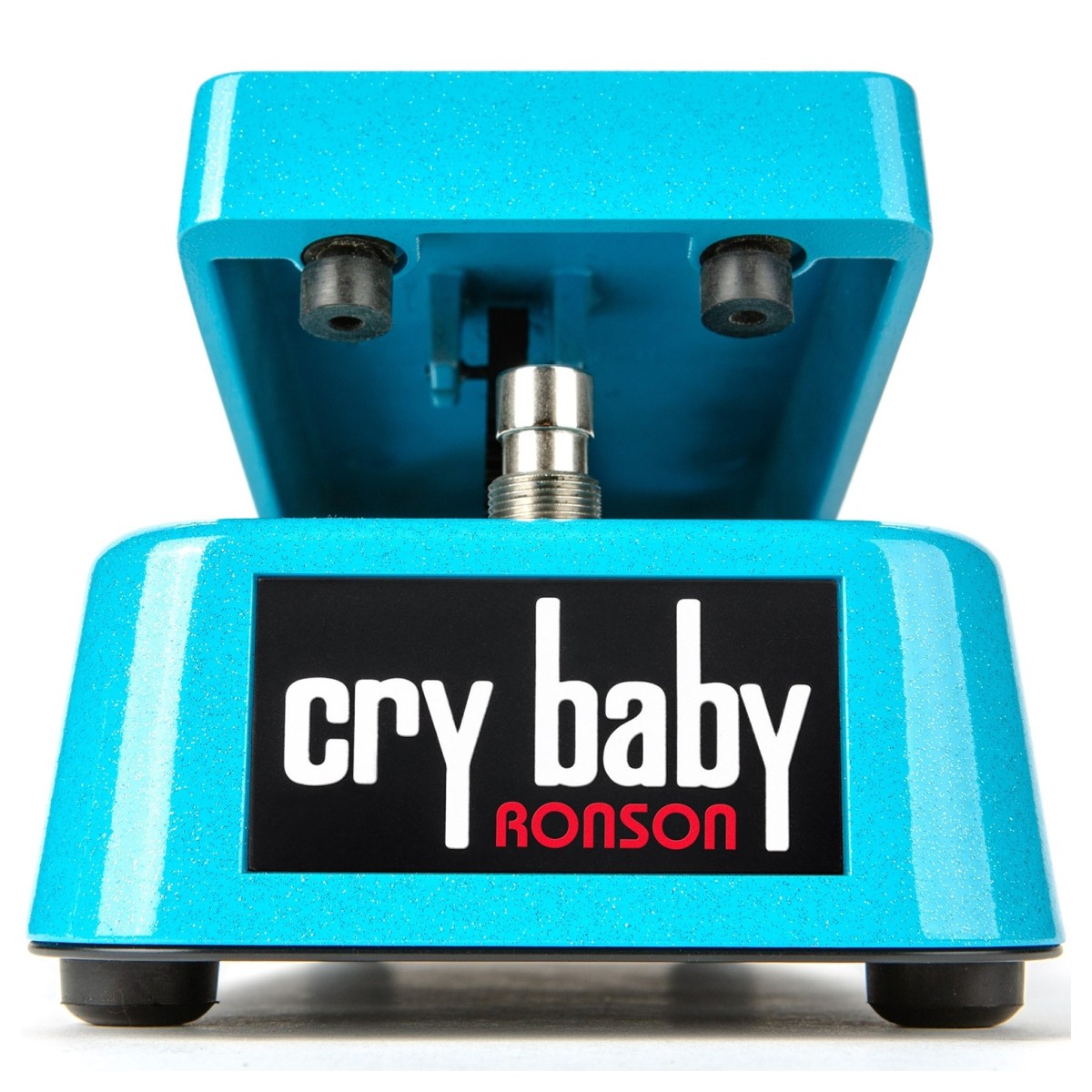
Dunlop Mick Ronson Cry Baby Wah
- £78.60 ($100)
Yamaha
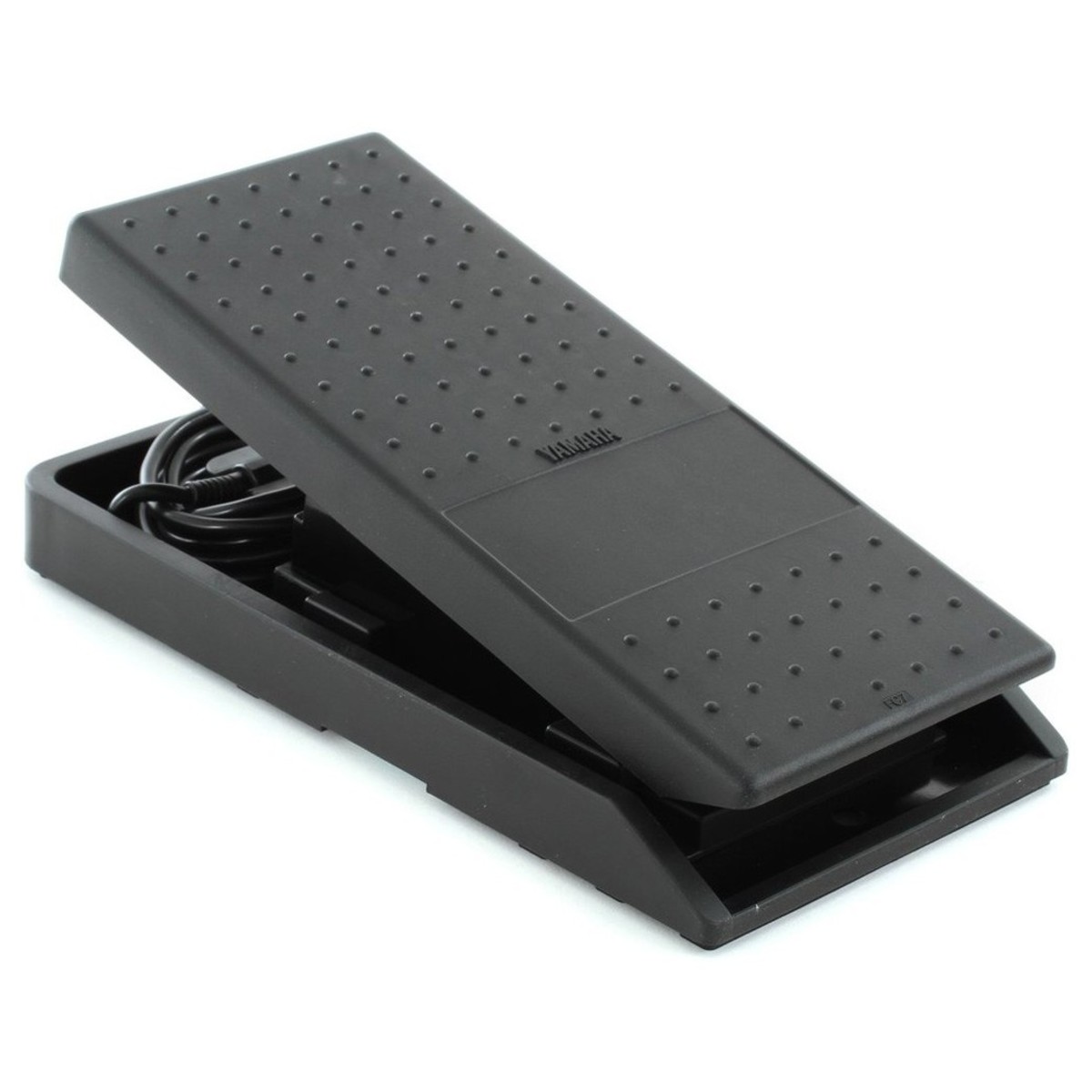
Yamaha FC7 Expression Pedal
 £175.00 ($222)
Boss
Boss DD-3T Digital Delay Pedal
 £99.10 ($126)
Boss
Boss NS-2 Noise Suppressor Guitar Pedal
Frequently asked questions
- What type of effect does the Hartwood Santa Fe produce?
- The Santa Fe is a fuzz pedal, which produces a heavy, saturated form of harmonic distortion. It is designed to capture the raw and gritty sounds of early rock and roll records.
- How much does the Hartwood Santa Fe Fuzz typically cost?
- This pedal is typically priced around £30. This makes it an affordable option for guitarists looking to add fuzz to their signal chain without a large expenditure.
- Is the Santa Fe Fuzz suitable for modern music styles?
- Yes, while it is inspired by 1960s tones, the manufacturer states it is capable of pushing the boundaries of contemporary fuzz. It is versatile enough for both vintage and modern experimental genres.
- How durable is the construction of this pedal?
- The pedal is built with durability in mind to ensure it is a reliable companion for years of use. It features a sturdy enclosure designed to withstand frequent stomping and transport.
- Does this pedal require a specific power supply?
- Like most standard guitar pedals, it typically requires a 9V DC power source. Users should check the specific polarity requirements, which are usually center-negative for pedals of this class.
- How does the Santa Fe differ from a standard distortion pedal?
- Fuzz pedals like the Santa Fe offer a more extreme, 'square-wave' clipping compared to the smoother clipping of a standard distortion. This results in a more compressed, sustained, and textured sound.
- Can the Santa Fe Fuzz be used with other pedals like the Boss DD-3T?
- Yes, it can be integrated into a signal chain with digital delays like the Boss DD-3T. Typically, the fuzz is placed early in the chain to maintain its reactive relationship with the guitar's pickups.
- Is the Santa Fe Fuzz a good choice for beginners?
- Yes, its low price point and straightforward operation make it an excellent choice for beginners. It allows new players to experiment with classic saturated tones without a complex interface.
- Does this pedal have a noise gate?
- No, the Santa Fe does not include an internal noise gate. For players concerned about the inherent noise of high-gain fuzz, a separate pedal like the Boss NS-2 Noise Suppressor may be required.
- How does the Santa Fe compare to the EHX Big Muff Tone Wicker?
- The Santa Fe is a more streamlined and budget-friendly option. While the Big Muff Tone Wicker offers additional switches for tone bypass and high-frequency 'wicker,' the Santa Fe focuses on a core vintage-style fuzz sound.
- Can I use an expression pedal like the Yamaha FC7 with this unit?
- The Santa Fe does not have a dedicated expression pedal input. To manipulate parameters externally, you would need to use it in conjunction with other utility pedals or manually adjust the knobs.
- What is the primary aesthetic inspiration for this pedal?
- The pedal is designed to evoke 'vintage charm' and 'soulful grit.' Its branding and sonic tuning are heavily influenced by the classic rock era of the 1960s.