
Gear article
Hohner Marine Band 1896 Harmonica (Key of Bb)
The Hohner Marine Band 1896 is a traditional diatonic harmonica renowned for its foundational role in the history of blues music. Constructed with a double-lacquered pearwood comb and nailed assembly, it retains the original design specifications that have made it a standard for professional musicians for over a century.
See live pricesHistory and Background
The Hohner Marine Band 1896 is one of the most significant instruments in the history of popular music. Since its patenting in 1896, it has remained largely unchanged in its construction, staying faithful to the design that inspired the first generation of blues players. The instrument was originally designed to provide a portable and affordable melodic option, but it quickly became the definitive voice of the American blues movement.
Its longevity is attributed to Hohner's commitment to traditional manufacturing methods. Unlike modern harmonicas that often use screws for assembly, the 1896 model continues to use nails to fix the reed plates and covers, preserving the authentic feel and acoustic properties of the Victorian era.
Design and Construction
The core of the Marine Band 1896 is its pearwood comb. To address the common issue of organic material absorbing moisture, Hohner applies a double layer of lacquer to the wood. This treatment is intended to prevent the comb from swelling or warping during extended playing sessions.
The instrument features curved stainless steel covers equipped with side vents. These vents are a critical design element, allowing the sound to project sideways as well as forward, which contributes to the instrument's specific acoustic profile. The reed plates are carefully tuned to ensure high responsiveness, eliminating the sensation of 'sluggishness' often found in lesser instruments when drawing or blowing.
Performance and Sound Character
The 1896 is celebrated for its 'iconic blues sound,' characterized by a warm, woody timbre. This tonal quality is derived primarily from the pearwood comb, which offers a different resonance compared to plastic or metal alternatives. When playing chords, the instrument produces a rich, full texture that has been compared to the sound of an accordion.
Technically, the harmonica is highly regarded for its 'bending' capabilities. The flexibility of the reeds allows players to easily manipulate pitch to reach the 'blue' notes between the standard semitones. This responsiveness makes it a precise tool for expressive soloing and rhythmic chugging.
Target Audience and Comparisons
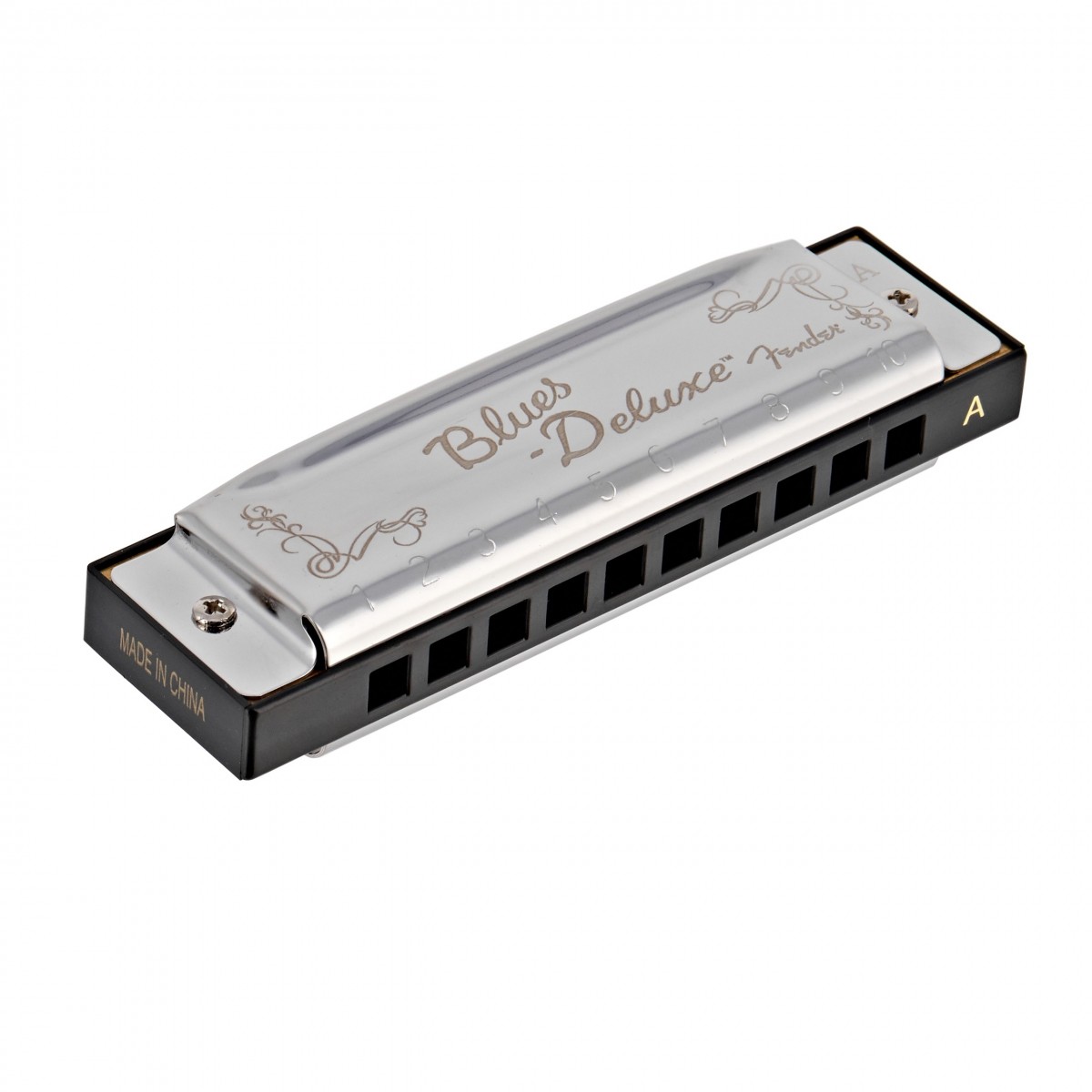
The Marine Band 1896 is primarily aimed at professional musicians and dedicated enthusiasts who require an authentic blues tone. While it serves as a high-quality entry point for beginners, its nailed construction means it is less modular than screw-assembled models like the Fender Blues Deluxe.
Compared to modern alternatives, the 1896 offers a more traditional 'earthy' character. While instruments like the Fender Blues Deluxe provide a different approach to the diatonic harp, the Hohner remains the benchmark for those seeking the specific response and aesthetic of a pre-war harmonica.
Related gear
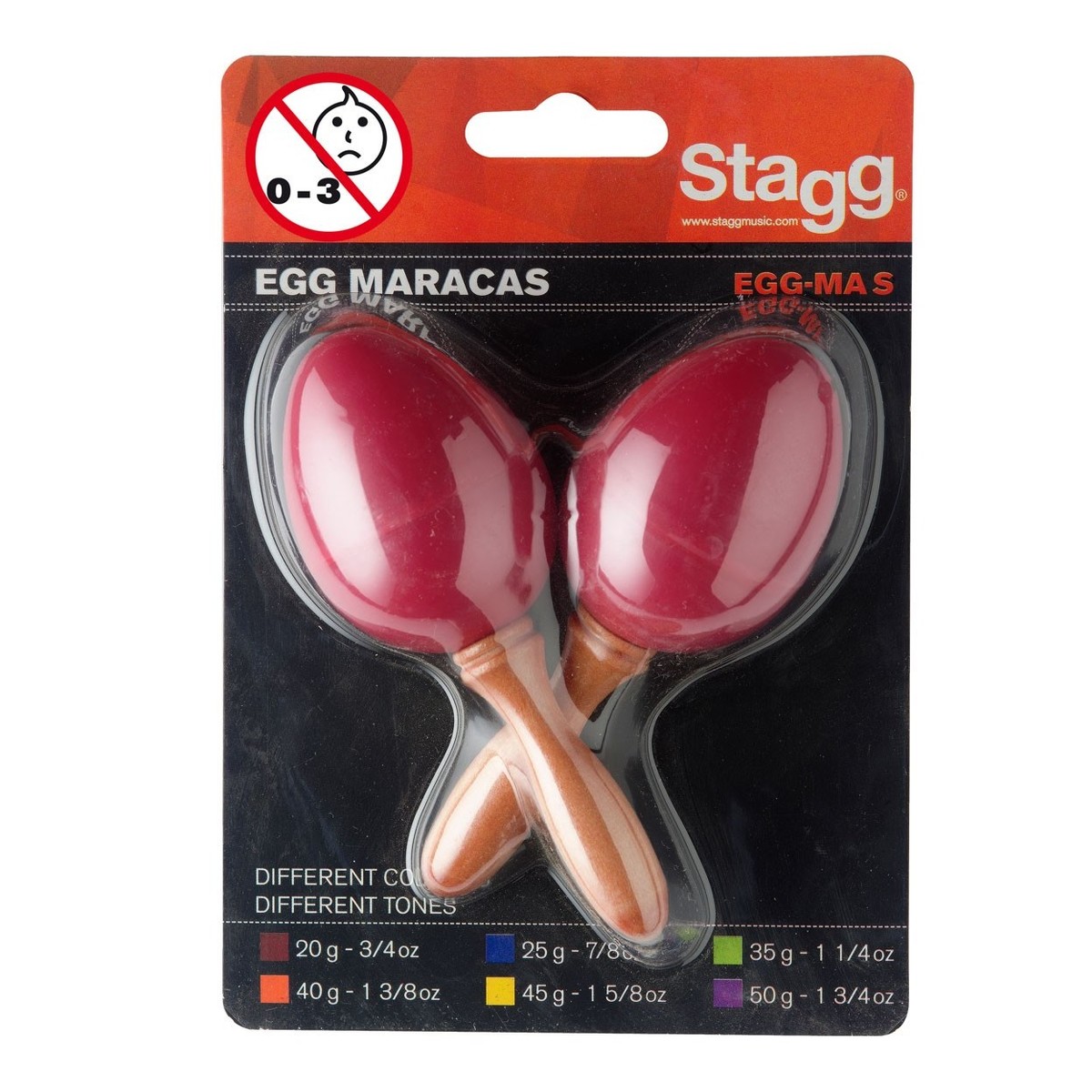 £3.99 ($5)
Stagg
Stagg Plastic Egg Maracas Red
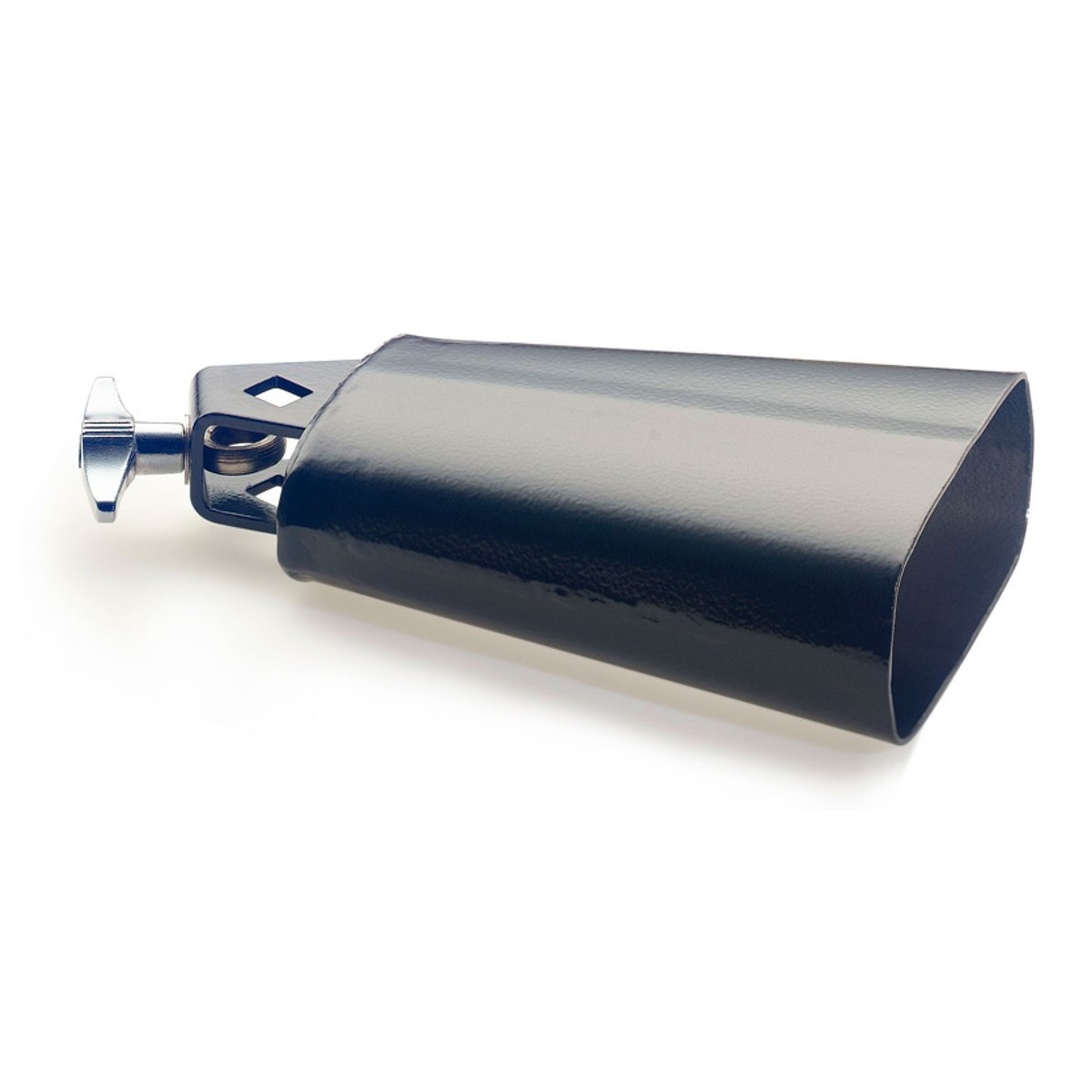 £9.99 ($13)
Stagg
Stagg Rock 5-1/2" Cowbell Black
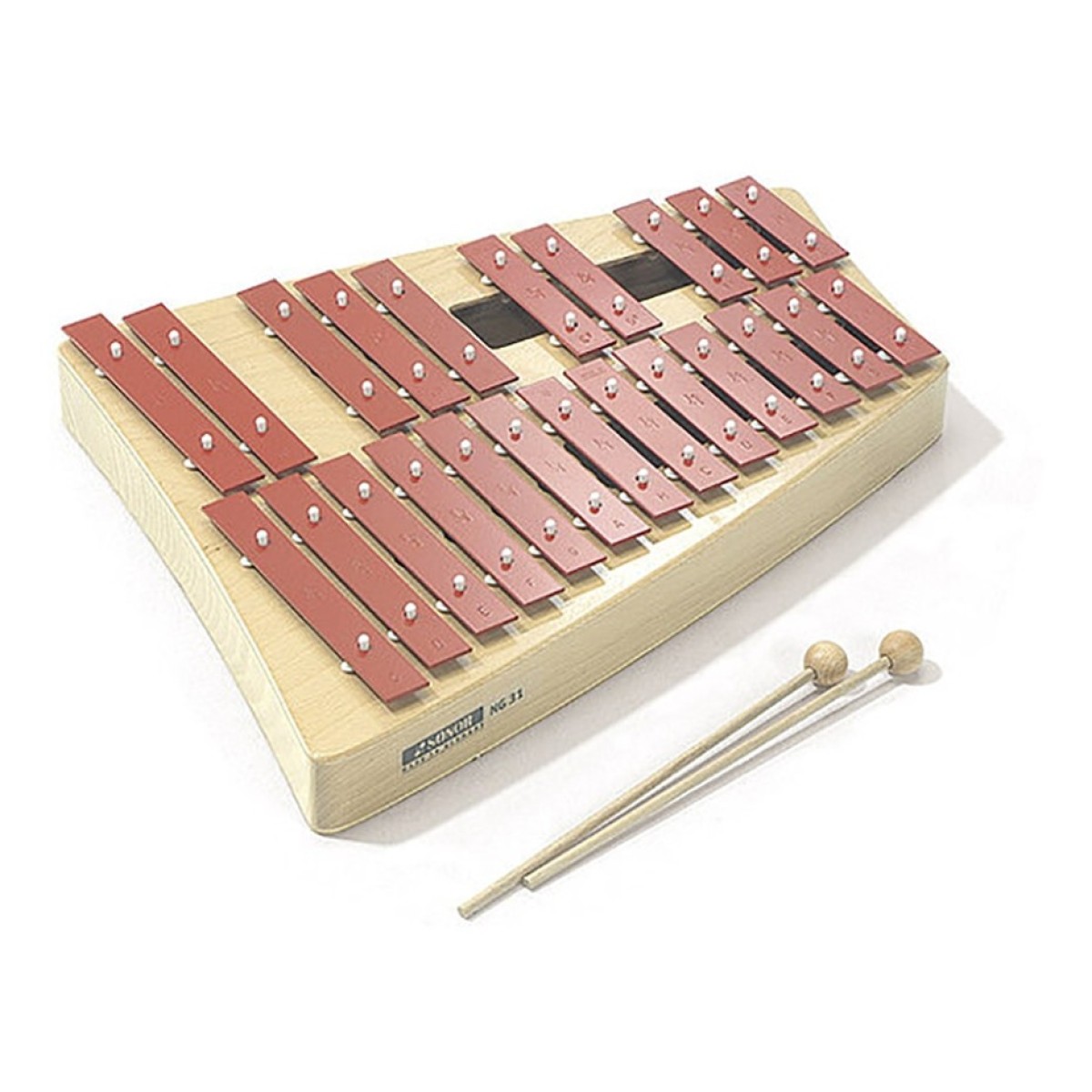 £119.00 ($151)
Sonor
Sonor Orff NG31 Alto Chromatic Glockenspiel
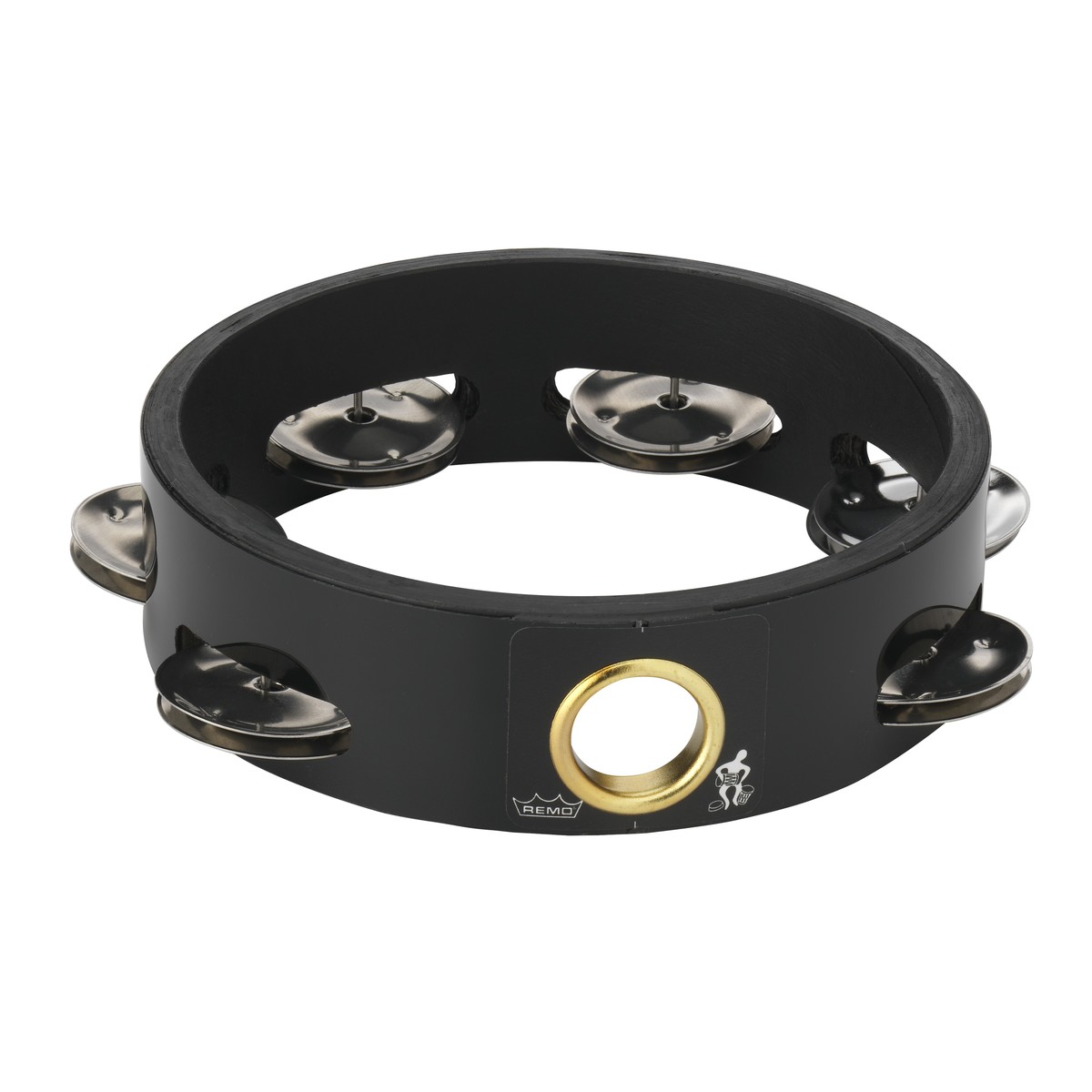 £23.70 ($30)
Remo
Remo 6 Single Row Headless Tambourine Black
 £299.00 ($380)
Meinl
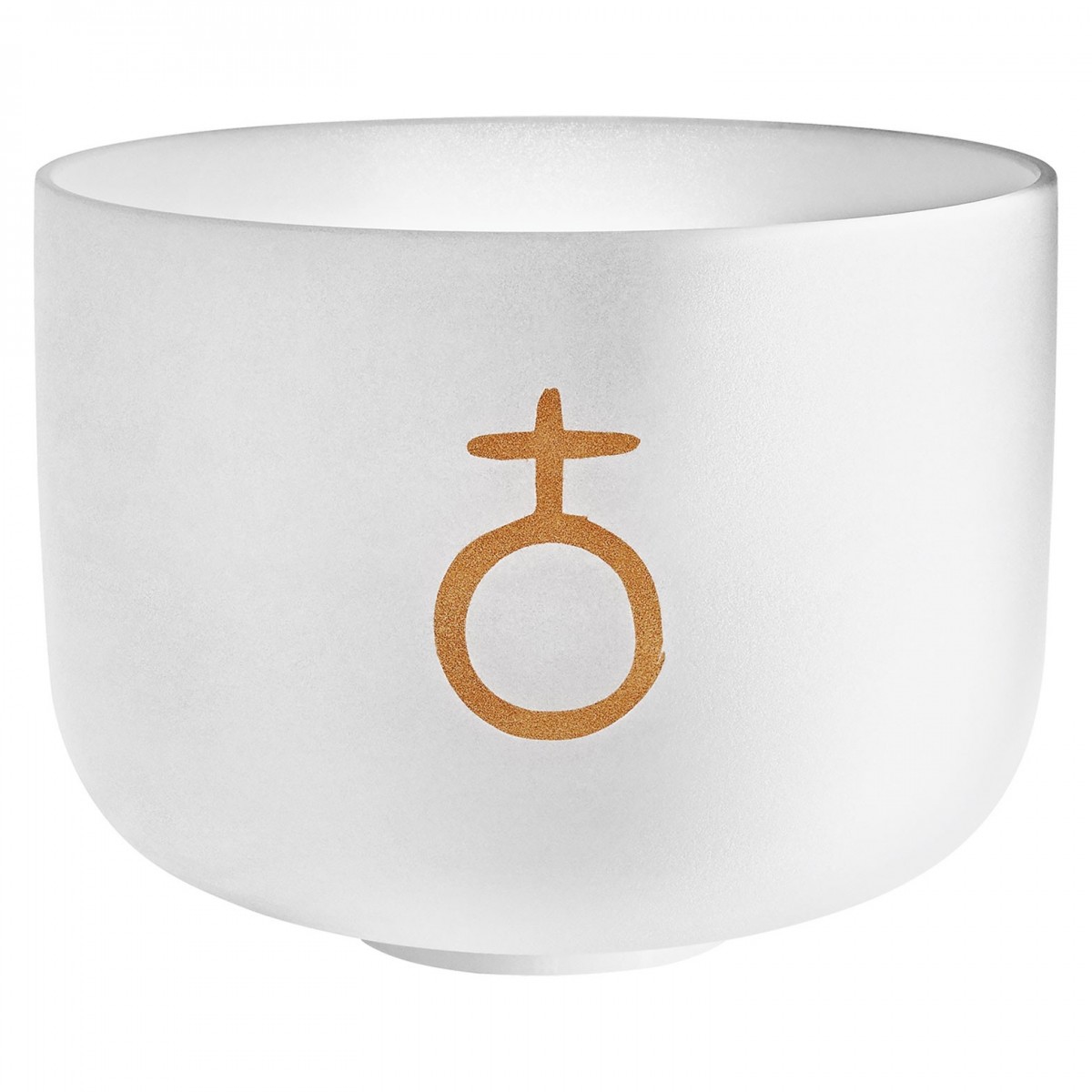
Meinl Planetary Tuned Crystal Singing Bowl 12" Earth Year / Om
 £16.00 ($20)
Fender
Fender Blues Deluxe Harmonica A
 £23.80 ($30)
Meinl
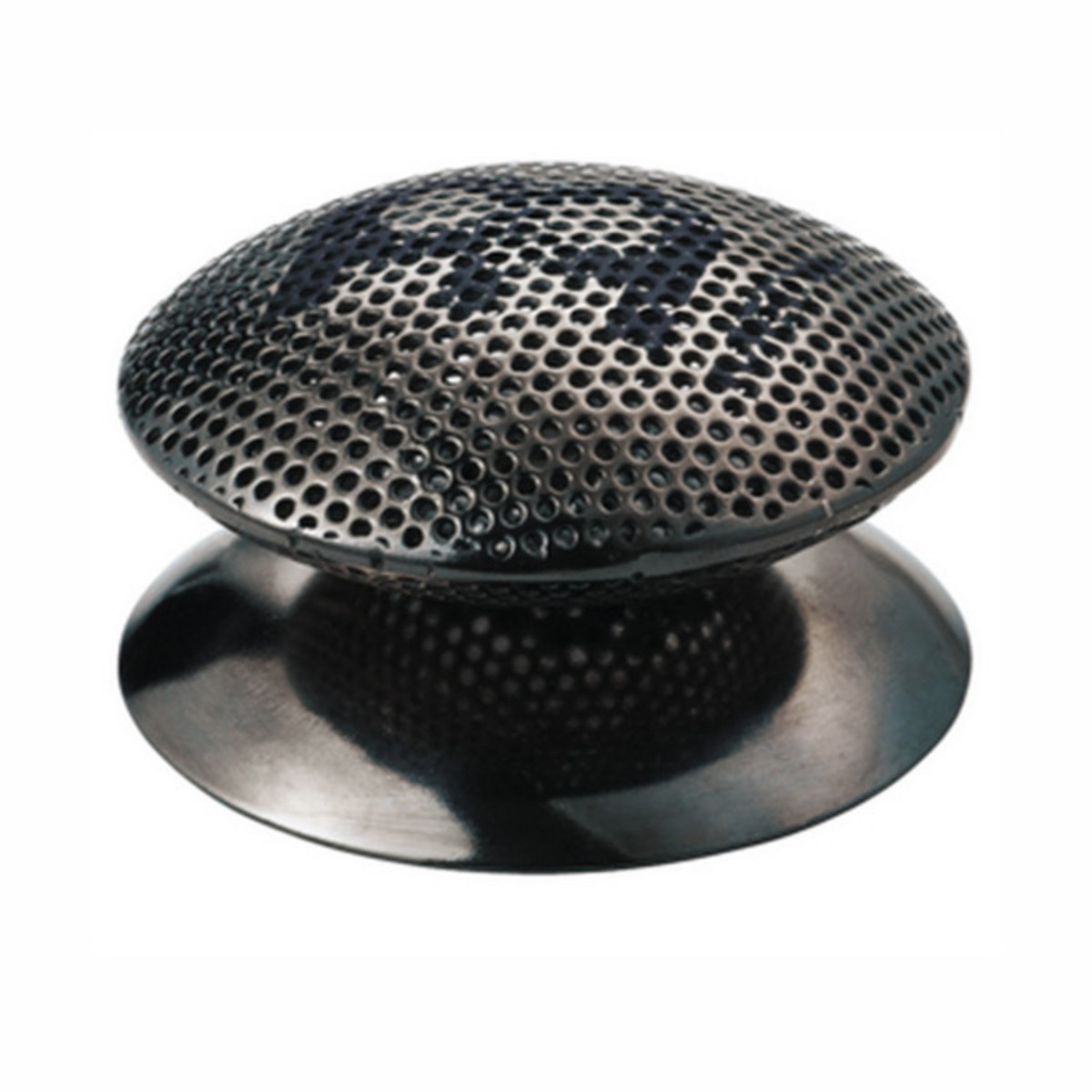
Meinl Spin Spark Shaker Black Nickel
 £7.30 ($9)
Meinl
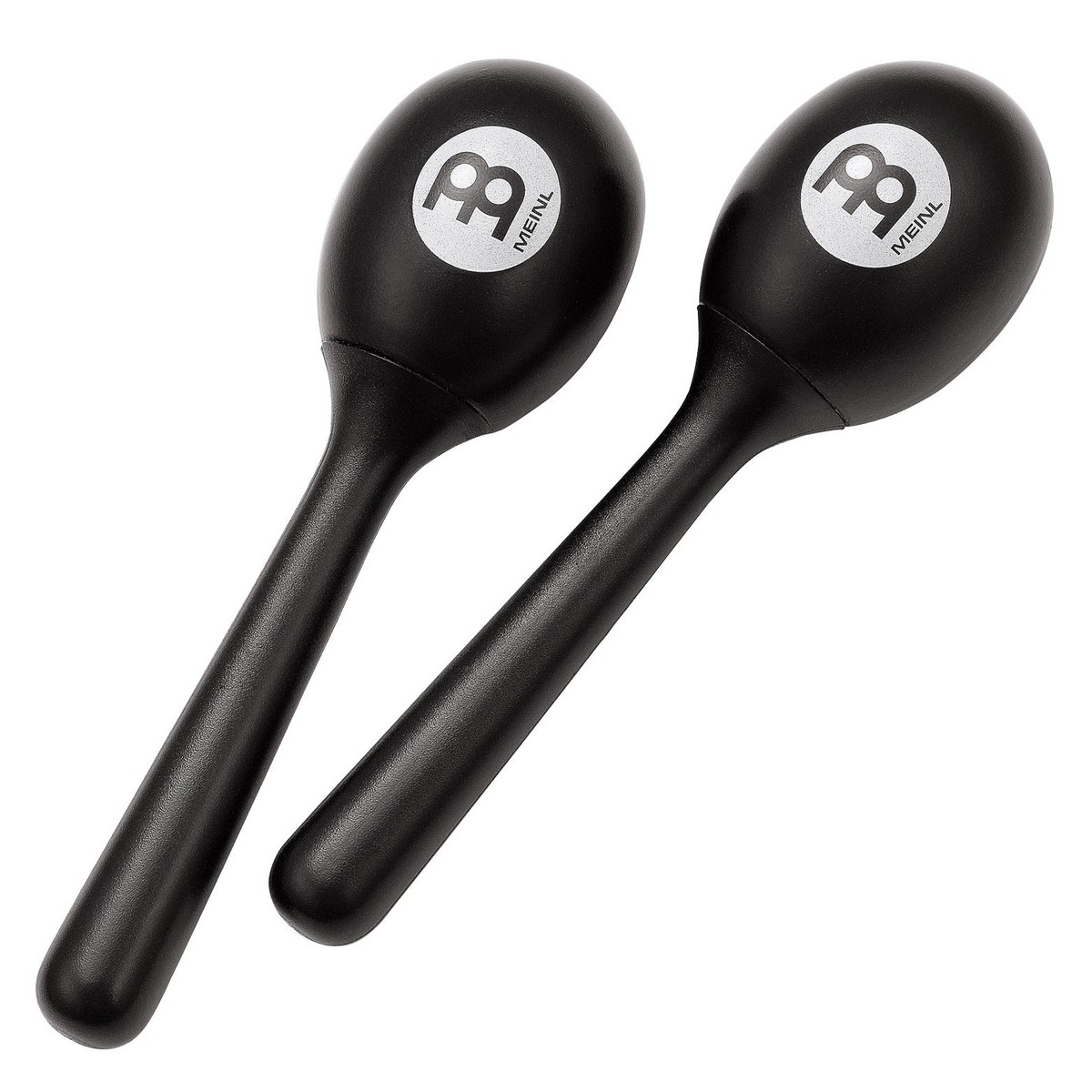
Meinl Small Plastic Egg Maracas Black
Frequently asked questions
- What key is this specific Marine Band 1896 tuned to?
- This specific model is tuned to the key of Bb (B-flat). It is designed for playing in Bb in the first position or in the key of F in the second (cross-harp) position.
- What material is used for the comb of the 1896 model?
- The comb is made from pearwood. It is treated with a double layer of lacquer to help resist moisture and prevent the wood from swelling.
- How are the components of the harmonica held together?
- Following the original 1896 design, the reed plates and covers are fixed together using nails rather than screws. This traditional method is a hallmark of the Marine Band series.
- What effect do the side vents have on the sound?
- The side vents in the curved covers allow sound to escape from the sides of the instrument. This helps create the iconic, open blues sound and allows the player to hear themselves more clearly.
- Is this harmonica suitable for bending notes?
- Yes, the Marine Band 1896 is known for being extremely responsive. It allows players to bend notes easily, which is essential for accessing 'blue' notes in traditional blues and rock styles.
- How does the sound of the 1896 compare to an accordion?
- When playing multiple notes simultaneously, the 1896 produces a rich, full, and harmonically dense sound. This specific texture is often described as being similar to the timbre of an accordion.
- What is the typical price for a Hohner Marine Band 1896?
- The typical retail price for this harmonica is approximately GBP 38. This positions it as a professional-grade instrument that remains accessible to most players.
- Does the wood comb swell when playing?
- While wood is naturally prone to moisture absorption, Hohner applies a double layer of lacquer to this model. This protective coating is specifically designed to prevent swelling over time.
- Is the Marine Band 1896 a diatonic or chromatic harmonica?
- The Marine Band 1896 is a diatonic harmonica. It is designed to play within a specific key (in this case, Bb) rather than having a button-activated chromatic scale.
- How does the reed responsiveness feel during play?
- The reeds are designed to be highly responsive to the player's breath. There is no sensation of sluggishness when switching between drawing and blowing notes.
- How does this compare to the Fender Blues Deluxe?
- The Marine Band 1896 uses a traditional pearwood comb and nailed construction for a 'woody' tone. The Fender Blues Deluxe is a modern alternative that provides a different feel and assembly style.
- What is meant by the 'iconic blues sound' of this model?
- This refers to the warm, traditional tone that has been used by professional blues players for over 100 years. The combination of the pearwood comb and vented covers creates the specific acoustic profile associated with the genre.