
Gear article
Hohner Marine Band 1896 Harmonica (D)
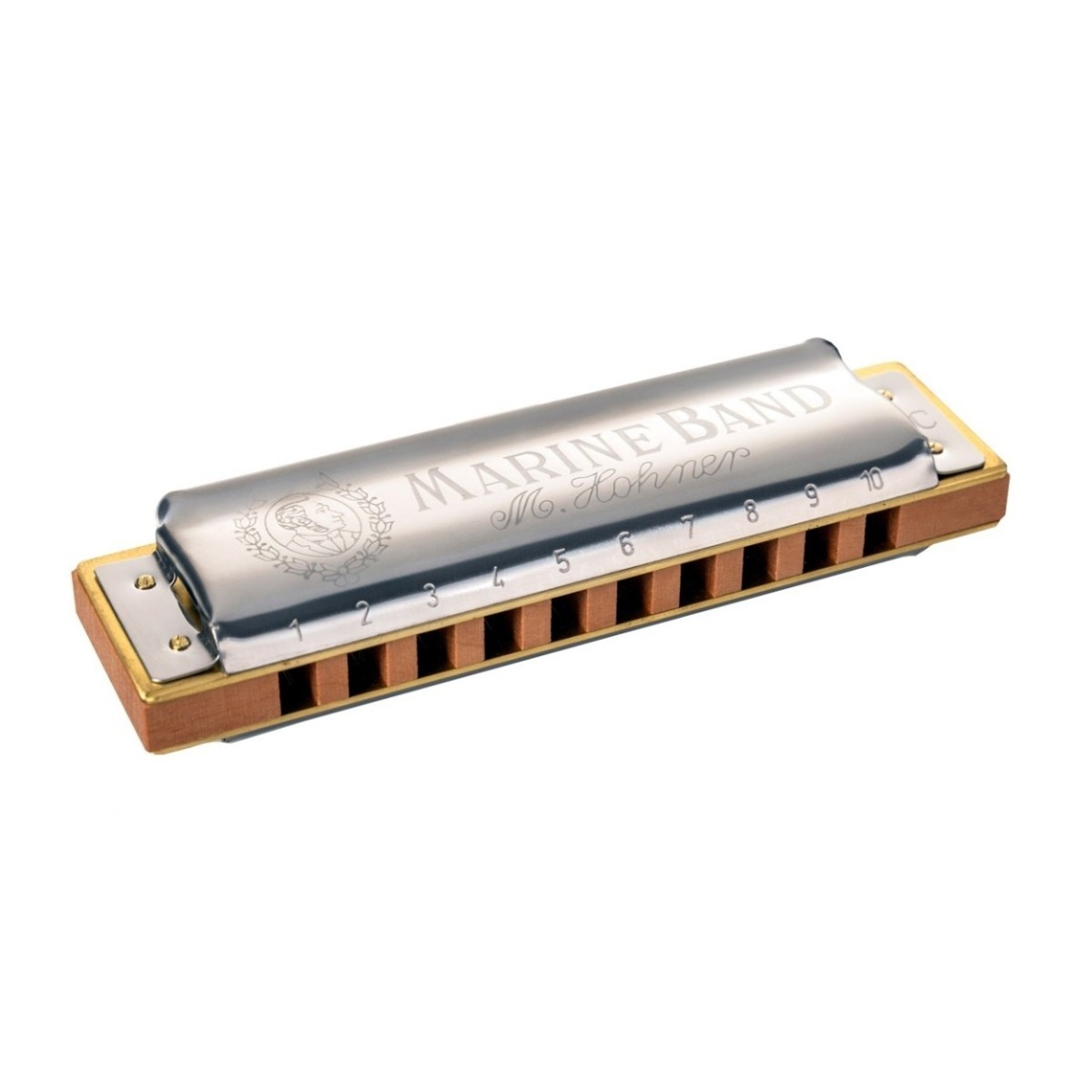
The Hohner Marine Band 1896 is a traditional diatonic harmonica renowned for its foundational role in the history of blues and folk music. Featuring a lacquered pearwood comb and a nailed-assembly design, it is valued by professionals for its responsive reed action and iconic 'woody' tonal character.
Background and History
The Hohner Marine Band 1896 is one of the most significant instruments in the history of modern music. Developed over a century ago, its design has remained largely unchanged, serving as the benchmark for the 'blues harp' sound. Its historical importance is reflected in its continued use by professional musicians worldwide who seek the authentic performance characteristics of early 20th-century harmonicas.
Design and Construction
This model is constructed using traditional methods, where the reed plates and covers are secured to the comb using nails rather than modern screws. The heart of the instrument is a pearwood comb, which undergoes a double-lacquering process to mitigate the common issue of wood swelling due to moisture. The exterior features curved stainless steel covers equipped with side vents, which are designed to project the sound efficiently while allowing the player to monitor their own performance clearly.
Performance and Sound Profile
The Marine Band 1896 is noted for its highly responsive reeds, which eliminate the sensation of sluggishness during rapid draw or blow transitions. Its primary characteristic is a 'woody' tone derived from the pearwood comb. When playing chords, the instrument produces a rich, full texture reminiscent of an accordion. Furthermore, the design is specifically conducive to note bending, enabling players to access the expressive 'blue' notes essential for blues and jazz styles.
Suitability
While accessible to beginners, the Marine Band 1896 is primarily aimed at intermediate and professional players who require a high degree of expression and traditional aesthetics. Its responsiveness makes it ideal for those focusing on techniques like bending and overblowing. It is particularly well-suited for genres including blues, folk, and country.
Comparative Analysis
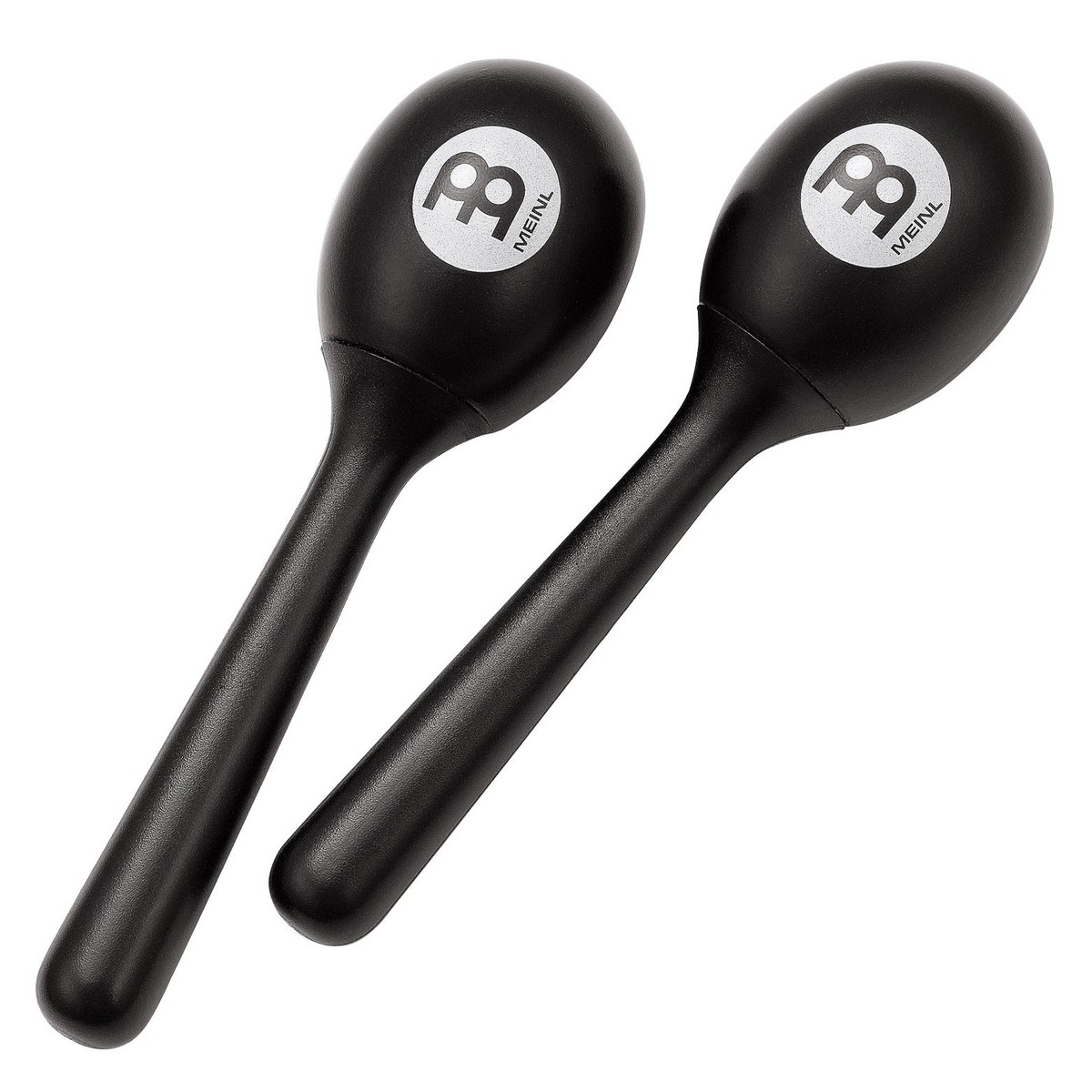
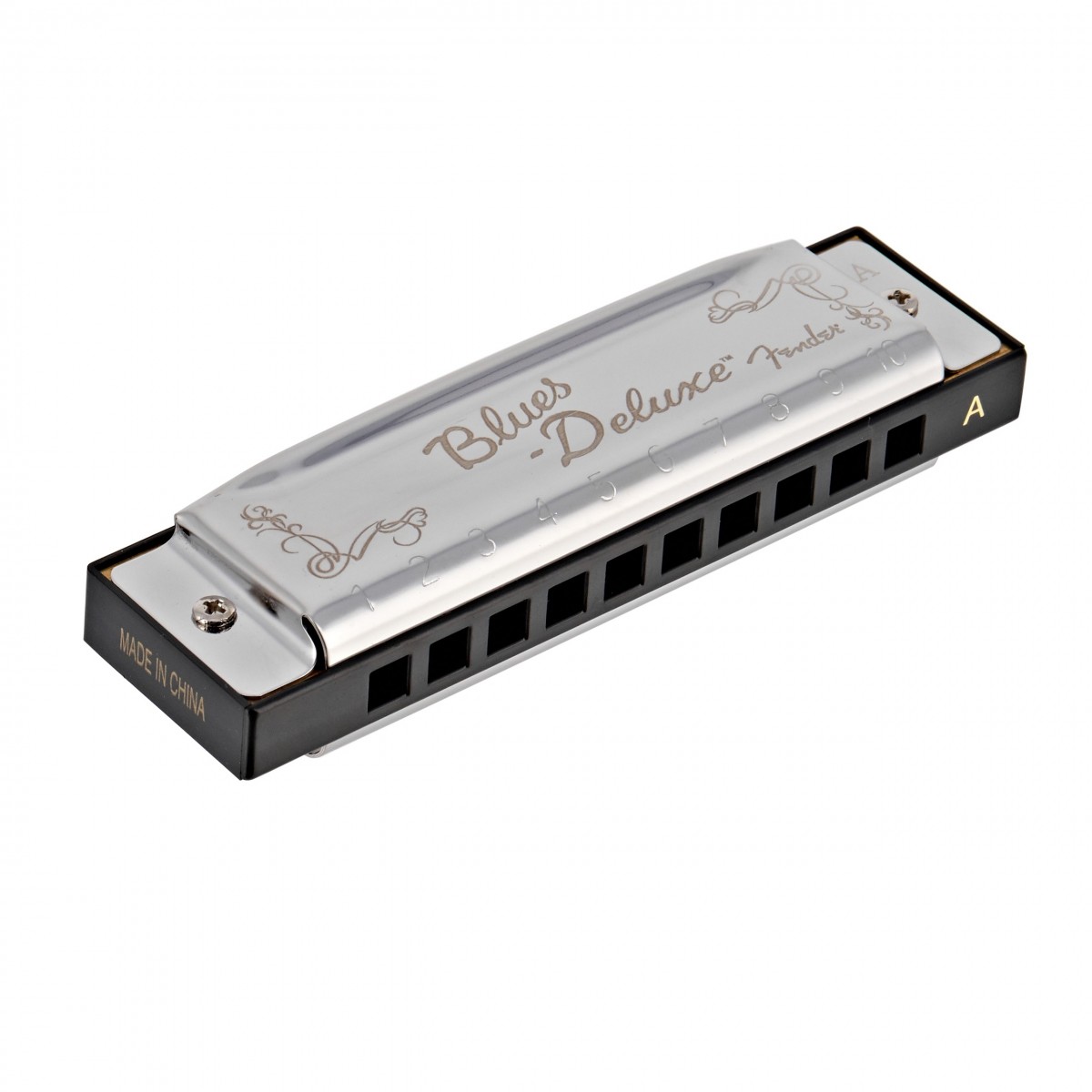
Compared to modern alternatives like the Fender Blues Deluxe (Key of A), the Hohner Marine Band 1896 maintains a more traditional construction, using nails rather than screws. While contemporary models often use plastic combs for durability, the 1896's lacquered pearwood provides a specific acoustic character that many professionals prefer. In the broader context of hand percussion and portable instruments, it offers a more complex melodic and harmonic capability than simple rhythmic tools like Meinl Egg Maracas or Stagg Cowbells.
Related gear
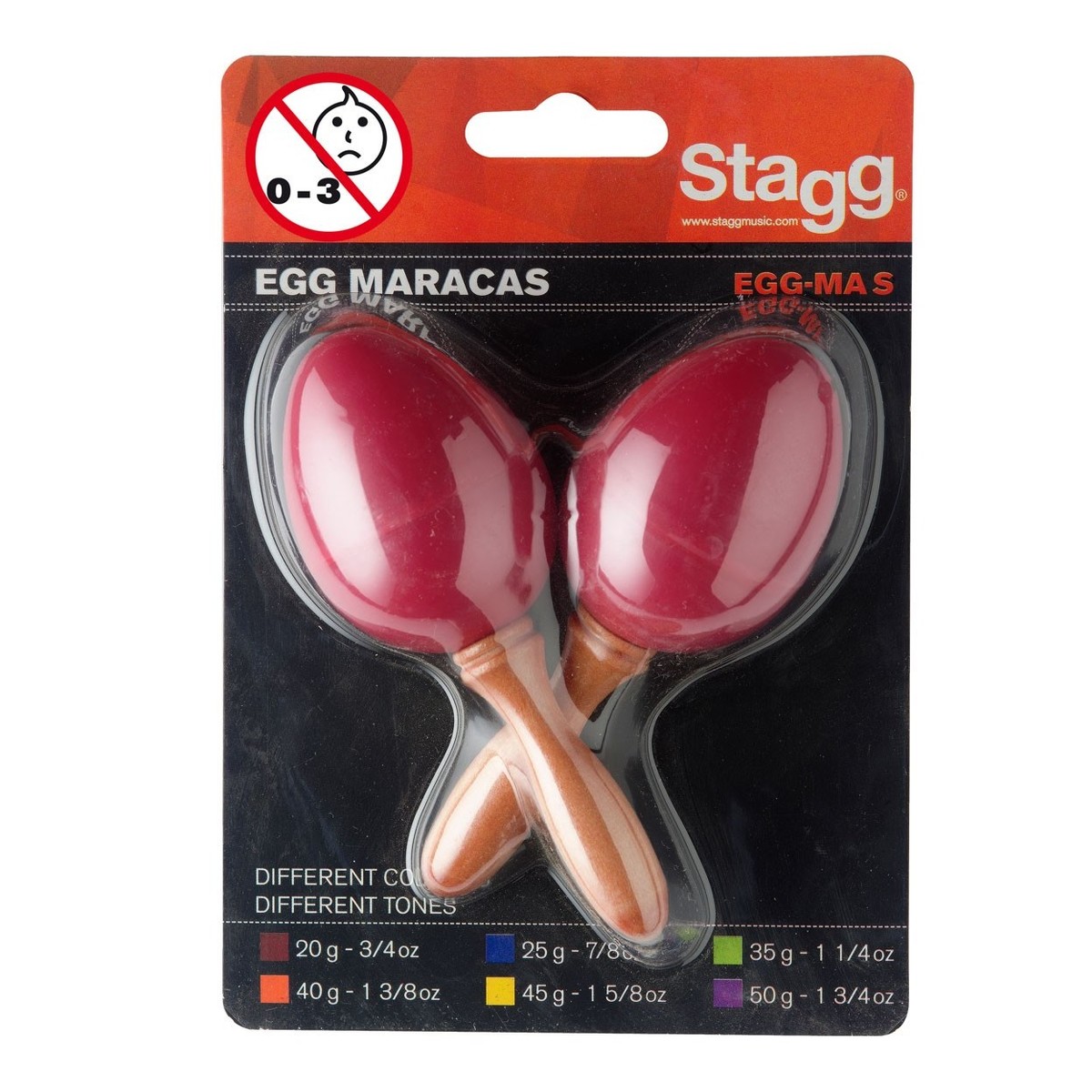 £3.99 ($5)
Stagg
Stagg Plastic Egg Maracas Red
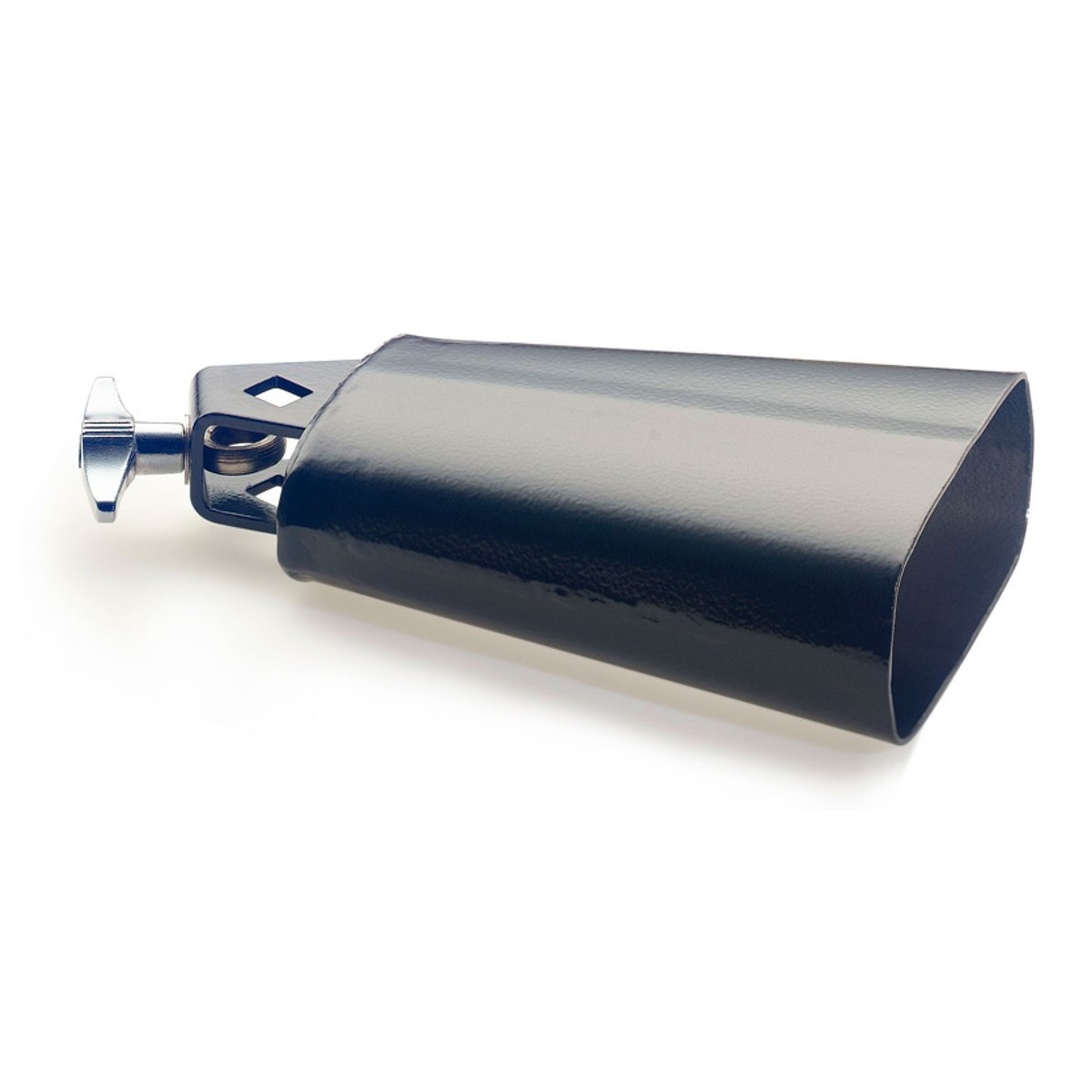 £9.99 ($13)
Stagg
Stagg Rock 5-1/2" Cowbell Black
 £119.00 ($151)
Sonor
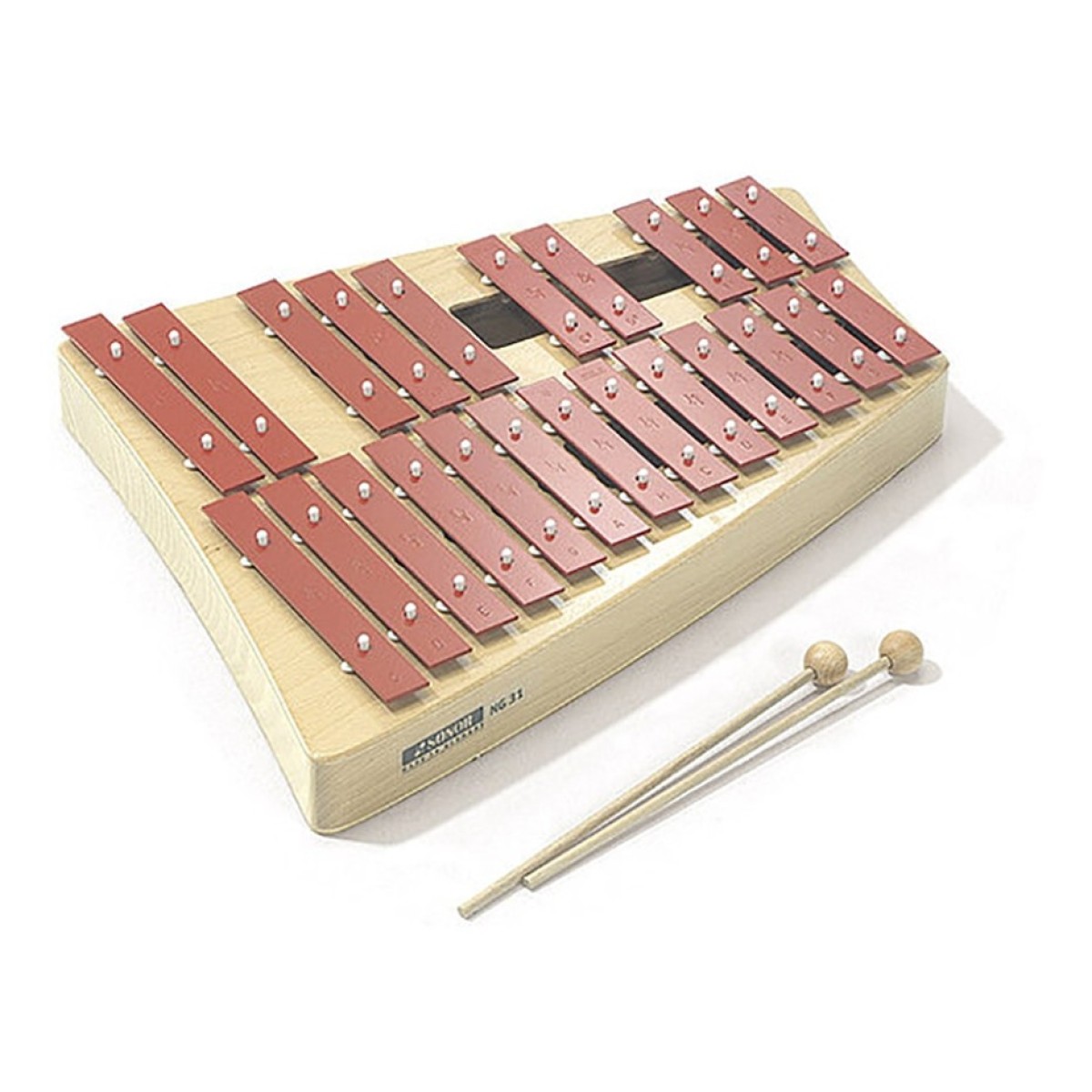
Sonor Orff NG31 Alto Chromatic Glockenspiel
 £23.70 ($30)
Remo
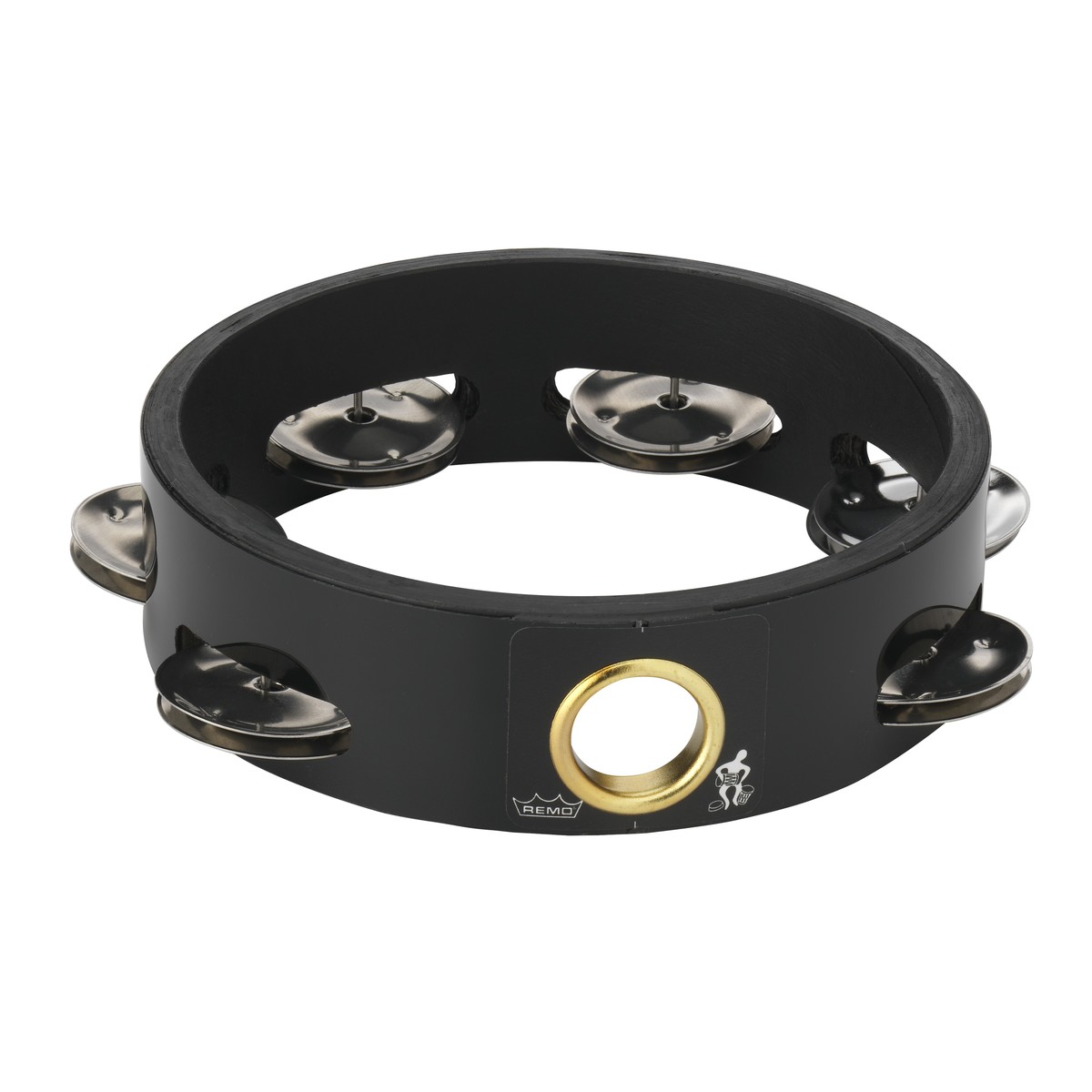
Remo 6 Single Row Headless Tambourine Black
 £299.00 ($380)
Meinl
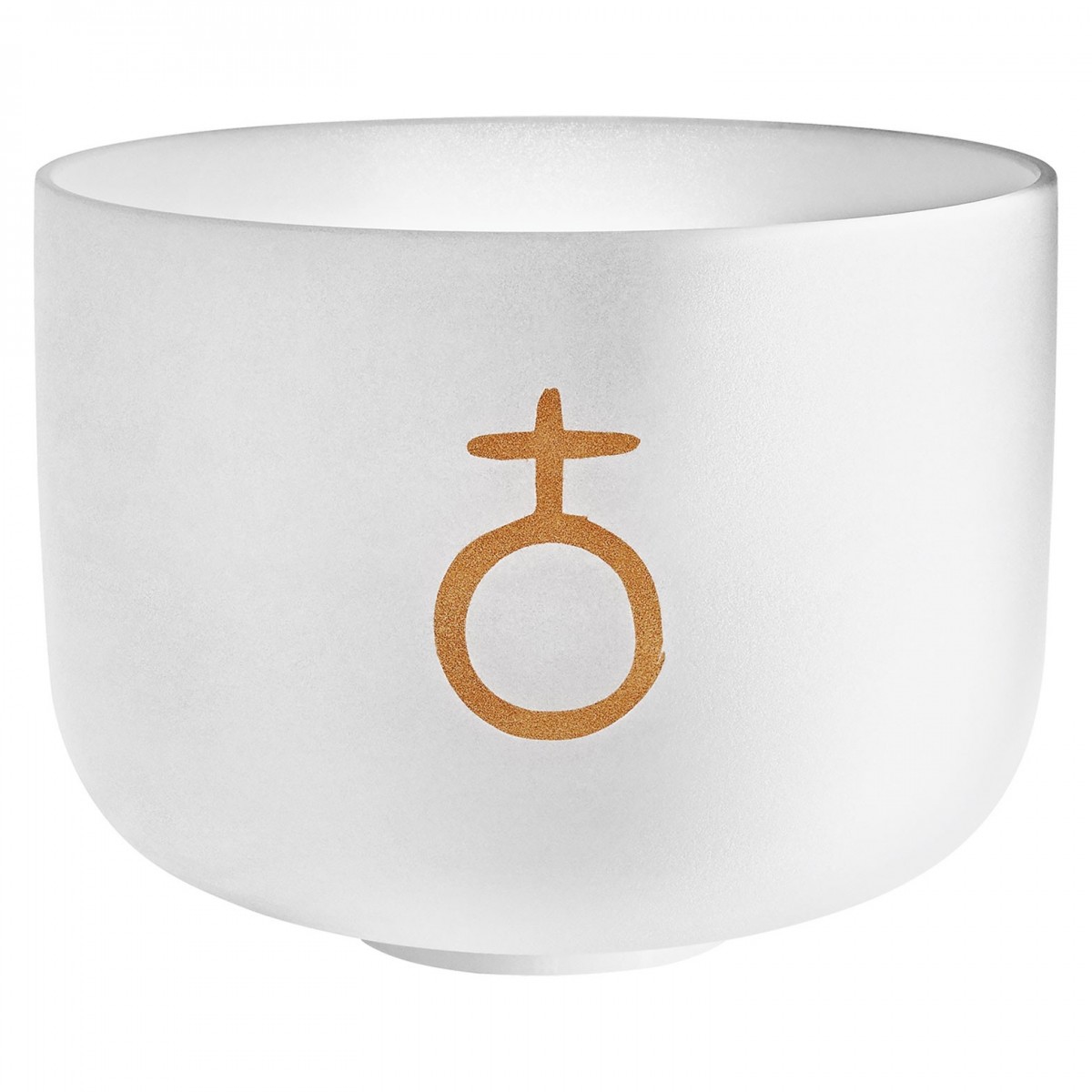
Meinl Planetary Tuned Crystal Singing Bowl 12" Earth Year / Om
 £16.00 ($20)
Fender
Fender Blues Deluxe Harmonica A
 £23.80 ($30)
Meinl
Meinl Spin Spark Shaker Black Nickel
- £8.11 ($10)
Meinl
Meinl Small Plastic Egg Maracas Black
Frequently asked questions
- What is the primary material of the Hohner Marine Band 1896 comb?
- The comb is made from pearwood. It features a double layer of lacquer to prevent the wood from swelling when exposed to moisture during play.
- How are the reed plates and covers attached?
- Following the original design from 1896, the reed plates and covers are fixed together using nails. This is a traditional assembly method distinct from modern screw-based designs.
- Is this harmonica suitable for playing blues?
- Yes, it is specifically designed for an iconic blues sound. The responsiveness of the reeds allows for easy bending to reach the 'blue' notes between standard pitches.
- What key is this specific model tuned to?
- This specific model is tuned to the key of D Major. Other keys are available within the Marine Band 1896 product line.
- What is the purpose of the side vents on the covers?
- The side vents help shape the traditional blues sound and improve projection. They also allow the player to hear their own playing more clearly during performance.
- How does the 1896 model handle note bending?
- The instrument is highly responsive, which facilitates extremely effective note bending. This allows for greater expressive control compared to less responsive entry-level harmonicas.
- Does the Hohner Marine Band 1896 feel sluggish to play?
- No, the manufacturer specifies that there is no sensation of sluggishness from the reeds. It is designed to respond immediately to both draw and blow airflows.
- What does the 1896 sound like when playing multiple notes?
- Playing multiple notes simultaneously produces a rich and full sound. This effect is often described as being similar to the timbre of an accordion.
- What is the typical price for this harmonica in the UK?
- The typical price range for the Hohner Marine Band 1896 is approximately £41.00. This places it in the mid-to-professional price bracket for harmonicas.
- How does the pearwood comb affect the tone?
- The pearwood comb is responsible for the 'woody' tone that the Marine Band series is famous for. This organic material provides a different resonance compared to plastic or metal combs.
- Is the wood protected against moisture?
- Yes, Hohner applies a double layer of lacquer to the pearwood comb. This treatment is intended to prevent the wood from swelling over time due to saliva and humidity.
- Who are the typical users of this instrument?
- It is used by professionals all over the world due to its historical pedigree and specific tonal characteristics. It is a staple instrument in professional blues and folk setups.