
Gear article
iFi Audio Hip-DAC 3
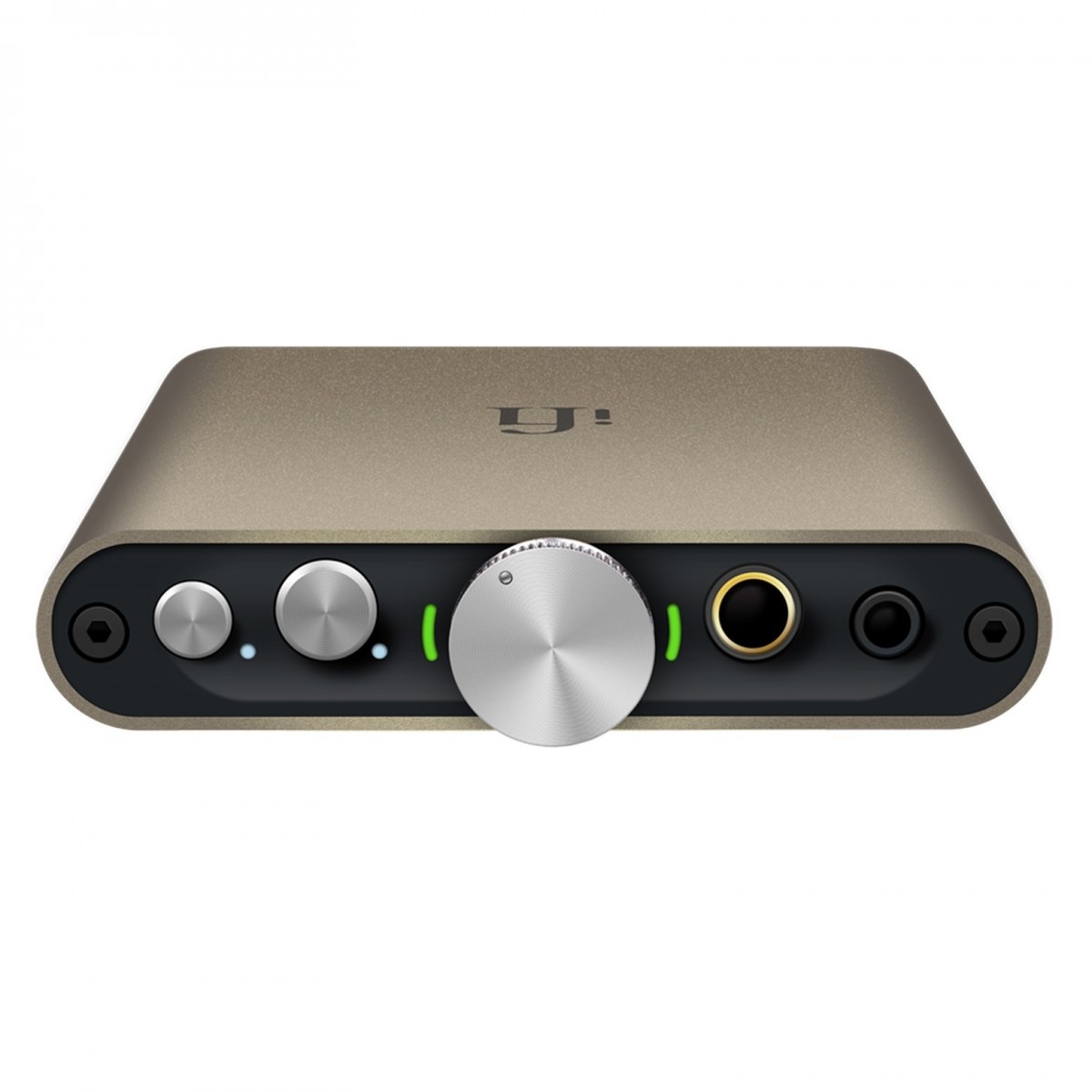
The iFi Audio Hip-DAC 3 is a portable digital-to-analogue converter (DAC) and headphone amplifier designed for high-resolution audio playback on the go. It features a distinctive hip-flask design and utilises a Burr-Brown chipset alongside a 16-core XMOS microcontroller to support high-fidelity formats including DSD, DXD, and MQA.
Background and Design
The Hip-DAC 3 is the third iteration in iFi Audio's popular series of portable DAC/amps. Retaining the signature 'hip-flask' silhouette that defined its predecessors, the device is engineered to provide a significant audio upgrade over the standard internal sound cards found in smartphones, tablets, and laptops. It serves as a bridge between digital source devices and high-quality wired headphones.
The device is built around a true balanced circuit design, which is relatively rare in portable units at this price point. This architecture is intended to reduce signal noise and crosstalk, resulting in a cleaner output.
Technical Architecture
At the core of the Hip-DAC 3 is a Burr-Brown DAC chipset, selected by iFi for its 'musical' sound characteristics and True Native architecture. This is paired with a 16-core XMOS microcontroller that processes the data received via the USB input. This combination allows the device to handle a wide array of high-resolution digital formats:
- PCM and DXD: Supports sampling rates up to 384kHz.
- DSD: Full support for high-resolution DSD files.
- MQA: Includes full decoding technology for Master Quality Authenticated streams, commonly used by high-resolution streaming services.
Key Features and Control
The Hip-DAC 3 includes several proprietary iFi technologies designed to accommodate a variety of earphone types.
PowerMatch is a switchable gain control that adjusts the output level to match the requirements of the connected headphones. Lower gain is used for sensitive in-ear monitors, while higher gain provides the voltage swing necessary for demanding over-ear headphones.
iEMatch is a specialised circuit designed for high-sensitivity in-ear monitors (IEMs). It functions by reducing background hiss and enhancing the usable volume range, ensuring that even very sensitive monitors can be used without audible floor noise.
Sound Profile and Suitability
The Hip-DAC 3 is characterised by its focus on precision and immersion. The use of the Burr-Brown chipset typically provides a natural and smooth presentation compared to some sharper, more clinical ESS-based alternatives.
This device is primarily suited for audiophiles who require a portable solution that does not compromise on file format support. It is particularly effective for users who toggle between sensitive IEMs and more power-hungry headphones, thanks to the combination of iEMatch and PowerMatch technologies.
Related gear
- €10.50 ($11)
Equinox
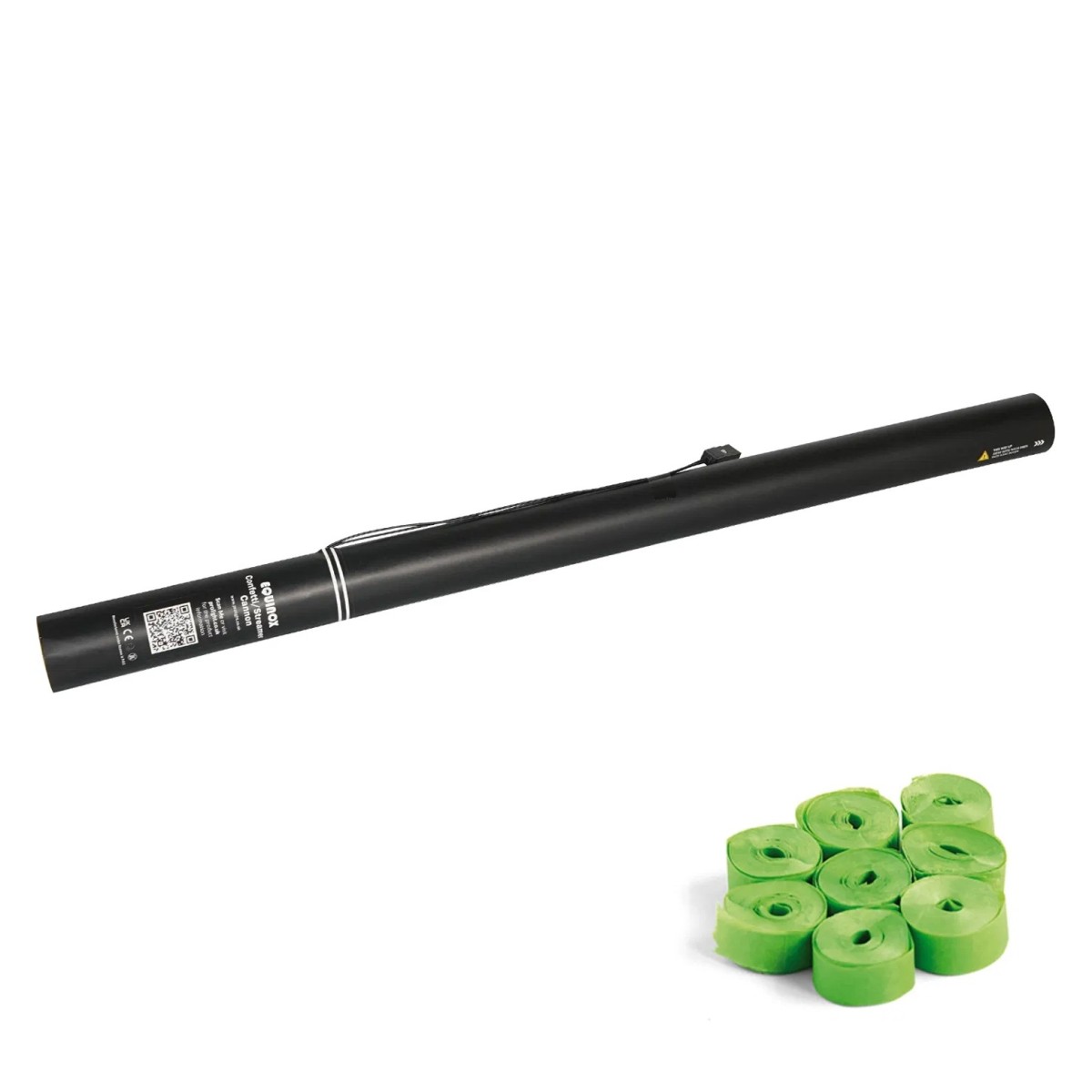
80cm Electric Streamer Cannon Light Green
 £9.50 ($12)
Equinox
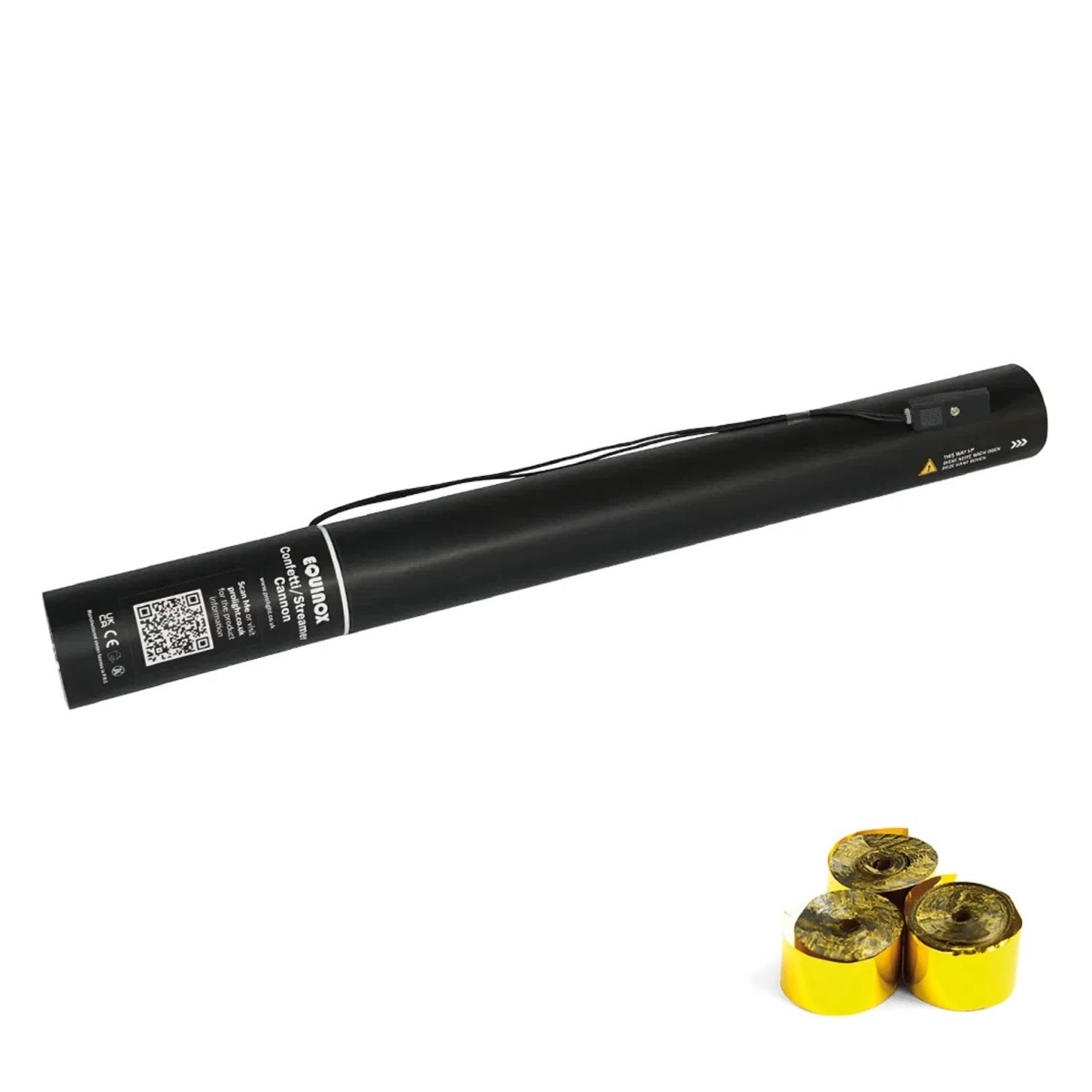
50cm Electric Streamer Cannon Metallic Gold
 £9.50 ($12)
Equinox
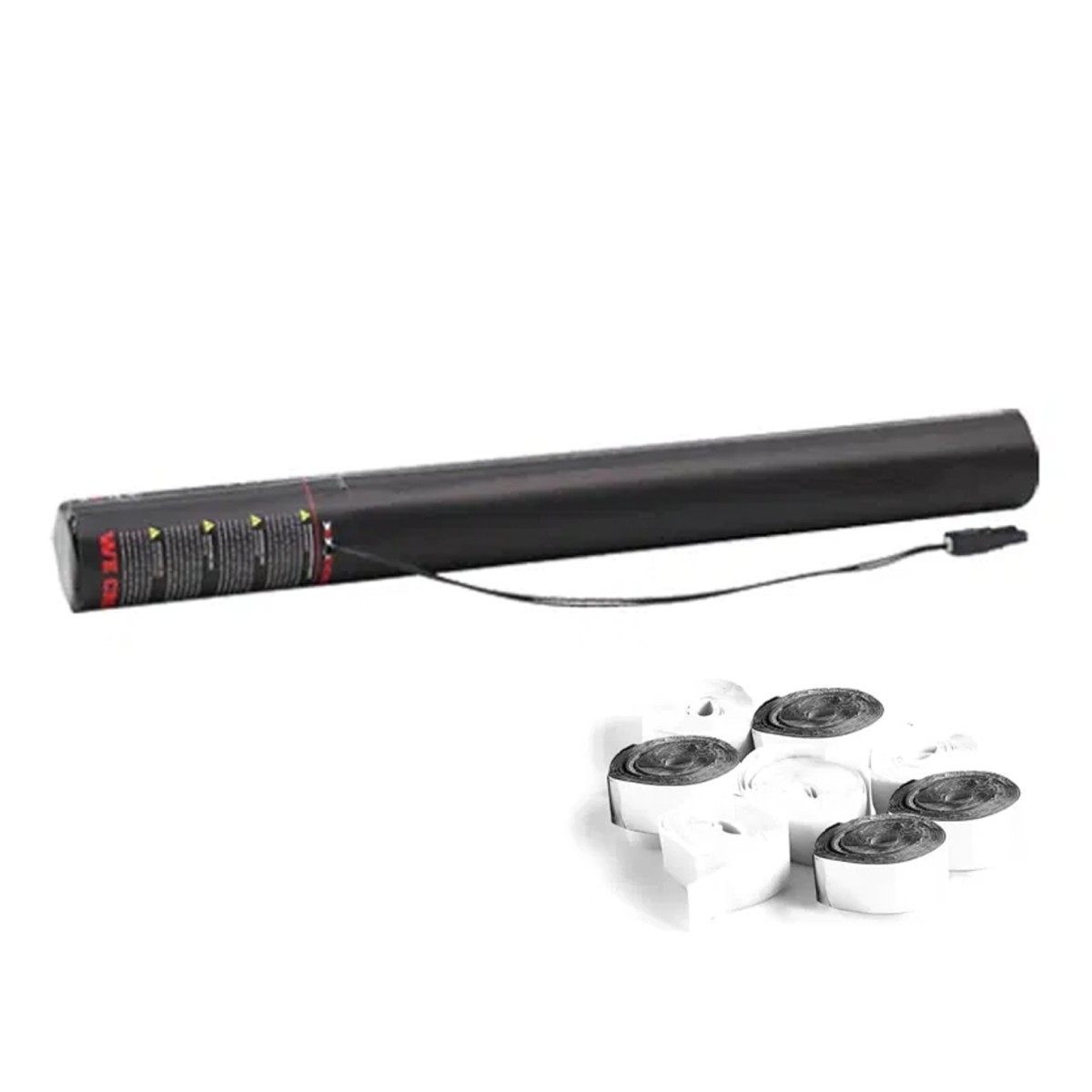
50cm Electric Streamer Cannon White/Silver
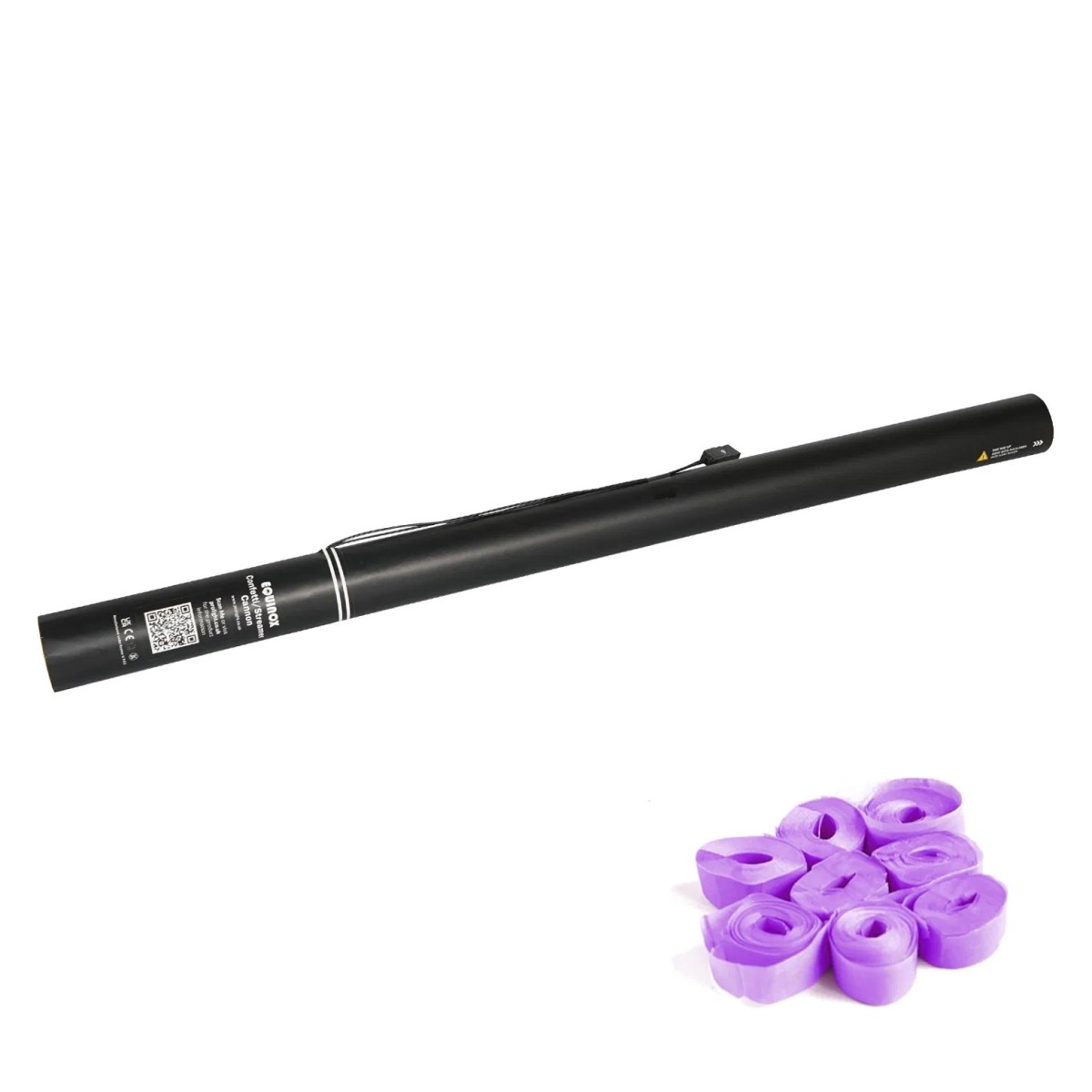 £10.50 ($13)
Equinox
80cm Electric Streamer Cannon Purple
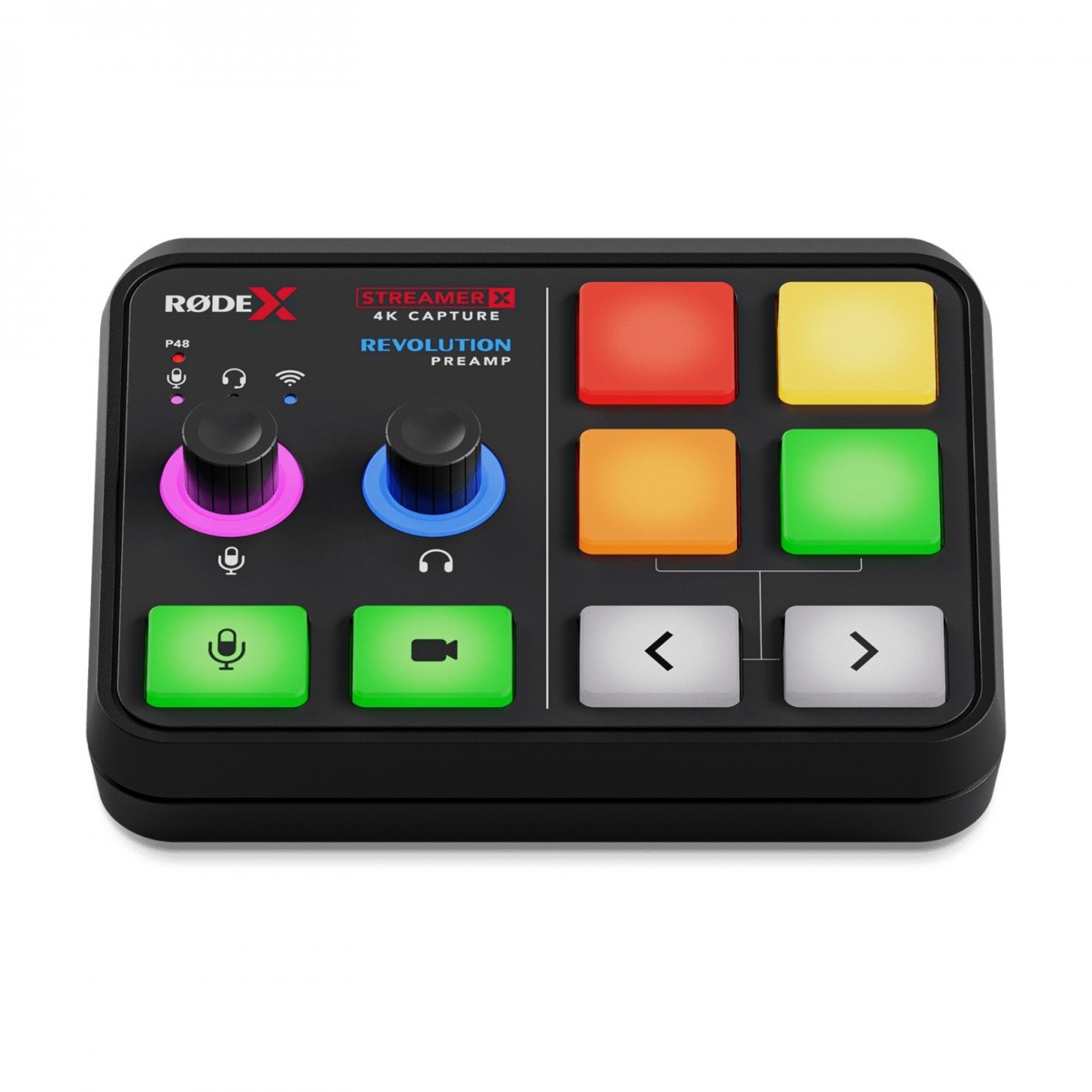 £239.50 ($304)
Rode
Rode Streamer X Streaming Solution for Video and Audio
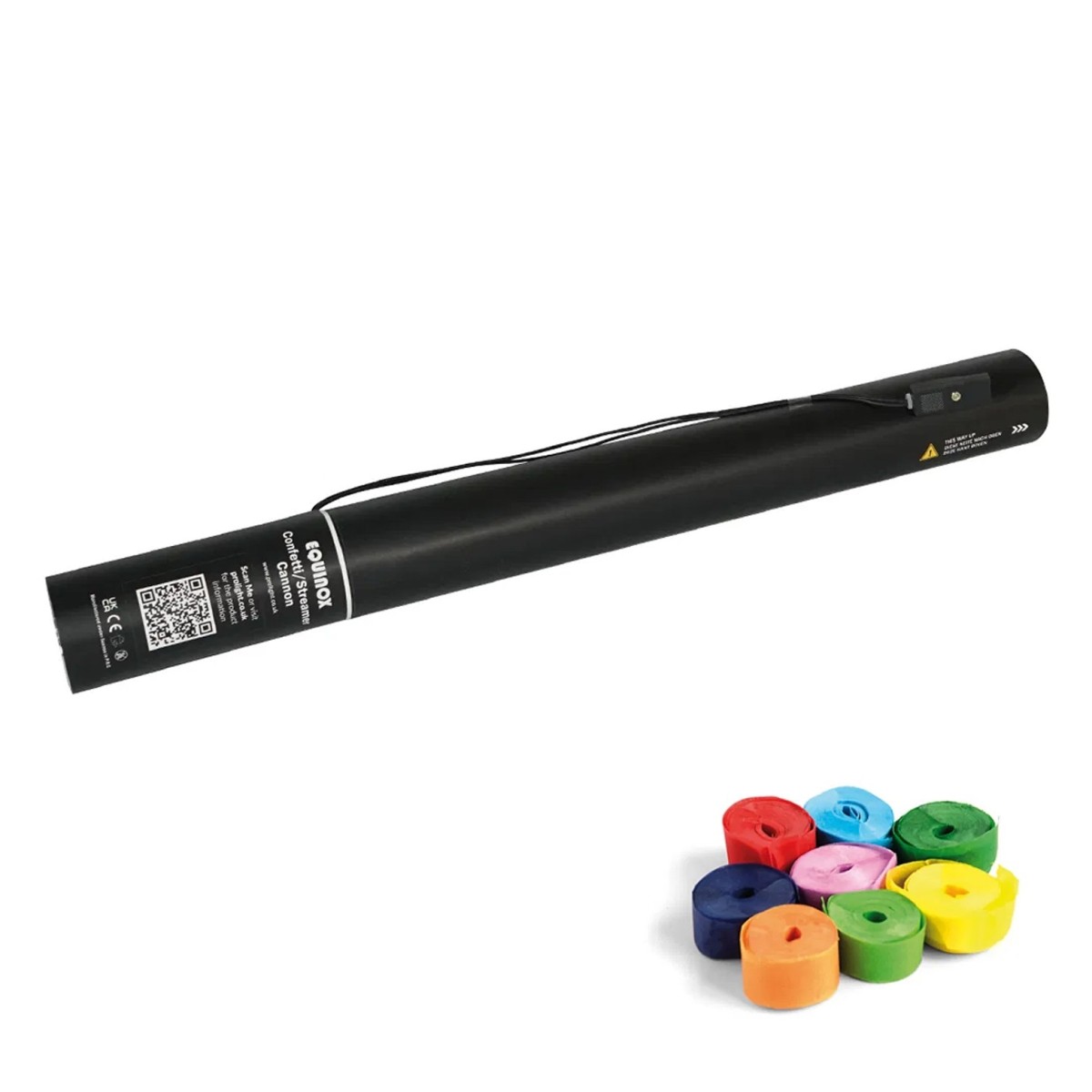 €7.90 ($9)
Equinox
50cm Electric Streamer Cannon Multicolour
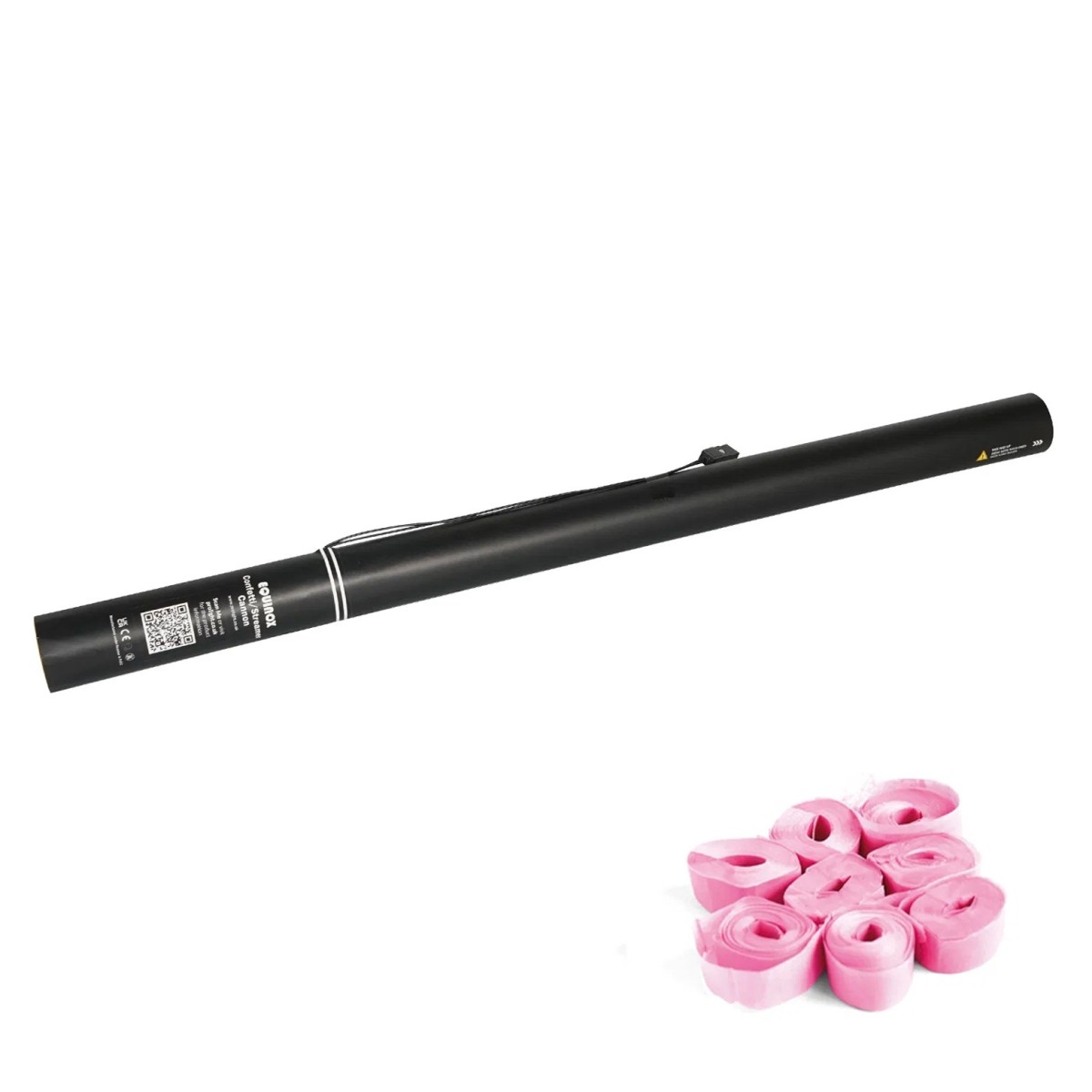 £10.50 ($13)
Equinox
80cm Electric Streamer Cannon Pink
 £10.50 ($13)
Equinox
80cm Electric Streamer Cannon Multicolour
Frequently asked questions
- What is the primary function of the iFi Hip-DAC 3?
- The Hip-DAC 3 acts as an external digital-to-analogue converter and headphone amplifier. It takes digital audio data from a source device like a phone or laptop and converts it into a high-quality analogue signal to drive wired headphones.
- What DAC chipset does the Hip-DAC 3 use?
- It uses a Burr-Brown DAC chipset. This specific hardware is chosen for its 'True Native' architecture and its reputation for delivering a musical, natural sound quality.
- Does the Hip-DAC 3 support MQA?
- Yes, the device features full MQA (Master Quality Authenticated) decoding. This allows users to play back MQA files and streams, ensuring the audio matches the original master recording.
- What is the purpose of the iEMatch technology?
- iEMatch is a proprietary feature designed for high-sensitivity in-ear monitors. It helps eliminate the background hiss often heard with sensitive earphones and allows for a more precise volume control range.
- Can the Hip-DAC 3 drive power-hungry over-ear headphones?
- Yes, it features a switchable 'PowerMatch' gain control. By engaging this, the amplifier increases its output level to provide sufficient drive for headphones with higher impedance or lower sensitivity.
- What is the maximum audio resolution supported?
- The Hip-DAC 3 supports PCM and DXD formats up to 32-bit/384kHz. It also offers native support for high-resolution DSD files.
- How does the Hip-DAC 3 connect to a source device?
- The device typically connects via USB. It features a 16-core XMOS microcontroller to manage the digital data transfer from the source to the DAC circuit efficiently.
- What are the benefits of the balanced circuit design?
- The Hip-DAC 3 utilises a true balanced circuit, which is intended to reduce signal distortion. This design helps in achieving a cleaner, more immersive sound by minimising interference.
- Is the Hip-DAC 3 portable?
- Yes, it is designed as a portable unit with a compact 'hip-flask' form factor. It is intended for use 'on the go' with mobile devices as well as at a desktop.
- What is the typical price for the iFi Hip-DAC 3?
- The device typically retails for approximately £199. This places it in the mid-range category for portable audiophile DAC/amplifiers.
- Does the Hip-DAC 3 have an internal battery?
- Yes, as a portable device, it contains an internal battery to power the DAC and amplifier circuits. This prevents the unit from draining the battery of the connected smartphone or source device.
- How does the Hip-DAC 3 compare to the Rode Streamer X?
- The Hip-DAC 3 is a dedicated portable hi-fi DAC/amp focused on music playback. The Rode Streamer X is a streaming solution designed for video and audio production, featuring different connectivity such as HDMI, making them suited for entirely different tasks.