
Gear article
IK Multimedia ToneX Pedal
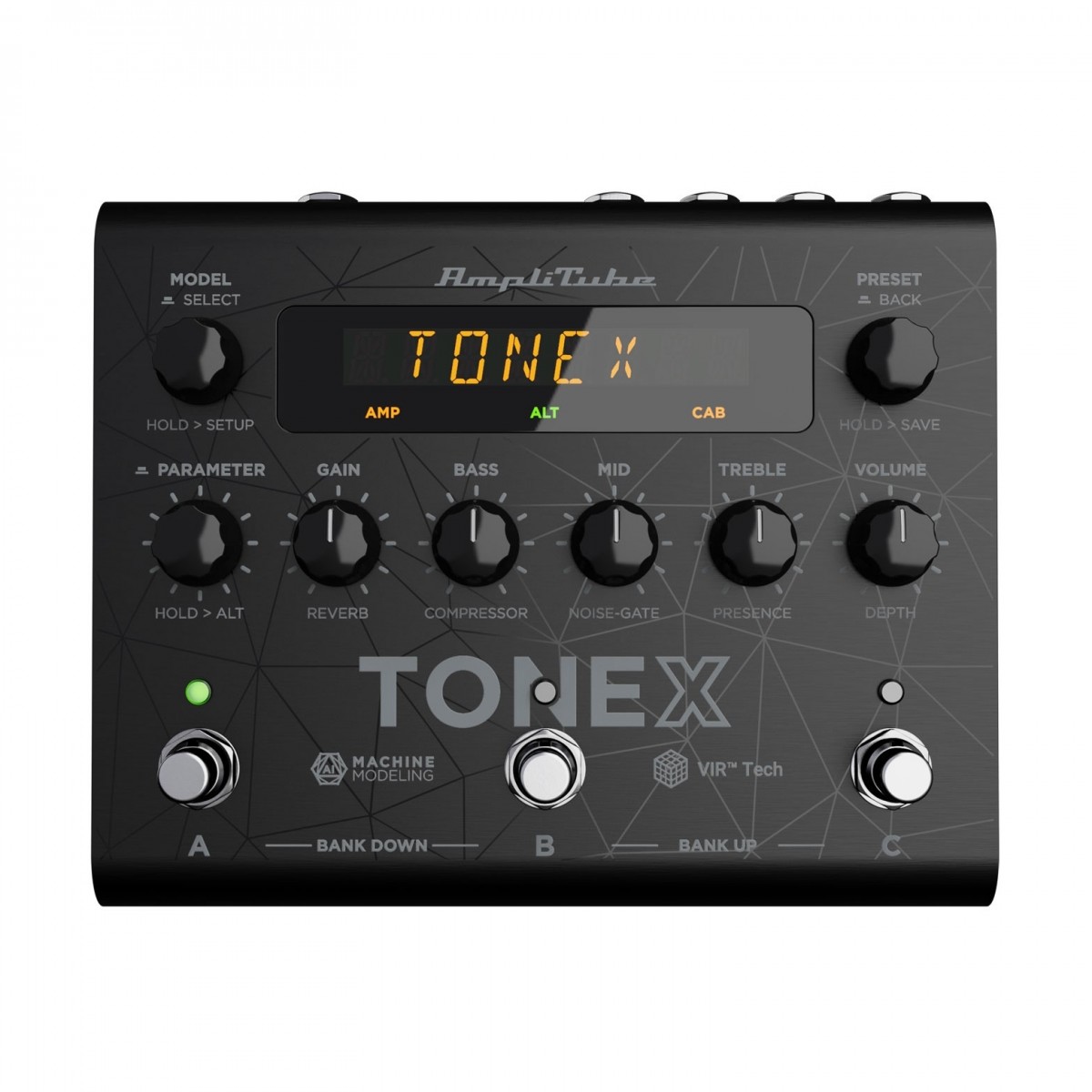
The IK Multimedia ToneX Pedal is a digital guitar effects processor designed to host high-resolution AI-powered captures of amplifiers, cabinets, and distortion pedals. It utilises proprietary AIMM (AI Machine Modeling) technology to recreate the sonic characteristics of specific hardware rigs with high precision.
Overview and Technology
The ToneX Pedal represents a shift in digital amplification by focusing on 'Tone Models' rather than traditional algorithmic modeling. Using IK Multimedia's AIMM technology, the device can replicate the complex non-linear behaviour of vacuum tube amplifiers and saturation circuits. The hardware serves as a portable housing for the software ecosystem, allowing users to take studio-captured rigs into a live environment without a computer.
Key Features and Signal Chain
The pedal offers comprehensive control over the signal path, including:
- Capture Capability: Models distortion, overdrive, fuzz, boost, compressors, and EQs alongside amplifiers.
- Tone Sculpting: Physical control knobs allow for real-time adjustment of gain, volume, and EQ parameters.
- Cabinet Flexibility: Users can swap the cabinet included in a Tone Model for any third-party Impulse Response (IR).
- Hardware Design: Features premium components designed for signal clarity and low noise floors, supported by powerful on-board DSP.
Sonic Character
The sonic profile of the ToneX Pedal is defined by its accuracy to the original source equipment. Because it relies on AI captures, it avoids the 'digital sheen' sometimes associated with standard modeling. It is designed to preserve the dynamics and touch sensitivity of the original amplifier, ranging from pristine clean tones to high-gain distortion and vintage fuzz textures.
Application and Compatibility
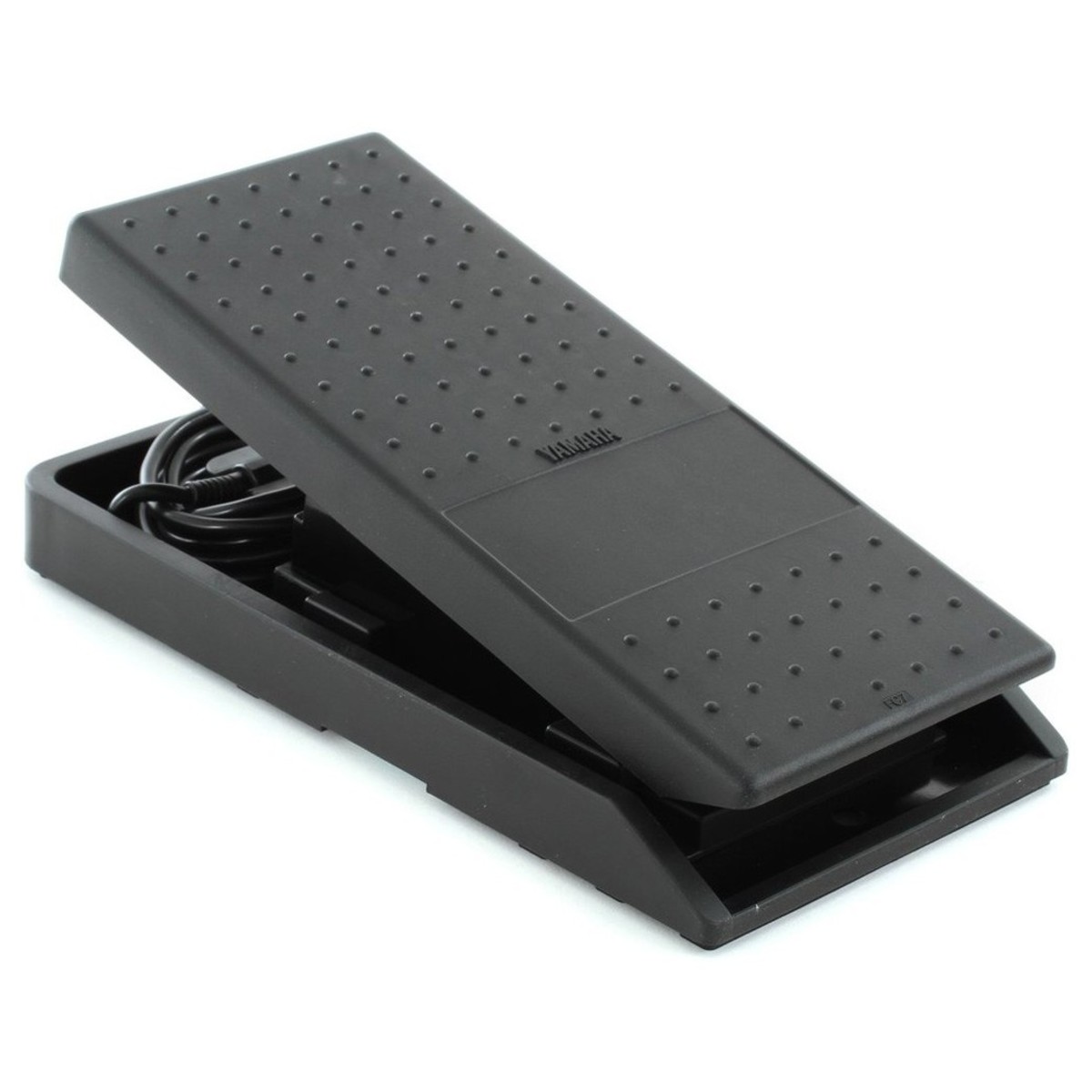
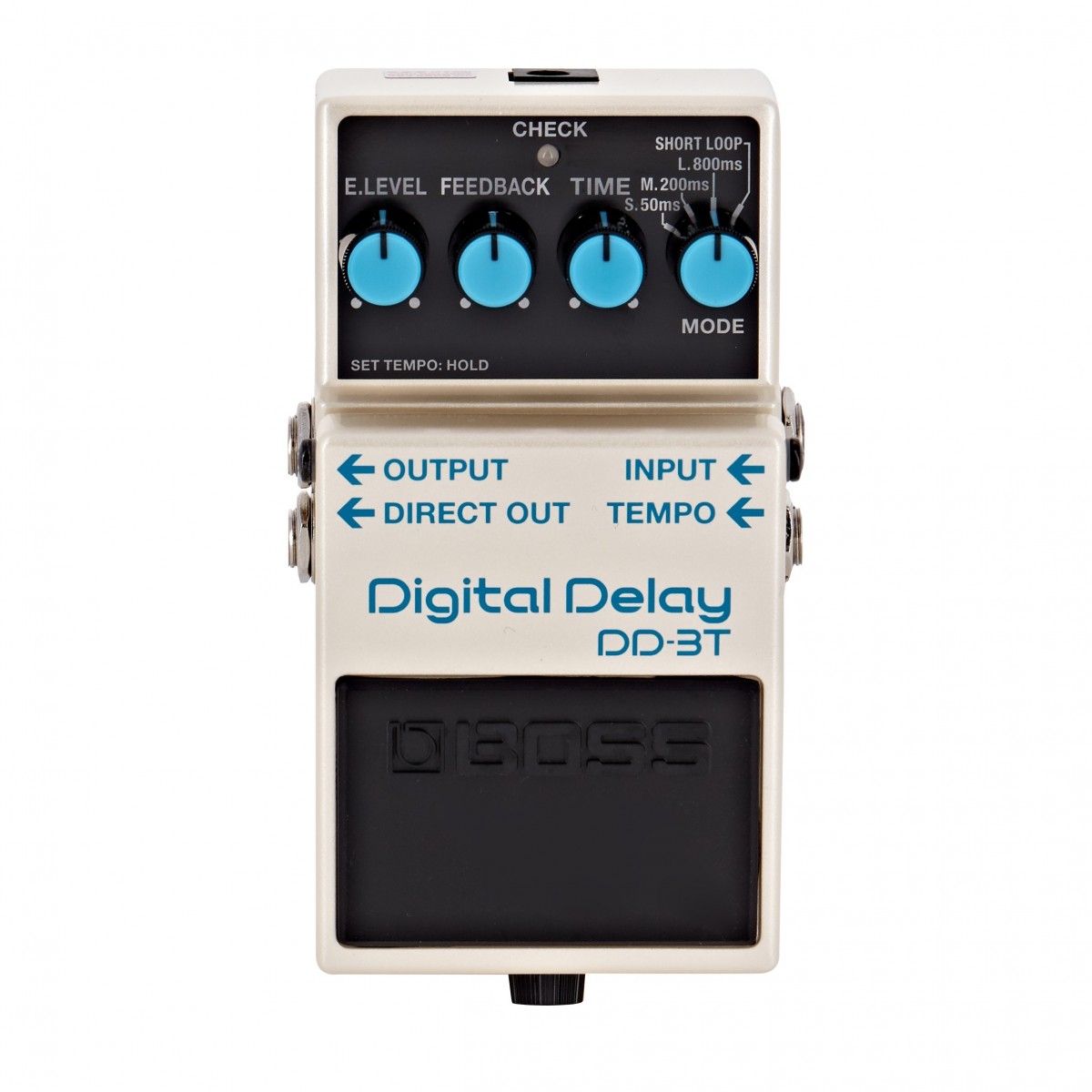
The device is primarily intended for guitarists and bassists who require a portable alternative to heavy amplifier rigs. It integrates into modern pedalboards alongside standard effects. While it provides amp and drive sounds, users often pair it with external spatial effects such as the Boss DD-3T Digital Delay or modulation units like the Fender Hammertone Flanger. For volume or parameter control, it is compatible with external controllers like the Yamaha FC7 Expression Pedal.
Comparison to Traditional Gear
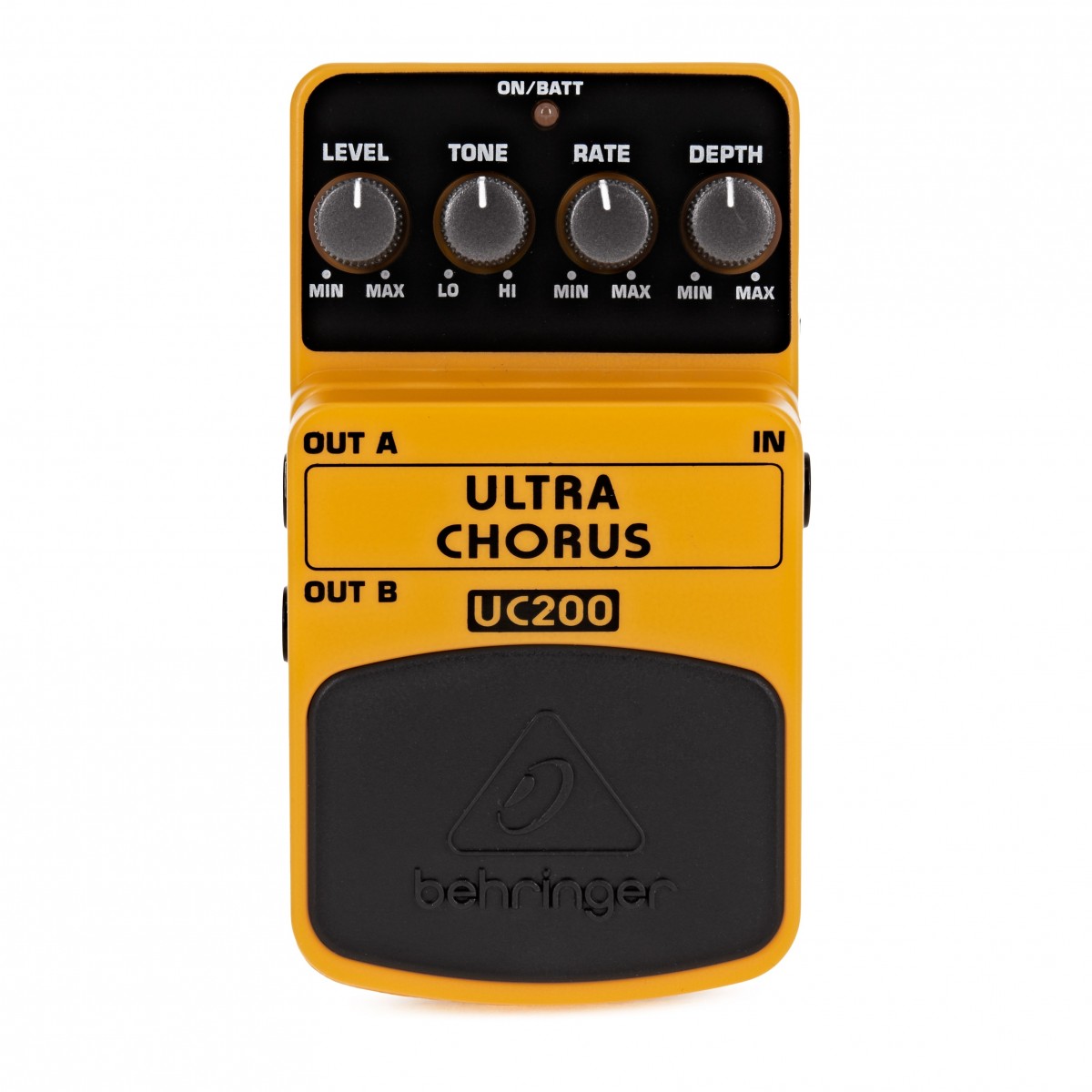
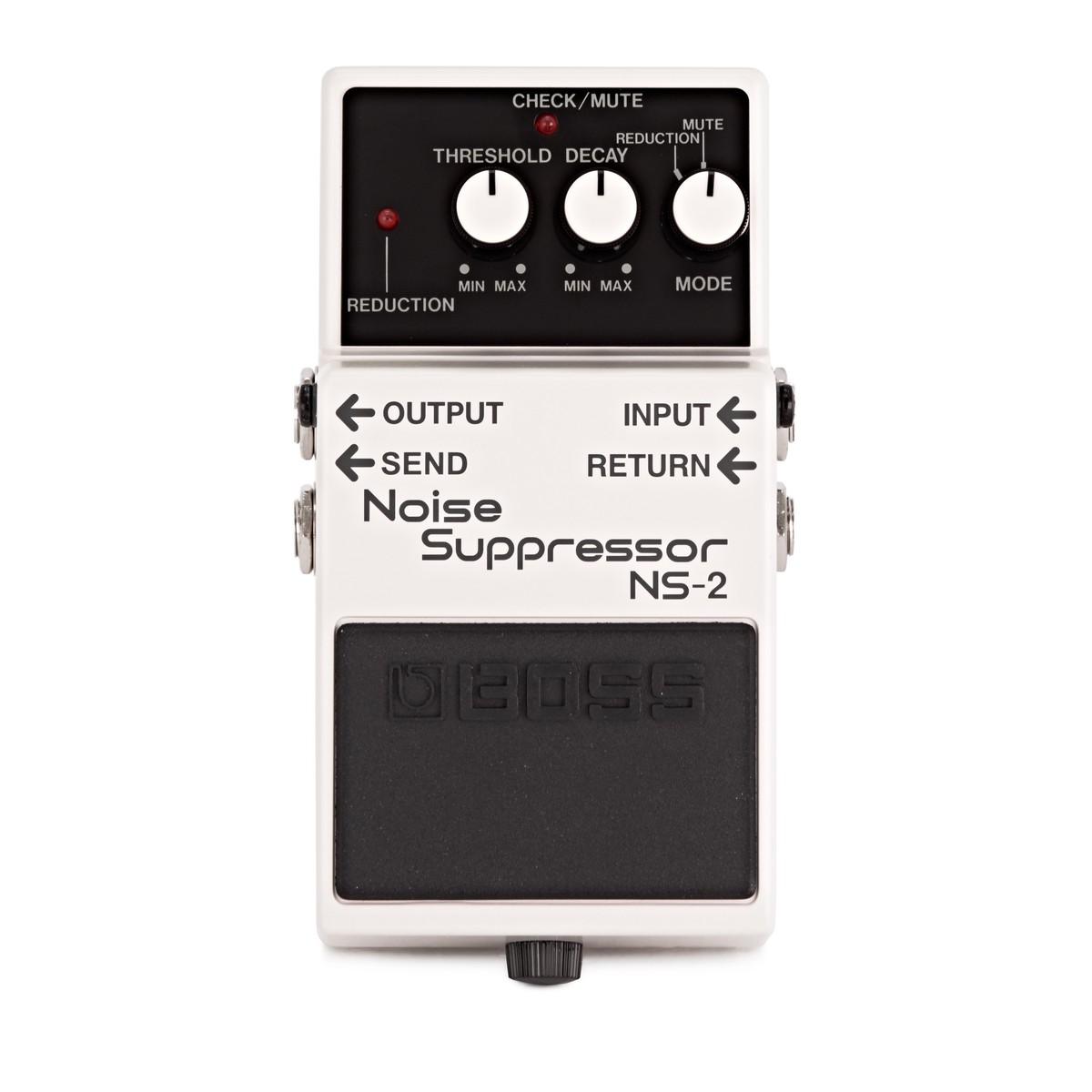
Unlike a traditional amplifier which is limited to its own circuit, the ToneX Pedal provides access to a library of signature artist tones and user-generated profiles. Compared to multi-effect units like the Boss NS-2 or Behringer UC200 which perform specific singular tasks, the ToneX acts as the core 'brain' of the signal chain, replacing the need for multiple drive pedals and a physical speaker cabinet.
Related gear
 £119.00 ($151)
Digitech
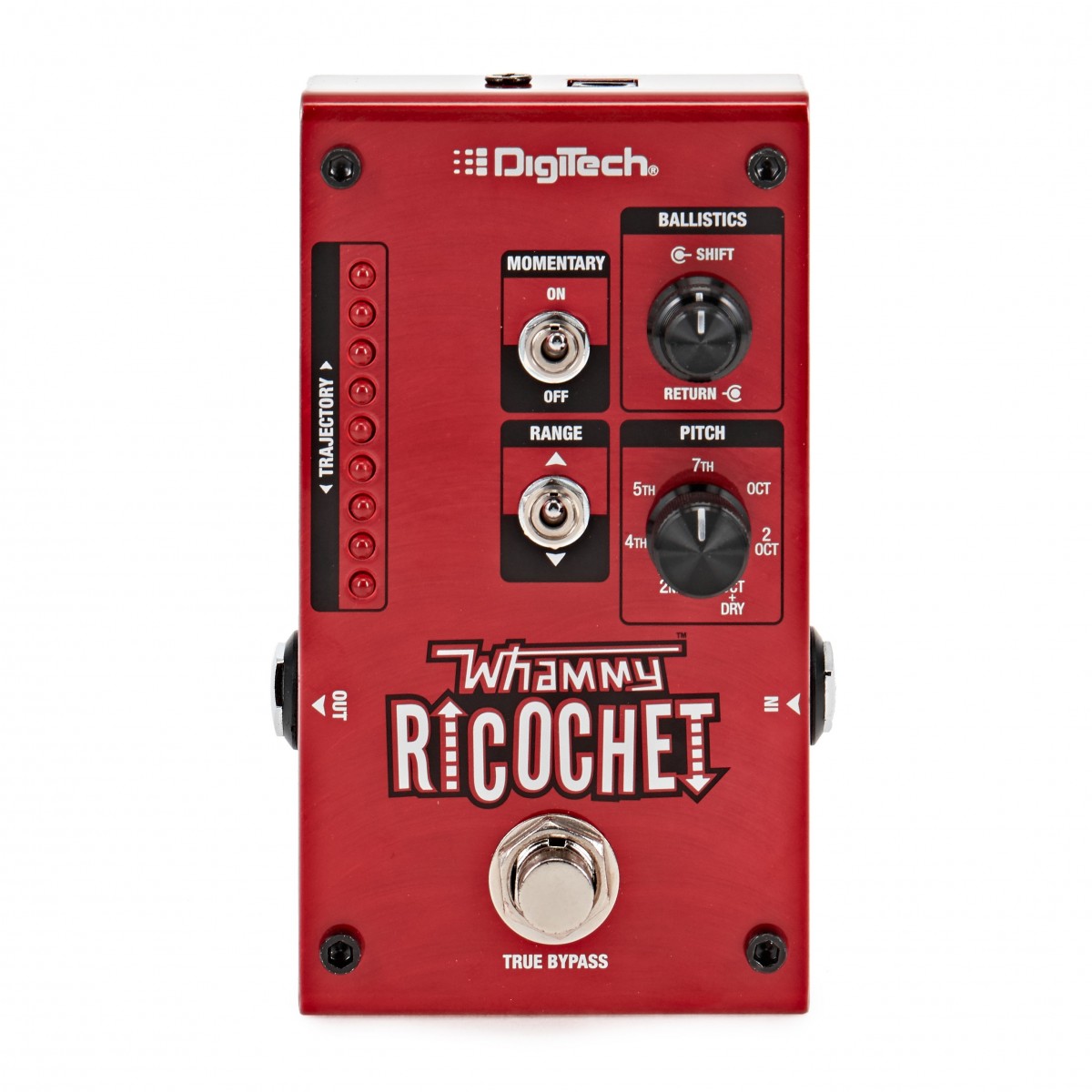
Digitech Whammy Ricochet Guitar Effects Pedal
 £85.00 ($108)
Fender
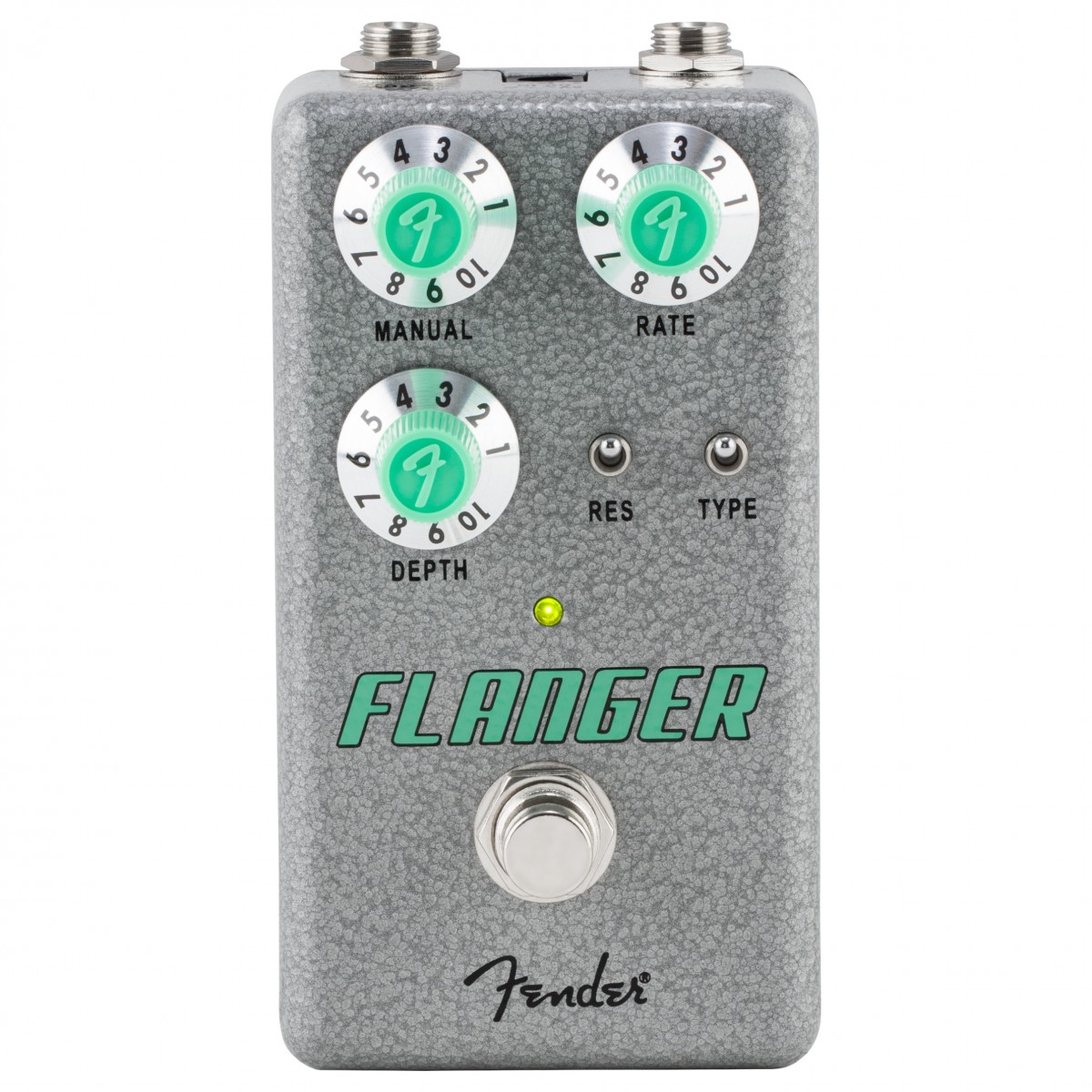
Fender Hammertone Flanger Pedal
 £23.00 ($29)
Behringer
Behringer UC200 Ultra Chorus Pedal
 £259.00 ($329)
Dunlop
Dunlop Mick Ronson Cry Baby Wah
 £109.00 ($138)
Fender
Fender American Standard Stratocaster Tremolo Bridge Assembly Chrome
- £78.60 ($100)
Yamaha
Yamaha FC7 Expression Pedal
 £175.00 ($222)
Boss
Boss DD-3T Digital Delay Pedal
 £99.10 ($126)
Boss
Boss NS-2 Noise Suppressor Guitar Pedal
Frequently asked questions
- What is the primary technology used in the ToneX Pedal?
- The pedal uses AIMM (AI Machine Modeling) technology. This proprietary system uses artificial intelligence to analyse and replicate the specific behaviour of hardware components like amps and pedals.
- Can I use my own Impulse Responses (IRs) with this pedal?
- Yes, you can swap the cabinet portion of any Tone Model. The pedal allows you to load and use any third-party IR of your choosing.
- Does the ToneX Pedal include built-in effects?
- It includes modelled versions of compressors and EQs as part of the rig capture. For other effects like delay or chorus, users typically add external pedals such as a Boss DD-3T or Behringer UC200.
- What kind of hardware can be captured using ToneX?
- The system can capture distortion, overdrive, fuzz, and boost pedals, as well as guitar and bass amplifiers and speaker cabinets.
- Is the ToneX Pedal suitable for live performance?
- Yes, it is designed specifically to bring studio-quality Tone Models to the stage. Its on-board DSP handles the processing so a computer is not required during a performance.
- How do I manage and edit my presets?
- Presets can be managed using the companion ToneX software. This allows you to organise your library, edit parameters, and transfer models to the pedal hardware via USB.
- Can the pedal function as an audio interface?
- The ToneX Pedal features USB connectivity which allows it to interface with software, though its primary function is as a standalone hardware modeller.
- Does the pedal support expression pedals?
- Yes, it can be used with external controllers such as the Yamaha FC7 Expression Pedal to control various parameters in real-time.
- How does the ToneX handle high-gain sounds?
- It uses high-resolution digital processing to model the complex saturation of fuzz and high-gain amps. For noise management at high gain, users may still choose to use a dedicated gate like the Boss NS-2.
- What is the typical price for the ToneX Pedal?
- The product typically retails for approximately £286, positioned as a mid-range professional guitar processor.
- Can I access tones created by other users?
- Yes, the ecosystem supports user-created profiles. You can download these from the community library and load them onto the pedal.
- Does it require a specific guitar to work?
- No, it is compatible with all standard electric guitars, including classic designs like a Fender American Standard Stratocaster.