
Gear article
JHS Pedals Coyote Fuzz
The JHS Pedals Coyote Fuzz is a specialised octave fuzz pedal based on the rare Moonrock Fuzz circuitry designed by Glenn S. Wyllie. Unlike traditional vintage fuzz circuits, it utilises an unconventional transformer-based setup to deliver textures ranging from gated 'blooming' effects to aggressive octave-up saturation.
See live pricesOverview and History
The JHS Pedals Coyote Fuzz represents a departure from the common lineages of fuzz effects. While most octave fuzz pedals are descendants of the Octavia, Super Fuzz, or Tone Machine designs, the Coyote Fuzz is a recreation of the Moonrock Fuzz. The Moonrock was an obscure, experimental design developed by Glenn S. Wyllie, known for its non-traditional architecture.
JHS Pedals integrated this experimental circuit into a modern enclosure, maintaining the unique transformer setup that defines its operation. The pedal is designed to offer a distinct alternative to the saturated, mid-scooped, or velcro-style fuzzes that dominate the market.
Circuitry and Functionality
The core of the Coyote Fuzz is an unconventional transformer-based circuit. This internal arrangement dictates how the pedal responds to input signal and dynamics. The interface is intentionally minimalist, centred around a multi-functional 'Swell / Fuzz / Octave' control.
- Lower Settings: At low positions, the pedal produces a gated, reverse-style bloom where the note fades in or reacts with a unique envelope.
- Mid-Range Settings: Around the noon position, the circuit provides a rich, thick fuzz that remains clear enough for chordal work.
- Higher Settings: When cranked, the pedal emphasizes aggressive octave-up harmonics and snarling bite.
Sound Character
The sonic signature of the Coyote Fuzz is characterized by its responsiveness and textural variety. Unlike many vintage fuzzes that are 'always on' at full saturation, the Coyote is highly sensitive to the guitar's volume control, allowing it to clean up effectively. The timbre moves between strange, blooming textures and traditional thick fuzz, with the octave component adding a sharp, cutting edge to lead lines without the predictable compressed feel of standard silicon or germanium fuzzes.
Suitability and Comparison
The Coyote Fuzz is best suited for players seeking non-standard fuzz tones and those who enjoy 'set and forget' simplicity through a single primary control. It appeals to experimentalists who find traditional Big Muff or Fuzz Face clones too conventional.
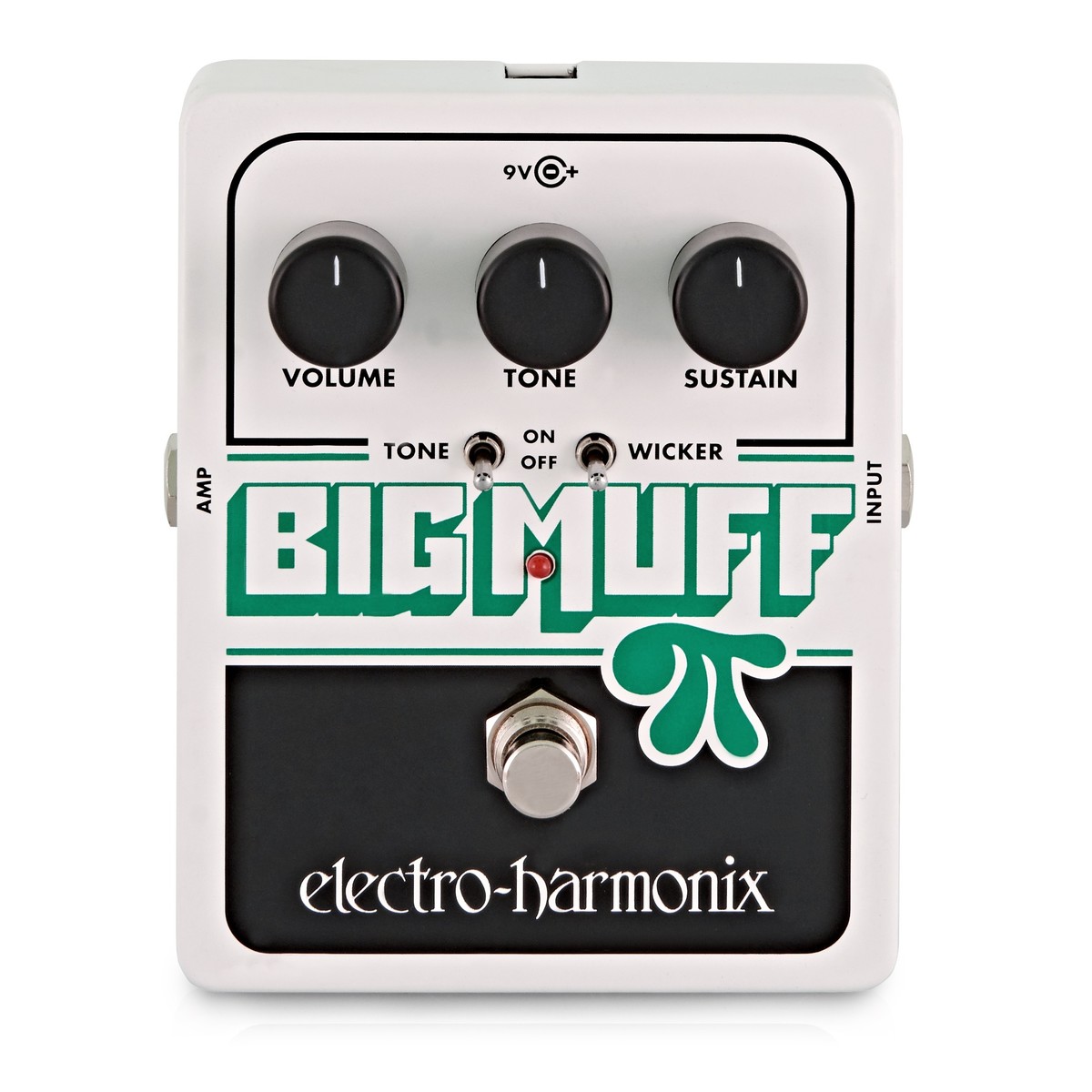
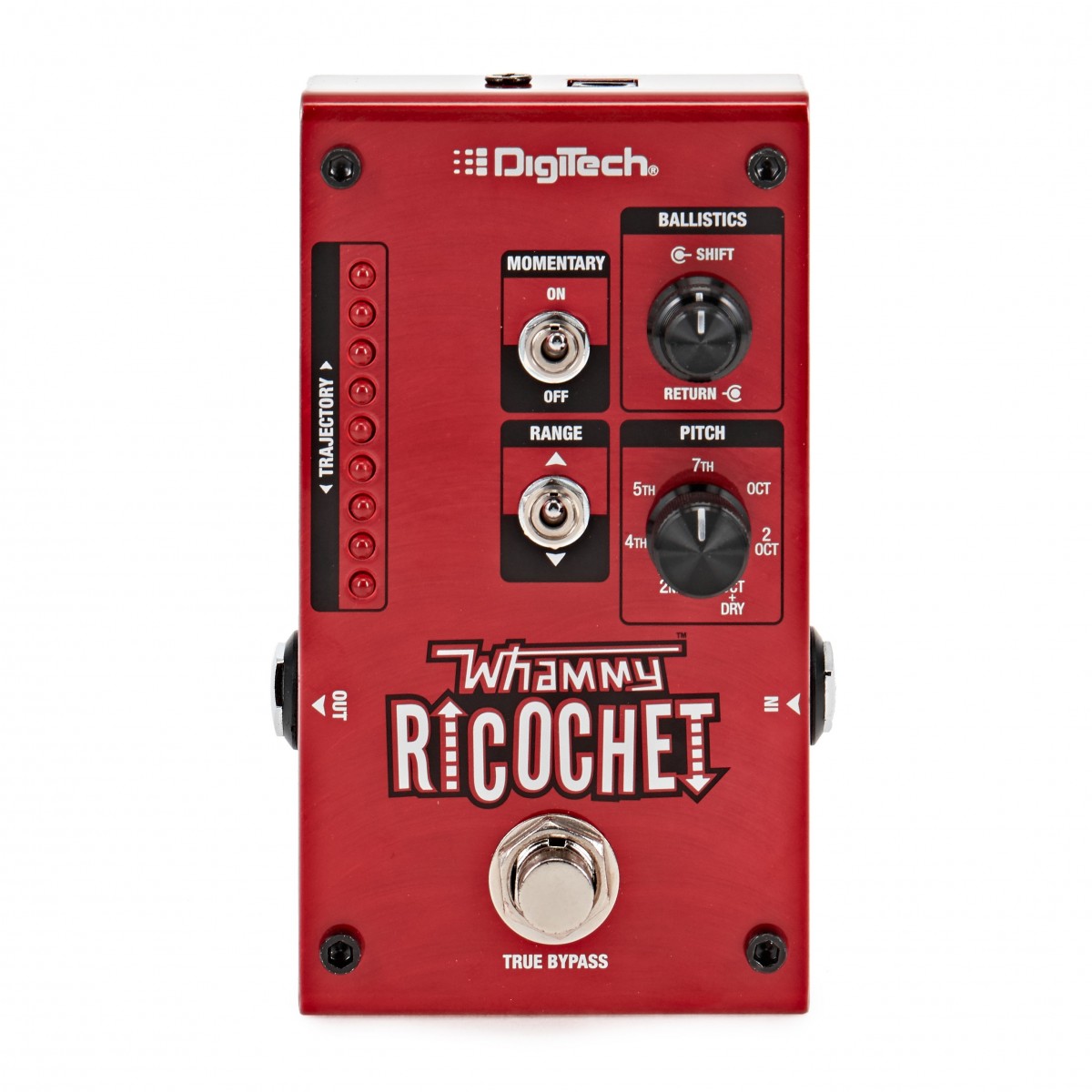
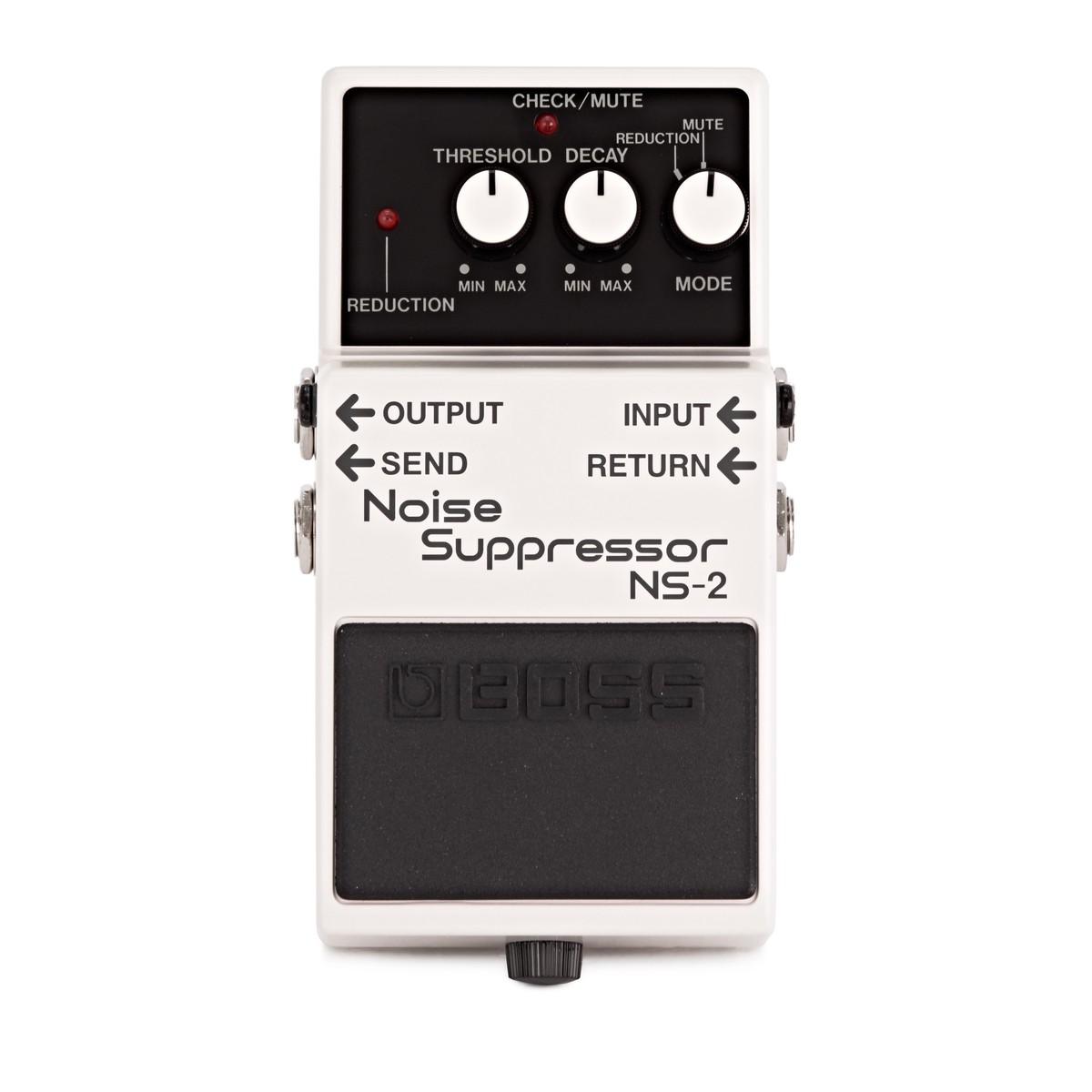
Compared to the Electro-Harmonix Big Muff w/ Tone Wicker, the Coyote is less about wall-of-sound sustain and more about dynamic response and octave generation. While tools like the Digitech Whammy Ricochet provide digital pitch shifting, the Coyote generates its octave through analogue circuit interaction, resulting in a more integrated, 'snarling' texture. For players who require noise management, the Boss NS-2 Noise Suppressor remains a common companion due to the high-gain nature of the fuzz circuit.
Related gear
 £97.00 ($123)
Electro Harmonix
Electro Harmonix Big Muff Distortion Sustainer w/ Tone Wicker
 £129.00 ($164)
Digitech
Digitech Whammy Ricochet Guitar Effects Pedal
 £85.00 ($108)
Fender
Fender Hammertone Flanger Pedal
 £19.90 ($25)
Behringer
Behringer UC200 Ultra Chorus Pedal
 £259.00 ($329)
Dunlop
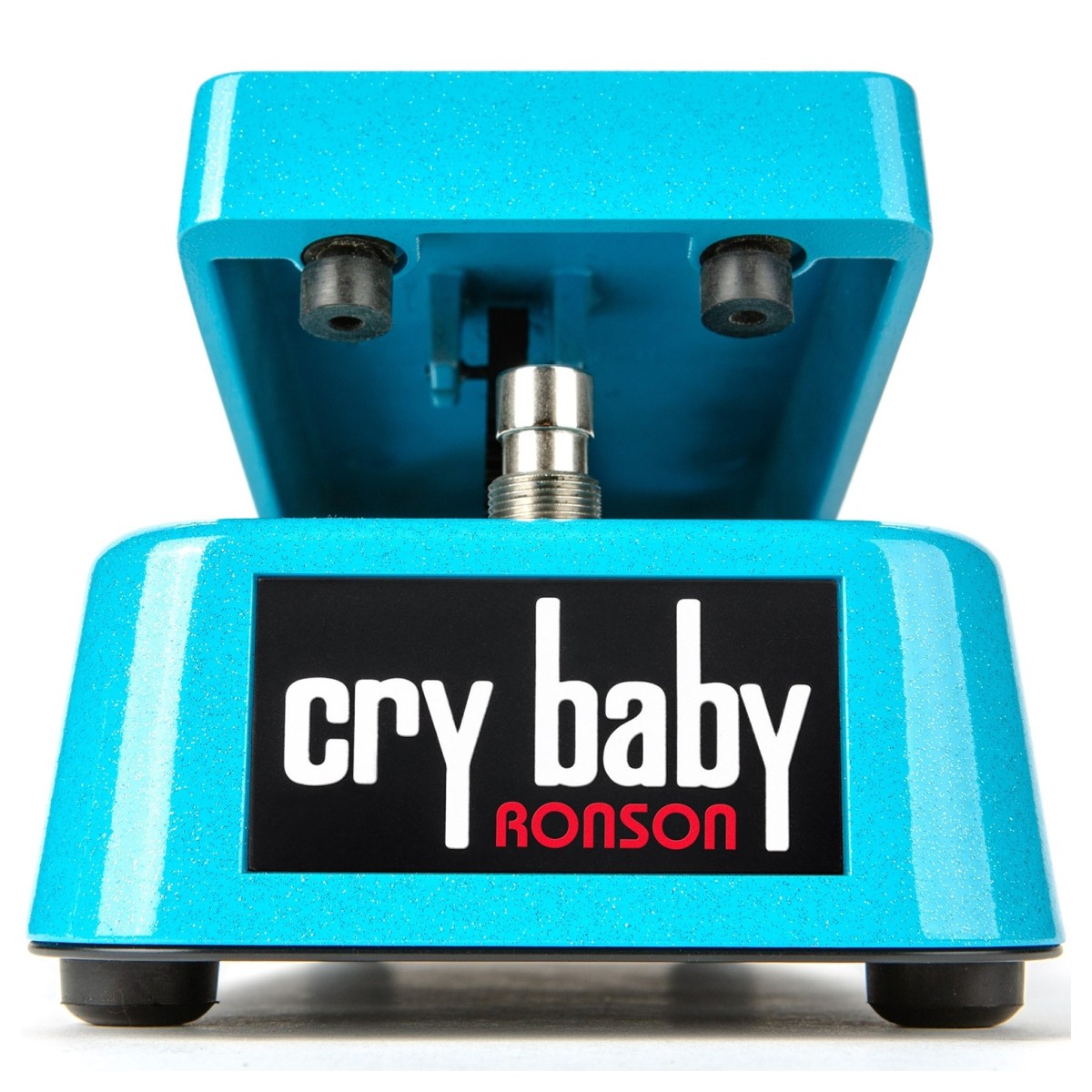
Dunlop Mick Ronson Cry Baby Wah
 £77.00 ($98)
Yamaha
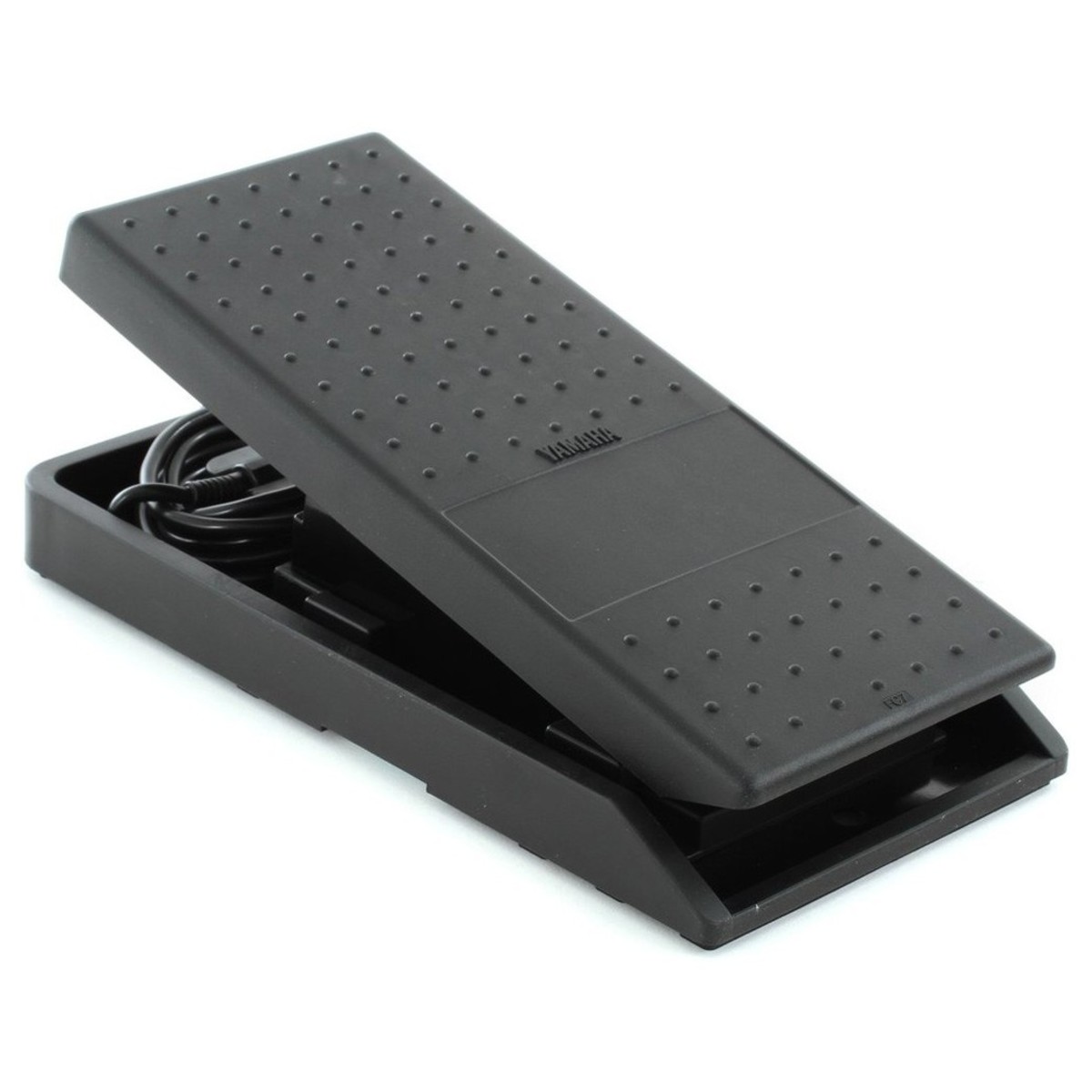
Yamaha FC7 Expression Pedal
 £175.00 ($222)
Boss
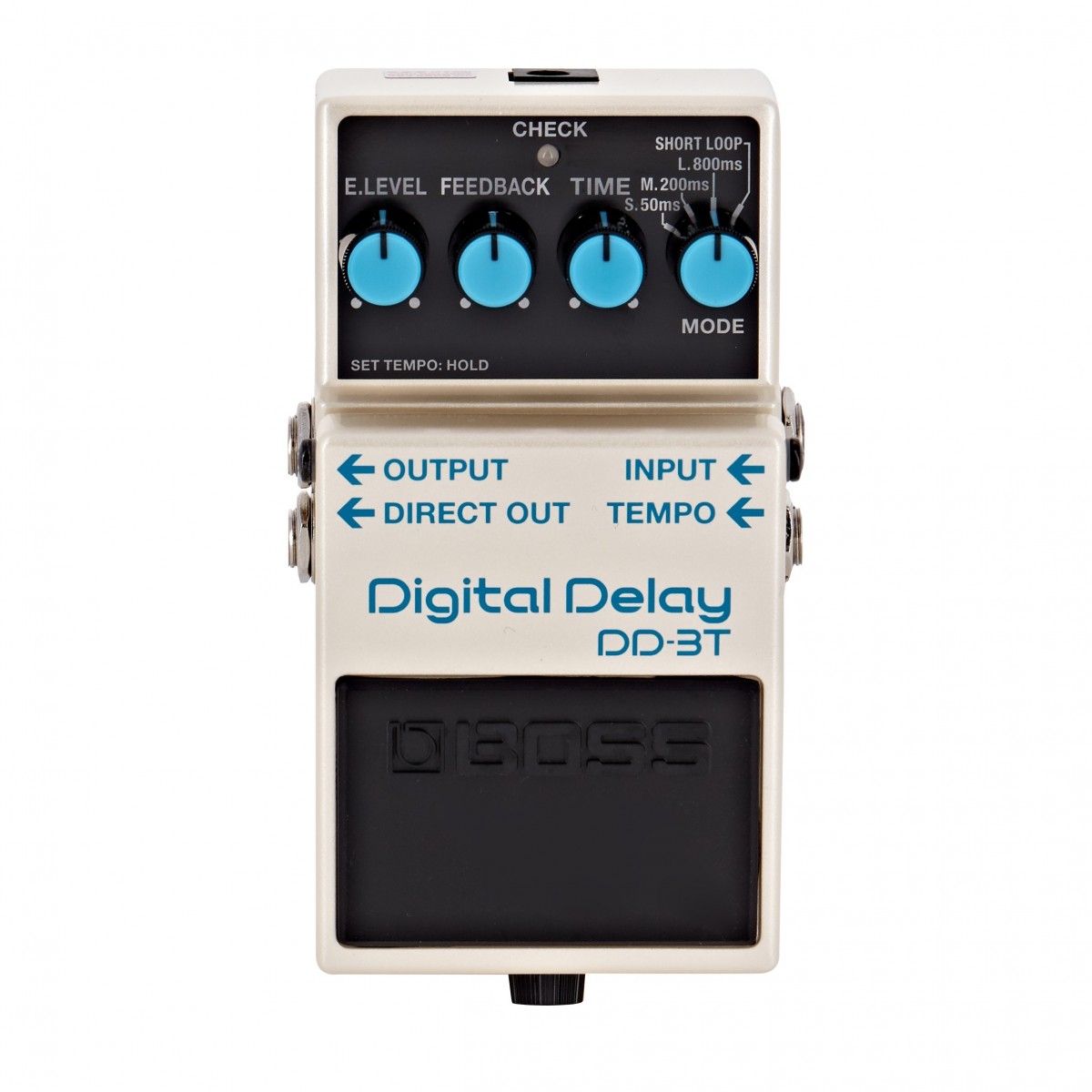
Boss DD-3T Digital Delay Pedal
 £99.10 ($126)
Boss
Boss NS-2 Noise Suppressor Guitar Pedal
Frequently asked questions
- What is the primary inspiration for the Coyote Fuzz?
- The pedal is a recreation of the Moonrock Fuzz, an obscure and experimental design originally created by Glenn S. Wyllie.
- How does the Coyote Fuzz differ from an Octavia?
- Unlike the Octavia, which follows a specific vintage lineage, the Coyote uses a unique transformer setup that allows for gated blooming textures at lower settings in addition to octave tones.
- What does the 'Swell / Fuzz / Octave' knob do?
- It is a single control that transitions the effect from a gated reverse-style bloom to a rich fuzz, and finally to an aggressive octave-up bite at higher settings.
- Can the Coyote Fuzz be used for playing chords?
- Yes, particularly when the main control is set around the noon position, it provides a rich fuzz tone that is described as being 'chord-friendly'.
- Does this pedal respond to the guitar's volume knob?
- Yes, the circuit is designed to clean up brilliantly when the volume on the guitar is rolled back, allowing for dynamic control of the fuzz intensity.
- What is the typical price for the JHS Coyote Fuzz?
- The pedal typically retails for approximately £119 in the United Kingdom.
- Is the Coyote Fuzz a digital or analogue pedal?
- It is an analogue pedal, built around a specific transformer-based circuit to achieve its fuzz and octave effects.
- What kind of power supply does the Coyote Fuzz require?
- Like most JHS pedals, it typically requires a standard 9V DC centre-negative power supply, though users should always verify specific voltage requirements on the unit.
- What is meant by 'reverse-style bloom' in this context?
- At lower settings, the pedal creates a gated effect where the notes sound as if they are fading in or blooming, similar to a reverse tape effect.
- Is the octave effect always present?
- The octave effect becomes most prominent and aggressive as the primary control is turned toward the higher end of its range.
- How does the Coyote Fuzz handle high gain?
- It produces a snarling, aggressive bite when cranked, making it suitable for lead work and heavy textures, though a noise suppressor like the Boss NS-2 may be useful in high-gain rigs.
- Is this pedal a clone of the Super Fuzz?
- No, JHS specifically states that it does not follow the Super Fuzz or Tone Machine family tree, instead using the Glenn S. Wyllie architecture.