Gear article
JHS Pedals Hard Drive Modern Distortion
The JHS Pedals Hard Drive is a modern high-gain distortion pedal designed to replicate the aggressive yet articulate sounds of 1990s and 2000s alternative rock. It features a unique, original circuit design incorporating cascaded gain stages and a Class AB amplifier section for a versatile range of saturated tones.
See live pricesBackground and Development
The Hard Drive marks a significant milestone for JHS Pedals as it represents the final design effort of Cliff Smith, the company's former head engineer. Unlike many JHS offerings that are based on historical circuits or 'tributes' to vintage gear, the Hard Drive was engineered from the ground up to provide a modern distortion experience. It was developed to fill the gap in the market for high-gain pedals that capture the specific textures of post-grunge and early 2000s alternative rock.
Technical Architecture
The pedal's internal structure utilizes cascaded gain stages followed by a hard-limiting circuit. A notable feature of its design is the inclusion of a Class AB amplifier section, which helps the pedal maintain a feel and response more characteristic of a high-wattage guitar amplifier than a standard clipping diode pedal. This architecture allows the device to transition from subtle breakup to a dense, wall-of-sound distortion while retaining clarity.
Control Layout and EQ
The Hard Drive provides extensive tone-shaping options through its control set:
- Gain and Volume: Standard controls for saturation level and output level.
- Baxandall EQ: High and Low controls based on the classic Baxandall shelving curve.
- Sweepable Midrange: A dedicated 'Mid' knob paired with a 'Freq' knob, allowing users to target and boost or cut specific frequencies across the midrange spectrum.
This EQ configuration is particularly useful for achieving 'scooped' modern metal tones or boosted 'honky' midrange for lead playing.
Sound Character
The sonic profile of the Hard Drive is described as robust and enveloping. It is capable of producing a 'smooth tube-like crunch' at lower settings, but its primary strength lies in high-gain applications. It avoids the thinness often associated with digital emulations, providing a physical, pushing quality that mimics the air-moving capabilities of a cranked half-stack.
Comparison to Alternatives
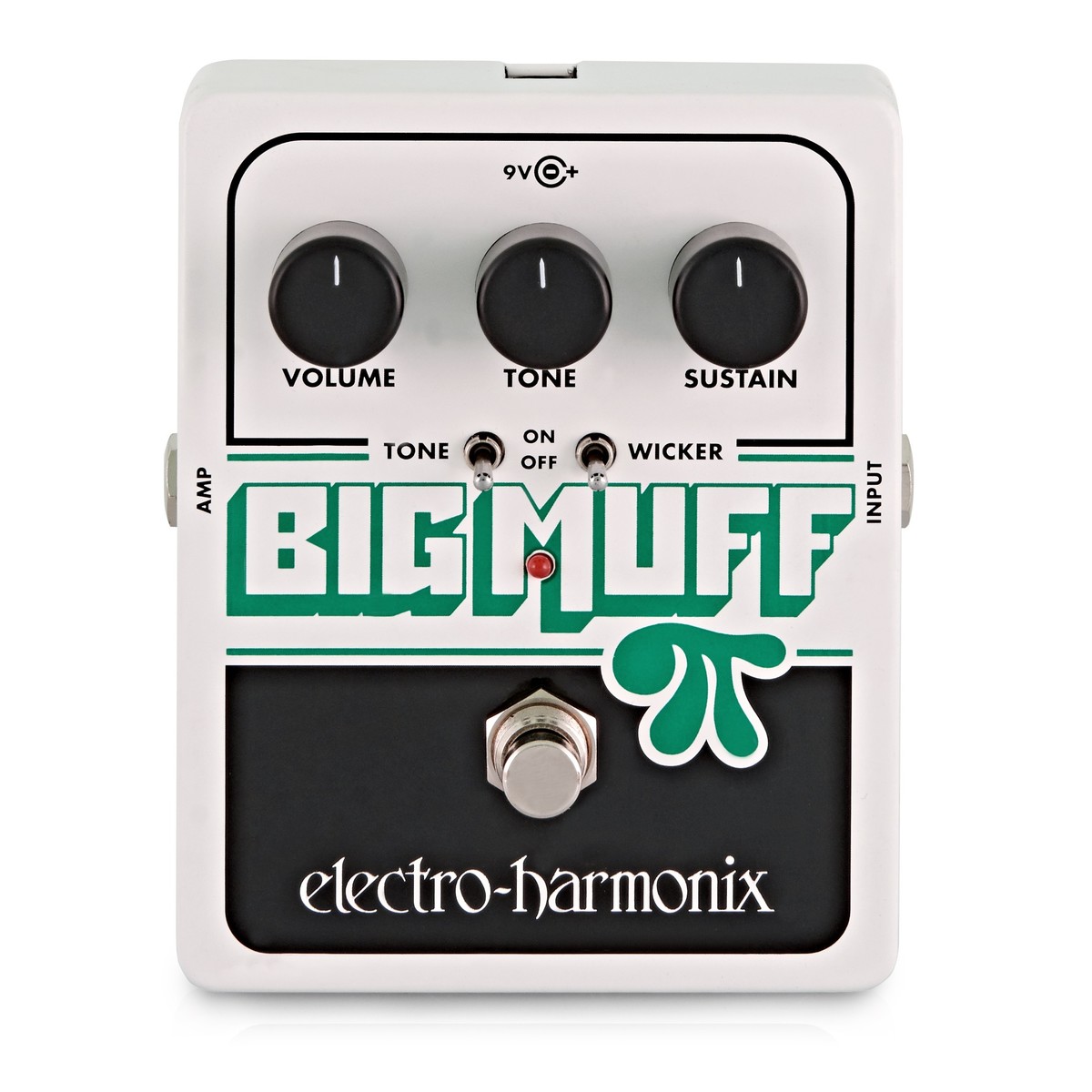
While it competes in the high-gain sector against pedals like the Boss DS-1 or the Electro-Harmonix Big Muff, the Hard Drive differs through its complex EQ and original circuit. Unlike the Big Muff, which uses a specific four-stage clipping method for a 'fuzzy' sustain, the Hard Drive's Class AB output provides a tighter, more modern 'chug' suitable for rhythmic precision. It offers more surgical frequency control than simple one-knob tone stacks found on more traditional distortion units.
Related gear
 £97.00 ($123)
Electro Harmonix
Electro Harmonix Big Muff Distortion Sustainer w/ Tone Wicker
 £129.00 ($164)
Digitech
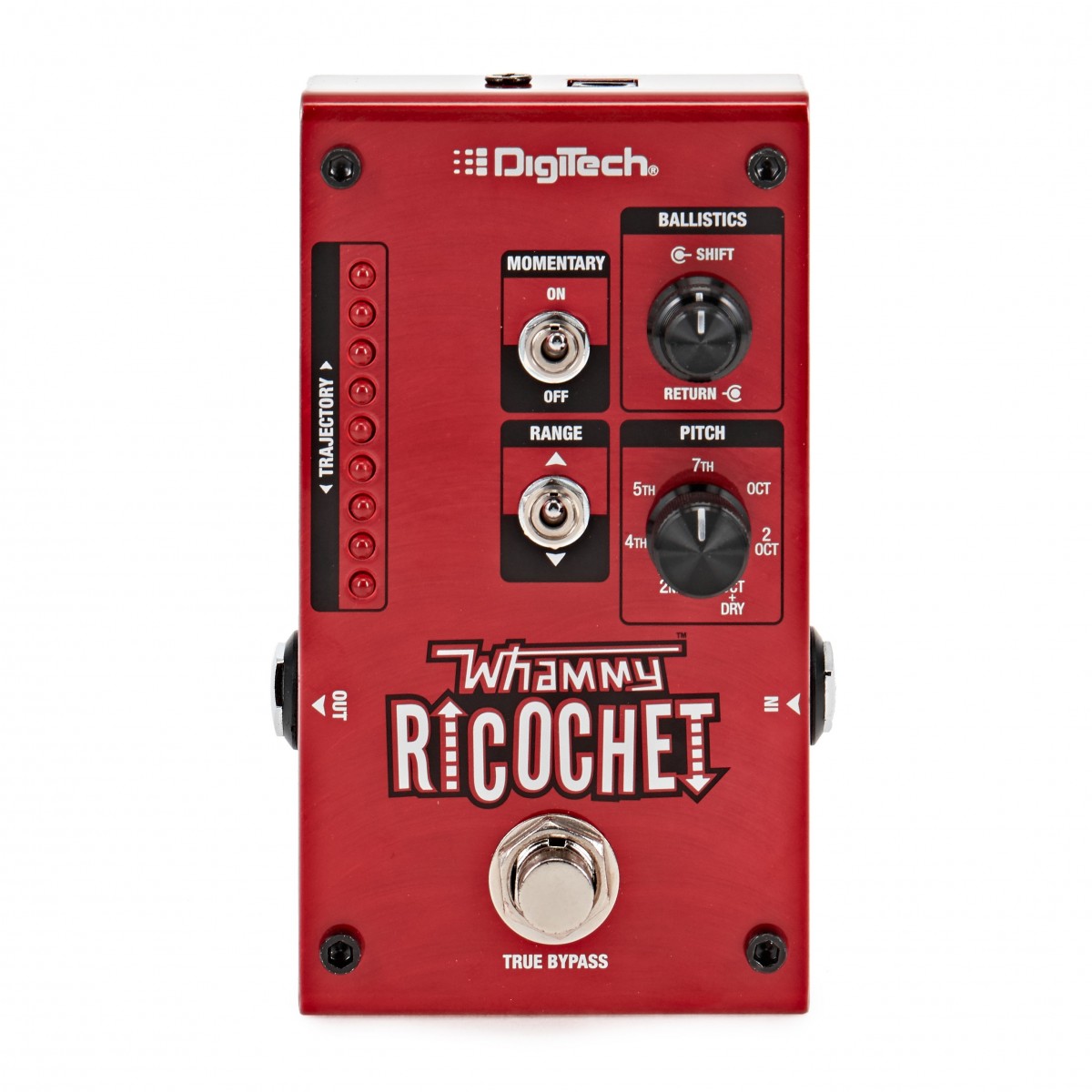
Digitech Whammy Ricochet Guitar Effects Pedal
 £85.00 ($108)
Fender
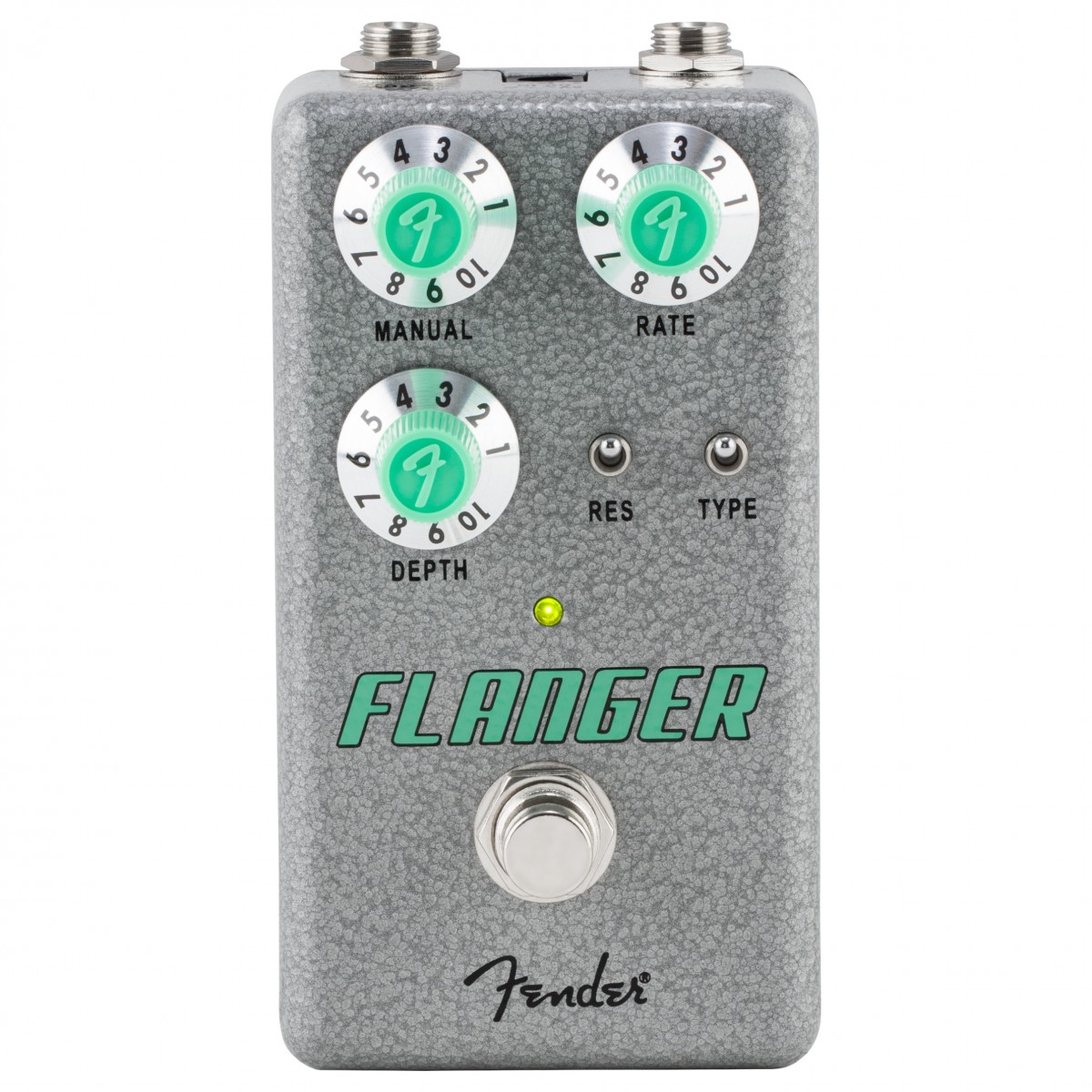
Fender Hammertone Flanger Pedal
 £19.90 ($25)
Behringer
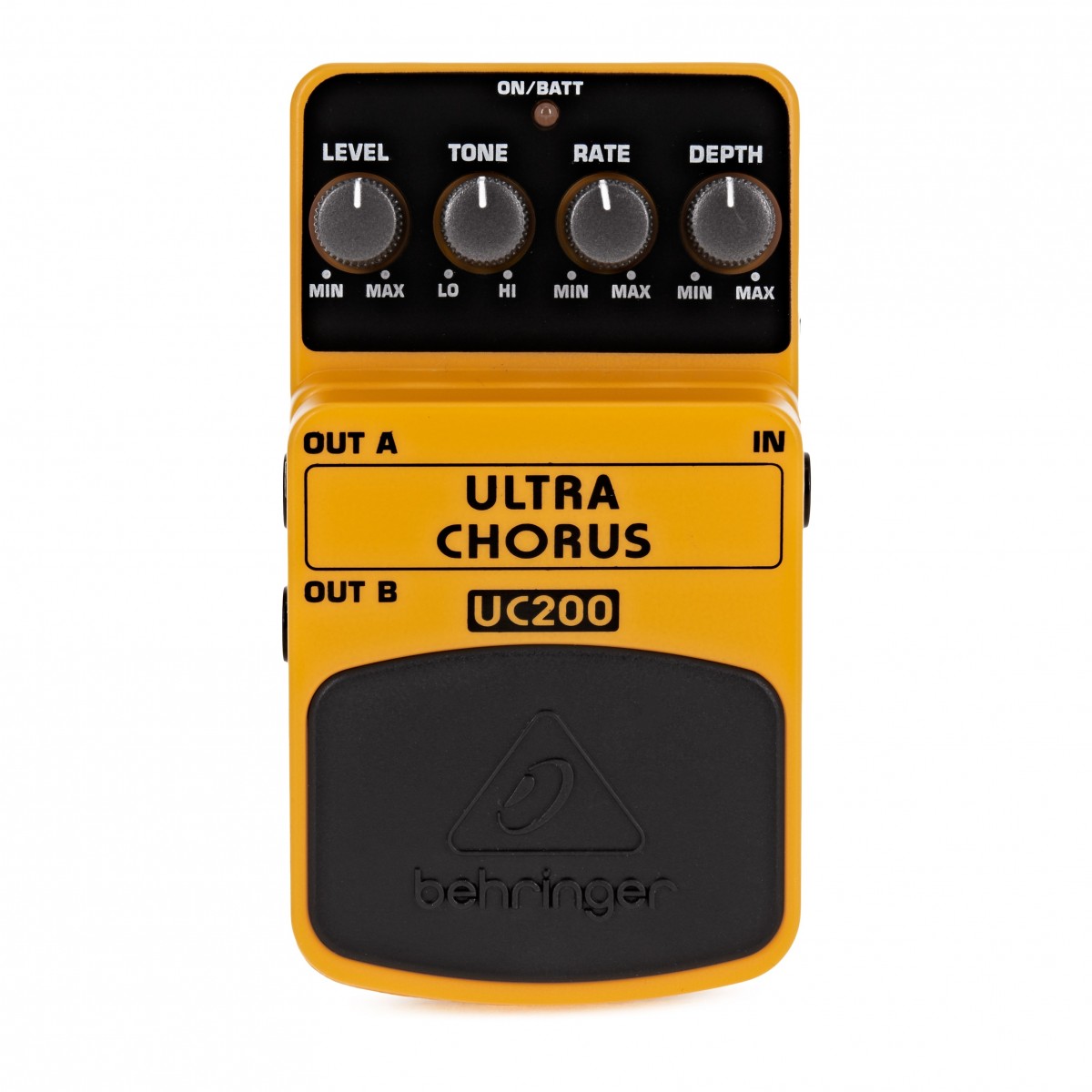
Behringer UC200 Ultra Chorus Pedal
 £259.00 ($329)
Dunlop
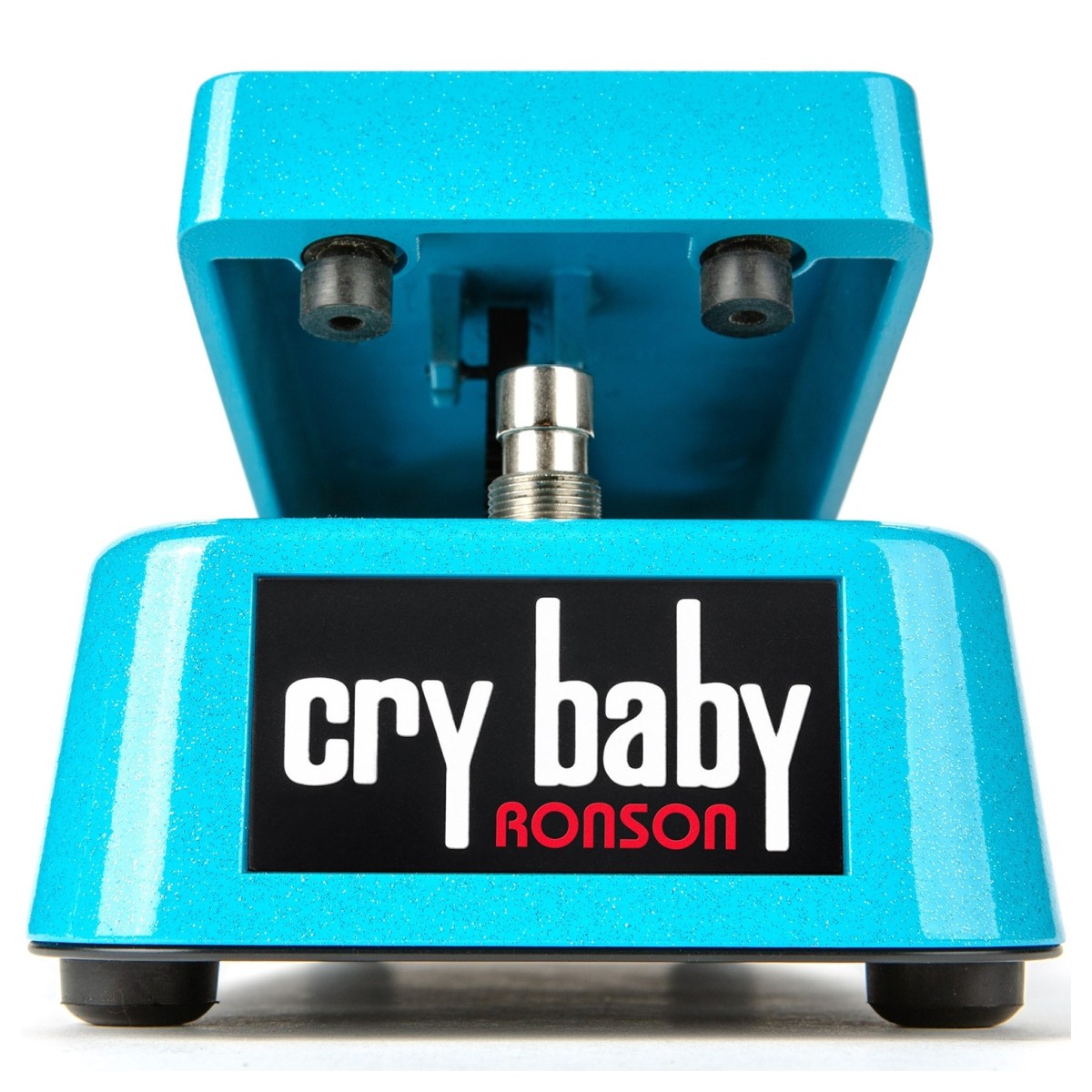
Dunlop Mick Ronson Cry Baby Wah
 £77.00 ($98)
Yamaha
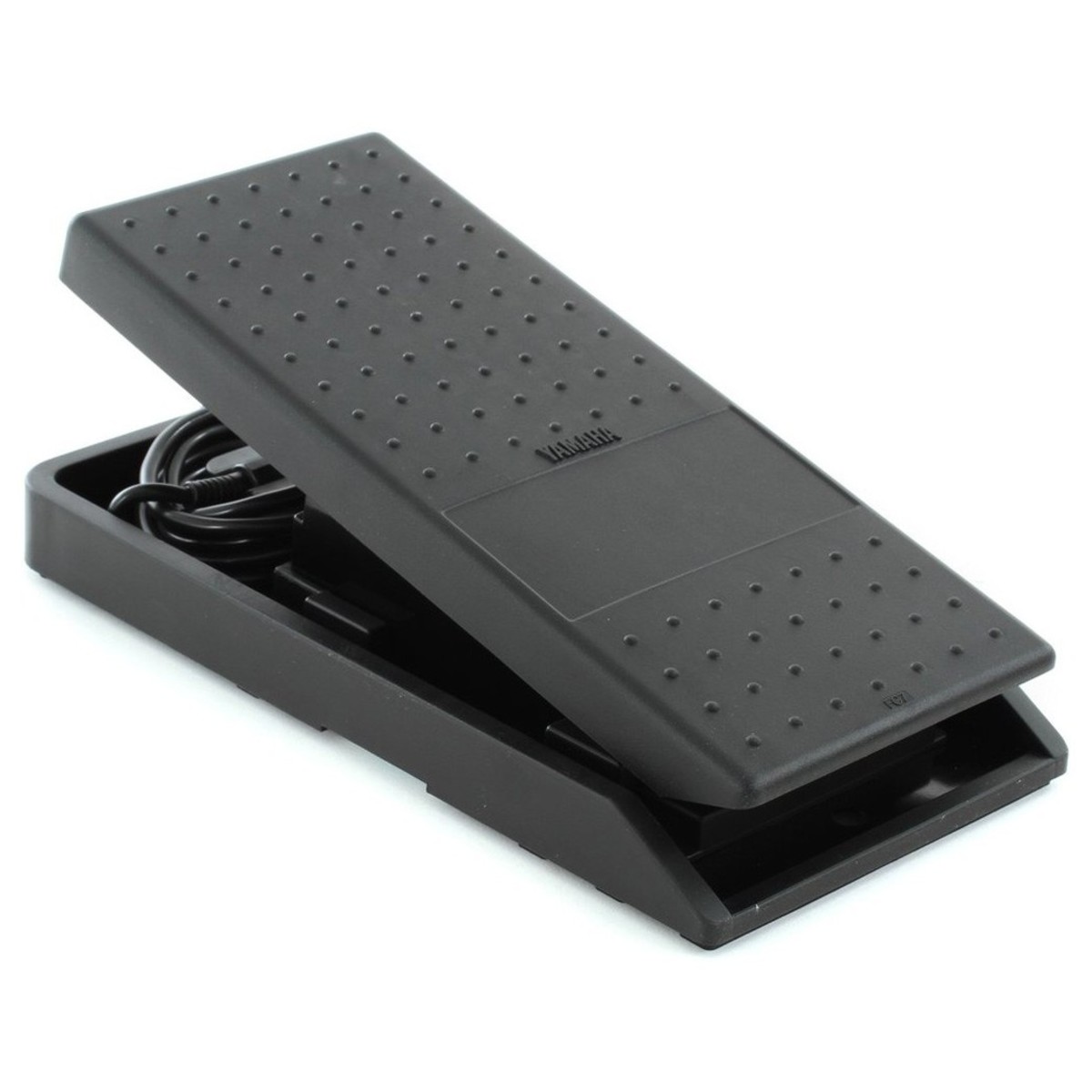
Yamaha FC7 Expression Pedal
 £175.00 ($222)
Boss
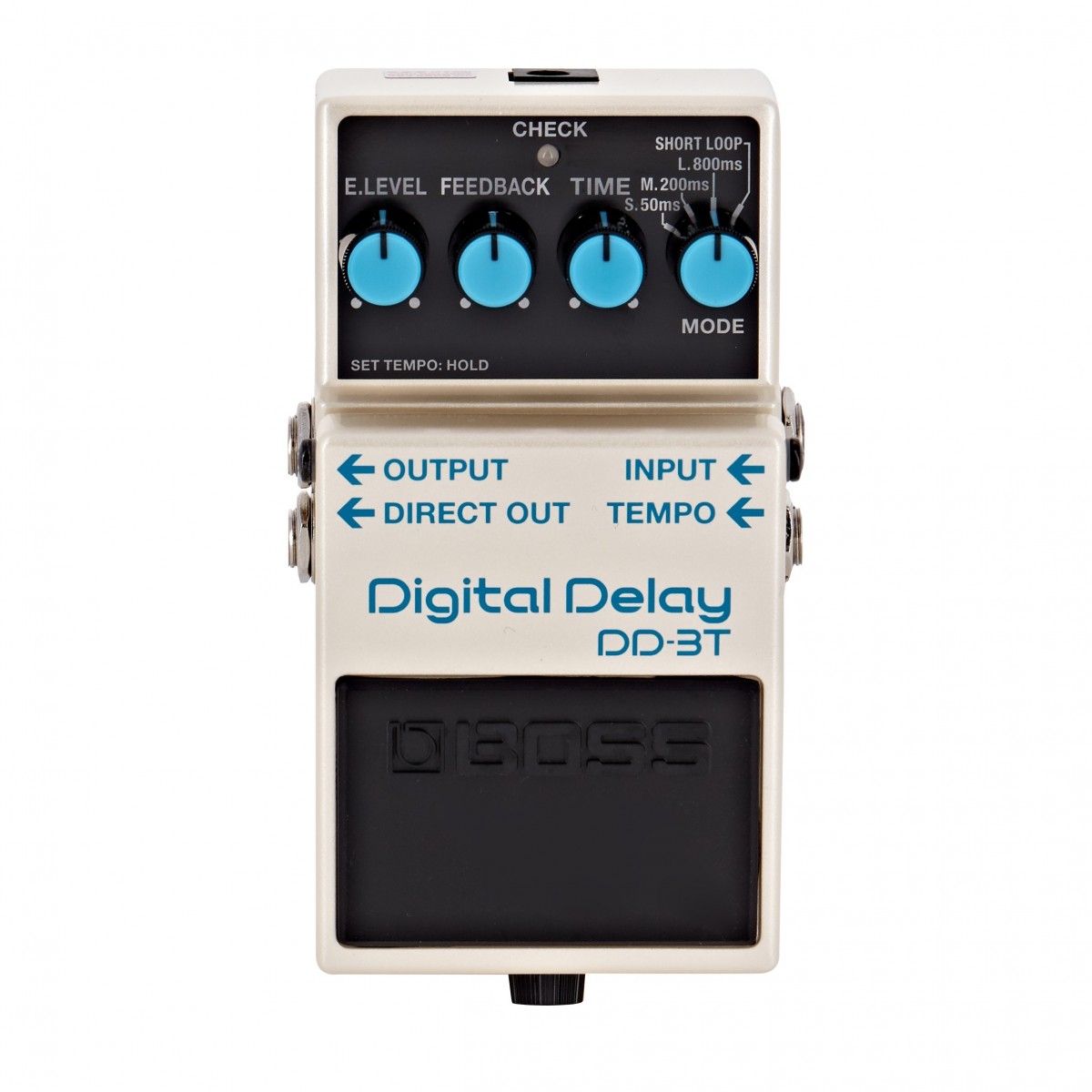
Boss DD-3T Digital Delay Pedal
 £99.10 ($126)
Boss
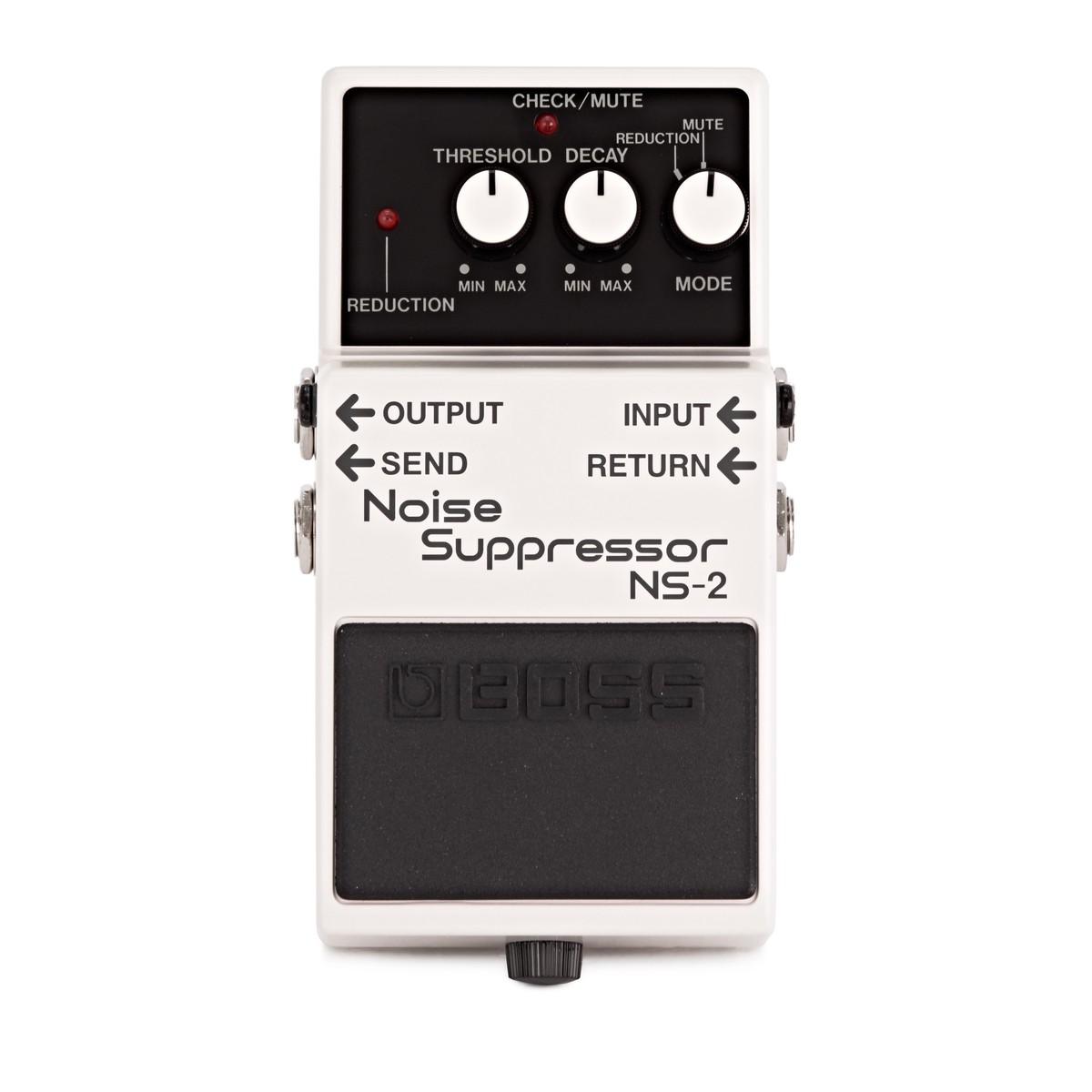
Boss NS-2 Noise Suppressor Guitar Pedal
Frequently asked questions
- Is the JHS Hard Drive a clone of another pedal?
- No, it is an original circuit designed from the ground up by JHS Pedals and is not based on any previous existing models.
- What era of music is this pedal designed to emulate?
- The pedal is specifically tuned to deliver the high-gain distortion styles popular in 1990s and 2000s alternative rock.
- Who was the primary engineer behind the Hard Drive?
- The pedal stands as a tribute to Cliff Smith, the former head engineer at JHS Pedals, as it was his final design effort.
- What type of EQ does the pedal use?
- It features a Baxandall-style EQ for the highs and lows, complemented by a sweepable midrange control for precise frequency adjustments.
- Does the pedal have a tube-like feel?
- Yes, the circuit includes a Class AB amplifier section and cascaded gain stages intended to provide a response similar to a smooth tube-like crunch.
- How does the 'Freq' knob work?
- The 'Freq' knob allows the user to select which specific midrange frequency is affected by the 'Mid' boost/cut control, providing a sweepable EQ range.
- Can the JHS Hard Drive handle low-gain settings?
- While designed for modern distortion, its cascaded stages allow it to dial back to a crunch setting, though its primary focus is high-gain saturation.
- What is the 'hard limiting circuit'?
- It is a stage in the pedal's signal path that clips the waveform aggressively to create the dense, heavy distortion characteristic of modern rock.
- What color is the standard Hard Drive enclosure?
- The pedal features a distinct tan finish as part of its standard aesthetic.
- Does it require a noise gate?
- While not built-in, users often pair high-gain pedals like the Hard Drive with units like the Boss NS-2 to manage hum during high-saturation settings.
- How does it compare to a Big Muff?
- Unlike the Big Muff, which is a fuzz-leaning sustainer, the Hard Drive offers a more structured, amplifier-like distortion with tighter midrange control.
- What is the typical retail price of the Hard Drive?
- The pedal typically retails for approximately £170 in the United Kingdom.