
Gear article
JHS Pedals Volture 9v Voltage Sag Utility
The JHS Pedals Volture is a specialised voltage attenuation utility designed to replicate the effect of a dying battery on analogue guitar pedals. By allowing users to precisely trim DC power between 7.5V and 1.25V, it facilitates the gated, sputtery textures characteristic of vintage fuzz circuits.
See live pricesOverview and Purpose
The JHS Pedals Volture is a modern solution for guitarists seeking to achieve the 'dying battery' sound without the inconvenience of physically draining zinc-carbon batteries. Many vintage analogue circuits, particularly fuzz pedals, exhibit unique tonal characteristics when their power source drops below the standard 9V threshold. The Volture acts as a precise governor, placed between a power supply and an analogue pedal, to throttle the voltage to a user-defined level.
Technical Operation
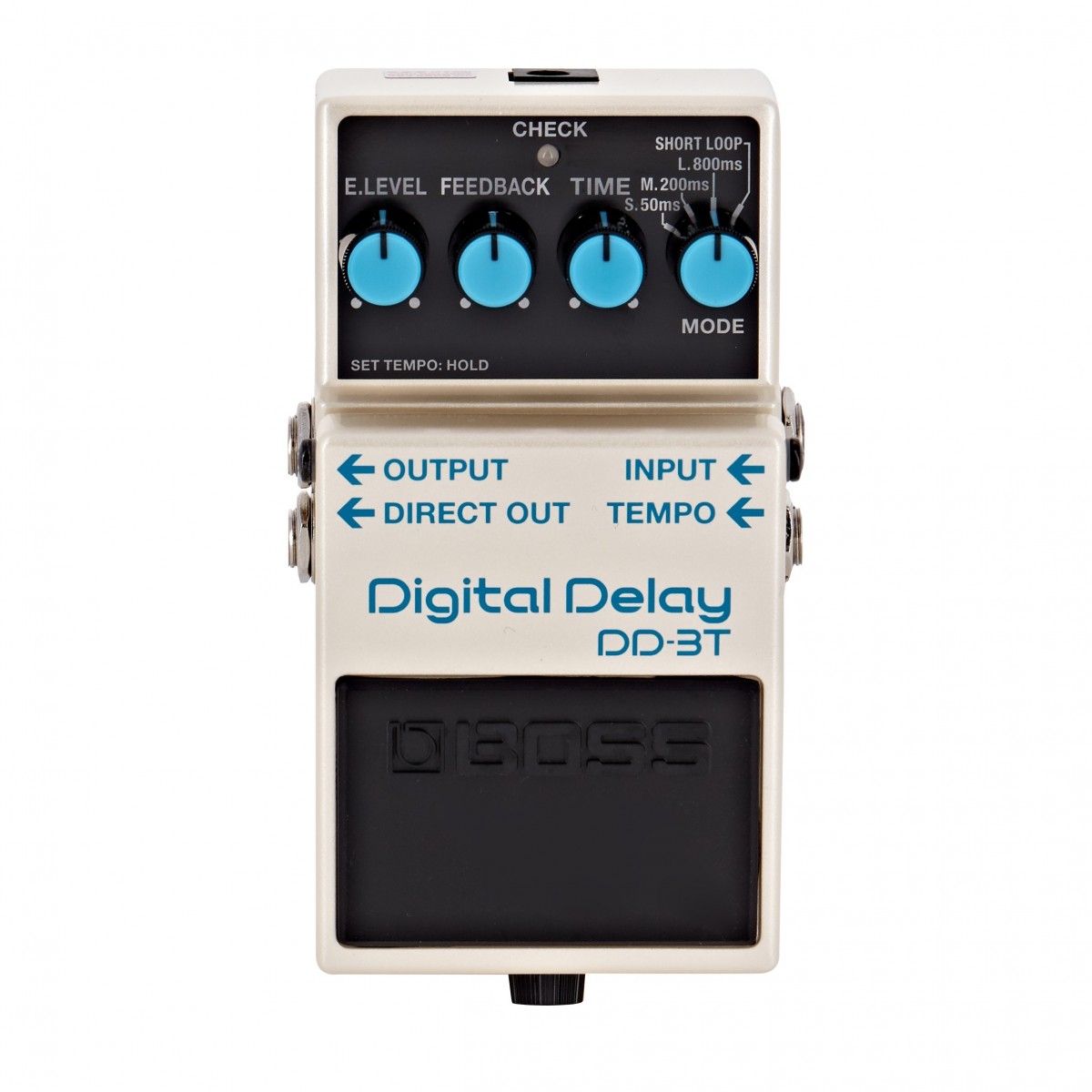
The device accepts a standard DC input ranging from 9V to 18V and provides a variable output. Using the central control knob, users can attenuate the output voltage from a maximum of 7.5V down to a minimum of 1.25V. The pedal itself consumes approximately 10mA of current during operation. It is specifically designed for use with analogue pedals that consume less than 50mA of current, making it unsuitable for high-draw digital units like the Boss DD-3T or complex pitch-shifters like the Digitech Whammy Ricochet.
Sonic Characteristics
When voltage is sagged using the Volture, analogue distortion and fuzz circuits begin to 'starve.' This results in several distinct audio artifacts:
- Gating: The signal cuts off abruptly as it falls below the threshold required to bias the transistors.
- Sputtering: Note decay becomes jagged and 'Velcro-like' rather than smooth.
- Compression: High-gain signals feel more squashed and less dynamic.
- Harmonic Shift: The frequency response often shifts, typically losing headroom and gaining a unique retro grit.
Compatibility and Limitations
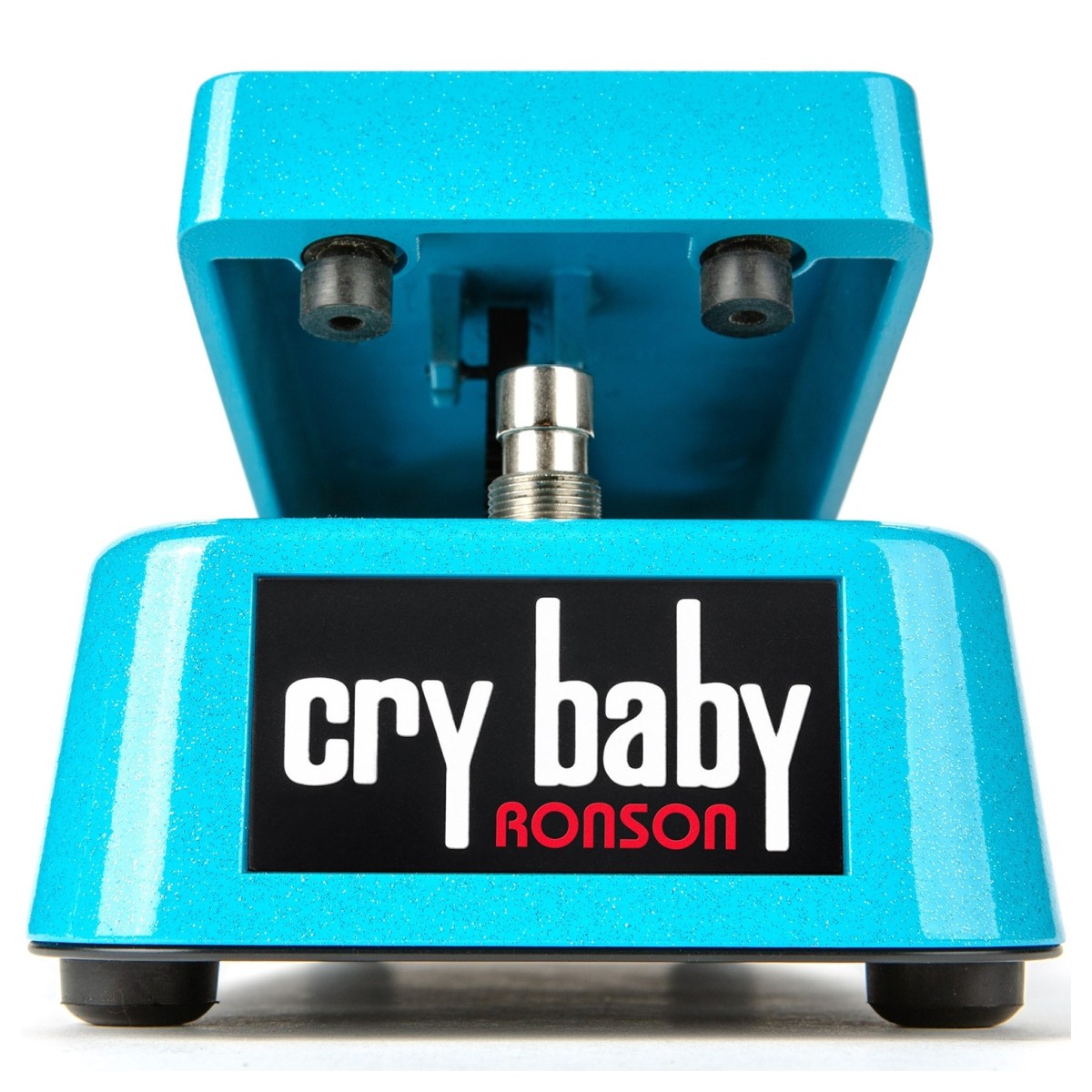
The Volture is strictly intended for fully analogue pedals. It is highly effective with circuits like the Electro Harmonix Big Muff (specifically versions like the Tone Wicker) or vintage-style wahs like the Dunlop Mick Ronson Cry Baby. However, users should avoid using the Volture with digital pedals, such as the Behringer UC200 Ultra Chorus or Fender Hammertone Flanger, as digital processors require a stable voltage to operate and may malfunction or cease to produce sound if starved of power.
Comparison to Alternatives
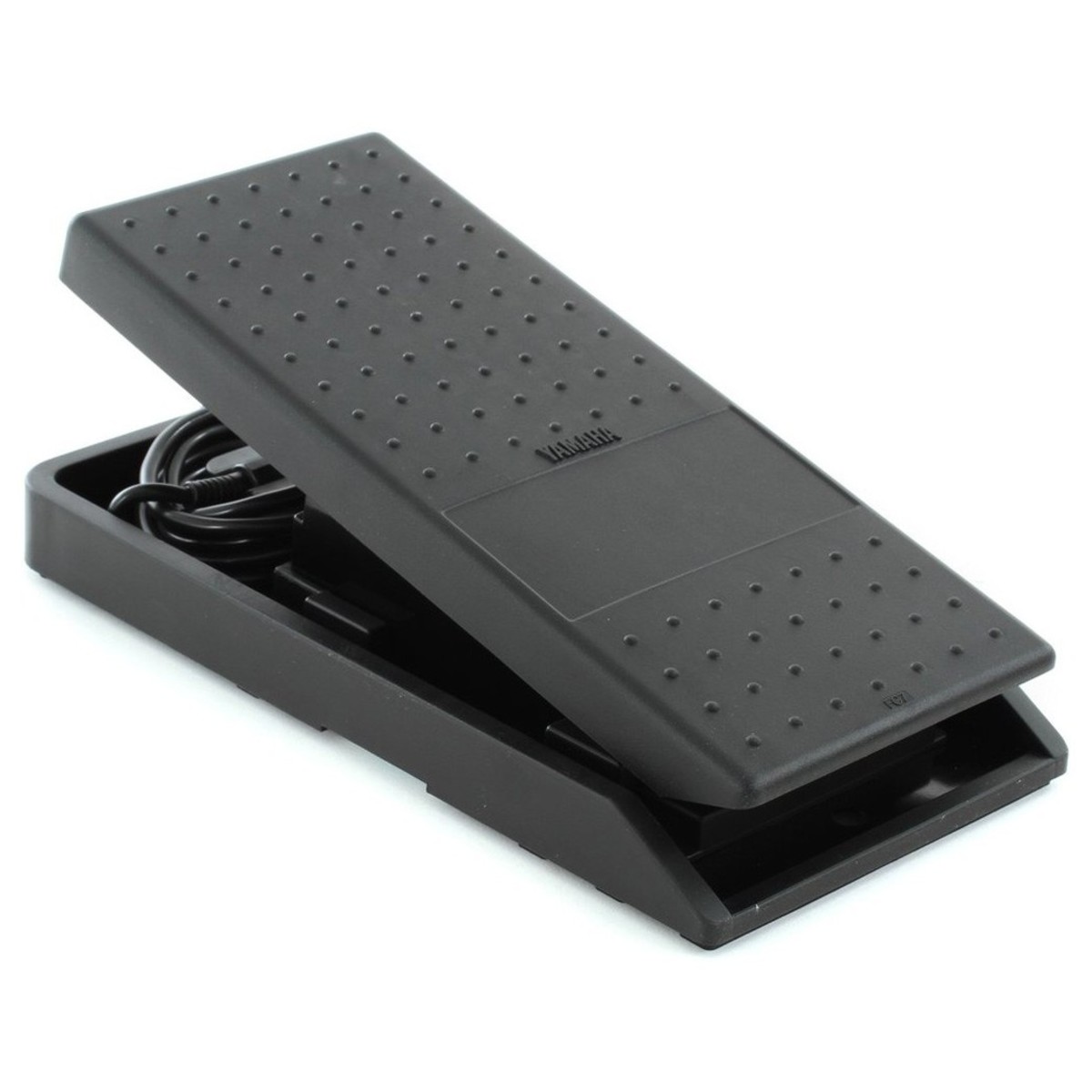
Traditionally, guitarists achieved these tones by using partially discharged batteries or custom-modified power supplies. Unlike a fixed 'sag' output found on some premium power bricks, the Volture offers a granular control knob for real-time adjustments. It serves as a more non-invasive alternative to modifying internal pedal circuitry or using expression-based utilities like a Yamaha FC7, as it alters the fundamental electrical behaviour of the target pedal rather than just its output signal.
Related gear
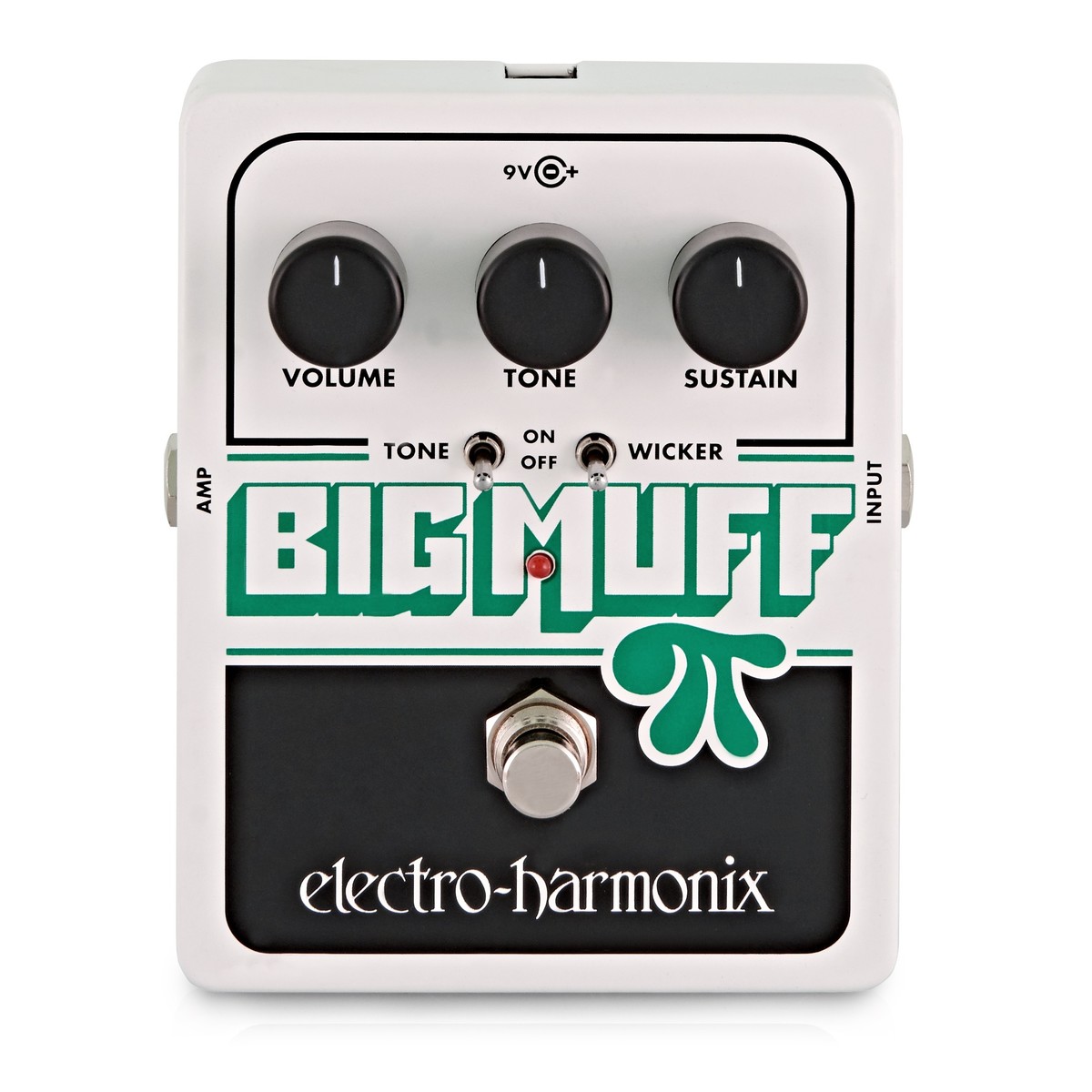 £97.00 ($123)
Electro Harmonix
Electro Harmonix Big Muff Distortion Sustainer w/ Tone Wicker
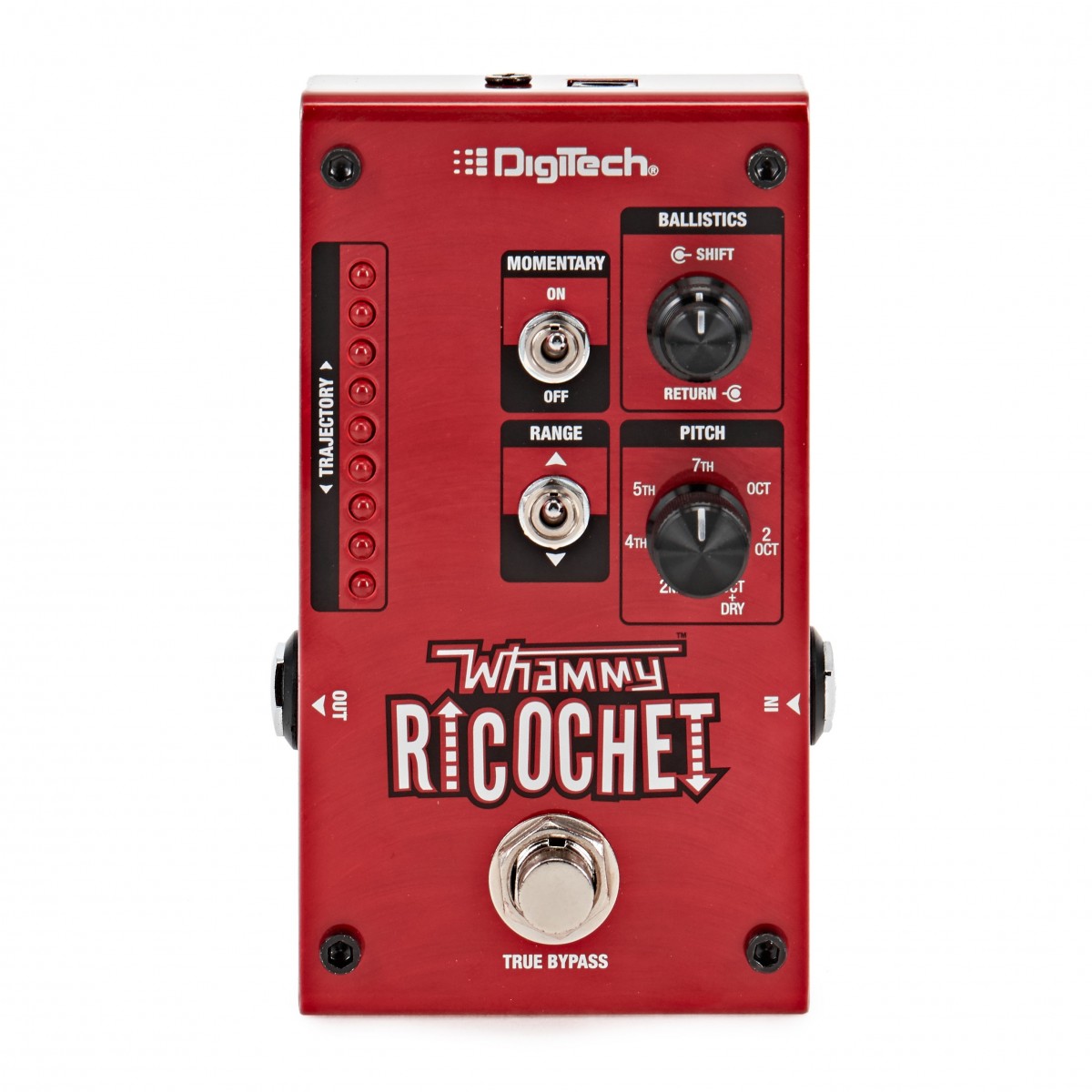 £129.00 ($164)
Digitech
Digitech Whammy Ricochet Guitar Effects Pedal
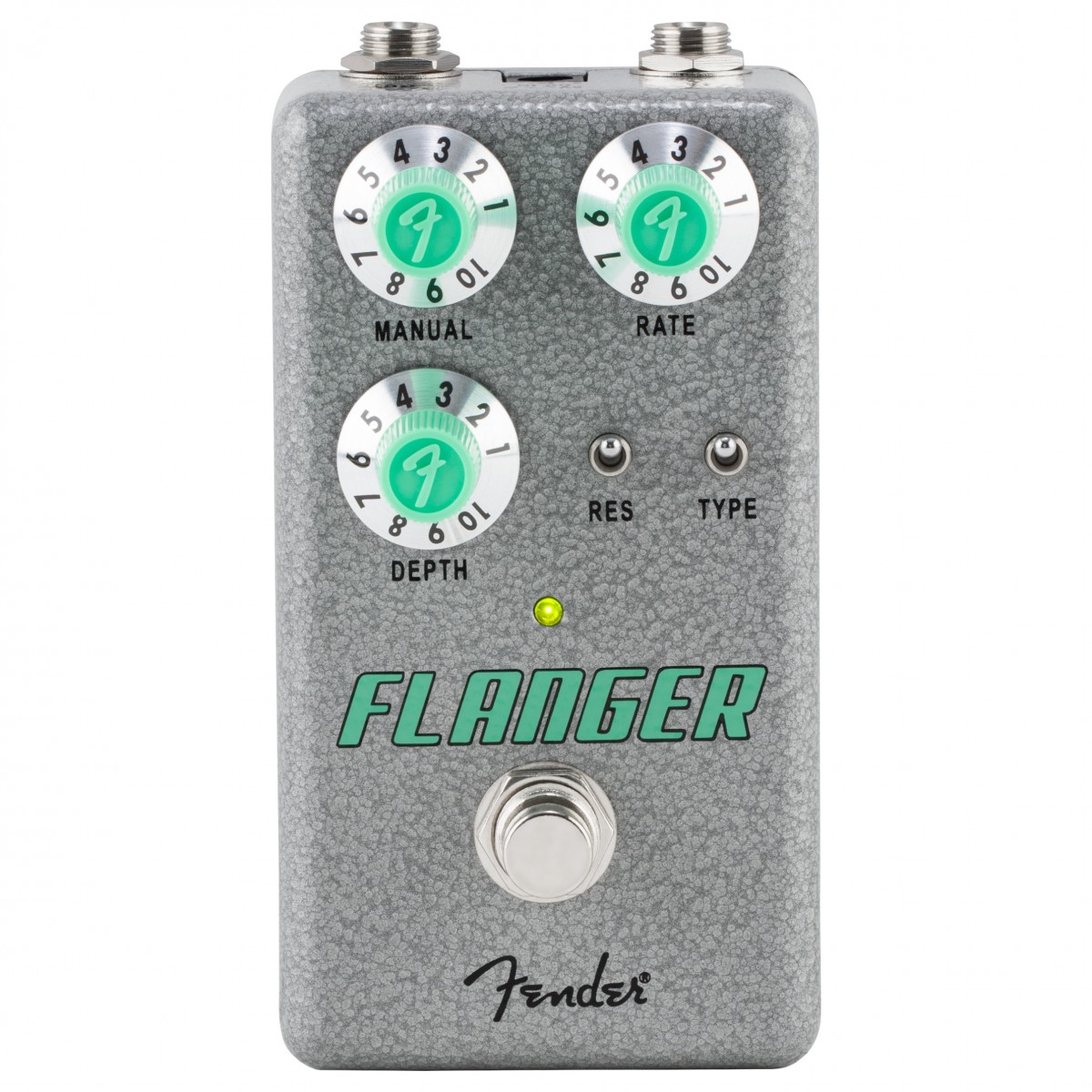 £85.00 ($108)
Fender
Fender Hammertone Flanger Pedal
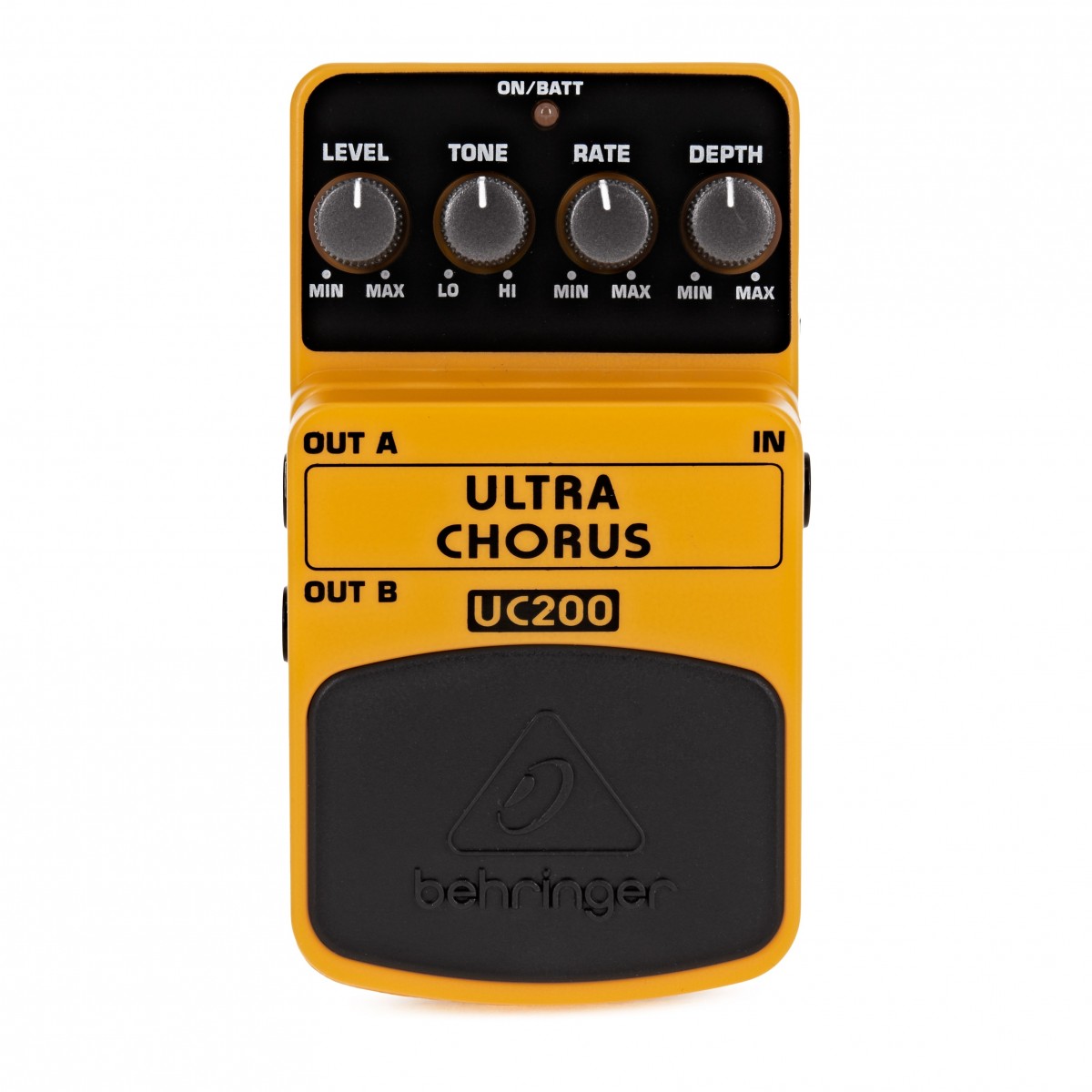 £19.90 ($25)
Behringer
Behringer UC200 Ultra Chorus Pedal
 £259.00 ($329)
Dunlop
Dunlop Mick Ronson Cry Baby Wah
 £77.00 ($98)
Yamaha
Yamaha FC7 Expression Pedal
 £175.00 ($222)
Boss
Boss DD-3T Digital Delay Pedal
 £99.10 ($126)
Boss
Boss NS-2 Noise Suppressor Guitar Pedal
Frequently asked questions
- What is the primary function of the JHS Volture?
- The Volture is a voltage sag attenuation pedal that reduces the incoming DC voltage to a lower level. This mimics the sound of a dying battery, which is a popular technique for achieving specific textures in vintage fuzz and distortion pedals.
- What is the output voltage range of the Volture?
- The device can adjust the output from a maximum of 7.5V DC down to a minimum of 1.25V DC. This allows for precise control over how 'starved' the connected pedal becomes.
- Can I use the Volture with digital pedals?
- No, the Volture is designed specifically for fully analogue pedals. Digital pedals require a consistent voltage to function, and sagging the power may cause them to shut down or behave unpredictably.
- What is the maximum current draw a pedal can have to work with the Volture?
- The Volture should be used with pedals that consume less than 50mA of current. Most analogue drive and fuzz pedals fall well within this limit, but larger digital units do not.
- Does the Volture require its own power?
- Yes, it accepts a 9V-18V DC input and consumes approximately 10mA of current in addition to the power required by the pedal it is connected to.
- Why would I want to sag the voltage on my fuzz pedal?
- Sagging the voltage creates unique 'gated' and 'sputtery' tones that are difficult to achieve through standard gain controls. It replicates the specific compressed character of vintage recordings where dying batteries were used.
- Is the Volture compatible with the Electro Harmonix Big Muff?
- Yes, since the Big Muff is a classic analogue distortion/sustainer circuit, the Volture is an excellent tool for finding new 'lo-fi' or gated textures within that pedal.
- Can the Volture be used with a wah pedal?
- Yes, it can be used with analogue wahs like the Dunlop Mick Ronson Cry Baby to change the sweep character and resonance, provided the wah is analogue and draws low current.
- How does the Volture compare to the sag settings on a power supply?
- While some power supplies have a 'sag' switch, the Volture offers a dedicated knob for much more precise, variable adjustment. It can also be placed anywhere on a pedalboard rather than being fixed to the power supply location.
- Will the Volture damage my analogue pedals?
- Generally, under-powering an analogue circuit (undervolting) is safe and will not cause damage; it simply prevents the components from reaching their full operating potential. Always check your specific pedal's manual to confirm.
- What happens if I try to use the Volture with a pedal that draws more than 50mA?
- If a pedal exceeds the 50mA limit, the Volture may not function correctly, and you could potentially cause issues with the voltage regulation within the Volture itself.
- Does the Volture work with 18V power supplies?
- Yes, the Volture is capable of receiving an input between 9V and 18V DC, which it then attenuates down to the 1.25V-7.5V range.