Gear article
Kawai MP7SE Stage Piano
The Kawai MP7SE is a professional 88-key stage piano designed for high-end performance and studio integration. It features the Responsive Hammer III action and a reinforced metal chassis, positioned as a versatile alternative to the flagship MP11SE.
See live pricesOverview
The Kawai MP7SE is a sophisticated digital stage piano that balances professional studio-grade functionality with the physical durability required for live performance. Known for its realistic touch and organised interface, it serves as a central controller and sound source for touring musicians and session players. It occupies a mid-to-high price point, typically retailing around £1,382.
Key Action and Performance
At the core of the MP7SE experience is the Responsive Hammer III (RHIII) action. This mechanism is designed to capture the expressive nuances of a performer's touch, providing a weight and resistance that mimics a traditional grand piano. The system is engineered to detect the slightest variations in finger pressure, allowing for high levels of dynamic control during complex passages.
Build and Design
Unlike many portable keyboards that utilise plastic housings, the MP7SE is constructed with a heavy-duty metal frame. This design choice ensures the instrument can withstand the rigours of road use. The control panel is neatly organised to facilitate quick adjustments during a live set, with sturdily reinforced knobs and buttons to prevent failure under demanding conditions.
Sound and Functionality
The MP7SE is marketed as a 'do-it-all' stage piano, offering a wide range of internal sounds suitable for various genres. While it excels as a standalone piano, its studio-grade functions allow it to integrate into complex MIDI setups. The inclusion of the F-10H pedal unit provides authentic damper sensing, further enhancing the acoustic-style performance capabilities.
Market Position and Alternatives
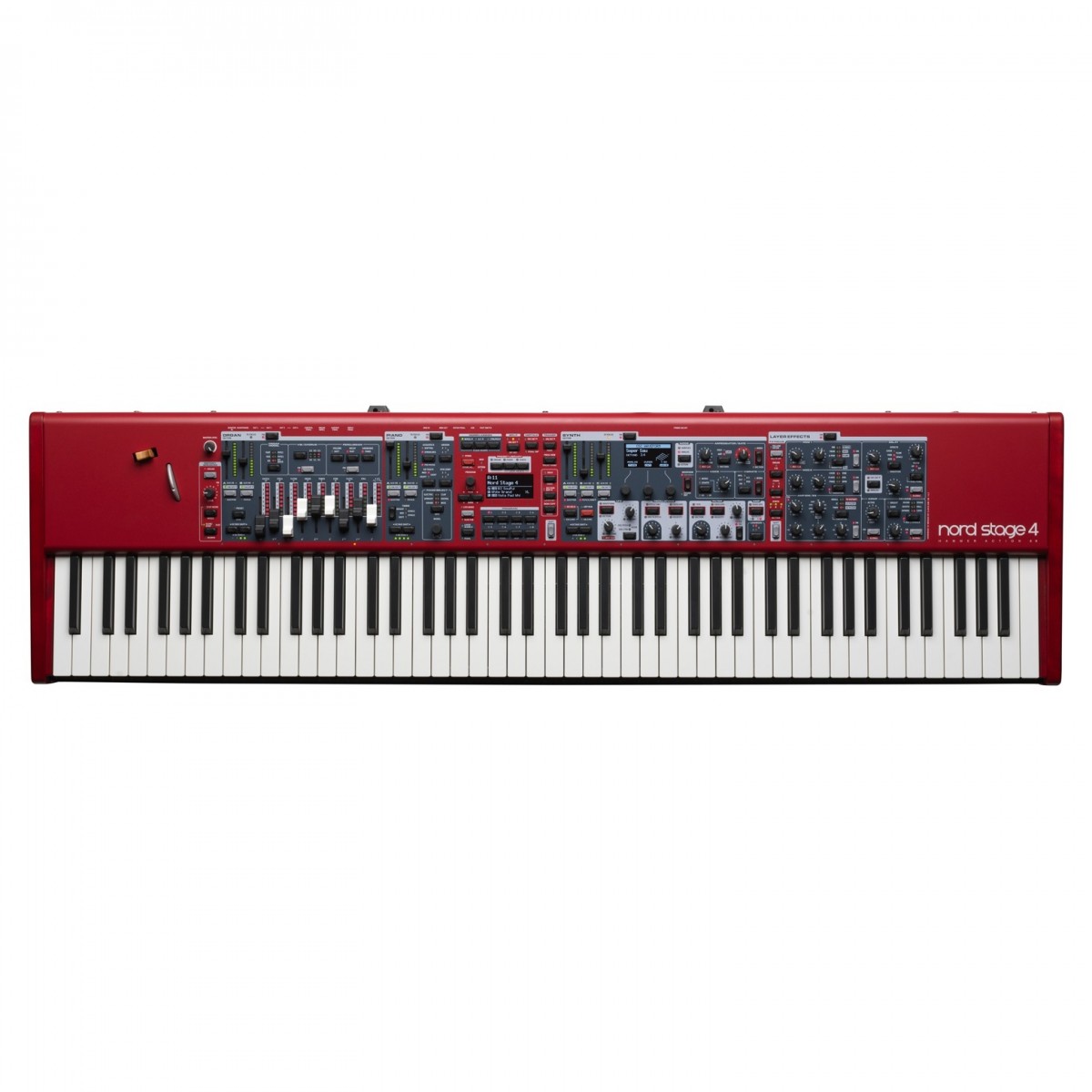
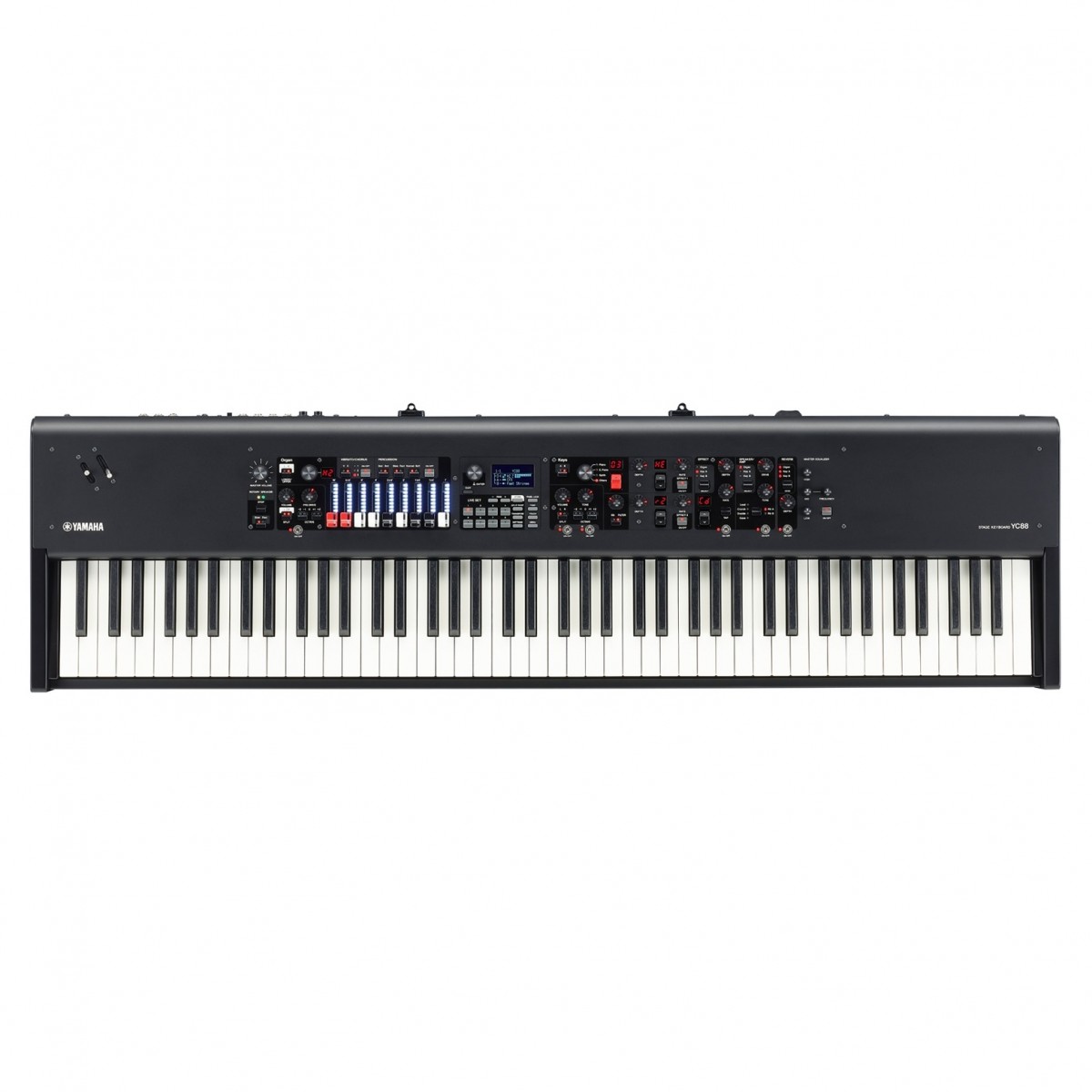
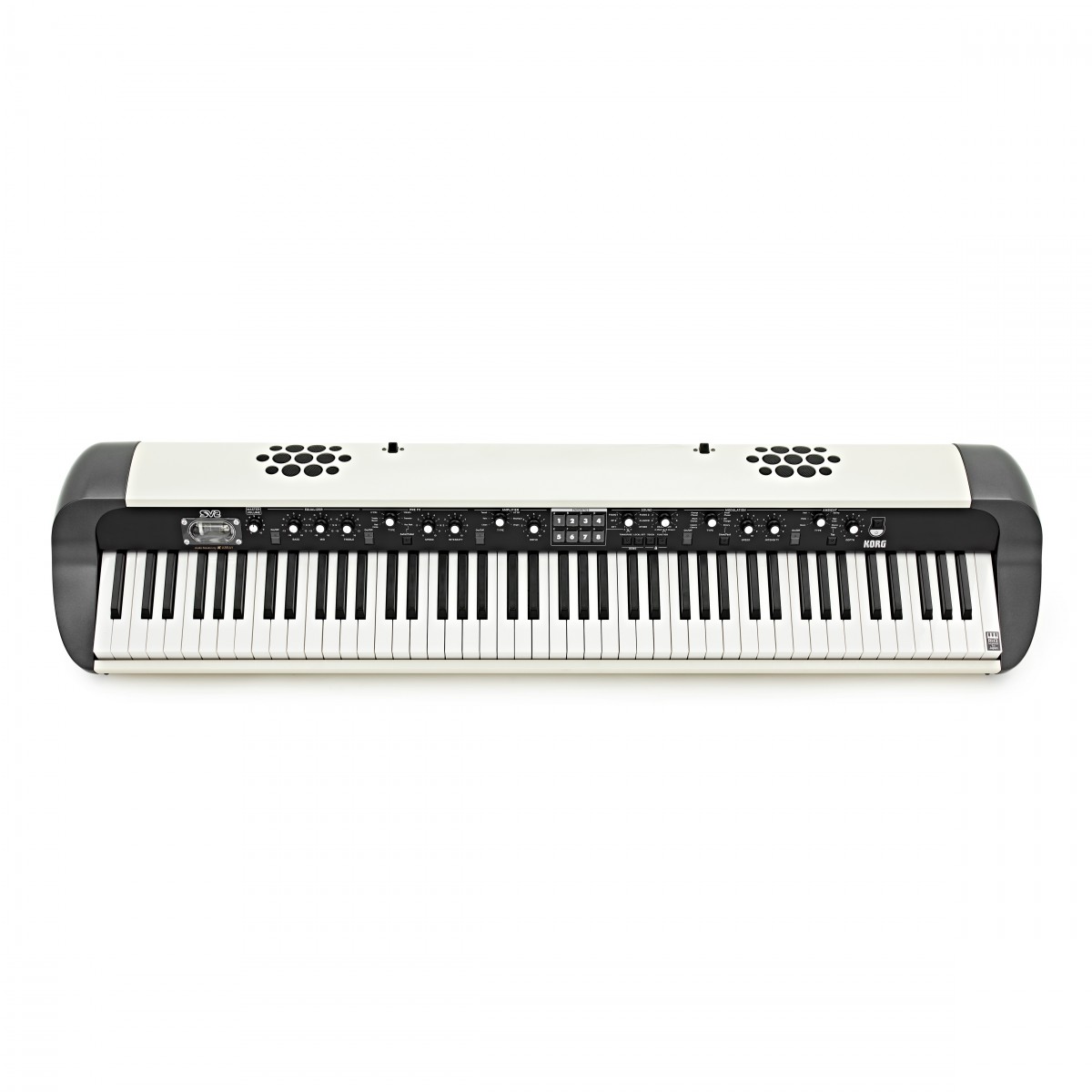
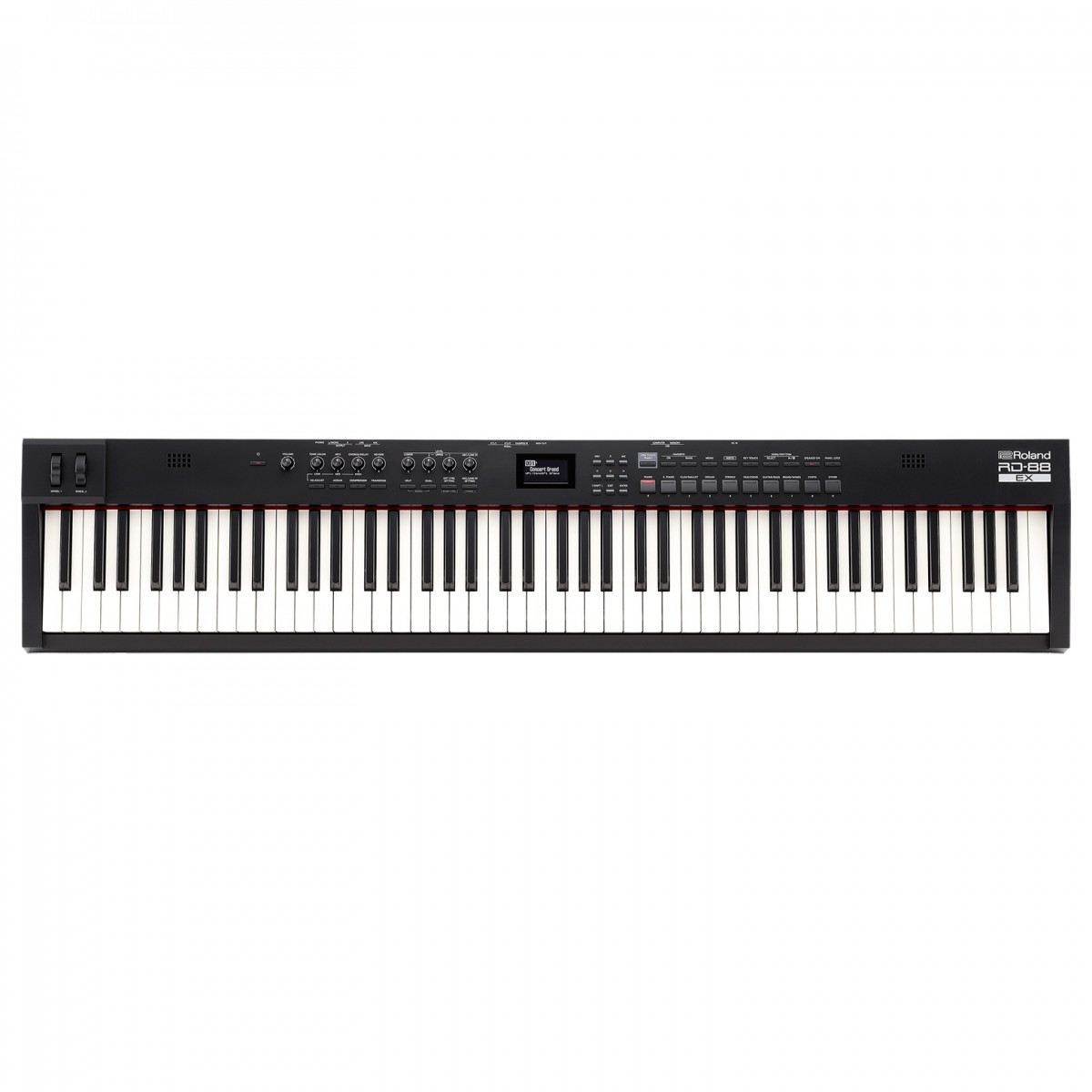
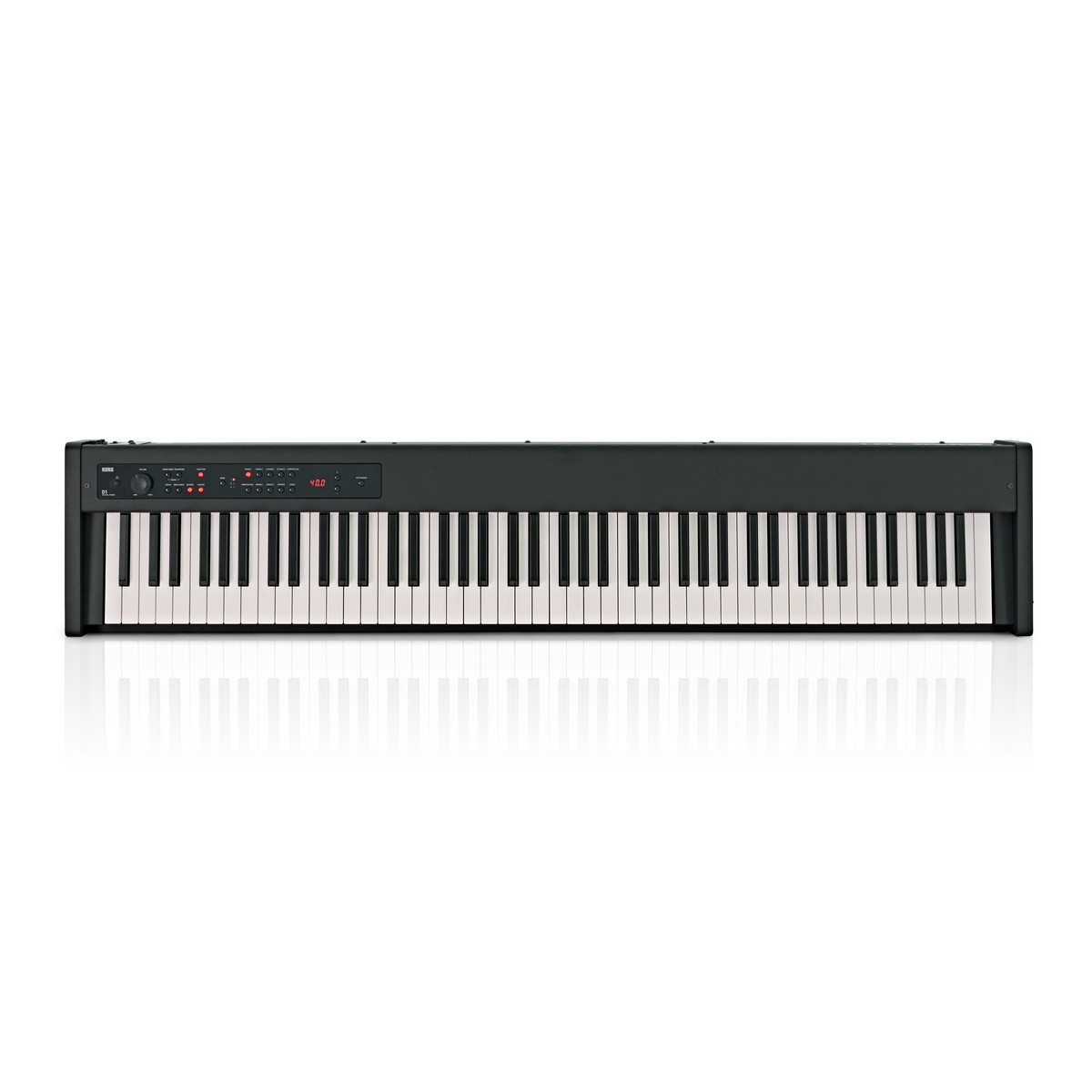
The MP7SE competes in a crowded market of professional stage pianos. It is often compared to the Yamaha CP73 and YC88 for its focus on physical controls, and the Roland RD-88 EX for its portability. While the Nord Stage 4 88 offers more extensive synthesis and sampling, the MP7SE is frequently chosen for its specific hammer action and competitive pricing. Other alternatives include the Korg SV2S and the more minimalist Korg D1.
Related gear
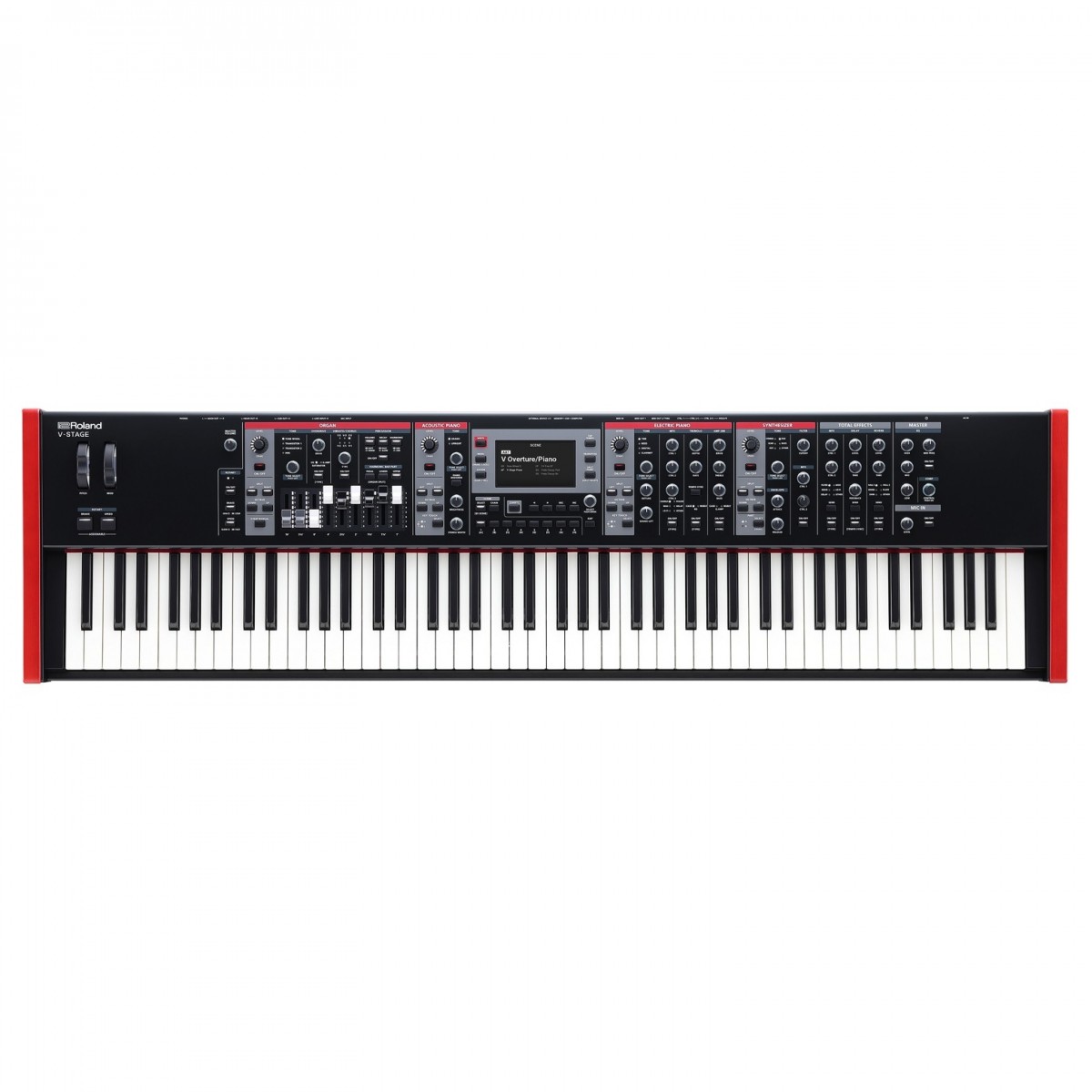 £2,965.00 ($3,766)
Roland
Roland V-Stage 88 Stage Keyboard
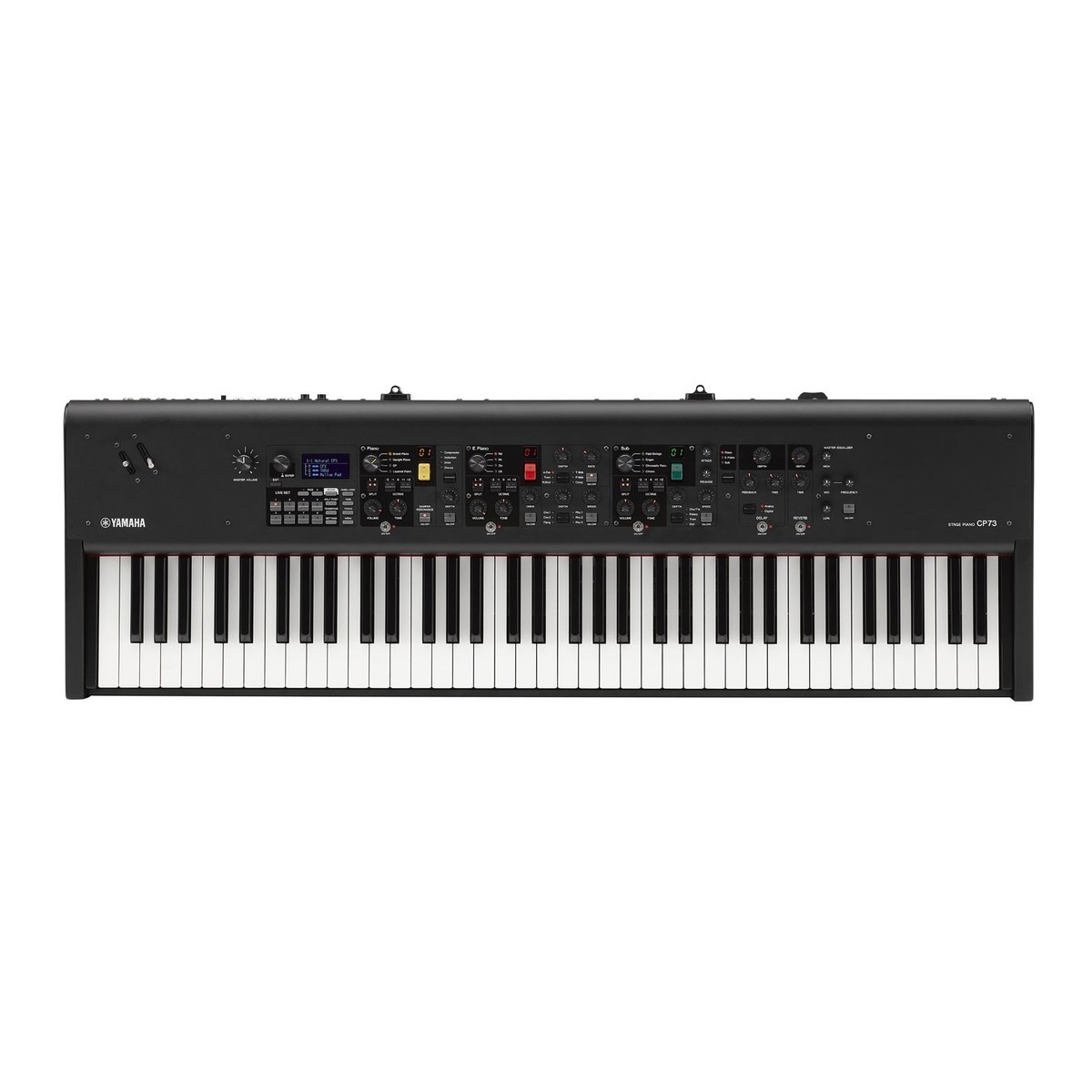 £1,672.00 ($2,123)
Yamaha
Yamaha CP73 Digital Stage Piano
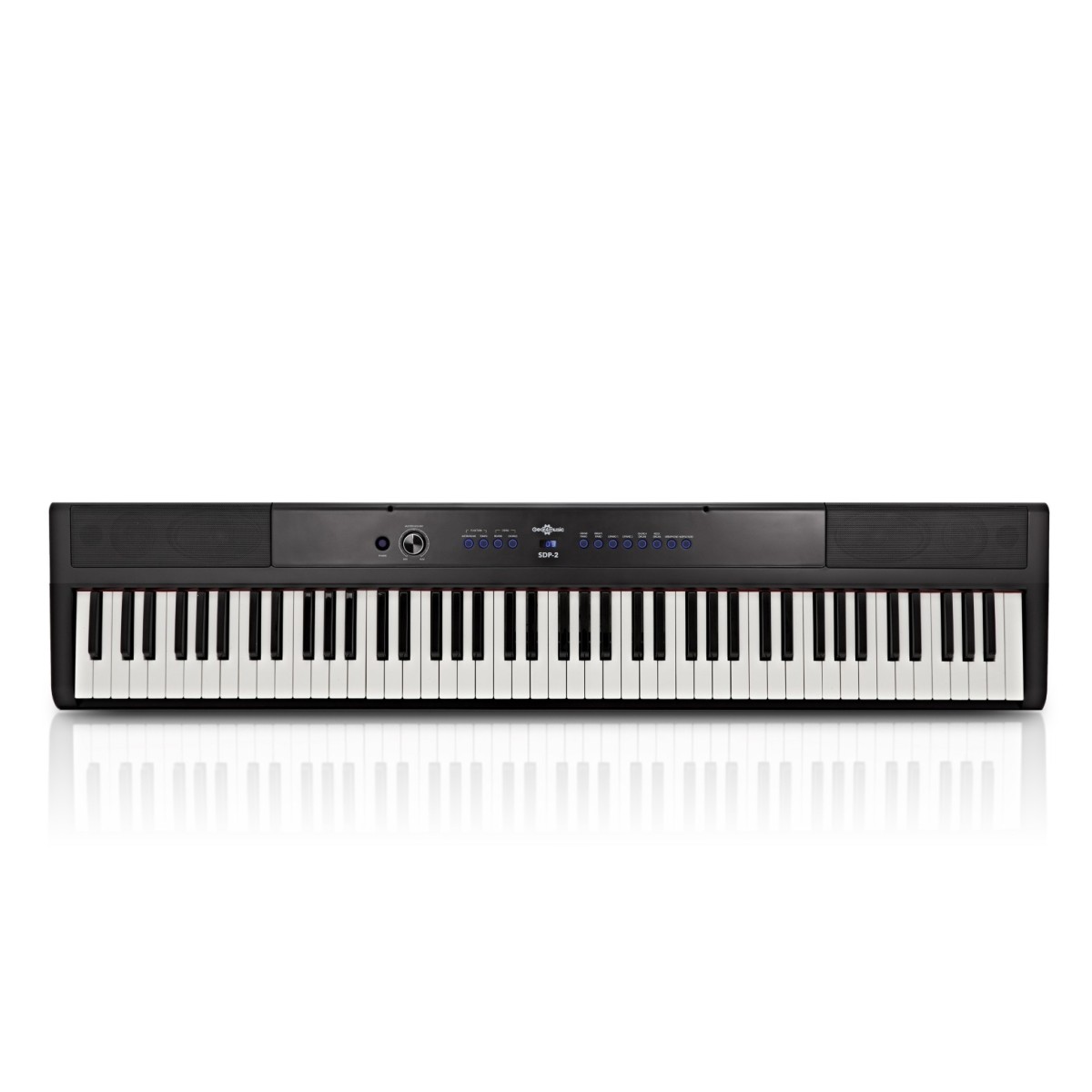 £199.99 ($254)
Gear4Music
SDP-2 Stage Piano by Gear4music
 £4,263.97 ($5,415)
Nord
Nord Stage 4 88 88-Key Digital Stage Piano
 £2,732.17 ($3,470)
Yamaha
Yamaha YC88 Digital Stage Keyboard with Drawbars
 £1,964.13 ($2,494)
Korg
Korg SV2S Stage Piano 88 Key
 £1,133.00 ($1,439)
Roland
Roland RD-88 EX Compact 88-Key Stage Piano
 £493.00 ($626)
Korg
Korg D1 Digital Stage Piano Black
Frequently asked questions
- What type of key action does the Kawai MP7SE use?
- The MP7SE features Kawai's Responsive Hammer III (RHIII) action. This action is designed to provide the tactile feel of an acoustic grand piano with precise nuance capture.
- What is the typical price for the Kawai MP7SE?
- The instrument typically retails for approximately £1,382 in the UK market. Prices may vary slightly depending on the retailer and current promotions.
- Is the MP7SE suitable for touring?
- Yes, it is specifically designed for live performance with a heavy-duty metal frame. The controls are sturdily reinforced to ensure reliability while on the road.
- Does the MP7SE come with a sustain pedal?
- Yes, Kawai includes the F-10H pedal unit as standard with the MP7SE. This high-quality pedal supports half-pedalling for expressive performances.
- How is the control panel layout designed?
- The control panel is neatly organised to maximise ease of use during live performances. This allows musicians to navigate sounds and settings quickly without menu diving.
- What category of instrument does the MP7SE fall into?
- The Kawai MP7SE is classified as a professional stage piano. It bridges the gap between a dedicated digital piano and a MIDI controller.
- How does the build quality compare to entry-level stage pianos?
- Unlike entry-level models like the Gear4Music SDP-2, the MP7SE uses a rugged metal chassis. This makes it significantly more durable for professional environments.
- Can the MP7SE be used in a studio setting?
- Yes, it offers studio-grade functions that make it suitable for recording. Its expressive action and connectivity options allow it to function as a primary master keyboard.
- What are the main competitors from Yamaha?
- The Yamaha CP73 and the YC88 are primary competitors. The YC88 specifically competes with its drawbar functionality, while the CP73 offers a more compact footprint.
- Does the MP7SE feature internal speakers?
- As a professional stage piano, the MP7SE is designed to be connected to external amplification or PA systems. It does not include built-in speakers like the Korg SV2S might offer in some configurations.
- How does the MP7SE differ from the Roland RD-88 EX?
- The Roland RD-88 EX is designed for compactness and portability. In contrast, the MP7SE focuses on a more substantial metal build and a specific hammer-action feel.
- Is the MP7SE a good choice for piano purists?
- Yes, because of its class-leading Responsive Hammer action, it is highly regarded by those who prioritise an authentic piano touch. It captures slight nuances that are often lost on lighter actions.