
Gear article
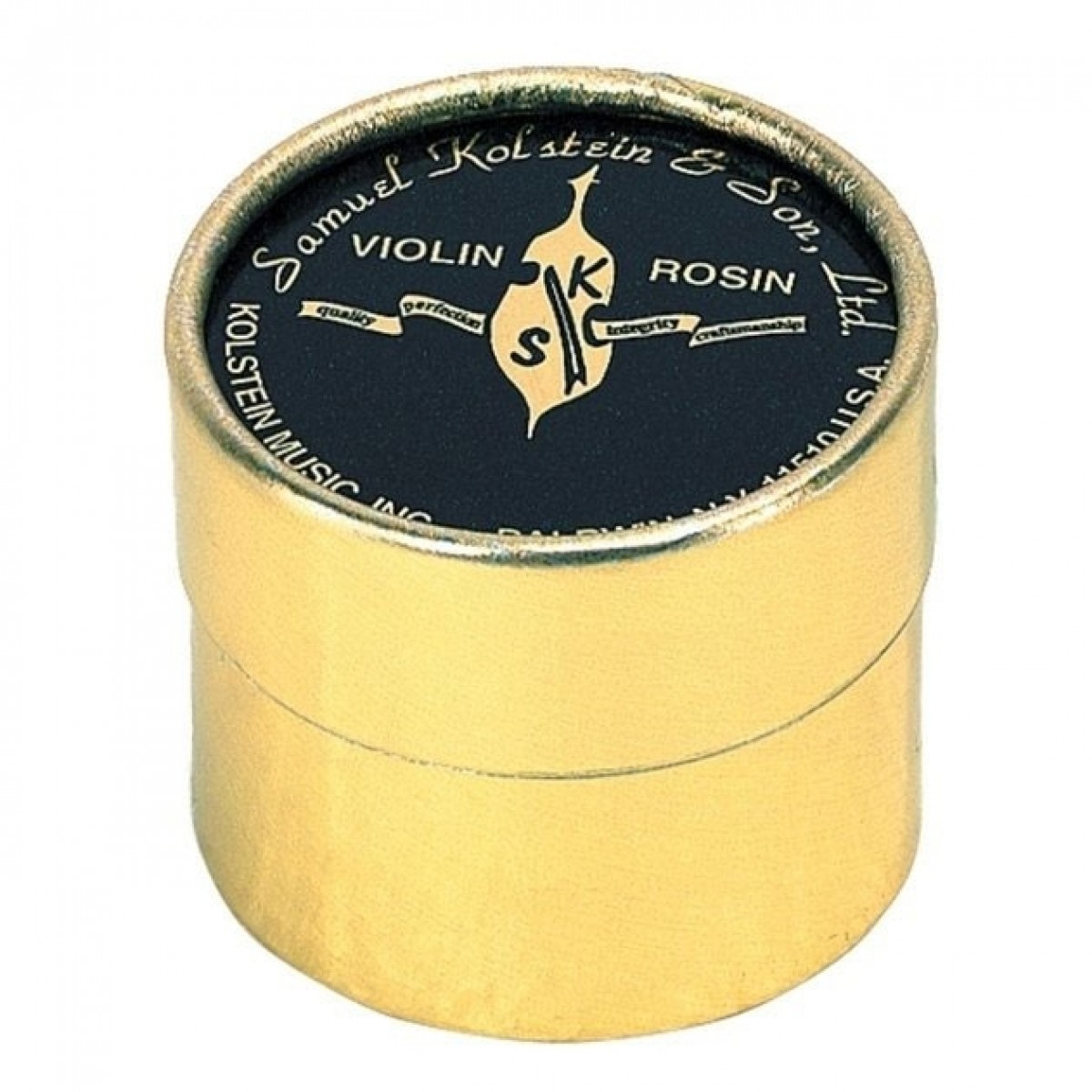
Gewa Kolstein Cello Rosin (Regular)
Gewa Kolstein Cello Rosin is a professional-grade formulation designed specifically for the cello to enhance bow grip and string vibration. Developed by Kolstein & Son, it is noted for its ability to produce a clear, bold sound with minimal application. The regular formula provides a balanced level of friction suitable for a wide range of playing environments and techniques.
Background and Development
The Kolstein brand is historically significant in the realm of string instrument maintenance as the first manufacturer to create instrument-specific rosin formulations. Rather than using a generic recipe for all stringed instruments, Kolstein developed chemical compositions tailored to the specific string gauges and tension requirements of the cello. This particular product is distributed by Gewa, a prominent European musical instrument company, ensuring accessibility for orchestral musicians globally.
Technical Characteristics
Rosin is essential for cello performance as it increases the friction between the bow hair and the strings, allowing the strings to vibrate clearly rather than the bow sliding silently across them. The Kolstein Regular formula is a 'supreme' formulation intended for high durability.
Key physical features include: * Formulation: Specifically balanced for the cello's thickness and tension. * Longevity: A single application of one or two strokes is designed to last for several hours of play. * Packaging: The rosin is supplied in a fabric bag, which helps prevent the cake from crumbling or breaking easily during transport in an instrument case.
Sound Profile and Application
The 'Regular' variant of this rosin is designed to produce a sound that is both clear and bold. Unlike generic rosins that may produce excessive surface noise or dust, the Kolstein formulation focuses on a clean 'attack' and sustained tone. Because it is highly concentrated, only a small amount is required to achieve optimal friction. For cellists requiring even more grip, Kolstein also produces a 'tackier' version, but the Regular remains the standard choice for most orchestral and solo applications.
Target Audience and Comparison
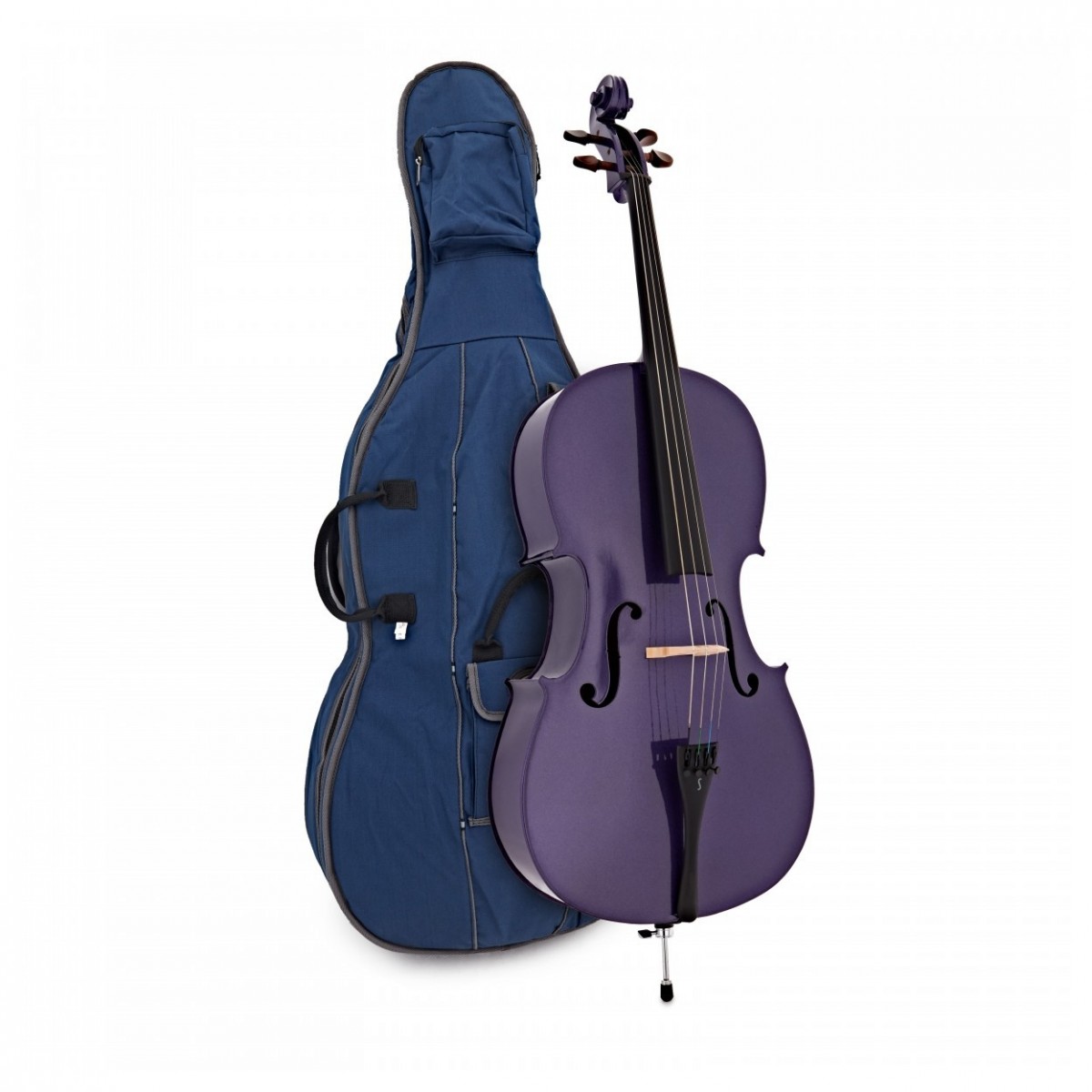
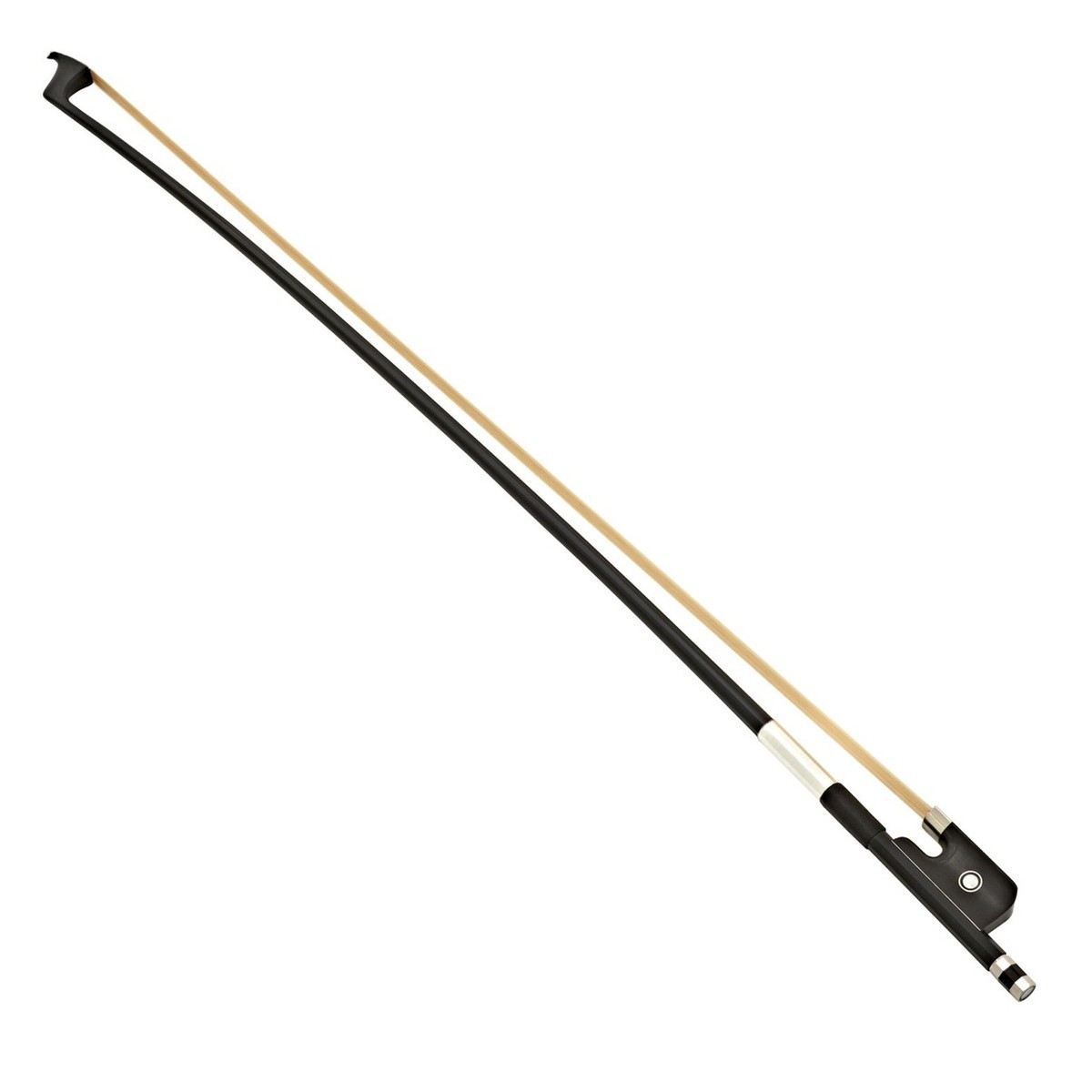
This rosin is suitable for students and professional cellists alike who require a reliable, long-lasting grip. While students using entry-level instruments like the Gear4music Student Cello or Stentor Harlequin series will benefit from the improved clarity, it is also frequently paired with higher-end equipment like the Stentor Messina Cello or specialized bows such as the Gewa Jaeger Germany Premium Bulletwood or Coruss Carbon Cello bows.
Compared to alternatives like Pirastro Cellisto, Kolstein Regular is often cited for its instrument-specific tailoring and the convenience of its protective cloth packaging.
Related gear
- £12.38 ($16)
Pirastro
Pirastro Cellisto Cello Rosin
 £429.00 ($545)
Stentor
Stentor Harlequin Cello Outfit Purple 1/2
 £53.70 ($68)
Primavera
Primavera Composite Cello Bow Round 1/4
 £205.00 ($260)
Coruss Bows
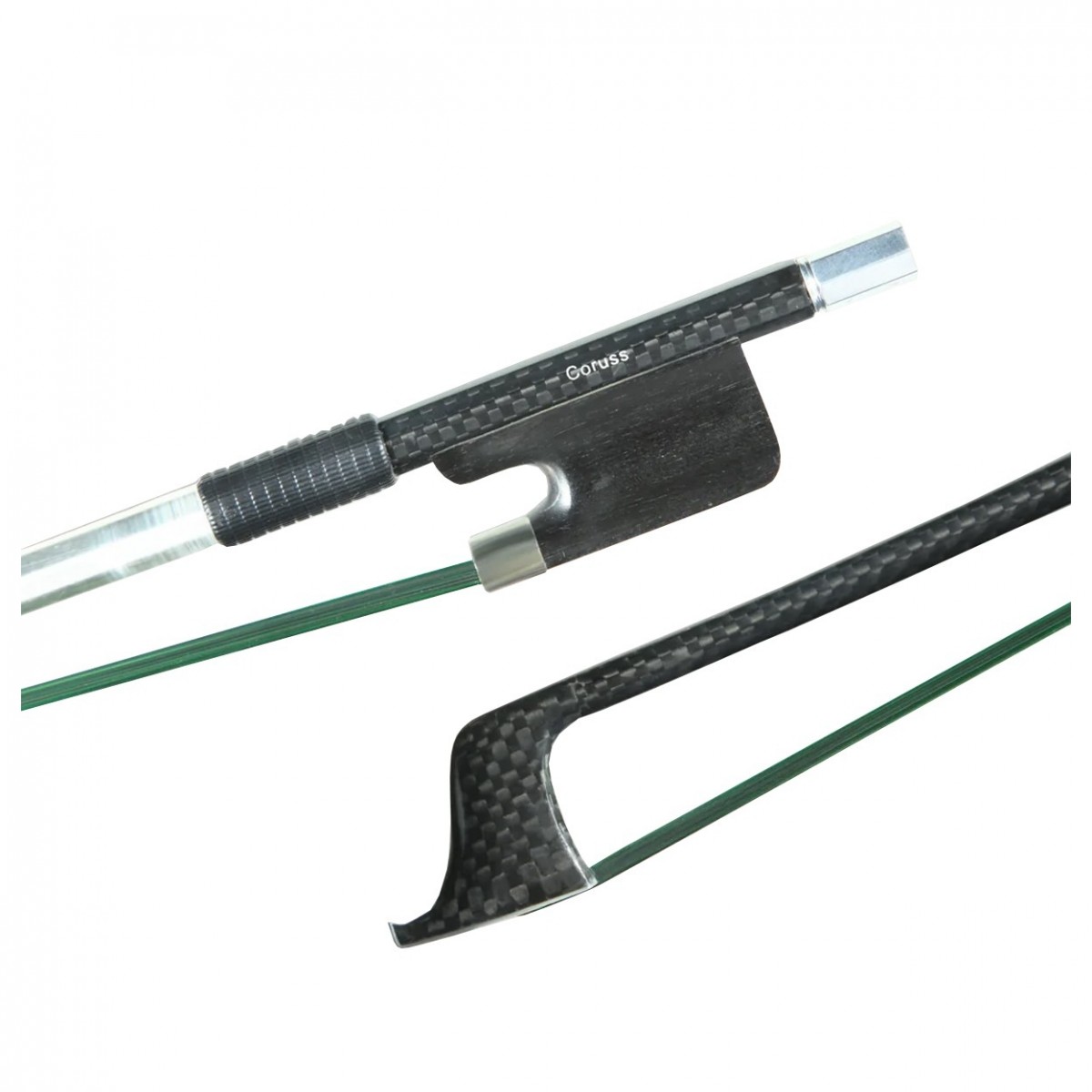
Coruss Carbon Bow for Cello 3/4 Green Hair
 £199.99 ($254)
Gear4Music
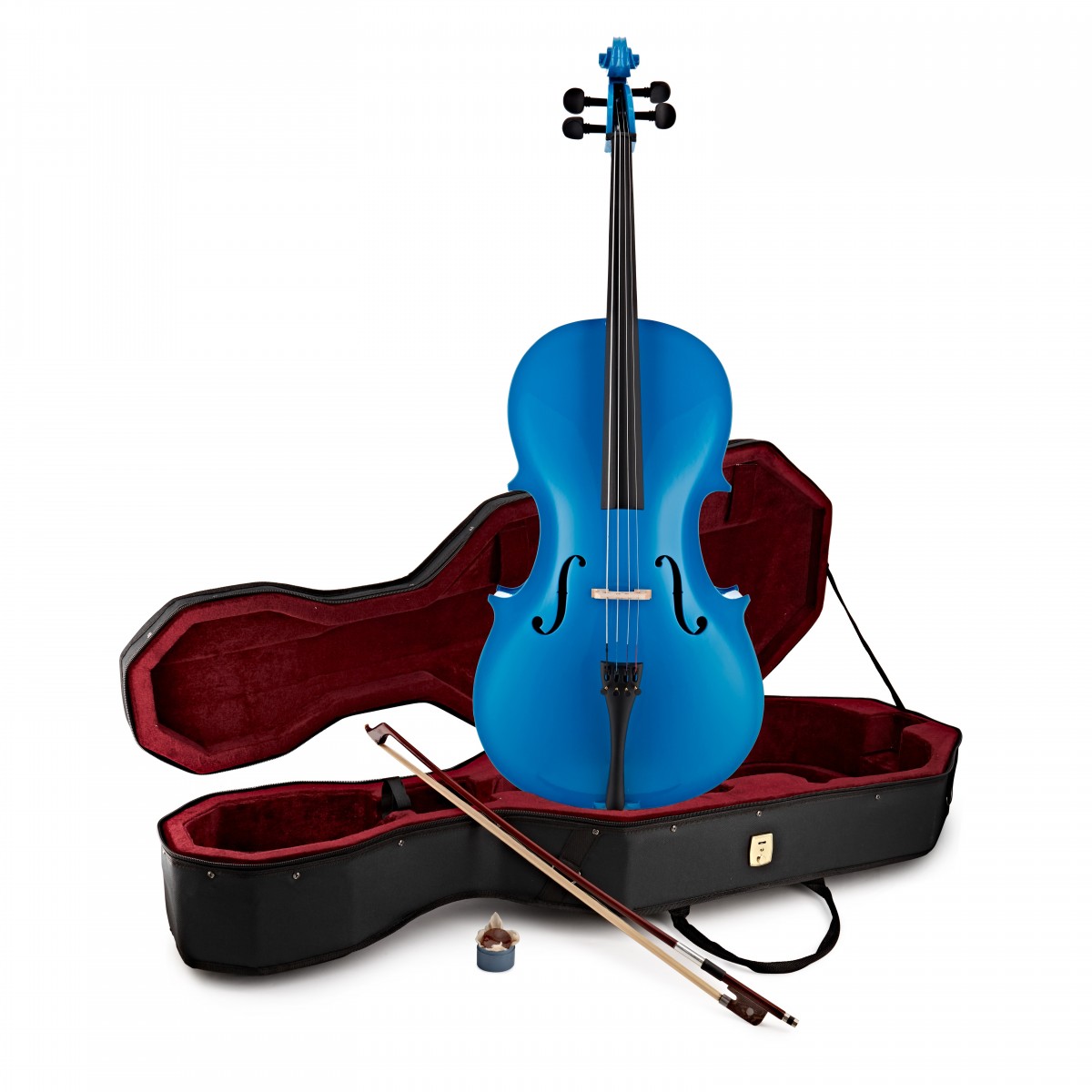
Student 1/2 Size Cello by Gear4music Blue
 £229.99 ($292)
Gear4Music
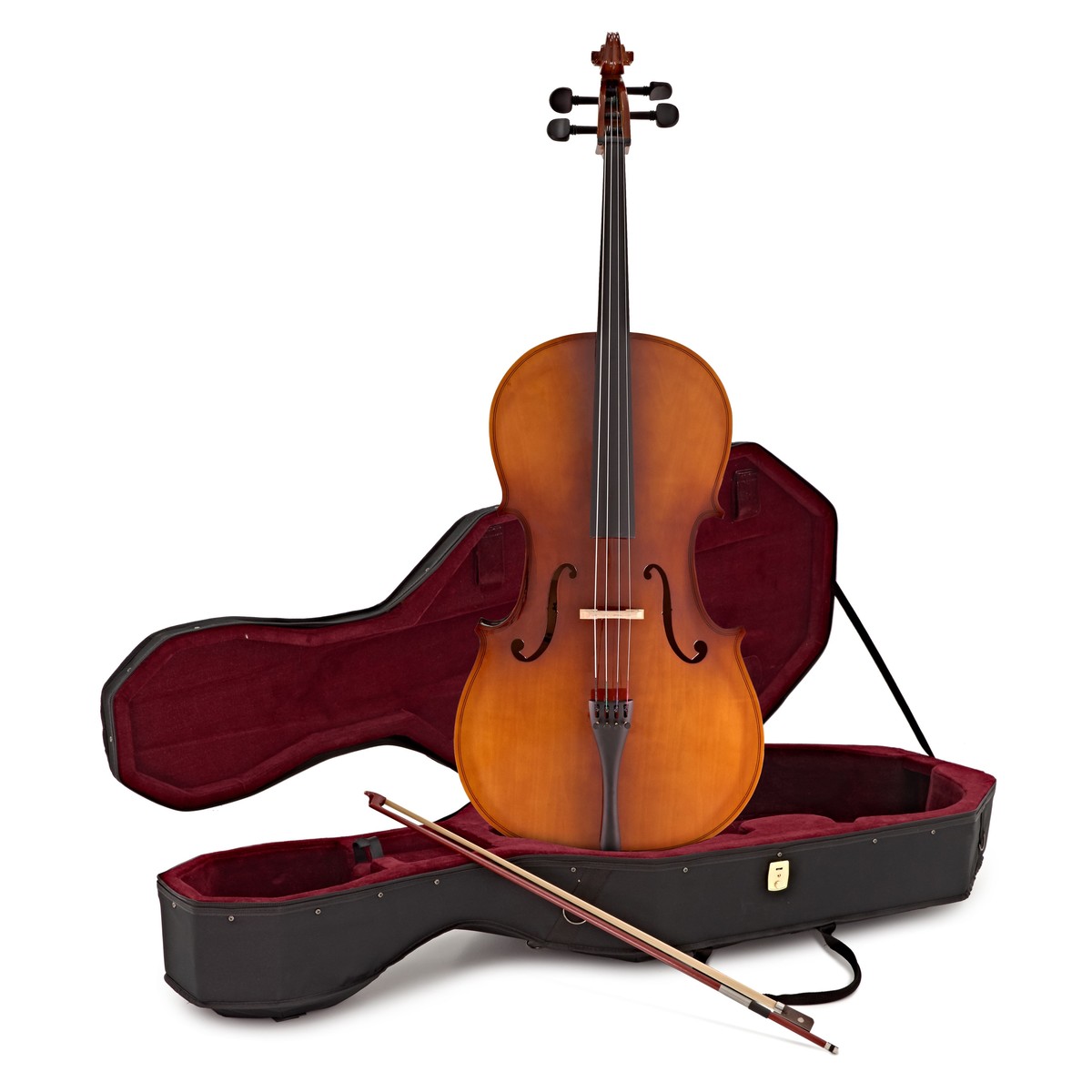
Student Full Size Cello by Gear4music Antique Fade
 £2,189.00 ($2,780)
Stentor
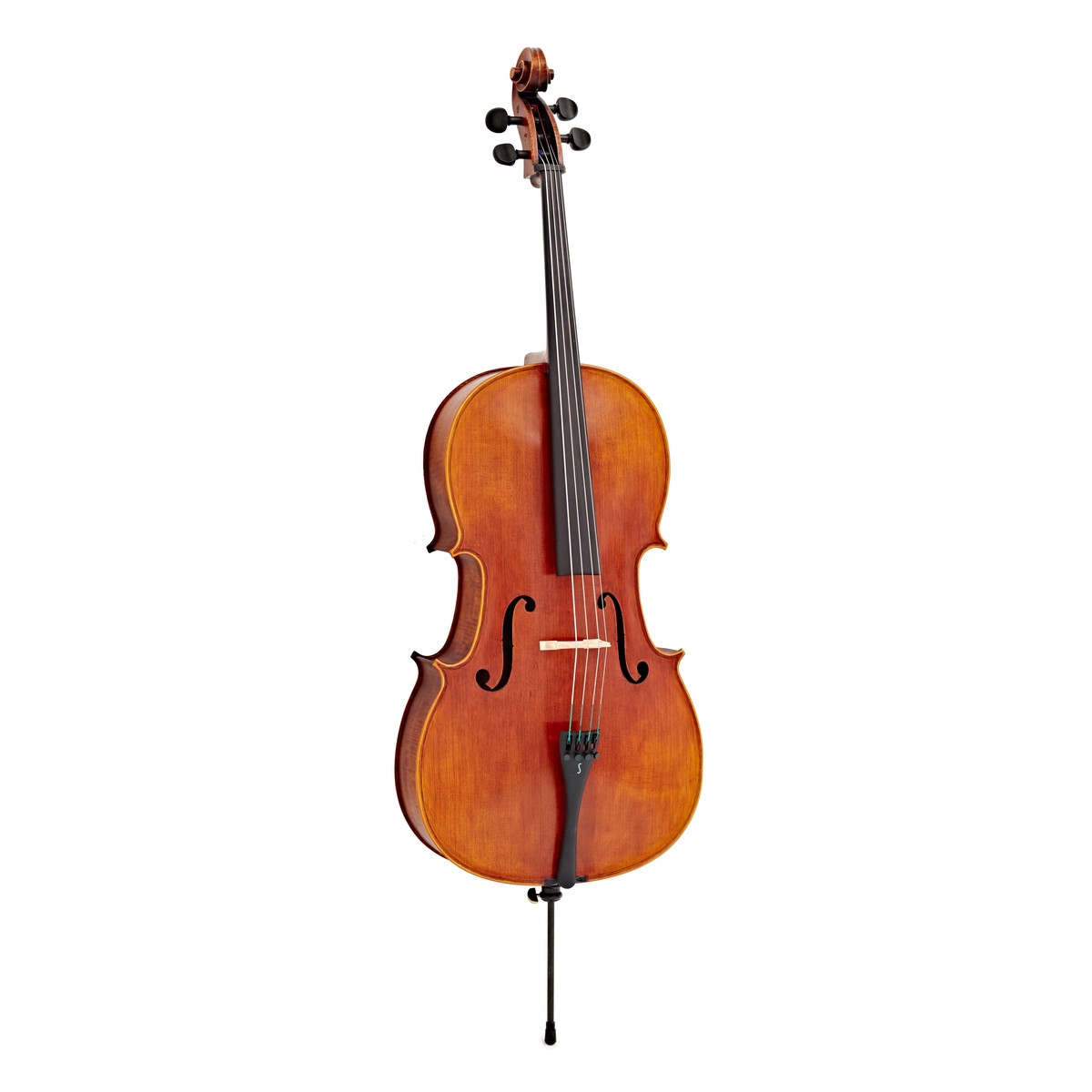
Stentor Messina Cello Full Size Instrument Only
 £146.00 ($185)
Gewa
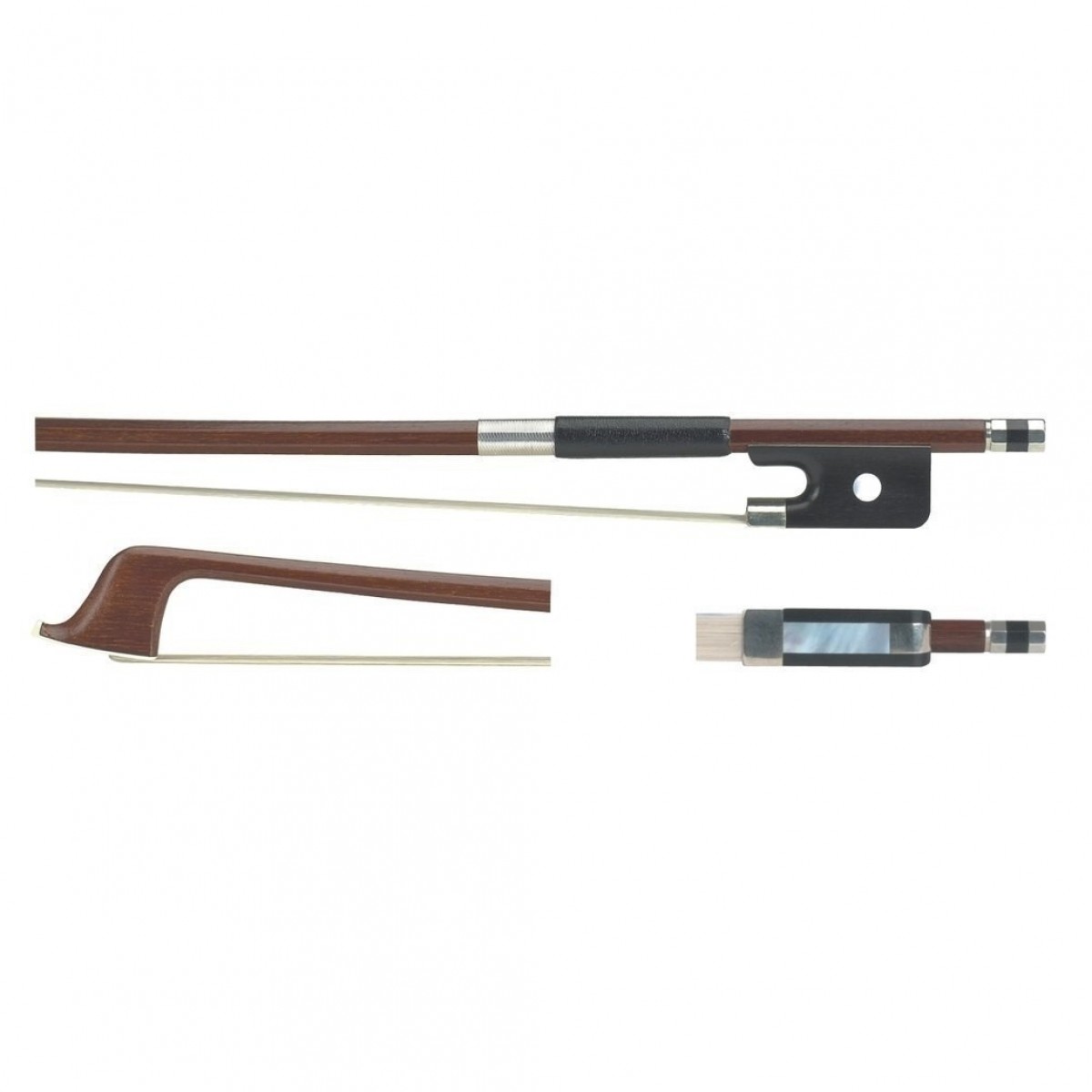
Jaeger Germany Premium Bulletwood Student Cello Bow Octagonal 3/4
Frequently asked questions
- What makes Kolstein rosin different from generic brands?
- Kolstein was the first manufacturer to create formulas specifically tailored to individual instruments like the cello, rather than a one-size-fits-all approach. This ensures the grip is matched to the specific tension of cello strings.
- How much rosin should be applied to the bow?
- Only one or two strokes are typically required for hours of optimal playing. Over-applying can lead to a scratchy sound and excessive dust buildup on the instrument.
- What is the benefit of the fabric bag packaging?
- The fabric bag provides a layer of protection that helps prevent the rosin cake from crumbling or cracking when stored in a cello case. It also makes the rosin easier to handle without getting resin on the player's fingers.
- Does this rosin work for violins or violas?
- While it can be used, it is specifically formulated for the cello. Violin strings are thinner and generally require a harder, less tacky rosin compared to the Kolstein cello formulation.
- What is the difference between 'Regular' and 'Tackier' Kolstein rosin?
- The Regular formula provides a balanced grip suitable for most conditions. The tackier version is designed for players who prefer a stronger 'bite' or for use in very dry, cold climates where rosin loses its stickiness.
- Is this rosin suitable for carbon fibre bows?
- Yes, it is compatible with traditional horsehair on all bow types, including carbon fibre models like the Coruss or Primavera composite bows. The formulation focuses on the hair's interaction with the string.
- How does this rosin affect the sound of the cello?
- It is designed to make the sound clearer and bolder. By providing the correct amount of friction, it allows the strings to vibrate fully and consistently without slipping.
- Is the Gewa Kolstein Cello Rosin prone to crumbling?
- No, it is described as a supreme formulation that does not crumble easily. The addition of the protective fabric bag further ensures the longevity of the piece.
- What is the typical price for this rosin?
- The typical price for a single cake of Gewa Kolstein Cello Rosin is approximately £20.00. This reflects its status as a professional-grade accessory.
- How often should I apply this rosin?
- Because of its high-quality formulation, a single application can last for several hours of playing time. Musicians should only reapply when they feel the bow beginning to lose its grip on the strings.
- Does this rosin produce a lot of dust?
- The Kolstein formulation is designed to be efficient, meaning very little is needed. This typically results in less dust compared to cheaper, lower-quality rosins.
- Can I use this on a 1/2 or 3/4 size cello?
- Yes, it is suitable for all cello sizes, from student models like the 1/2 size Gear4music or 3/4 size Stentor outfits to full-sized professional instruments.