
Gear article
Gewa Kolstein Double Bass Rosin (Hard)
The Gewa Kolstein Double Bass Rosin Hard is a professional-grade friction agent specifically formulated for the requirements of the double bass. Produced under the Kolstein brand and distributed by Gewa, this 'Hard' grade variant is designed to provide high friction and a clear, bold sound with minimal application.
See live pricesBackground and History
The development of instrument-specific rosin was pioneered by Kolstein, who were the first to create distinct formulas tailored to the unique physical demands of different string instruments. Recognising that the thick, heavy strings of the double bass require significantly more 'grip' than those of a violin or cello, Kolstein developed a range of specific formulations. The hard variant is part of a broader catalogue offered by Gewa that includes soft and all-weather grades, allowing players to select a product based on their individual playing style and environmental conditions.
Functionality and Key Features
Rosin is an essential accessory for the double bass, functioning by increasing the friction between the bow hair and the strings. This friction allows the bow to 'grip' the heavy metal-wound strings, initiating the vibrations necessary to produce a clear sound. The Kolstein Hard formula is noted for its efficiency; the manufacturer suggests that just one or two strokes across the bow hair are sufficient for several hours of play. This supreme formulation is designed to maintain the bow hair in optimal condition, ensuring consistent performance throughout long sessions.
Sound Character
The specific objective of the Kolstein Hard rosin is to produce a tone that is both clear and bold. While softer rosins can sometimes lead to a 'stickier' or muddier response if over-applied, the hard formulation helps in maintaining articulation. It provides the necessary bite to start the note quickly on a large-diameter string without sacrificing the richness of the double bass's natural resonance.
Comparisons and Suitability
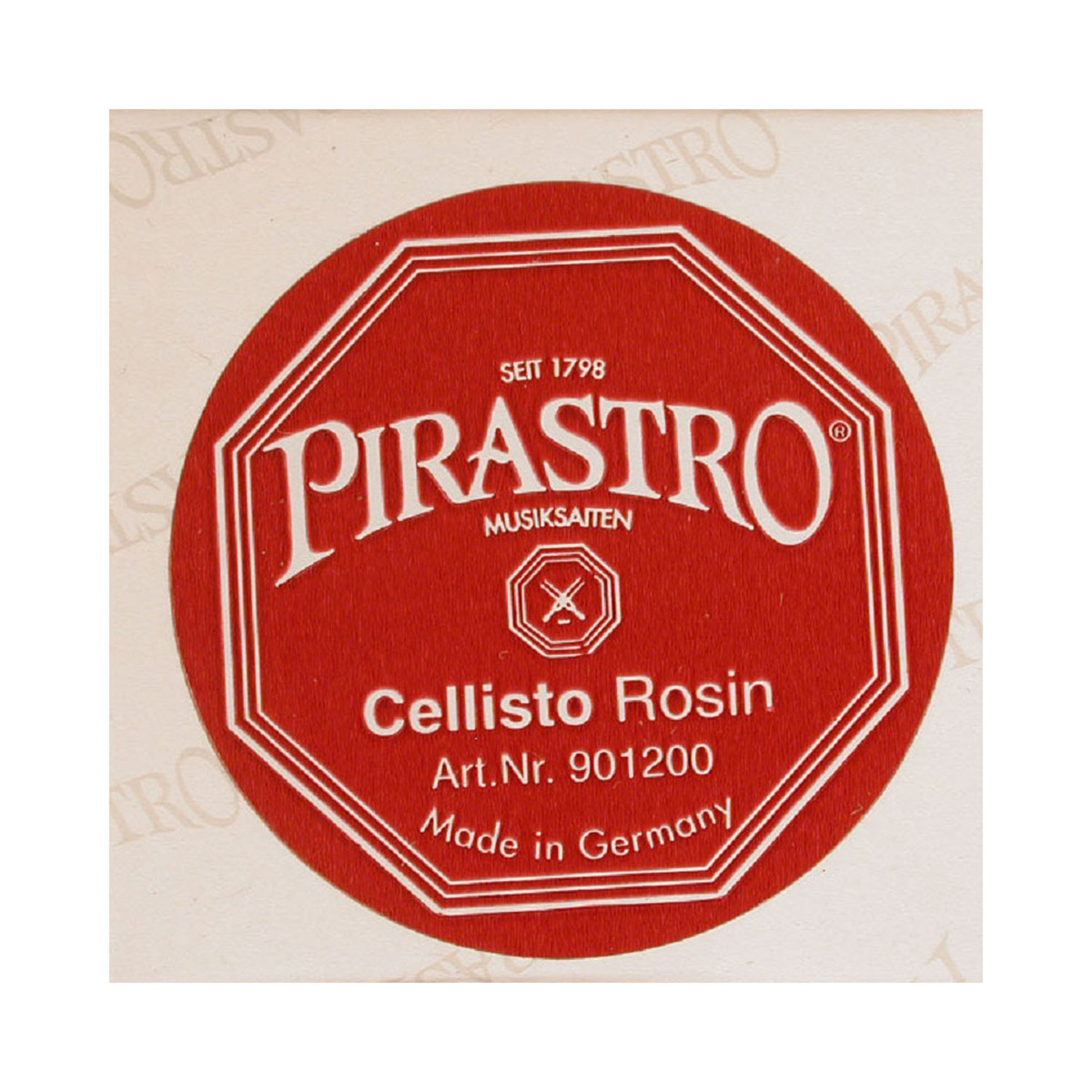
Within the Kolstein range, the Hard variant is often preferred by players who find soft rosins too tacky or prone to clumping in warmer climates. It suits orchestral and solo double bassists who require precision and a reliable grip. While cello players might look to alternatives like Pirastro Cellisto Cello Rosin, the Kolstein Double Bass formula is specifically weighted for the heavier gauge of bass strings. Compared to all-weather variants, the Hard grade offers a more specific response for those who prefer a firmer feel under the bow.
Related gear
 £12.38 ($16)
Pirastro
Pirastro Cellisto Cello Rosin
 £429.00 ($545)
Stentor
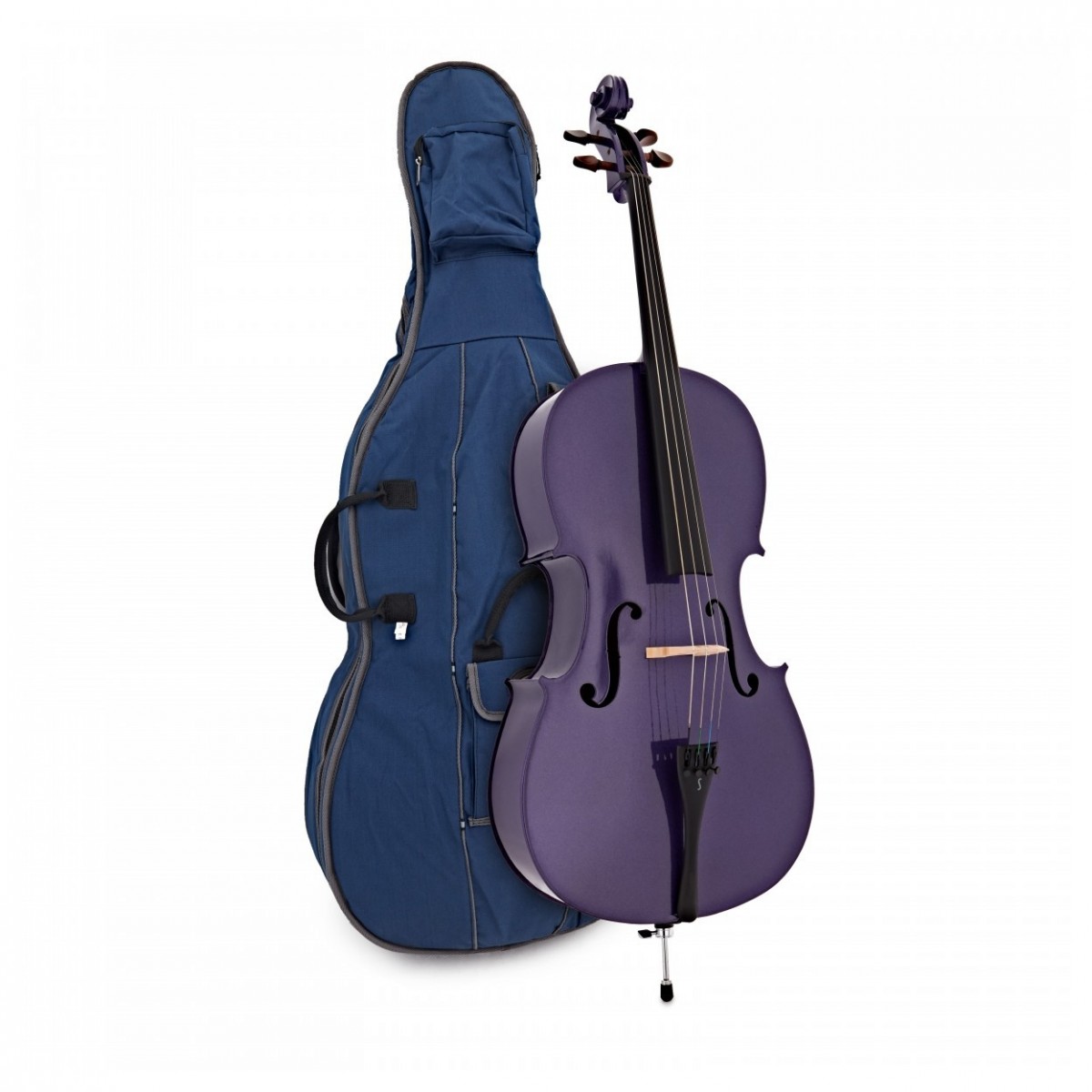
Stentor Harlequin Cello Outfit Purple 1/2
 £53.70 ($68)
Primavera
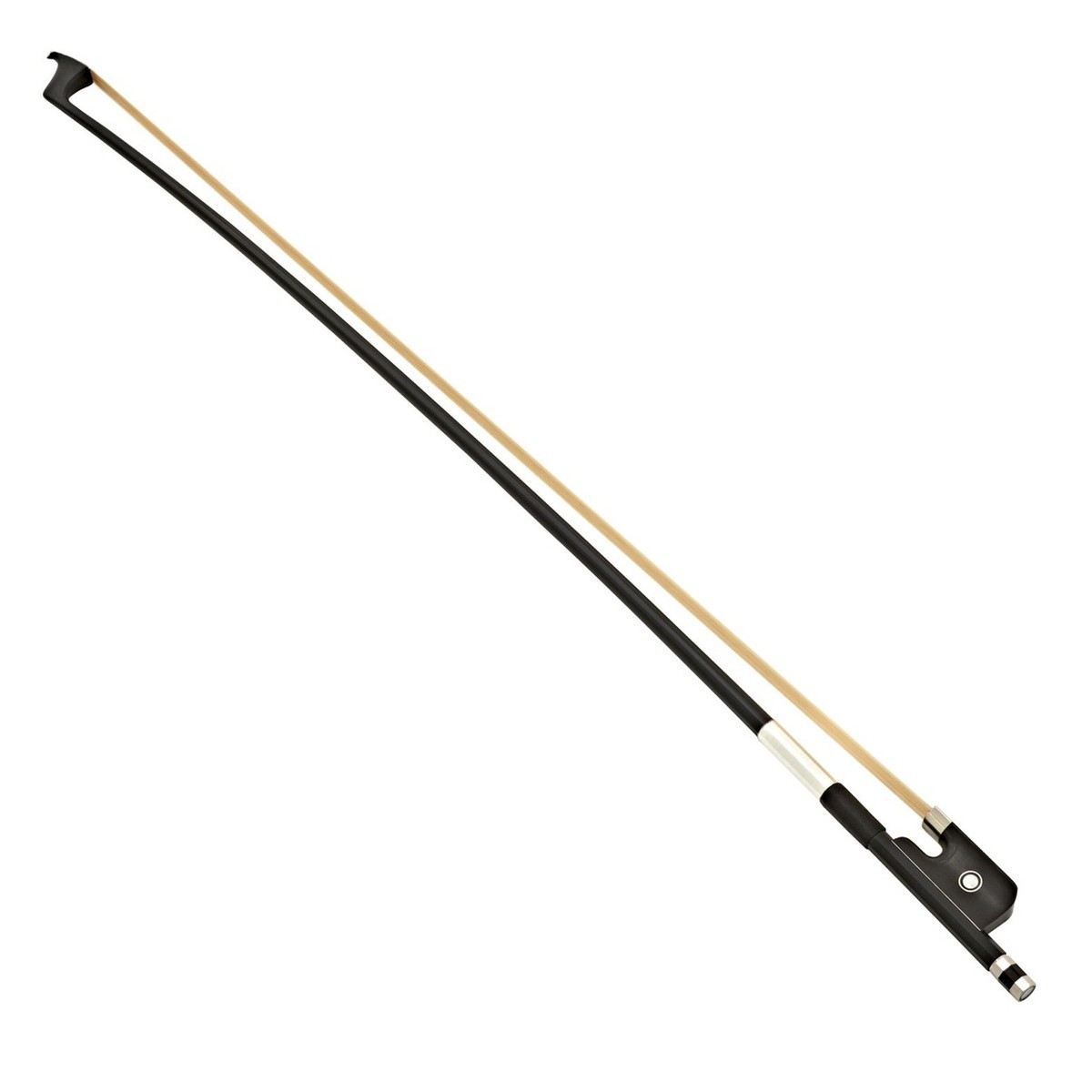
Primavera Composite Cello Bow Round 1/4
 £205.00 ($260)
Coruss Bows
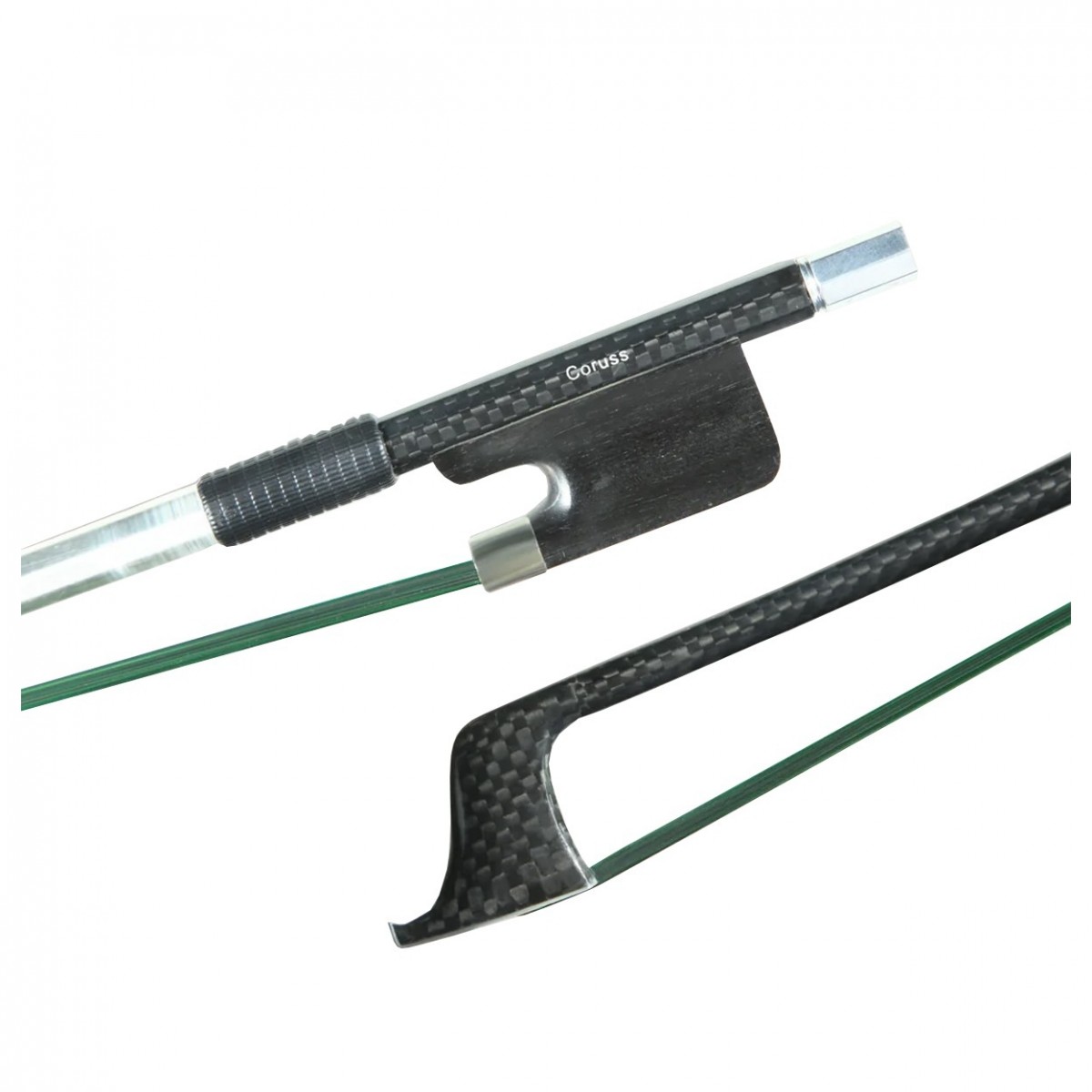
Coruss Carbon Bow for Cello 3/4 Green Hair
 £219.99 ($279)
Gear4Music
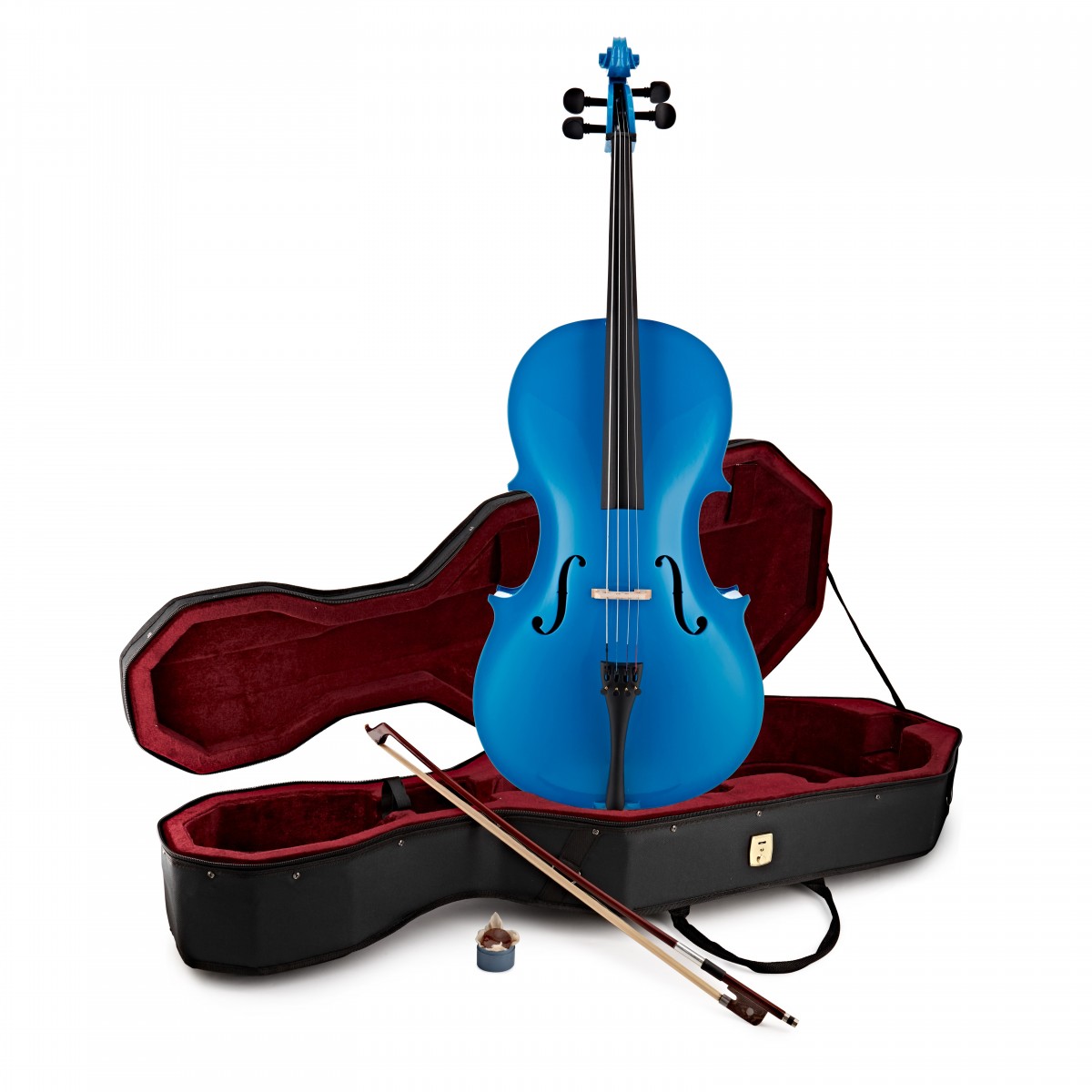
Student 1/2 Size Cello by Gear4music Blue
 £249.99 ($317)
Gear4Music
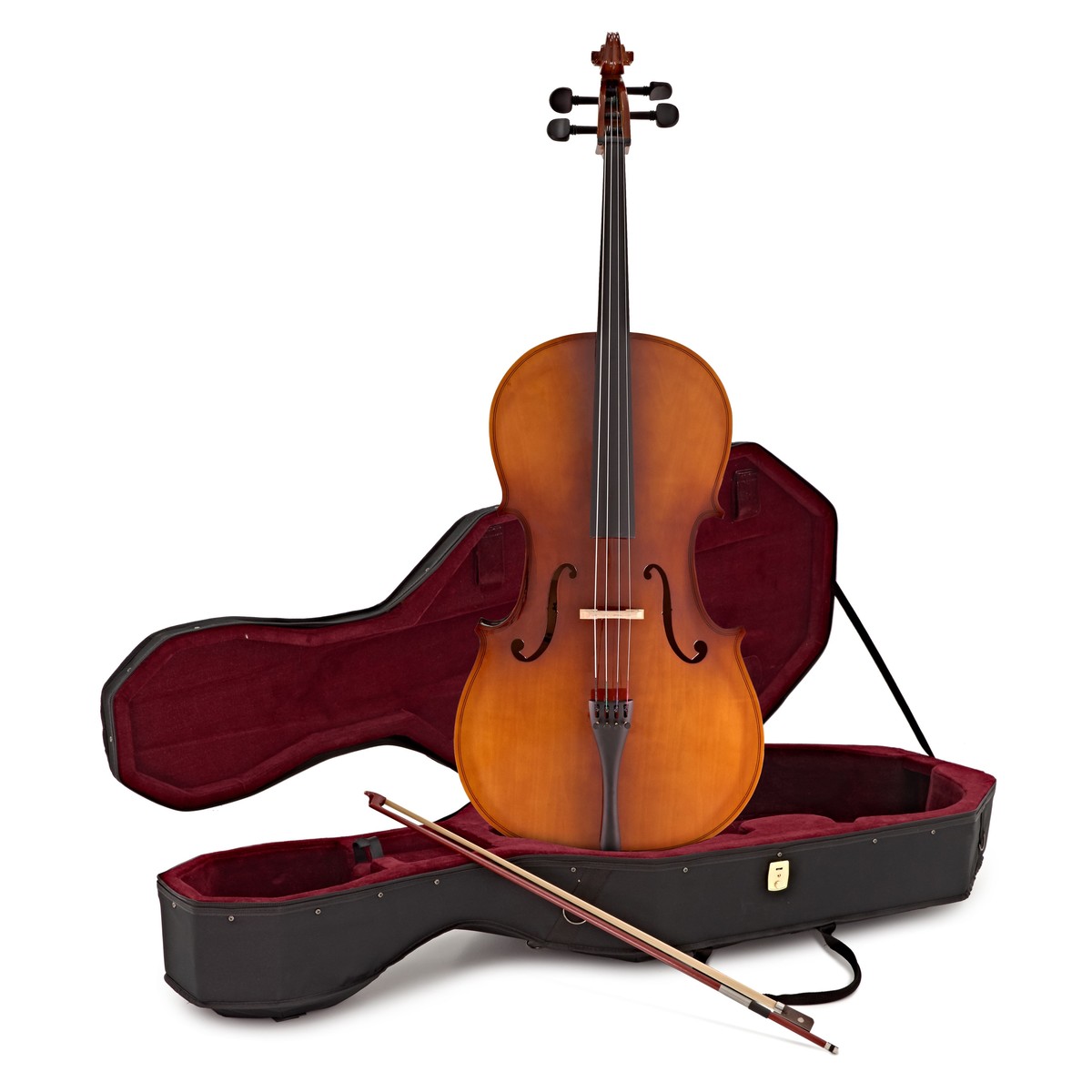
Student Full Size Cello by Gear4music Antique Fade
 £2,189.00 ($2,780)
Stentor
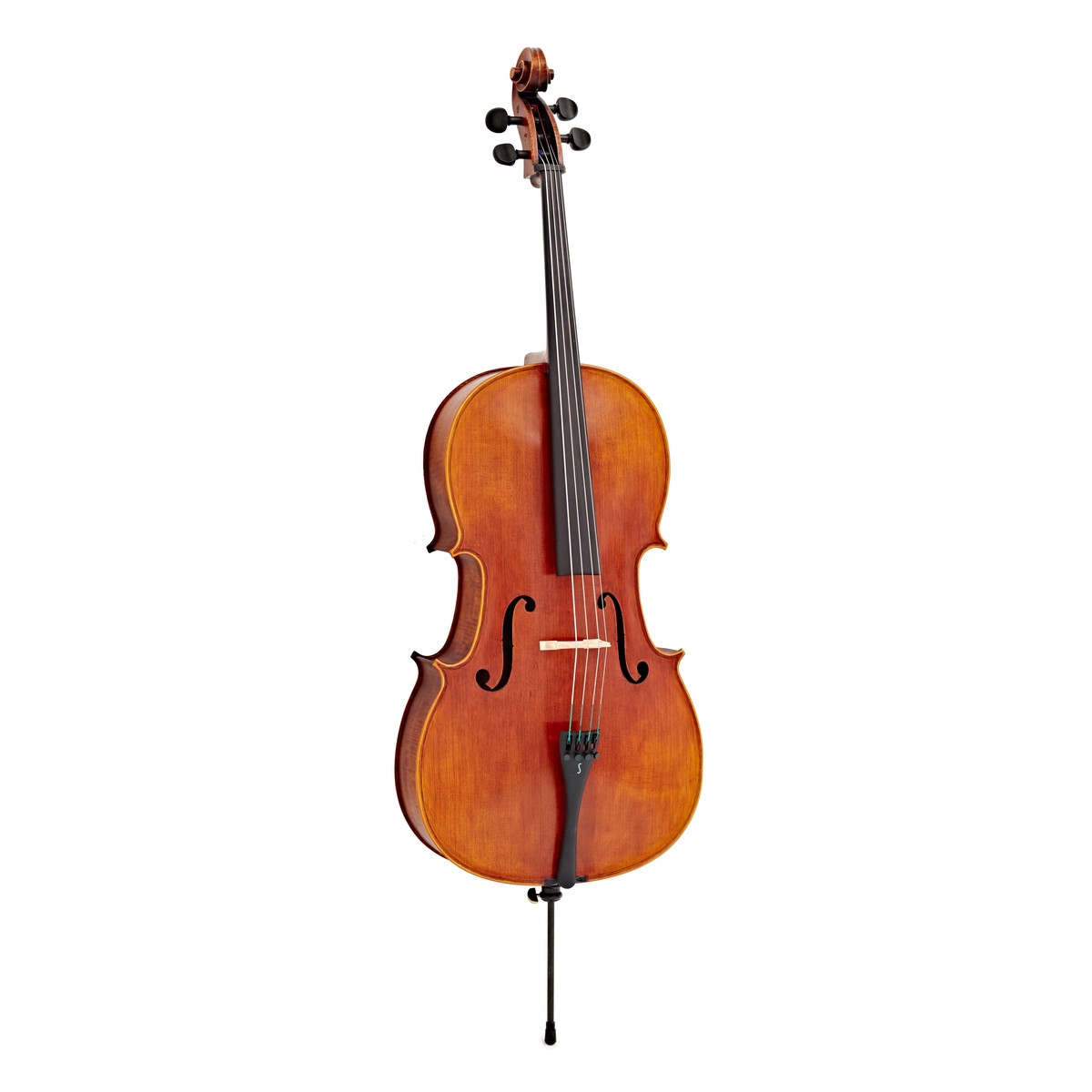
Stentor Messina Cello Full Size Instrument Only
 £146.00 ($185)
Gewa
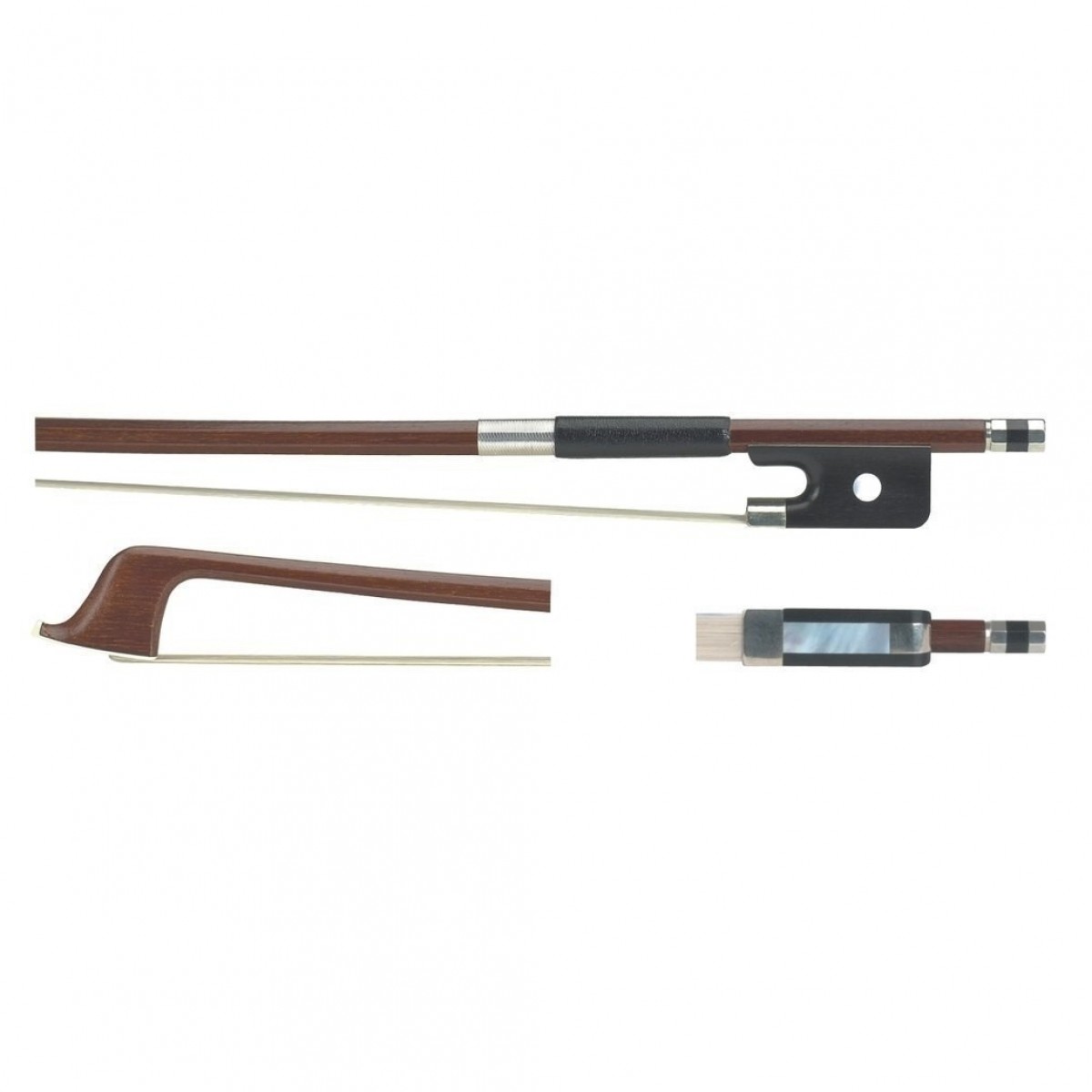
Jaeger Germany Premium Bulletwood Student Cello Bow Octagonal 3/4
Frequently asked questions
- What is the primary purpose of Gewa Kolstein Double Bass Rosin?
- It is used to increase friction between the bow hair and the strings. This allows the bow to grip the double bass strings and make them vibrate clearly.
- How often should I apply this rosin?
- Because of its supreme formulation, it is highly efficient. Just a stroke or two of the rosin is typically enough for several hours of optimal playing.
- Who was the first manufacturer to create instrument-specific rosin?
- Kolstein was the first company to create rosin formulas tailored specifically to each different string instrument.
- What are the different grades available for Kolstein bass rosin?
- Kolstein produces three distinct grades for the double bass: soft, hard, and all-weather. These cater to different player preferences and environmental conditions.
- What sound characteristic does the Hard grade produce?
- This rosin is designed to keep the sound clear and bold. It provides the necessary friction for a strong projection without sounding muddy.
- Is this rosin suitable for cellos?
- While it is a high-quality rosin, it is specifically tailored to the double bass. Cello players would typically use a product like Pirastro Cellisto Cello Rosin instead.
- How much does the Gewa Kolstein Double Bass Rosin Hard typically cost?
- The typical price for this rosin is approximately £20. This puts it in the professional tier of string accessories.
- Does this rosin come in different colours?
- The manufacturer description focuses on the 'Hard' grade formulation rather than aesthetic colour variations. Its performance is defined by its grip and hardness.
- Why is 'Hard' rosin used instead of 'Soft' rosin?
- Hard rosin is often preferred by bassists who want a cleaner release or who play in warmer environments where soft rosin might become too sticky.
- Can I use this with a carbon fiber bow?
- Yes, it is compatible with standard bow hair used on both wood and carbon fiber bows, such as those found on student or professional models.
- What happens if I don't use enough rosin?
- Without sufficient rosin, the bow will slide across the strings without creating enough friction. This results in a weak, wispy, or non-existent sound.
- Where should I store my Kolstein rosin?
- It is designed to be tucked away in your instrument case. Keeping it in a stable environment helps maintain the 'Hard' grade consistency.