Gear article
Korg microKEY 25-Key USB MIDI Keyboard
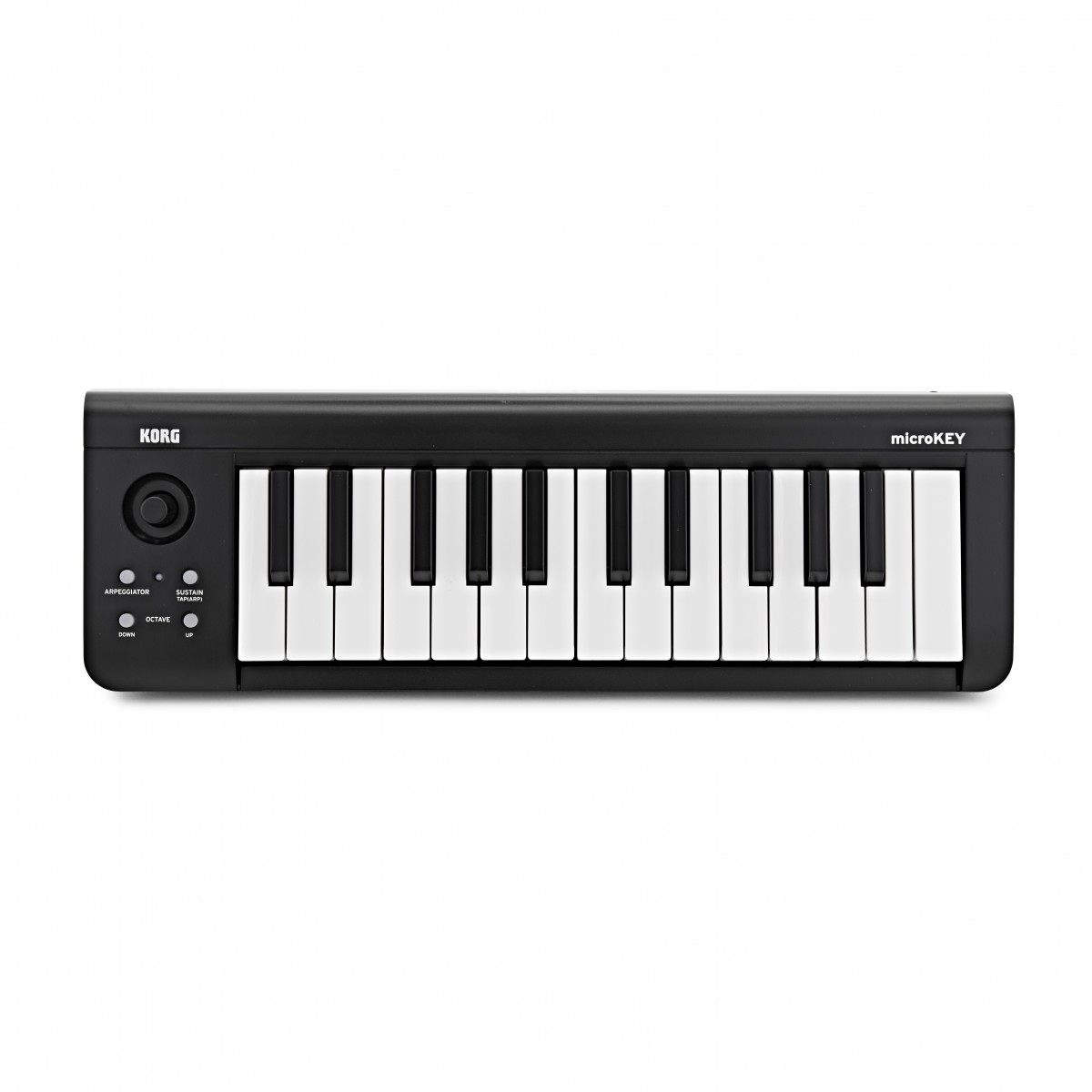
The Korg microKEY 25 is a compact USB MIDI controller designed for portable music production and mobile studio setups. Introduced as part of an expanded range in 2012, it provides a tactile playing experience in a small footprint for musicians on the move.
Background and Development
The microKEY series was developed by Korg to address the growing demand for mobile music production tools. In 2012, Korg expanded the original lineup by introducing 25-key and 61-key variations. The 25-key model was specifically designed to be the most portable entry in the series, prioritising a slim profile that fits easily into laptop bags or cramped desktop environments.
Design and Key Features
The primary feature of the microKEY 25 is its Natural Touch mini-keyboard. Despite the reduced size, Korg engineered the keys to maintain a consistent feel for melodic playing. The device is bus-powered via a single USB cable, eliminating the need for an external power supply. Unlike larger controllers that may use traditional wheels, the 25-key version often utilises a joystick or specific buttons for pitch and modulation to maintain its narrow dimensions.
Performance and Character
The microKEY 25 is characterised by its plug-and-play simplicity. It does not generate internal sounds; instead, it serves as a trigger for software instruments and DAWs. The 'Natural Touch' action is designed to be responsive enough for capturing lead lines and chord progressions while away from a full-sized studio setup. Its lightweight construction makes it a staple for composers who work in non-traditional spaces like trains or cafes.
Target Audience and Applications
This controller is best suited for electronic musicians, hobbyists, and professional producers who require a 'travel' keyboard. Its extremely small footprint makes it ideal for:
- Mobile recording with laptops.
- Controlling soft-synths in limited desk spaces.
- Adding a secondary small-scale manual to an existing live rig.
- Beginners looking for an affordable entry point into MIDI sequencing.
Comparison to Alternatives
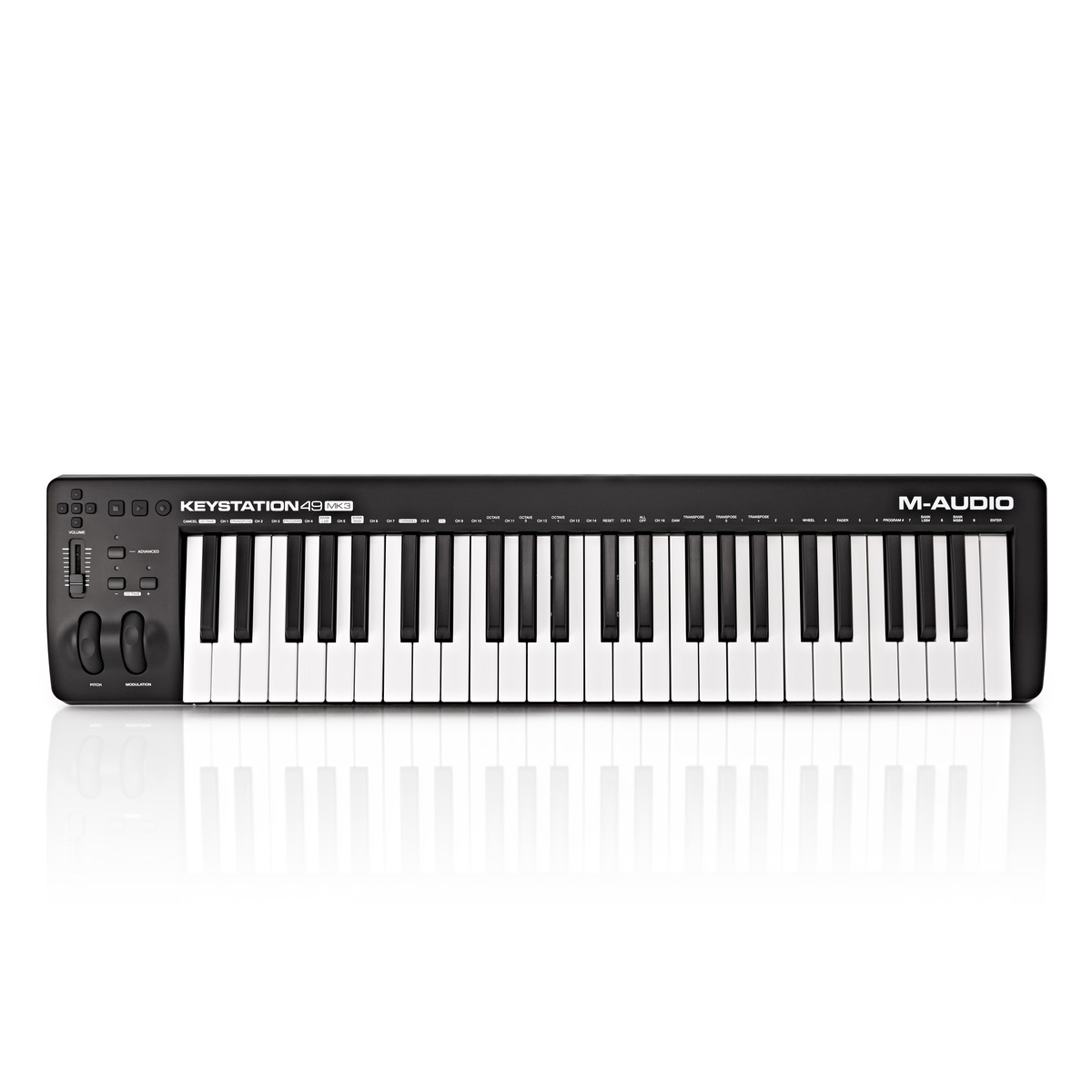
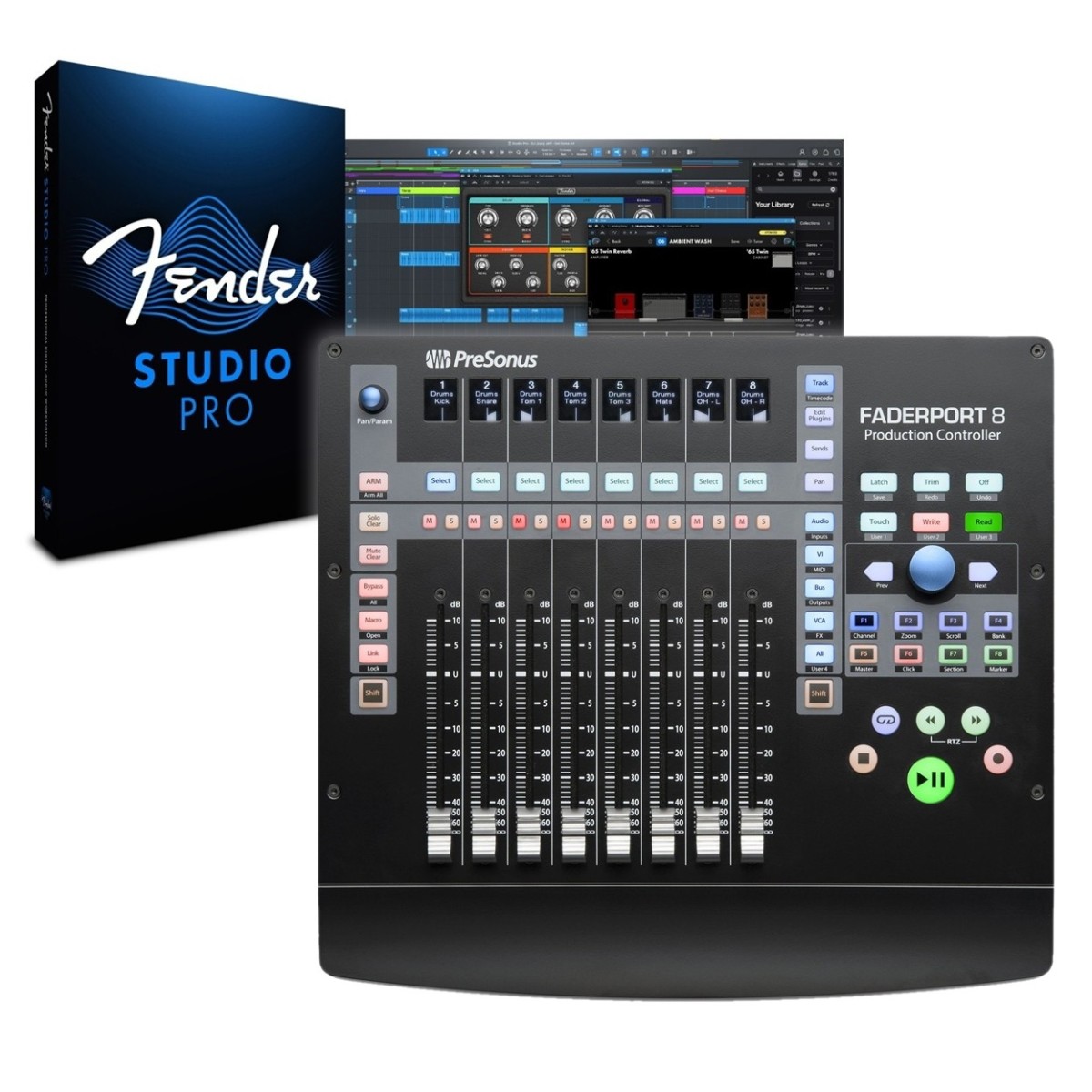
When compared to larger models like the Korg microKEY 61, the 25-key version sacrifices range for extreme portability. Within the Korg ecosystem, users might also consider the nanoPAD2 for percussive input or the microKEY-2 AIR 49 if wireless Bluetooth connectivity is required. Against external competitors like the M-Audio Keystation 49 MKIII, the microKEY 25 is significantly smaller but offers fewer octaves and smaller keys. It is a more specialized tool for space-saving compared to full-sized control surfaces like the PreSonus FaderPort 8.
Related gear
- £76.00 ($97)
M-Audio
M-Audio Keystation 49 MKIII USB MIDI Keyboard
 £1,019.00 ($1,294)
Expressive E
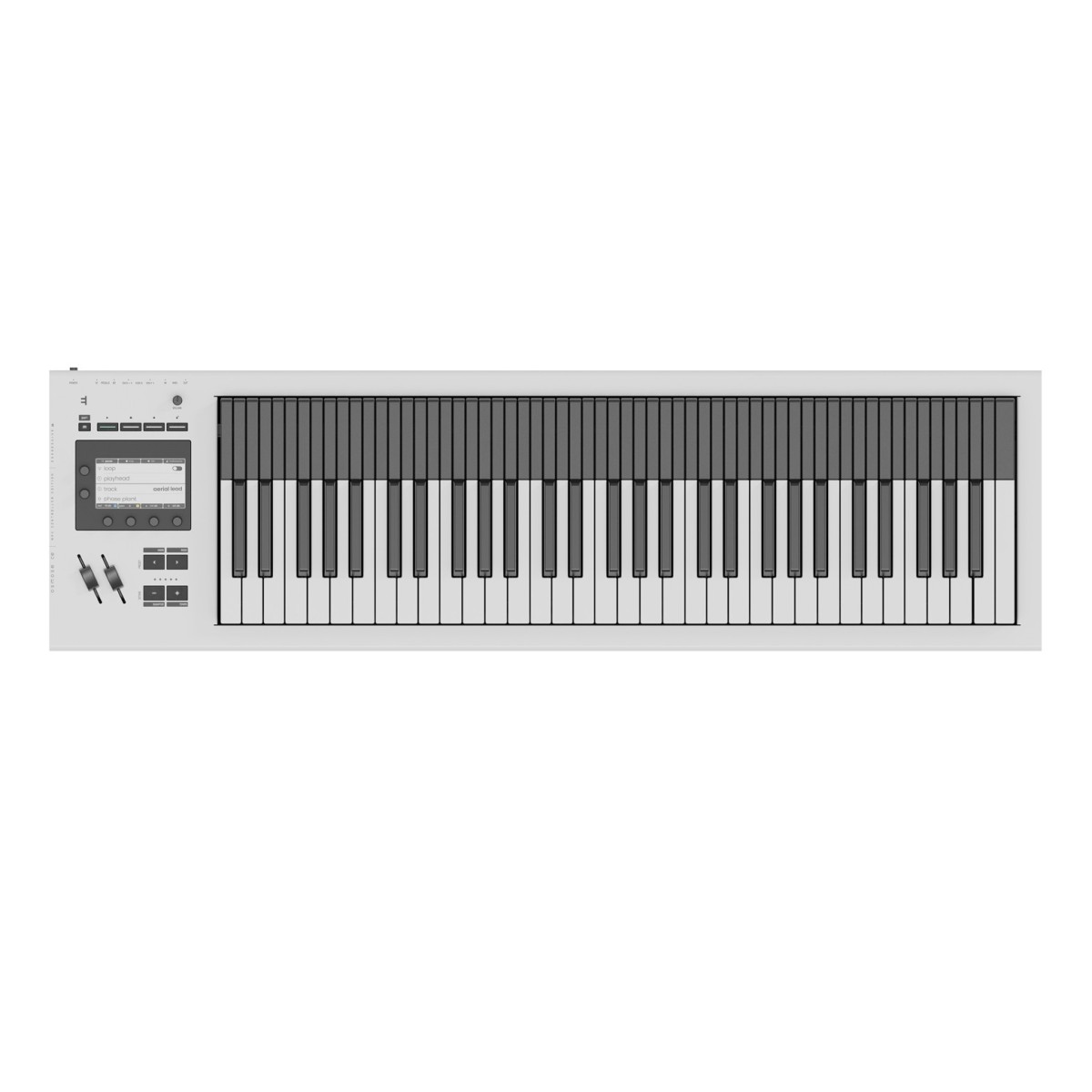
Expressive E Osmose CE 61-Note MIDI Controller Keyboard
 £322.00 ($409)
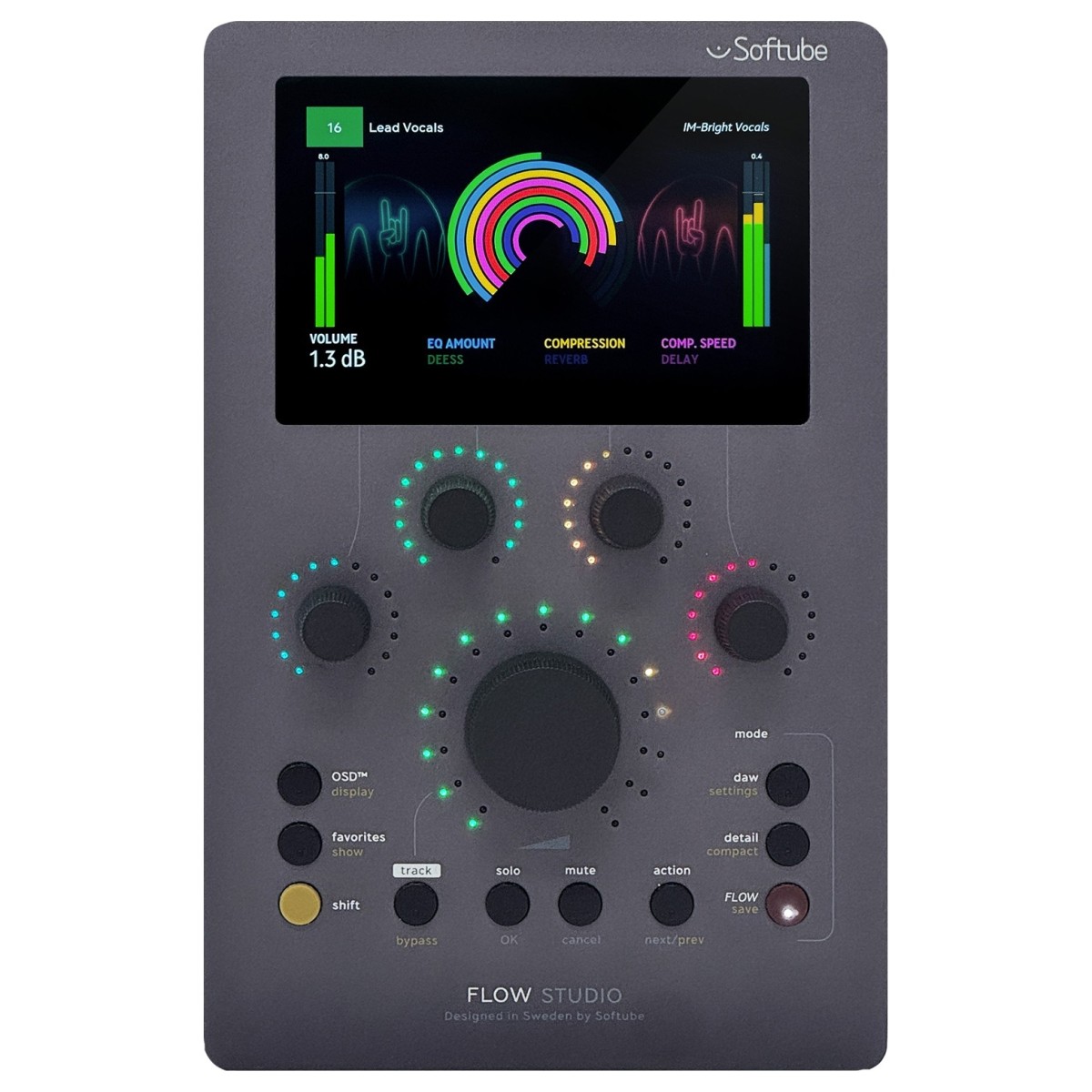
Softube
Softube Flow Studio Control Surface
 £136.75 ($174)
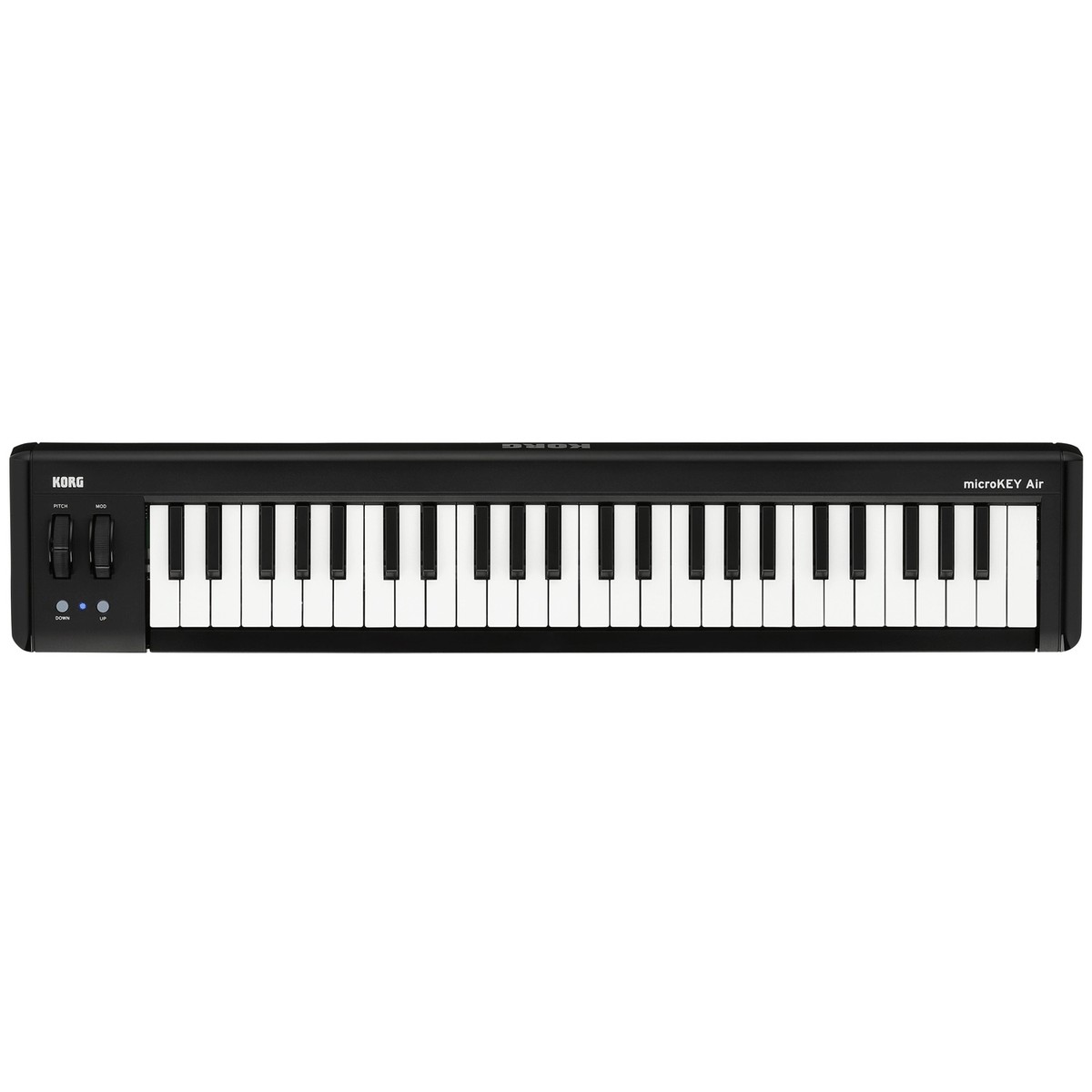
Korg
Korg microKEY-2 AIR 49-Key Bluetooth MIDI Keyboard
 £290.50 ($369)
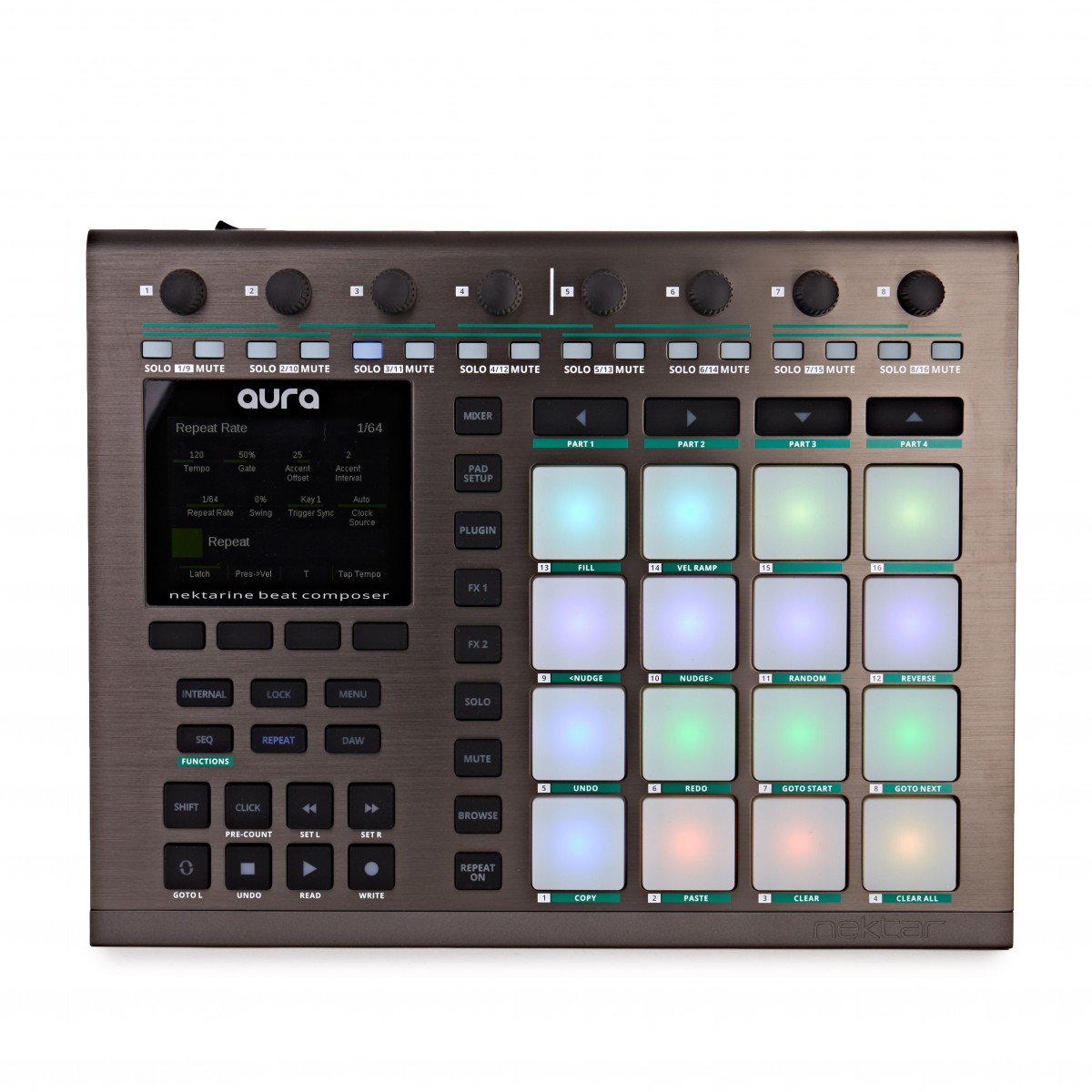
Nektar Technologies
Nektar Aura Beat Composer Pad Controller
 £434.00 ($551)
PreSonus
PreSonus FaderPort 8 DAW Control Surface
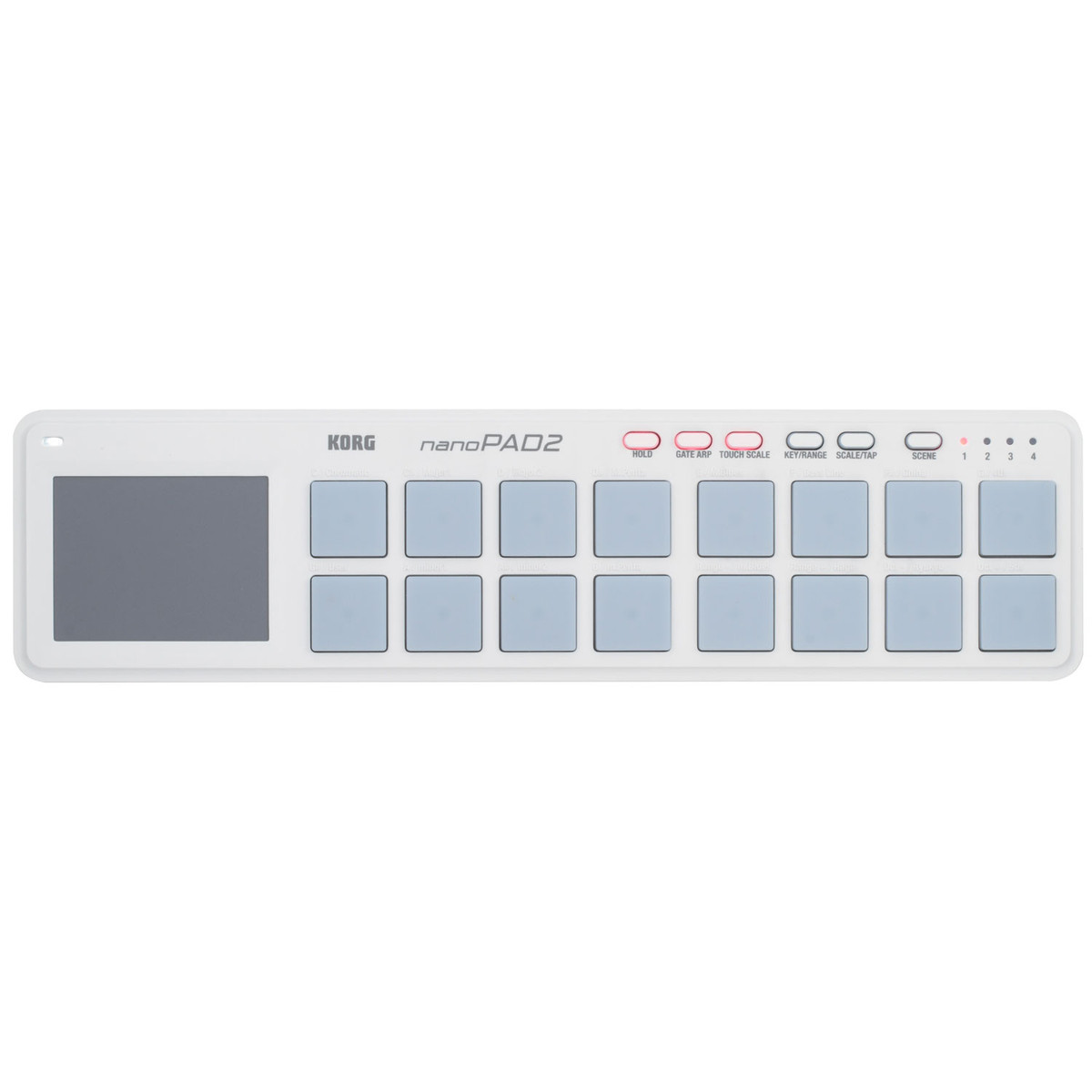 £41.00 ($52)
Korg
Korg nanoPAD2 USB MIDI Controller White
 £47.10 ($60)
Korg
Korg nanoPAD2 USB MIDI Controller Black
Frequently asked questions
- Does the Korg microKEY 25 produce its own sounds?
- No, it is a MIDI controller and does not have an internal sound engine. It must be connected to a computer or a compatible mobile device to trigger software instruments.
- How is the device powered?
- The microKEY 25 is bus-powered through its USB connection. It draws power directly from the host computer, so no batteries or external AC adapters are required.
- Can I use this with an iPad?
- Yes, it can be used with an iPad, though you will typically need an Apple Camera Connection Kit or a Lightning to USB adapter. It is designed to work with core MIDI applications on iOS.
- What is the typical price for this controller?
- The Korg microKEY 25 typically retails for approximately GBP 55. This price point positions it as an accessible entry-level tool for music production.
- Does it have full-sized keys?
- No, it uses Korg's 'Natural Touch' mini-keys. These are smaller than standard piano keys to allow the unit to remain compact and portable.
- When was the 25-key version of the microKEY released?
- The 25-key model was introduced in 2012 as part of an expansion to the existing microKEY product line.
- Does the microKEY 25 feature a sustain pedal input?
- On the standard 25-key USB model, there is generally no dedicated 1/4 inch sustain pedal jack. Sustain functions are often handled via a button on the chassis.
- Is the keyboard velocity sensitive?
- Yes, the keys respond to the speed and force with which they are struck. This allows for expressive playing when controlling software synthesizers and samplers.
- What software does it work with?
- It is compatible with all major Digital Audio Workstations (DAWs) including Ableton Live, Logic Pro, FL Studio, and Cubase. It uses standard MIDI drivers for broad compatibility.
- How many octaves does the microKEY 25 cover?
- The physical keyboard covers two octaves. However, it includes octave shift buttons that allow you to access the full range of MIDI notes.
- Is there a wireless version of this keyboard?
- Korg offers the microKEY Air series for users who require Bluetooth MIDI connectivity. The standard microKEY 25 is a wired USB-only device.
- What controls are available besides the keys?
- The 25-key model features octave up/down buttons and a sustain button. It also typically includes a small joystick for controlling pitch bend and modulation.