
Gear article
L.R. Baggs M1 Active Acoustic Guitar Pickup
The L.R. Baggs M1 Active is a magnetic soundhole pickup designed for acoustic guitars, featuring proprietary TriAxial Dynamic Technology. Developed by Gary Garrett and Lloyd Baggs, the system captures both string vibrations and the percussive resonance of the guitar body to provide a more natural acoustic reproduction than traditional magnetic pickups.
See live pricesBackground and Development
The M1 Active represents an evolution in acoustic amplification, moving beyond the limitations of standard magnetic pickups which often sound 'electric' or sterile. It was developed through a collaboration between Gary Garrett and Lloyd Baggs. The primary goal was to create a pickup that could be easily installed in a soundhole while capturing the complex nuances of an acoustic guitar's soundboard, traditionally only possible with microphones or high-end undersaddle transducers.
TriAxial Dynamic Technology
The core innovation of the M1 Active is its patent-pending TriAxial Dynamic Technology. In a standard magnetic pickup, the coil is fixed and only reacts to the movement of the metal strings. The M1 features a unique suspended secondary coil that acts like a weight, allowing the pickup to respond to the guitar's three-dimensional vibrations. This dual-response system captures the 'woodiness' of the instrument and the percussive attacks of the player's hands on the guitar body.
Active Circuitry and Controls
As an active pickup, the M1 includes a built-in preamp that boosts the signal to a line-level output, making it less susceptible to noise and signal loss over long cable runs. The unit is powered by a small 3V lithium battery, typically providing over 1,000 hours of playing time. A built-in volume control is accessible via the soundhole, allowing the player to make real-time adjustments without needing external pedals or rack gear.
Sound Character and Performance
The M1 Active is noted for providing a balanced blend of string and body signal. Unlike piezo pickups, it is generally resistant to the 'quack' or harsh high-end frequencies often associated with acoustic amplification. Because it captures body resonance, it is particularly effective for fingerstyle players and those who use percussive techniques on the guitar's top. The magnetic design also offers high feedback resistance, making it suitable for high-volume stage environments.
Installation and Compatibility
The pickup is designed for easy, non-permanent installation in most standard acoustic guitar soundholes. It features padded clamps that grip the edges of the soundhole without damaging the finish. While it can be used with a temporary cable trailing out of the soundhole, it is most commonly installed permanently with an endpin jack, requiring a standard 1/2-inch hole at the base of the guitar.
Related gear
 £20.35 ($26)
EVANS
Evans MS3 Clear Marching Snare Side Drum Head 14"
 £24.99 ($32)
Tama
Tama CB900PS Accu-Strike Iron Cobra Beater
 £29.00 ($37)
Gotoh
Gotoh 203B-4 Bass Bridge Chrome
 £54.00 ($69)
Fender
Fender 10-Hole Contemporary Jazz Bass Pickguard 3-Ply Black
 £11.49 ($15)
Fender
Fender Stratocaster Knobs 1 Volume 2 Tone Aged White
 £2.49 ($3)
Gear4Music
5A Wood Tip Maple Drumsticks by Gear4music
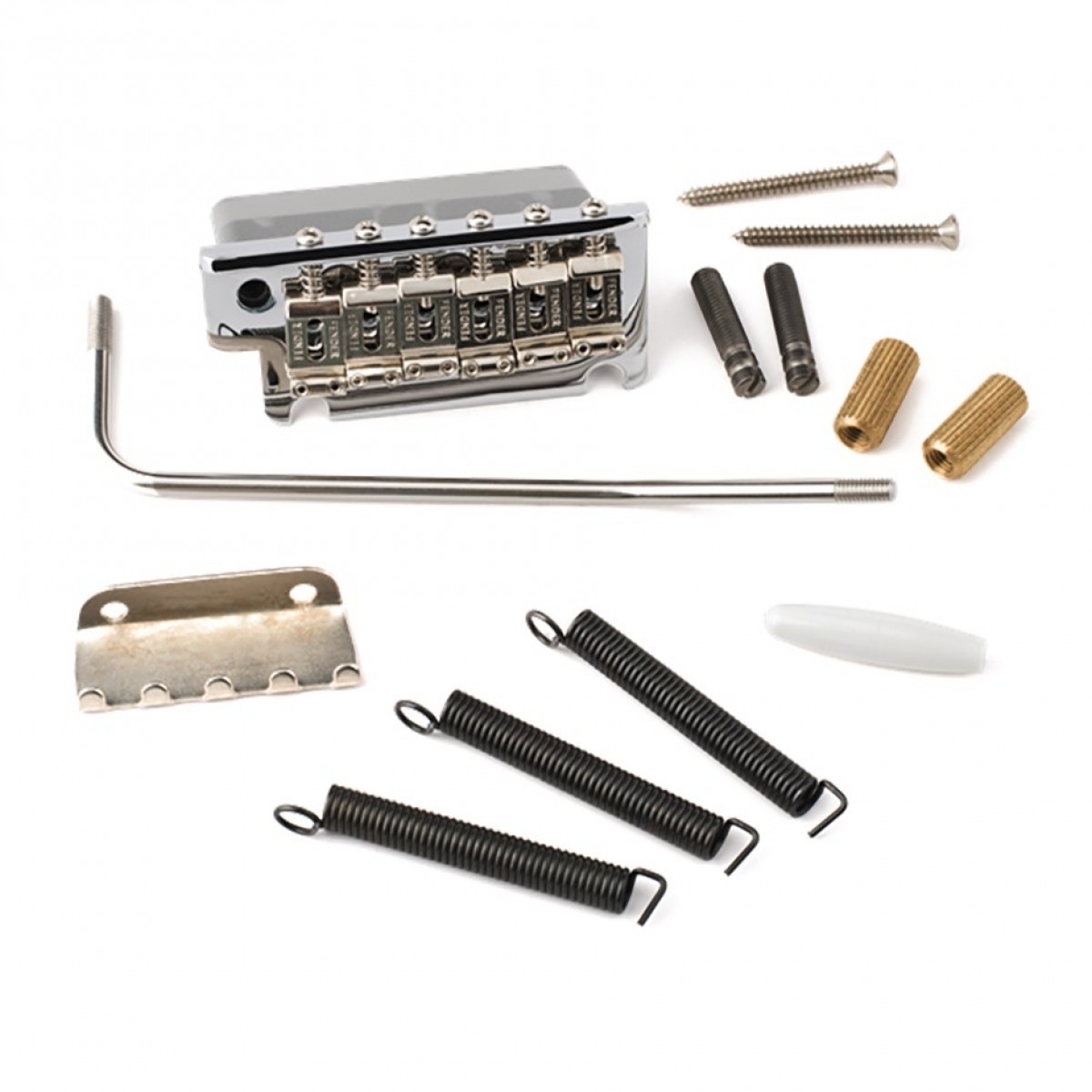 £158.00 ($201)
Fender
Fender American Standard Stratocaster Tremolo Bridge Assembly Chrome
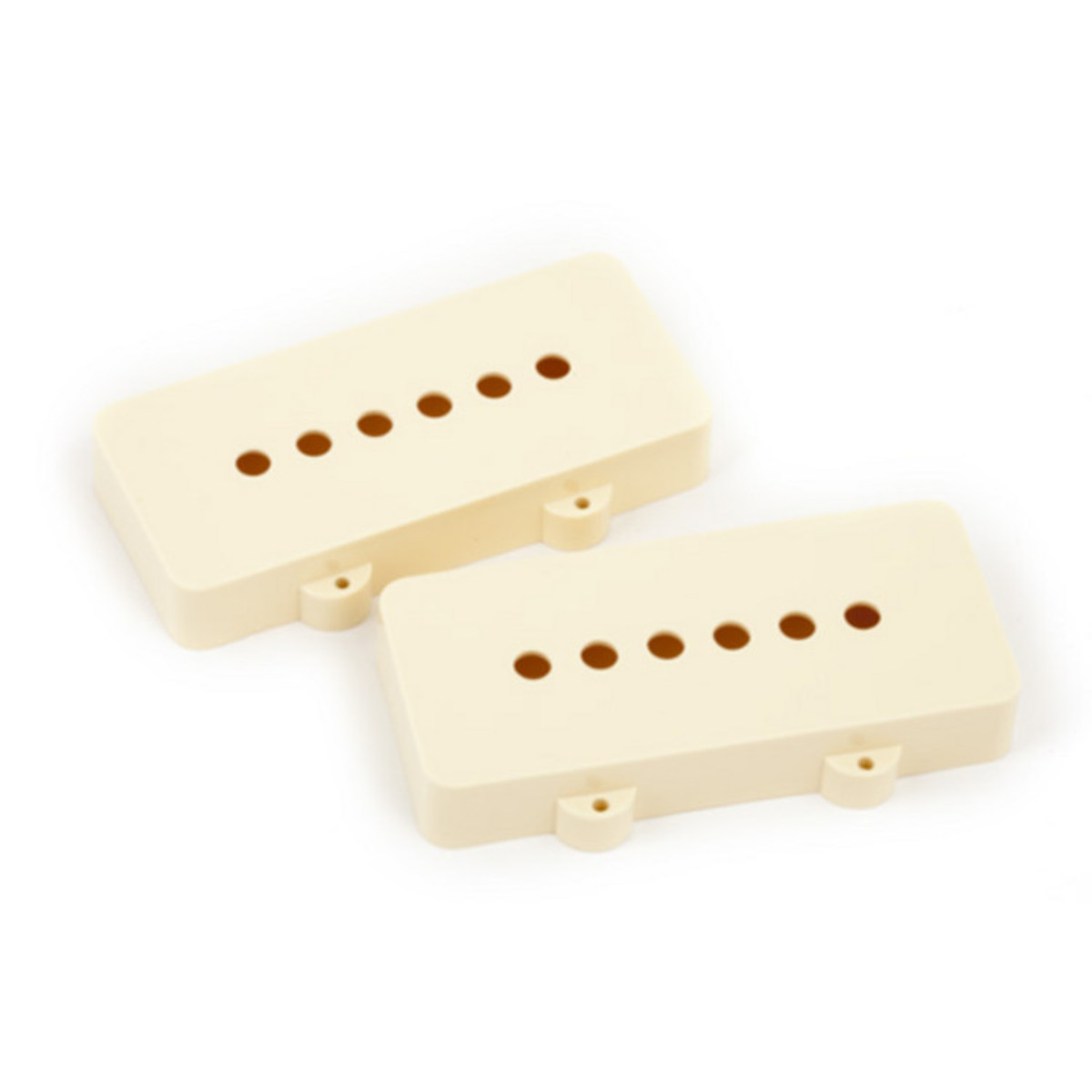 £7.99 ($10)
Fender
Fender Jazzmaster Pickup Covers Aged White
Frequently asked questions
- What is the L.R. Baggs M1 Active?
- It is a magnetic soundhole pickup for acoustic guitars that uses active circuitry and specialized technology to capture both string and body vibrations.
- How does TriAxial Dynamic Technology work?
- It uses a suspended secondary coil that moves with the guitar's soundboard. This allows the pickup to sense body resonance in addition to the magnetic pull of the strings.
- Does the M1 Active require a battery?
- Yes, it is powered by a 3V lithium coin cell battery. This powers the internal preamp and provides a stronger, low-impedance output signal.
- How long does the battery last in the M1 Active?
- The battery is rated for approximately 1,000 hours of play time. The circuit is activated when a cable is plugged into the jack, so it should be unplugged when not in use to preserve power.
- Is the M1 Active resistant to feedback?
- Yes, magnetic pickups are naturally more resistant to feedback than microphones or bridge plate transducers. The M1 is designed to handle high-volume stage levels effectively.
- Can the M1 Active be installed without a professional luthier?
- It can be temporarily installed by the user by clamping it to the soundhole. However, a permanent installation involving an endpin jack usually requires professional drilling of the guitar's tail block.
- What is the difference between the M1 Passive and M1 Active?
- The Active version includes a built-in preamp and a volume control, whereas the Passive version requires an external preamp or a high-quality DI box to reach optimal signal levels.
- Will the M1 Active work with nylon string guitars?
- No, it is designed specifically for steel-string guitars. Magnetic pickups require the ferrous material in steel strings to generate an electrical signal.
- Does the pickup have a volume control?
- Yes, there is a small volume wheel located on the underside of the pickup, accessible through the soundhole for quick adjustments.
- Can I adjust the individual string balance?
- The M1 Active features adjustable pole pieces. By raising or lowering these with an Allen wrench, you can fine-tune the output level of each individual string.
- What kind of sound should I expect from this pickup?
- It provides a warm, acoustic-focused sound that is less 'electric' than standard magnetic pickups. It captures the percussive 'thump' of the body while maintaining clear string definition.
- Is the installation of the M1 Active permanent?
- It is semi-permanent; the pickup can be removed easily from the soundhole at any time. The only permanent modification is typically the endpin jack hole if you choose that installation method.