
Gear article
L.R. Baggs Violin Bridge Pickup (Non-Terminated)
The L.R. Baggs Violin Bridge Pickup is a high-performance transducer system integrated directly into a maple bridge to capture the natural dynamics of the instrument. It is provided in a non-terminated format, allowing for custom wiring and installation by professional luthiers or technicians.
See live pricesOverview
The L.R. Baggs Violin Bridge Pickup represents a sophisticated approach to violin amplification. Unlike clip-on microphones or surface-mounted transducers that sit on top of the instrument's body, this system embeds the pickup element within a high-quality maple bridge. This design allows the sensor to capture the mechanical vibrations of the strings and the resonance of the wood simultaneously, providing a more authentic representation of the violin's acoustic voice.
Design and Construction
The core of the system is a miniature vibration sensor cast directly into the bridge. Because the bridge is the primary conduit between the strings and the soundboard, placing the sensor here ensures maximum sensitivity and a high signal-to-noise ratio. The 'Non-Terminated' designation refers to the output cable, which is supplied without a jack or connector. This allows the installer to choose their own output solution, such as a side-mounted carpenter jack or an internal connection, depending on the player's preference.
Installation Requirements
As this product replaces the instrument's existing bridge, installation is a specialised task. The maple bridge blank must be carved and fitted to the specific contours of the violin's top by a luthier. This process ensures the action and intonation remain correct while maintaining the structural integrity required for sound transmission. The non-terminated cable also requires soldering to a suitable output jack.
Performance and Sound Character
The primary objective of the L.R. Baggs design is to capture the inherent dynamics of the violin. It is known for a balanced frequency response that avoids the 'nasal' or 'quacky' tones often associated with lower-quality piezo pickups. By being integrated into the bridge, the pickup is less susceptible to feedback than external microphones, making it an ideal choice for violinists performing in loud stage environments or alongside amplified bands.
Comparison to Alternatives
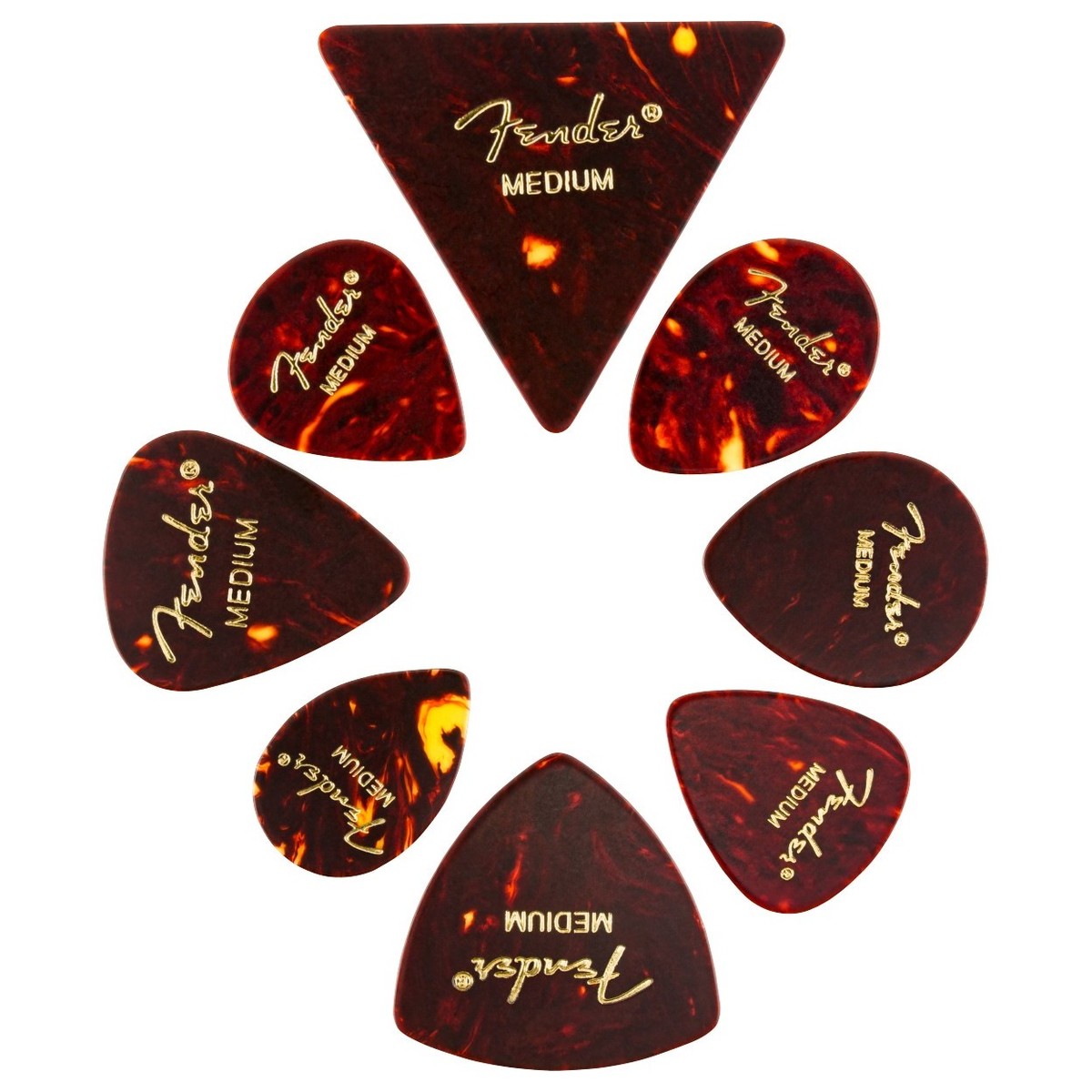
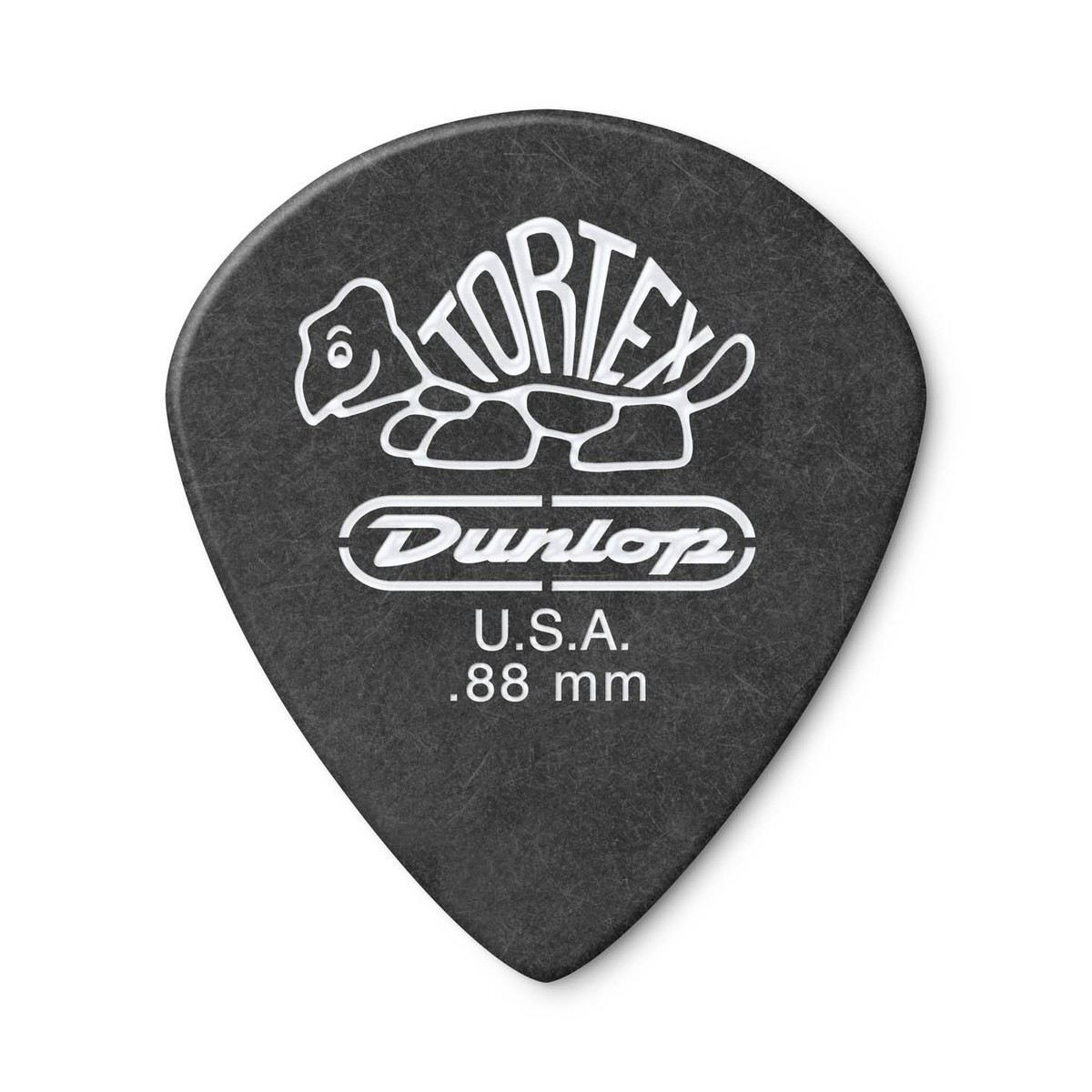
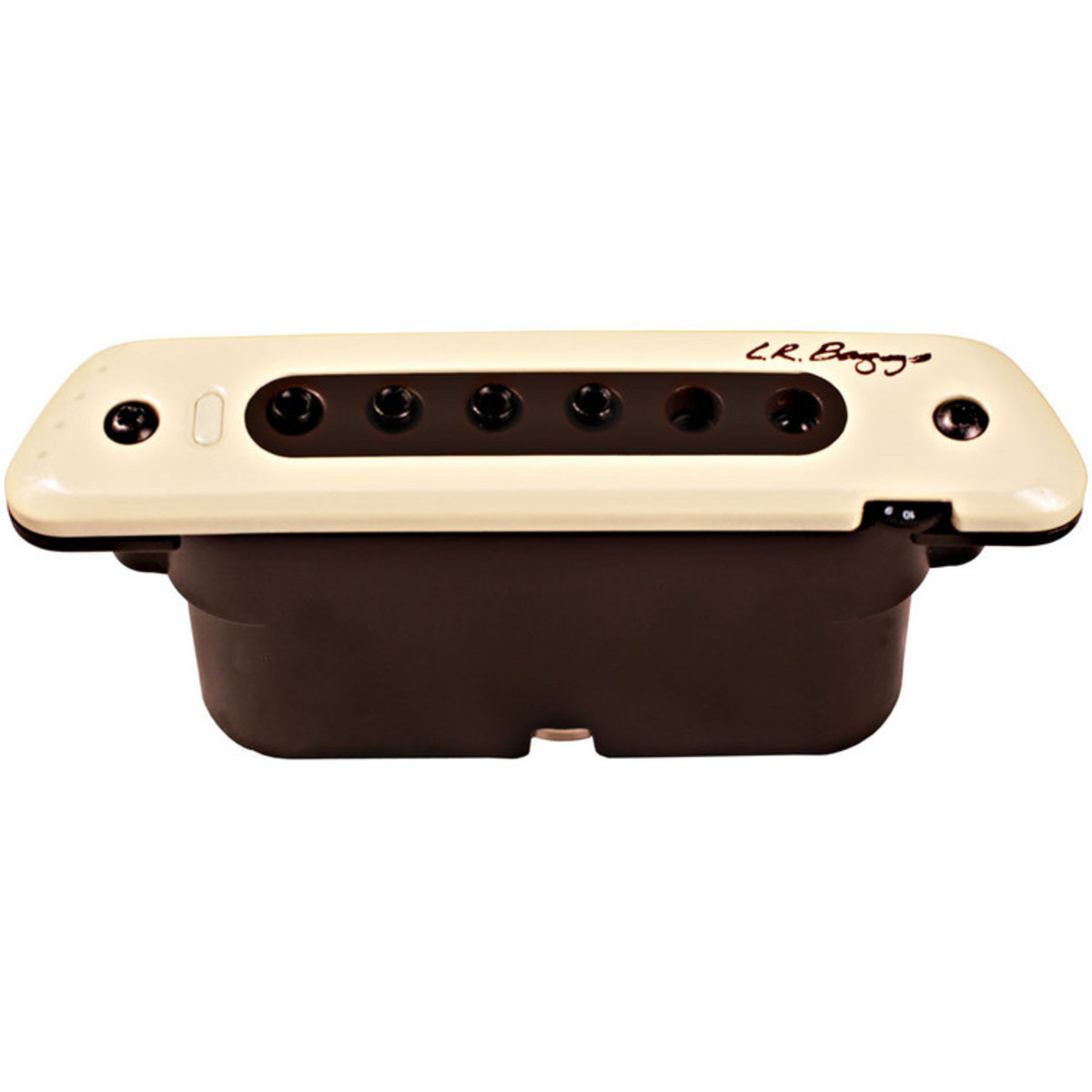
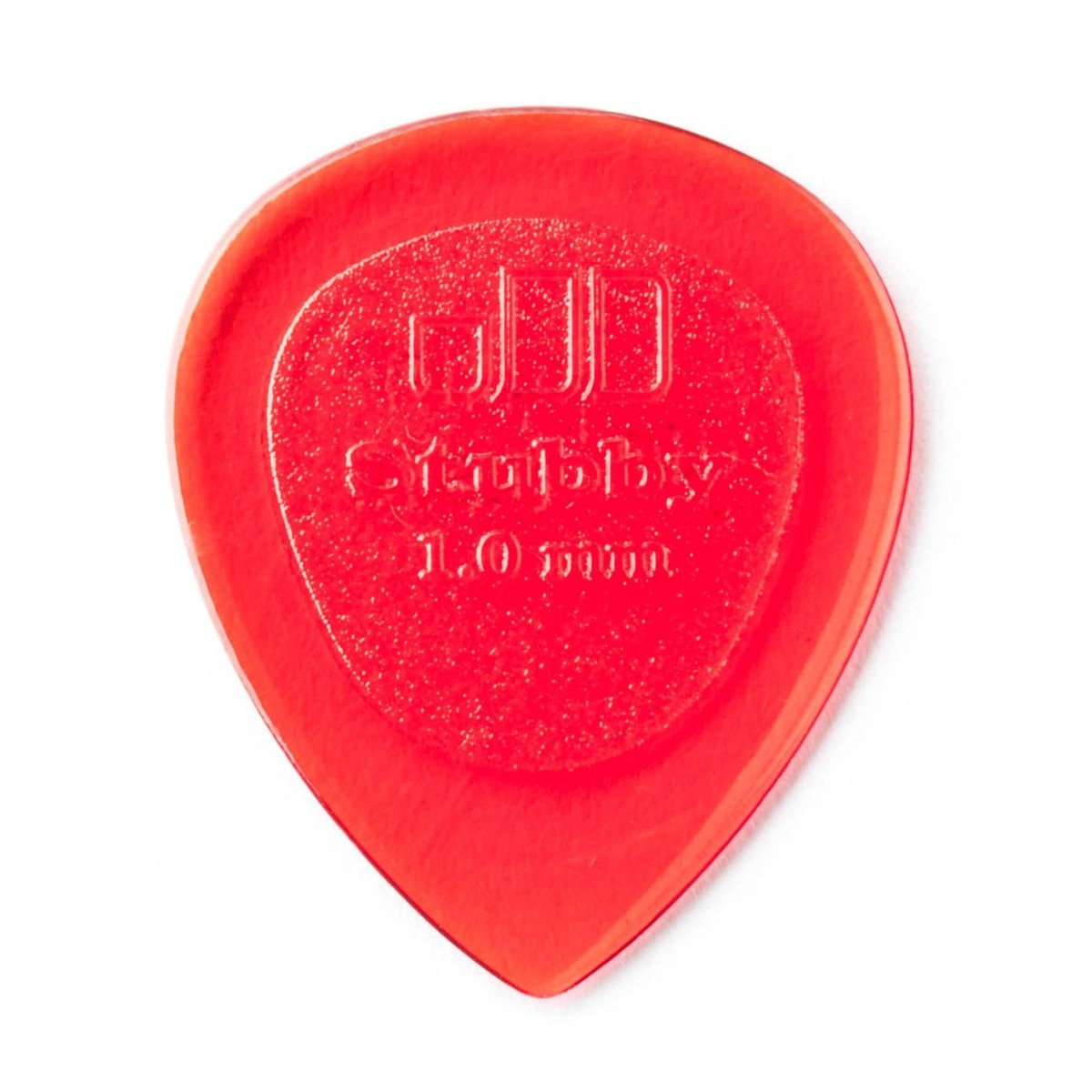
While L.R. Baggs also produces magnetic solutions for other instruments, such as the M80 Magnetic Soundhole Pickup for guitars, their violin solutions focus on contact-based transduction to suit the instrument's unique physics. Compared to standard plectrum-based gear, such as Dunlop Tortex or Big Stubby picks used by guitarists, this violin pickup is a permanent installation tool focused on electronic signal conversion rather than manual string attack.
Related gear
 £4.99 ($6)
Fender
Fender All Shapes Celluloid Medley Tortoise Shell Medium Picks Pack of 8
 £6.79 ($9)
Dunlop
Dunlop Big Stubby 1.00mm 6 Pick Pack
 £3.99 ($5)
Gear4Music
Guitar Picks by Gear4music Pack of 24 0.81mm
 £5.99 ($8)
Dunlop
Dunlop Tortex Jazz lll XL 1.50mm 12 Pick Pack
 £43.99 ($56)
Dunlop
Dunlop White Fang Flow Picks 1.40mm Pack of 24
 £7.49 ($10)
Dunlop
Dunlop Tortex Pitch Black Jazz III .88mm 12 Pick Pack
 £345.00 ($438)
L.R. Baggs
L.R. Baggs M80 Magnetic Soundhole Pick Up
 £6.79 ($9)
Dunlop
Dunlop Stubby 1.00mm 6 Pick Pack
Frequently asked questions
- What does 'non-terminated' mean for this pickup?
- Non-terminated means the cable does not have a plug or jack attached at the end. This allows the user or luthier to wire it directly to their preferred connector type, such as a 1/4 inch jack or a specialized internal preamp.
- Can I install the L.R. Baggs Violin Bridge myself?
- It is highly recommended that a professional luthier performs the installation. The bridge is a blank that must be carved to fit the specific curvature and height requirements of your individual violin.
- What material is the bridge made from?
- The bridge is made from high-quality maple, which is the industry standard for violin bridges due to its specific density and acoustic properties.
- How does this compare to a clip-on microphone?
- This pickup is generally more resistant to feedback than a microphone. Because it is embedded in the bridge, it captures the physical vibration of the instrument rather than air pressure, making it more stable at high volumes.
- Is a preamp required for this pickup?
- While it can be plugged directly into some high-impedance inputs, using a dedicated acoustic preamp is recommended. This helps to buffer the signal, match impedance, and provide EQ control for the best possible tone.
- Does this pickup affect the acoustic sound of the violin?
- Because it replaces your original bridge with a high-quality maple one, any change in acoustic tone is minimal. If carved correctly by a professional, the violin should retain its natural acoustic character.
- What is the typical price for this model?
- The typical price for the non-terminated version of this L.R. Baggs pickup is approximately £199.
- Will this work with a viola or cello?
- This specific model is sized and designed for a standard 4/4 violin. L.R. Baggs produces separate, specific models for larger stringed instruments like the cello.
- Is the pickup sensor visible?
- The sensor is cast inside the maple bridge, making it very discreet. Only the small cable exiting the bridge indicates that the instrument is electrified.
- How does the sound compare to the L.R. Baggs M80?
- The M80 is a magnetic pickup designed for acoustic guitars, whereas this violin pickup is a bridge-integrated transducer. They serve completely different instruments and use different technologies to capture sound.
- Does the cable length allow for flexible mounting?
- Yes, the non-terminated cable is long enough to be routed to various points on the instrument, such as a tailpiece-mounted jack or a side-mounted carpenter jack.
- Can I use guitar picks like Dunlop Tortex with this setup?
- While violinists typically use a bow, some modern players may use plectrums for specific effects. This pickup will capture the sound of picked strings clearly, regardless of whether you use Dunlop or Gear4Music picks.