
Gear article
L.R. Baggs Violin Bridge Pick Up
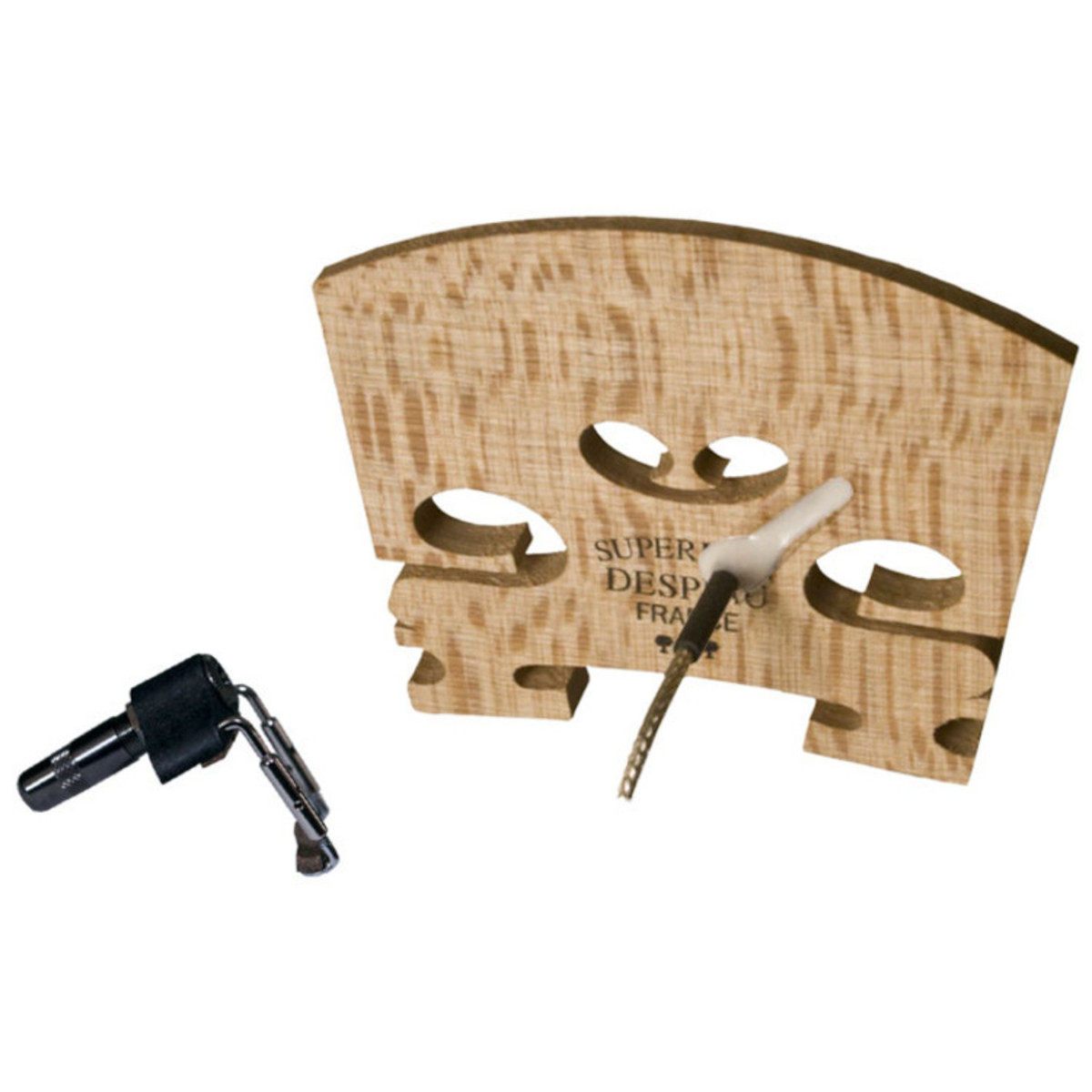
The L.R. Baggs Violin Bridge Pick Up is a professional-grade transducer system designed to capture the acoustic dynamics of a violin. It features a miniature vibration sensor integrated directly into a high-quality maple bridge and includes an external jack mount for easy installation.
Overview
The L.R. Baggs Violin Bridge Pick Up represents a high-fidelity solution for amplifying orchestral string instruments without compromising their natural acoustic voice. Unlike surface-mounted sensors, this system embeds the pickup element within the structure of the bridge itself. The unit comes complete with a replacement maple bridge and a side-mounted external jack, allowing players to connect their instrument to an amplifier or PA system using a standard 1/4-inch cable.
Design and Functionality
The core of the system is a miniature vibration sensor that is physically built into the maple bridge. This placement ensures that the pickup captures the vibrations of both the strings and the body of the violin simultaneously. By becoming a literal part of the instrument's anatomy, the pickup can translate the subtle nuances of bowing and fingering into an electrical signal. The external jack mount is designed to clip onto the side of the violin, similar to a chinrest mechanism, avoiding the need for permanent drilling or modifications to the instrument's ribs.

Sound Character
The L.R. Baggs system is engineered to capture the inherent dynamics of the violin. Because the sensor is located in the bridge—the primary point of energy transfer for the instrument—it provides a direct and immediate response. The result is a sound that retains the wooden, resonant quality of the violin rather than the 'thin' or 'nasal' tone often associated with lower-quality piezo clips. It is particularly noted for its ability to handle high volume levels while maintaining clarity.
Target User
This pickup is ideally suited for professional violinists and students who perform in live settings where acoustic volume is insufficient. It is particularly popular in folk, jazz, and rock contexts where the violin must compete with drums or electric guitars. While the external jack is designed for convenience, users should note that the bridge itself typically requires professional fitting by a luthier to ensure proper string height and tonal balance.
Comparison to Alternatives
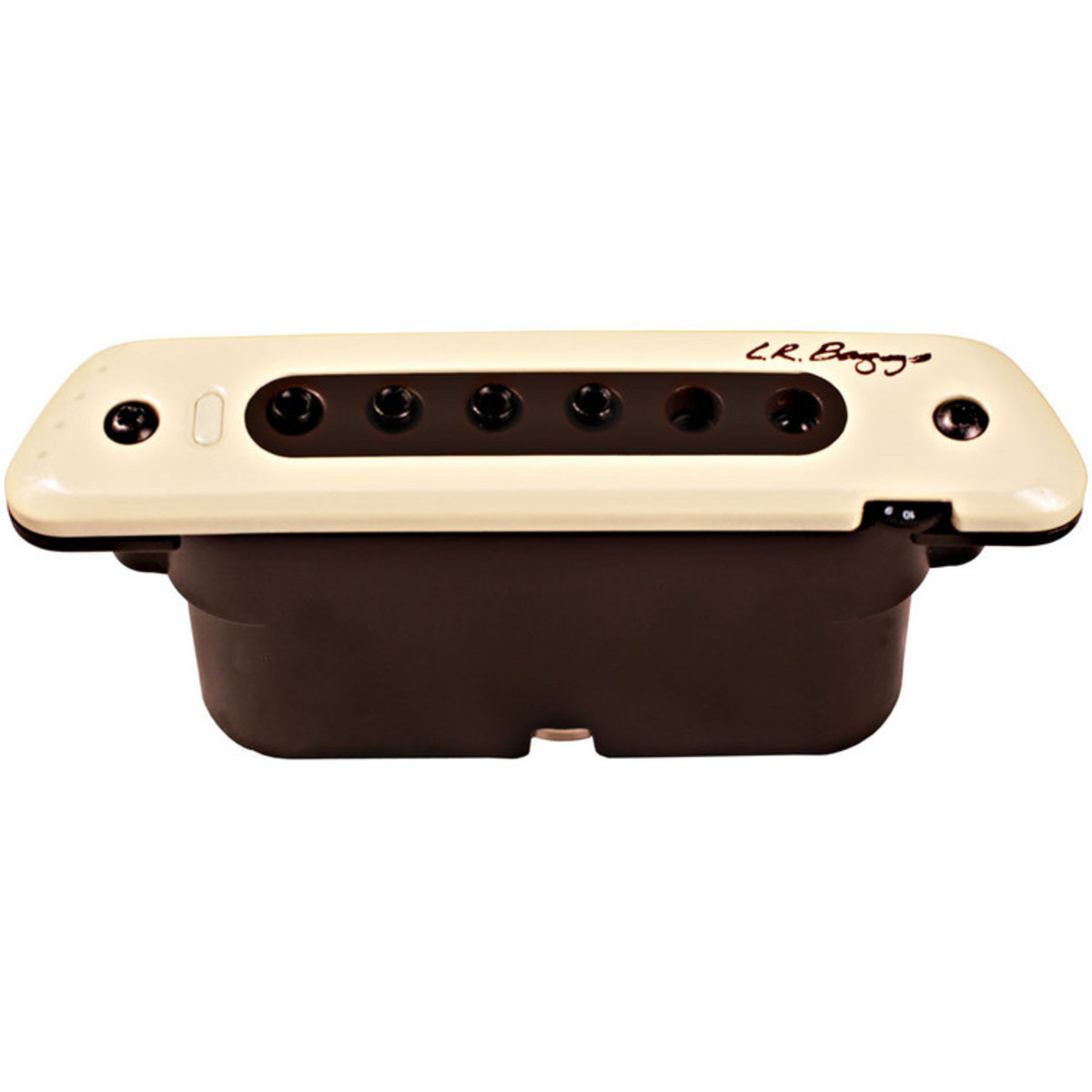
In the broader market of musical accessories, the L.R. Baggs Violin Bridge Pickup occupies a specialized niche compared to general-purpose gear. While guitarists might look at soundhole options like the L.R. Baggs M80 or various plectrums such as Dunlop Tortex or White Fang picks, the violin pickup is a precision-engineered transducer. Unlike clip-on microphones, the bridge-integrated sensor offers superior feedback rejection, making it more reliable for loud stage environments.
Related gear
- £4.99 ($6)
Fender
Fender All Shapes Celluloid Medley Tortoise Shell Medium Picks Pack of 8
 £3.99 ($5)
Gear4Music
Guitar Picks by Gear4music Pack of 24 0.81mm
 £5.99 ($8)
Dunlop
Dunlop Tortex Jazz lll XL 1.50mm 12 Pick Pack
 £43.99 ($56)
Dunlop
Dunlop White Fang Flow Picks 1.40mm Pack of 24
 £7.49 ($10)
Dunlop
Dunlop Tortex Pitch Black Jazz III .88mm 12 Pick Pack
 £345.00 ($438)
L.R. Baggs
L.R. Baggs M80 Magnetic Soundhole Pick Up
 £6.79 ($9)
Dunlop
Dunlop Stubby 1.00mm 6 Pick Pack
 £9.99 ($13)
Dunlop
Dunlop Standard Felt Picks Pack of 3
Frequently asked questions
- What is included in the L.R. Baggs Violin Bridge Pick Up set?
- The set includes a high-quality maple bridge with a pre-installed sensor and an external jack mount. The jack mount allows for connection to a standard instrument cable without drilling into the violin.
- Do I need a professional to install this pickup?
- Yes, it is highly recommended that a luthier installs the bridge. Because every violin has a different arching, the maple bridge must be carved to fit the specific instrument for optimal sound and playability.
- Does the pickup require a battery?
- The bridge pickup itself is a passive transducer. While it can work without a battery, using an external preamp is often recommended to match impedance and control the tone.
- How does this compare to a clip-on microphone?
- This pickup offers significantly better feedback resistance compared to a microphone. It captures the vibration of the wood directly, whereas a microphone captures air movement and is more prone to squealing at high volumes.
- Will this pickup fit a viola?
- This specific model is sized for a standard violin bridge. L.R. Baggs produces separate models specifically sized for violas and cellos to ensure the bridge dimensions are correct.
- What kind of cable does the external jack use?
- The external jack mount is compatible with a standard 1/4-inch (6.35mm) mono instrument cable, the same type used for electric guitars.
- Can I remove the pickup easily for acoustic-only performances?
- The jack mount can be removed, but the bridge is a permanent replacement for your original bridge. Most players leave it on, as it functions perfectly well as a standard acoustic bridge.
- Does it change the acoustic sound of the violin?
- Because it is made of high-quality maple, the impact on the unplugged sound is minimal. Most players find the acoustic tone remains very close to their original bridge setup.
- Is the external jack mount secure?
- Yes, the jack mount uses a clamping mechanism similar to a standard violin chinrest. It is designed to stay firmly in place during active performance without damaging the varnish.
- What is the typical price for this pickup in the UK?
- The typical price range for the L.R. Baggs Violin Bridge Pick Up with external jack is approximately £239.
- How does the sound compare to a soundhole pickup like the M80?
- The M80 is a magnetic pickup for guitars, whereas this is a vibration-sensitive transducer for violins. The violin bridge pickup is designed for the specific frequency range and physical movement of bowed strings.
- Can I use guitar picks like the Dunlop Tortex with this setup?
- While this pickup is for violin, it can certainly amplify the sound if you choose to play your violin 'pizzicato' or with a plectrum like a Dunlop Jazz III or Tortex, common in some contemporary styles.