Gear article
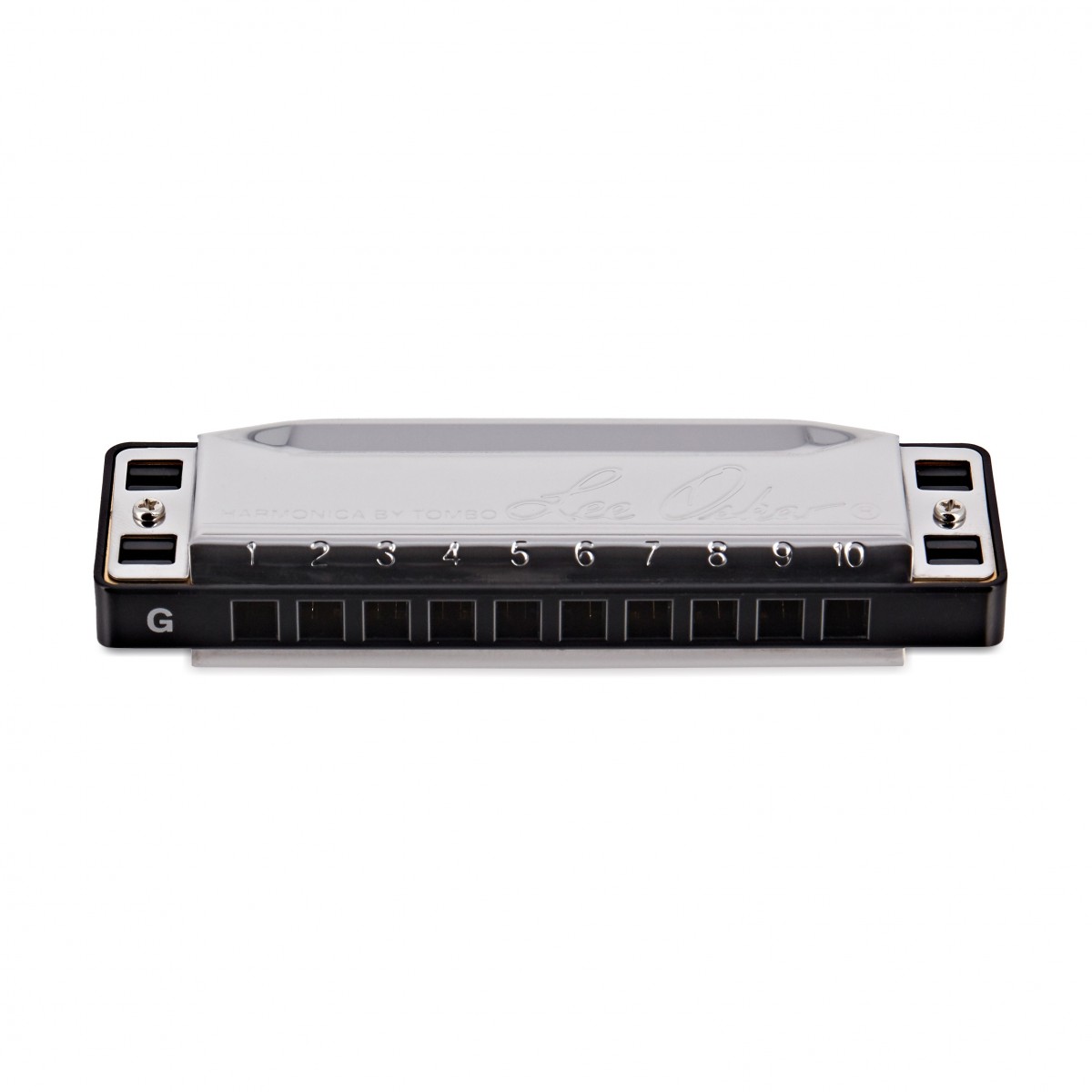
Lee Oskar Major Diatonic Harmonica in G
The Lee Oskar Major Diatonic Harmonica in G is a professional-grade mouth harp widely utilised across Blues, Country, Folk, and Jazz genres. Manufactured with a focus on air-tight precision, this instrument is noted for its robust sound and its legacy in classic recordings by the funk-jazz group WAR.
Overview
The Lee Oskar Major Diatonic Harmonica in G is a staple instrument within the global music community, favoured for its versatility and high build quality. While categorized under hand percussion and wind instruments, it serves as a melodic lead voice in various traditional and contemporary arrangements. It is specifically tuned to the G Major scale, making it a primary choice for playing in the key of G in 'first position' or the key of D in 'second position' (cross-harp).
Historical Significance
Lee Oskar, a founding member of the pioneer funk/jazz group WAR, developed this line of harmonicas to meet the demands of professional performance. The instrument has been featured on chart-topping classic hits such as 'Cisco Kid' and 'Low Rider'. Over several decades, the brand has maintained a reputation for outstanding quality, transitioning from a specialty tool for professionals to a globally recognized standard for players of all levels.
Design and Key Features
The Lee Oskar harmonica is engineered with air-tight precision, a critical factor in ensuring responsiveness and volume. This design allows for a robust sound that can cut through an ensemble mix on stage. The Major Diatonic tuning is the most common configuration for the harmonica, allowing players to navigate a wide range of cultural styles and global genres. The manufacturer provides detailed notation layout information via PDF documentation to assist players in mastering the specific intervals of the G scale.
Sound Character
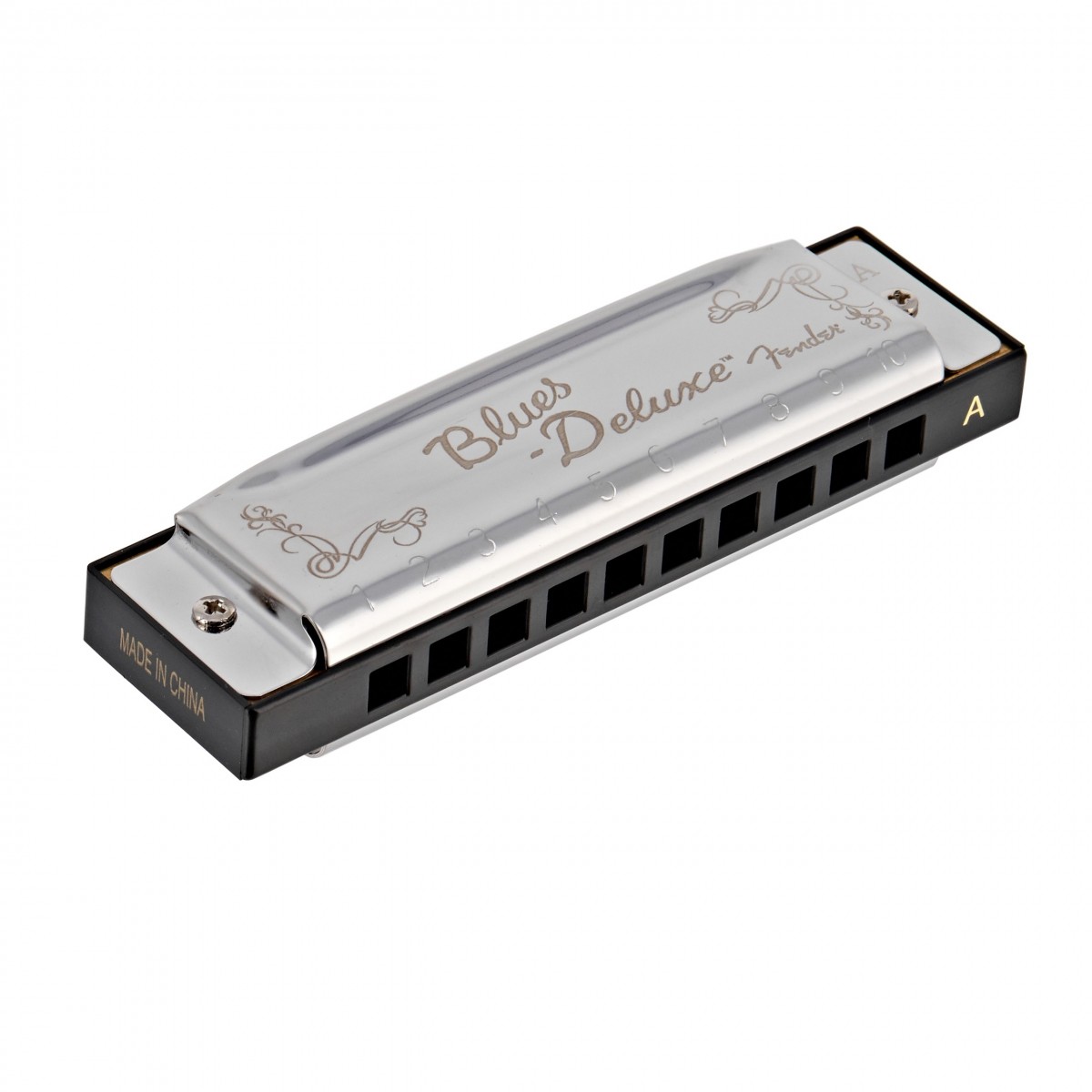
The sound of the G Major Diatonic is characterised by its full-bodied and resonant tone. Because the G harmonica is pitched lower than many other keys (such as the Fender Blues Deluxe in A), it offers a deep, growling quality suitable for soulful blues riffs and smooth jazz transitions. Its construction ensures that both individual notes and chords remain clear and powerful, whether played acoustically or through a microphone.
Comparison to Alternatives
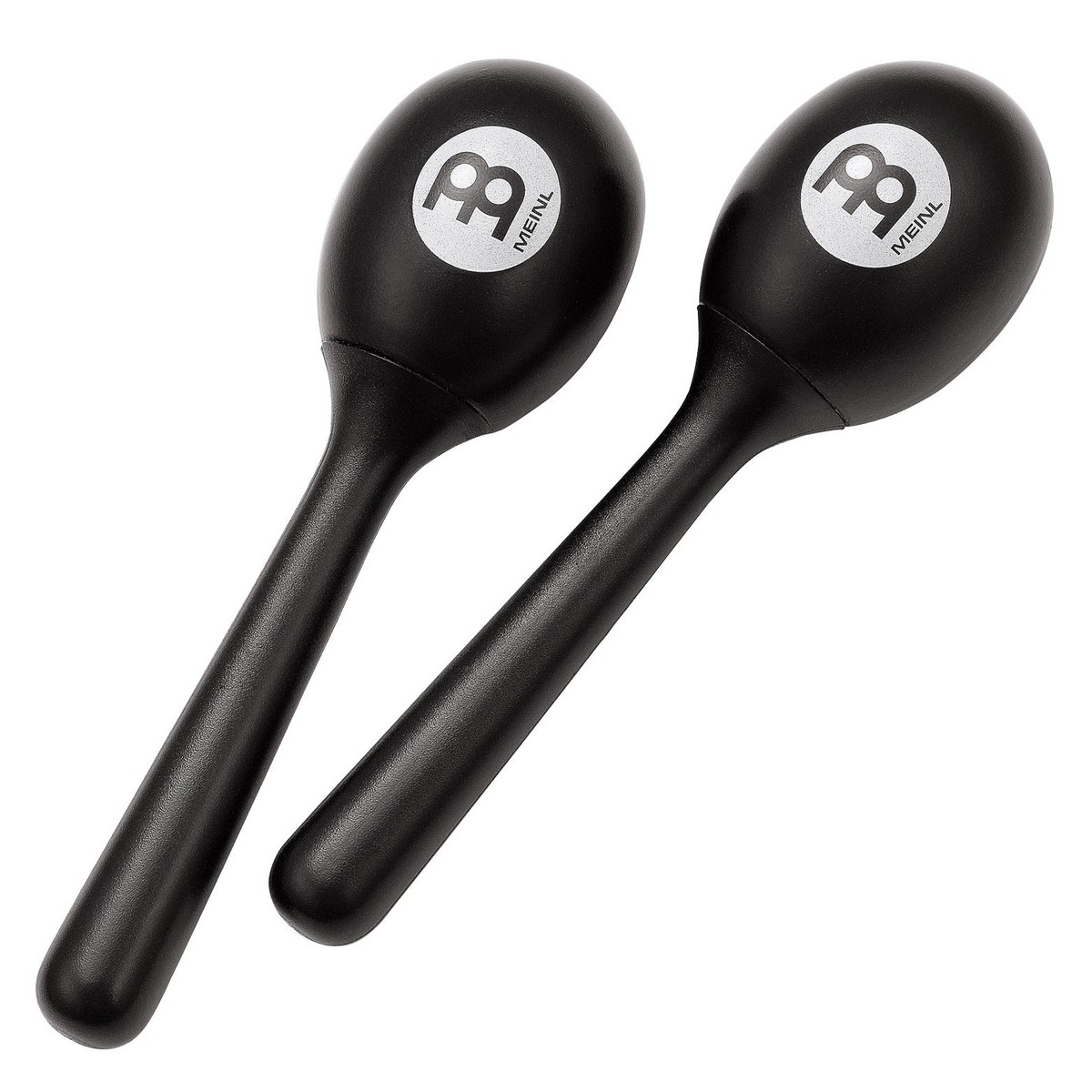
When compared to other portable instruments like the Fender Blues Deluxe Harmonica in A, the Lee Oskar G offers a different tonal register suited for lower-key compositions. While it occupies a similar space in a musician's toolkit as auxiliary percussion—such as Meinl Egg Maracas, Shakers, or the Remo Headless Tambourine—the harmonica provides melodic and harmonic depth that rhythmic instruments lack. Its professional price point of approximately £33 reflects a higher standard of durability compared to entry-level toy harmonicas.
Related gear
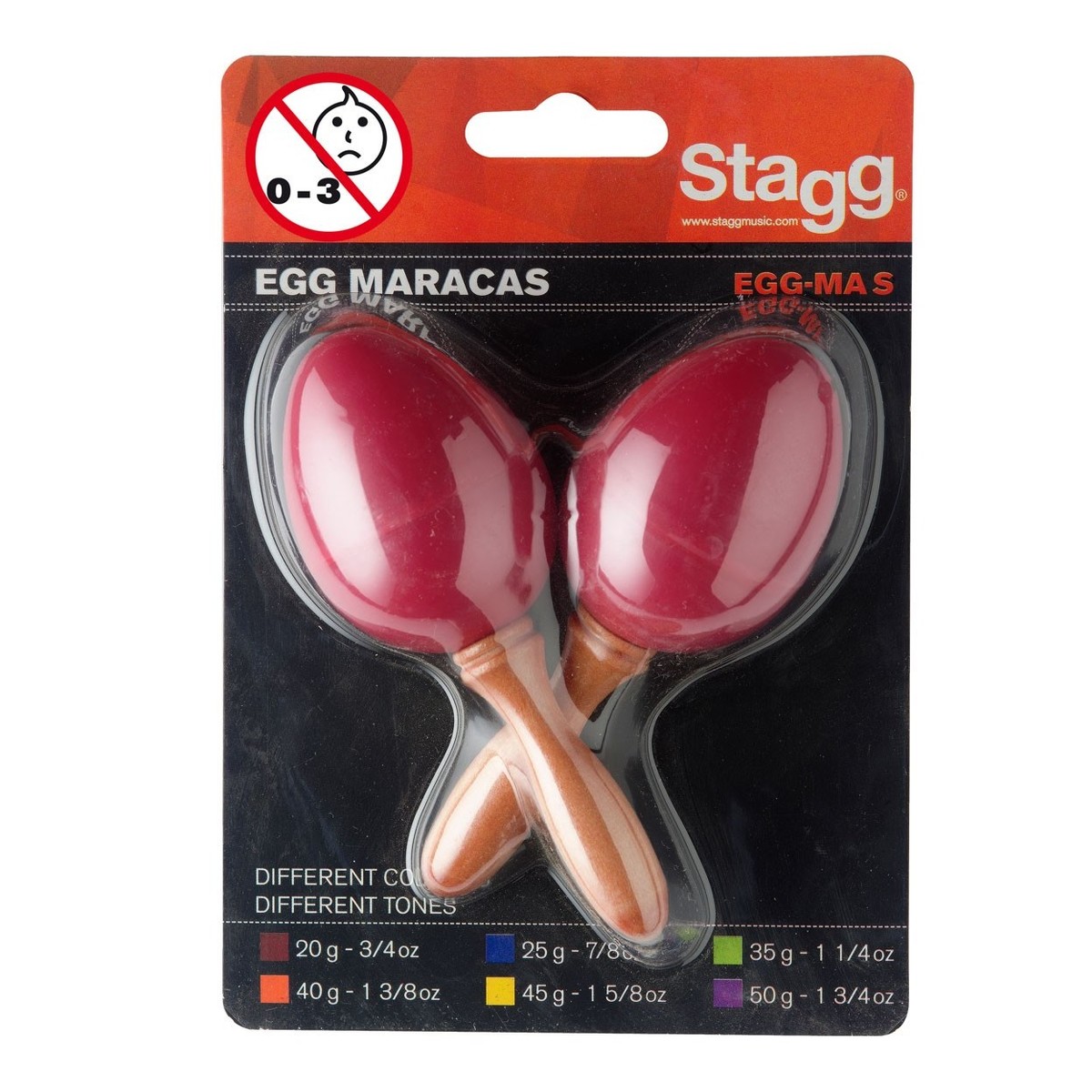 £3.99 ($5)
Stagg
Stagg Plastic Egg Maracas Red
 £9.99 ($13)
Stagg
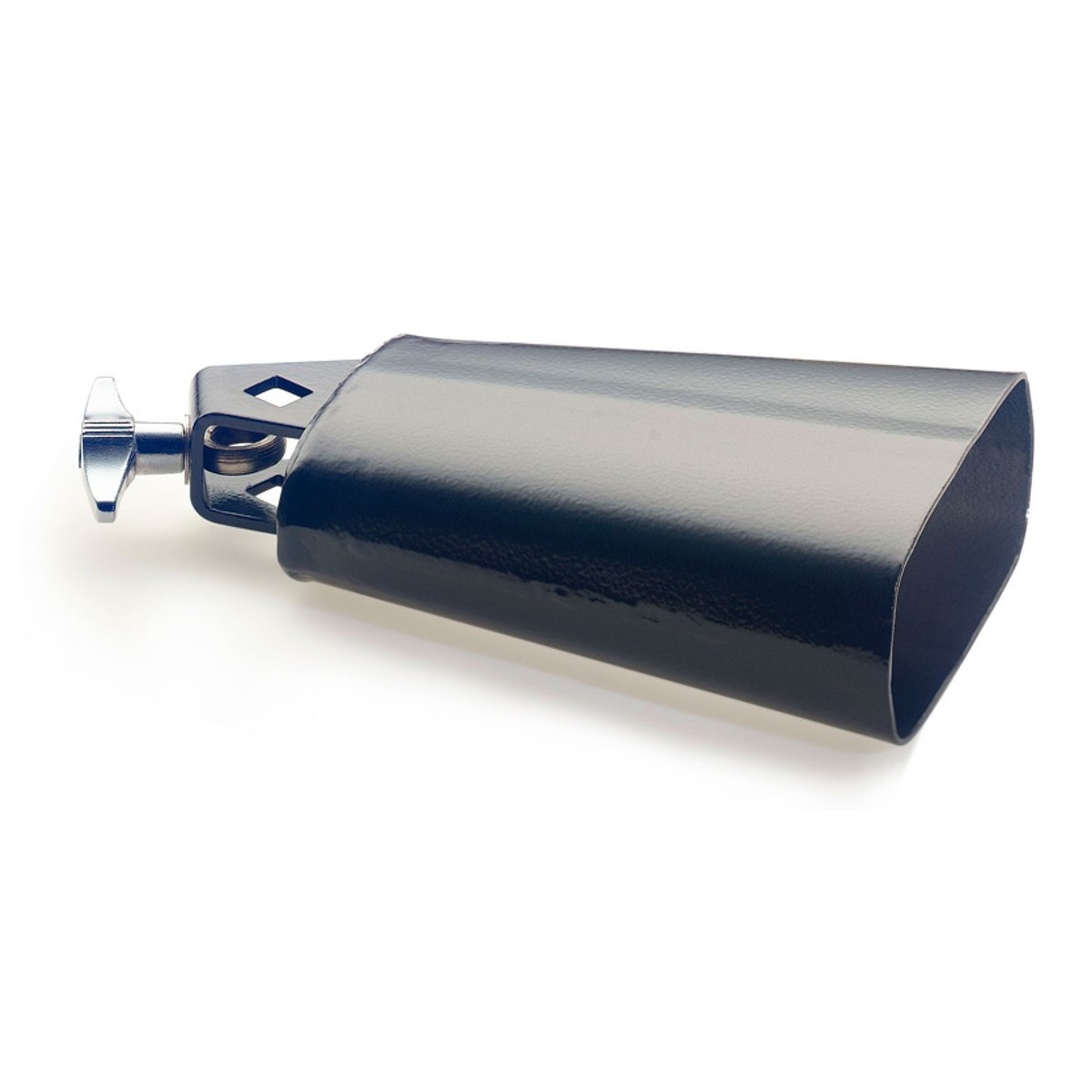
Stagg Rock 5-1/2" Cowbell Black
 £119.00 ($151)
Sonor
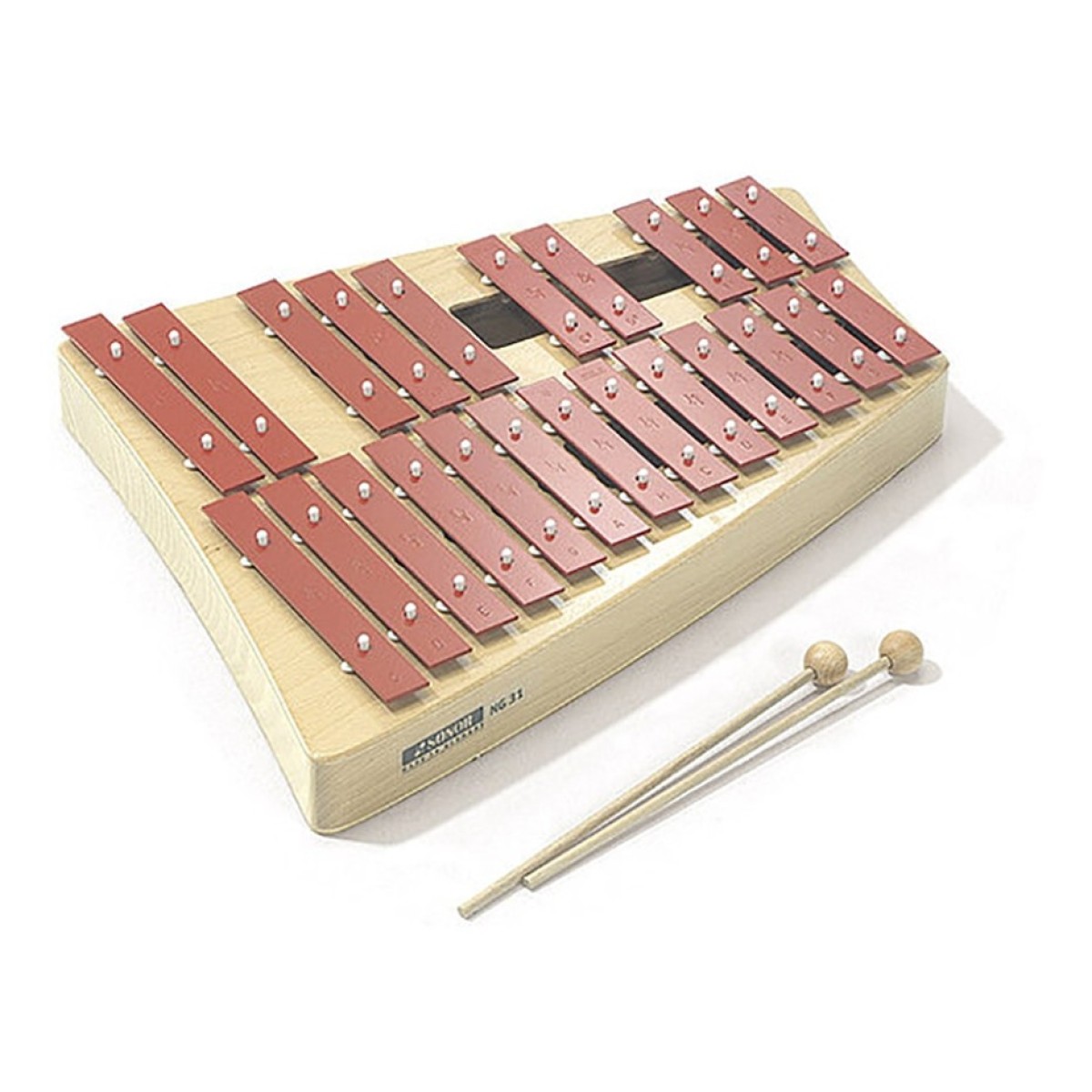
Sonor Orff NG31 Alto Chromatic Glockenspiel
 £23.70 ($30)
Remo
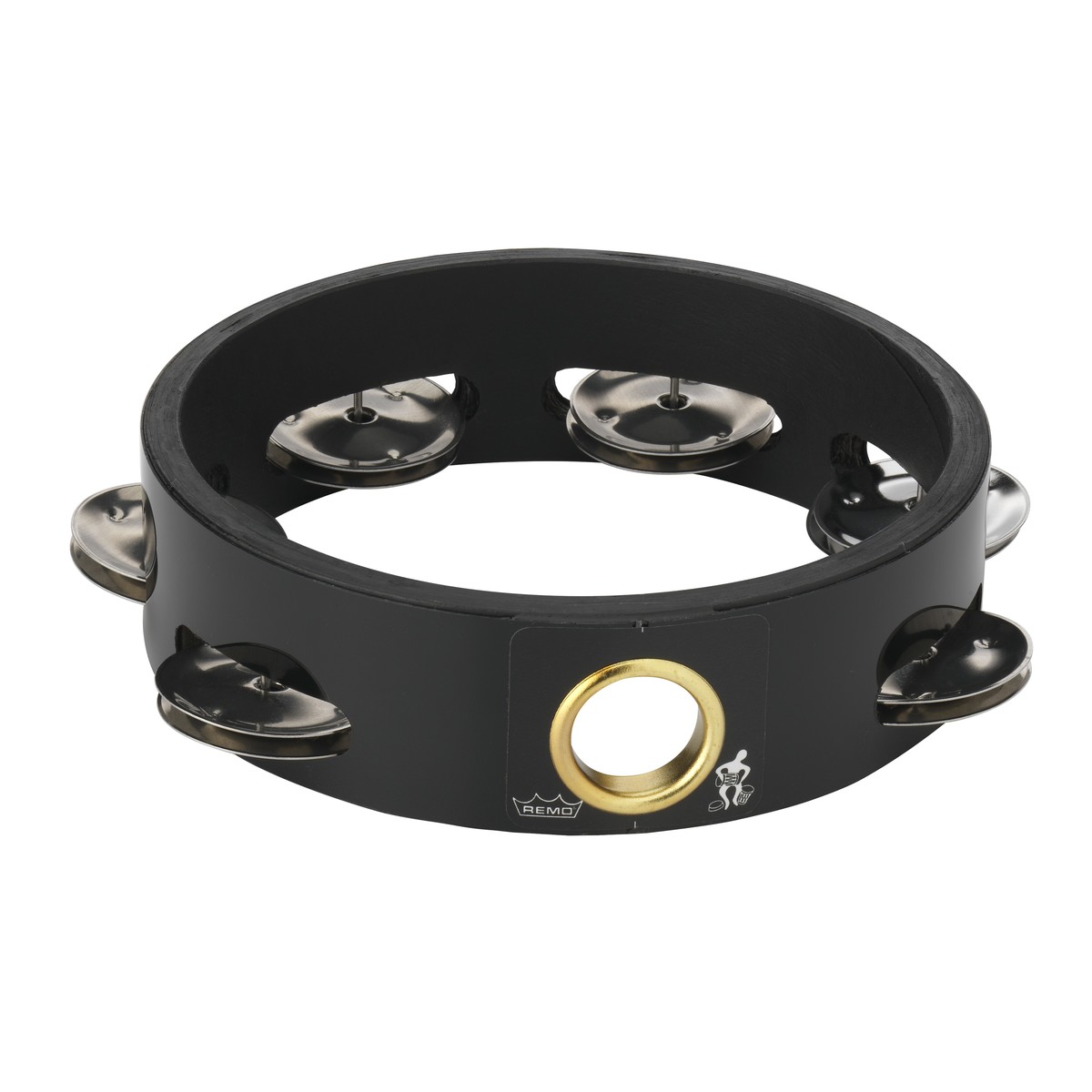
Remo 6 Single Row Headless Tambourine Black
 £299.00 ($380)
Meinl
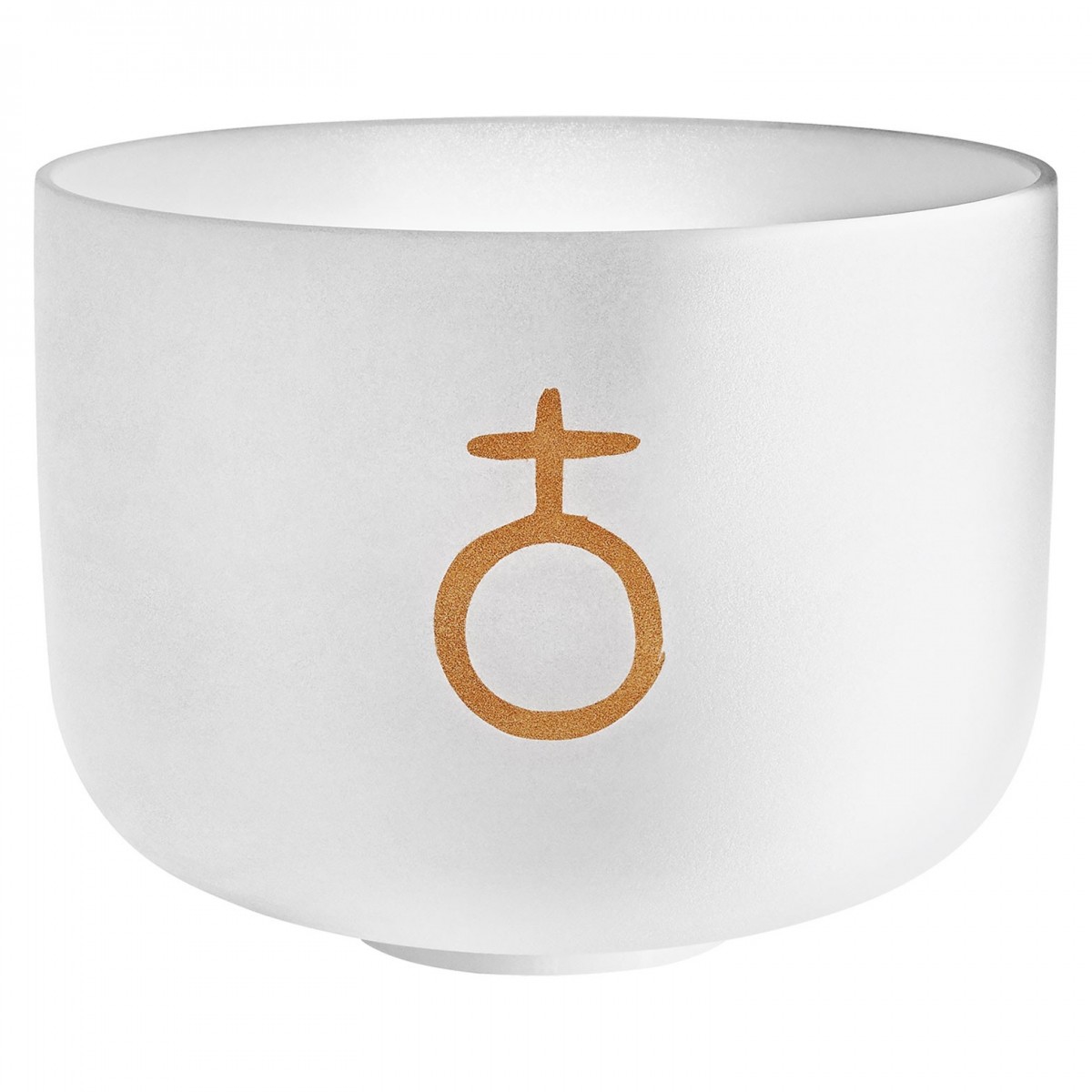
Meinl Planetary Tuned Crystal Singing Bowl 12" Earth Year / Om
 £16.00 ($20)
Fender
Fender Blues Deluxe Harmonica A
 £23.80 ($30)
Meinl
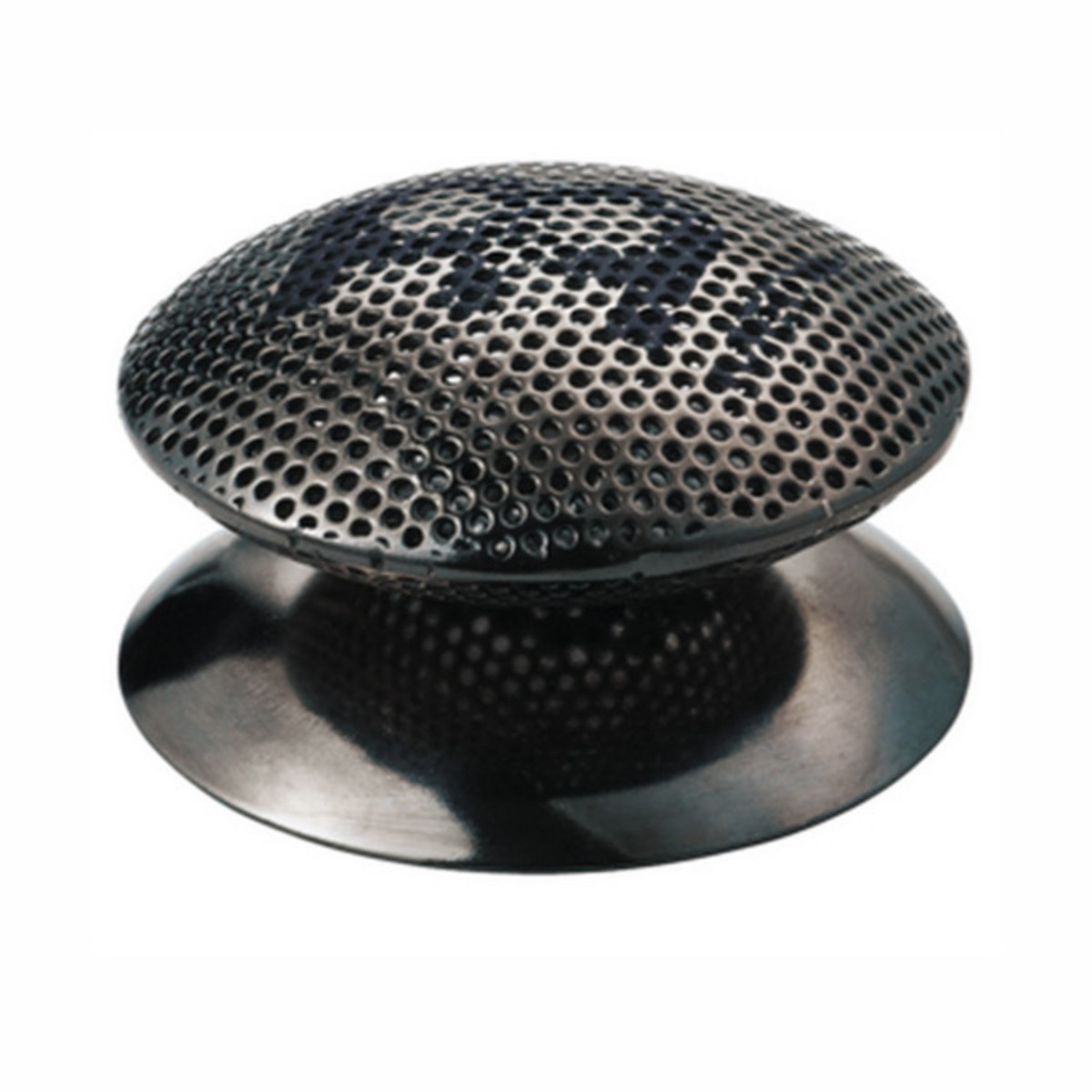
Meinl Spin Spark Shaker Black Nickel
- £8.11 ($10)
Meinl
Meinl Small Plastic Egg Maracas Black
Frequently asked questions
- What is the primary tuning of this harmonica?
- The instrument is tuned to the Major Diatonic scale in the key of G. This is the most common tuning used for playing Blues, Country, Folk, and Jazz.
- Which musical genres is the Lee Oskar Major Diatonic best suited for?
- It is designed for a wide range of genres, most notably Blues, Country, Folk, and Jazz. It is also used extensively in Funk and Rock music.
- Who is Lee Oskar?
- Lee Oskar is a renowned harmonica player and a founding member of the funk/jazz group WAR. He designed these harmonicas to meet professional standards for stage and studio use.
- What famous songs feature Lee Oskar harmonicas?
- The distinctive harp riffs of Lee Oskar harmonicas are featured on classic hits such as 'Low Rider' and 'Cisco Kid' by the group WAR.
- What does 'air-tight precision' mean for a harmonica?
- Air-tight precision refers to the construction quality that prevents air leakage between the reed plates and the comb. This makes the instrument easier to play and results in a more robust sound.
- How does the G tuning compare to an A tuning?
- A G harmonica is pitched lower than an A harmonica. This gives the G Major Diatonic a deeper, mellower tone compared to the brighter sound of the Fender Blues Deluxe in A.
- Is this harmonica suitable for beginners?
- Yes, while built to professional standards, its air-tight design makes it responsive and easy for beginners to learn basic notes. It is widely used by players of all skill levels.
- What is the typical price for this model?
- The Lee Oskar Major Diatonic Harmonica in G typically retails for approximately £33.00. This places it in the mid-to-high range for diatonic harmonicas.
- Can I find notation information for this instrument?
- Yes, the manufacturer provides a PDF containing detailed notation layout information. This helps players understand where each note of the G Major scale is located on the harp.
- How does this instrument fit into a percussion setup?
- Though it is a melodic instrument, it is often grouped with hand percussion like Meinl Maracas or Stagg Cowbells in acoustic sets. It provides a portable way to add melody to a rhythmic ensemble.
- What makes the Major Diatonic tuning 'legendary'?
- It has earned a legendary reputation due to its consistent quality and its dominance in the Blues and Folk scenes over several decades. Its reliable performance on chart-topping hits has cemented its status.
- Is the Lee Oskar G harmonica durable?
- Yes, it is designed for the stage and is known for outstanding quality. The materials and construction are intended to produce robust sounds consistently over time.