
Gear article
Legere Classic Soprano Saxophone Reed 2
The Legere Classic Soprano Saxophone Reed is a synthetic reed designed for consistency, durability, and a dark, focused tonal response. The strength 2 model is specifically engineered to provide an accessible blowing resistance, making it suitable for beginner saxophonists and large ensemble performance.
See live pricesOverview and Design
The Legere Classic Soprano Saxophone Reed represents a modern alternative to traditional Arundo donax (cane) reeds. Utilising high-precision cutting technology, Legere produces synthetic reeds that aim to replicate the physical properties of natural cane while eliminating the variability found in organic materials. The Classic cut is distinguished by its thicker tip, which provides structural integrity and a specific resistance profile intended for projection and clarity.
Performance and Sound Characteristics
This reed is characterised by a dark and focused sound, contrasting with the brighter profiles often found in jazz-specific cuts. The thicker tip design allows for significant projection, making it particularly effective for marching bands and large orchestral ensembles where the soprano saxophone must cut through a dense texture. Despite its projection, the '2' strength remains easy to vibrate, allowing beginners to produce their first notes with minimal physical strain.
Durability and Reliability
One of the primary advantages of the Legere synthetic reed is its longevity. Unlike cane reeds, which degrade over time due to moisture absorption and bacterial growth, synthetic reeds maintain their structural properties for a significantly longer period. They are ready to play immediately out of the box, requiring no pre-wetting or 'breaking in' period, which provides a high degree of reliability for performers who need consistent results across different environments.
Target Audience
The strength 2 variant is specifically positioned for student musicians and those new to the soprano saxophone. Because the soprano can be a difficult instrument to control, the consistency of a synthetic reed removes one of the major variables in early woodwind education. It is also an ideal choice for outdoor performers, such as those in marching bands, who require a reed that will not warp or change response due to weather conditions.
Comparative Context
When compared to traditional options like the Vandoren Java or D'Addario Organic Select Jazz, the Legere Classic offers a more stable experience across varying temperatures and humidity levels. While cane reeds like the Vandoren Java 1.5 might offer a different harmonic complexity, the Legere provides a uniform response that many players prefer for classical or ensemble settings. It is often paired with standard mouthpieces like the Yamaha 5C to create a stable, predictable setup for developing players.
Related gear
 £21.80 ($28)
Daddario
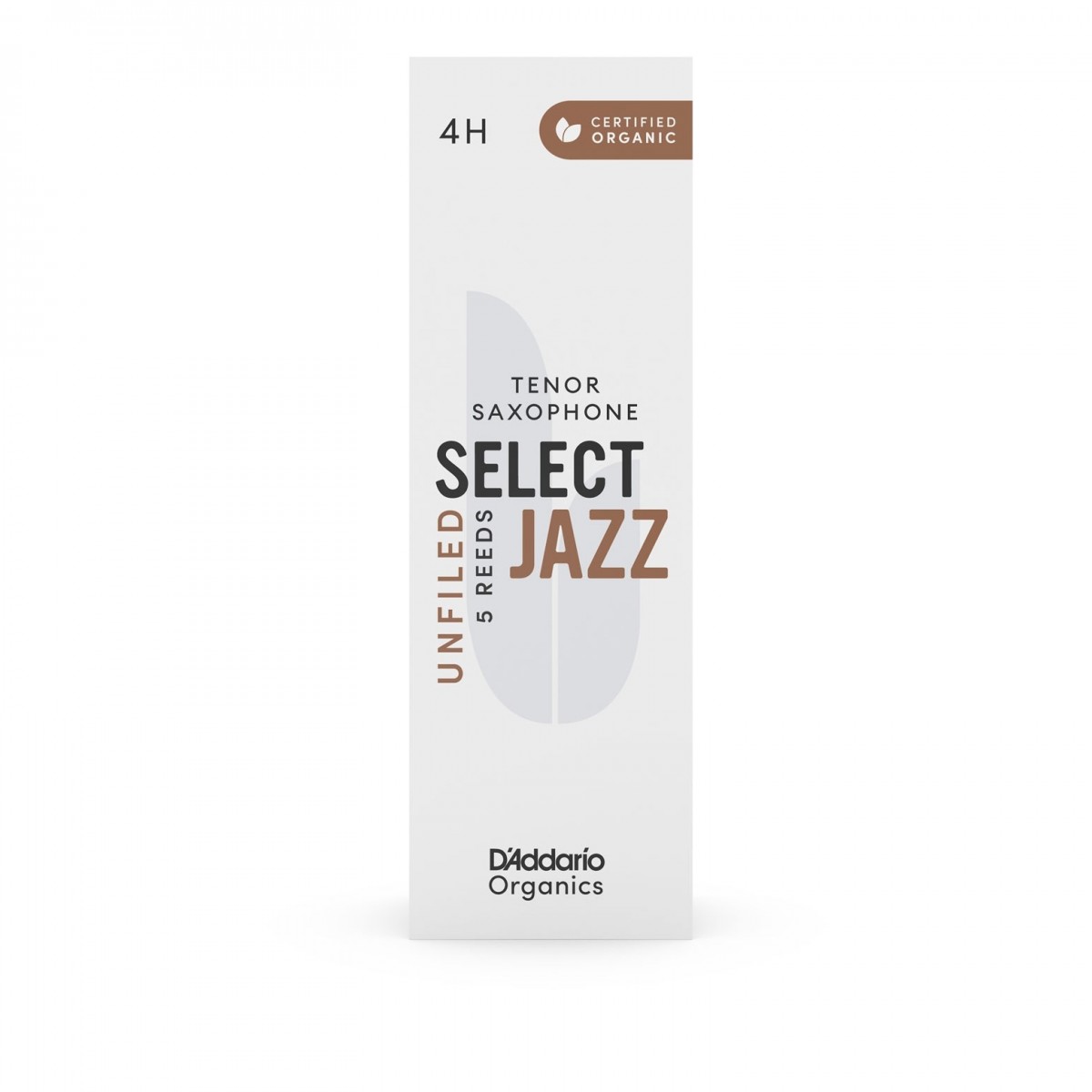
DAddario Organic Select Jazz Unfiled Tenor Sax Reeds 4H (5 Pack)
 £31.00 ($39)
Rovner
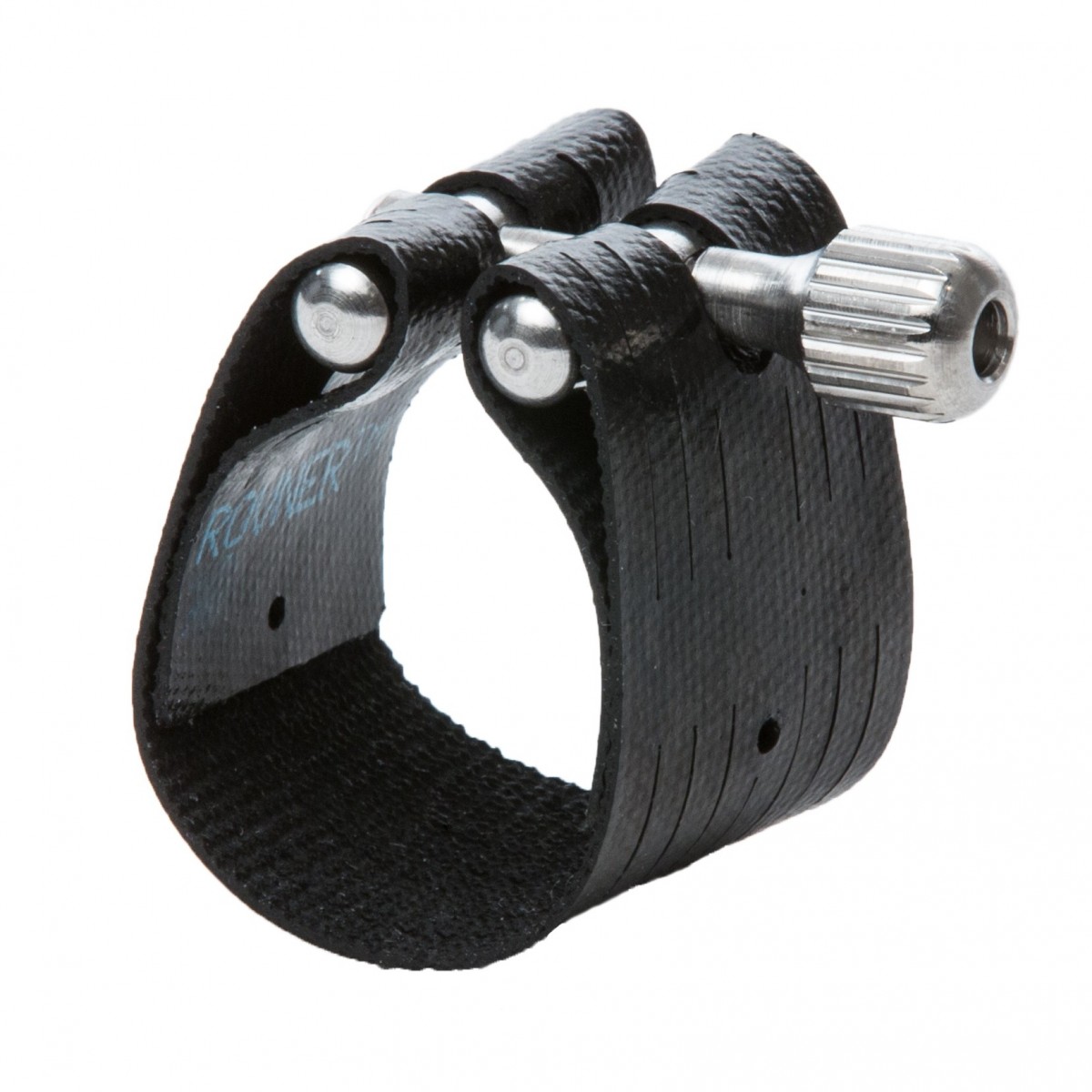
Rovner 3RL Dark Bass Clarinet/Saxophone Ligature and Cap
 £22.40 ($28)
Vandoren
Vandoren Java Tenor Saxophone Reeds 1.5 (5 Pack)
 £25.25 ($32)
Daddario
DAddario Organic Select Jazz Filed Alto Sax Reeds 4M (10 Pack)
 £7,531.00 ($9,564)
Yamaha
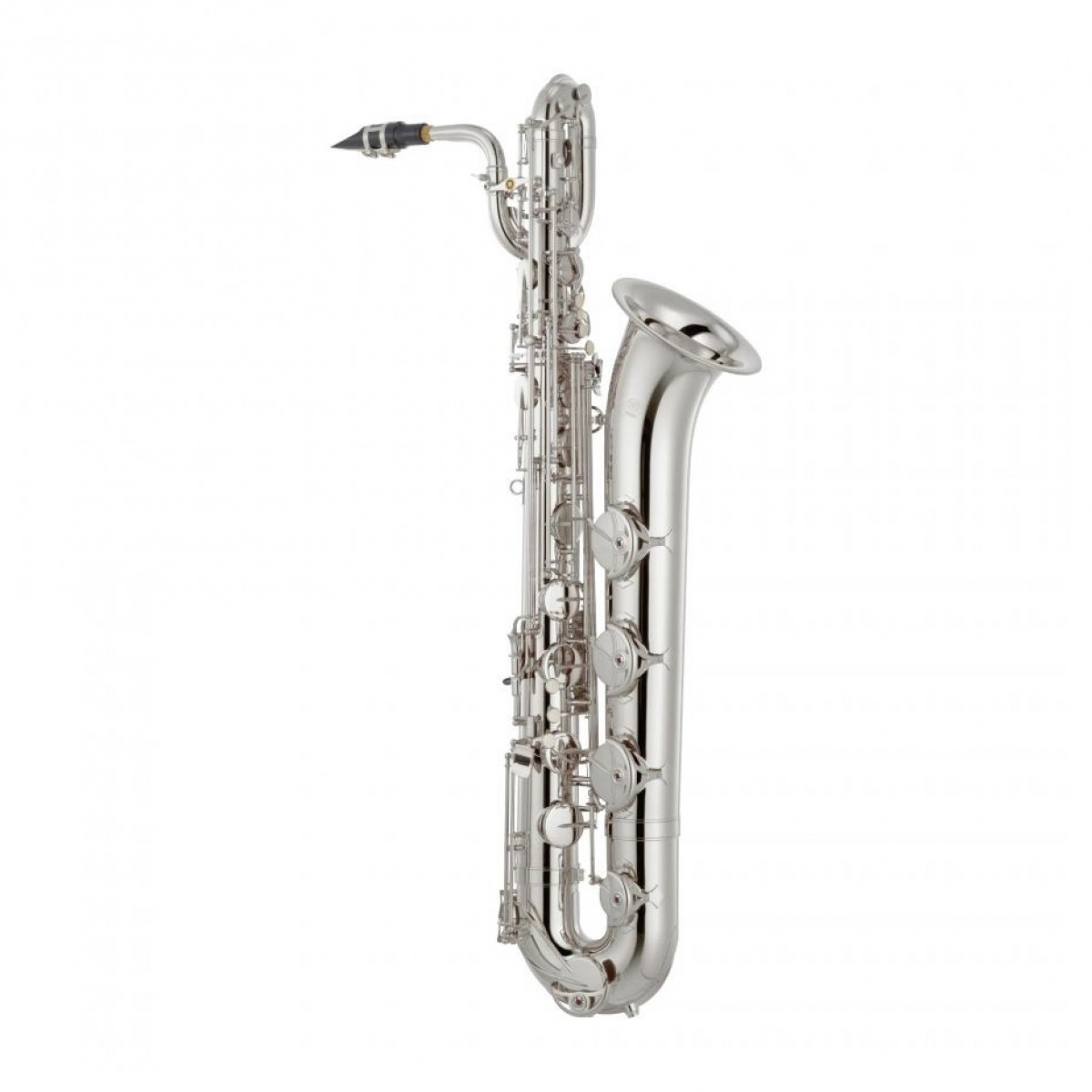
Yamaha YBS480 Baritone Saxophone Silver Plate
 £40.00 ($51)
Yamaha
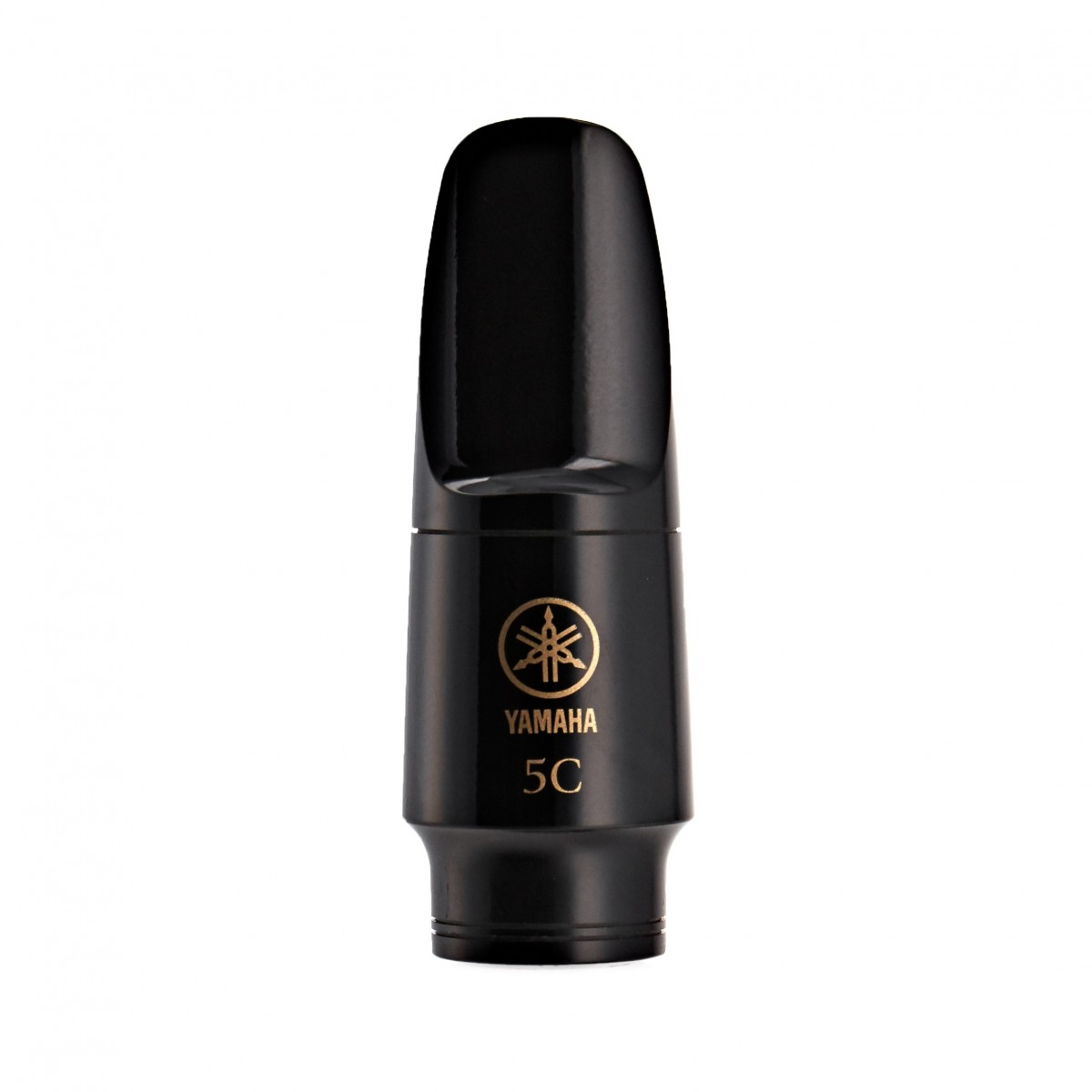
Yamaha 5C Soprano Saxophone Mouthpiece
 £85.70 ($109)
Vandoren
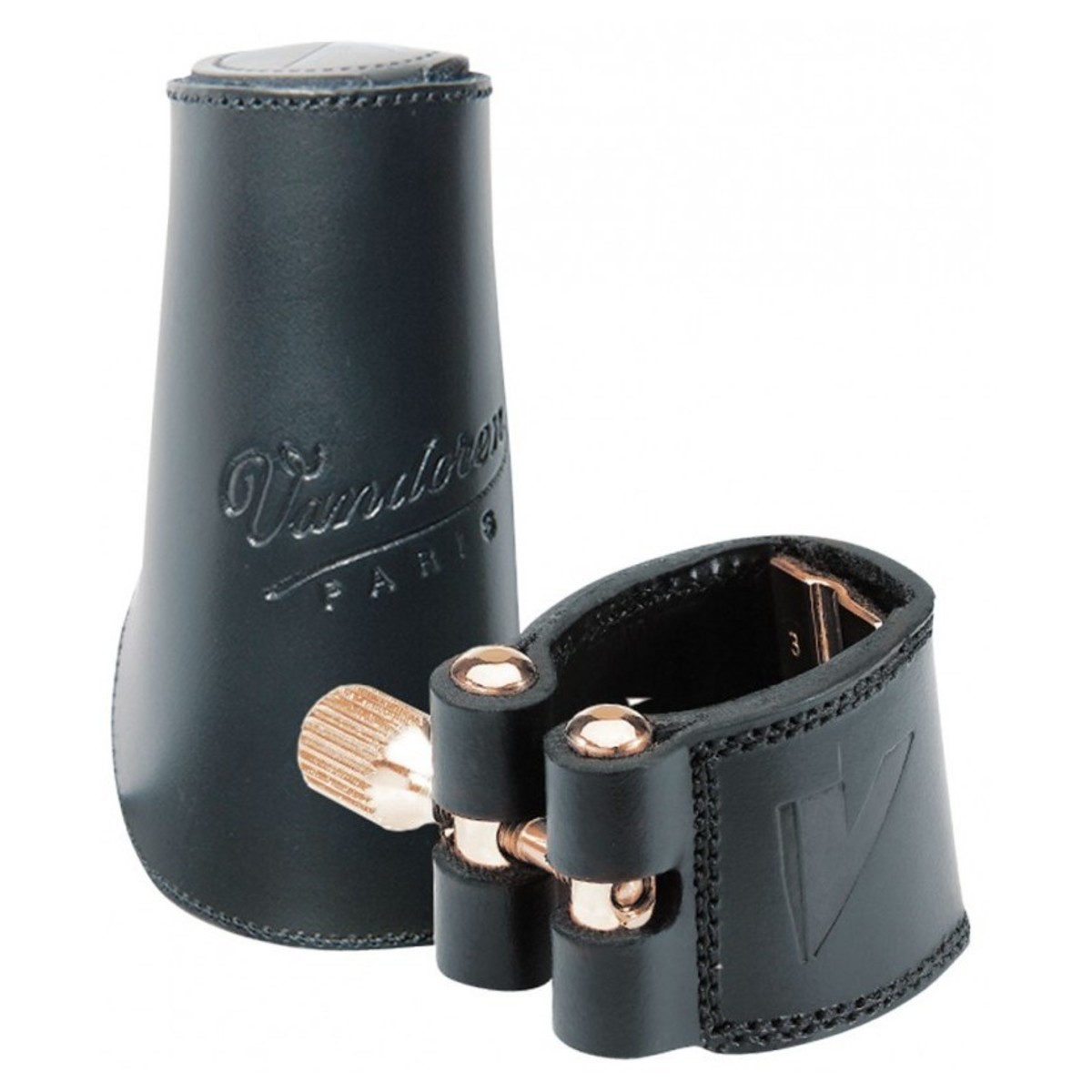
Vandoren Cuir Alto Sax Ligature Leather with Leather Cap
 £395.00 ($502)
JodyJazz Inc.
JodyJazz Super Jet Baritone Saxophone Mouthpiece 6
Frequently asked questions
- What is the primary benefit of a synthetic reed?
- The primary benefits are consistency and durability. Unlike cane, synthetic reeds are ready to play instantly without wetting and do not warp or degrade quickly over time.
- How does the Legere Classic sound compared to other cuts?
- The Classic cut produces a darker and more focused sound. This makes it distinct from jazz-oriented reeds which tend to be brighter and more buzzy.
- Is the strength 2 reed suitable for beginners?
- Yes, the strength 2 is specifically designed for beginners. It offers lower resistance, making it easier for new players to produce their first notes and develop their embouchure.
- Do I need to soak the Legere Soprano reed before playing?
- No, Legere synthetic reeds do not require soaking. They are non-porous and ready to use immediately upon being placed on the mouthpiece.
- How long does a Legere reed typically last?
- While individual results vary, Legere reeds are designed to last significantly longer than a box of traditional cane reeds. They do not rot or lose their 'heart' as quickly as organic materials.
- Can this reed be used in marching bands?
- Yes, it is ideal for marching bands due to its thicker tip and high projection. Its synthetic nature also means it is unaffected by the outdoor temperature and humidity changes common in marching environments.
- Is the tip of the Legere Classic reed different from other models?
- Yes, the Classic cut features a thicker tip. This design choice aids in projection and provides the focused tonal character the reed is known for.
- Can I use this reed with a Yamaha 5C mouthpiece?
- Yes, the Legere Classic soprano reed is compatible with standard soprano mouthpieces like the Yamaha 5C. This combination is often recommended for students seeking a reliable setup.
- Does the Legere reed require a special ligature?
- No, it works with standard ligatures such as the Rovner Dark or Vandoren Cuir models. The key is ensuring the ligature provides even pressure across the synthetic material.
- Are Legere reeds precision-cut?
- Yes, they are manufactured using high-precision CNC machinery. This ensures that every reed of the same strength and cut is virtually identical to the last one.
- How does the price of a single Legere reed compare to cane reeds?
- A single Legere reed costs approximately £43, which is significantly more than a single cane reed. However, because it lasts as long as multiple boxes of cane, it is often more cost-effective in the long term.
- Is this reed better for jazz or classical music?
- Due to its dark and focused sound, the Classic cut is often preferred for classical, concert band, and orchestral settings. Jazz players may prefer a reed with a brighter harmonic profile, though it is ultimately a matter of personal preference.