
Gear article
Legere French Cut Baritone Saxophone Reed 3
The Legere French Cut Baritone Saxophone Reed 3 is a synthetic reed constructed from oriented polypropylene, designed specifically for professional and orchestral baritone saxophone performance. It is engineered to provide a dark, centred tone with immediate response, maintaining stability regardless of environmental conditions.
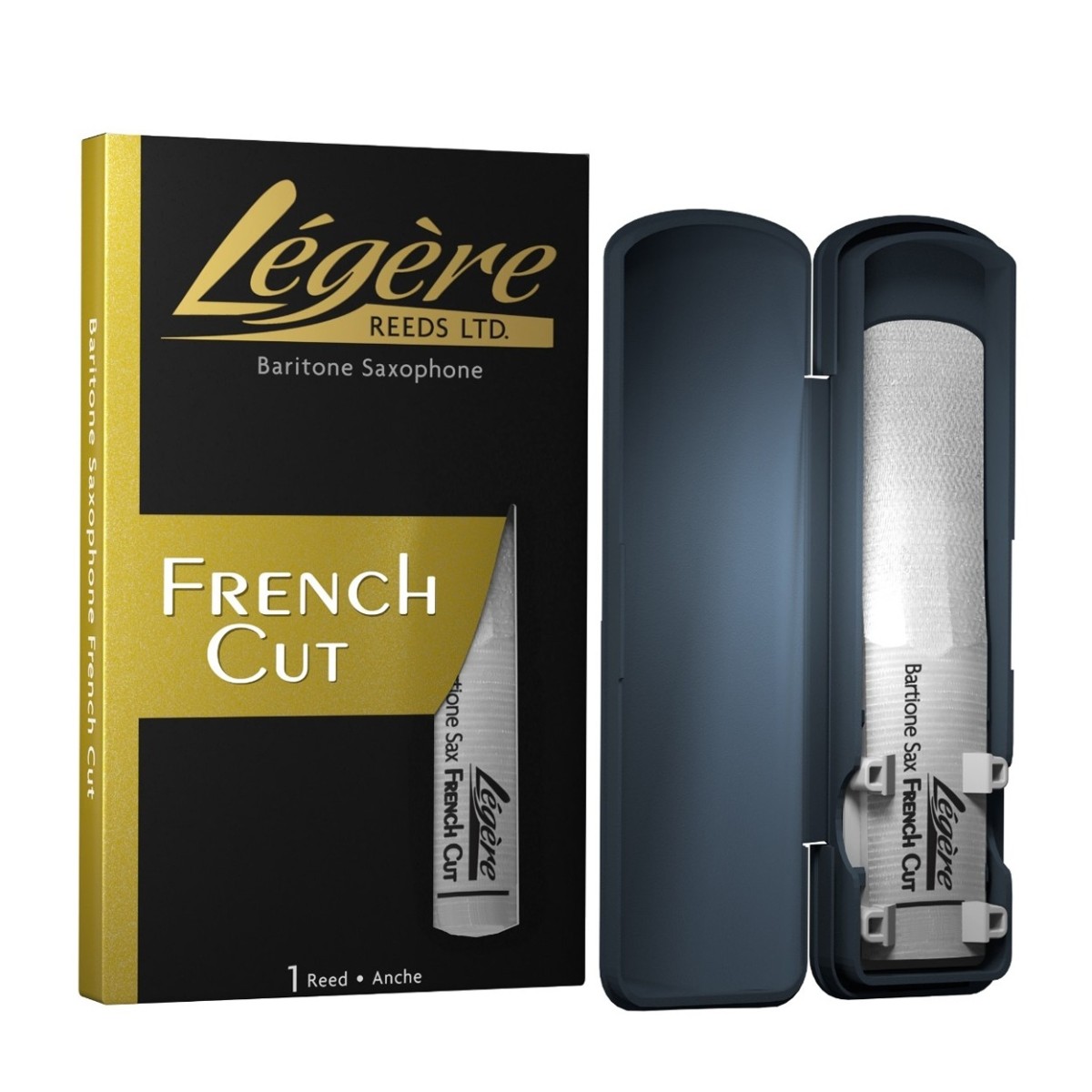
Overview and Design
The Legere French Cut Baritone Saxophone Reed 3 represents a modern approach to woodwind reed manufacturing. Utilising a French Cut profile, the reed features an even distribution of material across the vamp, terminating in a thinner tip. This specific geometry is designed to provide a clear response while maintaining a degree of resistance necessary for control. Unlike traditional cane reeds, the French Cut aims to suppress high-frequency overtones, resulting in a darker and more focused sonic profile.
Material and Performance
Manufactured from Legere's proprietary oriented polypropylene, the reed does not require pre-performance soaking. The synthetic nature of the material ensures that the reed remains unaffected by changes in humidity or temperature. This provides a consistent playing experience across different rehearsal and performance environments, ensuring the setup feels identical every time the instrument is used. The material's durability also offers a longer lifespan compared to standard organic reeds.
Tonal Character and Suitability
The primary tonal characteristic of the French Cut reed is a centred, dark sound with a strong core. By intentionally limiting bright overtones, the reed allows the baritone saxophone to blend more effectively within orchestral or large ensemble settings. It supports the instrument's lower register significantly, allowing notes to speak clearly across the entire range. This makes it particularly suitable for classical, orchestral, and ensemble players who require stability and depth over the aggressive brightness often sought in jazz contexts.
Comparison and Compatibility
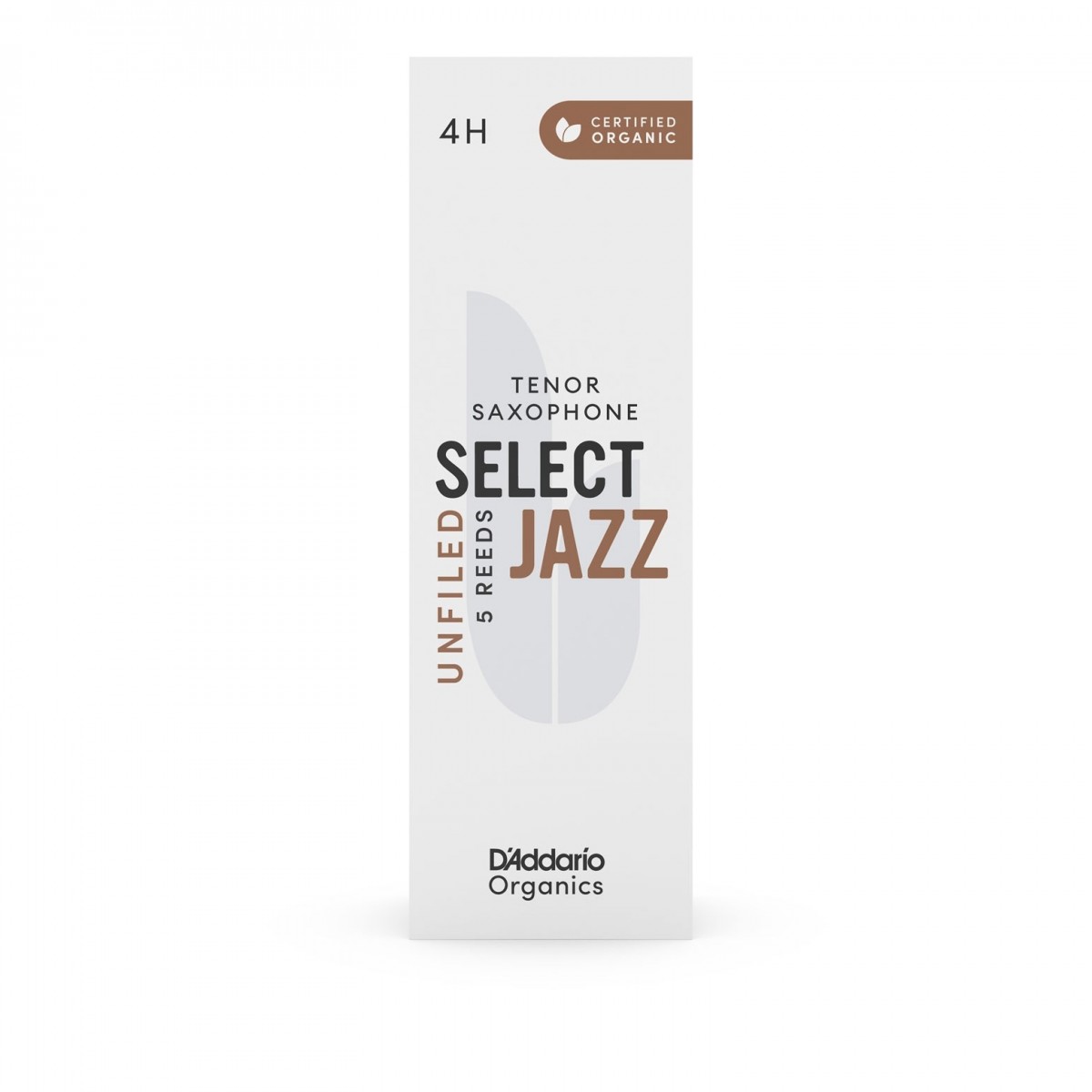
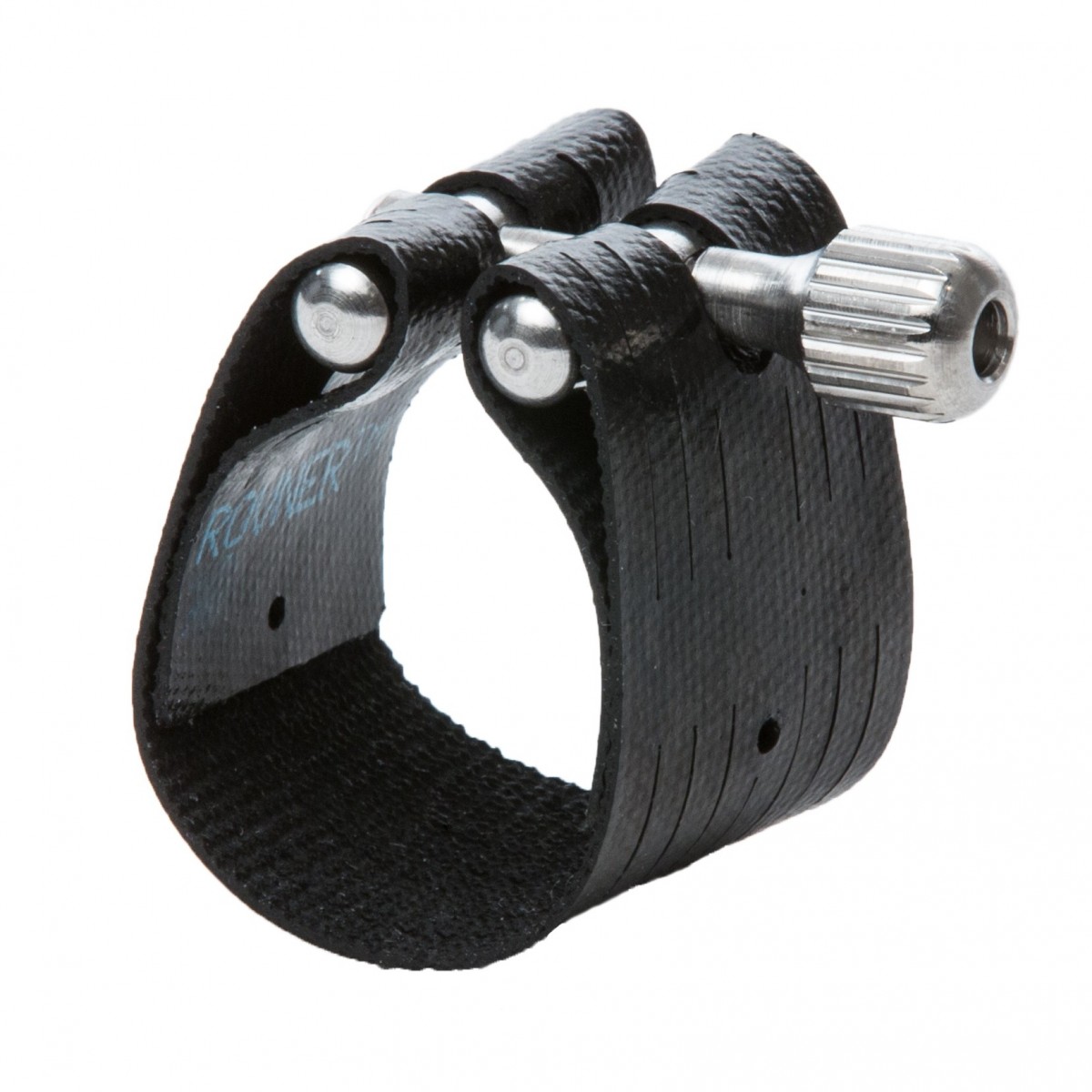
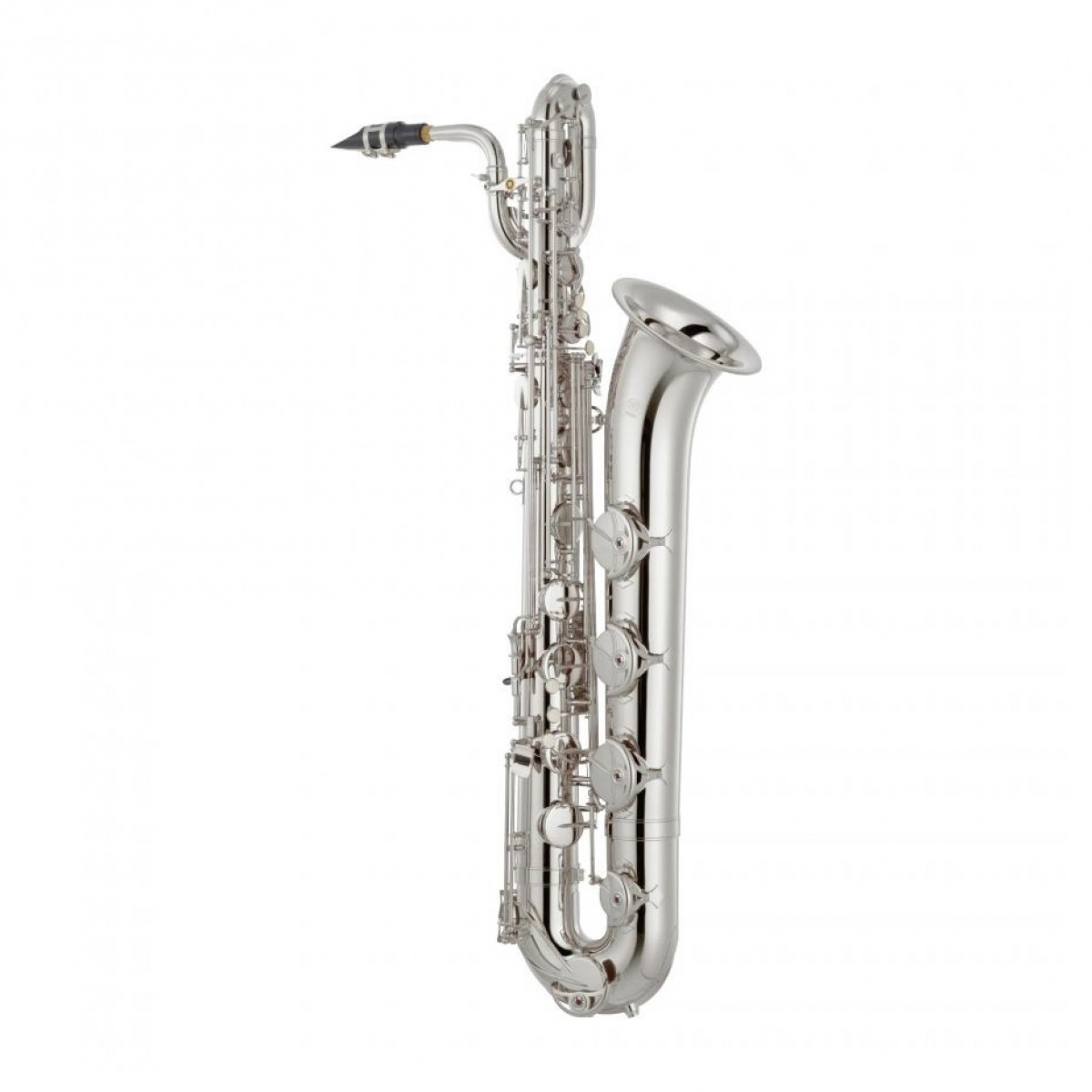
While jazz-oriented reeds like the D'Addario Organic Select Jazz or Vandoren Java series focus on projection and higher harmonic content, the Legere French Cut is focused on control and blend. For baritone saxophonists using high-performance mouthpieces like the JodyJazz Super Jet or instruments such as the Yamaha YBS480, the choice of a French Cut reed can help temper the instrument's natural volume. It is often paired with high-quality ligatures, such as the Rovner 3RL or Vandoren leather options, to further refine the dampening and response characteristics.
Related gear
- £21.70 ($28)
Daddario
DAddario Organic Select Jazz Unfiled Tenor Sax Reeds 4H (5 Pack)
 £31.00 ($39)
Rovner
Rovner 3RL Dark Bass Clarinet/Saxophone Ligature and Cap
 £23.50 ($30)
Vandoren
Vandoren Java Tenor Saxophone Reeds 1.5 (5 Pack)
 £25.25 ($32)
Daddario
DAddario Organic Select Jazz Filed Alto Sax Reeds 4M (10 Pack)
 £7,531.00 ($9,564)
Yamaha
Yamaha YBS480 Baritone Saxophone Silver Plate
 £40.00 ($51)
Yamaha
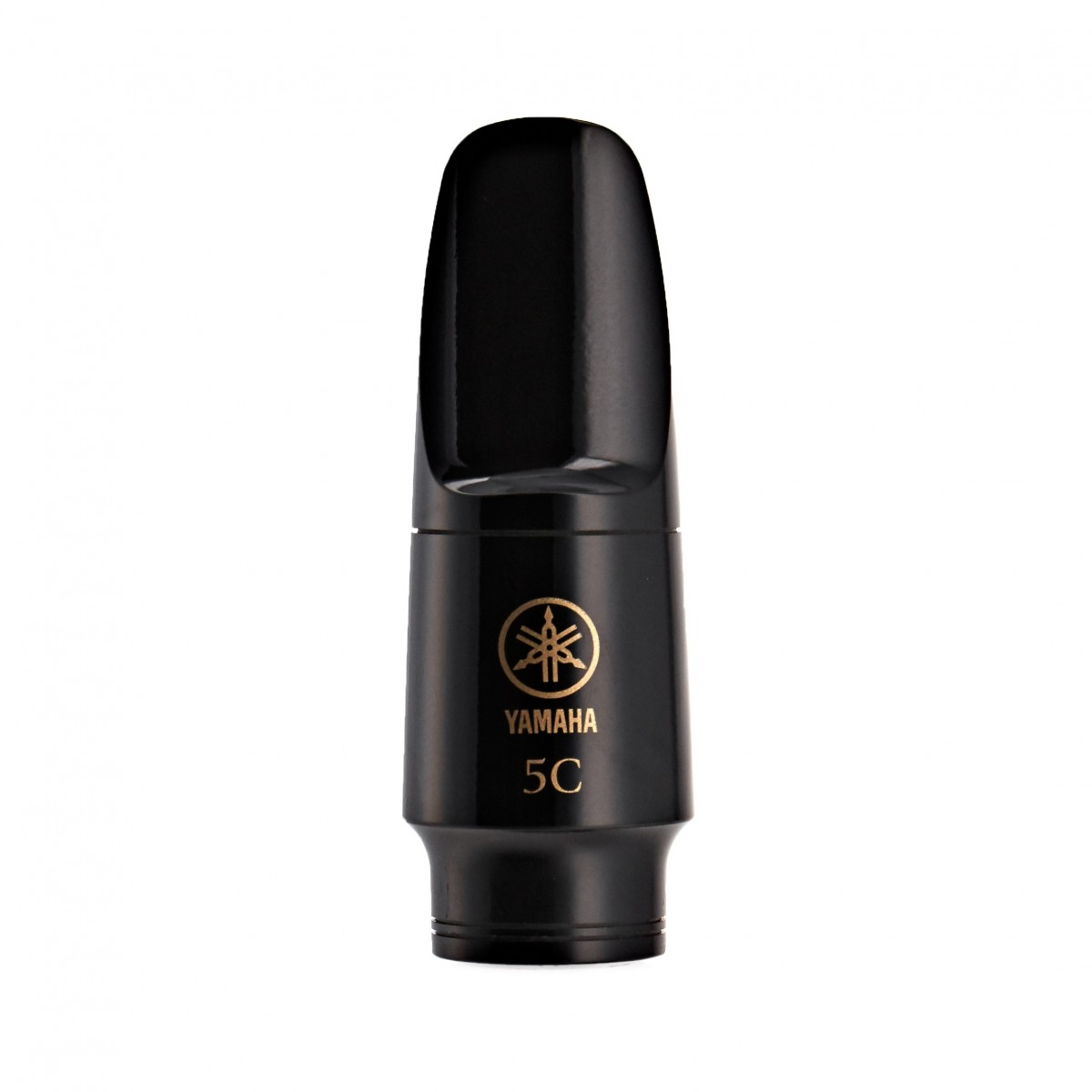
Yamaha 5C Soprano Saxophone Mouthpiece
 £80.90 ($103)
Vandoren
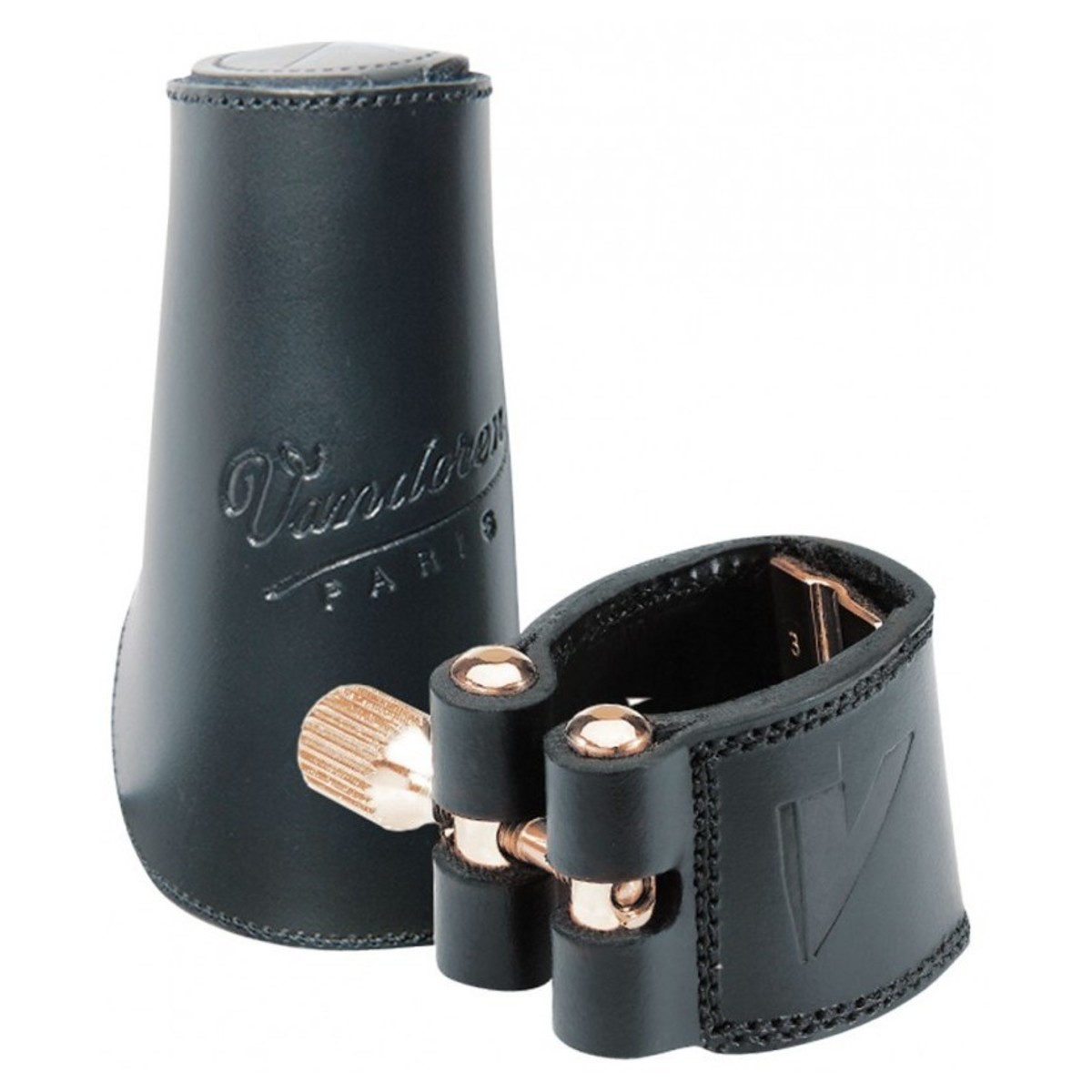
Vandoren Cuir Alto Sax Ligature Leather with Leather Cap
 £392.00 ($498)
JodyJazz Inc.
JodyJazz Super Jet Baritone Saxophone Mouthpiece 6
Frequently asked questions
- What is the primary material of the Legere French Cut reed?
- The reed is manufactured from oriented polypropylene, a synthetic material designed to mimic the properties of cane while offering increased durability. This material ensures the reed is ready to play instantly without soaking.
- Do I need to soak the Legere French Cut Baritone reed before playing?
- No, because it is made from synthetic polypropylene, it does not absorb moisture like cane. It is designed to be ready to play straight out of the box for immediate performance.
- How does the French Cut affect the sound of the baritone saxophone?
- The French Cut profile suppresses high overtones to produce a darker, more centred tone. This helps the baritone saxophone blend better in ensemble and orchestral settings rather than standing out with bright harmonics.
- Is this reed suitable for jazz performances?
- While it can be used for jazz, it is specifically designed for depth and stability in orchestral and ensemble settings. Jazz players often prefer reeds with more high-overtone projection, such as the D'Addario Select Jazz or Vandoren Java series.
- How does temperature affect the performance of this reed?
- The oriented polypropylene material is unaffected by temperature changes. This ensures that the reed's response and pitch remain consistent whether playing in a cold hall or under hot stage lights.
- What is the benefit of the thinner tip on the French Cut?
- The thinner tip provides a clearer and more immediate response when the player initiates a note. This helps notes speak cleanly across the entire range of the baritone saxophone without requiring excessive effort.
- How does this reed handle the low register of the baritone saxophone?
- The balance of even material distribution and specific resistance in the French Cut supports the low register. It allows the lowest notes to be played with stability and a strong core sound.
- What is the typical price for a single Legere French Cut Baritone reed?
- The typical price range for this specific reed is approximately GBP 41. While more expensive than a single cane reed, its longevity and consistency are designed to offer long-term value.
- Does humidity change how the reed plays during a rehearsal?
- No, the synthetic construction makes the reed completely resistant to humidity. It will not warp or become waterlogged during long rehearsals, maintaining a consistent feel from start to finish.
- Can I use this reed with a JodyJazz Super Jet mouthpiece?
- Yes, it can be used with high-baffle mouthpieces like the JodyJazz Super Jet. In this combination, the French Cut's darker profile can help balance the aggressive brightness of the mouthpiece.
- What is the difference between this and a D'Addario Organic Select Jazz reed?
- The D'Addario Select Jazz is an organic cane reed typically used for projection and brightness in jazz. The Legere French Cut is a synthetic reed designed for a darker, more stable orchestral tone.
- Why should an orchestral baritone saxophonist choose the French Cut?
- It is chosen for its ability to provide a focused, blended sound and its reliability. The stability it offers in ensemble settings helps the player maintain a consistent role within the woodwind section.