
Gear article
Légère Synthetic Bassoon Reed (Medium)
The Légère Synthetic Bassoon Reed is a modern alternative to traditional cane reeds, designed for both professional and student bassoonists. Engineered to provide tonal warmth and flexibility, it is distinguished by its immunity to environmental changes and its ability to function without pre-wetting.
See live pricesOverview
The Légère Synthetic Bassoon Reed represents a significant shift in double-reed technology. Unlike traditional Arundo donax (cane) reeds, this synthetic variant is manufactured from a specialised polymer designed to mimic the cellular structure of natural cane. The 'Medium' strength is positioned as a versatile option, balancing ease of response with sufficient resistance for tonal control. It is often described as one of the most radical developments in bassoon equipment in the last century.
Performance and Features
One of the primary advantages of the Légère reed is its immediate playability. Traditional cane reeds require soaking in water to become pliable, whereas synthetic reeds are ready to use immediately upon assembly. Furthermore, the material is immune to fluctuations in temperature and humidity, which typically cause cane reeds to warp, crack, or change in pitch. This stability makes the reed particularly reliable for long rehearsals and performances in varying climates.
Sound and Character
The Légère Medium reed is designed to provide a premium feel with a focus on tonal warmth and flexibility. While some early synthetic designs were criticised for a 'thin' or 'plastic' sound, the modern Légère process aims to replicate the harmonic depth of high-quality cane. It offers a consistent response across the bassoon’s registers, allowing players to maintain dynamic control and articulation precision without the unpredictability of natural materials.
Durability and Value
While the initial cost of approximately £119 is significantly higher than a single cane reed, the Légère is designed for longevity. It can maintain its playing qualities for several months of regular use. Because the material does not rot or degrade due to moisture in the same way as cane, it provides a consistent experience over a much longer lifespan, often making it more cost-effective for students and busy professionals in the long term.
Comparison to Alternatives
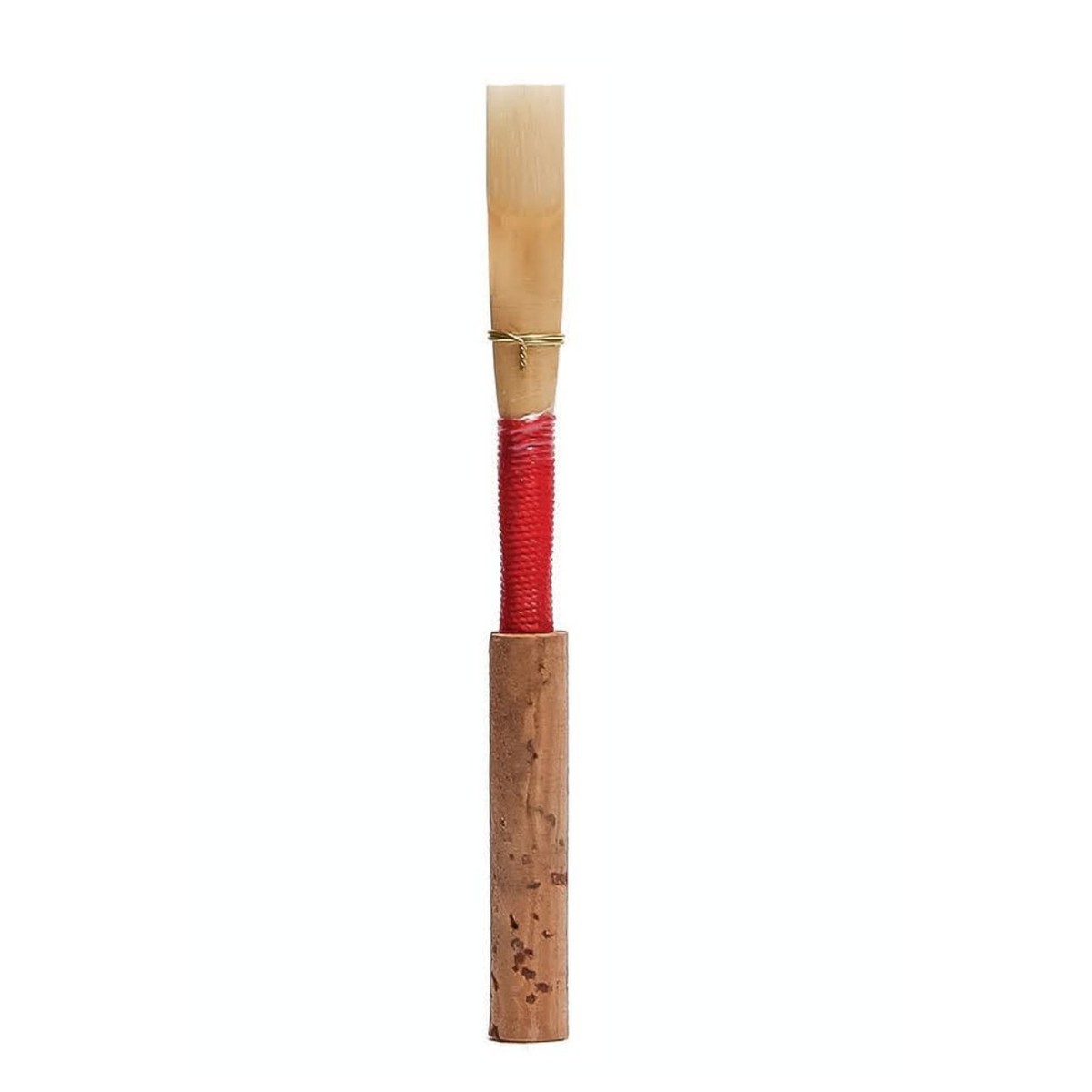
Within the Légère range, players can choose between different strengths, such as the 'Medium-Hard' variant for those requiring more resistance. Compared to oboe equivalents like the Jones European Scrape or the Légère Signature American Scrape, the bassoon reed is a larger, more complex construction. For beginners using tuition materials like the 'Faber Team Woodwind' series, the synthetic reed offers the advantage of removing the 'soaking' variable, allowing the student to focus entirely on embouchure and finger technique.
Related gear
 £18.99 ($24)
Jones
Jones European Scrape Oboe Reed Medium Hard
 £125.50 ($159)
Legere
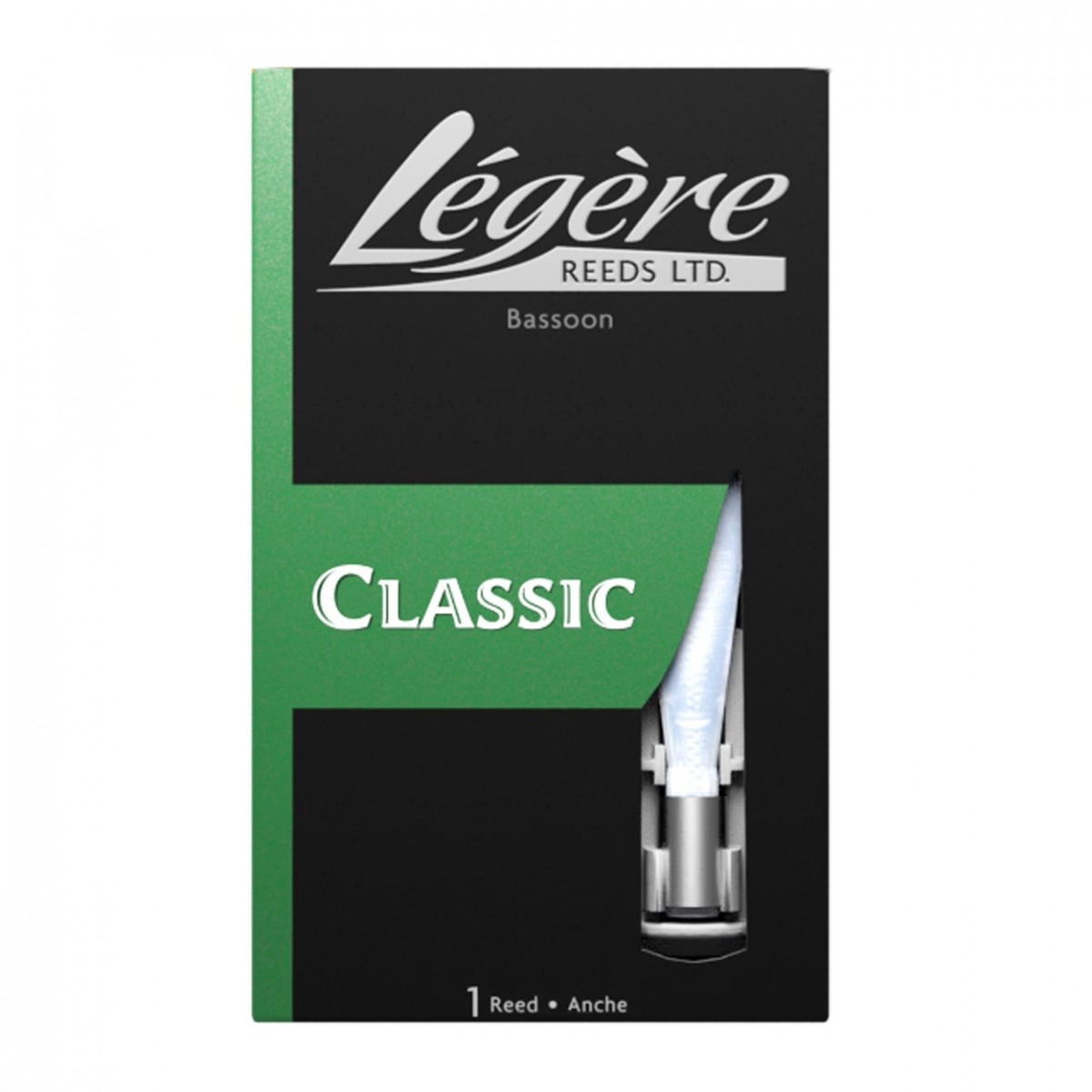
Legere Synthetic Bassoon Reed Medium-Hard
 £14.75 ($19)
Faber
Team Woodwind Bassoon Tuition Book
 £10.69 ($14)
K&M
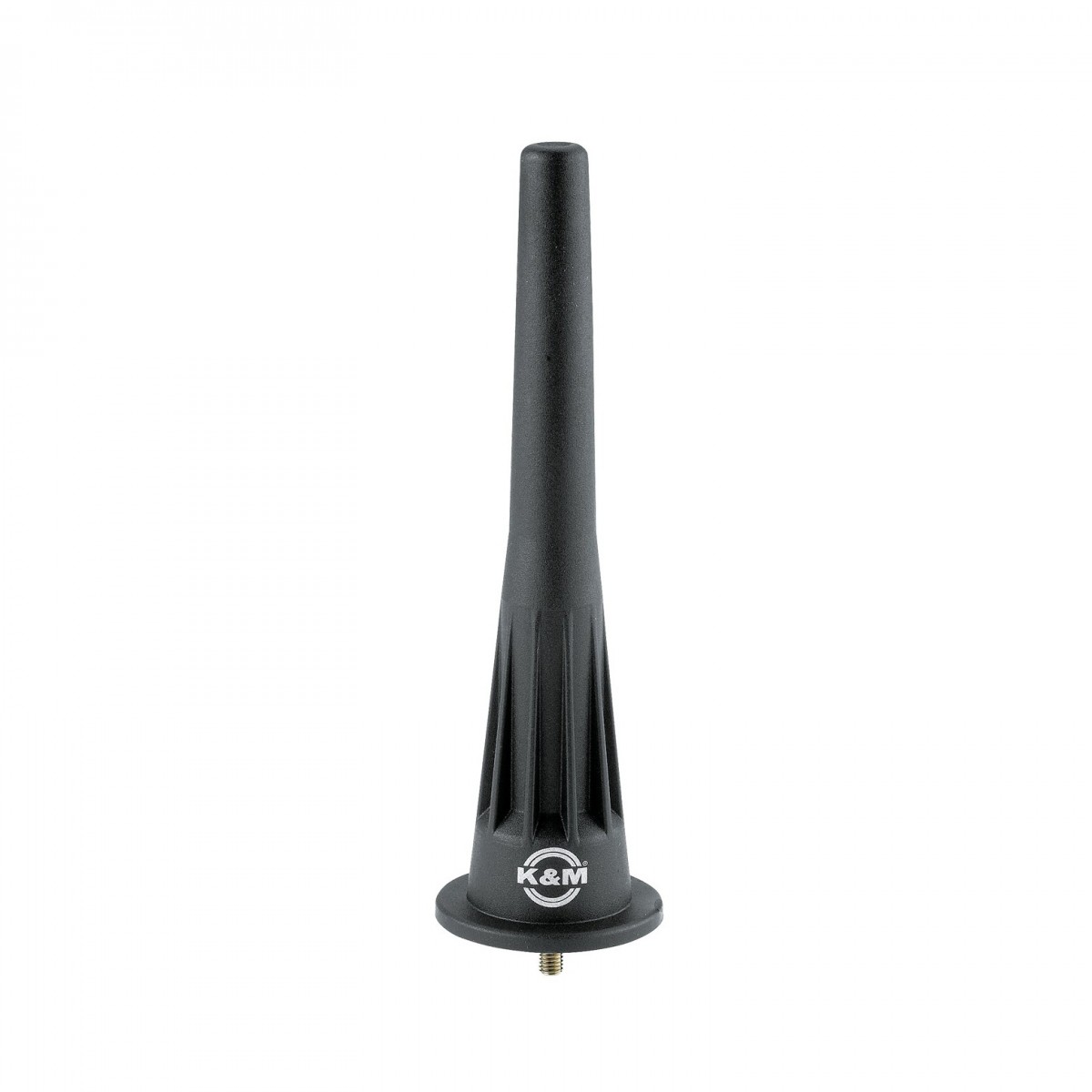
K&M 17738 Oboe Peg
 £150.00 ($191)
Legere
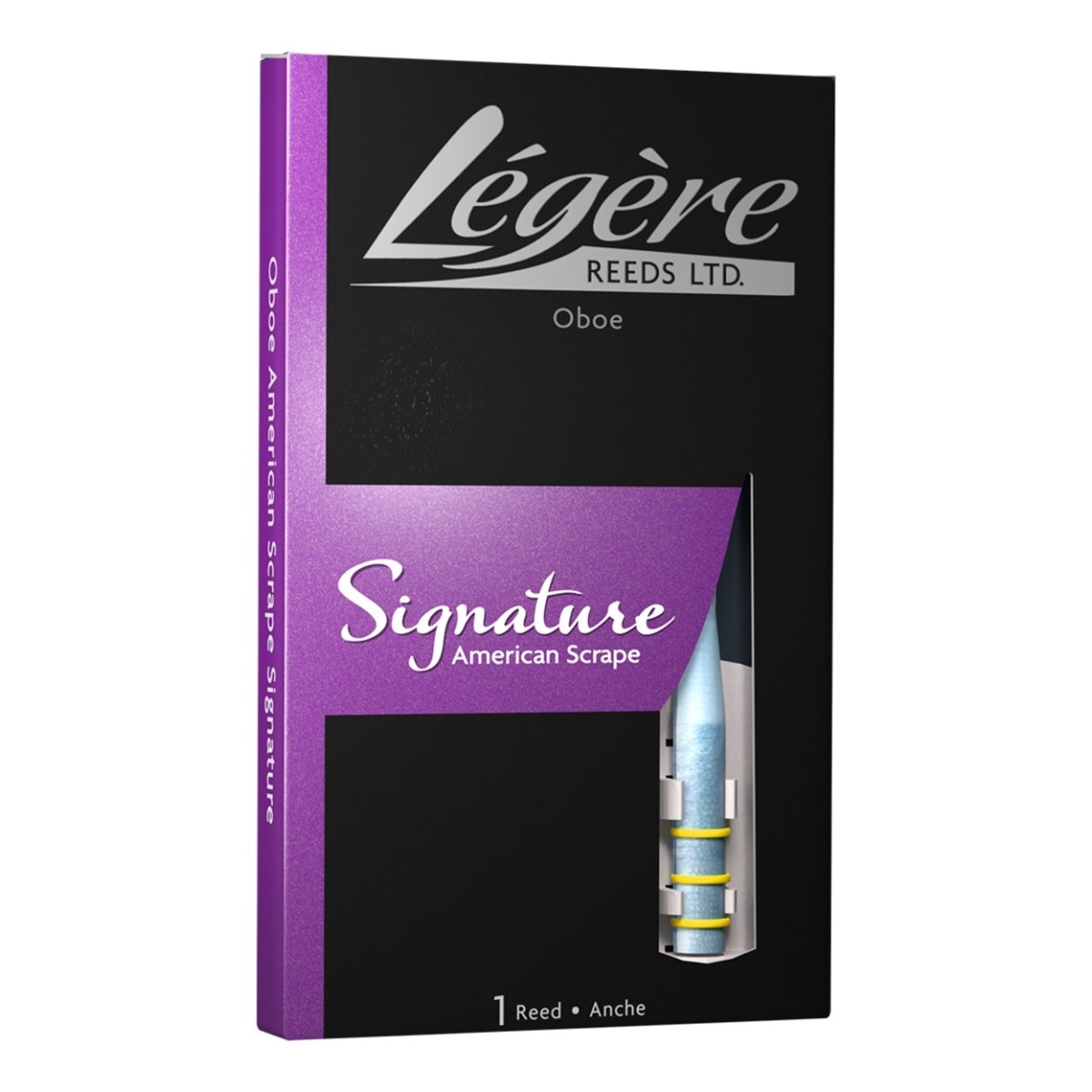
Legere Oboe Reed Signature American Scrape Medium Soft
 £65.00 ($83)
BG
BG Bassoon Bottom Joint and Wing Swab
 £27.00 ($34)
BG
BG Bassoon Bottom Joint Swab
 £19.99 ($25)
Jones
Jones European Scrape Oboe Reed Medium Soft
Frequently asked questions
- Do I need to soak the Légère Bassoon Reed before playing?
- No, these reeds require no moisture or soaking before use. They are ready to play immediately upon being placed on the bocal, which is a significant advantage over traditional cane.
- How long does a Légère Bassoon Reed typically last?
- These reeds are designed to hold their quality for several months, even with regular use in long rehearsals and concerts. They are significantly more durable than natural cane reeds.
- Is the Légère Bassoon Reed affected by humidity?
- No, the synthetic material is immune to changes in temperature and humidity. This ensures the reed remains consistent whether playing in a dry concert hall or a humid outdoor environment.
- What is the typical price for this reed in the UK?
- The typical price for the Légère Synthetic Bassoon Reed in the UK market is approximately £119. This reflects its advanced engineering and long-term durability.
- Who is the 'Medium' strength reed intended for?
- The Medium strength is designed to meet the demands of both professional and student players. It offers a balanced level of resistance that suits a wide range of embouchures.
- Can the reed be adjusted like a cane reed?
- While players should be extremely cautious, the manufacturer description emphasizes that these reeds are engineered for consistency out of the box. Most players do not attempt to scrape synthetic reeds like they would cane.
- How does the sound compare to traditional cane?
- The reed is described as having incredible strength, tonal warmth, and flexibility. It is designed to provide a premium feel that rivals the best cane reeds without the maintenance issues.
- Is this reed suitable for beginners?
- Yes, it is highly suitable for students because it removes the frustration of reed maintenance. It works well alongside standard tuition materials such as the Faber Team Woodwind series.
- Are there other strengths available?
- Yes, Légère offers different strengths to suit player preference, including a Medium-Hard version for those who prefer more resistance in their setup.
- Does the reed require special storage?
- While it is immune to humidity, it should still be stored in a protective case to prevent physical damage to the tip. Standard bassoon reed cases or the original packaging are recommended.
- Does Légère make reeds for other instruments?
- Yes, Légère produces synthetic reeds for a variety of woodwinds, including Oboe (American and European scrapes) and various clarinets and saxophones. Related products include the Signature American Scrape Oboe reed.
- Why is this reed described as a 'radical development'?
- It is considered radical because it successfully uses synthetic polymers to replicate the complex vibration and tonal characteristics of natural cane, which has been the standard for over 100 years.