
Gear article
Lewitt DTP40TRS 5-Pin XLR to Dual XLR Cable
The Lewitt DTP40TRS is a specialised 1.5-metre breakout cable designed specifically for the DTP-640-REX dual-capsule microphone. It features a 5-pin XLR connector that splits into two standard 3-pin XLR connectors, facilitating the transmission of independent signals from the microphone's dynamic and condenser elements.
See live pricesOverview
The Lewitt DTP40TRS is a premium-grade audio cable engineered to support the unique output requirements of multi-capsule microphones. Measuring 1.5 metres in length, the cable serves as a bridge between a single 5-pin output and standard mixing console or interface inputs. Each of the dual XLR tails is clearly labelled to ensure the user can distinguish between the different signal paths during setup.
Technical Composition
To maintain high signal integrity, the DTP40TRS is constructed using oxygen-free copper (OFC). This material choice reduces electrical resistance, which is critical for maintaining the frequency response of the microphone capsules. Furthermore, the cable incorporates tight shielding to protect against electromagnetic interference, ensuring a clean transmission even in environments with high electronic activity.
Signal Character and Performance
The focus of the DTP40TRS design is transparency rather than tonal coloration. By utilising low-resistance conductors and robust shielding, the cable aims to deliver the full frequency range of both the dynamic and condenser elements of the DTP-640-REX without degradation. The 1.5-metre length is specifically chosen to provide a sufficient lead from the kick drum to a stage box or floor-mounted preamp without excessive slack that could introduce noise.
Compatibility and Alternatives
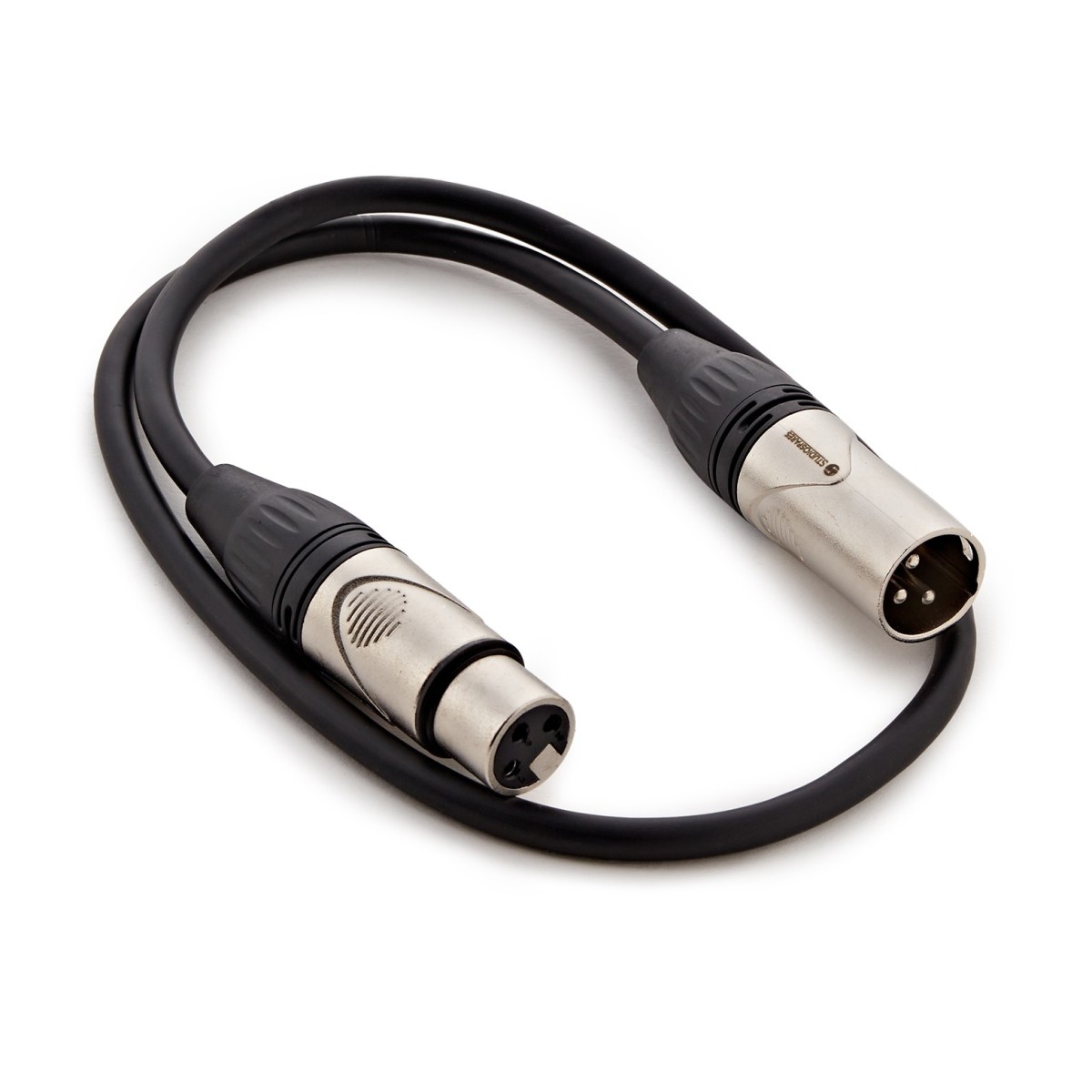
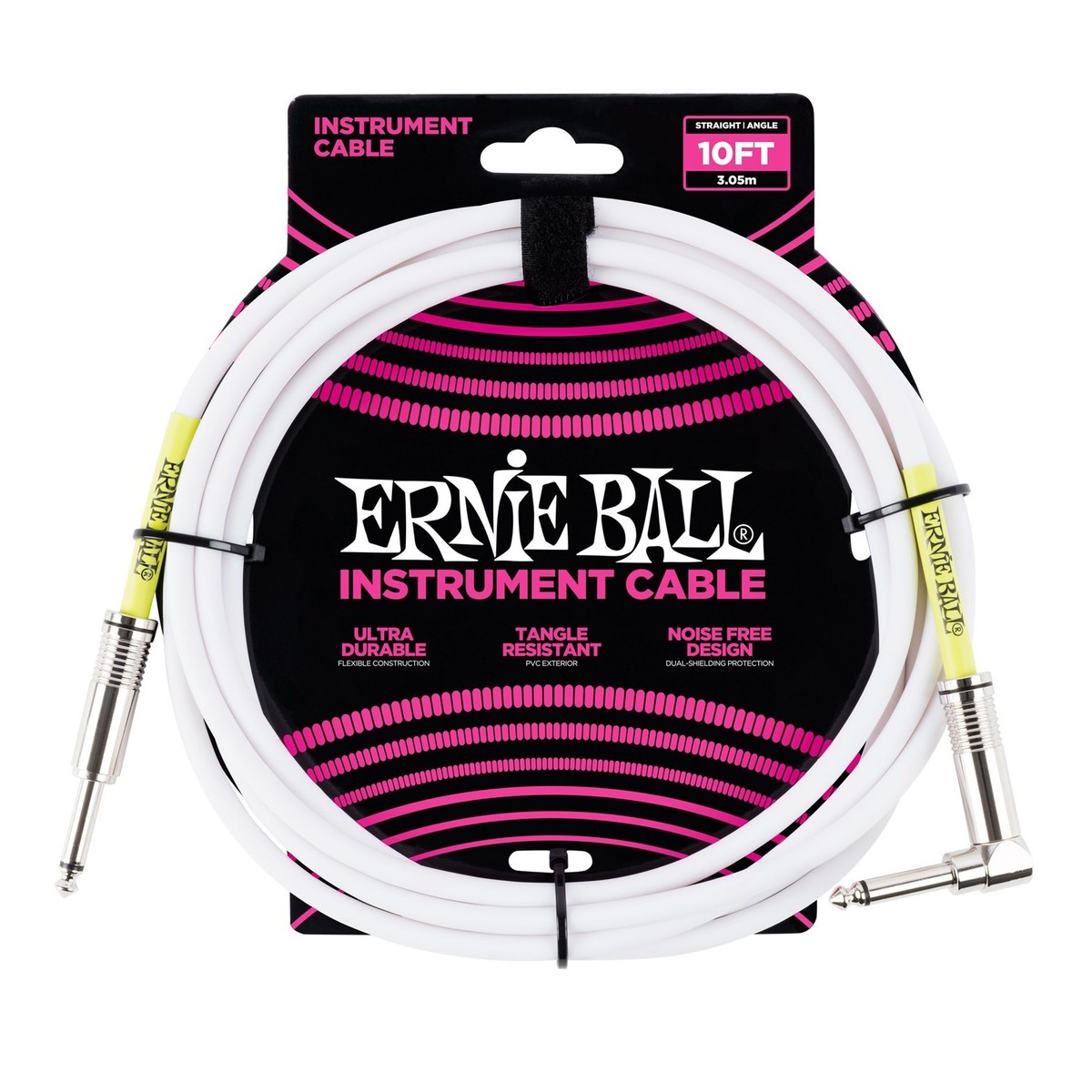
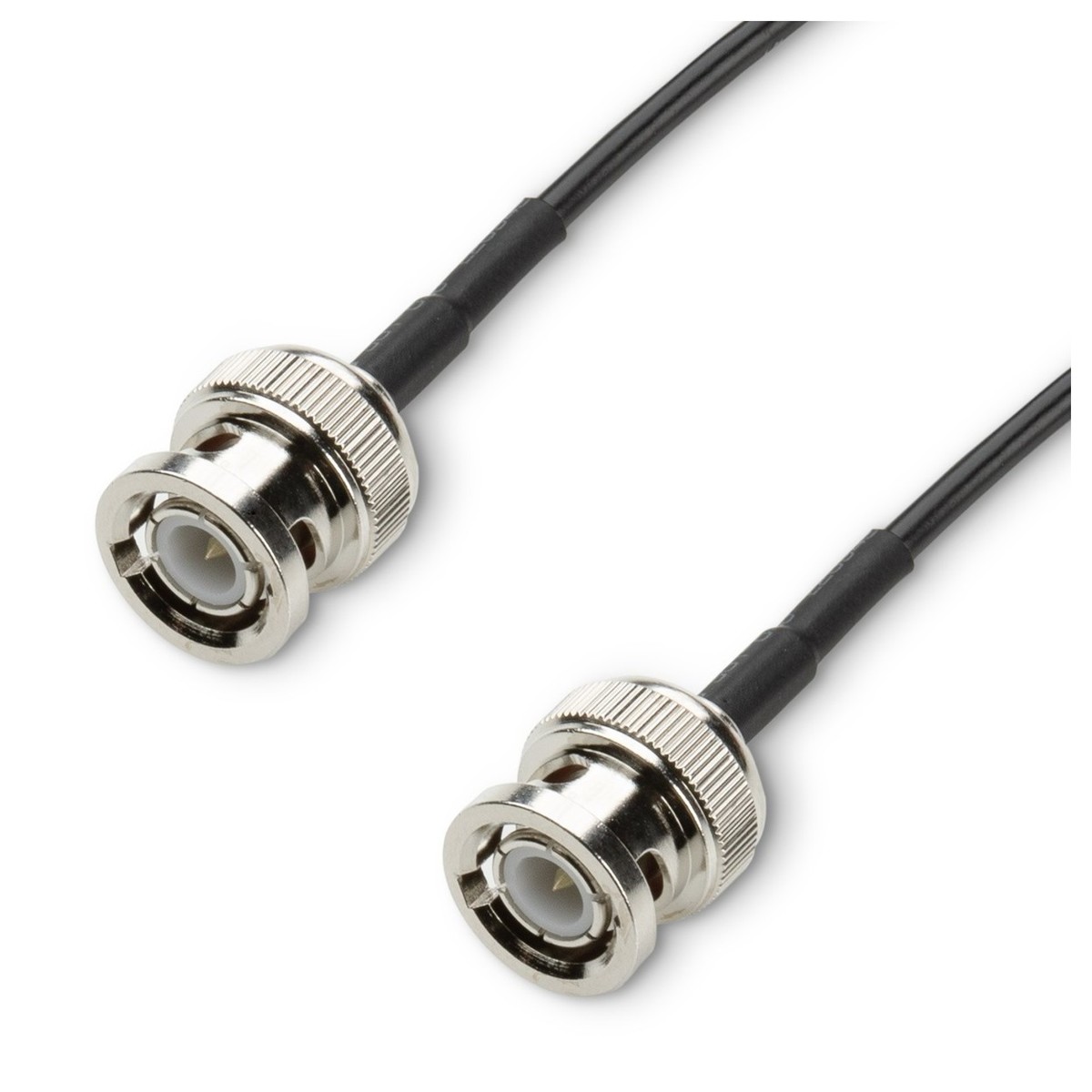
While standard XLR cables, such as those from Studiospares or Ernie Ball, are suitable for single-element microphones, the DTP40TRS is a proprietary necessity for users of the DTP-640-REX who require access to both capsules. It differs significantly from DMX 5-pin lighting cables, such as the Adam Hall 5 STAR series, as it is wired for balanced audio split applications rather than digital data protocols. For general utility, users might also employ Neutrik adaptors or BNC cables for different signal types, but the DTP40TRS remains the specific solution for dual-element kick drum miking.
Related gear
 £5.99 ($8)
Studiospares
Studiospares Standard XLR (M) - XLR (F) Cable 60cm
 £17.57 ($22)
Ernie Ball
Ernie Ball P06049 10ft Straight-Angle Instrument Cable White
 £32.00 ($41)
LD Systems
LD Systems WS100BNC10 BNC to BNC Antenna Cable 10m
 £4.99 ($6)
Gear4Music
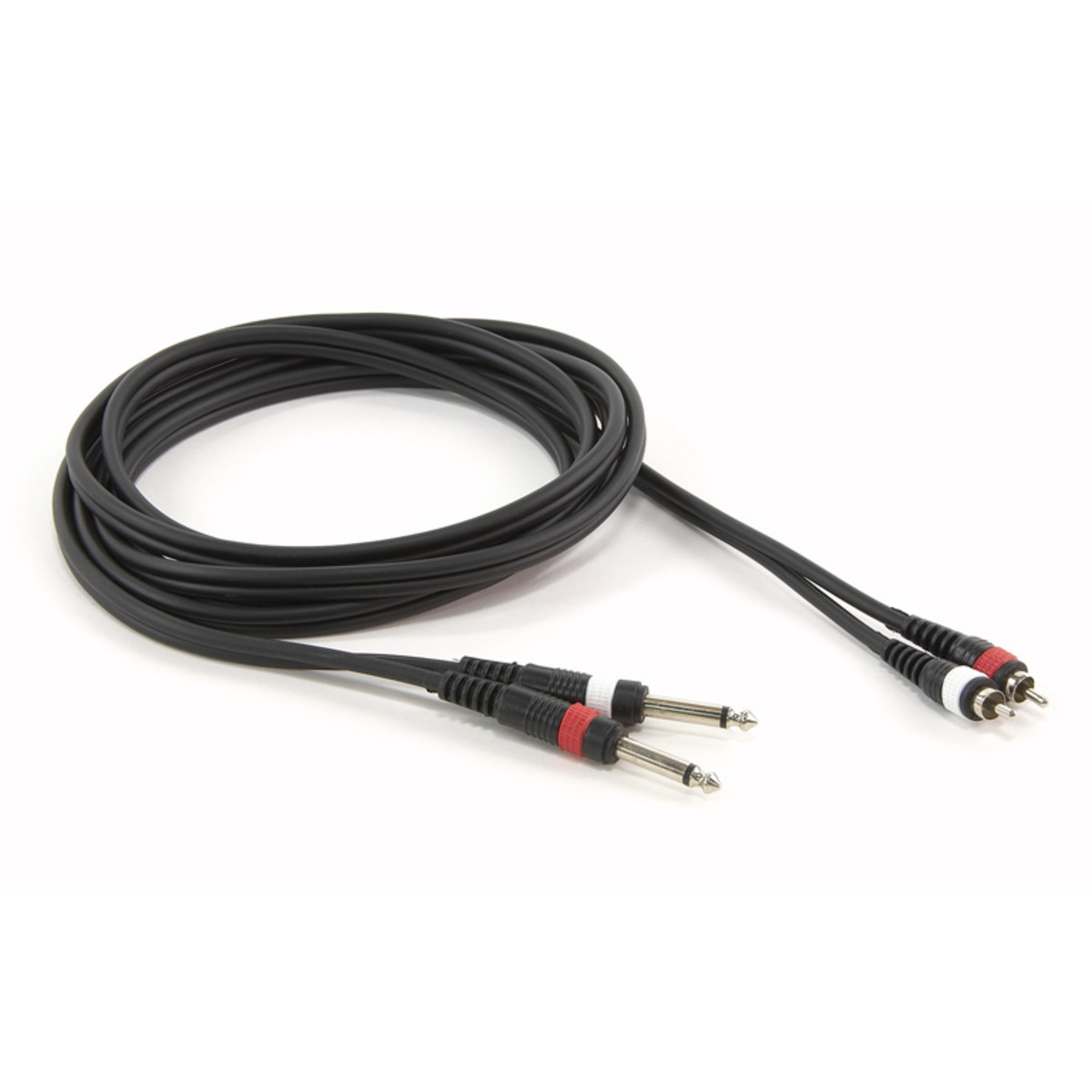
Essentials Dual Jack to RCA Phono Cable 3m
 £10.50 ($13)
Neutrik
Neutrik NC3FRX Right-Angled 3-Pole Female XLR Connector
 £19.00 ($24)
Neutrik
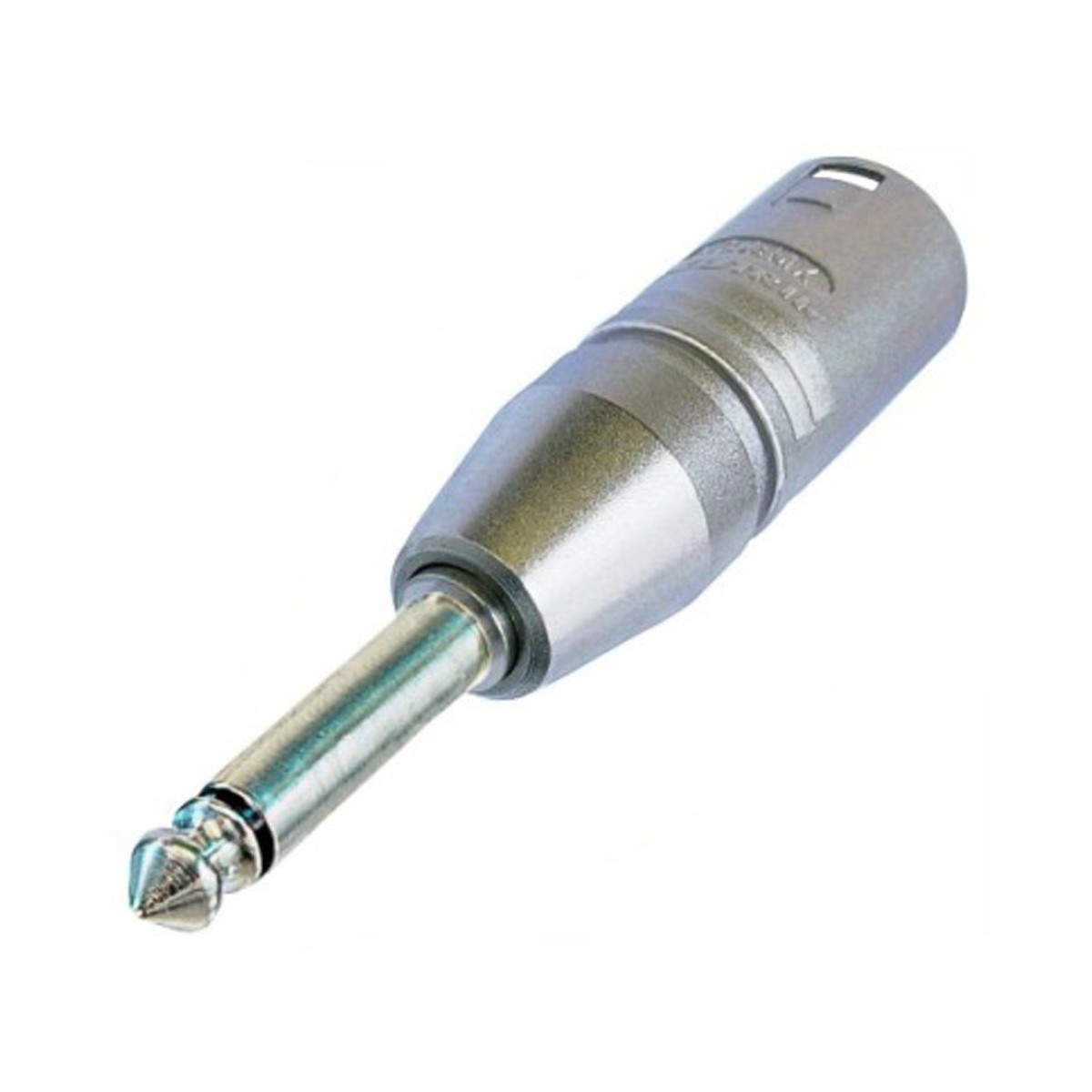
Neutrik NA2MP Male XLR - 1/4 Jack Adaptor
 £30.00 ($38)
Adam Hall
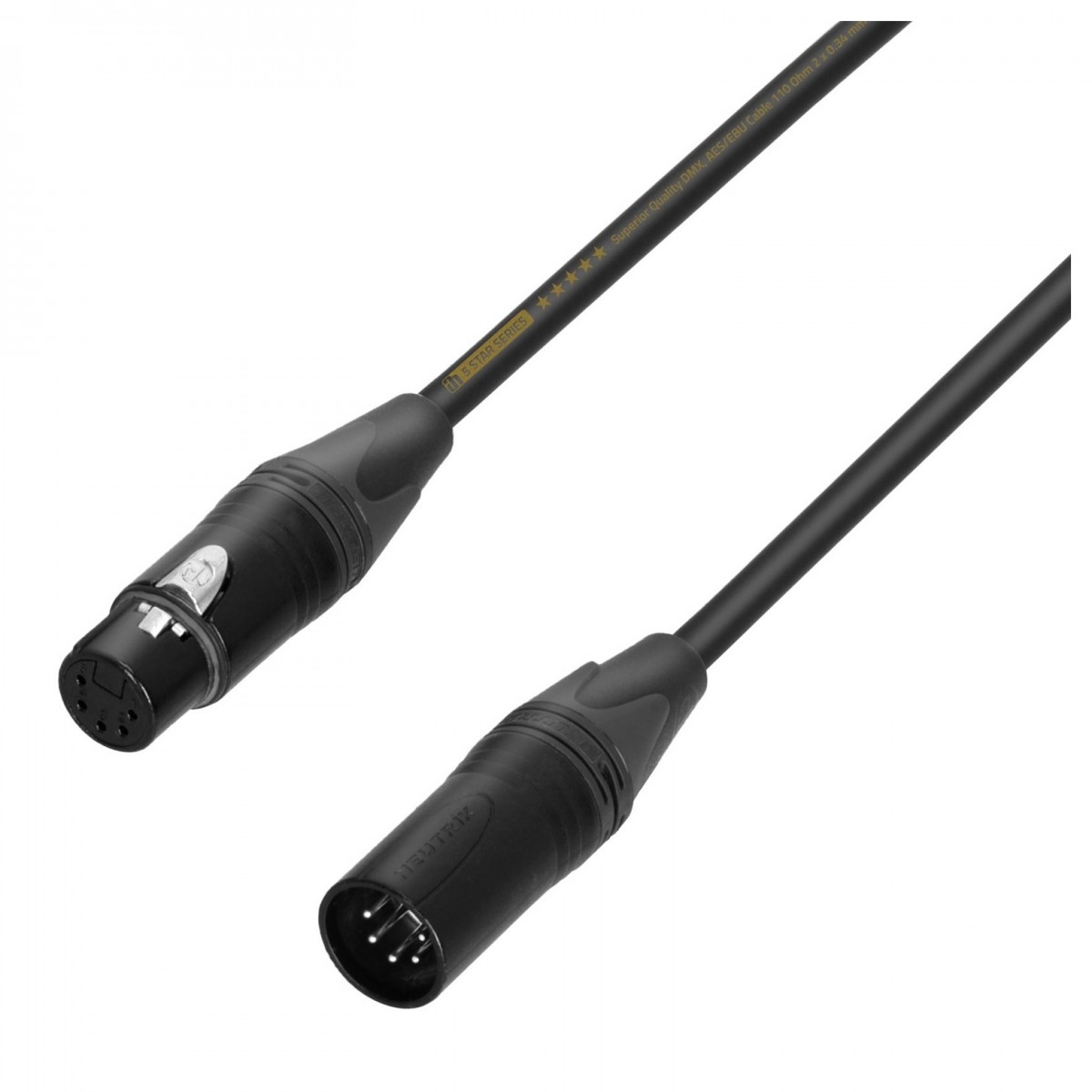
Adam Hall 5 STAR Neutrik DMX 5-Pin Lighting Cable 20m
 £4.99 ($6)
Studiospares
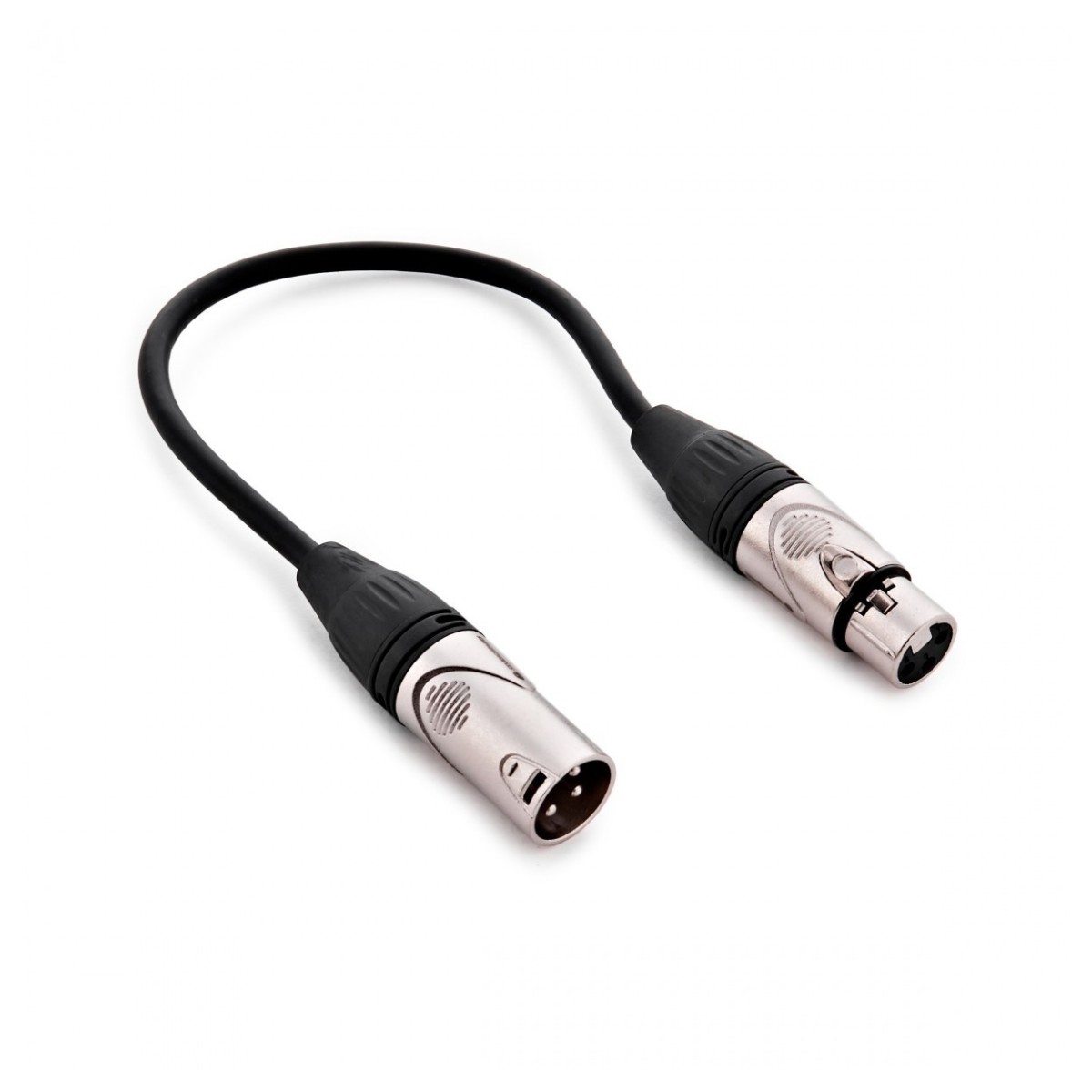
Studiospares Standard XLR (M) - XLR (F) Patch Cable 30cm
Frequently asked questions
- What is the primary purpose of the Lewitt DTP40TRS cable?
- The cable is designed to split the 5-pin output of a Lewitt DTP-640-REX microphone into two separate 3-pin XLR signals. This allows the user to record or mix the dynamic and condenser capsules independently.
- How long is the DTP40TRS cable?
- The cable measures 1.5 metres (approximately 5 feet) in length. This is an ideal length for reaching a nearby stage box or floor-based patch point from a kick drum.
- What type of copper is used in the conductors?
- The cable uses oxygen-free copper (OFC). This material is selected for its extremely low resistance and ability to maintain signal integrity over the length of the cable.
- Are the individual XLR connectors labelled?
- Yes, each of the two standard XLR connectors is labelled for its specific use. This helps the engineer identify which signal corresponds to which microphone element during soundcheck.
- Does this cable provide shielding against interference?
- Yes, it features tight cable shielding. This design improves transmission quality by protecting the low-level microphone signals from external electromagnetic interference.
- Can I use a 5-pin DMX lighting cable instead of the DTP40TRS?
- No, while the connectors may look similar, DMX cables like those from Adam Hall are designed for digital data and have different impedance and wiring schemes. The DTP40TRS is purpose-built for high-quality audio split applications.
- Is this cable compatible with other microphones?
- It is specifically designed for the Lewitt DTP-640-REX. While it may physically fit other 5-pin stereo microphones, the internal wiring is optimised for the dual-capsule configuration of that specific Lewitt model.
- What is the typical price range for this cable?
- The DTP40TRS typically retails for approximately GBP 27. Prices may vary slightly depending on the specific retailer and current stock availability.
- Does the cable use Neutrik connectors?
- While Lewitt uses high-quality connectors for this cable, it is a proprietary Lewitt-branded accessory. For custom repairs, separate components like Neutrik NC3FRX connectors are often used as high-quality alternatives.
- Why does the DTP-640-REX require a 5-pin connector?
- Because the microphone contains two separate capsules (dynamic and condenser), it requires more than the standard three pins to carry two balanced audio signals and shared grounding.
- How does this cable compare to a standard instrument cable?
- Unlike an Ernie Ball instrument cable which is TS (unbalanced) for guitars, the DTP40TRS is a balanced multi-core XLR cable. It handles two signals simultaneously and requires phantom power compatibility for the condenser element.
- Is the DTP40TRS suitable for outdoor use?
- While it features robust shielding and premium construction, it is primarily designed for studio and stage environments. Like most high-end audio cables, it should be protected from moisture and extreme weather conditions.