Gear article
Lewitt Interviewer Omnidirectional Microphone
The Lewitt Interviewer is a professional-grade dynamic microphone specifically engineered for electronic news gathering and field-based applications. Featuring an omnidirectional polar pattern and an extended handle, it is designed to provide consistent audio capture during high-pressure interview scenarios.
See live pricesOverview and Construction
The Lewitt Interviewer is a specialised tool built for the rigours of mobile journalism and outdoor broadcasting. Unlike standard vocal microphones, it features an elongated body to facilitate a comfortable grip and easier placement between an interviewer and their subject. The chassis is constructed to be robust and sturdy, ensuring it can withstand the demands of professional field use.
A key design element is the inclusion of a purpose-built Dust Protection Membrane. This internal layer shields the capsule from environmental contaminants, which is essential for journalists working in unpredictable outdoor conditions.
Handling and Performance
One of the primary challenges in field recording is handling noise—the thumps and vibrations transmitted through the microphone body. Lewitt addresses this through the use of refined rubber suspensions and unique coating materials on the handle. These features work in tandem to decouple the capsule from the grip, allowing for clean audio even when the user is moving or adjusting their hand position frequently during a conversation.
Sound Character
The microphone utilizes an omnidirectional polar pattern, which offers several advantages for speech capture. Firstly, it eliminates the proximity effect, meaning the bass does not become unnaturally boosted as the speaker gets closer to the capsule. Secondly, the omnidirectional pick-up is more forgiving than cardioid designs, capturing clear audio even if the microphone is not pointed directly at the speaker's mouth. This results in a natural, open sound suitable for broadcast speeches and dialogue.
Comparison to Industry Standards
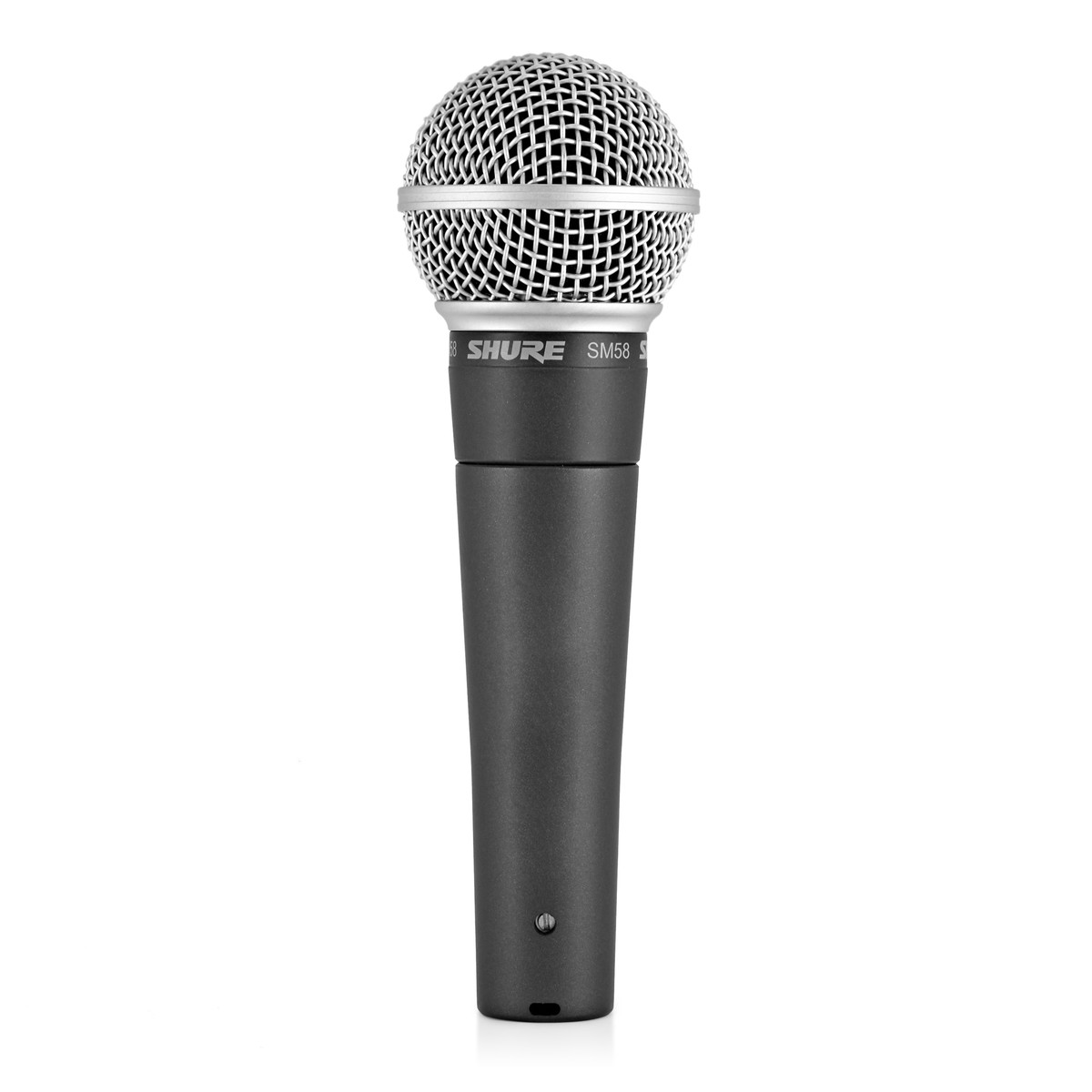
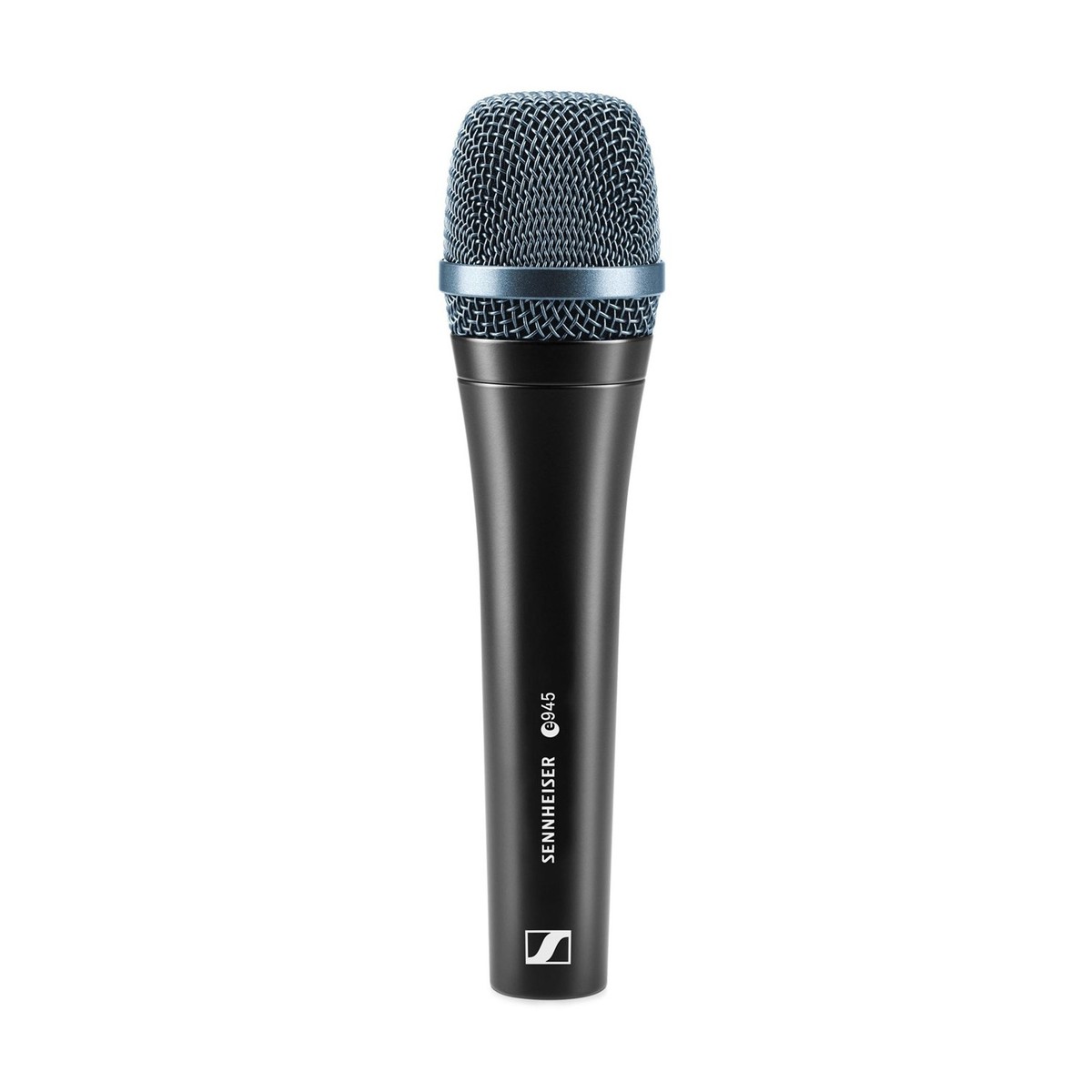
When compared to general-purpose live microphones like the Shure SM58 or Beta 58A, the Lewitt Interviewer differs significantly in its polar pattern and physical form factor. While the SM58 and Sennheiser e945 use cardioid or supercardioid patterns to reject off-axis sound, the Lewitt's omnidirectional design is preferred for interviews because it avoids the 'off-axis colouration' that can occur when a subject moves their head.
While high-end studio dynamics like the Electro-Voice RE20 or Sennheiser MD 441-U offer superior fidelity for controlled environments, the Lewitt Interviewer is more portable and ruggedised specifically for the 'run-and-gun' nature of field reporting.
Related gear
 £563.00 ($715)
Electro-Voice
Electro-Voice RE20 Dynamic Cardioid Microphone
 £148.75 ($189)
Sennheiser
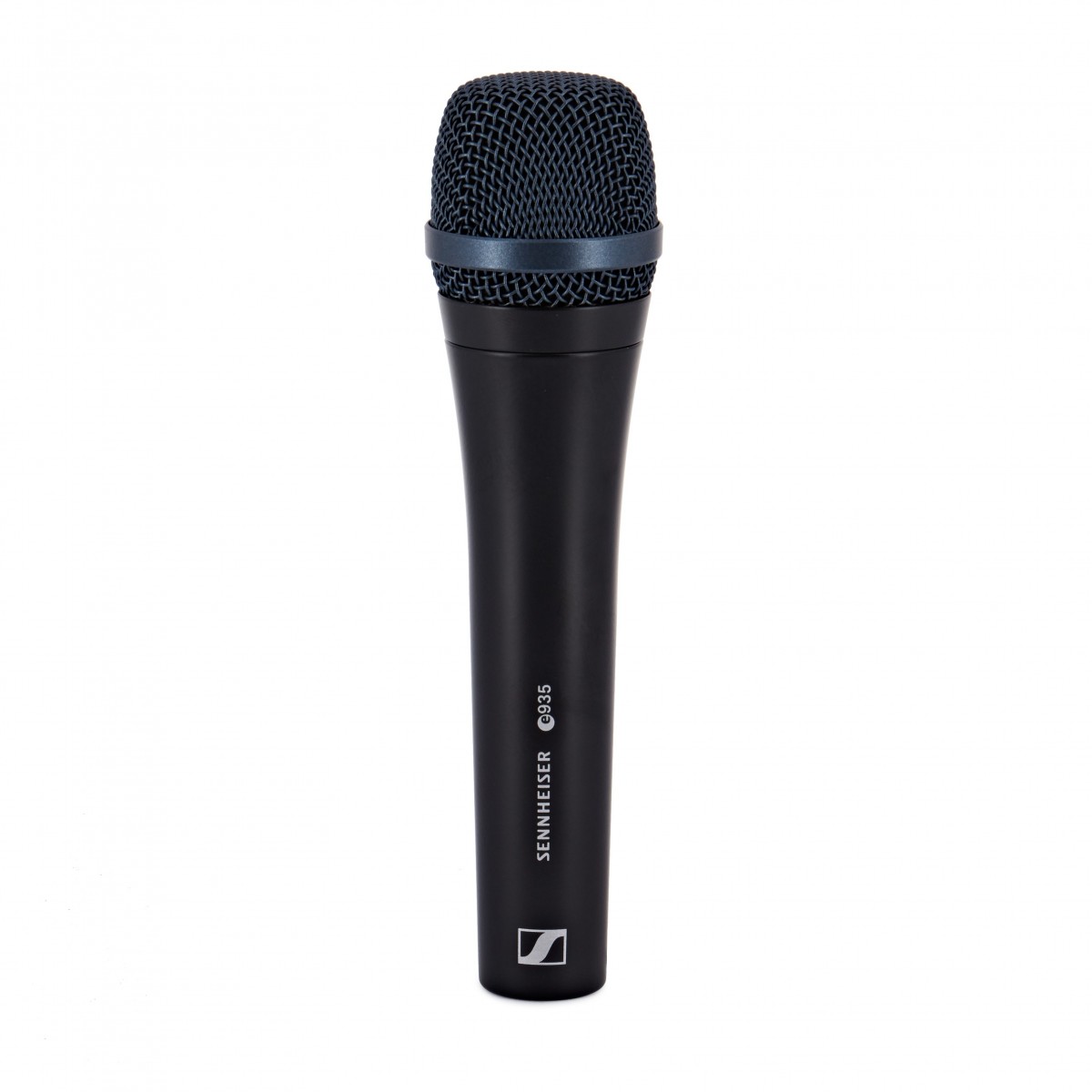
Sennheiser e935 Dynamic Vocal Microphone
 £142.25 ($181)
Shure
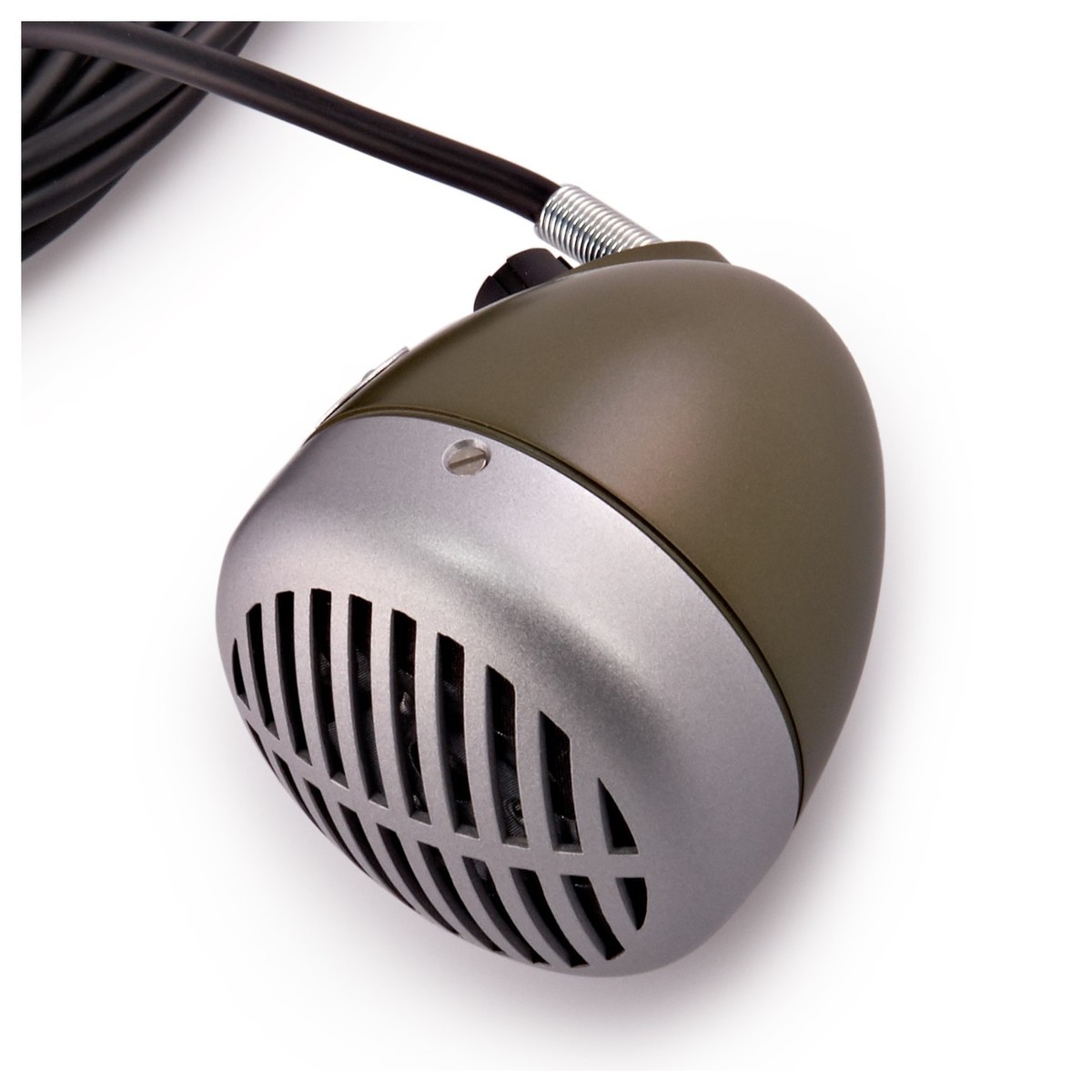
Shure 520DX Green Bullet Harmonica Microphone
 £161.50 ($205)
Shure
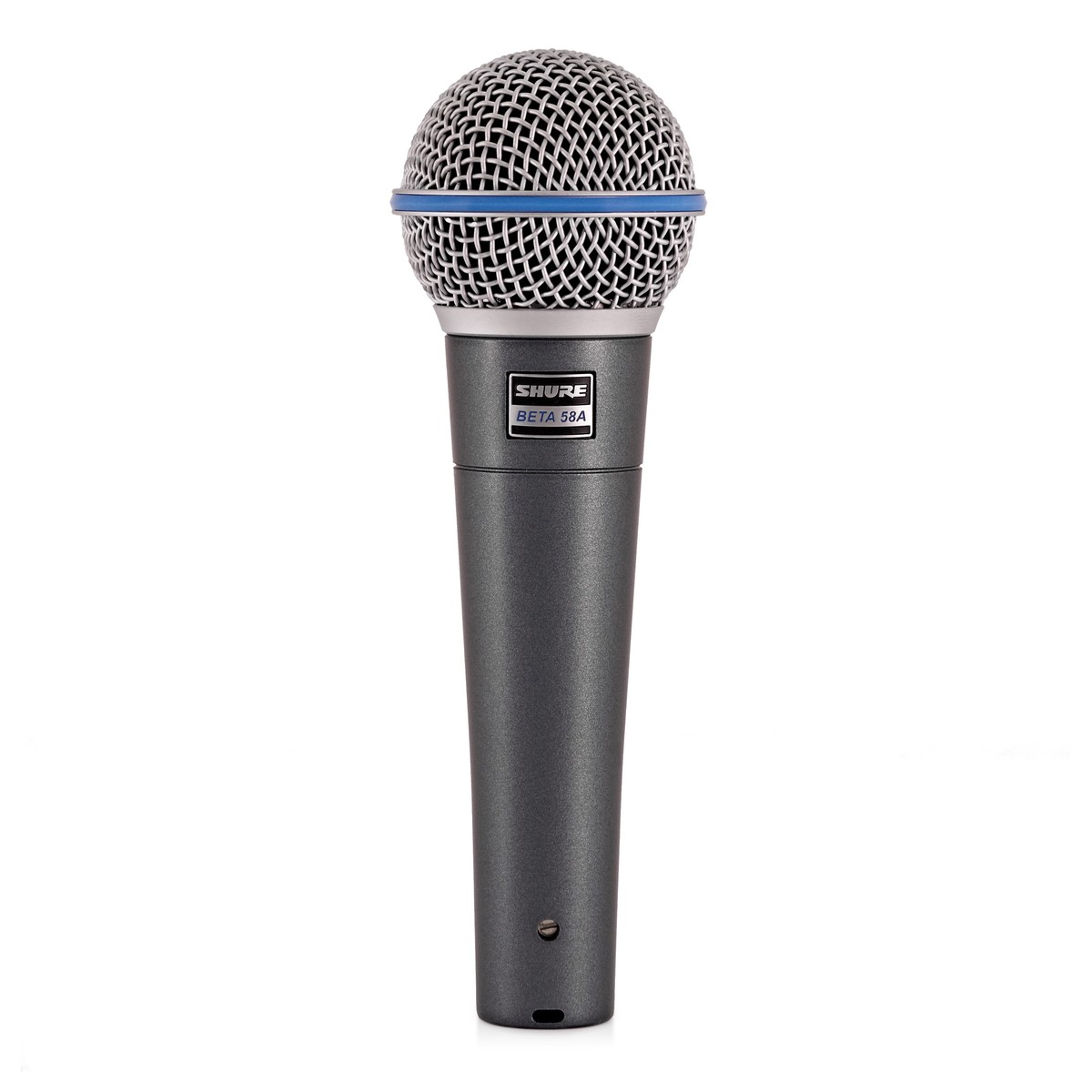
Shure Beta 58A Dynamic Microphone
 £259.00 ($329)
Shure
Shure SM58 Dynamic Cardioid Vocal Microphone
 £149.00 ($189)
Sennheiser
Sennheiser e945 Dynamic Vocal Microphone
 £103.50 ($131)
Shure
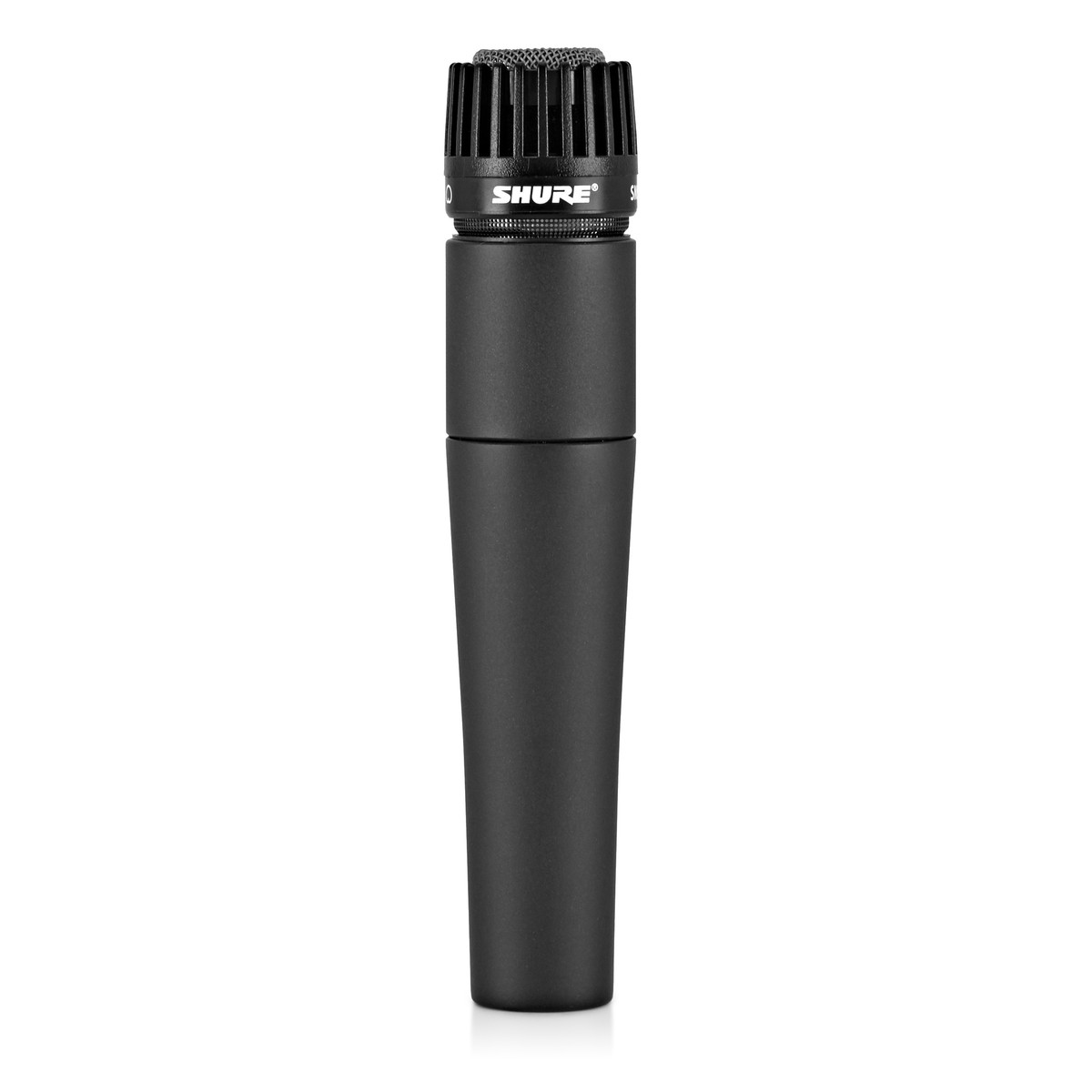
Shure SM57 Dynamic Instrument Microphone
 £1,080.00 ($1,372)
Sennheiser
Sennheiser MD 441-U Dynamic Supercardioid Microphone
Frequently asked questions
- What is the primary use case for the Lewitt Interviewer?
- It is primarily designed for professional interviews, field reporting, and capturing speeches on the move. Its extended body and rugged build make it ideal for mobile journalism.
- What polar pattern does the Lewitt Interviewer use?
- It uses an omnidirectional polar pattern. This allows it to capture sound equally from all sides, making it very forgiving if the subject moves away from the direct axis of the microphone.
- How does this microphone handle vibration and grip noise?
- The microphone features refined rubber suspensions and unique coating materials. These specific design choices are intended to minimise handling noise for cleaner recordings during handheld use.
- Does the Lewitt Interviewer require phantom power?
- No, it is a dynamic microphone. Dynamic microphones do not require external power sources like phantom power to operate.
- Is the microphone suitable for outdoor use?
- Yes, it is specifically designed for outdoor environments. It features a robust design and a purpose-built Dust Protection Membrane to protect the capsule from wind-blown debris and dust.
- Why is the handle longer than a standard microphone?
- The extended body provides a comfortable grip for the interviewer and allows for better reach between the interviewer and the subject without the need for additional extensions.
- What is the typical price for the Lewitt Interviewer?
- The microphone typically retails for approximately GBP 179. This places it in the premium-grade category for dedicated interview microphones.
- How does it compare to a Shure SM58?
- Unlike the SM58, which is a cardioid microphone designed for stage vocals, the Lewitt Interviewer is omnidirectional. This makes it better suited for dialogue in field settings where precise microphone positioning is difficult.
- Does this microphone suffer from the proximity effect?
- Because it is an omnidirectional microphone, it does not suffer from the proximity effect. Users can speak very close to the capsule without experiencing an artificial boost in bass frequencies.
- Is the Lewitt Interviewer a good choice for recording musical instruments?
- While it is optimised for speech and interviews, its omnidirectional nature could be used for ambient instrument capture. However, for most instrument applications, microphones like the Shure SM57 or Sennheiser MD 441-U are more traditional choices.
- Can I use the Lewitt Interviewer for harmonica recording?
- While possible, it is not purpose-built for it. Dedicated units like the Shure 520DX 'Green Bullet' are better suited for the specific tonal requirements of harmonica players.
- What protection does the capsule have against environmental damage?
- The capsule is protected by a dedicated Dust Protection Membrane. This layer is designed to keep the internal components safe from particulates during field recording sessions.